
 Worksheets
Science Review 24-24 End of Year
Total questions: 24
Worksheet time: 12mins

When you collect information and determine the properties of objects and events (using your 5 senses)
Data
Inference
Conclusion
Observation

When you use your background knowledge and what you’ve learned to make an informed (educational) scientific guess
Observation
Data
Conclusion
Hypothesis
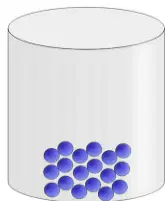
A phase of matter that has a definite shape and a definite volume. The particles are the closest.
Gas
Vapor
Liquid
Solid

A phase of matter that has a definite volume, but no definite shape. The particles are able to flow.
Liquid
Vapor
Solid
Gas
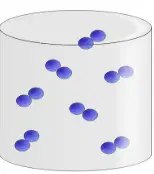
A phase of matter in which the particles are moving fastest and furthest apart. This phase of matter has no definite shape or volume.
Liquid
Vapor
Solid
Gas
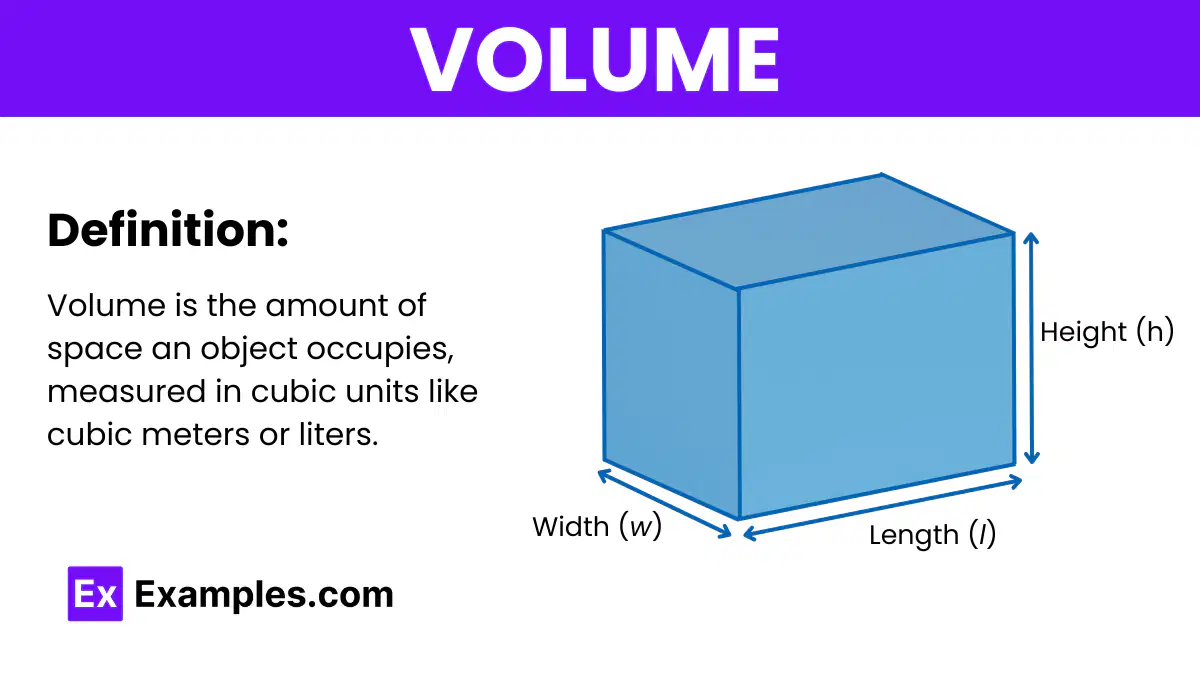
The amount of space an object takes up is its
Volume
Weight
Matter
Mass
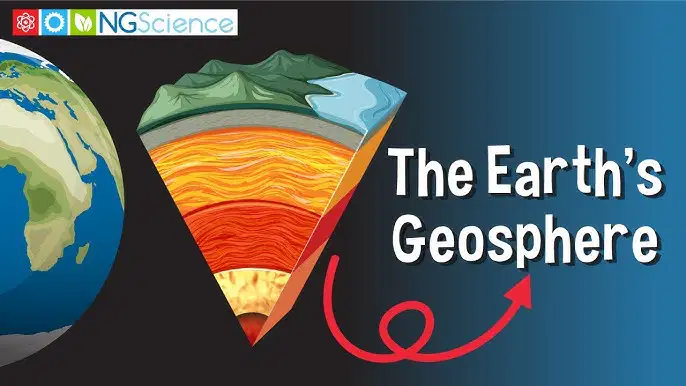
Rock, soil, and sediments make up which sphere?
Hydrosphere
Geosphere
Atmosphere
Biosphere
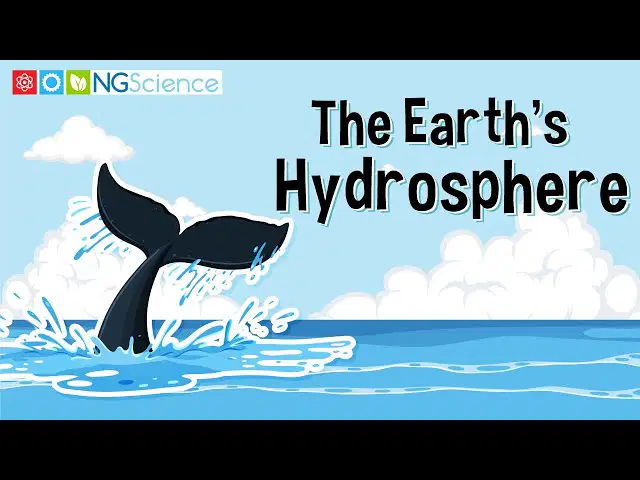
This system (sphere) contains all the oceans, rivers, lakes, and groundwater on Earth.
Hydrosphere
Geosphere
Atmosphere
Biosphere
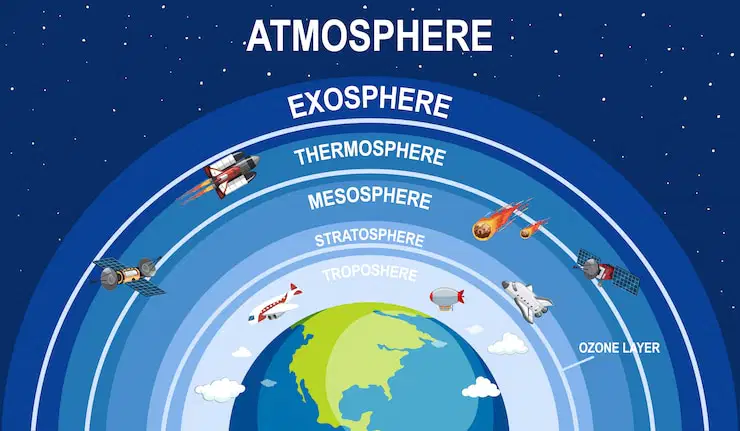
All of the gases that surround the Earth make up this system (sphere)
Hydrosphere
Geosphere
Atmosphere
Biosphere
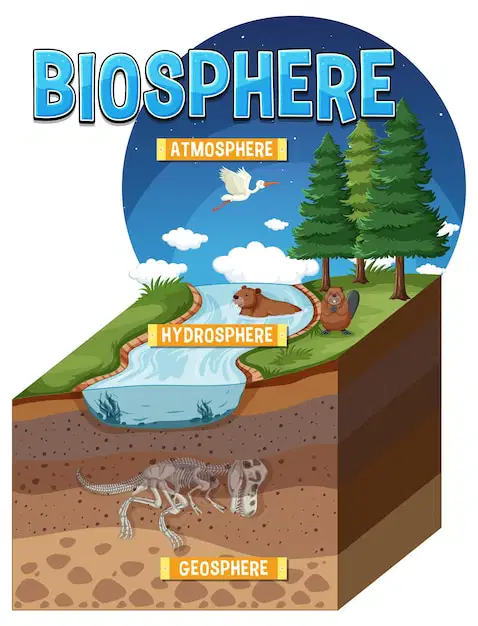
All of the living things on Earth make up this system (sphere)
Hydrosphere
Geosphere
Atmosphere
Biosphere
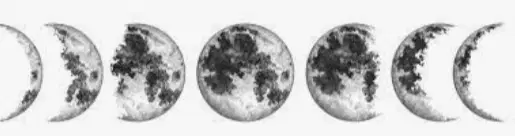
The amount of time it takes for the moon phases to complete a full cycle
About 1 day.
About 1 week.
About 1 month.
About 1 year.
What is the force that pulls objects towards the center of the Earth?
Rotation
Axis
Gravity
Atmosphere

All the living organisms and the non-living environment with which they interact are called a/an_______________
Ecosystem
Community
Environment
World
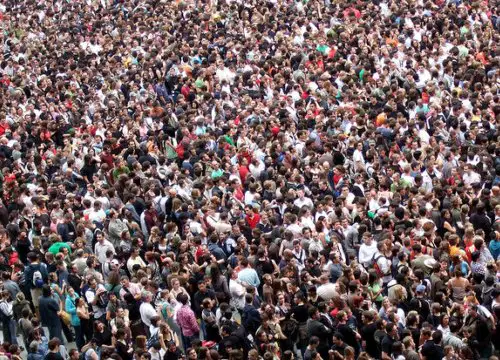
__________ occurs when a species population exceeds the carrying capacity (resources) of its ecosystem.
Food web
Prey
Biodiversity
Overpopulation

An organism that gets its energy by breaking down the wastes and dead remains of plants and animals.
Decomposer
Invertebrate
Insect
Predator
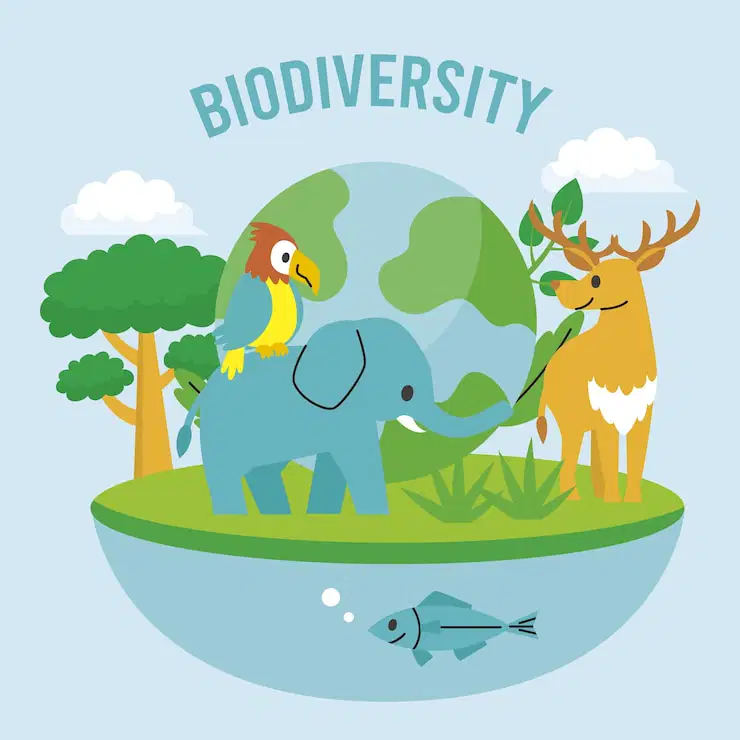
The variety of life in a particular environment is called a/an .
Biome
Niche
Ecosystem
_________________ is a process by which plants make their own food using energy from sunlight.
Photosynthesis
Matter
Consumer
Omnivore
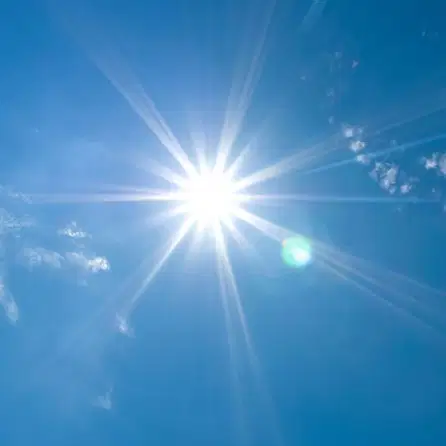
The main source of energy for all living things is
Soil
Sunlight
Minerals
Animals

Which of the following is an example of a producer
Plants
Tigers
Giraffes
Fish

Plants and other organisms that make their own food are called.
mammals
consumers
decomposers

These species are Indigenous and occur naturally in an area:
Native species
Exotic species
Endangered species
Invasive species

A species that has a negative impact in an area that is not its native home is a/an .
Native/Indigenous species
Exotic species
Endangered species

This diagram best represents a
Photosynthesis
Food web
Hydrosphere
Food chain
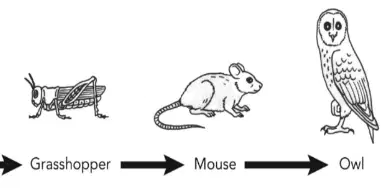
The diagram is an example of
a food chain
an Example
an Illustration
Representation

