
 Worksheets
Y7 Technology End of Year Test
Total questions: 36
Worksheet time: 28mins
FOOD & NUTRITION : Which cooking methods would you use a hob for? (select multiple)
boiling
grilling
roasting
poaching
frying
FOOD & NUTRITION: Why is it important to coat cut fruit in fruit juice when preparing a fruit salad?
To prevent oxidisation and browning of the fruit
To sterilise the fruit and make it safe to eat raw
To remove natural sugars from the fruit
To speed up the ripening process
To make the fruit even more healthy
FOOD & NUTRITION: Which cooking methods would you use an oven for? (select multiple)
boiling
grilling
roasting
poaching
baking
FOOD & NUTRITION: Which piece of equipment is used to accurately measure the mass of ingredients in cooking?
kitchen scales
measuring jug
seive
thermometer
saucepan
FOOD & NUTRITION: What information is included in a recipe? (select multiple)
Which ingredients to use
The quantities of each ingredient you must use
What country the food came from
How long to cook the ingredients
How much the ingredients cost
FOOD & NUTRITION: What is the name of the method used to combine flour, fat, and sugar when making a crumble topping?
rubbing-in method
creaming method
folding technique
kneading method
FOOD & NUTRITION: Which of these ingredients would you expect to find in pizza dough? (select multiple)
flour
water
salt
milk
cheese
FOOD & NUTRITION: Which cheese is typically found on pizza topping?
mozzarella
stilton
cheddar
red Leicester
goat's cheese
FOOD & NUTRITION: What is the normal cooking temperature for an apple crumble?
18°C
180°C
1800°C
80°C
801°C
FOOD & NUTRITION: Which 'O' describes food which is produced without the use of chemical fertilisers, pesticides or other artificial chemicals.
(a)
FOOD & NUTRITION: Which knife technique is most suitable for safely cutting round fruits such as apples?
bridge hold
claw grip
rocking chop
Julienne cut
FOOD & NUTRITION: Which piece of kitchen equipment is most appropriate for breaking down fruit into a smooth liquid consistency when making a smoothie?
hand blender
food processor
balloon whisk
grater
PRODUCT DESIGN: Which manmade wood is manufactured from compressing wood fibres together with resin/glue?
MDF
pine wood
oak wood
ply wood
cherry wood
PRODUCT DESIGN: When a product designer does research by asking a group of people for their opinion
survey
specification
product analysis
design brief
PRODUCT DESIGN: What should a designer do when they meet a client for the first time? (select multiple)
arrive early
dress appropriately
be funny
talk about football
present ideas with confidence
PRODUCT DESIGN: Name an appropriate tool for smoothing the edge of a piece of material
file
saw
chisel
hammer
screw driver
PRODUCT DESIGN: Select the essential features of good design work (select multiple)
clear and neat drawings
informative annotation
A4 paper
paint and/or pastels
rotational symmetry
PRODUCT DESIGN: What should you make sure of before using a disk sander? (select multiple)
safety goggles
long hair tied back
protective gloves
extractor fan switched on
wear a dust mask
PRODUCT DESIGN: The person or company that a designer produces design work for (select multiple)
client
customer
manufacturer
retailer
consumer
TEXTILES: Which of these materials comes from an animal? (select multiple)
wool
cotton
linen
polyester
leather
TEXTILES: In which country was the first sewing machine invented?
France
Ireland
United Kingdom
Spain
Italy
TEXTILES: Which of these materials is made from plastic? (select multiple)
wool
cotton
linen
polyester
leather
TEXTILES: Which of these materials comes from a plant?
wool
cotton
lycra
polyester
leather
TEXTILES: Which of these is a type of stitch?
running
skipping
shuffling
walking
hopping
TEXTILES: Which of these is a type of stitch?
cross
angry
fuming
livid
mad
TEXTILES: What year was the first sewing machine invented?
1829
1929
1729
1629
1529
TEXTILES: A manmade fabric with a soft and cosy feel
fleece
leather
polyester
linen
cotton
TEXTILES: Applique is...
the process of stitching patches of fabric onto another fabric
the process of of decorating fabric or other using a needle to stitch thread
a printing technique where a mesh is used to transfer ink
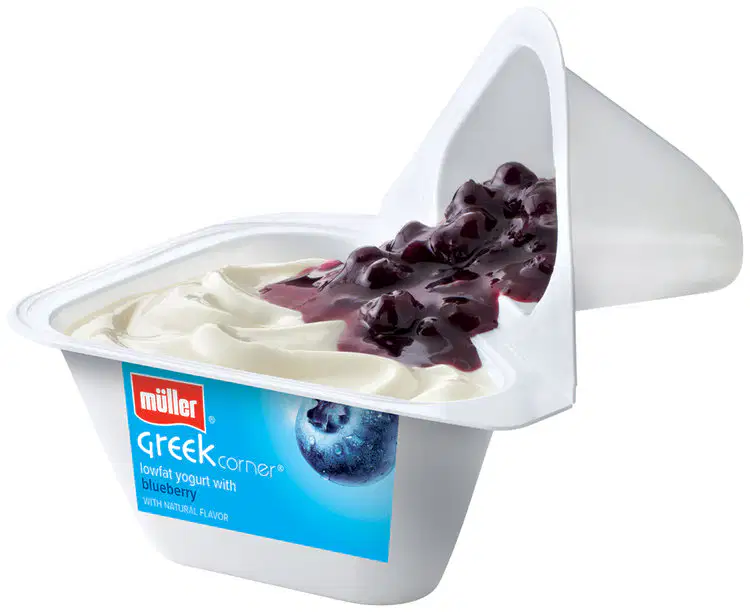
PRODUCT DESIGN: Name a suitable manufacturing method for the packaging of this product
vacuum forming
blow moulding
injection moulding
3D printing
hand made

PRODUCT DESIGN: Name this machine
pillar drill
disk sander
3D printer
fret saw
laser cutter
PRODUCT DESIGN: When a designer uses digital technology in their work
(a)
TEXTILES: The hole at one end of a needle is called the...
(a)
TEXTILES: To sew by hand, all you need is a needle and...
(a)
TEXTILES: Which 'F' is a cloth or other material produced by weaving or knitting fibres?
(a)
PRODUCT DESIGN: What type of research is it when a designer uses books or websites?
(a)
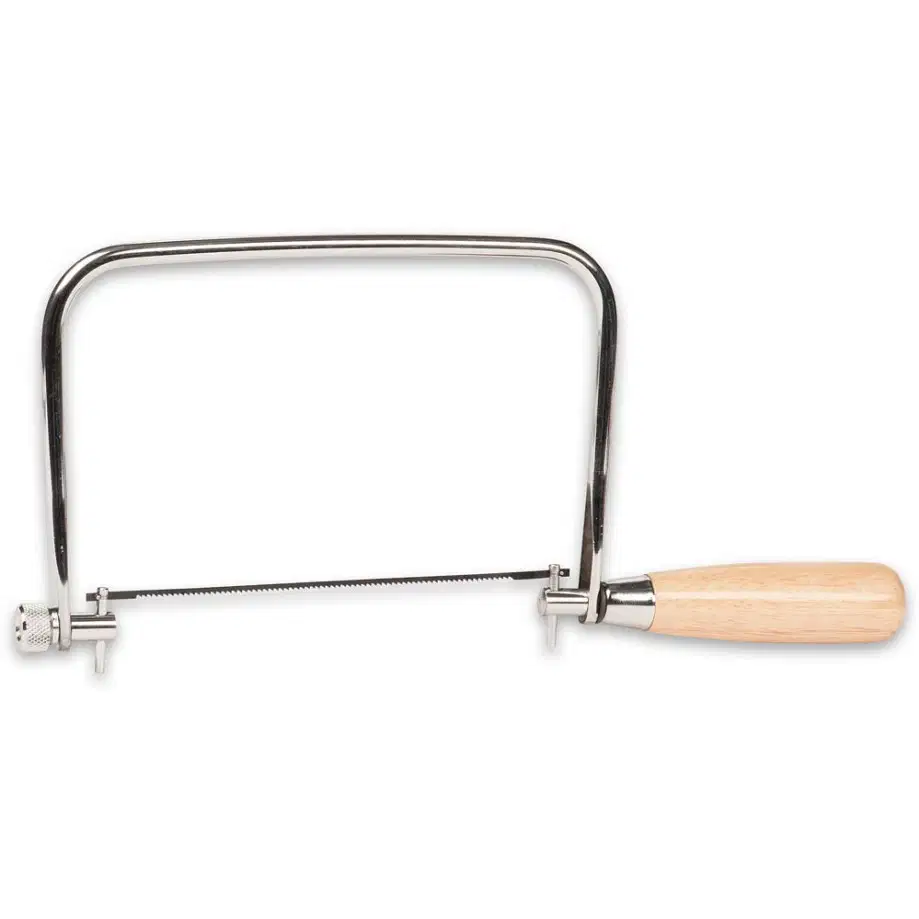
PRODUCT DESIGN: What type of saw is this?
(a)

