
 Worksheets
The EXAM explained
Total questions: 87
Worksheet time: 44mins
What is being discussed when talking about 'function' in Art & Design in Nat 5?
The purpose of the design and how well it performs its intended task.
The materials used to create the design.
The historical background of the design.
The color scheme chosen for the design.
What is being discussed when talking about 'fitness for purpose' in Art & Design in Nat 5?
How suitable the design is for its intended use or audience.
The cost of producing the design.
The historical background of the design.
The materials used in the design.
What is being discussed when talking about 'materials and/or techniques' in Art & Design in Nat 5?
The types of materials used and the methods or processes applied in creating the design.
The historical context of the artwork and its influence on society.
The personal opinions of the artist about their work.
The marketing strategies used to promote the artwork.
What is being discussed when talking about 'target market/audience' in Art & Design in Nat 5?
The specific group of people the design is intended for or appeals to.
The materials used in creating the artwork.
The historical period the artwork belongs to.
The techniques used to create the design.
What is being discussed when talking about 'visual impact' in Art & Design in Nat 5?
The overall effect the design has on viewers and how striking or memorable it is visually.
The historical context of the artwork and its influence on society.
The materials and techniques used to create the artwork.
The artist's personal background and biography.
What is being discussed when talking about 'style' in Art & Design in Nat 5?
The distinctive appearance or manner of expression in the design, often related to a particular movement or designer.
The materials used to create an artwork or design.
The historical period in which the artwork was made.
The size and dimensions of the artwork.
What is being discussed when talking about 'influences/sources of inspiration' in Art & Design in Nat 5?
The ideas, artists, movements, or objects that inspired the design.
The materials used to create the artwork.
The techniques used to display the artwork.
The location where the artwork is exhibited.
What is being discussed when talking about 'imagery' in Art & Design in Nat 5?
The use of pictures, symbols, or visual representations in the design.
The use of only text in a design.
The process of mixing paint colors.
The study of historical art movements.
What is being discussed when talking about 'decoration' in Art & Design in Nat 5?
The use of decorative elements to enhance the appearance of the design.
The process of mixing primary colors to create new shades.
The study of historical art movements and their impact.
The use of perspective to create depth in a drawing.
Who is the Art Deco jewellery designer mentioned in the worksheet?
Raymond Templier
Coco Chanel
René Lalique
Louis Cartier
What is the name of the jewellery piece created by Raymond Templier that you are studying?
The Interchangeable Cuff
The Diamond Brooch
The Art Deco Necklace
The Modernist Ring
Fill in the blank: The Interchangeable Cuff was created circa _______. (Provide the years as mentioned in the worksheet)
1925-30
1910-15
1940-45
1955-60
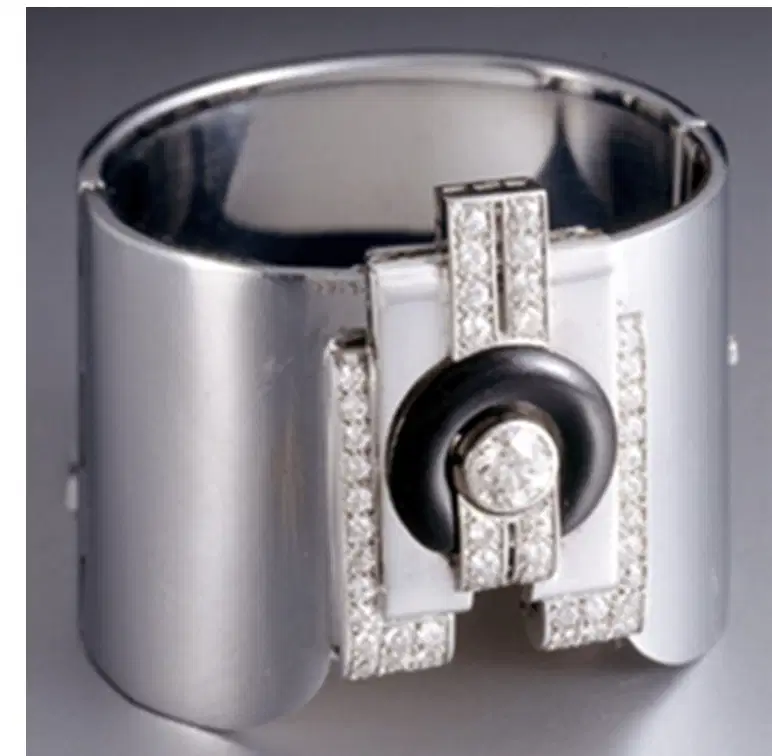
What is the main material used in The Interchangeable Cuff designed by Raymond Templier?
Metal (likely platinum or white gold, based on Art Deco style and appearance)
Wood
Plastic
Ceramic
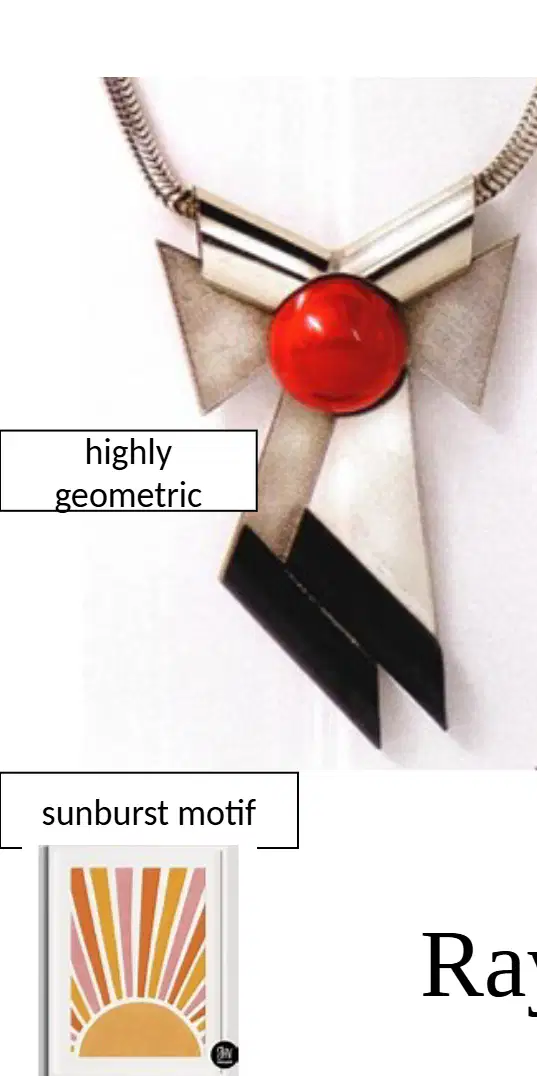
Which Art Deco design feature is shown in the first necklace image?
Sunburst motif
Highly geometric
Chevron patterns
Stepped forms
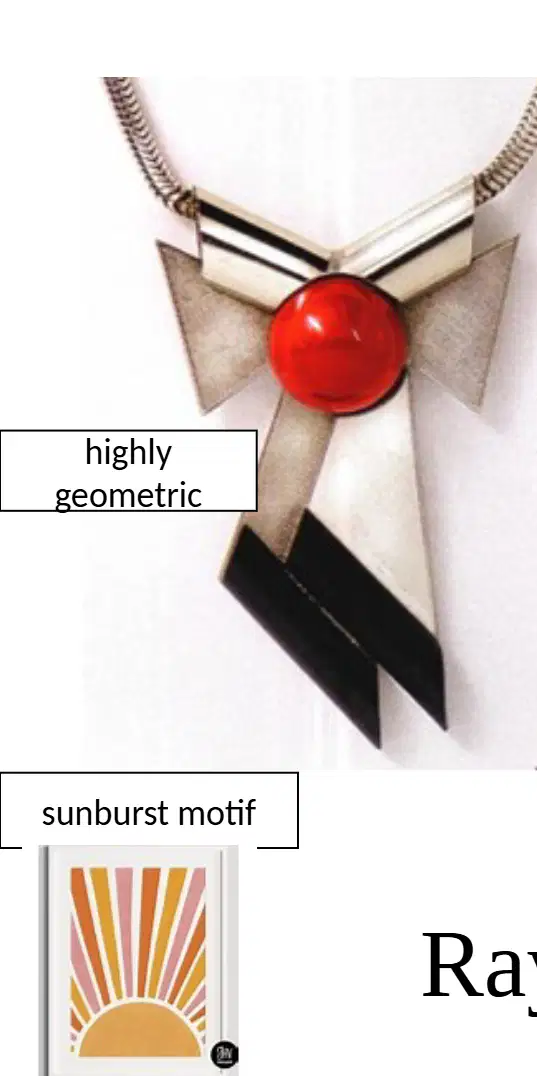
Which Art Deco motif is represented by the pattern with radiating lines and a half-circle at the bottom left?
Chevron patterns
Sunburst motif
Stepped forms
Sleek and streamlined
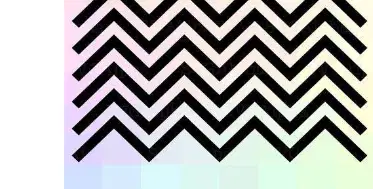
The zigzag pattern at the bottom right is an example of which Art Deco motif?
Chevron patterns
Stepped forms
Sunburst motif
Highly geometric
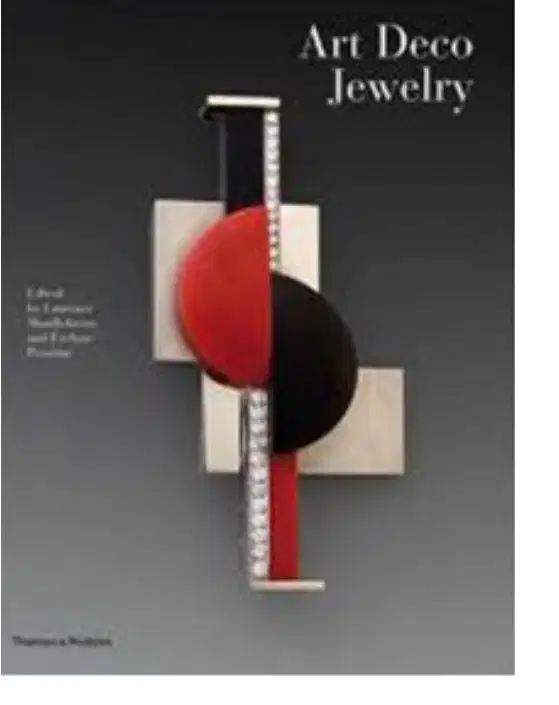
Raymond Templier’s work shows important features of which art style?
Art Nouveau
Art Deco
Baroque
Minimalism
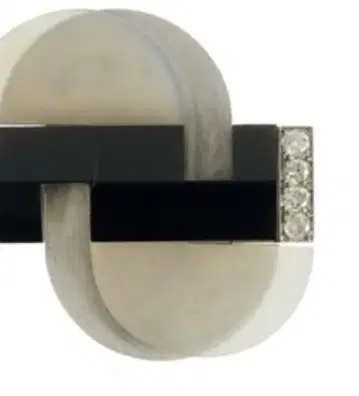
The style of this cuff has typical characteristics from the _______ period. These include geometric shapes. E.g. modern, rectangular diamond settings create an architectural look to the design similar to buildings like the Empire State Building.
Art Deco
Baroque
Victorian
Renaissance
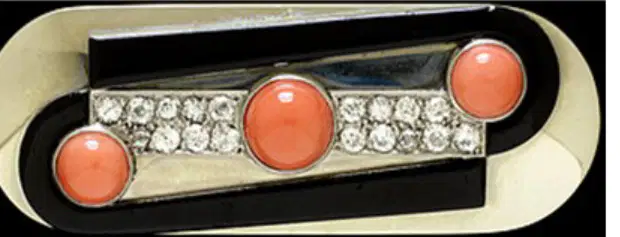
Which of the following is a feature of Art Deco jewelry as described in the passage?
Use of floral patterns
Geometric shapes and architectural look
Animal motifs
Asymmetrical designs
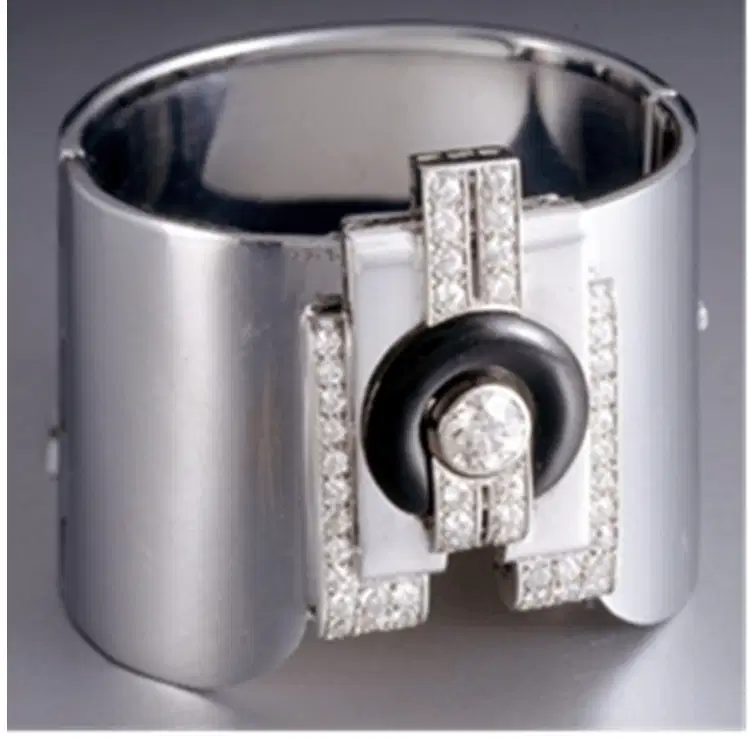
Refer to the image of the jewelry piece. Why did Templier choose to use platinum?
Because it was cheaper than silver
Because it was much more flexible and stronger than silver
Because it was more colorful than gold
Because it was easier to find than gold
What advantage did using platinum give Templier when designing?
Less creative freedom
More creative freedom when designing and more hardwearing for its owner
Made the jewelry heavier
Made the jewelry less valuable
Refer to the image of the jewelry piece. Platinum was a ________ material at the time, which added to the new modern spirit.
relatively new
widely used
traditional
inexpensive
Refer to the image of the jewelry piece. At the time, yellow gold was seen as being ________.
unfashionable
rare
expensive
trendy
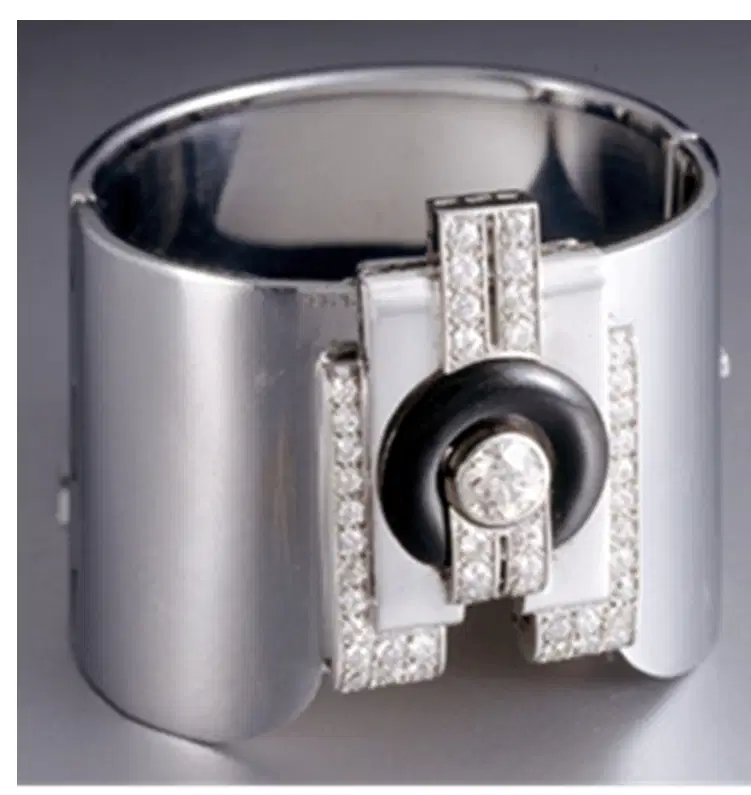
According to the passage, what is one function of Raymond Templier’s cuff bracelet?
To tell time
To accessorise an outfit
To store money
To write notes
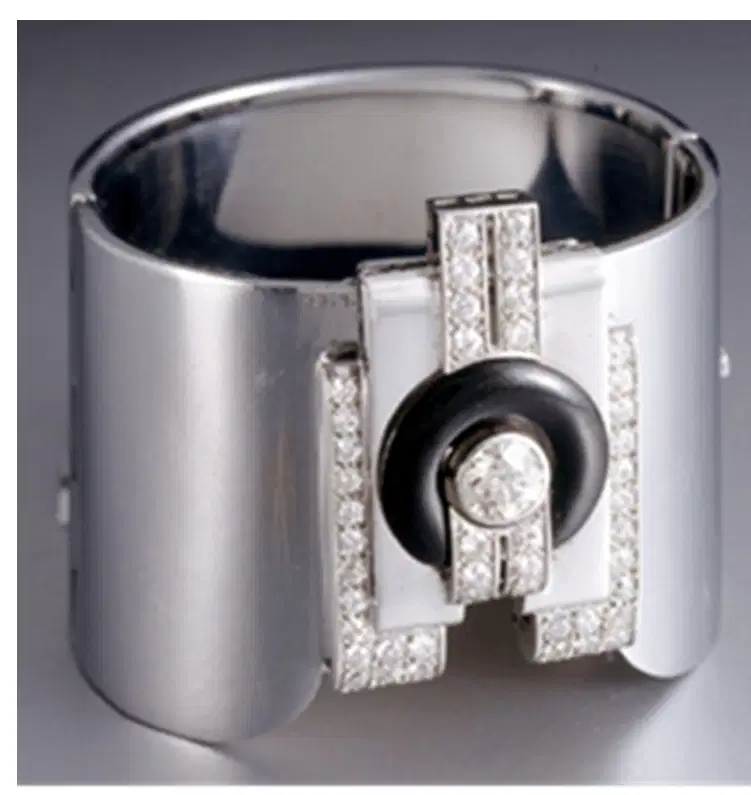
Fill in the blank: The diamond and onyx detail in the middle of the cuff can be ______ and worn as a brooch.
detached
engraved
polished
expanded
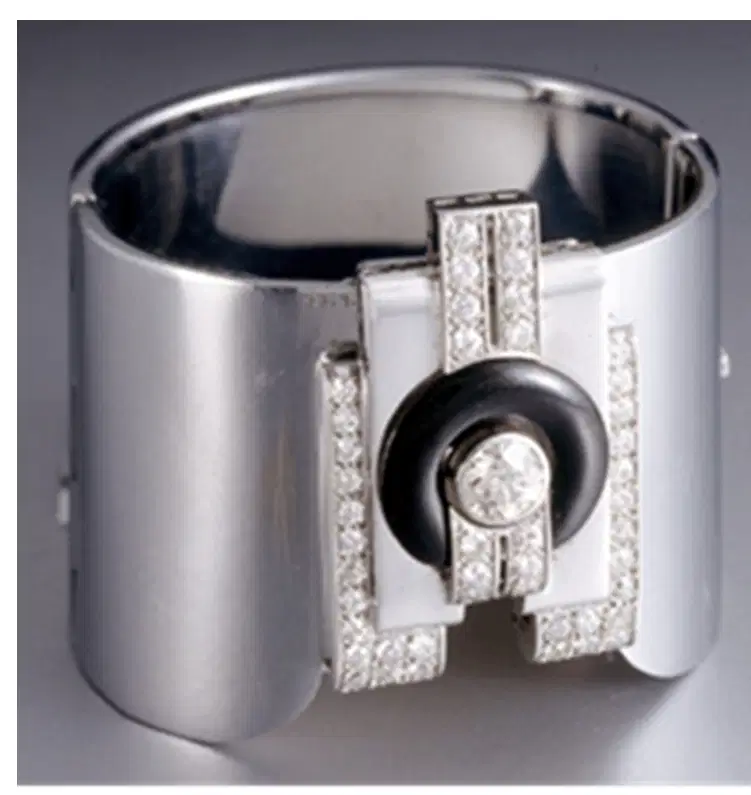
Which material is the cuff made from, making it smooth to touch and fairly light weight?
Gold
Silver
Platinum
Copper
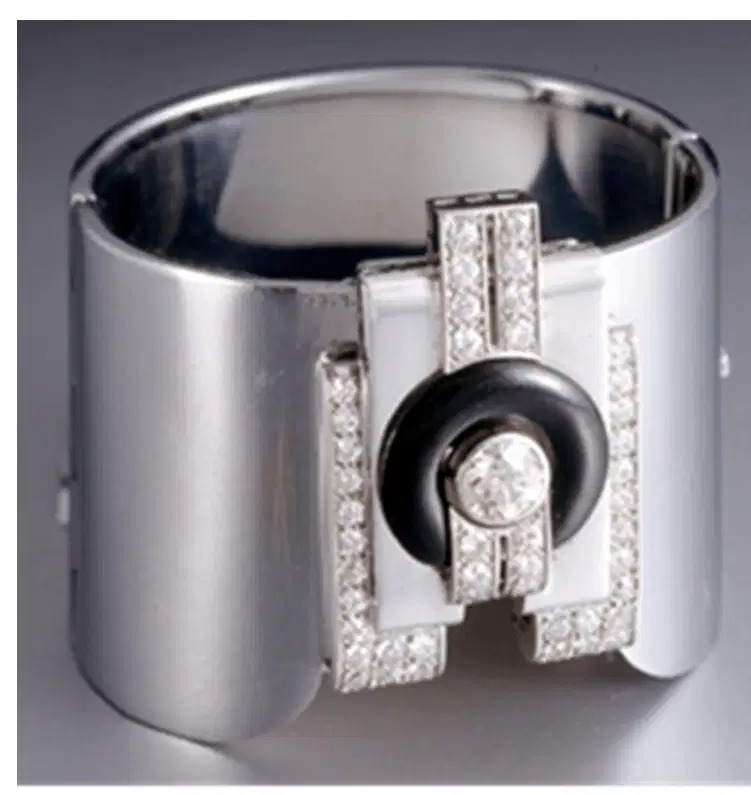
The cuff’s very minimal neutral colour palette allows it to go with most outfits.
True
False
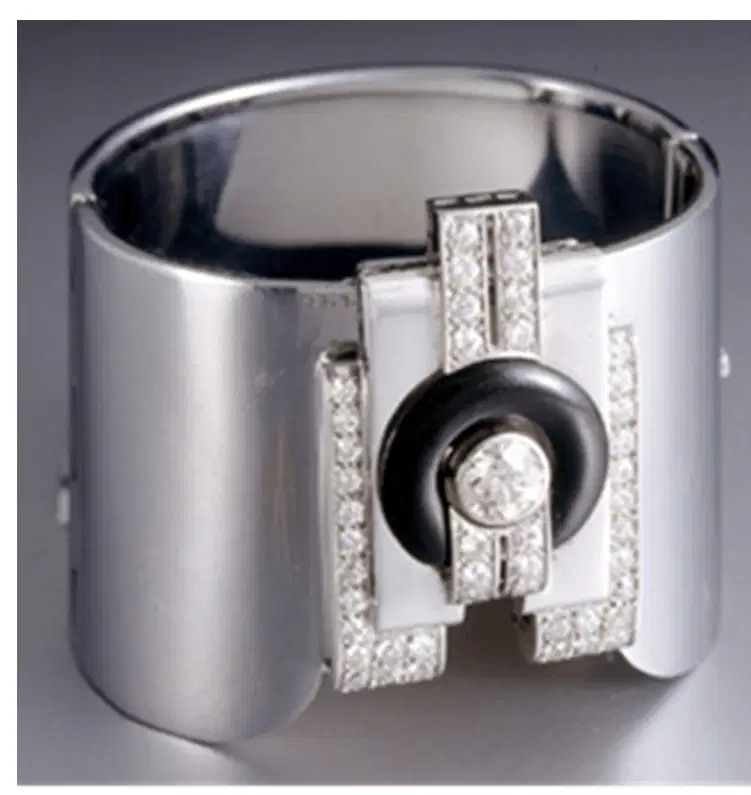
Fill in the blank: The type of function where jewellery is used to accessorise an outfit is known as ______ jewellery.
costume/fashion
bridal
antique
spiritual
What is the meaning of 'purpose' when discussing function in design?
Purpose refers to the reason for which something is done or created or for which something exists in the context of design.
Purpose refers to the physical appearance of a design.
Purpose refers to the materials used in a design.
Purpose refers to the cost of producing a design.
What does 'ergonomics' refer to in the context of function in design?
Ergonomics refers to the study of people's efficiency in their working environment, especially in relation to the design of products.
Ergonomics refers to the use of color schemes in product design.
Ergonomics refers to the financial cost of manufacturing a product.
Ergonomics refers to the artistic style used in product decoration.
What does 'durability' mean when discussing function in design?
Durability refers to the ability of a product to withstand wear, pressure, or damage.
Durability refers to the color of a product.
Durability refers to the size of a product.
Durability refers to the price of a product.
What does 'eco-friendly' mean in the context of function in design?
Eco-friendly means not harmful to the environment.
Eco-friendly means very expensive to produce.
Eco-friendly means only for decorative purposes.
Eco-friendly means made from rare materials.
What does 'intention' mean when discussing function in design?
Intention refers to the aim or plan behind a design.
Intention refers to the materials used in a design.
Intention refers to the color scheme of a design.
Intention refers to the size of a design.
What does 'user friendly' mean in the context of function in design?
User friendly means easy for people to use.
User friendly means expensive to produce.
User friendly means difficult to understand.
User friendly means only for experts.
What does 'fragile' mean when discussing function in design?
Fragile means easily broken or damaged.
Fragile means very strong and durable.
Fragile means resistant to change.
Fragile means highly flexible.
What does 'sustainability' mean in the context of function in design?
Sustainability refers to the ability to maintain or support an activity or process over the long term, especially with minimal environmental impact.
Sustainability means focusing only on the aesthetics of a design.
Sustainability is about maximizing short-term profits regardless of consequences.
Sustainability refers to using the most expensive materials available.
What does 'rationale' mean when discussing function in design?
Rationale refers to the reasoning or logic behind a design decision.
Rationale is the color scheme chosen for a design.
Rationale is the material used in the construction of a product.
Rationale is the final cost of producing a design.
What does 'technological' mean in the context of function in design?
Technological refers to the use of technology in the design or function of a product.
Technological refers to the use of color schemes in design.
Technological refers to the aesthetic appeal of a product.
Technological refers to the marketing strategy of a product.
What does 'delicate' mean when discussing function in design?
Delicate means easily damaged or requiring careful handling.
Delicate means very large and strong.
Delicate means always permanent and unchangeable.
Delicate means extremely colorful and bright.
What does 'safety' mean in the context of function in design?
Safety refers to the condition of being protected from harm or other non-desirable outcomes.
Safety refers to the ability to increase the speed of a process.
Safety refers to the aesthetic appeal of a product.
Safety refers to the cost-effectiveness of a design.
What does 'prototype' mean when discussing function in design?
Prototype refers to an early sample or model built to test a concept or process.
Prototype is the final version of a product ready for mass production.
Prototype is a type of software used for graphic design.
Prototype refers to a legal document required for patents.
What does 'mechanical' mean in the context of function in design?
Mechanical refers to something operated by a machine or machinery.
Mechanical refers to something related to color schemes.
Mechanical refers to something that is purely decorative.
Mechanical refers to something that is made of plastic.
What does 'built in obsolescence' mean when discussing function in design?
Built in obsolescence refers to designing a product with an artificially limited useful life so it will become obsolete after a certain period.
Built in obsolescence refers to designing a product to last as long as possible without any faults.
Built in obsolescence refers to making products that are always repairable and upgradable.
Built in obsolescence refers to designing products that never go out of style.
What does 'risk' mean in the context of function in design?
Risk refers to the possibility of something undesirable happening in the use or function of a product.
Risk refers to the guaranteed success of a product in the market.
Risk refers to the cost of manufacturing a product.
Risk refers to the aesthetic appeal of a product.
What does 'concept' mean when discussing function in design?
Concept refers to an abstract idea or a general notion behind a design.
Concept is the physical material used in a design.
Concept is the final product of a design process.
Concept is the color scheme chosen for a design.
What does 'high tech' mean in the context of function in design?
High tech refers to products that use the most advanced technology available.
High tech refers to products that are handmade using traditional methods.
High tech refers to products that are designed for low cost and simplicity.
High tech refers to products that are made from recycled materials.
What does 'disposable' mean when discussing function in design?
Disposable means intended to be used once or for a short period and then thrown away.
Disposable means designed to last forever and never be replaced.
Disposable means something that can be recycled indefinitely.
Disposable means an item that is always expensive and rare.
What does 'danger' mean in the context of function in design?
Danger refers to the possibility of harm or injury associated with a product or its use.
Danger refers to the aesthetic appeal of a product.
Danger refers to the cost-effectiveness of a product.
Danger refers to the environmental impact of a product.
What does 'fitness for purpose' mean when discussing function in design?
Fitness for purpose means that a product is suitable for the intended use.
Fitness for purpose means that a product is always the cheapest option.
Fitness for purpose means that a product is the most aesthetically pleasing.
Fitness for purpose means that a product is made from recycled materials.
What does 'digital' mean in the context of function in design?
Digital refers to technology that uses discrete values, often represented by binary code, in the design or function of a product.
Digital refers to using only analog signals in product design.
Digital means the product is made entirely of natural materials.
Digital refers to products that do not use any form of technology.
What does 'hard wearing' mean when discussing function in design?
Hard wearing means able to withstand much use or wear without damage.
Hard wearing means it is very expensive to produce.
Hard wearing means it is only used for decorative purposes.
Hard wearing means it is made from recycled materials.
What does 'hazard' mean in the context of function in design?
Hazard refers to a potential source of harm or adverse health effect on a person or persons.
Hazard refers to a decorative element used in design.
Hazard refers to a method of increasing efficiency in design.
Hazard refers to a type of material used in construction.
What does 'functionality' mean when discussing function in design?
Functionality refers to the range of operations that can be run on a product or system.
Functionality refers to the color scheme used in a product's design.
Functionality is the decorative aspect of a product.
Functionality means the product's price range.
What does 'computerised' mean in the context of function in design?
Computerised means controlled or operated by computers.
Computerised means designed only by hand.
Computerised means unrelated to technology.
Computerised means made of natural materials.
What does 'robust' mean when discussing function in design?
Robust means strong and able to withstand adverse conditions or rough handling.
Robust means easy to repair and maintain.
Robust means aesthetically pleasing and attractive.
Robust means lightweight and inexpensive.
What does 'secure' mean in the context of function in design?
Secure means free from danger or threat.
Secure means easy to use and operate.
Secure means aesthetically pleasing.
Secure means cost-effective.
What does 'wearable (fashion)' mean when discussing function in design?
Wearable (fashion) refers to items of clothing or accessories that incorporate technology or serve a functional purpose beyond aesthetics.
Wearable (fashion) refers to any item that is only used for decorative purposes.
Wearable (fashion) means clothing that is always made from natural fibers.
Wearable (fashion) refers to items that are only worn for special occasions.
What does 'microtechnology' mean in the context of function in design?
Microtechnology refers to technology on a very small scale, often at the level of micrometers.
Microtechnology is the study of large-scale industrial machines.
Microtechnology refers to the use of natural materials in design.
Microtechnology is a method of creating macro-sized prototypes.
What does 'protection' mean when discussing function in design?
Protection refers to the action of keeping someone or something safe from harm or injury.
Protection refers to the process of making a design more colorful.
Protection means increasing the size of a design element.
Protection is about making a design more expensive.
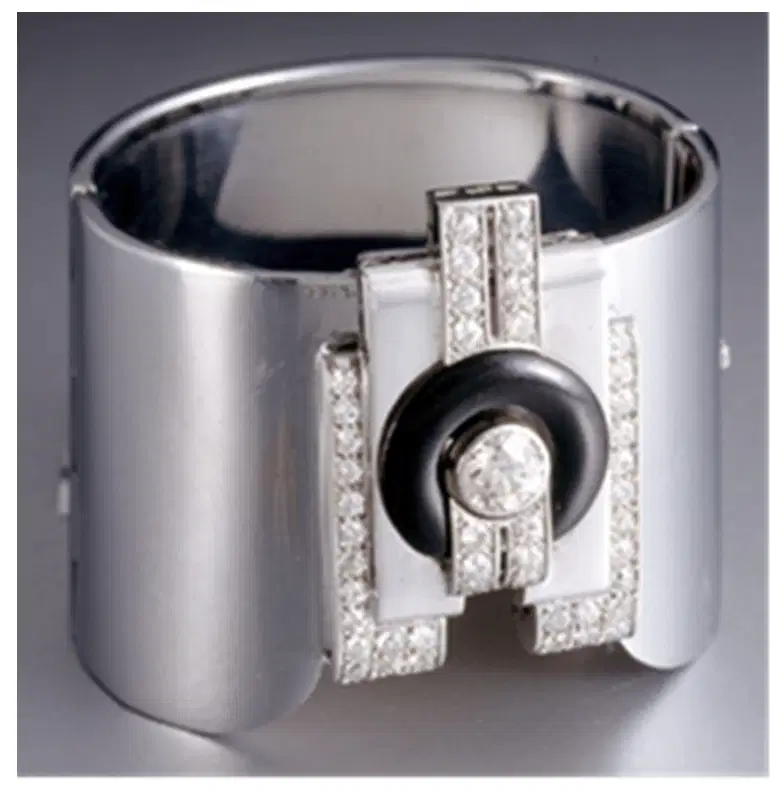
What period does the style of the cuff belong to?
Victorian era
Art Deco period of the mid 1920's
Modernist period
Renaissance period
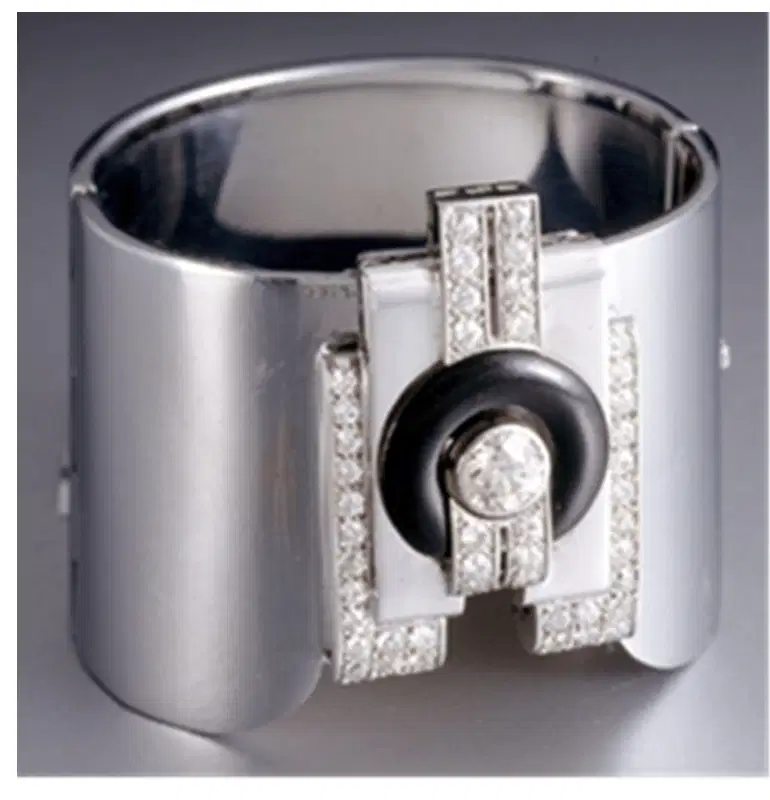
The cuff displays a large black circle as its focal point and is surrounded by ______ placed in a rectangular setting.
diamonds
rubies
emeralds
pearls
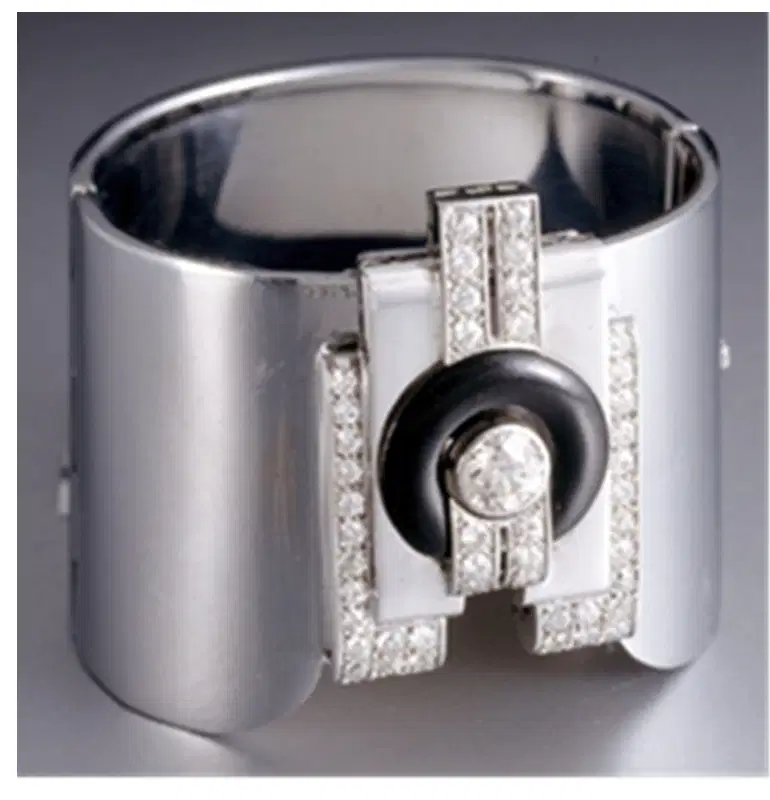
Which material is the main shape of the cuff made from?
Gold
Silver
Platinum
Bronze
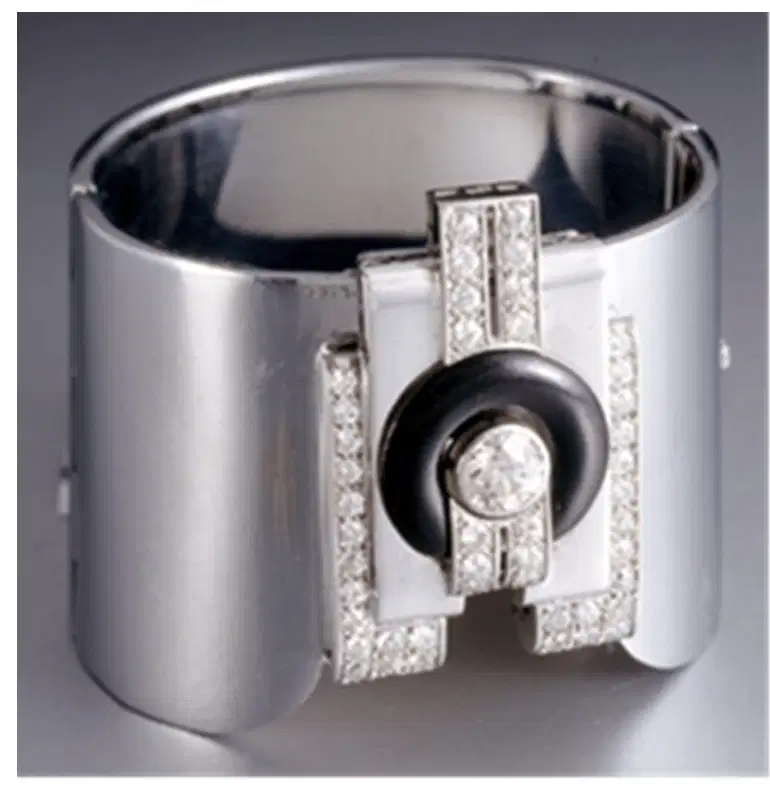
The use of diamonds in the cuff makes it look very luxurious and would attract a glamorous audience.
True
False
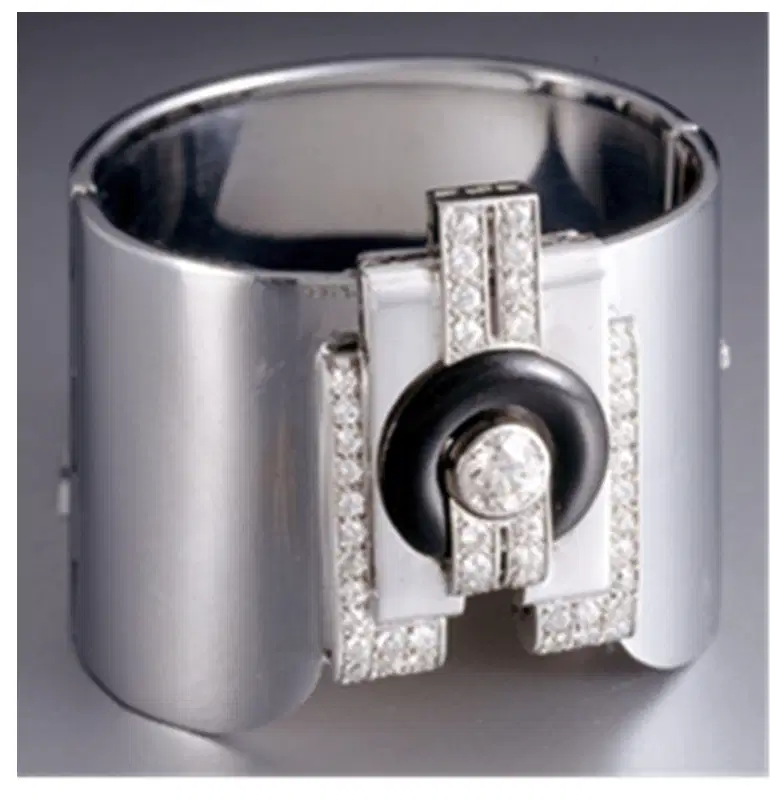
At the time the cuff was made, the use of platinum allowed designers to arrange precious stones without ______ being shown in their setting.
teeth
wires
pins
marks
What word related to aesthetics and style refers to a continuous mark made on a surface?
line
shape
color
texture
What word related to aesthetics and style refers to the property possessed by an object of producing different sensations on the eye as a result of the way it reflects or emits light?
colour
texture
shape
weight
What word related to aesthetics and style refers to the external form, contours, or outline of someone or something?
shape
color
texture
pattern
What word related to aesthetics and style refers to the visible shape or configuration of something?
form
color
texture
pattern
What word related to aesthetics and style refers to a repeated decorative design?
pattern
texture
contrast
balance
What word related to aesthetics and style refers to the feel, appearance, or consistency of a surface or a substance?
texture
color
shape
pattern
What phrase related to aesthetics and style refers to the origin of creative ideas?
source of inspiration
color palette
fashion trend
art movement
What word related to aesthetics and style refers to the capacity to have an effect on the character, development, or behavior of someone or something?
influences
textures
patterns
shapes
What word related to aesthetics and style refers to the distinctive appearance of something?
the 'look'
the 'sound'
the 'feel'
the 'taste'
What word related to aesthetics and style refers to the way that someone or something looks?
appearance
substance
function
origin
What word related to aesthetics and style refers to the way in which the parts of something are arranged or laid out?
layout
texture
contrast
palette
What word related to aesthetics and style refers to the action, process, or result of arranging or being arranged?
arrangement
disorder
confusion
neglect
What phrase related to aesthetics and style refers to the way space is utilized in a design?
use of space
color harmony
texture balance
visual rhythm
What word related to aesthetics and style refers to something old and often valuable?
antique
modern
plastic
temporary
What word related to aesthetics and style refers to something that follows long-established customs or beliefs?
traditional
modern
eccentric
innovative
What word related to aesthetics and style refers to something that is very typical of a particular style or period?
classical
modern
eccentric
random
What word related to aesthetics and style refers to a style from the Victorian era?
victorianna
baroque
art deco
minimalism
What word related to aesthetics and style refers to a style that is simple and uses minimal elements?
minimalist
baroque
ornate
gothic
What word related to aesthetics and style refers to something from the past, especially the style of the past?
vintage
modern
futuristic
contemporary
What word related to aesthetics and style refers to something from the recent past, often with a nostalgic appeal?
retro
futuristic
ancient
modern
What word related to aesthetics and style refers to something that is ahead of its time or uses advanced technology?
futuristic
retro
classic
vintage
What word related to aesthetics and style refers to a style that is related to factories or industry?
industrial
rustic
baroque
minimalist
What word related to aesthetics and style refers to something that is the first of its kind or not derived from something else?
original
derivative
commonplace
imitative
conventional

