
NEW
Font size
 Worksheets
Creative iMedia Planning and Production Documents
Total questions: 36
Worksheet time: 18mins
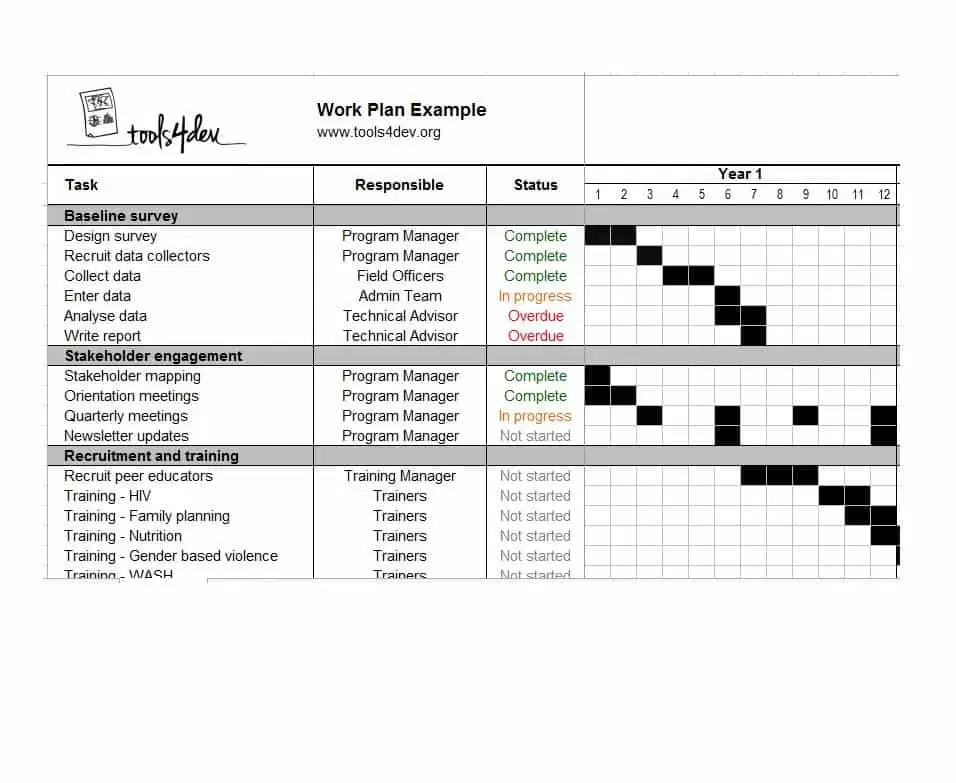
What is the primary purpose of a work plan in creative media production?
To create visual inspiration
To ensure projects are completed efficiently, on time, and within budget
To design the user interface
To write dialogue for scripts
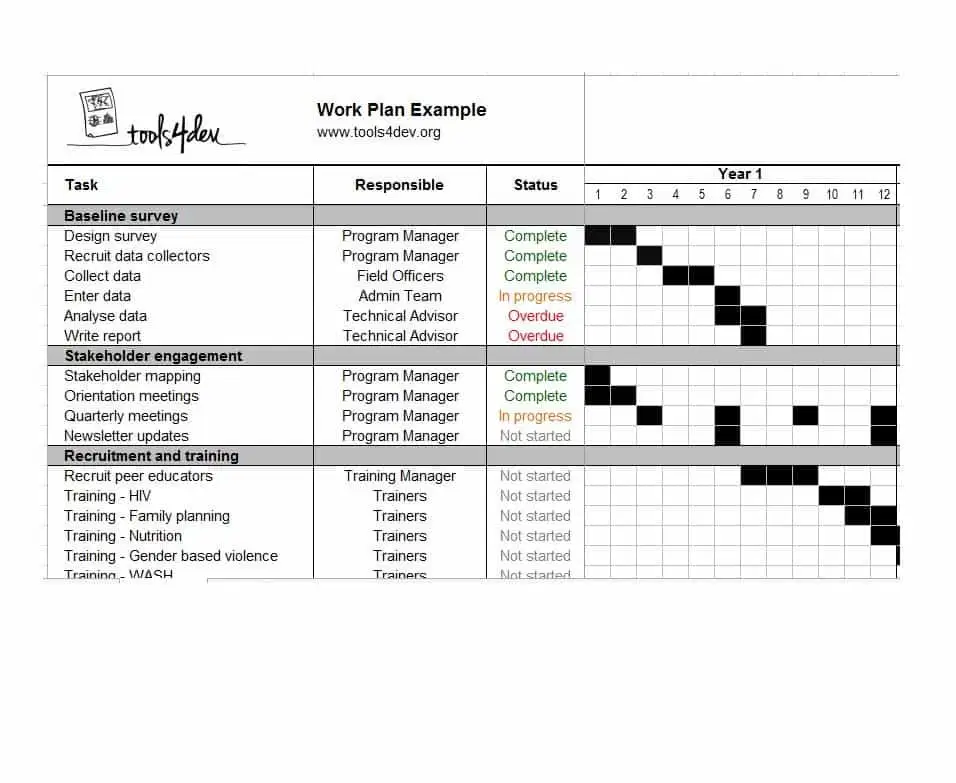
Which of the following is NOT a typical component of a work plan?
Milestones
Central theme
Timescales
Contingencies
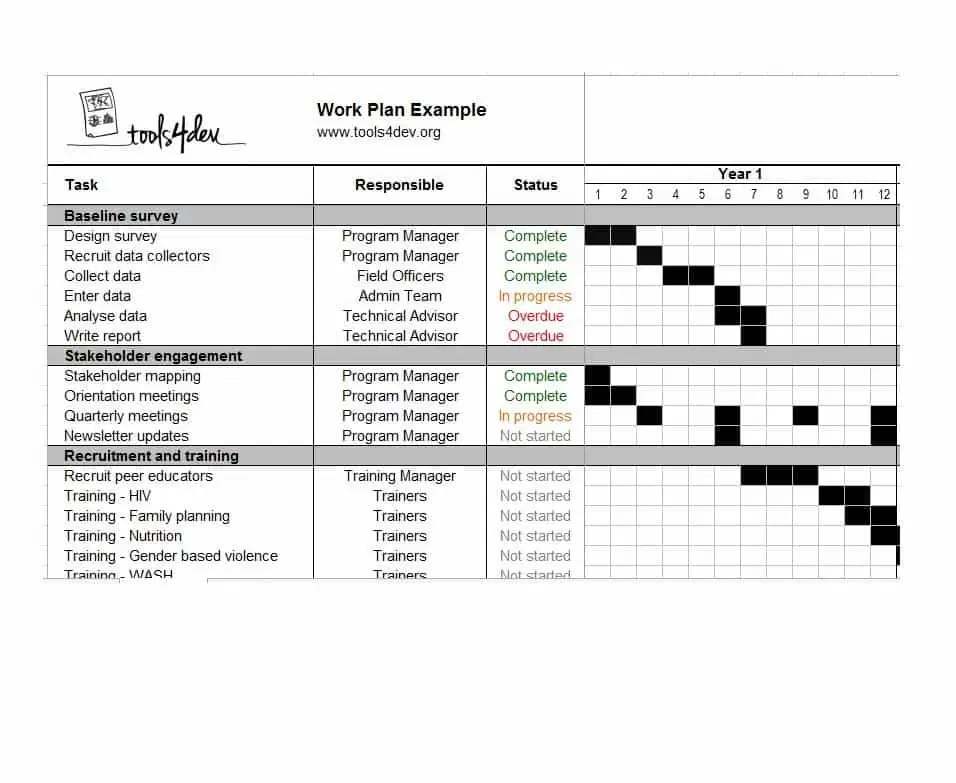
What do milestones in a work plan represent?
Visual styles for the project
Major deliverables or phases completed
The order of dialogue in a script
Color schemes for the project
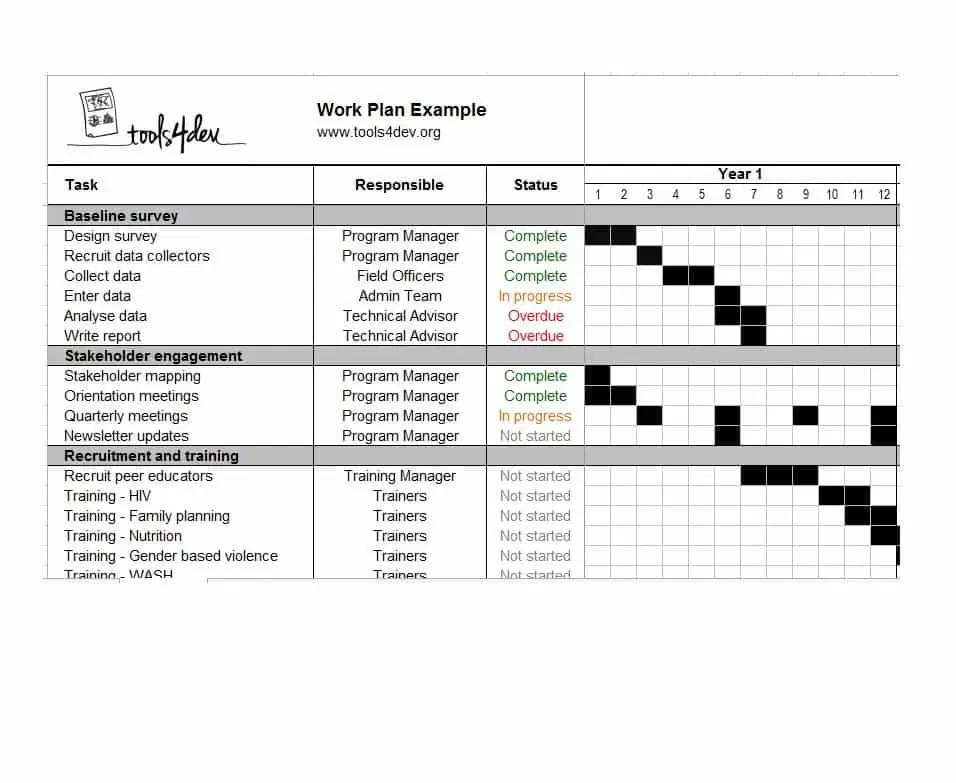
Which of the following is an advantage of using work plans?
Improved organization and progress tracking
Enhanced color palette selection
Increased visual inspiration
Better camera angle planning
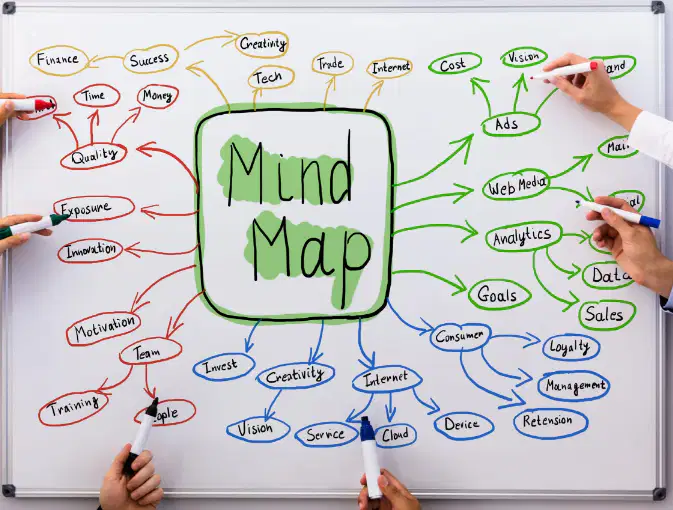
What is the main purpose of a mind map in pre-production?
To record completed tasks
To organize and connect ideas around a central theme
To create a list of assets
To outline camera movements
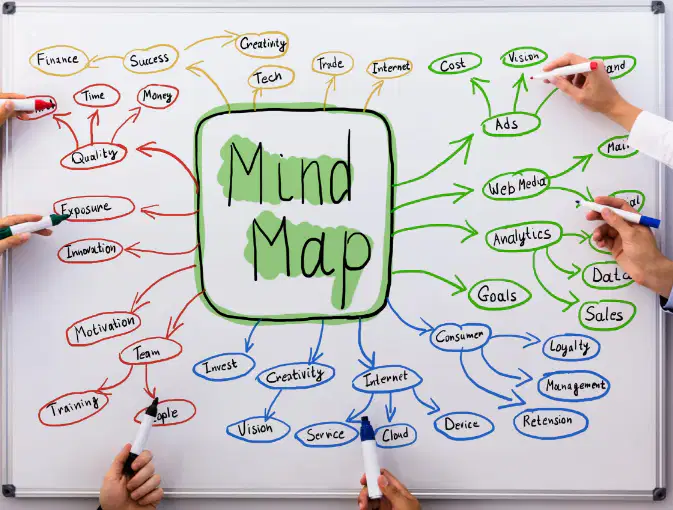
Which is a key component of a mind map?
Scene headings
Central theme/concept
Placeholder text
Shot types

Who would typically use a mind map?
Legal team
Scriptwriters and designers
Actors
Sound engineers
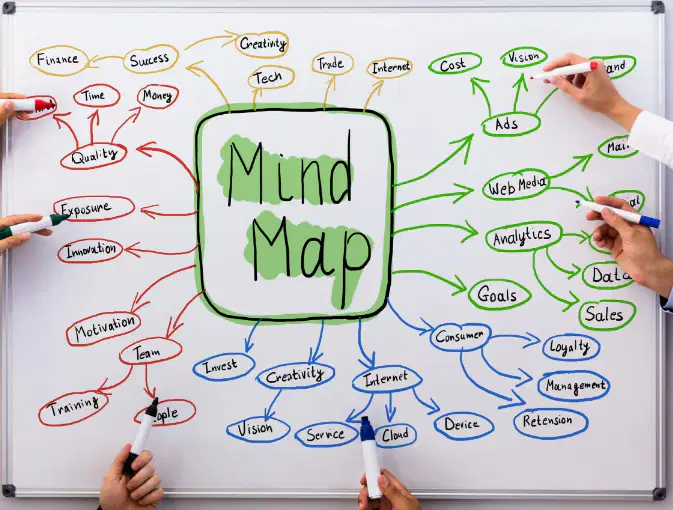
What makes a mind map effective?
Detailed scene descriptions
Clear central theme and logical structure
Sequential panels
Placeholder images

What is the main purpose of a mood board?
To track asset permissions
To communicate style, tone, and visual inspiration
To write dialogue
To plan workflow

Which of the following is commonly found on a mood board?
Scene numbers
Color swatches and images
Placeholder text
Timescales

When are mood boards most appropriate to use?
After editing is complete
Early in pre-production to establish visual direction
During legal review
When finalizing distribution

Who is a typical user of a mood board?
Sound engineers
Art directors and designers
Legal advisors
Actors
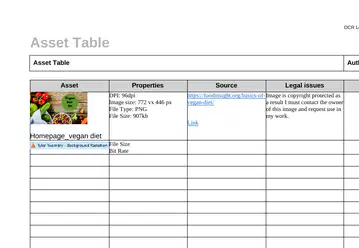
What is the main purpose of an asset log?
To write scene descriptions
To record all assets and manage permissions
To visualize user journeys
To brainstorm ideas
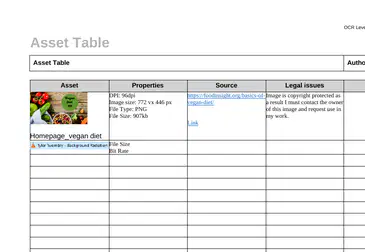
Which of the following is NOT a typical component of an asset log?
Asset name/identifier
Camera angles
Source/creator
Copyright information
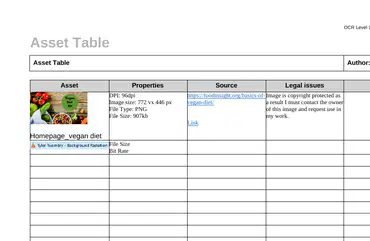
Which tool is commonly used to create an asset log?
Storyboard Pro
Spreadsheet applications like Excel
Adobe XD
Canva
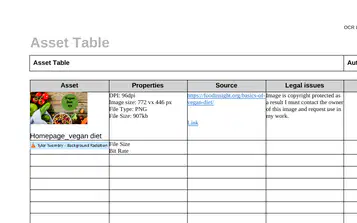
Who would most likely use an asset log?
Actors
Producers and legal teams
Cinematographers
Clients

What is the main purpose of a flow chart in media production?
To design color palettes
To visually represent the sequence of steps or decisions in a process
To write dialogue
To record asset sources

Which symbol is typically used for a decision point in a flow chart?
Rectangle
Oval
Diamond
Triangle

Which of the following is a component of a flow chart?
Scene headings
Arrows showing flow direction
Color swatches
Placeholder text

Who would typically use a flow chart?
Actors
Developers and project managers
Cinematographers
Clients

What is the main purpose of a script in media production?
To organize visual assets
To outline dialogue, actions, and scene details
To design user interfaces
To create color palettes

Which of the following is a convention of a script?
Scene headings/sluglines
Color swatches
Asset identifiers
Placeholder images

Who are typical users of scripts?
Editors
Writers, directors, and actors
Clients
Legal teams

Which software is commonly used to write scripts?
MindMeister
Final Draft
Canva
Figma

What is the main purpose of a storyboard?
To write dialogue
To visually outline scenes and transitions
To record asset permissions
To design navigation structures

Which of the following is a component of a storyboard?
Placeholder text
Sequential panels/frames
Asset log
Central theme

Who would typically use a storyboard?
Legal teams
Directors and animators
Clients
Sound engineers

What information might be included in a storyboard?
Scene numbers and camera movements
Color swatches
Asset permissions
Timescales
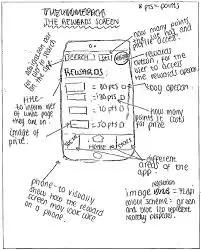
What is the main purpose of a visualisation diagram?
To write scripts
To show what a media product will look like when completed
To record asset sources
To design navigation
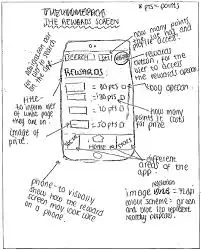
Which of the following is a typical component of a visualisation diagram?
Detailed illustrations or sketches
Scene headings
Dialogue
Color swatches
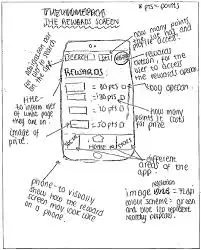
Who would typically use a visualisation diagram?
Designers and clients
Actors
Legal teams
Sound engineers
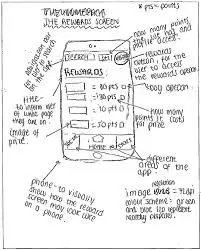
When is a visualisation diagram most useful?
When detailed visual representation is needed
During scriptwriting
For asset tracking
During editing
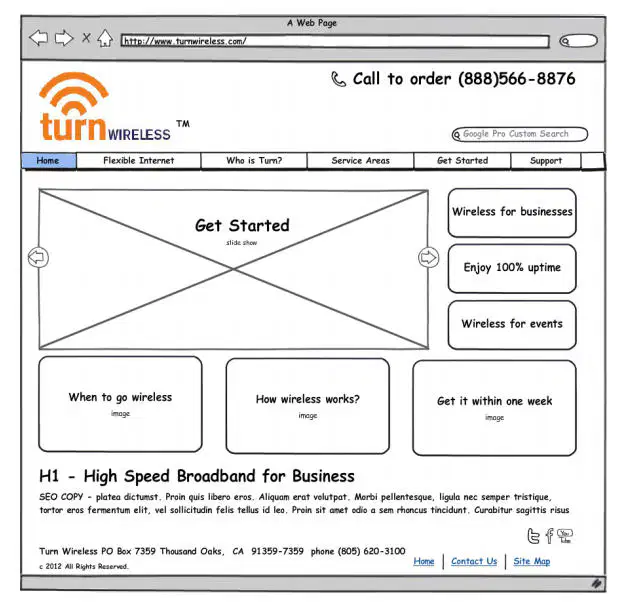
What is the main purpose of a wireframe layout?
To plan interface layout and structure
To write dialogue
To record asset permissions
To design color palettes

Which of the following is a component of a wireframe layout?
Simple shapes representing UI elements
Scene numbers
Dialogue
Color swatches
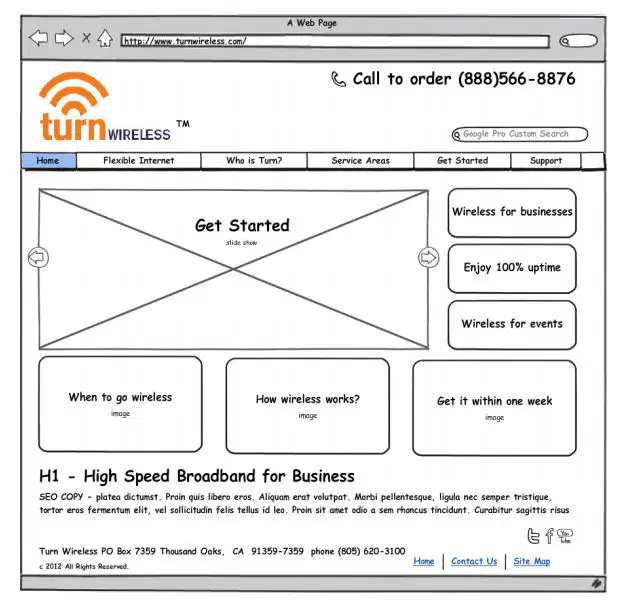
Who would typically use a wireframe layout?
UX/UI designers and developers
Actors
Legal teams
Cinematographers
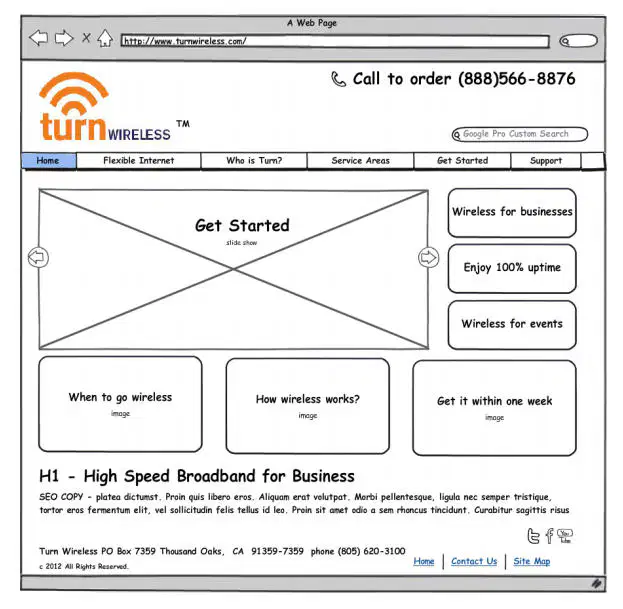
When are wireframe layouts most useful?
Early stages of digital product development
During editing
For asset tracking
During scriptwriting

