
 Worksheets
Placas Tectonicas Quiz
Total questions: 29
Worksheet time: 15mins

What is the main objective of studying tectonic plates?
To identify tectonic plates and their movements.
To learn about the history of Earth.
To study the atmosphere.
To explore ocean currents.
What natural dynamics are associated with the study of tectonic plates?
Earth's natural dynamics.
Weather patterns.
Animal migration.
Plant growth.

According to the trailer of "Ice Age 4" (2012), who is responsible for the separation of the continents?
A saber-toothed squirrel named Scrat
A woolly mammoth named Manny
A sloth named Sid
A saber-toothed tiger named Diego
In reality, how does the movement of continents occur?
Through the actions of fictional characters
Due to tectonic plate movements
By the force of ocean currents
Through volcanic eruptions
Do you think continents are still moving today?
Yes, they are constantly moving
No, they have stopped moving
Only during earthquakes
Only in the past
What is the lithosphere composed of according to the theory of plate tectonics?
Solid rock layers
Movable blocks called tectonic plates
Liquid magma
Atmospheric gases
Why do tectonic plates move according to the text?
Due to ocean currents
Due to internal forces of the Earth
Due to wind patterns
Due to gravitational pull from the moon
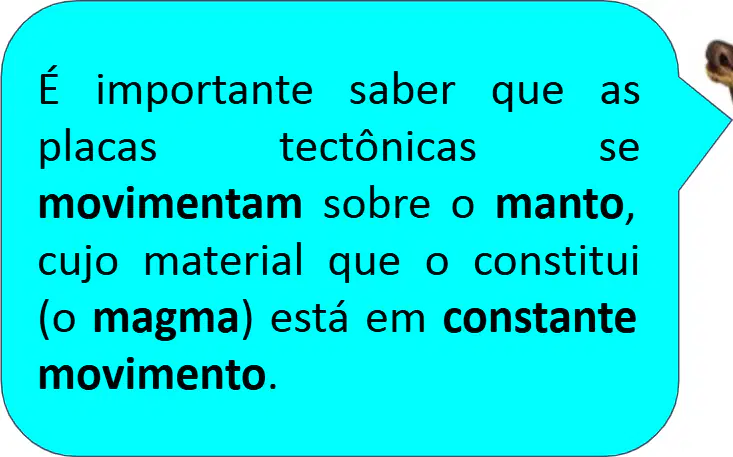
What is the material beneath the tectonic plates that is in constant motion?
Water
Sand
Magma
Ice
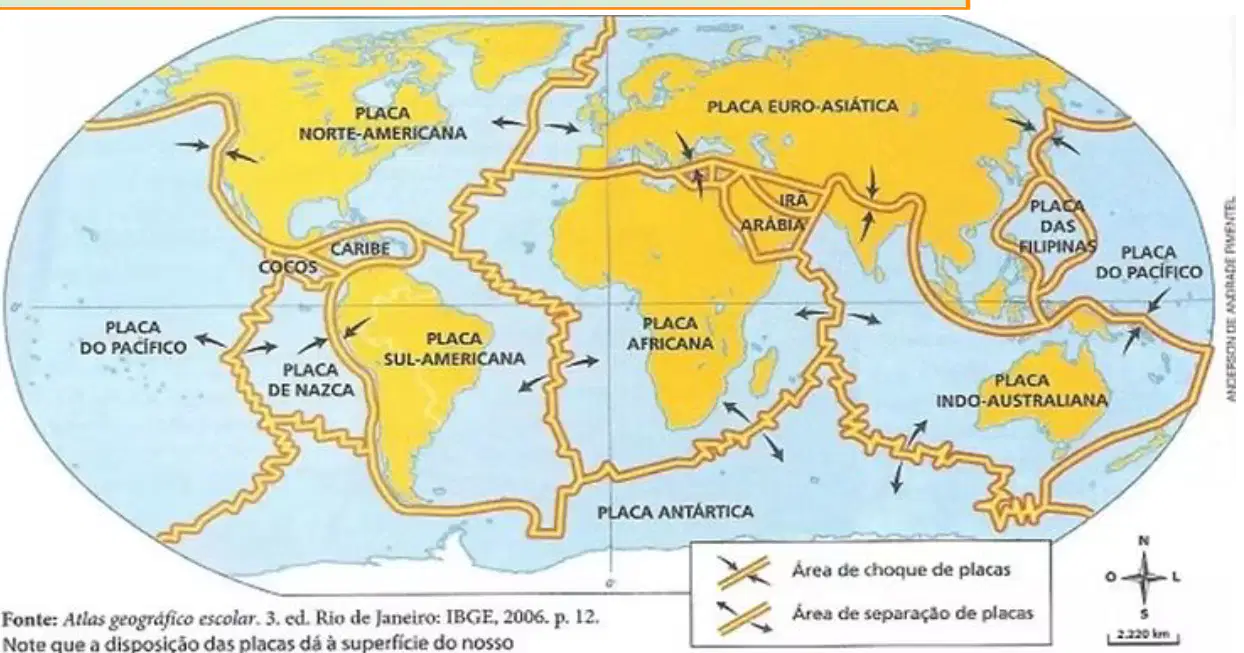
What are the types of tectonic plates?
Continental and Oceanic Plates
Magnetic and Electric Plates
Solid and Liquid Plates
Static and Dynamic Plates
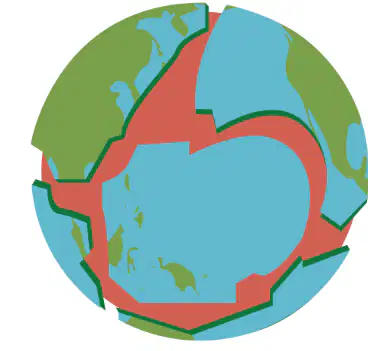
What does the theory of plate tectonics state about the Earth's crust?
It is a solid, unchanging mass.
It is formed by moving blocks called tectonic plates.
It is made entirely of water.
It is a single, continuous piece.
What causes the movement of tectonic plates according to the theory?
External weather conditions.
Internal forces of the Earth.
The rotation of the Earth.
The gravitational pull of the moon.
What natural phenomena are caused by the movement of tectonic plates?
Changes in weather patterns.
Natural phenomena like earthquakes and volcanic activity.
The formation of clouds.
The cycle of seasons.
What causes magma to rise towards the Earth's upper layers?
High temperatures in the mantle
Low temperatures in the crust
High pressure in the core
Low pressure in the atmosphere
How do convection currents of magma move tectonic plates?
Horizontally and vertically
Only horizontally
Only vertically
In a circular motion
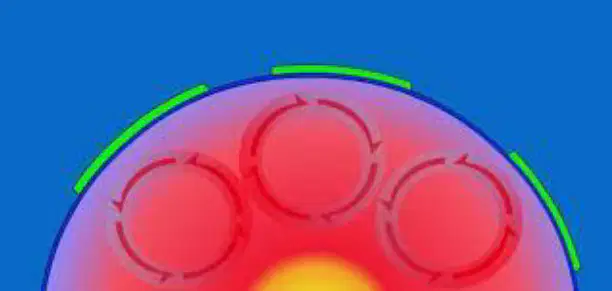
At what speed do tectonic plates move due to convection currents?
2 to 4 centimeters per year
5 to 7 centimeters per year
1 to 2 centimeters per year
10 to 12 centimeters per year
What determines the direction of tectonic plates?
The size of the plates
The direction of convection cells
The temperature of the Earth's core
The speed of the Earth's rotation

Why is it important to understand convection currents in relation to tectonic plates?
They help predict weather patterns
They determine the direction of tectonic plates
They influence ocean currents
They affect the Earth's magnetic field
What are the boundaries where tectonic plates meet called?
Borders
Frontiers
Margins
Edges
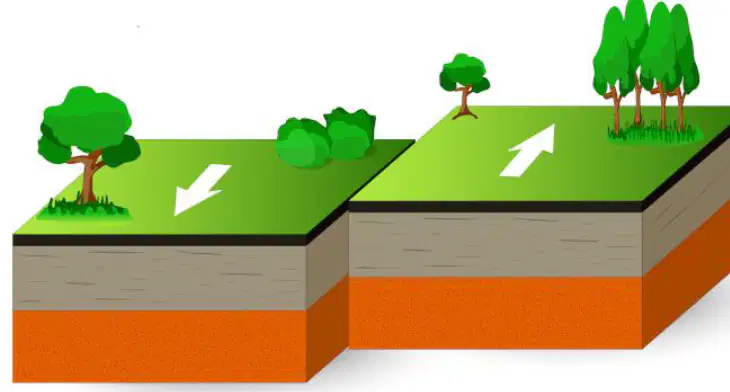
What type of movement occurs in a transform boundary?
Vertical sliding
Lateral sliding
Rotational movement
Upward movement
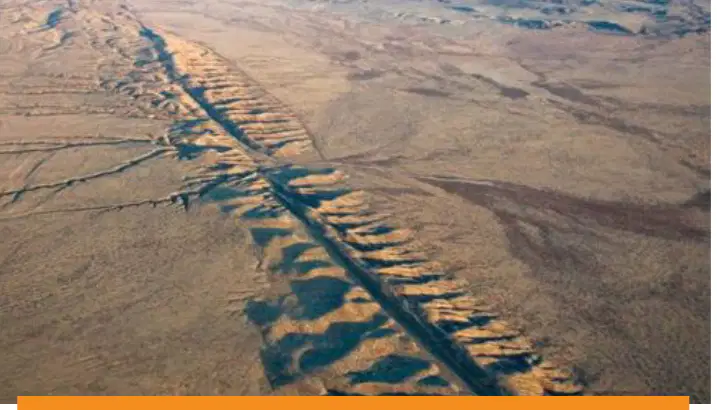
What are some consequences of tectonic plate movements?
Formation of mountain ranges
Formation of deserts
Creation of rivers
Growth of forests
Which of the following is a result of tectonic plate movements?
Earthquakes and tsunamis
Hurricanes
Tornadoes
Floods
Tectonic plate movements can lead to which geological phenomenon?
Volcanic eruptions
Sandstorms
Glacial melting
Ocean currents
What is a geological fault?
A crack in the Earth's surface due to tectonic movements
A type of mountain
A large body of water
A weather pattern
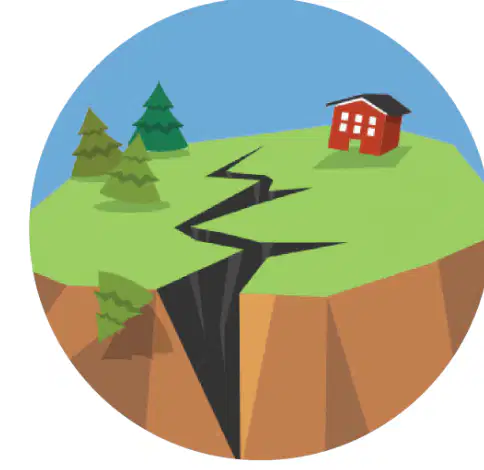
What are the consequences of tectonic plate movements?
Formation of mountain ranges, earthquakes, volcanic eruptions, and geological faults
Creation of deserts, hurricanes, and tsunamis
Development of forests, rivers, and lakes
Increase in global temperatures and sea levels
What are tectonic plates?
Large slabs of Earth's crust that move
Small rocks on the Earth's surface
Layers of the atmosphere
Types of ocean currents
What is studied in the lesson mentioned in the document?
Tectonic plates and their movements
The water cycle
Types of clouds
Plant photosynthesis
What does the descriptor d48 refer to in the context of natural dynamics of planet Earth?
Identification of natural processes shaping and regulating the planet
Study of human impact on the environment
Exploration of space and celestial bodies
Analysis of historical climate changes
Which natural phenomena are included in the descriptor d48?
Geological, atmospheric, hydrological, and biological phenomena
Technological, industrial, and economic phenomena
Cultural, historical, and social phenomena
Political, legal, and ethical phenomena
What is identified in the lesson related to tectonic plates?
The nature of tectonic plates and their surface movement consequences
The economic impact of tectonic plates
The cultural significance of tectonic plates
The historical development of tectonic plates

