
 Worksheets
Spanish Year 6 semester 1
Total questions: 47
Worksheet time: 24mins

Arrange the following Spanish months in the correct order as they appear in a year: Enero, Marzo, Febrero.
Enero, Febrero, Marzo
Febrero, Enero, Marzo
Marzo, Febrero, Enero
Febrero, Marzo, Enero
Which Spanish month comes right before "Mayo"?
Abril
Marzo
Junio
Julio

Which of the following is the correct Spanish translation for the number 15?
quince
catorce
dieciséis
doce

What is the Spanish word for the number 50?
cincuenta
cuarenta
treinta
veinte
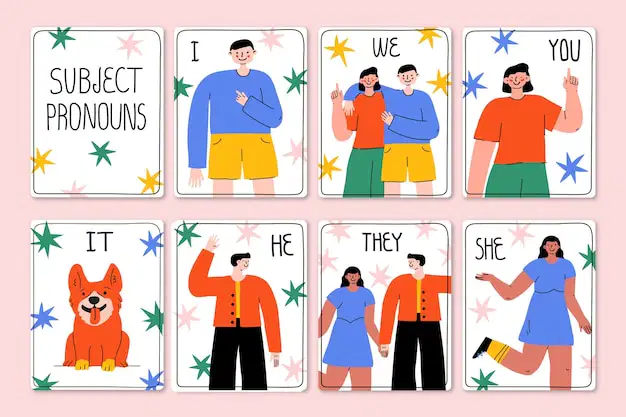
What is a pronoun?
A word that replaces a noun
A type of verb
A punctuation mark
A kind of adjective
When do you use a pronoun?
When you want to replace a noun in a sentence
When you want to describe a noun
When you want to show possession
When you want to ask a question
Which of the following is a personal pronoun in Spanish for "I"?
yo
tú
él
ella
Which pronoun would you use in Spanish to refer to a group of girls (they)?
ellas
ellos
nosotros
vosotros
What is the English meaning of the Spanish word "Vacío"?
Full
Empty
Heavy
Bright
Which of the following is the opposite of "Vacío" in Spanish?
Rápido
Lleno
Pequeño
Largo
Which sentence correctly uses the word "vacío"?
El vaso está lleno de agua.
Esta sala está vacía.
El libro es interesante.
La comida está caliente.
If someone says "Ella es una persona vacía," what does it mean?
She is a happy person.
She is a shallow person.
She is a busy person.
She is a kind person.
Which of the following pairs correctly shows the translation for "Full stomach/empty stomach" in Spanish?
Estómago grande/pequeño
Estómago lleno/vacío
Estómago frío/caliente
Estómago dulce/salado
What is the English meaning of the Spanish word "Limpio"?
Dirty
Clean
Fast
Heavy
What is the opposite of "Limpio" in Spanish?
Sucio
Rápido
Pequeño
Viejo
Which of the following best describes the phrase "Un lugar sucio"?
A clean place
A dirty place
A big place
A quiet place
Which of the following pairs are opposites in Spanish?
Limpio and Sucio
Rápido and Lento
Grande and Pequeño
Viejo and Nuevo
Why is it important to "mantener limpio" in your environment? (Choose the best answer)
To keep things dirty
To keep things clean and healthy
To make things old
To make things slow
What is the English meaning of the Spanish word "Saludable"?
Unhealthy
Happy
Healthy
Tired
What is the English meaning of the Spanish word "Igual"?
Different
Same/identical/equal
Opposite
Book
Which of the following is the opposite of "Igual" in Spanish?
Distinto
Igual
Libros
Cuatro
If something is "diferente," what does it mean?
The same
Equal
Different
Book
What is the English meaning of the Spanish word "Desordenado"?
Tidy
Messy
Happy
Quiet
What is the opposite of "Desordenado" in Spanish?
Feliz
Rápido
Ordenado
Pequeño
Which sentence would you use to say "I am a messy person" in Spanish?
Soy una persona ordenada
Soy una persona desordenada
Soy una persona feliz
Soy una persona rápida
What is the meaning of the Spanish word "Junto (a) (s)"?
Apart
Together
Fast
Happy
What is the opposite of "Junto (a) (s)" in Spanish?
Separado (a) (s)
Rápido (a) (s)
Feliz (a) (s)
Grande (a) (s)
What is the meaning of the Spanish word "muerto"?
Dead
Alive
Happy
Tired
What is the meaning of the Spanish word "puedo"?
I can / May I ...?
I want
I eat
I see
Which of the following is the opposite of "muerto" in Spanish?
Vivo
Triste
Rápido
Oscuro
If someone says "Muerto de hambre," what do they mean?
Starving
Very happy
Very cold
Very sleepy
What does "ser vivo" mean in English?
Living being
To die
To sleep
To eat
What is the meaning of the Spanish word "arriba"?
below / under
above / on top / go / up
inside / within
around / near
What is the opposite of "arriba" in Spanish?
Dentro
Abajo
Cerca
Lejos
Which of the following phrases means "face up" in Spanish?
Para arriba
Boca arriba
Piso de arriba
Más arriba
If you want to say "upstairs floor" in Spanish, which phrase would you use?
Piso de arriba
Más arriba
Hasta arriba
Debajo de la cama
Which phrase would you use to say "under the bed" in Spanish?
Más arriba
Debajo de la cama
Para arriba
Boca arriba
What is the meaning of the Spanish verb 'Unir'?
To separate
To join
To clean
To write
Which of the following is the opposite of 'Unir'?
Escribir
Separar
Hablar
Comer
How is "¿Qué?" different from "que" in Spanish?
"¿Qué?" is used for questions, while "que" is used for connecting clauses.
"¿Qué?" means "and", while "que" means "but".
"¿Qué?" is always at the end of a sentence, while "que" is at the beginning.
"¿Qué?" is used for exclamations, while "que" is used for commands.
Which of the following is the correct translation for "¿Qué hora es?"?
What are you doing?
What’s the time?
Who is that?
Where is it?
Which of the following means "May I go to the bathroom?" in Spanish?
¿Puedo ir al baño?
¿Puedo comer?
¿Puedo ayudar?
¿Puedo esperar?
Which of the following is the correct translation for "I can help"?
Puedo ayudar
Puedo ir
No puedo creer
Yo no puedo
If you want to say "he can" in Spanish, which phrase would you use?
Tú puedes
Yo puedo
Él puede
Nosotros podemos
Which of the following is the correct negative form for "I don't have siblings" in Spanish?
Yo tengo hermanos
Yo no tengo hermanos
Tú no tienes hermanos
Nosotros no tenemos hermanos
What does the Spanish verb "tener" show?
Possession
Location
Action
Description

How do you say "I have" in Spanish using the verb "tener"?
Tú tienes
Yo tengo
Nosotros tenemos
Ellos tienen

