
Font size
 Worksheets
G11 T1 C3 Formative Quiz - Wayground Mastery Peak
Total questions: 100
Worksheet time: 50mins
What is memory in the context of computers?
A) A device that processes information
B) Any physical device capable of storing information temporarily
C) A device that displays information
D) A device that prints documents
Memory devices utilize _______ circuits and are used by operating systems, software, and hardware.
integrated
analog
mechanical
optical
Memory devices are used only by hardware.
True
False
Memory is normally measured in terms of ________.
bits/bytes
seconds/minutes
meters/kilometers
watts/volts
Memory is usually associated or synonymous to which of the following?
Processing
Storage
Input
Output
There are two types of memory: ________ and ________.
Primary and Secondary
Volatile and Non-volatile
Internal and External
Cache and Register
What does the primary memory store?
Program instructions and data in binary machine code.
Only the operating system files.
Permanent data and files for long-term storage.
Input and output devices' configurations.
Which unit deals with instructions in a computer system?
Arithmetic and Logic Unit
Control Unit
Memory Unit
Input Unit
Data and instructions are moved by ________ in a computer system.
buses
registers
monitors
printers
RAM is an example of which type of memory?
Non-volatile memory
Volatile memory
Permanent memory
Secondary memory
Volatile memory means the data is stored temporarily and can be lost in case of power failure.
True
False
What is secondary memory in a computer?
Secondary memory is the external memory of the computer which can be used to store data and information on a long-term basis.
Secondary memory is the main memory of the computer used for processing data.
Secondary memory is a type of memory that loses data when power is turned off.
Secondary memory refers to the CPU cache memory.
Secondary memory is non-volatile in nature.
True
False
Which of the following is a characteristic of secondary memory?
Volatile
Non-volatile
Temporary storage
Loses data on power failure
Data stored in secondary memory is lost when there is a power failure.
True
False
When is data in secondary memory erased?
Data in secondary memory is erased only when the user erases it intentionally.
Data in secondary memory is erased every time the computer is restarted.
Data in secondary memory is erased when the computer is turned off.
Data in secondary memory is erased automatically every day.
What does primary memory hold?
Primary memory holds only those data or instructions which the computer is currently processing.
Primary memory holds all the data stored on the hard disk permanently.
Primary memory holds only the output generated by the computer.
Primary memory holds only the software installed on the computer.
Which type of memory is persistent in nature?
Primary memory
Secondary memory
Both
None
Instructions are transferred to the ______ first and then re-routed to the central processing unit.
main memory
arithmetic logic unit
cache memory
input device
Primary memory stores data and instructions temporarily in a specific memory address.
True
False
Where is data stored in primary memory?
Magnetic tapes
Semiconductor chips
External storage devices
Optical disks
In secondary memory, information is stored in _________.
external storage devices
RAM chips
CPU registers
cache memory
Data in primary memory can be directly accessed by the processing unit.
True
False
Which type of memory has limited storage capacity due to the use of semiconductor chips?
Primary memory
Secondary memory
What is another name for primary memory?
Hard disk
RAM
Flash drive
Optical disk
Primary memory can be lost when ________ fails.
power
network
keyboard
monitor
Which of the following is NOT an example of secondary memory?
Hard disk
Optical disk
RAM
Magnetic tapes
Secondary memory devices have storage capacities in the range of ________ to ________.
gigabytes to terabytes
kilobytes to megabytes
megabytes to gigabytes
terabytes to petabytes
According to the passage, where are applications and instructions stored for faster access?
Secondary memory
Primary memory
External storage devices
Backup memory
Fill in the blank: Processor can retrieve data faster from _______ than it does with secondary memory.
primary memory
cache memory
hard disk
optical drive
Which type of memory acts more like a backup memory to store data in external storage devices?
Primary memory
Secondary memory
Main memory
Data bus
Primary memory is relatively faster to access via data bus.
True
False
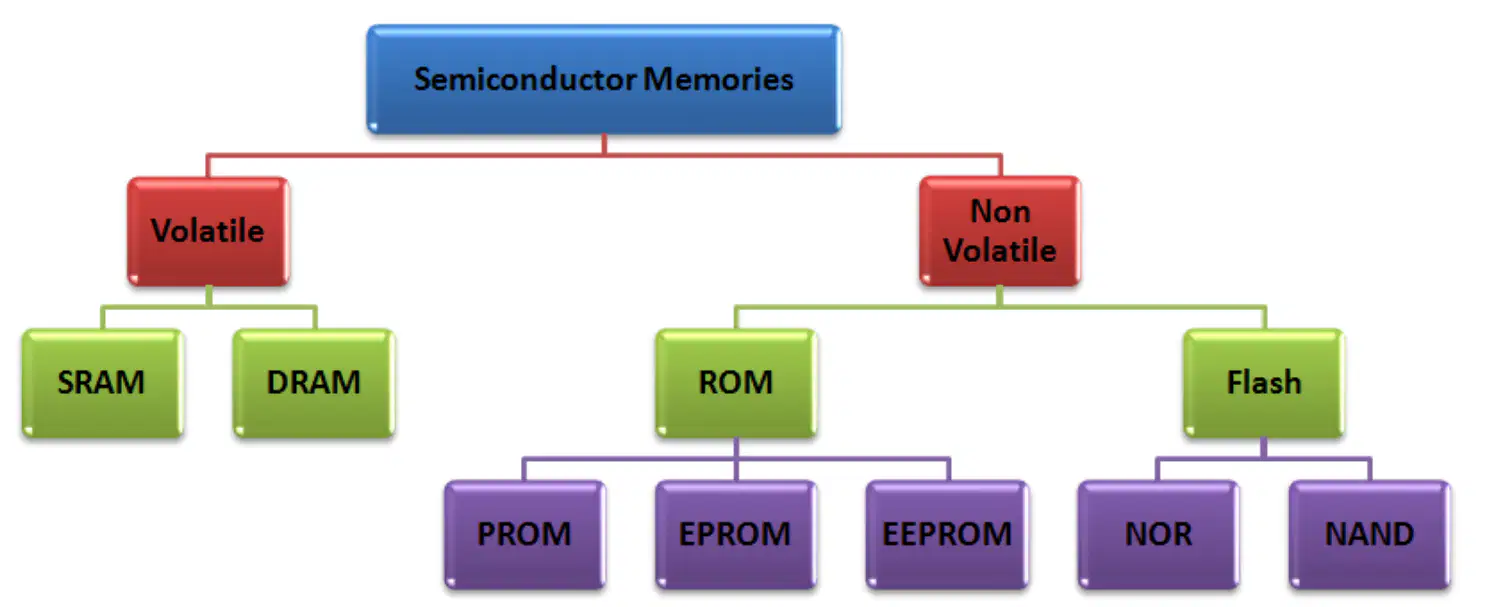
What is Semiconductor Memory?
A storage device that works on an integrated circuit and allows random access memory to location faster.
A type of mechanical storage device.
A device used for processing data only.
A type of optical memory.
Fill in the blank: Semiconductor Memory is a storage device that works on an ________ circuit.
integrated
analog
mechanical
optical
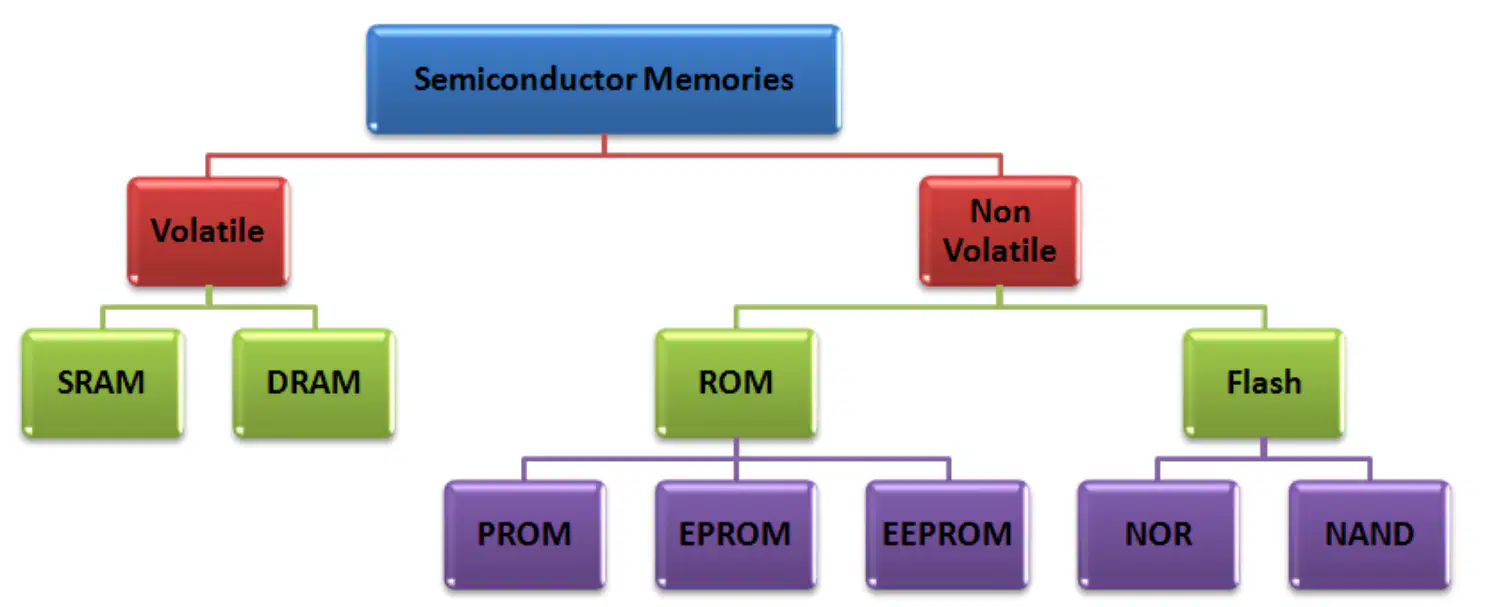
Which of the following is a type of Volatile Semiconductor Memory? Choose the correct option.
ROM
Flash
DRAM
PROM
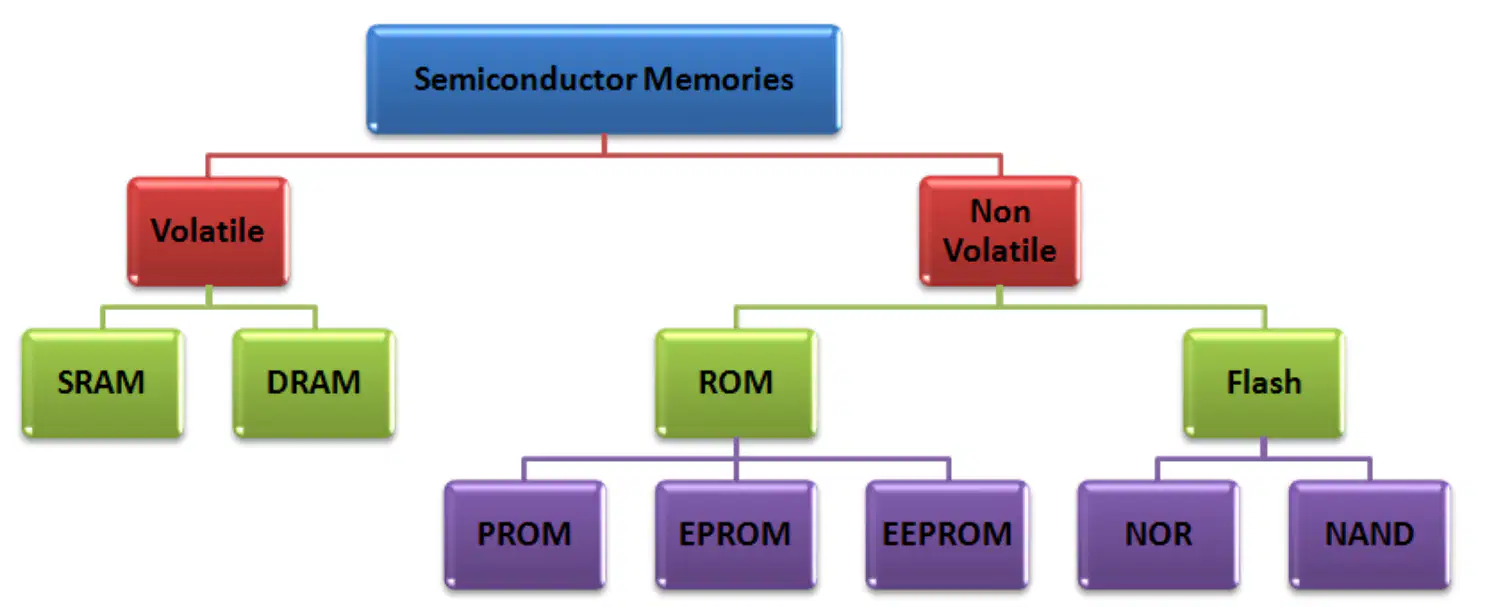
Which of the following is NOT a type of Non-Volatile Semiconductor Memory? Choose the correct option.
SRAM
ROM
Flash
EEPROM
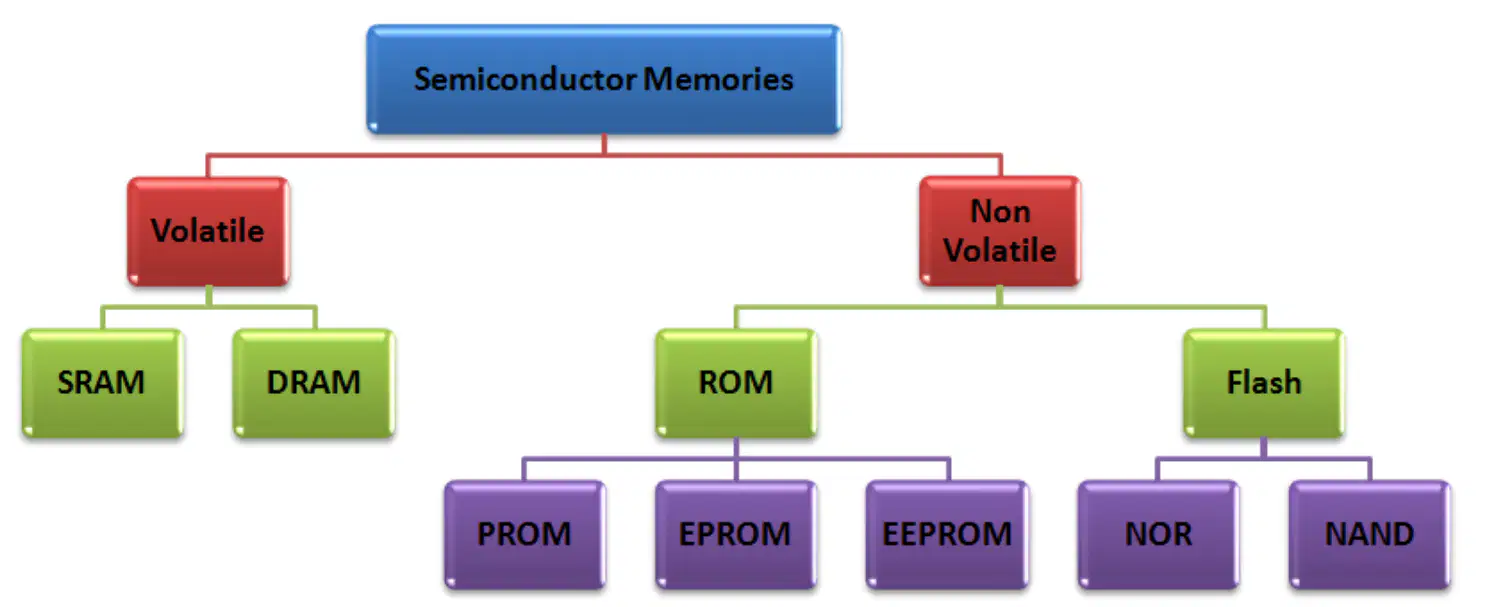
Match the following types of Semiconductor Memories with their categories:
Volatile
SRAM
Volatile
DRAM
Non-Volatile
ROM
Non-Volatile
Flash
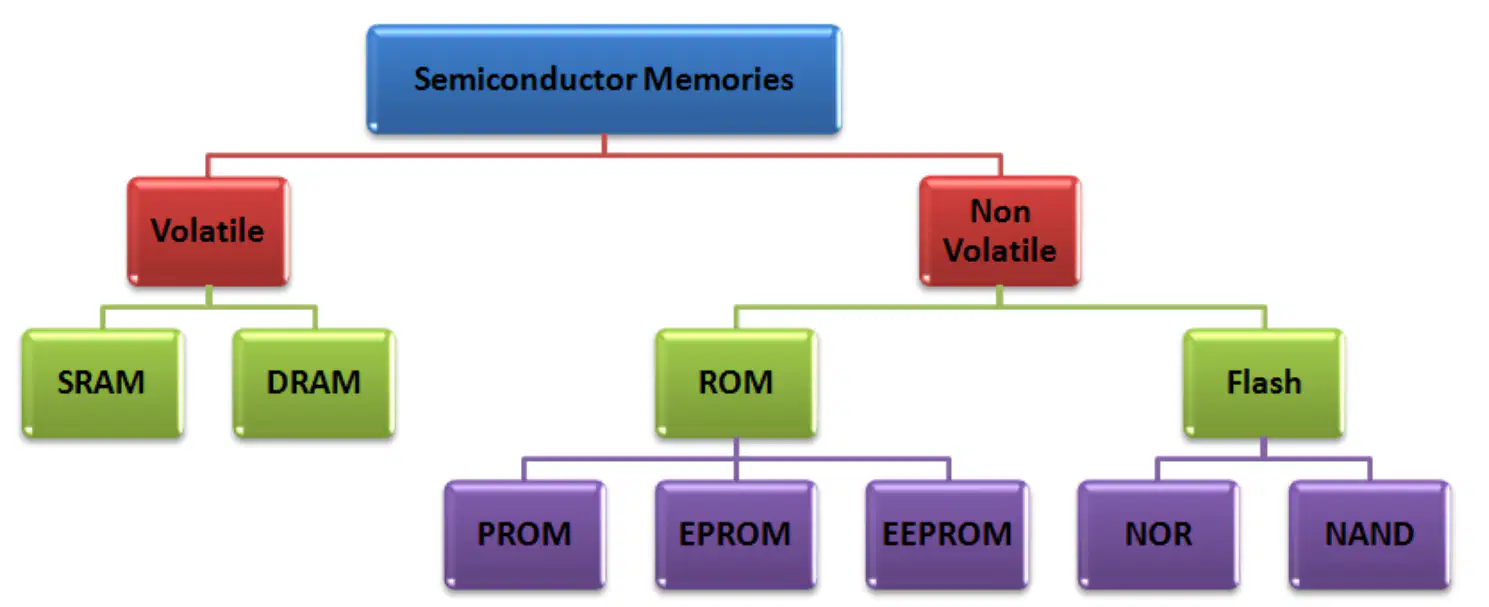
Fill in the blank: PROM, EPROM, and EEPROM are types of ________ memory.
ROM
RAM
Cache
Virtual
Fill in the blank: One type of semiconductor memory is ________ memory.
Volatile
Magnetic
Optical
Mechanical
Which of the following is a type of semiconductor memory?
Magnetic
Optical
Non-volatile
Mechanical
Which of the following is an example of volatile memory?
Hard disk
DRAM
Flash drive
CD-ROM
Fill in the blank: Fast CPU cache memory is typically ________ (SRAM), which is fast but energy-consuming and offers lower memory capacity per area unit than DRAM.
static RAM
dynamic RAM
flash memory
magnetic core memory
Which type of memory is fast but energy-consuming and offers lower memory capacity per area unit than DRAM?
DRAM
SRAM
Flash memory
ROM
Fill in the blank: ROM stands for ________.
Read Only Memory
Random Output Memory
Run Over Memory
Read Over Module
Fill in the blank: PROM stands for ________.
Programmable Read Only Memory
Primary Read Only Memory
Permanent Read Only Memory
Protected Read Only Memory
Fill in the blank: EPROM stands for ________.
Erasable Program Read Only Memory
Electronic Programmable Read Only Memory
Extended Program Read Only Memory
Embedded Programmable Read Only Memory
Fill in the blank: EEPROM stands for ________.
Electronic Erasable Program Read Only Memory
Electrically Enhanced Programmable Read Only Memory
Embedded Erasable Programmable Read Only Memory
External Erasable Programmable Read Only Memory
What does the memory controller chip (MCC) device facilitate the flow of?
The flow of data from RAM to the CPU.
The flow of power to the motherboard.
The flow of air through the cooling system.
The flow of video signals to the monitor.
Data is placed on the (a) in a computer system.
internal data bus
external data bus
address bus
control bus
What are data buses?
Pathways that connect the storage to the CPU.
Devices that store data permanently.
Programs that control hardware.
Units that perform arithmetic operations.
How many basic parts does the data bus have?
Two
Three
Four
Five
List the four basic parts of the data bus.
Address bus, External Data bus, Front Side bus, Backside bus.
Control bus, Serial bus, Parallel bus, Expansion bus.
Data bus, PCI bus, USB bus, SCSI bus.
Internal bus, Expansion bus, Serial bus, Control bus.
Refer to the diagram of the On-Chip Memory Controller. What is the main advantage of having the memory controller on the same chip as the CPU?
A) Faster PCB wires
B) No slow PCB wires to drive
C) Lower CPU speed
D) Increased FSB clock speed
According to the diagram, the memory controller can run at ______ speed instead of FSB clock speed.
CPU
RAM
PCI
USB
A disadvantage of integrating the memory controller on the same chip as the CPU is:
It reduces flexibility in supporting different types of memory.
It increases the power consumption significantly.
It makes the CPU incompatible with all operating systems.
It decreases the overall processing speed.
In the On-Chip Memory Controller diagram, what is the width and speed of the bus connecting the CPU and caches to the memory controller?
64-bit 200MHz
128-bit 100MHz
32-bit 50MHz
256-bit 400MHz

What do storage drives do?
Cook food
Read or write information on magnetic or optical storage media
Print documents
Connect to the internet
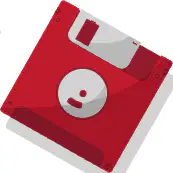
Storage drives can be used to store data permanently or to retrieve information from a ________.
media disk
printer
monitor
keyboard
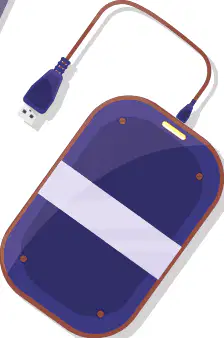
Storage drives can be installed inside the computer case, such as a hard drive.
True
False
For portability, some storage drives can connect to the computer using which of the following ports?
HDMI port
USB port
VGA port
Ethernet port
For portability, some storage drives can connect to the computer using a USB port, a FireWire port, or an ______ port.
SCSI
HDMI
VGA
Ethernet
Portable storage drives are sometimes referred to as removable drives and can be used on multiple computers.
True
False
What is the name of the storage device shown in the top left circle?
USB flash drive
Hard disk drive
CD-ROM
Floppy disk
What is the name of the storage device shown in the top right circle?
Floppy disk
Hard disk
CD-ROM
USB flash drive
What is the name of the storage device shown in the bottom left circle?
Micro SD card
Hard Disk Drive
USB Flash Drive
CD-ROM
What is the name of the storage device shown in the bottom right circle?
CD or DVD
Hard Disk
Pen Drive
Floppy Disk
What is a hard drive?
A type of software
A magnetic storage device
A display screen
A type of printer
A hard drive is used as ______ storage for data.
permanent
temporary
volatile
cache
Where is a hard drive installed?
Outside the computer
Inside the computer
On the monitor
In the keyboard
A hard drive is used as temporary storage for data.
True
False
What is another name for a Compact Disc?
CD
DVD
Blu-ray
Floppy Disk
Compact Discs are used to store and retrieve which of the following?
Food
Computer data or music
Water
Books
Compact Discs replaced floppy disks because they were ______ and could hold more information.
faster
smaller
cheaper
heavier
Compact Discs use light to store and retrieve information.
True
False
Which of the following is NOT true about Compact Discs?
They are made of plastic
They store computer data or music
They are slower than floppy disks
They use light to retrieve information
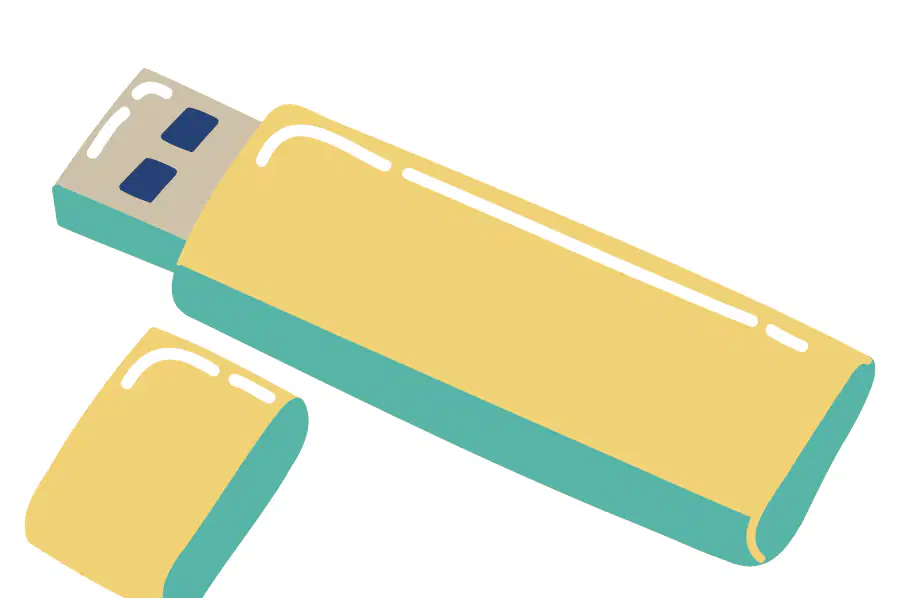
What type of memory chips does an external flash drive use?
Non-volatile memory chips
Volatile memory chips
Magnetic memory chips
Optical memory chips
Does an external flash drive require power to maintain the data?
True
False
Hard drives and optical drives are manufactured with different ______ that are used to connect the drive to the computer.
interfaces
colors
batteries
screens
To install a storage drive in a computer, the connection interface on the drive must be the same as the ______ on the motherboard.
controller
fan
battery
speaker
Which of the following must match for a storage drive to be installed in a computer?
The color of the drive
The connection interface on the drive and the controller on the motherboard
The size of the drive
The brand of the drive
Look at the diagram of the back of an IDE hard drive. What is the name of the connector labeled for data transfer?
IDE interface
Power connector
SATA interface
Jumper block
In the diagram of the back of an IDE hard drive, what is the function of the section labeled 'Jumpers'?
Jumpers are used to configure the drive settings, such as master or slave.
Jumpers are used to increase the storage capacity of the drive.
Jumpers are used to power the hard drive directly from the motherboard.
Jumpers are used to connect the hard drive to the internet.
Which part of the back of an IDE hard drive is used to supply electrical power to the drive?
Power connector
Data connector
Jumper block
SATA port
What does SCSI stand for?
Small Computer System Interface
Simple Computer System Interface
Serial Computer System Interface
Standard Computer System Interface
How many drives can a Small Computer System Interface (SCSI) connect up to?
15 drives
4 drives
8 drives
32 drives
Small Computer System Interface (SCSI) can connect both internal and external drives.
True
False
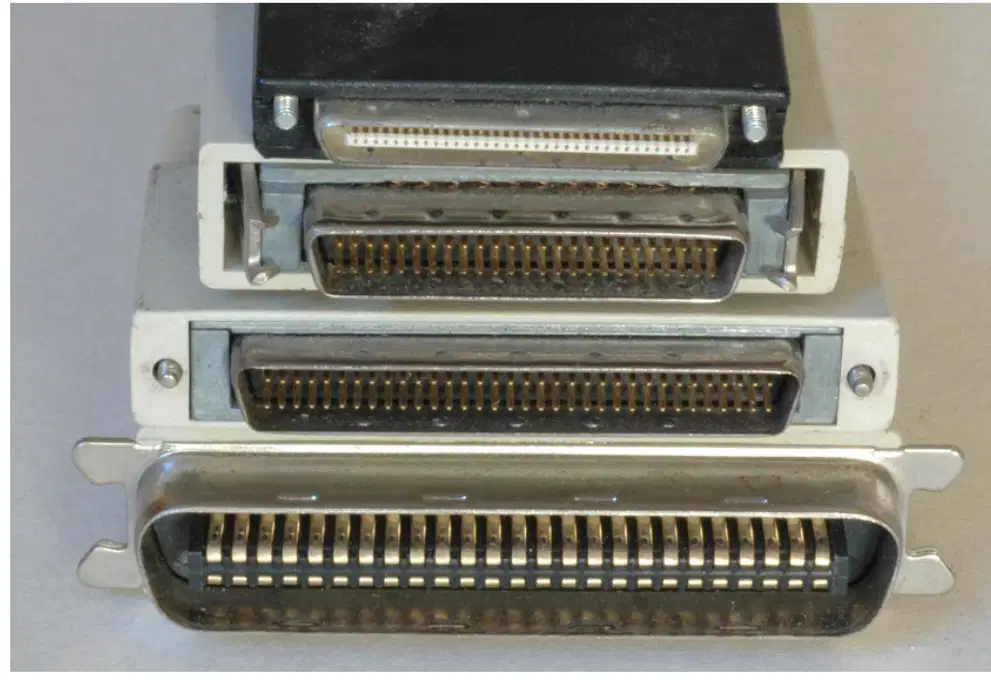
Which of the following connector types can be used by an SCSI interface?
40-pin
50-pin
68-pin
80-pin
Both B, C, and D
What does SATA stand for?
Serial Advanced Technology Adapter
Serial ATA
Simple ATA
Standard ATA
Serial ATA refers to the ______ version of the ATA drive controller interface.
serial
parallel
hybrid
wireless
How many pins does a SATA interface data connector use?
5
7
9
15
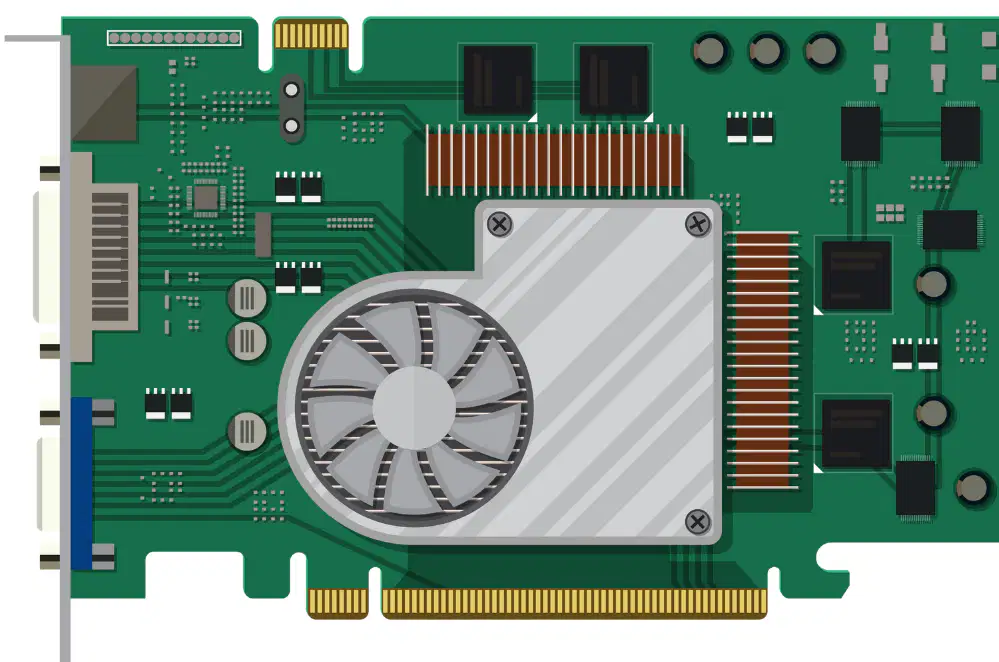
What is the unit of measurement for GPU clock speed?
MHz
GB
V
FPS
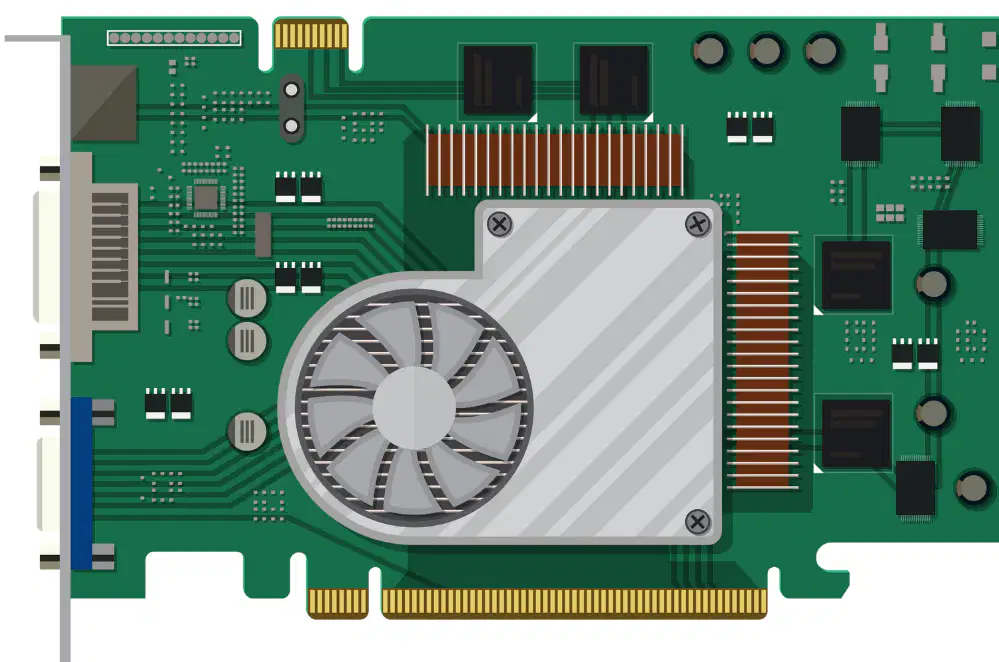
What is the unit of measurement for the size of the memory bus?
bits
bytes
hertz
volts
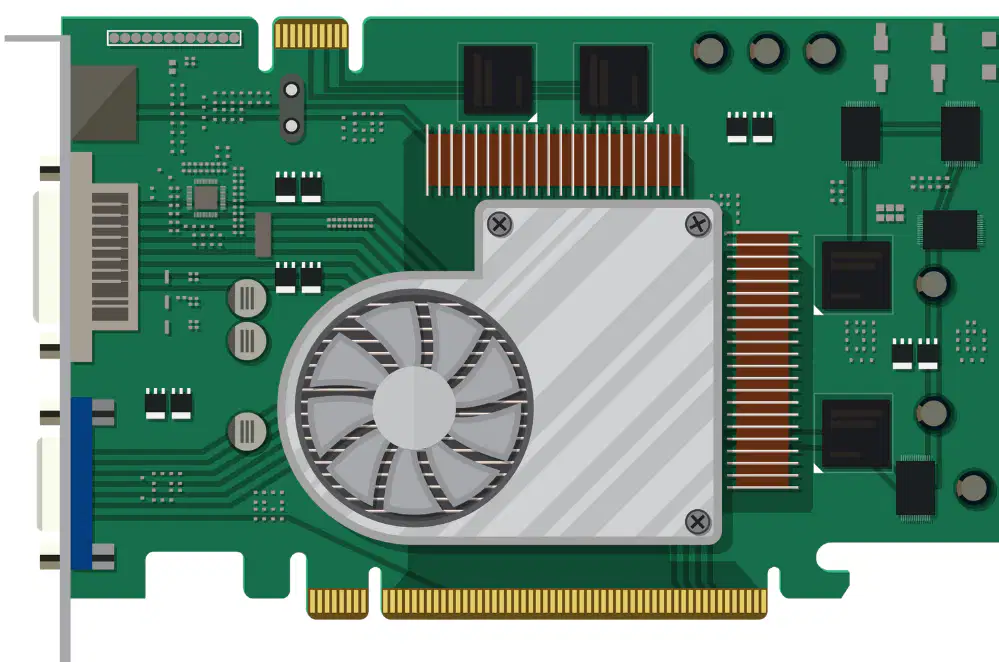
What is the unit of measurement for the amount of available memory?
MB
kg
cm
L
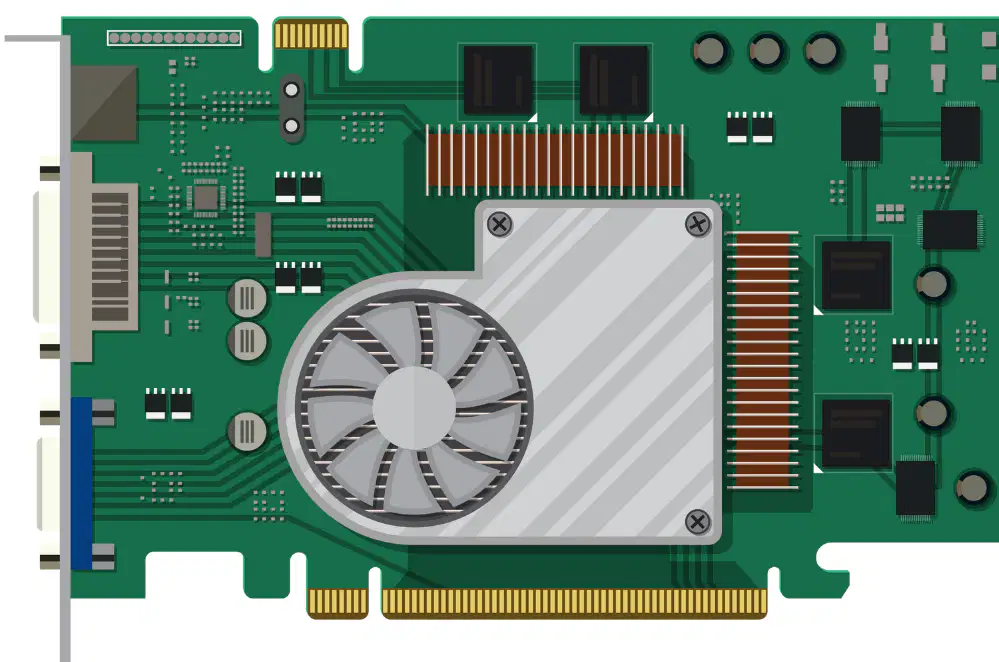
What is the unit of measurement for memory clock rate?
MHz
GB
V
ms
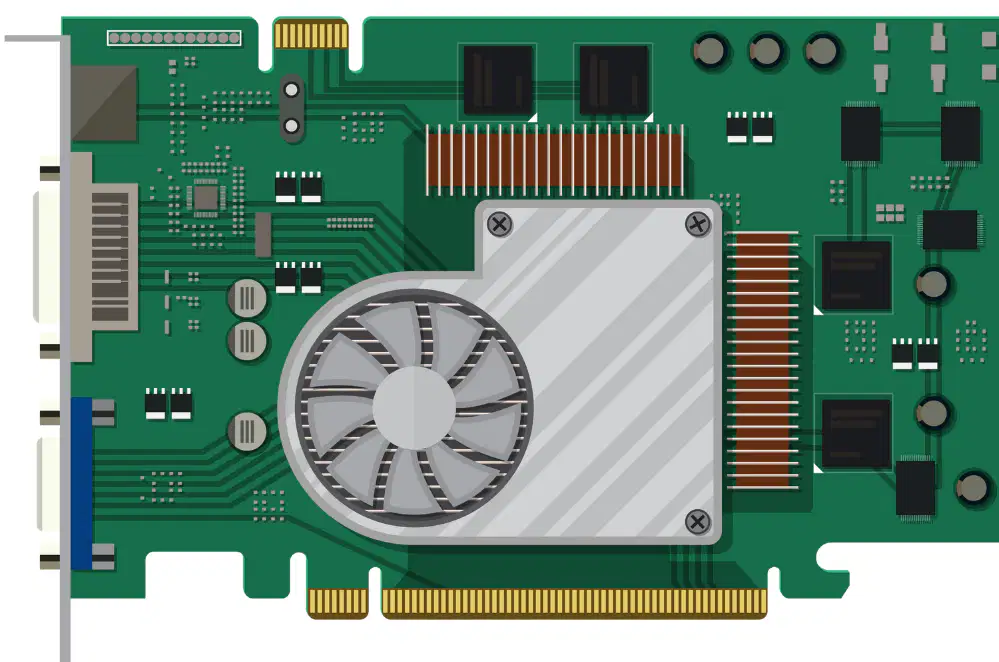
What is the unit of measurement for memory bandwidth?
GB/s
ms
MHz
V
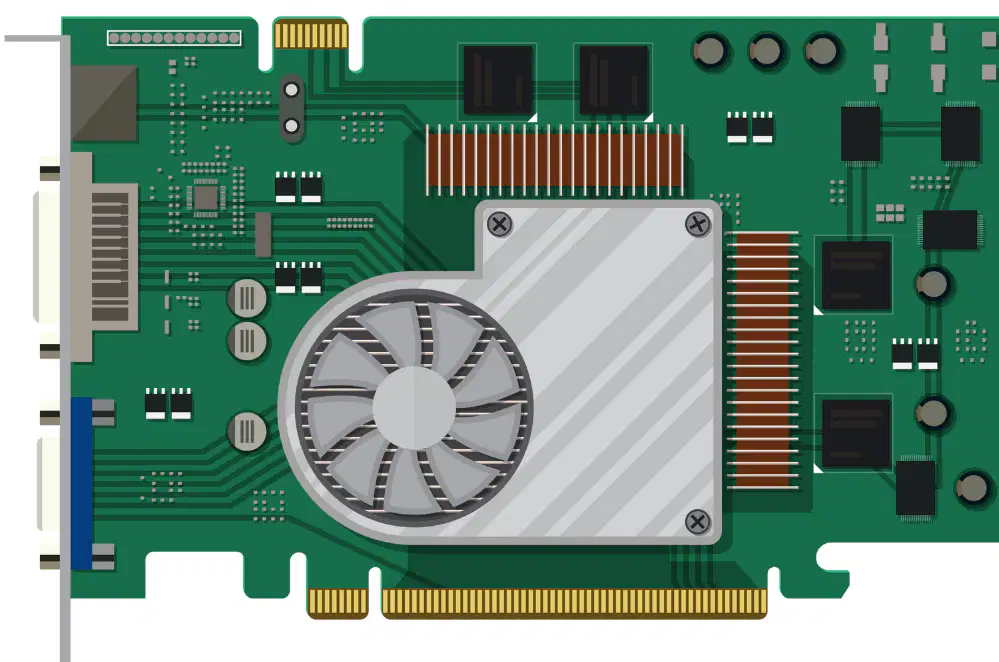
What is the unit of measurement for RAMDAC speed?
MHz
GB
V
dB
What are the only two brands that make GPUs?
Nvidia and AMD
Intel and Qualcomm
Apple and Samsung
Sony and Toshiba
Stream Processors/CUDA Cores can be thought of as the many individual computing units in the GPU that do the ________.
graphics computations and calculations
audio processing
network packet routing
data storage management
What does the Core Clock Speed indicate in a graphics card?
The number of computations the cores does every second, measured in MHz.
The amount of memory available on the graphics card.
The temperature at which the graphics card operates.
The number of display outputs supported by the graphics card.
Fill in the blank: Voltage is the difference in electric potential between two points. The difference in electric potential between two points in a static electric field is defined as the ______ needed per unit of charge to move a test charge between the two points.
work
force
current
resistance

