
NEW
Font size
 Worksheets
Modern Brazilian Theater Lesson Quiz
Total questions: 43
Worksheet time: 22mins

What is the main objective of the lesson shown in the image?
To learn about the historical context and characteristics of Modern Brazilian Theater.
To study the history of European art.
To practice acting techniques from ancient Greece.
To explore the architecture of famous theaters around the world.

Which of the following best describes the focus of the lesson?
Understanding the context and features of Modern Brazilian Theater.
Learning about traditional Brazilian music.
Exploring the history of cinema in Brazil.
Studying famous Brazilian poets.
What is the main question being asked to students in the conversation starter activity?
Whether theater should always follow societal changes or keep traditional formats
How to perform a play on stage
The history of theater in society
The names of famous theater actors
Why are students asked to answer the question orally at the teacher's signal?
To practice speaking and sharing opinions
To memorize facts about theater
To write an essay about theater
To draw a picture of a theater
Which of the following best describes the purpose of the activity shown in the image?
To encourage students to express their opinions about theater and society
To test students' memory of theater history
To teach students how to build a theater set
To have students act out a play
In which year did the Semana de Arte Moderna, which established modernism in the arts and literature in Brazil, take place?
1922
1943
1948
1930
According to some critics, when did Modern Brazilian Theater truly begin?
With the first performance of "Vestido de Noiva" in 1943
With the Semana de Arte Moderna in 1922
With the professionalization of modern theater companies in 1948
With the rise of cinema in Brazil
What is another viewpoint about the beginning of Modern Brazilian Theater?
It began in 1948 with the professionalization of modern theater companies
It started in 1922 with the Semana de Arte Moderna
It began with the first performance of "Vestido de Noiva" in 1943
It started with the introduction of television in Brazil
Which two art forms were specifically mentioned as being established in modernism during the Semana de Arte Moderna?
Visual arts and literature
Music and dance
Cinema and sculpture
Architecture and poetry

This image shows a person expressing confusion or uncertainty, which relates to the differing opinions about the start of Modern Brazilian Theater.
This image shows a person expressing confusion or uncertainty, which relates to the differing opinions about the start of Modern Brazilian Theater.
This image shows a famous actress from the 1940s.
This image is a scene from the play "Vestido de Noiva."
This image represents the Semana de Arte Moderna event.
What was the main objective of Modern Brazilian Theater?
To create an aesthetic focused on the general public who did not have access or encouragement to attend theater.
To entertain only the elite of Rio de Janeiro and São Paulo.
To make theater more expensive and exclusive.
To limit theater performances to large cultural centers only.
According to the text, who were the traditional audience of theater before the Modern Brazilian Theater movement?
The elite of Rio de Janeiro and São Paulo.
Farmers from rural areas.
Children and teenagers.
Tourists from other countries.
Why did Modern Brazilian Theater aim to change its focus, according to the passage?
To make theater accessible and appealing to people who previously had no access or incentive to attend.
To increase ticket prices for profit.
To reduce the number of theater performances.
To focus only on international plays.
How might the goal of Modern Brazilian Theater have influenced the types of plays produced?
By encouraging plays that reflected the experiences and interests of the general population.
By only producing plays in foreign languages.
By focusing on historical events from Europe.
By limiting performances to private clubs.
What should you do according to the instruction "Reflita e levante a mão para responder"?
Think and raise your hand to answer
Write your answer on paper
Ignore the question
Ask your friend for help
Which of the following is an example of a task that asks you to identify characters from different social classes in movies or TV shows?
Cite examples of films, soap operas, or series where you noticed characters from various social classes
List your favorite movie actors
Name the director of a famous film
Describe the plot of a cartoon
Why might a teacher ask students to give examples of movies or series with characters from different social classes?
To help students recognize social diversity in media
To test students' memory of movie titles
To see who watches the most TV
To find out students' favorite actors
Which two thinkers inspired some authors to introduce psychological phenomena and social problems into their plays in Modern Brazilian Theatre?
Sigmund Freud and Karl Marx
William Shakespeare and Molière
Charles Darwin and Isaac Newton
Albert Einstein and Galileo Galilei
Who was a notable figure in Modern Brazilian Theatre mentioned as a Polish immigrant?
Zbigniew Ziembinski
Pablo Picasso
Leonardo da Vinci
Gabriel García Márquez
Explain how the readings of Freud and Marx influenced Modern Brazilian Theatre, based on the information provided.
They inspired authors to introduce psychological phenomena and social problems into their plays.
They encouraged authors to write only comedies.
They led authors to avoid social issues in their works.
They made authors focus only on historical events.
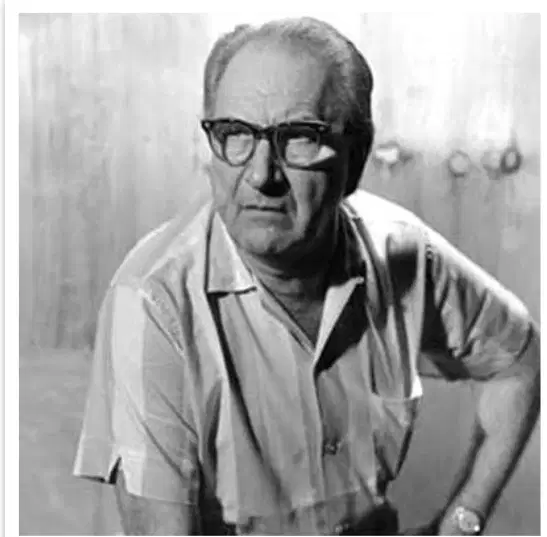
Who is considered the first Brazilian stage director, despite being of European origin?
Zbigniew Ziembinski
Nelson Rodrigues
Os Comediantes
Paraná Governo
What was the name of the theater group founded by Zbigniew Ziembinski in 1943?
Os Comediantes
Vestido de Noiva
Teatro Brasileiro
Paraná Grupo
Which play, directed by Zbigniew Ziembinski, is considered the beginning of modern Brazilian theater?
Vestido de Noiva
O Auto da Compadecida
Romeu e Julieta
O Pagador de Promessas
Why is the play "Vestido de Noiva" significant in the history of Brazilian theater?
It is considered the beginning of modern Brazilian theater.
It was the first play written in Portuguese.
It was performed in Europe.
It was a comedy show.
Based on the information, what can you infer about the impact of Zbigniew Ziembinski on Brazilian theater?
He played a key role in modernizing Brazilian theater.
He was only known as an actor.
He wrote many famous novels.
He was not involved in theater groups.
Who was Nelson Rodrigues?
A famous Brazilian playwright
A well-known Brazilian painter
A popular Brazilian singer
A famous Brazilian football player
In which decade did Nelson Rodrigues' plays help mark the rise of modern theater in Brazil?
1920s
1940s
1960s
1980s
What themes did Nelson Rodrigues often criticize in his plays?
The traditions and hypocrisy of the bourgeois class
The beauty of nature
The importance of sports
The history of Brazil
How did Nelson Rodrigues analyze his characters in his plays?
Psychologically
Through physical comedy
By focusing on their jobs
By describing their clothing
Why are Nelson Rodrigues' works considered important for Brazilian theater?
They introduced modern theater and offered social criticism
They were the first plays written in Brazil
They were only comedies
They focused on fairy tales
Imagine you are a theater critic in the 1940s. Based on what you know about Nelson Rodrigues, what might you expect to see in one of his plays?
Honest depictions of life and criticism of social norms
Only stories about sports heroes
Fairy tales with happy endings
Plays with no dialogue
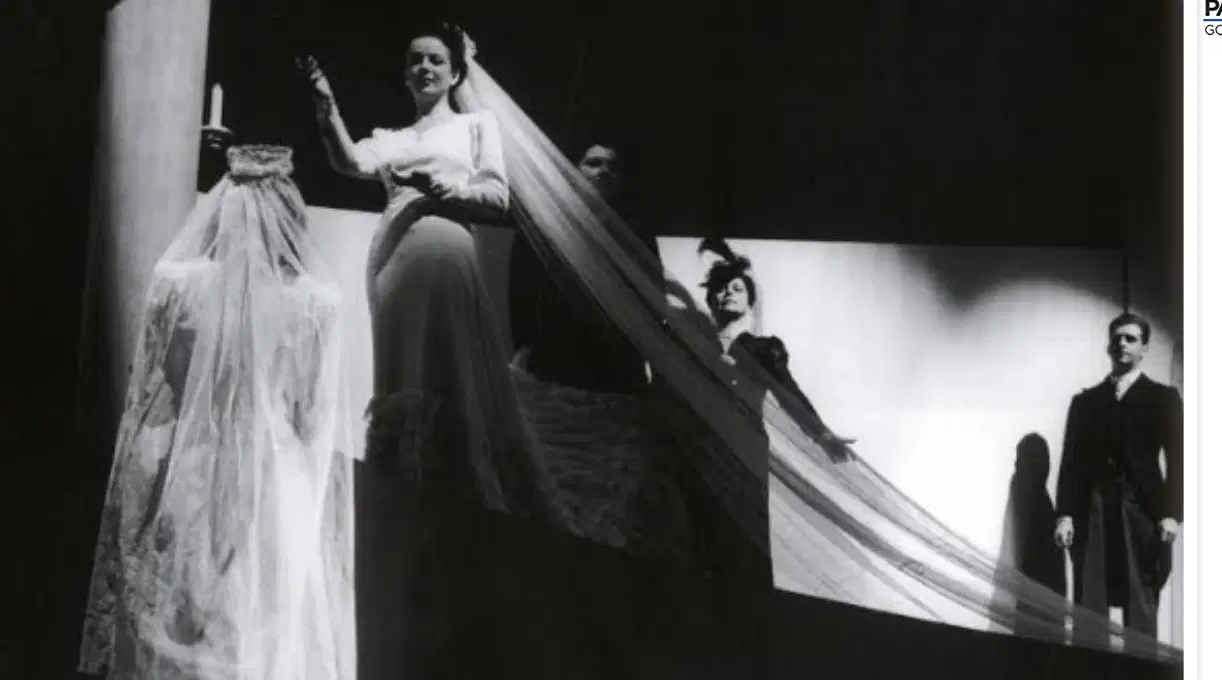
What is the name of the theater group that performed the play "Vestido de noiva" in 1943?
Os Comediantes
Os Palhaços
Os Artistas
Os Dramaturgos
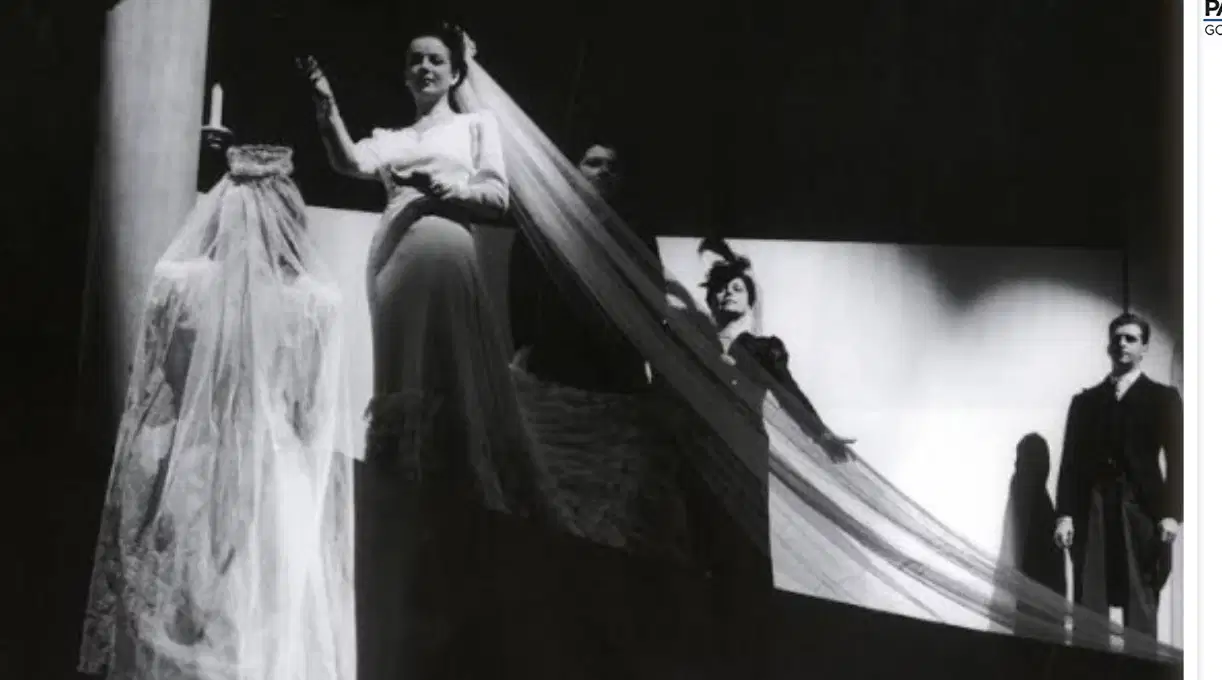
In what year did the group "Os Comediantes" perform the play "Vestido de noiva"?
1943
1950
1930
1960
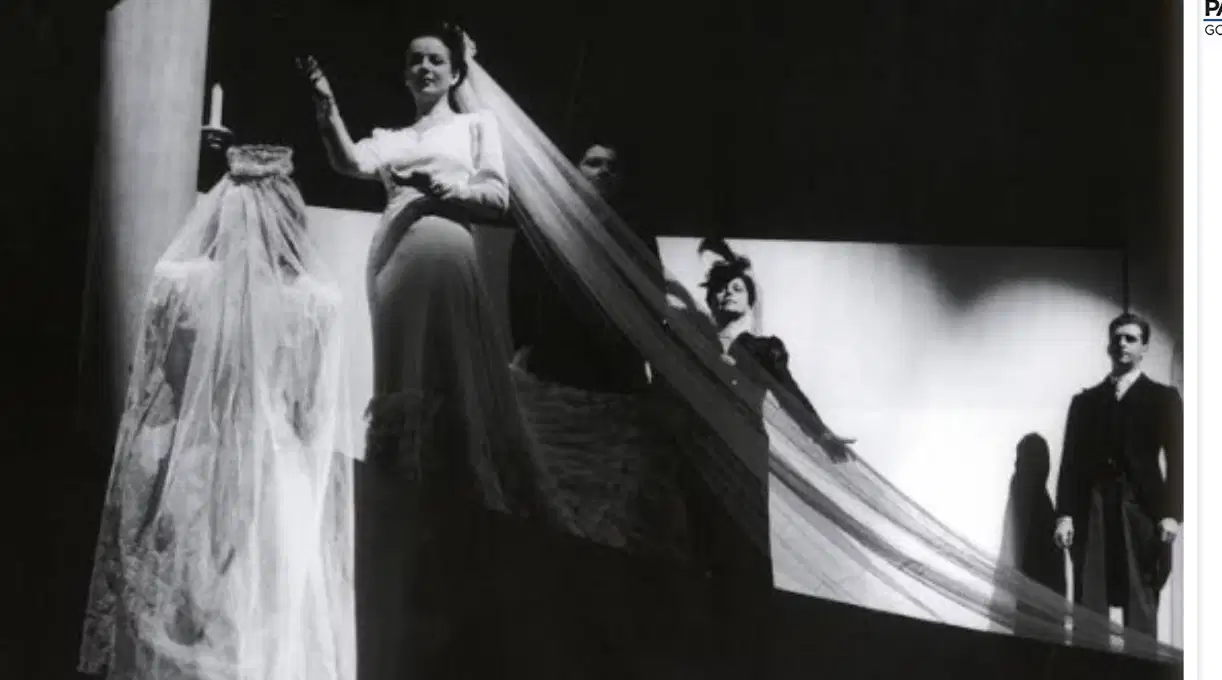
Based on the image and caption, what type of event is being depicted?
A theater performance
A wedding ceremony
A music concert
A sports event
What is one of the main differences that modern Brazilian theater introduced compared to earlier theater?
The importance of the director (encenador)
The use of only one actor
The exclusion of social themes
The removal of costumes
In modern Brazilian theater, what elements besides actors and actresses have gained more relevance?
Lighting, costumes, and scenery
Only the script
Only the audience
Only the music
Before the rise of modern Brazilian theater, why did most people go to the theater?
To see a specific actor or actress
To watch the lighting effects
To study the costumes
To learn about social classes
Explain how the focus of theater audiences changed with the arrival of modern Brazilian theater. Use evidence from the text to support your answer.
The focus shifted from individual actors to the overall production, including elements like lighting, costumes, and scenery.
The focus remained only on the actors.
The focus shifted to the audience's reactions.
The focus was only on the script.
When did the Modern Brazilian Theater begin?
In the 19th century
In the early 20th century
In the 18th century
In the 21st century
Who is considered the first Brazilian stage director and what was their contribution to Modern Brazilian Theater?
Nelson Rodrigues, who wrote many novels
A famous actor, who performed in many plays
The first Brazilian stage director, who helped shape Modern Brazilian Theater
A poet, who wrote about theater
How are the works of Nelson Rodrigues described?
They are mostly comedies
They are known for their dramatic and controversial themes
They are focused on science fiction
They are mainly historical plays
What did the lesson focus on today?
The historical context and characteristics of Modern Brazilian Theater.
The history of Ancient Greek Theater.
The development of European Opera.
The characteristics of traditional Japanese Theater.
Why is it important to understand the historical context of Modern Brazilian Theater?
It helps us appreciate the unique features and evolution of the theater.
It allows us to memorize dates and names only.
It is necessary for learning about mathematics.
It is only important for actors.

