
Font size
 Worksheets
5th UIL science 15-16
Total questions: 497
Worksheet time: 8hrs 30mins
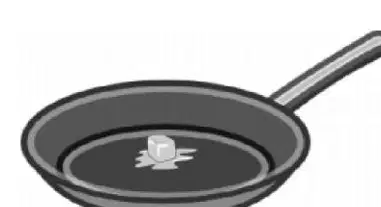
An ice cube is placed on to a hot pan that is sitting on the countertop. How will the heat energy move?
The coldness will move from the pan to the ice cube.
The coldness will move from the ice cube to the pan.
The heat will travel from the pan to the ice cube.
The heat will move from the ice cube to the pan.


The earth receives heat energy from the sun by _______________, which is the transfer of energy as electromagnetic waves.


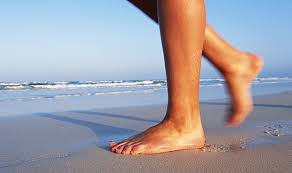
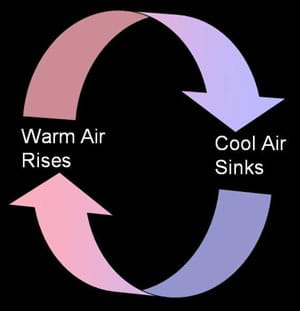
Near the ceiling of a room the air is warmer. The warm air rises because of
conduction
convection
radiation

In heat transfer, heat always flows from the _______________ substance to the _______________ substance.
Hotter to colder
Colder to hotter
Hotter to hotter
Colder to colder

When you use a microwave, what is the main way that heat is transferred?
Convection
Conduction
Radiation
insulation.

An iron is placed on your clothes to smooth out the wrinkles. The iron transfers heat to your clothes through
conduction
convection
radiation

You get sunburned due to __________ from the sun.
conduction
convection
radiation

Near the ceiling of a room the air is warmer. The warm air rises because of
conduction
convection
radiation

Which Earth's surface heats quicker, sand or water?
Water
Sand
N/A
N/A

In heat transfer, heat always flows from the _______________ substance to the _______________ substance.
Hotter to colder
Colder to hotter
Hotter to hotter
Colder to colder

The kind of heat transfer that travels through space in electromagnetic waves is ______________________.
insulation.
Radiation
Conduction
Convection

When you use a microwave, what is the main way that heat is transferred?
Convection
Conduction
Radiation
insulation.

The handle of a metal spoon warms up when it is placed in a hot bowl of soup because of
Convection
Conduction
Radiation
insulation.
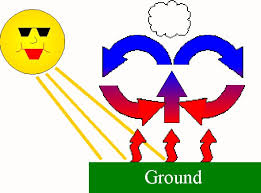


The Law of Conservation of Energy states that
energy is always created and destroyed.
energy is neither created or destroyed, it just moves and transforms.
energy is always created; but never destroyed or transformed.

______________________ occurs when energy changes from one form to another.
Energy transformation
Energy transfer
Energy balance
Energy equilibrium

_______________________ is stored energy to position or arrangement of particles in an object.
kinetic energy
potential energy
thermal energy
electrical energy
Certain prehistoric events led to the formation of oil. Which of the following was one of those events?
Microscopic life in the sea died and was buried under sediment.
Giant wind storms destroyed forests.
Icebergs melted at the North and South Poles.
Heavy flooding soaked the Earth’s crust.
What is the primary source material for the formation of oil deposits?
Remains of ancient marine organisms buried under layers of sediment.
Volcanic ash from prehistoric eruptions.
Minerals dissolved in groundwater.
Sand carried by desert winds.
Which condition was essential for the transformation of organic matter into oil over millions of years?
Frequent volcanic eruptions.
Constant freezing temperatures.
Direct exposure to sunlight.
High pressure and absence of oxygen.
How did sediments contribute to the formation of oil in prehistoric times?
They buried dead organisms, preventing decay by oxygen.
They provided nutrients for plant growth.
They reflected sunlight back into the atmosphere.
They caused earthquakes that mixed the Earth's crust.


Oil takes (a) to make.
Match the following.
Renewable Resource
Hydropower
Nonrenewable Resource
Oil
Renewable Resource 2
Sun
Nonrenewable Resources 2
Natural Gas
Wind is...
natural and nonrenewable
natural and renewable
artificial and nonrenewable
artificial and renewable
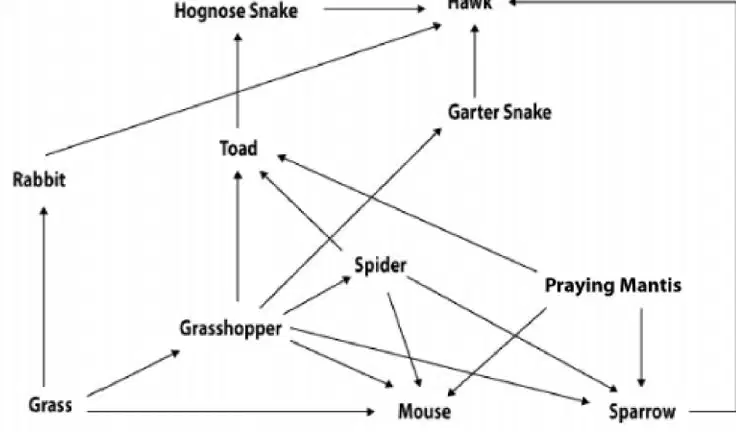
Which of the following BEST illustrates the direction of energy flow through the food web above?
A. spider to grasshopper to grass
B. garter snake to hawk to hognose snake
C. grass to rabbit to hawk
D. mouse to spider to toad


Which group is not represented in the food web?
producers
primary consumers
secondary consumers
decomposers

What do the arrows in the food chain indicate about the flow of energy in an ecosystem?
Energy is continuously recycled by the organisms in an ecosystem.
Energy flows in one direction in an ecosystem, from producers to consumers.
More of the available energy in an ecosystem is given to large animals than to small animals.
Organisms at the end of the food chain receive more energy than those at the beginning.

In this energy pyramid, which organism would most likely be in level 2?
bird
fox
caterpillar
tree

How would the removal of earthworms from the food chain affect the other organisms?
The number of bass will increase.
The number of crayfish will decrease.
The crayfish will get their energy directly from the sun.
The number of bass and ospreys (bird) will increase.

The picture provided shows an ocean bay food chain. Sea otters move into the ocean bay. They eat all of the sea urchins. This change will cause the
kelp to have less food.
crabs to have more food.
sea ducks to have less food.
arctic foxes to have more food.
Which of these organisms would most likely be found at the top of an energy pyramid?
clams
sardines
sharks
kelp (seaweed)


Put this food chain in the correct order
Grass
Rabbit
Snake
Hawk
Put this food chain in the correct order
Grass
Grasshopper
Shrew
Snake
Mountain Lion
Who makes their own food?
The Sun
Producers
Consumers
Decomposers
Reorder the following from sun to tertiary consumer


What kind of organisms are usually primary consumers?
plants
herbivores
carnivores

What kind of organisms are usually at the top of the food chain?
producers
herbivores
omnivores
carnivores
Fungi: Producer, consumer or decomposer?
Producer
Consumer
Decomposer


What organism does the squirrel get its energy from in this food chain? (click on the picture to make it bigger)
Red fox
The sun
Acorns

Which of the following organisms is a primary consumer?
grass
rabbit
fox
snake
Which of the following organisms is a producer?
grass
rabbit
fox
snake
Which of the following organisms uses photosynthesis to get the energy it needs to survive?
grass
rabbit
fox
snake
Arrows in a food web represent...
eating
sunlight
energy
matter
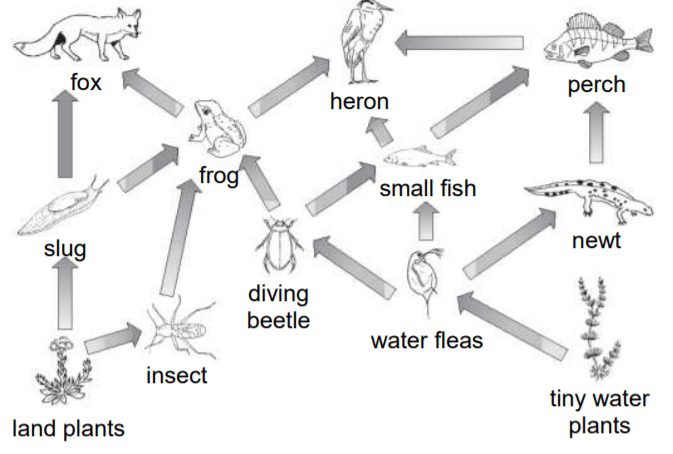
This is a food chain
This is a food web
This is an energy pyramid
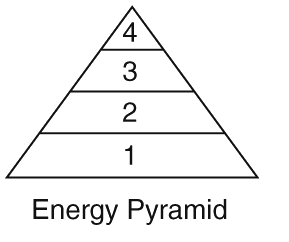
Level 1 on the pyramid
Producers
Primary Consumer
Secondary Consumer
Tertiary Consumer
Level 2 on the pyramid
Producers
Primary Consumer
Secondary Consumer
Tertiary Consumer
Level 3 on the pyramid
Producers
Primary Consumer
Secondary Consumer
Tertiary Consumer
Level 4 on the pyramid
Producers
Primary Consumer
Secondary Consumer
Tertiary Consumer
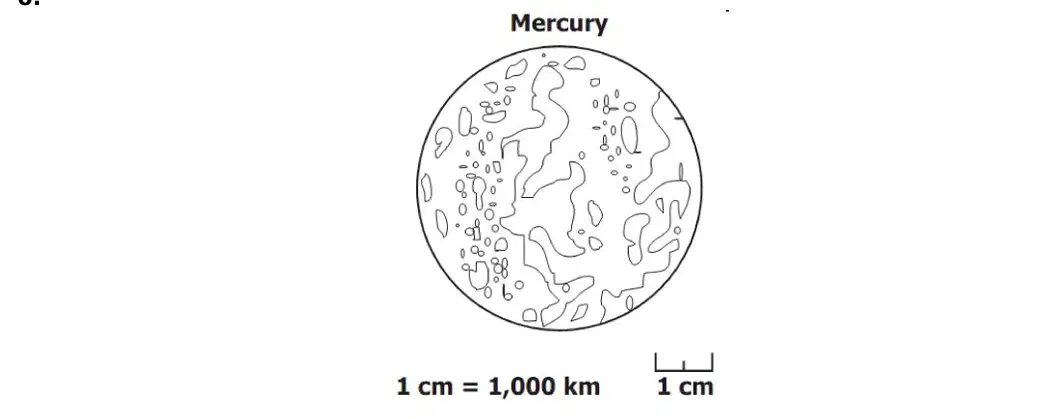
A scale model of the planet Mercury is shown. Based on the scale, which of the following is the most accurate diameter of Mercury?
1,000 km
5,000 km
50,000 km
500,000 km
Whittemore Park Middle School is 30 feet tall. A 5 inch tall scale model of the school was made by the art club. What is the scale of the model?
one inch = 6 feet
one inch = 6 inches
one inch = 72 inches
The Waccamaw Bridge is 60 yards long. The length of a model of the bridge is 15 inches long. What is the scale of the model?
one inch = .25 yards
one inch = 4 yards
one inch = 144 inches
The actual length of a car is 14.5 ft. A model of the car is 7.25 inches long. What is the scale?
one inch = 24 inches
one inch = 2 ft
one inch = 0.5 ft

In a drawing, the scale used is: 1in.= 7ft. If the actual width of the backyard is 49 ft, how wide is it in the drawing?
14 in
7 in
42 in
56 in
Jonathan drew a scale drawing of a house. The scale of the drawing was 1 millimeter : 2 meters. If the actual width of the garage is 8 meters, how wide is the garage in the drawing?
4 mm
16 mm


The windows in the drawing are 1¾ cm apart, how many meters apart are the actual windows if the scale is 2 cm=10 m?
8¾ m
7½ m
5 m
2¼ m


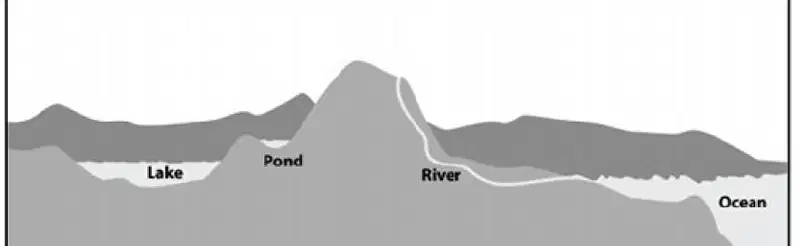
Refer to the diagram showing a lake, pond, river, and ocean. In which location would the MOST evaporation take place?
lake
pond
river
ocean
Which of the following bodies of water would experience the LEAST evaporation?
lake
pond
ocean
river
What is the main reason why the ocean has more evaporation than a pond?
It has more fish
It covers a larger area
It is deeper
It is saltier
If the temperature increases, which water body will show the greatest increase in evaporation?
ocean
river
pond
lake
Which ARROW represents EVAPORATION?
In the diagram, which point represents evaporation?

Which of the following describes evaporation? (a)
click on condensation
At what point does the Sun heat water causing evaporation?
Water vapor rises and condenses to form clouds.
In the diagram, which point represents condensation?

The diagram below shows the process of evaporation over the ocean. The most likely effect of this process on the land areas nearby is (a) .
In the morning, you observe that water droplets have formed on grass. Which process occurred when the water droplets formed on the grass?
condensation
deposition
evaporation
sublimation

The process in which water vapor is released into the atmosphere through plants.
evaporation
transpiration
condensation
precipitation
Any form of water that falls from clouds and reaches Earth’s surface because of gravity.
accumulation
precipitation
condensation
surface runoff

In order for evaporation to occur, liquid water must change state into a ___________.
gas
solid
plasma

What step of the water cycle is happening in arrow D?
Condensation
Evaopration
Run off

What part of the water cycle does this picture show?
condensation
precipitation
evaporation

What part of the water cycle does this picture show?
condensation
precipitation
evaporation

How much of our planet is estimated to be covered with water?
10%
25%
50%
75%

What do you call the changes of water when it evaporates into the air, condenses into clouds, and then precipitates down to Earth?
run-off
the water cycle
evaporation
precipitation

What is rainfall that is not absorbed by soil and travels to the ocean?
run-off
transpiration
precipitation
evaporation
What changes water from one state to another?
clouds
the ocean
a change in temperature
none of the above
The greatest amount of water found on Earth is fresh water. True or False?
True
False

When is the best time for water to evaporate?
cold and snowy
wet and raining
hot and dry
all the time

What process is happening in number 6?
transpiration
evaporation
condensation
accumulation

What is number 3 in the diagram?
evaporation
precipitation
surface runoff
condensation

A cold, closed bottle of water is left in the sun. Water forms on the outside of the bottle. This is an example of
evaporation
precipitation
water vapor
condensation

Water underground is stored in ____________.
aquifers
reservoirs
wells
depositories
Approximately _____ percent of Earth's water is freshwater.
97
1
3
10
Approximately what percent of Earth's water is salt water?
3
70
79
97

The graphic shows that only 3% of the Earth's water is fresh water. The graphic also shows that of this 3%, almost all of it is contained in two reservoirs. What are the two reservoirs that contain almost all of Earth's fresh water?
glaciers and groundwater
streams and estuaries
marshes and swamps
lakes and rivers

The diagram shows the distribution of water on the Earth. Based on the diagram, which is true?
Most of Earth's water is fresh water.
Most of Earth's fresh water is contained in glaciers and ground water.
Most of Earth's water is contained in glaciers.
Most of Earth's fresh water is contained in the oceans.
On earth's surface water can be found in lakes, rivers, glaciers, underground, and in plants and animals. It also can be found, and stored , as snow on mountain tops. Heat energy from the Sun eventually melts the snow. Then gravity pulls water down mountains in rivers and through groundwater. Snow usually melts in the spring and summer.
Infiltration
Condensation
Precipitation
Evaporation


A small bowl contains a mixture of toothpicks and glass marbles. The easiest way to separate the mixture without touching it would be to-
add glue to the mixture
place a magnet in the bowl
pour the mixture into a paper cone
add water to the bowl
A mixture of sand and iron filings is given. Which method would best separate the two substances?
Add water to dissolve the sand
Stir the mixture with a spoon
Use a magnet to attract the iron filings
Heat the mixture until it melts
Which of the following is the best way to separate a mixture of salt and water?
Filter the mixture
Use a magnet
Add more salt
Evaporate the water
If you have a mixture of pebbles and sawdust, which method would help you separate them most easily?
Pour water into the mixture and skim off the floating sawdust
Use a magnet to attract the pebbles
Heat the mixture until the sawdust burns
Add glue to stick the pebbles together

Which of the following is a method of separating solutions?
hand seperation
filtering
screening
evaporation

A student stirs 15 grams of each substance listed below into 200 milliliters of water to form four different mixtures. The student then tries to separate the water from each mixture by pouring the mixture through a kitchen tea strainer.
Which mixture can the student separate most easily with the strainer?
Salt and water
Gravel and water
Shampoo and water
Sugar and water

Which answer best describes the easiest way to separate a mixture of iron filings and dirt?
Pick the iron filings out by hand
Put the mixture in water
Use a magnet
Boil the mixture
Sand and gravel may be separated from each other by using _______
filter paper and a funnel
evaporation
distillation

What mixture could you use this tool to best separate that mixture?
Sugar and Salt
Sand and rocks
Apples and grapes
James wants to separate the salt from the water in his glass of salt water. What separation method should James use?
Magnets
Evaporation
Filter
Using his hands

The best way to separate trail mix would be:
filter
by hand
sieve
evaporation

This type of paper has VERY small pores that allows liquid to pass through it. What is it?
sieve
filter paper
construction paper

If I pour sand and water onto a filter, what will happen?
water and sand will go through the filter
sand will get caught in the filter, water will pass through
both sand and water will get caught in the filter

What does this picture illustrate?
Elements
Compunds
Mixture of Elements and Compunds
Mixture of Compounds

What does this picture illustrate?
an element
Mixture of Compunds
Mixture of elemets
a compound
These contain only one kind of atom:

Tweezers are a tool you can use to separate a mixture of (a)

A sieve is used to separate mixtures like (a)
In filtration, what name is used to describe the solid left in the filter paper?
Filtrate
Residue
Distillate
Filtration is
using magnetism to separate metals from non-metals.
a process that separates a solid from a liquid based on the size of their particles.
a process of separating mixtures by boiling.
A solute is
a mixture that forms when one substance dissolves another
a liquid substance capable of dissolving other substances
incapable of being dissolved
a substance that is dissolved
A solvent is
able to be dissolved
a mixture that forms when one substance dissolves another
a liquid substance capable of dissolving other substances
a substance that is dissolved
What key term is used to describe when a solute does not dissolve in water?
Soluble
Solute
Insoluble
Solution
Separating sugar and water (do not need to keep the water)
evaporation
sieve
magnetism
filter
Separating large rocks from sand
Filter
Sieve
Evaporation
Magnetism
Separate metal paperclips from eraser bits
Magnetism
Filter
Sieve
Evaporation
Separating water and pasta
Filter
Evaporation
Sieve
Magnetism
Separating tea leaves from a cup of tea
Evaporation
Magnetism
Sieve
Filter
Separating sand from iron filings
evaporation
sieve
magnetism
filter
Creating a mixture results in _____________ only.
Two parts
Chemical changes
Physical changes
Chemical reactions
The ________ of the materials in a mixture can be used to separate the mixture.
taste
physical properties
color
appearance
How can density help you separate a mixture?
Part of the mixture will change color
Part of the mixture will dissolve
Part of the mixture will sink or float
Part of the mixture will evaporate

This is an example of a
Solution
Mixture

This is an example of a
Solution
Mixture
Sugar dissolved in water is an example of a
Solution
Mixture
What do you call mixtures where you can clearly see the separate parts?
heterogenous mixtures
homogeneous mixtures
solutions
colloids
Which mixture can easily be separated by Hand/Tweezers

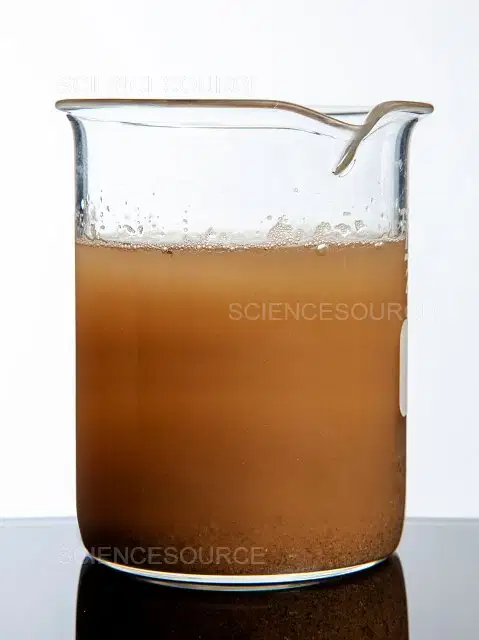

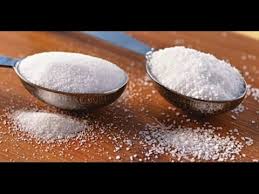
A _________ is a special kind of mixture where one substance is dissolved in another. What is it?
solution
mixture
balance
beaker
Emma and Aria need to separate iron filings from sand. What tool should they use?
use a magnet to pick up the iron filings
use a magnet to pick up the sand
use a coffee filter
use a screen
You combine two or more substances, but they don't transform into something new. Instead, they keep their original physical properties. What is this magical combination called?
substance
ingredient
chemical reaction
mixture
What do you call it when 2 or more substances are combined to create a brand new substance?
substance
solution
chemical reaction
mixture
James and Ava are on a treasure hunt and discover an ancient copper statue that has turned green over time. What kind of change has occurred to the statue?
physical change
chemical change
Sophia and James are working on a fun art project. They decide to cut a big piece of cardboard into smaller pieces to create a masterpiece. What kind of change is happening to the cardboard?
physical change
chemical change

During a fun science experiment, Aiden and Elijah mixed some ingredients in a jar. After a while, they noticed the mixture separated into layers. What type of mixture did they create?
solution
solute
suspension
solvent

In a sugar water mix, what is the solvent that makes everything dissolve?
water
sugar

For a solution to form, a _____________ must dissolve in a solvent.
solvent
substance
suspension
solute
Which tool would be best for separating sand from water?


Which tool would be best to separate raisins from cereal?


Jackson is on a mission to rescue the salt from his glass of salt water. Which magical method should he use to separate them?
Magnets
Evaporation
Filter
Using his hands
Abigail and Lily are having a picnic and they made a fruit salad. Is this delicious creation a
solution
solid mixture
suspension


If you had a mixture of rocks and sand and needed to separate them what method would work best?


You have a glass of salt and water, what is the best method to separate the salt out of the water?


Which of these BEST describes the change in salt grains as they dissolve in water?
The grains change their chemicals until they become water.
The grains get smaller in size until they can no longer be seen.
The grains get higher in temperature until they melt into a liquid.
The grains are washed clean until they are perfectly clear.
What happens to the salt particles after salt dissolves in water?
They sink to the bottom of the container.
They turn into small crystals at the surface.
They spread evenly throughout the water and cannot be seen.
They float to the top of the water.
Which statement BEST explains why salt seems to disappear when mixed with water?
The salt is filtered out by the water.
The salt changes into a gas and leaves the water.
The salt forms a new solid at the bottom.
The salt is broken into tiny pieces that are too small to see.
When salt dissolves in water, what type of change occurs?
A change in color, because the water turns blue.
A chemical change, because new substances are formed.
A change in temperature, because the water gets very hot.
A physical change, because the salt can be recovered by evaporating the water.
Match the following
solute
the substance being dissolved
solvent
the substance doing the dissolving
solution
homogeneous mixture
solubility
the ability of a substance to dissolve
solvation
the process of dissolving
A solution occurs when the (a) is (b) in a (c) .
Solid or liquid that is being dissolved? (a)


If a solute dissolves in water than it is_____.
soluble
insoluble
solute
solvent

What is able to dissolve other substances?
Solute
Solution
Salt
Solvent
you can see the different parts
cannot tell one part from another
very well blended
made of elements
you can see the different parts
cannot tell one part from another
chunks of particles
made of elements


filtration
sorting
magnet
boiling
Which factor differentiates the climate of an area from its weather?
the length of time over which observations are made
the type of vegetation that grows in an area
the distance over which observations are made
the temperature of an area over the summer months
What is the main difference between weather and climate?
Weather refers to short-term atmospheric conditions, while climate is the average over a long period.
Climate changes daily, but weather remains constant.
Weather is only about temperature, while climate is about rainfall.
Climate is measured in hours, weather in years.
Which of the following best describes climate?
The temperature on a single day
The amount of rainfall in one week
The wind speed during a storm
The average weather conditions in a region over many years
Why is it important to observe weather patterns over a long period to determine climate?
Because climate is defined by long-term trends, not short-term changes
Because weather and climate are the same
Because weather never changes
Because climate only affects one day at a time
"Usually, it rains a lot in May." Is that statement an example of weather or climate and why?
Weather because it is in a local area during a short time
Climate because it is in a local area during a short time
Climate because it is in a larger area over a longer period of time
Weather because it is in a larger area over a longer period of time

Is this map of global rainfall averages is an example of weather or climate and why?
Weather because it is in a local area during a short time
Climate because it is in a local area during a short time
Climate because it is in a larger area over a longer period of time
Weather because it is in a larger area over a longer period of time
"Current road conditions are experiencing heavy fog." Is that statement an example of weather or climate and why?
Weather because it is in a local area during a short time
Climate because it is in a local area during a short time
Climate because it is in a larger area over a longer period of time
Weather because it is in a larger area over a longer period of time
What is the definition of climate?
The condition of the atmosphere at a particular time and place
Rain, snow, fog, and lightening
Mountains and lakes
The accumulation of daily weather and seasonal conditions for a particular region for a long period of time
"The hurricane will hit on Thursday morning." Is that statement an example of weather or climate and why?
Climate because it is in a local area during a short time
Weather because it is in a local area during a short time
Climate because it is in a larger area over a longer period of time
Weather because it is in a larger area over a longer period of time
"The high today will be 64 degrees Fahrenheit and the low will be 48." Is that statement an example of weather or climate and why?
Climate because it is in a local area during a short time
Weather because it is in a local area during a short time
Climate because it is in a larger area over a longer period of time
Weather because it is in a larger area over a longer period of time
What is the definition of weather?
How hot or cold it is outside
Rain, snow, fog, and lightening
The condition of the atmosphere at a particular time and place
Mountains and flowers
Which of the following is an example of weather?
How many days of lightening we get per year
Average amount of snow in the month of December
Amount of snow today
How many days are usually foggy in winter
"It is sunny outside right now." Is that statement an example of weather or climate and why?
Weather because it is in a local area during a short time
Climate because it is in a local area during a short time
Climate because it is in a larger area over a longer period of time
Weather because it is in a larger area over a longer period of time
"There is 75% humidity this morning." Is that statement an example of weather or climate and why?
Weather because it is in a local area during a short time
Climate because it is in a local area during a short time
Climate because it is in a larger area over a longer period of time
Weather because it is in a larger area over a longer period of time
"Rainfall is typically less than one inch in this region." Is that statement an example of weather or climate and why?
Weather because it is in a local area during a short time
Climate because it is in a local area during a short time
Climate because it is in a larger area over a longer period of time
Weather because it is in a larger area over a longer period of time
"Next week, rain is in the forecast." Is that statement an example of weather or climate and why?
Weather because it is in a local area during a short time
Climate because it is in a local area during a short time
Climate because it is in a larger area over a longer period of time
Weather because it is in a larger area over a longer period of time
Water in its gas form is called ____________________,
water vapor
precipitation
ice
air


Scientists gather different data about weather and climate. Which of the following is a description of weather data?
The average daytime high in the Amazon is 25ºC.
It rained two inches in San Antonio, Texas on April 3rd.
The Gobi desert gets very little rainfall.
Temperatures in the Arctic are usually below freezing.
Which of the following statements best describes climate data?
It snowed in Denver last weekend.
The Sahara Desert receives less than 10 inches of rain per year.
There was a thunderstorm in Miami yesterday.
It was windy in Chicago on Monday.
Which example below is a record of weather data?
On July 10th, the temperature in Phoenix reached 42ºC.
Winters in Moscow are typically cold and snowy.
The average annual rainfall in Seattle is 37 inches.
The Amazon rainforest has a humid climate.
Which of the following is NOT an example of climate data?
It was sunny in Los Angeles last Friday.
Monsoons bring heavy rain to India every summer.
The average temperature in Paris during January is 5ºC.
The Atacama Desert is one of the driest places on Earth.
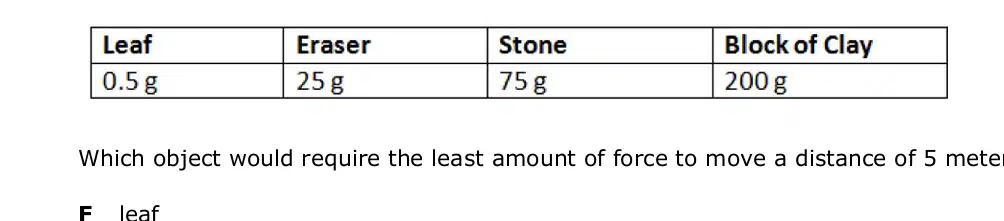
Which object would require the least amount of force to move a distance of 5 meters?
leaf
eraser
stone
block of clay
Which of the following objects would be the easiest to push across a smooth surface?
metal can
book
feather
brick
If you want to move an object with the least effort, which should you choose?
wooden block
plastic bottle
glass marble
paper sheet
Which item would need the smallest force to slide 5 meters on a table?
shoe
coin
notebook
apple

The force that results when two materials rub against each other or when their contact prevents sliding is (a)

An example of friction is (a) and (b)
Based on the friction force of each scenario, match the surface with the photo.
Air Hockey Table (smooth)
Rug (medium roughness)
Rubber Turf (high roughness)

(a) is the force created when two surfaces rub against each other.
(a) is a force that always resists the relative motion of objects or
surfaces.
A (a) is a push or pull. (b) is an example. It slows objects down so they don't keep moving forever.
The force that pulls a falling object toward the Earth is called...
Frictional force
Inertia
Gravitational force
Tension force
A book sits on a surface instead of falling through it due to ____ _____ acting on the book.
Gravitational force
Frictional force
Normal force
Frictional force

What is F? representing?
Normal
Gravity
Friction
Tension

The baseball bat applies what kind of force to the baseball when it is hit?
Frictional force
Gravitational force
Normal force
Applied force

What force is trying to slow the bungee jumper down in the air?
Frictional
Gravitational
Normal force
Air resistance

What force is responsible for slowing the car down?
Gravitational force
Normal force
Frictional force
Applied force

Are the forces balanced or unbalanced?
Balanced
Unbalanced
A Newton is a unit of ______.
Acceleration
Inertia
Force
Velocity

Name the missing force.
Gravitational Force
Normal Force
Friction Force
Applied Force

Name the missing force.
Gravitational Force
Normal Force
Tension Force
Friction Force

Which of the following is true about this free-body diagram?
the forces are balanced
the object is moving upward
the object is free-falling
the forces are unbalanced

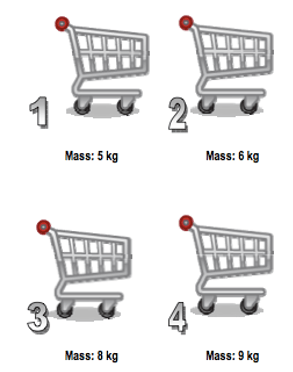
If the man pushes with an equal amount of force, which object will accelerate more?
Car because it has more mass
Lawnmower because it has less mass
Car because it has less mass
Lawnmower because it has more mass


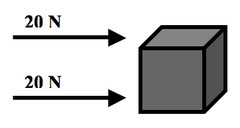
What is the Net Force and the direction of the object's movement as a result of the net force?
5N, Right
5N, Left
9N, Right
9N, Left

What is the Net Force and the direction of the object's movement as a result of the net force?
3N, Right
3N, Left
6N, Left
6N, Right

What is the Net Force and the direction of the object's movement as a result of the net force?
11N, Right
11N, Left
1N, Left
1N, Right

Which has the MOST inertia?


Which one has the LEAST inertia?


What is Newton's 2nd Law?
Every action has an equal and opposite reaction
An object at rest stays at rest, an object in motion stays in motion.
F = ma
Friction

The table below shows the chemical symbols for some common elements. | Element | Symbol | |-----------|--------| | Hydrogen | H | | Helium | He | | Oxygen | O | | Silicon | Si | | Carbon | C | | Iron | Fe | Based on the information in the table, which of the four substances below is a compound?
CO
He
Si
Fe
Refer to the table below showing chemical symbols for some elements.
| Element | Symbol |
|-----------|--------|
| Hydrogen | H |
| Helium | He |
| Oxygen | O |
| Silicon | Si |
| Carbon | C |
| Iron | Fe |
Which of the following is made up of two different elements?
O2
CO
Fe
He
Using the table of chemical symbols below, which option represents a pure element?
| Element | Symbol |
|-----------|--------|
| Hydrogen | H |
| Helium | He |
| Oxygen | O |
| Silicon | Si |
| Carbon | C |
| Iron | Fe |
CO
Si
CO2
H2O
Based on the chemical symbols in the table below, which of the following substances is NOT a compound?
| Element | Symbol |
|-----------|--------|
| Hydrogen | H |
| Helium | He |
| Oxygen | O |
| Silicon | Si |
| Carbon | C |
| Iron | Fe |
SiO2
H2O
CO
Fe
How many elements are in the compound sulfuric acid, H2SO4?
Mg(OH)2 is a compound. How many different elements are found in this compound?
How many total atoms are in the compound sulfuric acid, H2SO4?

How many elements are included in the compound NaOH(s)?
1
2
3
4
Which is the best description of an element?
A substance that cannot be broken down into simpler substances
A collection of atoms that have different abilities when joined together
A man-made mineral
A mixture of substances
Which one is a compound?
Ni
F
Re
NaCl

How many different elements are in the compound?
12
3
24
6
The place where known elements are represented...
The Periodic Table
Compounds
Chemical Formula
Graph
One way to tell how many elements a compound has is to...
multiply the number
count the capital letters
add up all the numbers
count the letters
A substance that consists of 2 or more different elements is a...
element
data table
symbol
compound
Which of the following represents an element?
H2O
H2
NaCl
CaCO3
What is made up of two or more elements that are chemically combined?
Element
Mixture
Compound
Solids
How many elements are represented in the compound?
Na2CO3
1
2
3
4
How many elements are represented in the compound?
Na2CO2H2C
5
2
3
4
Which of the following is not a compound?
HCl
Cl
NaCl
CO2
Which answer choice cannot be broken down into other substances?
Compound
Mixture
Solids
Element
Which answer choice is made up of two or more elements that are chemically combined?
Element
Mixture
Compound
Solids
How many Elements are in this compound?
CuSO4
3
1
4
5

Which element does the chemical symbol AI stand for?
Gold
Actinium
Iron
Aluminum
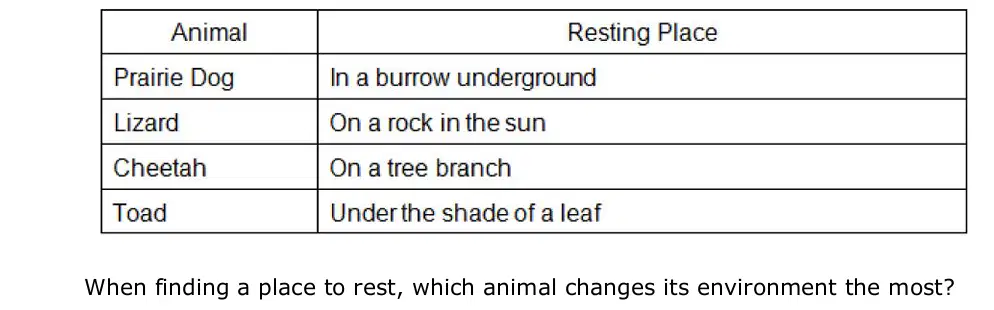
When finding a place to rest, which animal changes its environment the most?
Prairie Dog
Lizard
Cheetah
Toad
Which animal is most likely to dig tunnels to create a safe resting place?
Prairie Dog
Toad
Lizard
Cheetah
Which of these animals modifies its surroundings to build a home underground?
Cheetah
Prairie Dog
Lizard
Toad
Which animal is known for creating complex burrow systems for shelter?
Cheetah
Lizard
Toad
Prairie Dog
What is an environment which provides the items an organism needs to live, grow, and reproduce? (a)
Ducks living in or near a pond. This is the ducks (a) .
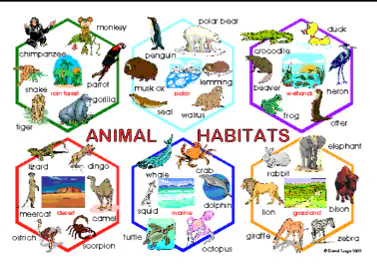
What is a "habitat"?
A type of food
A place where an organism lives
A method of hunting
A type of weather

An animal that is hunted and killed by another for food is...
prey
predator
habitat
survival
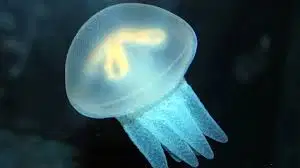
What does "translucent" mean?
Changing to fit new conditions
Allowing light to pass through
Living things
To disguise in order to hide
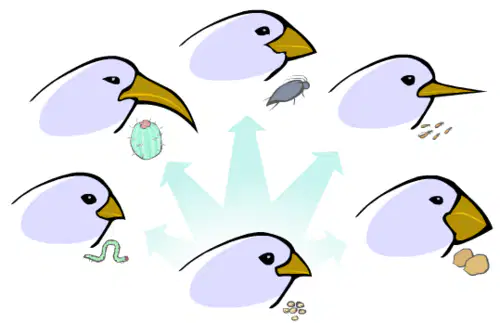
Which term means "changing to fit new conditions"?
Camouflage
Translucent
Adapt
Organisms
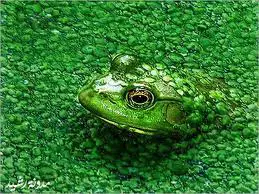
Which word describes "to disguise in order to hide"?
Relationship
Camouflage
Translucent
Adapt
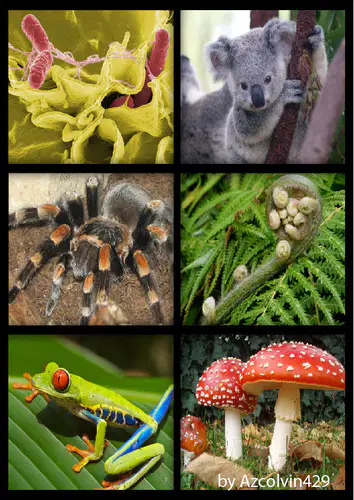
Which word means "living things"?
Camouflage
Organisms
Translucent
Relationship
An animal that is hunted and killed by another for food is...
prey
predator
habitat
survival
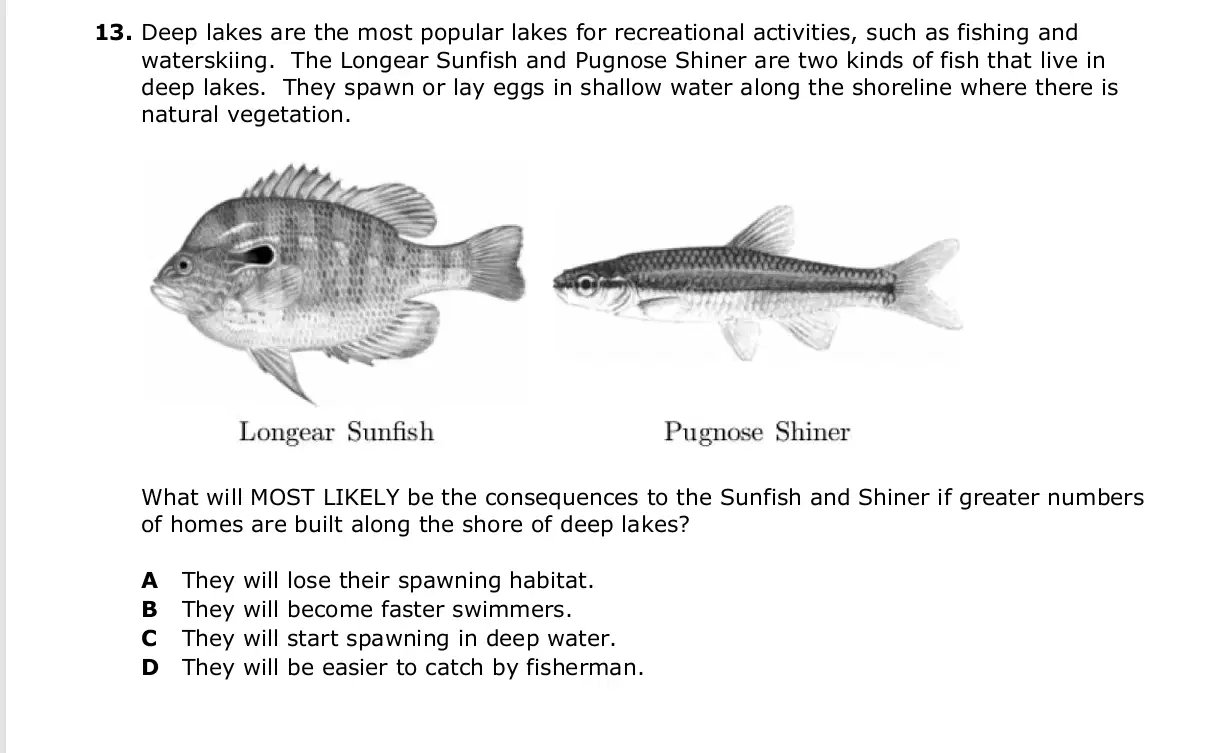
What will MOST LIKELY be the consequences to the Sunfish and Shiner if greater numbers of homes are built along the shore of deep lakes?
They will lose their spawning habitat.
They will become faster swimmers.
They will start spawning in deep water.
They will be easier to catch by fisherman.
How might increased shoreline development affect the nesting sites of Sunfish and Shiner?
It could improve water quality.
It could make the water deeper.
It could increase the number of predators.
It could reduce the availability of suitable nesting areas.
What is a possible impact on Sunfish and Shiner populations if vegetation along lake shores is removed for new housing?
They may have fewer places to lay eggs.
They may grow larger in size.
They may migrate to saltwater habitats.
They may become nocturnal.
Andy reads about the physical adaptations of an animal that help it survive in its environment. The animal has stocky legs and very large feet. The pads on its feet are covered with small bumps to increase friction. It is also insulated with up to 10 cm of blubber, hide and fur. Which animal might need these adaptive characteristics to survive in its environment?
an iguana
a polar bear
a swan
a fox
Which of the following adaptations would most likely help an animal survive in a cold, snowy environment?
Thin skin and long tail
Large feet with bumpy pads and thick fur
Short legs and smooth skin
Brightly colored feathers
An animal has a thick layer of blubber, dense fur, and wide feet. What is the main purpose of these adaptations?
To help the animal survive in cold and snowy habitats
To keep the animal cool in the desert
To help the animal climb trees
To help the animal fly
Which animal is most likely to have adaptations such as large, furry feet and a thick layer of fat under its skin?
A polar bear
A rabbit
A camel
A parrot
What adaptation makes the most sense for living in a cold snowy area?
gills
colorful wings
white fur
striped skin

An adaptation can be explained as (a) .
all animals can live anywhere
how an organism grows
traits that allow for survival

The polar bear's white fur allows it to hide in the cold arctic. This adaptation is called (a) .

Look at the picture above. This landform was created by
a glacier
a landslide
a wind storm
a volcano
Which process is most likely responsible for shaping the U-shaped valley shown in the image?
Wind deposition
River erosion
Earthquake
Glacial movement
What type of landform is typically formed by glaciers?
Delta
U-shaped valley
Sand dune
Plateau
Which of the following is a feature commonly associated with glacial activity?
Moraines
Sinkhole
Archipelago
Crater

A low area of land between hills or mountains.
Mountain
Desert
Valley
Stream
Evelyn and Ava are observing a river after a heavy rain. What is the name of the geoscience process that moves (transports) water ON Earth's surface?
Precipitation
Runoff
Water Cycle
Melting of Rocks
During a field trip, Michael and Anika observed a river carrying small rocks and sand downstream. Which geoscience process causes these sediments to be transported from one location to another?
Weathering
Deposition
Rock Cycle
Erosion
Charlotte and James are studying a cliffside where rocks are breaking down into smaller pieces. Which geoscience process causes these landforms to break into sediments?
Weathering
Erosion
Deposition
Melting
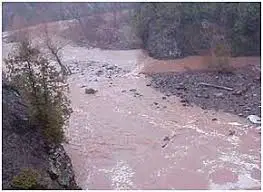
Arjun noticed that after a heavy rain, the water flowing down the street carried soil and small rocks with it. This process is most commonly known as a type of.....
Weathering
Erosion
Deposition

Match the following geological processes with the landforms they create over long periods.
Weathering
Formation of soil from rocks
Erosion
Creation of valleys and canyons
Deposition
Formation of deltas

Weathering or Erosion: Elijah noticed that the wind carries tiny particles, like sand, along with it when it blows. As the wind and particles hit the rock, the rock slowly breaks and wears away.
Weathering
Erosion

Coastal erosion can change the shape of entire coastlines. Each day a coastline will experience two tides. Tides move ocean water up onto the land then back to the ocean. As the tides return to the ocean, they transport sand and sediments from the land with it. This process is known as (a) .

During a geography class, Mia and Daniel learned about natural forces that can change the surface of Earth. (a) can change the surface of Earth by turning v-shaped valleys into u-shaped valleys and carrying large boulders long distances.
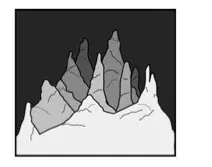
During a school trip to a cave, Aria noticed that stalagmites are structures found on the floors of caves and are made of mineral deposits. Stalagmites provide evidence for how moving water can change Earth materials because stalagmites –
grow upward, while stalactites grow downward from the ceiling.
are sometimes found in or near pools of water underground.
may be small and delicate or very tall and massive.
form where water containing dissolved minerals constantly drips.
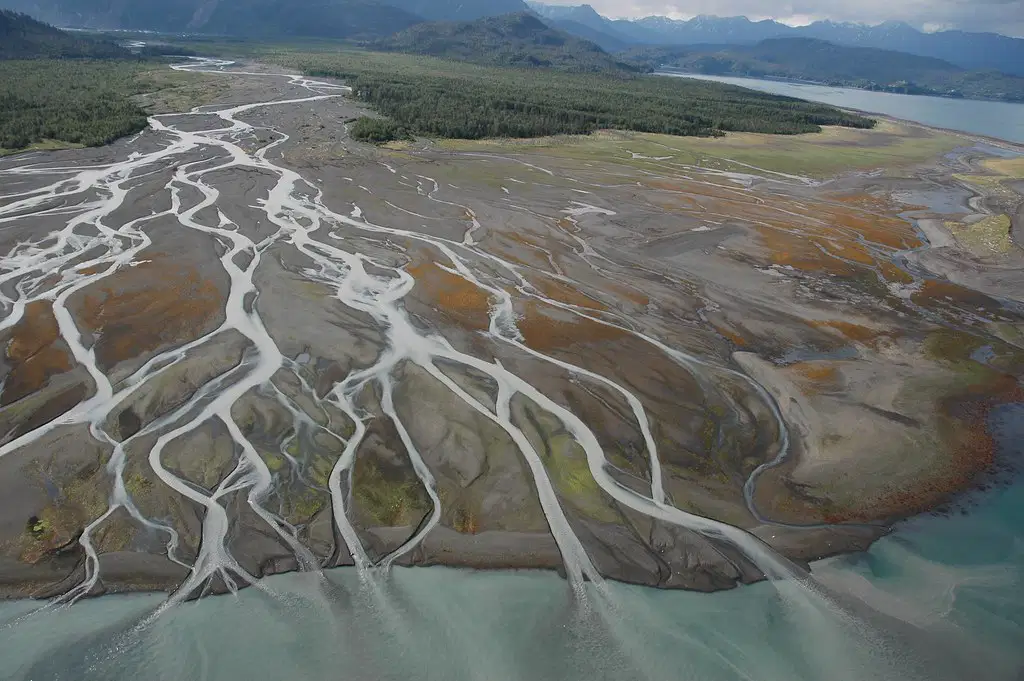
During a geography class, Anika asked, 'What is the agent of erosion and transportation responsible for the creation of deltas?'
Ice
Wind
Water
Gravity

Arjun and Emma are studying the effects of environmental changes on erosion. They found that the rate of erosion would increase if the:
Average Rainfall increased
Wind speed decreased
Slope of the land decrease
Vegetation cover increased
During a science experiment, Liam observed that acid rain can cause rocks to break down over time. This process is an example of which type of weathering?
Physical Weathering
Chemical Weathering
Biological Weathering
Mechanical Weathering
A new school is being constructed as a 'green school' which means all efforts are made to make the school as environmentally friendly as possible. Based on the advantages and disadvantages of the following alternative energy sources, which of the following would be the most practical, reasonable way to supplement or add to the electrical power system?
solar panels on the roof
hydroelectric power from a school pond
nuclear power plant in the utility room
diesel powered generator outside the building
Which of the following energy sources would be the least environmentally friendly choice for powering a green school?
diesel powered generator outside the building
wind turbines on the school grounds
geothermal heating system
solar panels on the roof
When designing a green school, which renewable energy source is most suitable for installation in an urban area with limited open space?
wind farm
biomass power plant
large hydroelectric dam
solar panels on the roof
What is a major advantage of using solar panels as a supplemental energy source for a green school?
They produce electricity without emitting greenhouse gases
They require constant fuel supply
They can only be used at night
They are noisy and disruptive
How so we get energy from the sun?
Sunlight can generate electricity straight from the sky.
Solar panels use the sun to power turbines.
Solar panels can convert sunlight into electrical energy.
Solar panels generate their own electricity.
Energy from the sun is converted into electricity.
solar energy
water energy
biomass energy
geothermal energy


This power plant, harnessing the energy of heat below Earth's surface, produces electricity most likely by using

Renewable Resources are the SAME as ...
Non-Renewable Resources
Green Energy
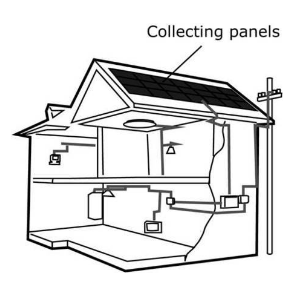
Which alternative energy source does this house use?


It's cheaper than fossil fuels
The sun's energy would not run out for billions of years so it can be used over and over
Solar energy recharges batteries
Solar energy takes away energy from the moon
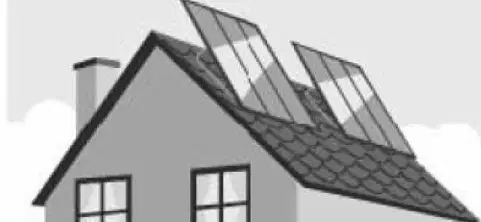
Which form of energy is being captured from the sun to provide electricity to this home?
electrical energy
light energy
mechanical energy
sound energy
What device is commonly used to convert sunlight into electricity for homes?
Solar panel
Geothermal pump
Wind turbine
Hydroelectric dam
Which type of energy transformation occurs when solar panels are used on a house?
Sound energy to mechanical energy
Light energy to electrical energy
Mechanical energy to light energy
Chemical energy to heat energy
Why are solar panels placed on the roof of a house?
To block rainwater
To capture the most sunlight
To keep the roof cool
To make the house look modern
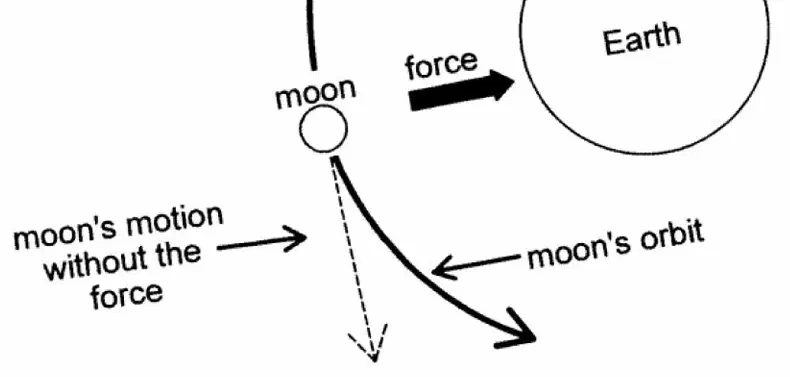
Which force keeps the moon in orbit around Earth?
Earth’s gravitational force
the moon’s gravitational force
the sun’s gravitational force
the stars’ gravitational force
What would happen to the moon if Earth's gravity suddenly disappeared?
The moon would stop moving completely
The moon would fly off into space in a straight line
The moon would continue orbiting Earth
The moon would fall toward the sun
Which force is primarily responsible for keeping satellites in orbit around Earth?
Magnetic force
Gravitational force
Frictional force
Electrostatic force
Why does the moon not fall to Earth despite being attracted by gravity?
Because Earth's gravity is too weak
Because the sun pushes it away
Because it is moving fast enough to stay in orbit
Because the moon has no mass

The force that pulls down is called (a) .
Select the arrow that indicates gravitational force.
As the distance between objects increases, the force of gravity between them
(a)
increases
stays the same
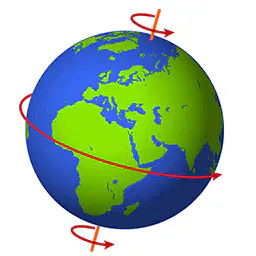

The force that causes objects with mass to attract one another.
Weight
Gravity
Mass
Magnetism

The force that pulls two objects towards each other;
the greater the mass of an object, the greater the attraction; the further apart the objects,
the weaker the attraction.
Gravitational Attraction
Gravity
Magnetism
Weight

The law that says every object in the universe attracts every other object, and that the force is affected by mass and distance: the greater the mass of an object,
the greater the attraction; the farther apart the objects, the weaker the attraction.
Newton's First Law of Motion
Newton's 2nd Law of Motion
Newton's 3rd Law of Motion
Newton's Law of Universal Gravitation

The amount of matter in an object.
Weight
Volume
Mass
Capacity

The gravitational attraction between two objects would increase if both masses are –
increased, and the distance between them is increased.
increased, and the distance between them is decreased.
decreased, and the distance between them is decreased.
decreased, and the distance between them is increased.
Which of the following would have the smallest gravitational attraction between the two masses?


In which example is the gravitational force of attraction between the two objects the greatest?
Example 1
Example 2
Example 3
Example 4
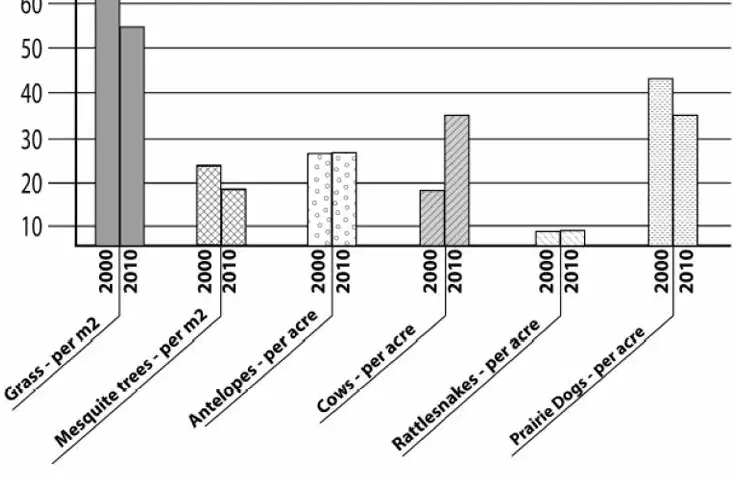
What was a result of the increase in cows in the area?
The amount of grass decreased.
The amount of grass increased.
The number of prairie dogs was unchanged.
The number of mosquito trees increased.
Which of the following is most likely to happen if the number of cows continues to rise?
The number of mosquito trees will decrease.
The grass will grow taller.
The grass will become scarce.
The number of prairie dogs will increase.
Why did the amount of grass change when more cows were introduced?
Because cows avoid grass.
Because cows attract prairie dogs.
Because cows eat grass.
Because cows plant more grass.

What is an ecosystem?
The interactions among living and non-living things in an environment.
A type of organism that can only be seen with a microscope.
A bunch of moving parts that do work.
The newest craze in social media.

All living thing are called
Organism
Decomposers
Producers
Consumers
The nonliving parts of an organisms habitat.
community
habitat
biotic factors
abiotic factors

An organism that lives by breaking down dead organic matter into nutrients _______________________.
scavenger
consumer
decomposer
carnivore

What factor is abiotic
grass
soil
birds
bacteria

The snake is the _______.
Predator
Prey

The following are example of ....
Primary producers
Primary consumers
Decomposers
Secondary consumers
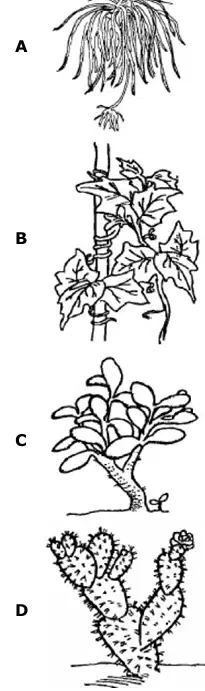
The leaves of which plant below show the best structural adaptation for climbing up trees and other structures toward the sun?
A. [Image of plant A]
B. [Image of plant B]
C. [Image of plant C]
D. [Image of plant D]
Which of the following plant structures is most likely to help a vine attach itself to a support as it grows upward?
D. Deep taproots
A. Broad, flat leaves
B. Tendrils
C. Thick, woody stems

Why do you think that animals adapt to the environment around them?
(a)
Chameleons are reptiles that have the ability to hide from predators and prey by blending in with their environment. They can change the pattern and/or color of their skin. This ability is known as --
natural selection
imitations
mimicry
camouflage

____________occurs when one animal displays physical or behavioral traits that copy those of a different species.
Adaptation
Hibernation
Mimicry
Camouflage


which is an inherited trait?
speaking spanish
cat using a litter box
bird saying hello
spines on a cactus

Most adaptations that help an organism survive are passed on from parent to child as ____.
behavioral adaptations
genetic variation
inherited traits
none of the above

Desert plants have special structures that help them collect and store water. These structures are most beneficial in-
wet climates
dry climates
windy climates
humid climates

What is the term used to describe a characteristic that helps an organism survive in its environment and reproduce?
Evolution
Variation
Adaptation
Traits

What is the term used to describe a behavioral pattern that occurs when an animal greatly reduces their activity during the winter?
Migration
Hibernation
Regeneration

Many types of birds will fly south for the winter. What term describes this journey?
Migration
Hibernation
Regeneration

A walking stick insect blends in with its environment. What term describes this adaptation?
Hibernation
Internal adaptation
Camouflage
Migration

What is the term used to describe when one organism tries to look like or resemble another organism?
Copycat = Mimicry (mimic)
Variation
Hibernation
Migration

What adaptation would help a frog both catch its prey and avoid its predators?
When frogs swim very slowly through the water.
Big eyes.
Breathable skin.
Green color to blend in with its environment.

What is the temperature reading on this thermometer?
−10° C
0° C
10° C
30° C

What is the temperature reading on this thermometer?
−10° C
30° C
70° C
100 100° C

What is the temperature reading on this thermometer?
60° C
70° C
80° C
90° C

What is the temperature reading on this thermometer?
−10° C
0° C
30° C
70° C

What is the temperature reading on this thermometer?
25°C
30°C
35°C
40 40°C
What tool is used to measure temperature?
ruler
thermometer
beaker
triple beam balance
What unit is used when measuring temperature?
N
°C
kg
°F
What unit is used to measure mass?
N
°C
kg
°F
What tool is used when measuring mass?
graduated cylinder
spring scale
ruler
electric balance
What tool is used to measure length?
ruler
beaker
spring scale
triple beam balance
What unit is used when measuring length?
N
°C
kg
m
What unit is used when measuring the force weight?
N
°C
kg
m
What tool is used to measure the force weight?
graduated cylinder
electric scale
spring scale
meter stick

What is the SI measurement of this ruler?
3cm
10cm
13cm
13in

What is the SI measurement of this ruler?
5in
5cm
6in
6cm

What is the SI measurement of this ruler?
2cm
6cm
6.5cm
8.5cm

What is the SI measurement of this ruler?
5.5cm
10cm
5.5in
10in

What is the SI measurement of this ruler?
4.5in
8.5in
4.5cm
8.5cm

What is the SI measurement of this ruler?
4cm
5cm
5.5cm
6cm

What is the volume of the liquid in the cylinder?
4mL
5mL
6mL
7mL

What is the volume of the liquid in the cylinder?
5mL
6mL
7mL
8mL

What is the volume of the liquid in the cylinder?
8mL
9mL
9.5mL
10mL

What is the weight of the baseball? (Pick the closest)
0N
2N
5N
5lbs

What is the weight of the flowerpot? (Pick the closest)
25lbs
25N
42N
50lbs

What is the weight of the watermellon? (Pick the closest)
75lbs
75N
80N
97N

Which is the most likely mass of the watermelon?
200g
300g
495g
6000g

What is the SI temperature?
28°C
32°C
78°F
84°C

What is the SI temperature?
5°C
6°C
42°F
44°F

Which is true?
The left side has more mass
The right side has more mass
The mass is equal
Which is true?
mass changes depending on the planet you are on
weight changes depending on the planet you are on
both weight and mass change depending on the planet you are on
neither mass nor weight changes regardless of the planet you are on
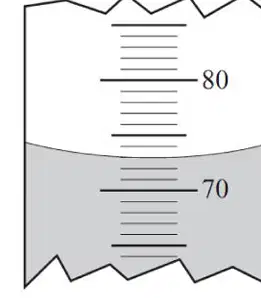
Based on the sensitivity of the graduated cylinder, what is the volume of the liquid?
70.5 mL
73.0 mL
76.7 mL
87.0 mL
What is the correct reading of the liquid level in the graduated cylinder shown?
80.0 mL
76.7 mL
68.5 mL
65.2 mL
Which of the following best represents the volume measured in the graduated cylinder, considering its precision?
80.5 mL
70.0 mL
76.7 mL
75.0 mL
If the meniscus is at the 76.7 mL mark, what should be recorded as the volume of the liquid?
77.0 mL
75.7 mL
76.7 mL
76.0 mL


What is this liquid level?
23.0 mL
21.5 mL
21.50 mL
18.5 mL
Identify the meniscus of the liquid.


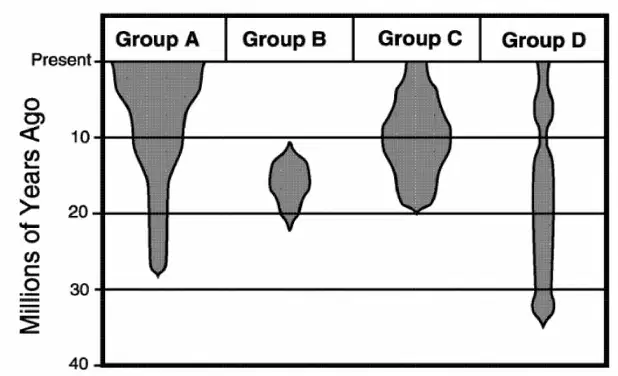
In a section of the Grand Canyon scientists have found the fossil remains for several different groups of organisms. The diagram below represents the number and age of the fossils the scientists found. The width of each shaded area in the diagram below indicates the relative number of fossils found. Which of the following statements is supported by the fossil record?
Group C is now extinct.
Group D has been in existence the longest.
Group A is the most recent organism to come into existence.
Group B was the most numerous organism ten million years ago.
Based on the fossil diagram, which group appears to have experienced a significant increase in population before declining?
Group A
Group B
Group C
Group D
What does the presence of Group A fossils only in the uppermost layers suggest about its existence?
Group A was the most numerous throughout history.
Group A appeared more recently compared to other groups.
Group A is the oldest group found in the canyon.
Group A existed for a long period of time.
If Group D fossils are found in all layers of the diagram, what can be inferred about Group D?
Group D became extinct early.
Group D has existed continuously for the longest period.
Group D appeared most recently.
Group D was never numerous.
Which rock layer would have the oldest fossils?
Identify which Rock layer contains the oldest and youngest fossils
Oldest Fossils
Youngest Fossils

Which layer has the oldest Fossils?
A
B
C
D
E
Look at each characteristic.
Determine if that characteristic is documented by the fossil record
change of life-forms
diversity of life forms
number of life-forms
hunting behavior of life-forms
environment the life form lives in
extinction of the life-form
age of the life-form
What is the fossil record
footprints found in rock
fossils found in the last 500,000 years
a fossil found in sedimentary rock
All fossils that have been discovered
Why is the fossil record incomplete?
CHOOSE ALL THAT APPLY
Not all organisms that die become a fossil.
Some organisms have not bee extinct long enough
Very few fossils formed during Precambrian Time.
There are still fossils buried in rock that have not been found.
Some organisms, like bacteria, are too small to make a fossil
Which would most likely form a fossil-A lobster or a jellyfish? Why?
The Jellyfish because this organism has hard parts and hard parts are more likely to fossilize.
The Jellyfish because this organism has soft parts and soft parts are more likely to fossilize.
The Lobster because this organism has hard parts and hard parts are more likely to fossilize.
The Lobster because this organism has soft parts and soft parts are more likely to fossilize.
Which layer has the oldest Fossils?
A
B
C
D
E
According to this diagram of the Fossil Record, what organisms appeared before dinosaurs?
Choose ALL that apply
Ammonites
Trilobites
Plants
Birds
Fossils in Layer B are _______________
the same age
different ages
Dinosaurs and Birds lived at the same time
Ture
False
The trilobites are the same age as the rock in layer C
Ture
False
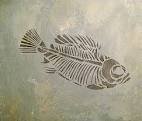
If scientists found this fossil, what could they infer?
what fish are like today
that this fish lacked oxygen
that water once covered the area where this fossil was found


What are the oldest fossils and why?
B, C- because they are closest to the top
A, B- because they are closest to the bottom
They are all the same age- because they are all found on layer 2
A, B- because they are found closest to the top
Geologists use radioactive dating to..
determine the relative ages of rock layers.
tell the difference between molds and casts.
tell where one soil horizon ends and the next one begins.
determine the absolute ages of rocks.
How do most fossils form?
An insect becomes trapped in amber.
An entire organism becomes frozen in ice.
A dead organism becomes buried in sediment.
A dead organism becomes buried in tar.
Index fossils must meet two criteria, they must have existed for a short period of time and ...
be few in numbers
lived for a long time
be widely distributed
be really old in age
What can scientists learn from studying the relationships between fossils?
how old all rock layers are
how life changed over time
how many relatives fossils had
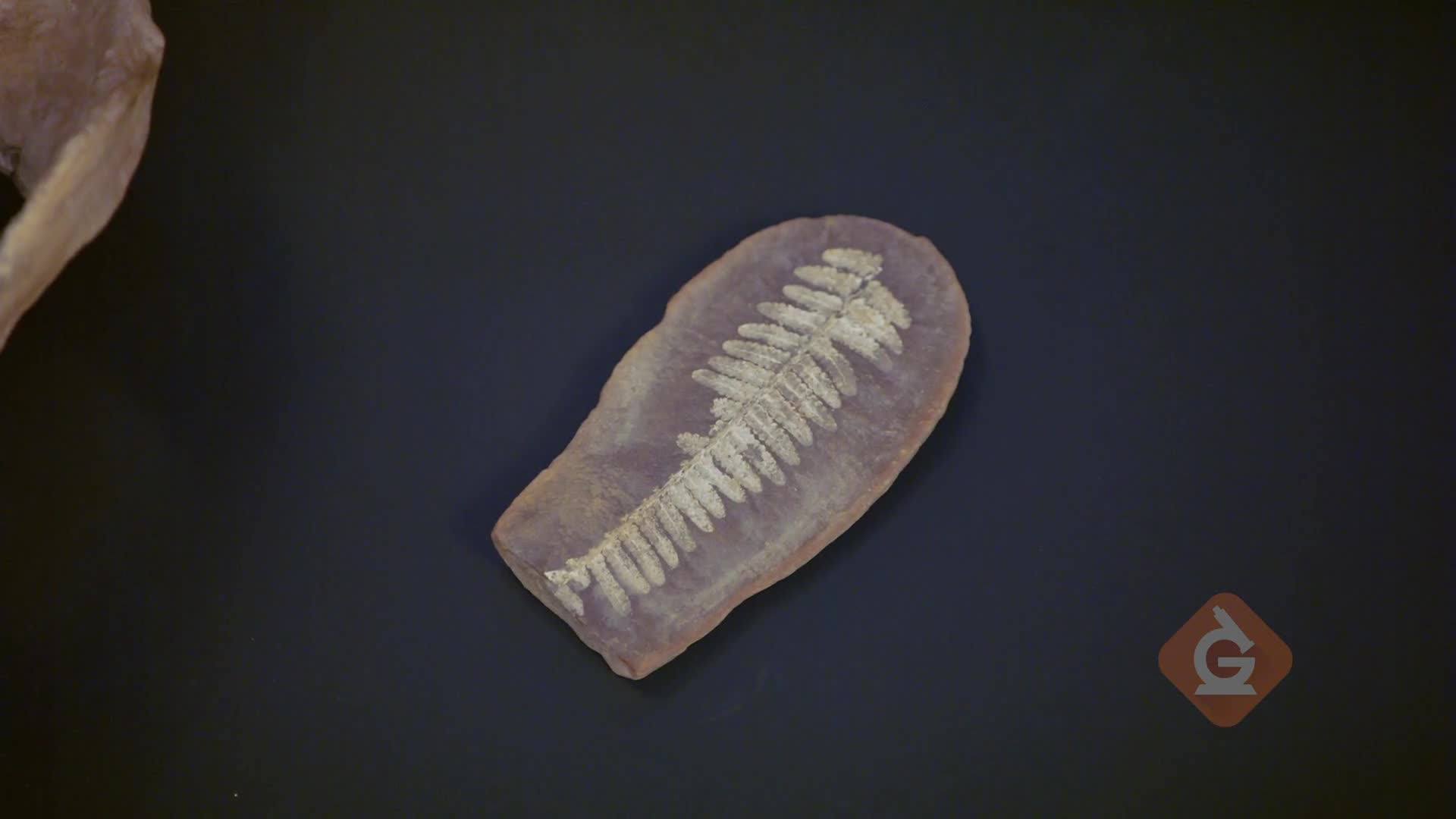
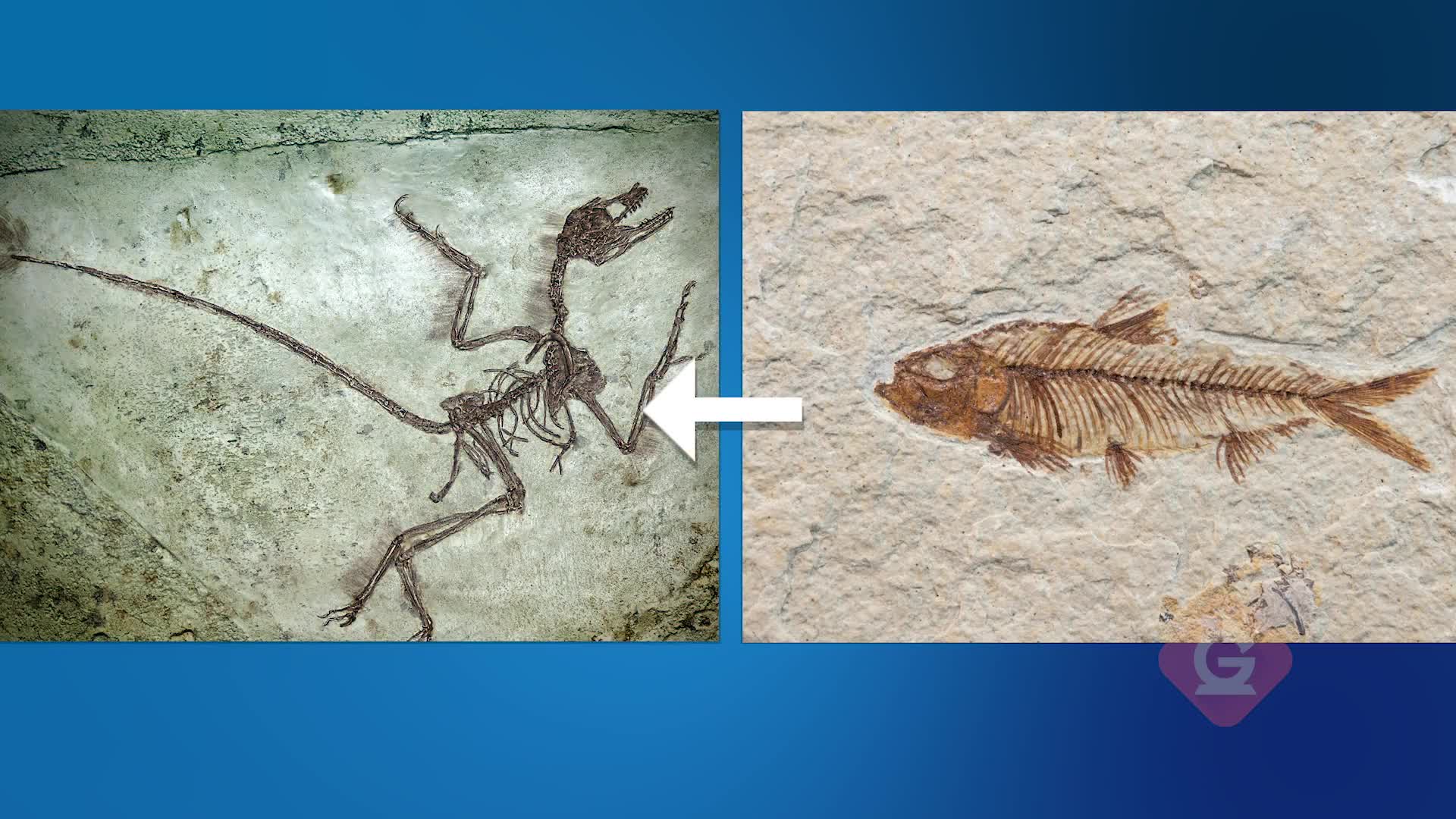

The length of time required for half of the radioactive atoms in a sampe to decay is is called _____.
Which of these circumstances are most likely to become fossils?
Select all that apply:
A dinosaur is eaten by another dinosaur and is left on the ground.
A dinosaur is covered up by a mud slide.
A dinosaur sinks and is covered up in tar.
A dinosaur dies of old age in a forest.
(a) is the method of determining the age of a fossil by comparing its placement with that of fossils in other layers of rock. (b) uses the proportion of radioactive isotopes to stable isotopes to calculate the age of the sample.

Which fossils are found in layer 5.
A, B
A, C
C only
C, D

When did fossil A become extinct?
Layer 1
Layer 2
Layer 3
Layer 4

Which is the major difference between the Permian period and the Jurassic period?
Organisms evolved to from land animals to being able to fly
Organisms went from four legs to two
Organisms got fatter
Organisms stayed the same during these periods

Dinosaurs, small mammals, and birds are found in this time period
Precambrian
Paleozoic
Mesozoic
Cenozoic

What are the four eras in order from OLDEST to NEWEST?
Pre-Cambrian, Paleozoic, Mesozoic, Cenozoic
Pre-Cambrian, Mesozoic, Paleozoic, Cenozoic
Cenozoic, Mesozoic, Paleozoic, Pre-Cambrian
Mesozoic, Pre-Cambrian, Cenozoic, Paleozoic
Which time period is the longest?
Precambrian Time
Paleozoic Era
Mesozoic Era
Cenozoic Era
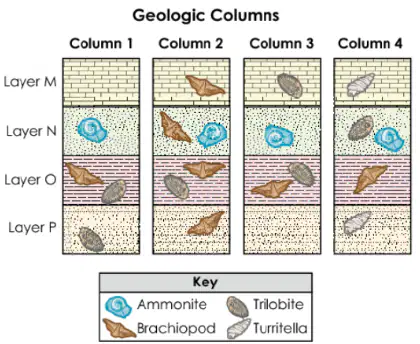
Which fossil would be most useful in determining the relative age for the rocks in these geologic columns?
(Hint: Which would serve as an index fossil?)
Ammonite
Branchiopod
Trilobite
Turritella
Fossils in Layer B are _______________
the same age
different ages
Dinosaurs and Birds lived at the same time
Ture
False
If scientists found this fossil, what could they infer?
what fish are like today
that this fish lacked oxygen
that water once covered the area where this fossil was found
How do most fossils form?
An insect becomes trapped in amber.
An entire organism becomes frozen in ice.
A dead organism becomes buried in sediment.
A dead organism becomes buried in tar.

In an ecosystem, which is the most likely reason for an increase in the producer population if there is also an increase in the carnivore population?
fewer herbivores
higher temperatures
less food
more oxygen
What would most likely happen to the herbivore population if the producer population decreases in an ecosystem?
It would decrease
It would increase
It would remain the same
It would double
Which group in an ecosystem is directly responsible for converting solar energy into chemical energy?
Decomposers
Herbivores
Producers
Carnivores
If the number of carnivores decreases in an ecosystem, what is the most likely effect on the producer population?
It will stay the same
It will decrease
It will increase
It will disappear
ecosystem
community of organisms and their abiotic environment
community
populations of different kinds of organisms that live together in an area
organism
a living being
population
a group of individuals, same species
biosphere
the part of Earth that supports life
Mullet eat seagrass and algae. Mullet are (a) in an estuary.