
 Worksheets
Science reviewer science
Total questions: 83
Worksheet time: 51mins
It focus on the living things
Botany
Biology
Chemistry
It is the study of plants
Zoology
Botany
Meteorology
This is the animals
Zoology
Botany
Physics
This is the reaction of matter
Biology
Botany
Chemistry
It it is the interaction of matter and energy
Physics
Chemistry
Meteorology
It is the study of weather and climate
Botany
Astronomy
Meteorology
It is the study of outer space
Biology
Astronomy
Physics
Making an intelligent guess based on the information or evidence you have. Use clues to figure things out.
Classifying
Inferring
Using tools like a ruler, thermometer, or measuring cup to find out how big, long, or full something is.
Comparing
Measuring
Grouping or sorting things based on something they have in common, like shape, size, color or type.
Classifying
Describing
Looking at the similarities and differences of two or more things.
Comparing
Observing
Using your five senses (seeing, hearining, smelling, tasting and touching) to notice what is happening..
Observing
Classifying
Using yout observation to say what something is like.
Describing
Classifying
He made the Copernican model for planets which shows that the sun is the center of the Solar System. All the planets, including Earth to go around the Sun.
Nicholas Copernicus
Arturo Alcaraz
Louis Pasteur
He studied living things called germs. He discovered how germs cause sickness and he helped create vaccines to protect people.
He also studied fermentation (how germs change food, like milk into yogurt,) and decay (how plants and animals breakdown when they die)
Louis Pasteur
Rolando Dela Cruz
Arturo Alcaraz
He helped make the Philippines one of the top users of geothermal energy, which is the heat that comes from deep inside the Earth. It can be used to make electricity or heat buildings
Rolando Dela Cruz
Arturo Alcaraz
Nicholas Copernicus
Louis Pasteur
He created healing creams using cashew nuts and herbs his products, like DeWart and DeMole, help remove warts moles, and treat skin infections
Rolando Dela Cruz
Louis Pasteur

an optical instrument that enlarges images of very small objects that cannot be seen by the naked eye.
Microscope
Magnifying Glass
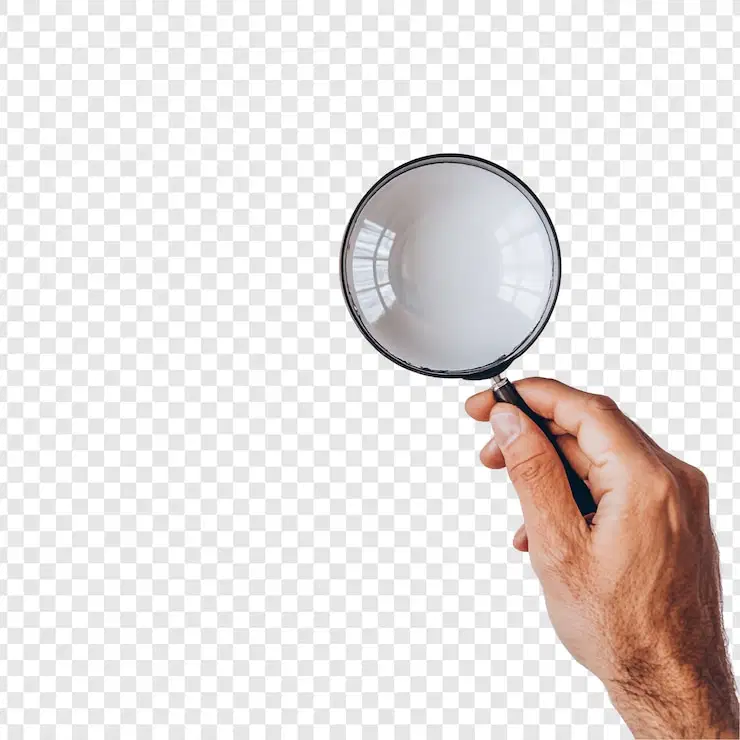
an instrument used for observing tiny objects
Magnifying Glass
Beaker
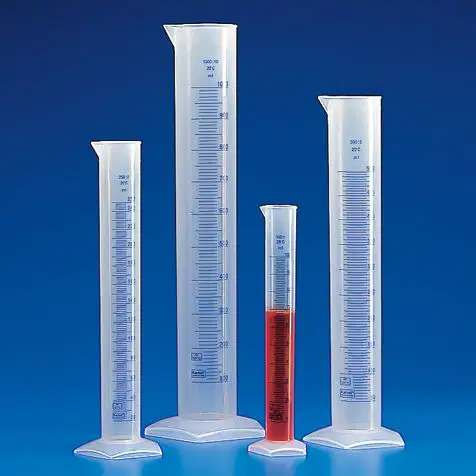
used for measuring the volume of liquids like water, oil and other solutions. It has graduation for the measurement of volume. This is more detailed because it has more lines
Graduated Cylinder
Test Tube
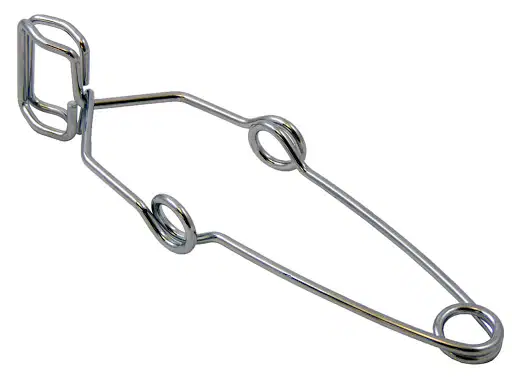
clamp; used to hold test tubes in place when the tube is hot or should not be touched
test tube holder
test tube
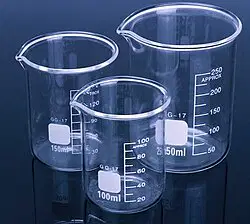
a thin glass vessel used as a container for fluids. It also has graduation for the measurement of volume, but it not as detailed as the graduated cylinder
Beaker
Alcohol Lamp

small containers that hold small amounts of liquid
test tube holder
test tube
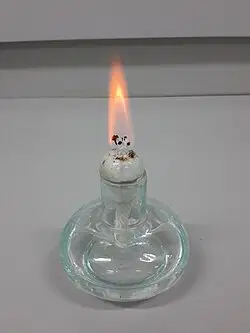
a heating device that you can use in laboratories. It uses alcohol to burn the wick.
Alcohol Lamp
Bunsen burner
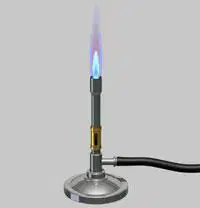
a heating device that you can use in laboratories. Bunsen burner use gas to create fire.
Bunsen Burner
Evaporating Dish

it is a small bowl shaped container and the pestle is a stick that you use to pound and grind things inside the mortar
Mortar and Pestle
Evaporating Dish
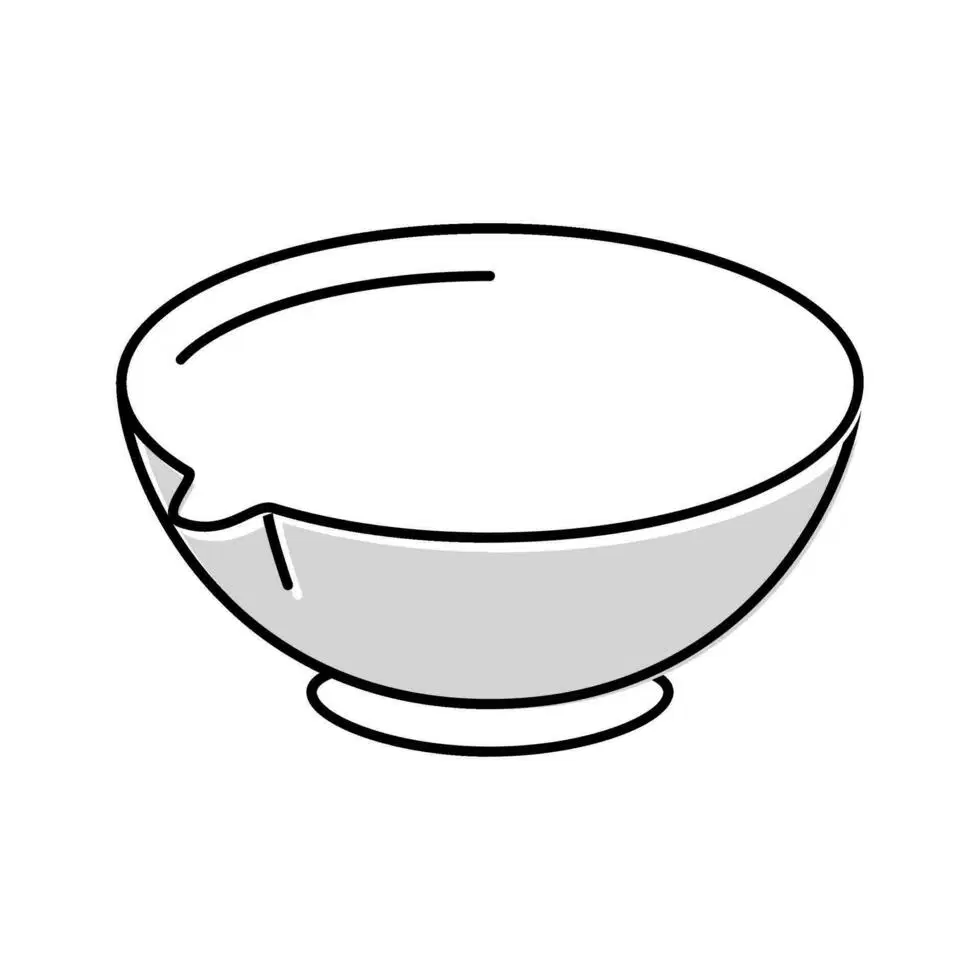
a porcelain dish used in evaporating chemical solutions. It comes with a spout.
it is used for measuring temperature
Thermometer
Funnel
used when pouring or fine particles into a small-mouthed container to avoid spilling
Funnel
Meter stick
it is a measuring tool that is exactly one meter (100 centimeters) long. It's used to measure objects, with marking for millimeters, centimeters and inches.
Meter Stick
Test Tube
It is made up of tiny particles called molecules. It is the smallest particle of a material that has its own unique properties.
They can join together to form larger molecules.
Solid
Liquid
Gas
Matter
What are the three states of matter?
Solid, Liquid and Gas
Solid, Water and Oxygen
Hard, Liquid and Air

Identify whether the object is solid, liquid or gas.
Solid
Liquid
Gas

Identify whether the object is solid, liquid or gas.
Liquid
Gas
Solid

Identify whether the object is solid, liquid or gas.
Liquid
Solid
Gas
has definite shape and volume, like blocks of ice.
Molecules are compressed packed closely together and usually arranged in a regular pattern, That, way solids can keep their size and shape.
(a)
has definite volume, but has no fixed shape, like a glass of water.
Molecules can move around because they are farther apart from each other. Still, they are in close contact.
Liquid
Gas
Solid
(a) can move slide, slide, roll, or bump into each other.
It can change and take the shape of a container
has no definite volume and shape. Molecules are widely separated and bounce in every direction
molecules move freely and spread out to fill any space
(a)
it has o definite volume and shape.
It has charged particles that are widely separated
(a)
It is the earth's pull
"When the apple falls on the floor, it is because Earth's gravity pulls all objects toward it."
Gravity
Magnet
Moon: you can jump high.
Choose the correct answer
(Light or Normal Gravity)
(a)
Earth: you can jump and come down
Choose the correct answer
(Light Gravity, Normal Gravity, Heavy Gravity)
(a)
Jupiter: You can barely jump
Choose the correct answer
(Light Gravity, Normal Gravity, Heavy Gravity)
(a)
it is the amount of space a object takes up.
Density
Volume
it is the pull of gravity on matter
Mass
Weight
Speed
True or false: Gravity controls the weight of an object
False
True
True or false:
You cannot measure the volume of matter. This means it has length width and height.
True
False
regular solids
graduated cylinder
water displcement method
length x width x height
irregular solids
water displacement
length x width x height
graduated cylinder
liquids
water displacement
length x width x height
graduated cylinder
True or False:
When weighing an object , you are measuring the pull of gravity on it.
True
False
refers to the amount of matter an object contains
Mass
Weight
True or false:
Mass is NOT affected by gravity
True
False
True or false:
No matter where it is, the mass of the object will always stay the same
True
False
It depends on the pull of gravity
Mass
Weight
amount of matter an object contains
Mass
Weight
depending on the gravity of place
Mass
Weight
constant: does not change no matter where it is.
Mass
Weight
It can be for a material or group of materials that can be observed measured and used for classifying.
Choose the Correct answer: (Property or Characteristic)
(a)
unique mark that helps identify and describe a material
Choose the Correct answer: (Property or Characteristic)
(a)
Identify if it is property or characteristic.
"Color, texture and shape"
Property
Characteristic
Identify if it is property or characteristic.
"Pink, rough and oval"
Property
Characteristic
It is made up of tiny particles called molecules. it is the smallest particle of a material that has its own unquie properties. The ccan join together to form largeer molecules.
Molecules are arranged differently in solids, liquids and gases.
(a)
It has a definite shape and volume like blocks of ice.
molecules are compressed, packed closely together and usually arranged in a regular pattern, it can keep their size and shape.
Examples: cup, shirt, book and eraser.
(a)
It is a property of solid that resist scratching or abrasion.
If you can scratch clay with your fingernail, the clay can be determined as soft, while the fingernail that scratched it is hard.
hardness
malleability
brittleness
elasticity
The tendency of a material to be easily broken into pieces.
Things that get broken easily, like when you drop it or break it apart with your hands
hardness
malleability
brittleness
elasticity
The ability of materials to be pressed, hammered or rolled into various shapes and sizes without breaking.
Gold rings are molded into its current shape, yet it does not break, Thus, gold malleable.
malleability
brittleness
elasticity
strength
The property of solid materials to be stretched when pressure is applied.
When the pressure is not tooo strong, it will go back to its normal length and shape.
malleability
brittleness
elasticity
strength
The durabiity of a material.
Metals, iron, steel- used to construct buildings, bridges and other materials that do not wear out or get broken easily.
malleability
brittleness
elasticity
strength
Molecules can move, slide, roll or bumpt into each other.
It can change shape and take the shape of the container
Solid
Liquid
Gas
Some liquids flow easily, some flow slowly.
Liquids that flow very slowly are viscous.
__________ is the resistane of a liquid to flow.
Honey
Volume
Viscosity
It has no definite volume and shape.
Molecules are widely separated and bounce in every direction
molecules move freely and spead out to fill any space
Gas
Solid
Liquid
It is water in its gas form
When water gets hot, it turn into an invisible gas called water vapor and float into the air.
It's like how steam comes from a hot cup of tea or soup- that's water turning into vapor. It evaporates
Water vapor
smoke
liquid
Fill in the blanks
It has particles that are widely separated.
(a)
It has particles that can move and are in close contact.
(a)
It has particles that are packed closely together
(a)
What are the 3Rs?
Reduce
Rebuild
Reuse
Recycle
True or false: Many different materials are being used at home or in school. Most of these are useful but some of them can be harmful.
True
False
True or false: Burning plastics can release toxic gases. Instead of burning plastic reuse it.
True
False
Choose all the appropriate answer.
What are the different ways to protect our nature
Dispose your trash properly.
Plant more trees and protect the trees
Keep cleaning products, insecticides and disinfectants out of reach for children
Throw sanitary napkin everywhere
How to store and consume vitamins and medicines.
Choose all the appropriate answer.
Keep it in a freezing area
Vitamins and medicines should be placed in a medicine cabinet with a lock.
Follow your doctor's prescribed dosage or usage of medicine.
Expired medicines and vitamins should be thrown away.
Importance of reading the product label
Expired date
consumer before
nutrition facts
price
keep refrigerated