
 Worksheets
chapter 102.1-102.3
Total questions: 100
Worksheet time: 1hrs 1mins
an infection that is located in a small confined area is known as
local infection
general infection
contagious infection
symptomatic infection
a local infection is often indicated by a pimple, inflamed area or
a fever
a pus-filled boil
coughing and sneezing
muscle aches and pains
what occurs when the circulatory system carries bacteria and their toxins to other parts of the body
local infection
active immunity
general inflection
passive immunity
which of the following conditions is NOT considered a common sign of infection
swelling
redness
local fever
unbroken skin
what are produced by immune system to either destroy, kill or inactivate pathogens
toxins
viruses
bacteria
antibodies
what type of one-celled micro-organisms are sometimes called germs
(a)
bacteria that are harmless and can be beneficial are called
(a)
what approximate percent of all bacteria are nonpathogenic
10%
30%
70%
90%
which type of bacteria can be found on dairy products and can have health-enhancing properties
fungi
parasite
pathogenic
nonpathogenic
bacteria that can cause infection and disease, produce toxins and spread easily via contaminated tools or dirty hands and fingernails are
nontoxic
vegetative
pathogenic
nonpathogenic
strep throat and staph infections are examples of
harmless diseases
beneficial diseases
bacterial infections
nonpathogenic diseases
a contraindication, such as skin infection, is pre-existing reason for a salon professional to
preform the service as usual
wear personal protective equipment
avoid a particular service for a client
have client wash their hands before the service
what group of contagious bacteria is often found in soil and water
scabies
ringworm
influenza
mycobacterium
what requires a living host such as people, plants nor animals to survive
(a)
a difference between infections caused by viruses and bacterial infections
viruses can be treated with antibiotics
viruses cannot be treated with antibiotics
bacterial infections cause the common cold
bacterial infections have larger sub-partials
an example of a preventative measure for certain viruses is
(a)
what is a highly infectious disease that affects the liver
mumps
measles
human hepatitis B (HBV)
acquired immunodeficiency syndrome (AIDS)
it is recommended that personal service workers such as nurses, doctors, teachers and salon professionals be immunized against which infectious diseases
ringworm
strep throat
common cold
hepatitis B virus
what type of contagious viral infection can show up as a cold sore
(a)
a virus that attacks and destroys the infection-fighting cells of the immune system is known as
HIV
HPV
measles
influenza
fluids infected by HIV can enter the body through, sharing needle, childbirth, cuts and/or
holding hands
external parasites
mosquito bites
sexual intercourse
what common viral infection can spread by skin-to-skin contact and can cause warts
(a)
organisms that live on or obtain nutrients from another organism called a host are known as
viruses
bacteria
internal parasites
external parasites
parasitic mites, such as head lice and itch mites are examples of
(a)
an extremely itchy condition caused by an infestation by an itch mites is
(a)
another name for head lice is
scabies
tinea pedis
tinea
pediculosis capitis
fungi are types of molds and yeasts that may produce contagious diseases such as
flu
shingles
ringworm
influenza
what is the name if that bacterial plaque that may multiply around the drain, jets or water line of a shampoo bowl or pedicure bowl
(a)
a communicable disease refers to a disease that is
passive
nonpathogenic
spread from person to person
not spread form person to person
common ways of spreading infection in the workplace include all the following EXCEPT
coughing
shared drinking cups
clean hands and tools
unclean hands and tools
direct transmission of an infectious disease can occur in which of the following ways
eating contaminated foods
drinking contaminated water
skin-to-skin contact with an infected person
toughing contaminated object then toughing the eyes
when an infectious disease spreads through contact with a contaminated object such as countertop is referred to as
cross-infection
direct transmission
skin-to-skin contact
indirect transmission
the action of making an object or substance unclean or impure is called
(a)
the removal of dirt, oil and/or pathogens from an object if referred to as
(a)
a person carrying disease-producing bacteria or viruses with no recognizable symptoms of the disease is called
common carrier
infection carrier
symptomatic carrier
asymptomatic carrier
using the same infection control procedures on all clients is a practice known as
(a)
which of the following actions would be considered a standard precaution for infection control
arriving to work on time
sharing towels with others
disinfecting tools and equipment
having unclean workplace conditions
which of the following items would be considered personal protective equipment (PPE) for the salon professional
mask
brush
towel
nippers
the body's ability to recognize and destroy infectious agents that enter it is
(a)
when exposure to a disease organism triggers the immune system to produce antibodies to that disease it is called
active immunity
passive immunity
standard immunity
immediate immunity
felicia was given antibodies to disease rather then producing them through her own immune system. what type of immunity does this provide for felicia
active immunity
natural immunity
passive immunity
standard immunity
the term used to describe efforts to prevent the spread of communicable disease is
(a)
infection control is divided into the following categories
bacteriology, ecology and first aid
prevention, inoculation and billing
cleaning, disinfection and sterilization
contamination, immunity and inoculation
the removal of surface or visible debris and potential pathogens using soap, detergent or chemical cleaner is the infection control method of
cleaning
calibration
disinfection
sterilization
a point to remember about cleaning is
cleaning kills pathogens
cleaning requires a mechanical process that causes pathogens to loosen for removal
cleaning does not require a mechanical process that causes pathogens to loosen for removal
cleaning increases the amount of organic matter that contributes to future growth of pathogens
which of the following steps should a cosmetologist preform immediately prior to a service
apply hand location
rinse hands in cold water
dry hands with communal cloth towel
wash hands with warm water and soap
a product that can be applied to the skin to reduce pathogens is called an
(a)
why its important to dry towels/linens thoroughly before storing
damp towels and lines attract viruses
to avoid mildew or bacterial growth
more energy efficient to store once dry
to prevent corrosion of the storage device
an example of a cleaning guideline is
use an autoclave
immerse for the required contact time
sweep or vacuum all hair clipping from the floor after each service
use liquid sterilant and/or dry heat calibrated to carious temperatures
which of the following is NOT a method used to ventilate the salon for a healthy environment
air conditions
change forced-air furnace filters as needed
using local ventilation where chemicals are being mixed
maintain an average room temperature of about 60F
the infection control procedure that kills certain pathogens with the exception of spores on nonporous surfaces tools and multi-use supplies is referred to as
cleaning
sterilization
disinfection
transmitting
to destroy or kill certain pathogens on nonporous surfaces, is referred to as
(a)
chemical products used to kill certain pathogens on nonporous surfaces are called
bar soaps
antiseptic
disinfectants
sanitation products
what term identifies how long a disinfecting product needs to be in direct contact with an item or surface while remaining wet to be disinfected
contact time
processing time
efficacy number
EPA registration number
two important regulations that OSHA has put in place to assist in safe operations are safety data sheets and the
features of products
labeling of products
location on products
formulas of products
what should you do with a porous item such as a neck strip, sponge or emery board once it has been used on a client
(a)
the regulating agency under the department of labor that enforces safety and health standards in a workplace
EPA
SDS
PPE
OSHA
key product information such as toxicology first aid firefighting measures and ecological information is provided by the
salon
manufacturer
sales representative
professional association
who is the party responsible for distribution of safety data sheets
salon
manufacturer
sales representative
professional association
key information on specific product regarding ingredients, associated hazards combustion levels and storage requirements is provided by the
SDS
EPA
cap
efficacy label
in addition to the efficacy claims on the label what information is assigned to a product to show its approval
barcode
safety data
toll-free number
EPA registration number
an approval EPA-registered disinfectant is effective on what type of surface
porous
spongy
absorbent
nonporous
what informs the user about what a disinfectant product if effective against
contact time
efficacy label
registration number
bloodborne pathogen standard
virucidals are disinfectants used to kill?
(a)
potentially infectious micro-organisms in human blood that can cause disease in humans are called
quats
irritants
bloodborne pathogens
quaternary ammonium compounds
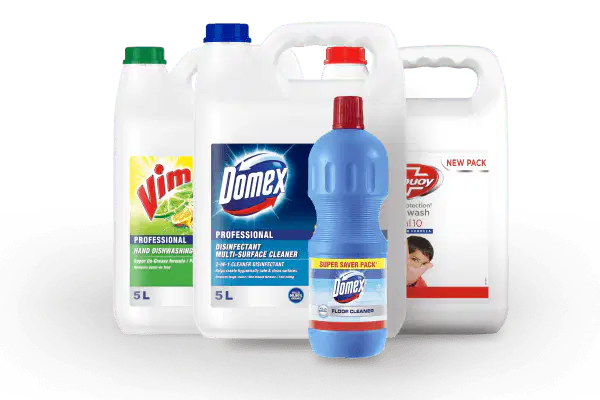
what does OSHA bloodborne pathogens standard require the use if when tools and multi-use supplies come in contact with blood or body fluids
liquid soap
non-corrosive cleaners
approved EPA-registered disinfectant against HPV and EPA
approved EPA-registered disinfectant effective against HBV and HIV

complete immersion means
double the contact time
the entire tool is covered by the liquid disinfectant
none of the tool is covered by the liquid disinfectant
twenty-five percent of the tool is covered by the liquid disinfectant

it is important to clean tools before?
tightening a hinge
lending them to someone
disposing of property
immersing them in disinfectant

which of the following steps should be taken after removing all hair from the brush during a disinfection procedure
dry brush thoroughly
wash brush with soap and water
store brush in a dry, covered container
immerse brush in disinfecting solution

to be an effective disinfectant, bleach needs to contain which of the following ingredients
soap
salt
multiple quats
chlorine bleach
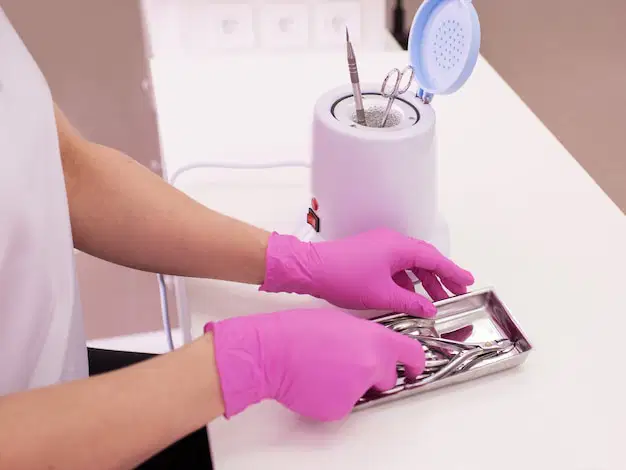
nonporous tools and multi-use supplies used should be disinfected
after each use
twice a day
at the end of each day
at the beginning of each day

all of the following statements are precautions regarding disinfectants EXCEPT
dry
open
covered
disinfected
all of the following statements are precautions regarding disinfectants EXCEPT
store in a cool dry area
tightly cover and label all containers
purchase chemicals in small quantities
use hands to remove objects from disinfectant

a salon professional failed to wear safety glasses when mixing s disinfectant. some disinfectant splashed into their eye. where could they find information to refer to for appropriate procedures
SDS
EPA
DSS
PAE
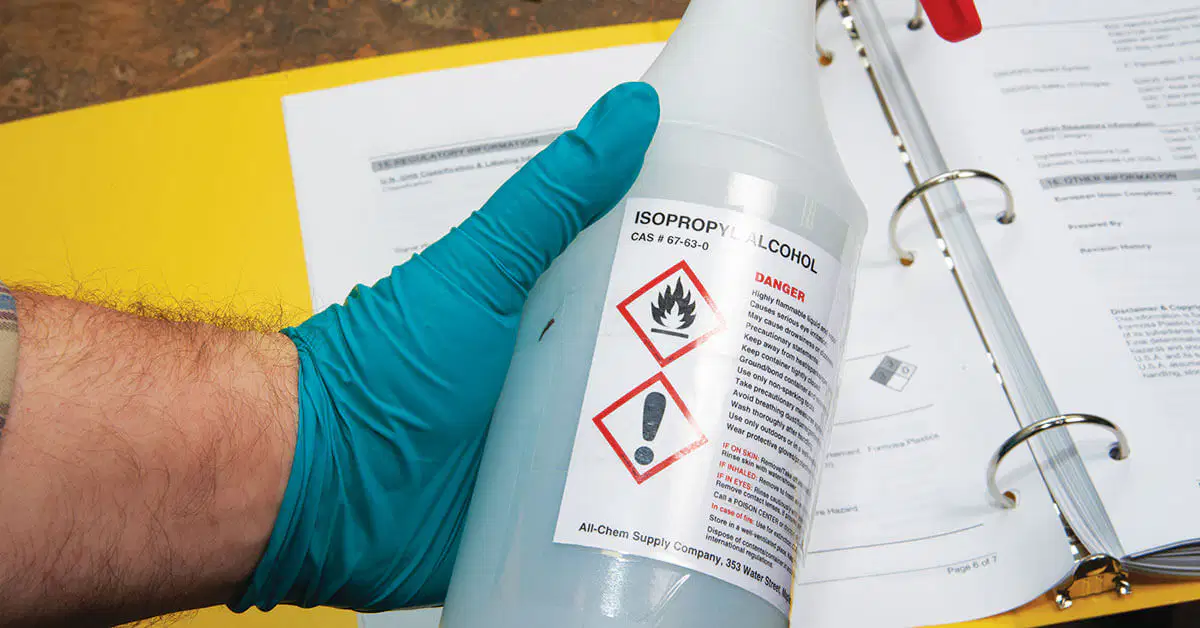
always store disinfectants in containers that are
clear
plastic
labeled
unclear
why is it important to add disinfectant to water when diluting a concentrate
prevents dilution
prevents chemical splash
prevents disinfection
prevents concentration
how often should the solution in disinfectant containers be changed
(a)
dispose of sharp objects such as razor blades in an
open container
disposable bag
closed container
puncture-proof container
what is the unintentional transfer of harmful pathogens from one person, object or surface to another with or without harmful effects
efficacy
immunity
aseptic procedures
cross-contamination
which of the following services normally requires the use of sterilization procedures
perming
sculpting
electrolysis
shampooing
tools and instruments used to puncture or invade the skin must be sterilized or designed to be
dull
dirty
porous
disposable
the killing and destroying of all microbial life, including bacterial spores is the infection control procedure of
cleaning
washing
disinfection
sterilization
sterilization standards require the use of heat, steam or
(a)
an approved EPA-registered disinfectant effective against HBV and HIV is required for use when
tools are new
clients request it
tools not used to puncture the skin
tools come in contact with blood or body fluids
which level of infection control requires the use of products with efficacy labels that state they are appropriate for floors, countertops, skins, toilets towels
cleaning
disinfections
sterilization
contamination
when preforming a procedure for cleaning and disinfecting tools, which of the following steps would occur first
dry item thoroughly
rinse away soap with warm water
put on eye protection and single-used glove
clean item with warm running water and soap
when preforming a procedure for cleaning and disinfecting tools, which of the following steps would occur first
dry item thoroughly
rinse away soap with warm water
put on eye protection and single use gloves
clean item with warm running water and soap
how are nonelectrical tools removed from disinfectant once the required contact time has been met
bare hands
dump into sink
single-use towel
tongs or gloved hand
which of the following statements identifies an appropriate step for a basic handwashing procedure
rinse hands in cold water
use a communal towel for drying
spend at least 20 seconds working up a good lather
position hands upward to allow rinse to progress from fingertips to wrist
what do you do first when a blood-exposure incident occurs
stop the service
discard contaminated supplies
ask another professional to assist
clean injured area with soap and water
how are contaminated supplies discarded after a blood-exposure incident
in a dumpster
in the bathroom
placed, in an open trash container
in a lined, covered trash container
what laws have most states enacted to encourage people to help others in emergency situations
(a)
a bleeding wound should be treated by
applying a tourniquet
applying cold water to the wound
applying warm water to the wound
applying pressure with gauze and gloved hand
when preforming first aid for bleeding wounds, what is the next step for after bleeding stops
apply pressure
apply bandage
apply tourniquet
elevate injured limb
chemical burns should be treated by
applying pressure
applying lotion or cream
scrubbing with soap and hot water
rinsing away all traces of chemicals
if the skin is not broken following a heat or electrical burn, which of the following actions is recommended to treat the burn area
apply ointment
immerse in cool water
immerse in warm water
apply warm compress
which of the following steps should be taken FIRST when its believed a person might be chocking
make a thumbless fist
preform abdominal thrust
apply cool compress to face
determine if the victim can speak or cough
akk of the following are steps to be followed if a victim is chocking EXCEPT
determine if the victim can speak
lay victim on their back
wrap arms around stomach
preform upward thrust
in the case of a chemical injury to the eye, which of the following steps is recommended
fluch eyeball with lukewarm water for 15-30 mins
flush eyeball with cold water for 45 min
flush eyeball with hot water for 45min
flush eyeball with hot water for 3-5 mins
if a victim appears to be having am allergic reaction, where could you locate information about product usage
(a)

