
 Worksheets
properties of water: Cohesion and Adhesion
Total questions: 15
Worksheet time: 15mins

Which of the following is the correct molecular structure for water, H2O?
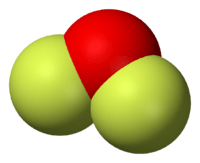
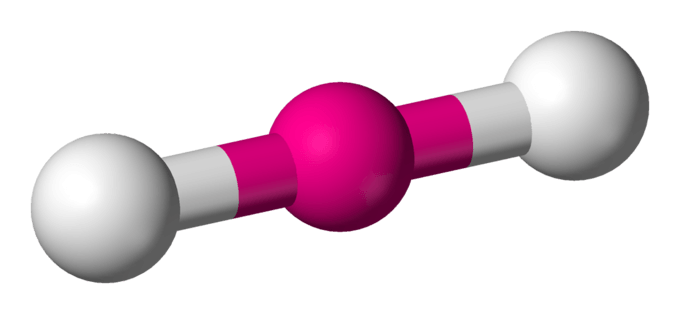
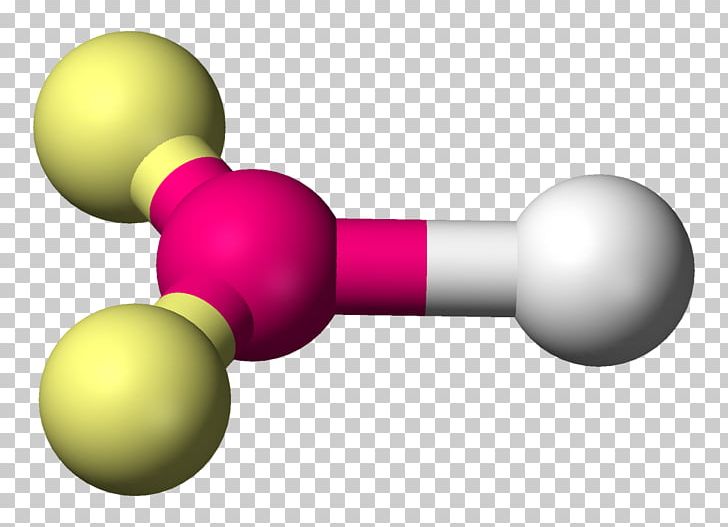
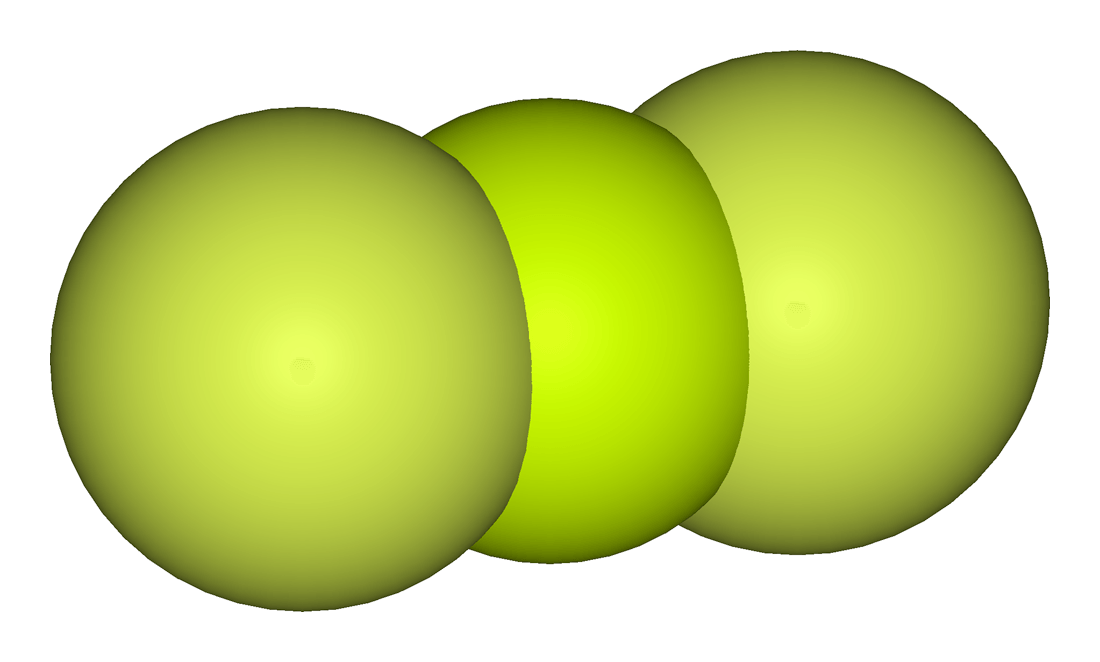
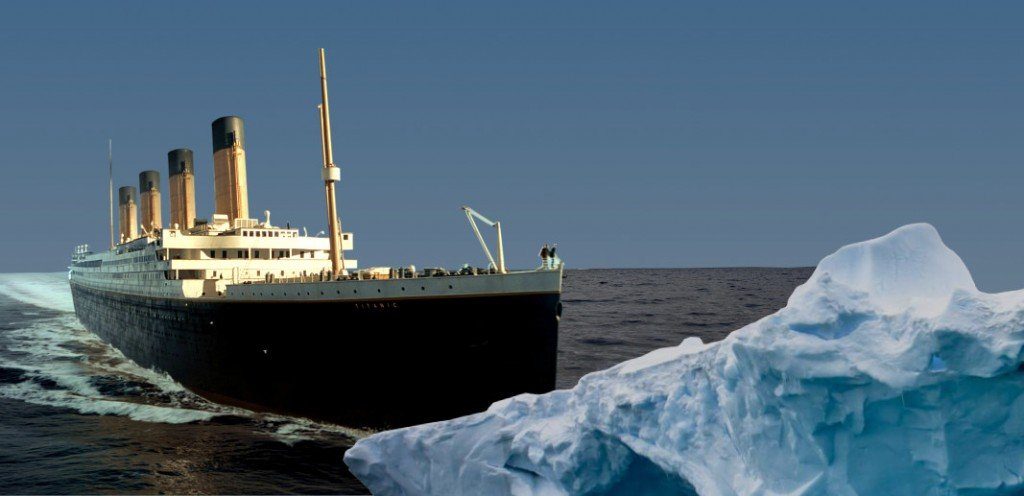
Why does ice float?
water expands when it freezes, making ice less dense than water
water compacts when it freezes, making ice more dense than water
hydrogen bonds in water push the ice to the surface
ice is afraid of water, and avoids it
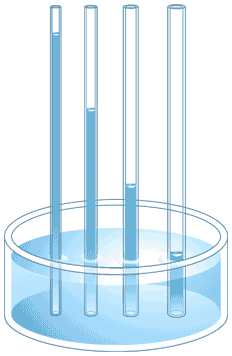
What is the term for water's ability to defy gravity and climb up a tube?
Capillary Action
Specific Heat
Universal Solvent
Magic
Water is polar. What does that mean?
it is a molecule with opposite charges on opposite ends
it is a molecule with no charge
it is a molecule with identical charges on opposite ends
it is a molecule with too many protons
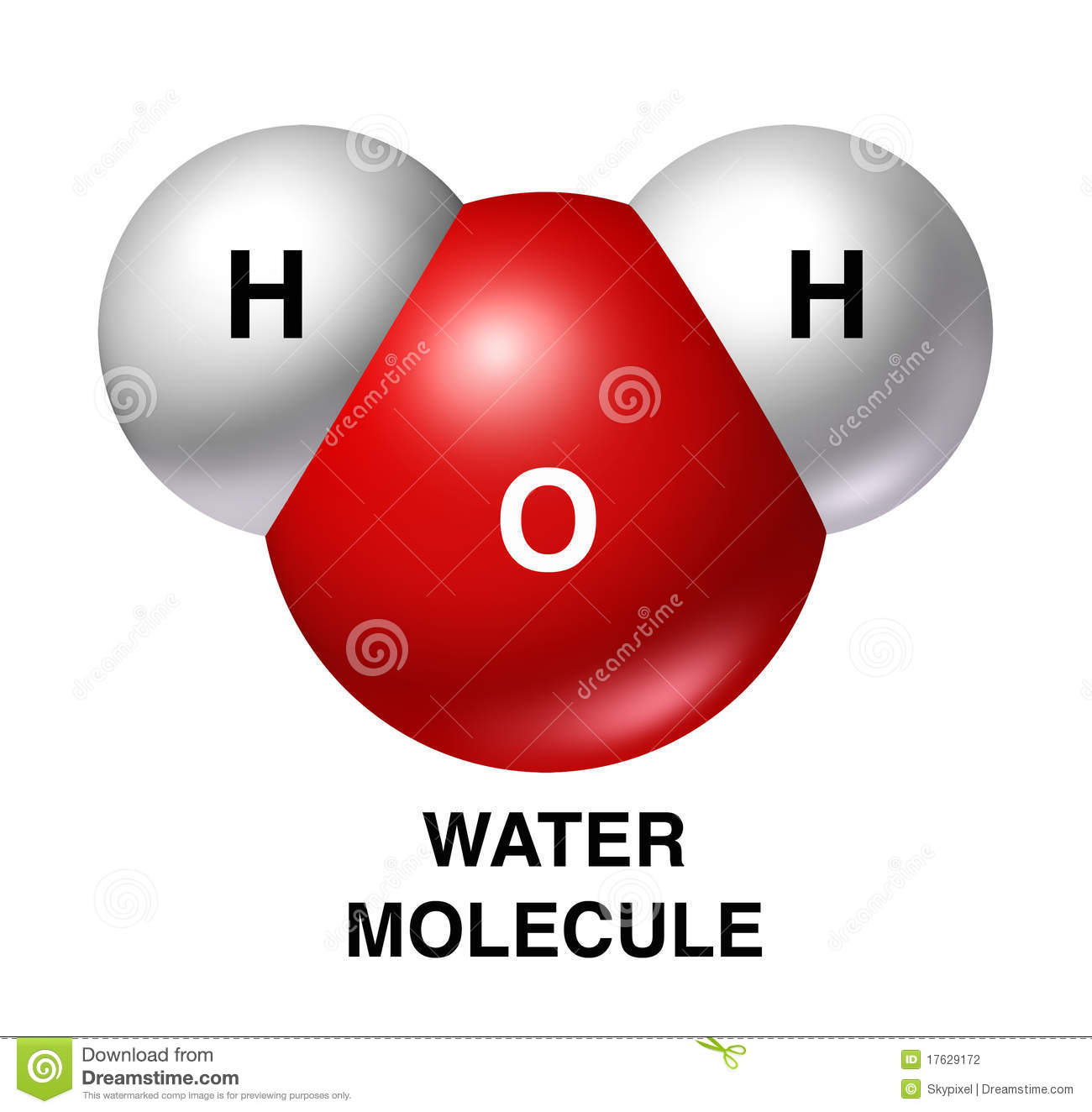
Which part of a water molecule has a Positive Charge?
The Hydrogen
The Oxygen
The Top
The Bottom
a water droplet clinging to a leaf is known as...
sticking
adhesion
cohesion
tension
an example of surface tension is...
water "bubble" forming when dropped on a plastic bag
water striders moving across the top of water
a needle floating on top of water
all of the above
salt and water are mixed together. the solute is the....
salt
water
salt and water are mixed together. the solvent is the...
salt
water
to stick together
adhesive
adhere
tension
cohesive
Not able to be dissolved
solute
solvent
insoluble
tension
The tightness across a substance caused by polar molecules pulling on each other.
capillary action
water tension
solvent
surface tension

