
 Worksheets
Pre-Test Network Device
Total questions: 10
Worksheet time: 5mins
Name
Class
Date
1.
What does Wi-Fi stand for?
a)
Wireless Internet Frequency Interlink
b)
Wireless Fast Internet
c)
Wireless Fidelity
2.
Can a computer or smartphone connect directly to the internet?
a)
Yes
b)
No
3.
Can a computer or smartphone connect to the internet without a network device?
a)
Yes
b)
No
4.
What is a network?
a)
A single, standalone computer used for processing and storing information locally.
b)
A collection of independent computers and devices connected together to allow for the sharing of data and resources.
c)
Software that allows you to browse the internet.
5.
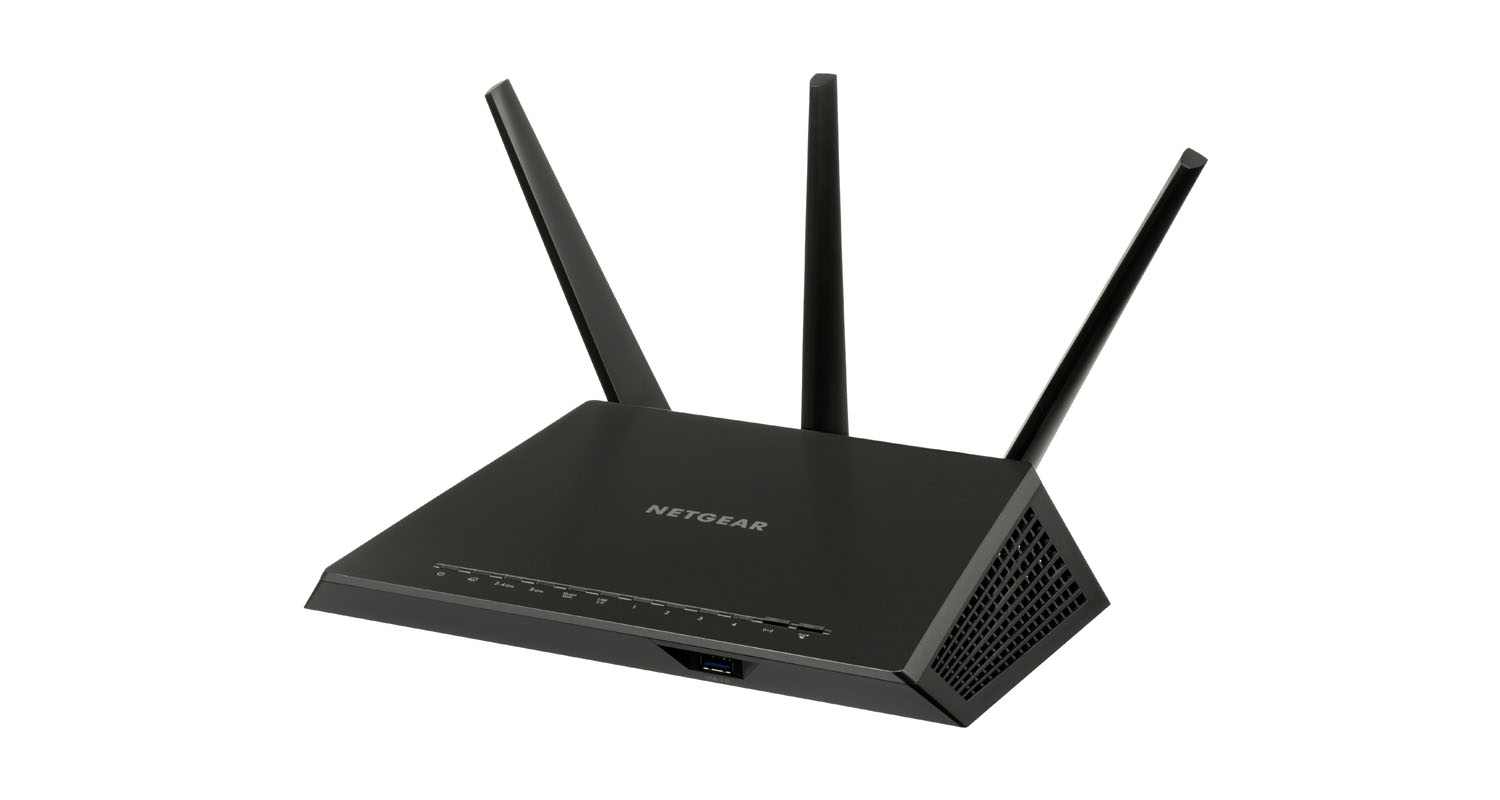
What is the function of a router in a network?
a)
To convert digital signals into analog signals, enabling internet access through telephone lines.
b)
To filter unwanted network traffic and protect devices from malware and unauthorized access.
c)
To connect different and independent IP networks, forwarding data packets between them based on destination IP addresses to ensure efficient inter-network communication
6.
What is the difference between a hub and a switch?
a)
A hub filters network traffic based on IP addresses, preventing unauthorized access, while a switch encrypts all data transmissions for enhanced security.
b)
A hub creates multiple collision domains for each port, while a switch operates within a single broadcast domain for all connected devices.
c)
A hub broadcasts every incoming data frame to all connected ports without distinguishing recipients, whereas a switch intelligently forwards frames only to the intended destination port.
7.
What is a modem?
a)
To filter unwanted data packets and block malicious software from entering a computer network.
b)
To convert digital signals from a computer into analog signals suitable for transmission over various physical lines (like cable or fiber) and vice versa, enabling communication with an Internet Service Provider.
c)
To assign unique IP addresses to all devices within a local network and manage internal network traffic.
8.
What is an access point?
a)
To bridge wireless devices to a wired network, acting as a central transmitter and receiver of wireless signals
b)
To convert signals from a cellular network into Wi-Fi signals for mobile devices.
c)
To serve as the central hub for all internet traffic, directing data between a local network and the internet.
9.
What is the difference between an access point and a repeater?
a)
An Access Point prioritizes network traffic to ensure quality of service for video streaming, whereas a Repeater establishes secure VPN tunnels for remote network access and data encryption.
b)
An Access Point is chiefly responsible for converting digital computer signals into analog signals for internet transmission, and a Repeater manages all IP address assignments for local network devices.
c)
An Access Point connects wireless clients directly to a wired network backbone, while a Repeater wirelessly re-broadcasts an *existing* Wi-Fi signal to amplify its coverage.
10.
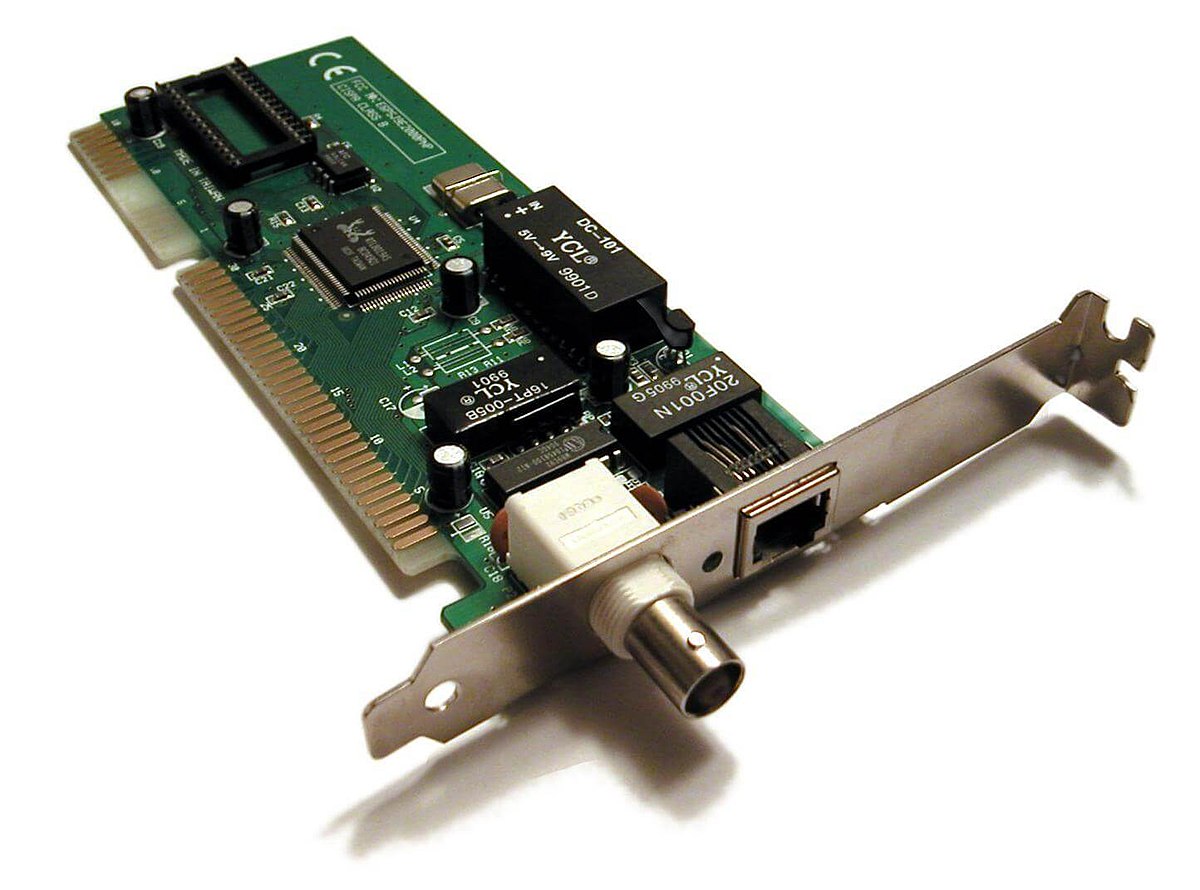
What is the correct name of the hardware component that allows a computer or device to connect to a network?
a)
The Central Processing Unit (CPU), which serves as the computer's primary brain for executing instructions and managing all fundamental operations.
b)
The Digital Modulator-Demodulator (modem), which primarily converts internet signals for transmission over various physical lines to an Internet Service Provider.
c)
The Network Interface Card (NIC), which translates data between the computer's internal components and the external network communication medium.
100 %

