
 Worksheets
9C ES Revision Test Unit 1 & 2
Total questions: 100
Worksheet time: 1hrs 8mins

What is verbal communication?
gestures, facial expressions, and body positions
use of language
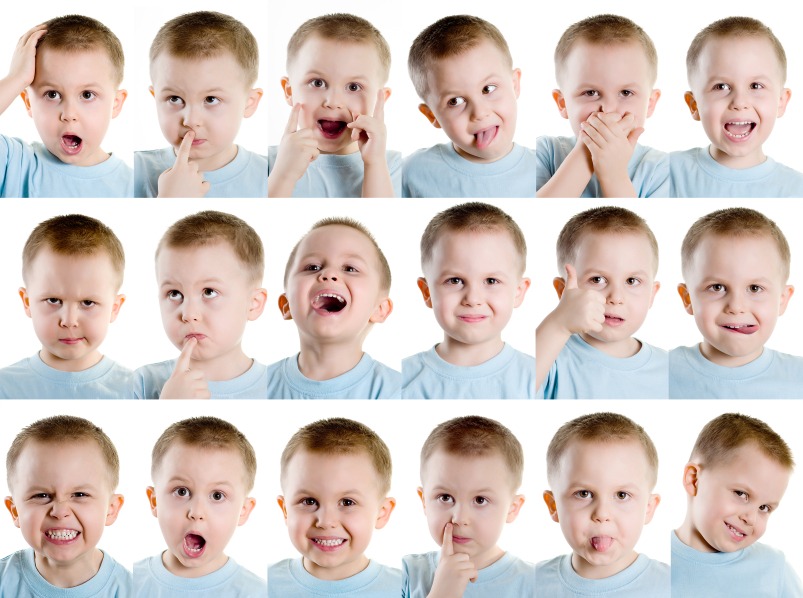
Communication without words is called
Silent speaking
Verbal communication
Nonverbal communication
Interpersonal communication
Examples of correctly using speech and volume skills include...
Giving the right info, speaking at the right volume, and articulating your words.
Speaking softly, use long pauses, and positive facial expressions.
Keep eye contact, speaking loudly, and using the right language.
Hold your head high, yell all your words, and keep your eyes closed.
Juan is drumming his fingers on the table while his mother gives him directions for cleaning the house. This gesture communicates
worried
impatience
contempt
disgust
Mr. Jones is stroking his chin while talking to his Science class. What is he communicating?
Anger
Fear
Contempt
Trying to make a decision
When asked if she was cheating during the test by her teacher, Kim looks down at the floor. What is her body language communicating?
fear
sadness
guilt
concealing something
John bites his fingernails but only in the presence of his coach. What is his body language communicating?
sadness
insecurity
fear
anger
Which of the following is a barrier to communication?
Message is not clear
Not listening
Lack of language skills
All of the above
Facial expressions, posture and eye contact are all skills in ....?
verbal communication
anti-verbal communication
post-verbal communication
non-verbal communication
The process of exchanging thoughts and messages between two or more people is the definition of...
Eye Contact
Communication
Conflict
Communion
What type of language listed below is considered to always be unacceptable? Select ALL that apply.
Persuasive
Judgmental
Informative
Assumptive
Sexist
WHAT IS THE PROCESS OF EXCHANGING INFORMATION AND MEANING BETWEEN INDIVIDUALS OR GROUPS CALLED
COMMUNICATION
NEGOTIATION
PERSUASION
PRESENTATION
WHICH OF THE FOLLOWING IS AN EXAMPLE OF NON-VERBAL COMMUNICATION
SPEAKING
WRITING
USING HAND GESTURES
SEND AN EMAIL
WHAT DOES ACTIVE LISTENING INVOLVE
INTERRUPTING THE SPEAKER
FOCUSING ON YOUR RESPONSE
AVOIDING EYE CONTACT
PAYING ATTENTION AND UNDERSTANDING THE SPEAKER
WHICH OF THE FOLLOWING IS AN EXAMPLE OF WRITTEN COMMUNICATION
HAVING A CONVERSATION
SENDING A TEXT MESSAGE
MAKING A PHONE CALL
ATTENDING A MEETING
WHAT IS EMPATHY
UNDERSTANDING AND SHARING THE FEELINGS OF OTHERS
CONVINCING OTHERS TO AGREE YOUR POINT OF VIEW
IGNORING THE EMOTIONS OF OTHERS
ALL OF THE ABOVE
WHAT ARE INTERPERSONAL SKILLS
SKILLS USED IN COMMUNICATION
SKILLS USED IN NON VERBAL COMMUNICATION
SKILLS USED IN ONE-ON-ONE INTERACTIONS
SKILLS USED IN PUBLIC SPEAKING
WHICH COMMUNICATION SKILL INVOLVES EXPRESSING IDEAS EFFECTIVELY THROUGH WRITING
VERBAL COMMUNICATION
NON VERBAL COMMUNICATION
LISTENING SKILLS
WRITTEN COMMUNICATION
WHICH COMMUNICATION SKILL INVOLVES USING BODY LANGUAGE AND FACIAL EXPRESSIONS
VERBAL COMMUNICATION
NON VERBAL COMMUNICATION
LISTENING SKILLS
WRITTEN COMMUNICATION
NON VERBAL CUES INCLUDE
EYE CONTACT
OPEN ARMS
NODDING
ALL OF THE ABOVE
WHICH OF THE FOLLOWING IS A BARRIER TO COMMUNICATION
MESSAGE IS NOT CLEAR
NOT LISTENING
LACK OF LANGUAGE SKILLS
ALL OF THE ABOVE
LISTENING TO SOMEONE'S OPINION MEANS YOU HAVE TO CHANGE YOUR BELIEFS
TRUE
FALSE
WHICH OF THESE IS NOT A COMMUNICATION SKILL
LAUGHING
SWIMMING
ASKING QUESTIONS
IF YOU WANT TO COMPLAIN, WHAT'S THE BEST WAY TO BEHAVE
STAY CALM, STICK TO YOUR POINT
GET VERY ANGRY
GET READY TO CRY
IF YOU NEED TO MAKE A PHONE CALL FOR INFORMATION WHAT COULD YOU DO BEFORE CALL
PREPARE YOUR QUESTIONS
BRUSH YOUR TEETH
MAKE A COFFE
YOU HAVE A DISCUSSION WITH A FRIEND ABOUT POLITICS. YOU DON'T AGREE WITH THEM. WHAT SHOULD YOU DO
CHANGE THE SUBJECT
SAY WHAT YOU BELIEVE
GET ANGRY WITH YOUR FRIEND
Which of the following is a barrier to communication?
Message is not clear
Not listening
Lack of language skills
All of the above
Good listening skills include:
a message, a sender, and a reveiver.
labeling, cultural sensitivity, and talking slowly.
verbal message, written communication and a receiver
showing interst, hearing the message, and not interrupting
The way we sit, our facial expressions and body
language show __________ communication.
Non- Verbal
Physical fitness
Stress
None
Communication without words is called
Silent speaking
Verbal communication
Nonverbal communication
Interpersonal communication

From the image the brain’s ability to make sense of what
we see through our eyes is _______.
Visual Perception
Prejudice
Feelings
Communication
Sharing of information between two or more individuals or within a group to reach a common understanding is known as.
skills
communication
self management
all of the above
The skills that are essential for effective communication are ________.
good reading & writing,
speaking & listening
None of the above
All of the above
________ skills are those skills which are needed
to speak and write properly.
Communication
Life
Soft
Social
Asking about honest feedback, gathering personality traits, think about daily interactions are related to which of the following skills?
responsibility skills
adaptability skill
time management skills
self awareness skills
I am aware of what I like and dislike as well as my strengths and challenges. What is this called ?
Self-Awareness
Self-Regulation
Social Awareness
Social Management
(a) is defined as feelings, emotions, or desires that move a person to take action.
Self Management is an important Life skill.
True
False
Locus of control means
degree to which you perceive control over a situation being internal or external
it refers to a belief about your own ability to deal with events and challenges.
it is your general feeling of self worth.
Self esteem means
your general feeling of self worth
it refers to a belief about your own ability to deal with event and challenges.
none of the above
Improving your self management skills
Builds your confidence
Helps in making friends
None of these
___________ refers to a belief about your own ability to deal with events and challenges.
self confidence
self efficacy
self monitoring
self management skills do not involve:
Manage emotions
Manage inanimate objects
manage situations
general feeling of self worth is known as :
self confidence
self esteem
None of the above
Which of the following is not a self management skills?
Rational ability
Personal quality
None of the above
Which of the following is not a self management skills?
Rational ability
Personal quality
None of the above
Which of the following shows your ability to participate as a member of a team?
Interpersonal skill
communication skill
none of the above
__________ is the extent to which you base your behaviour on cues from other people and situations.
self monitoring
self esteem
Both (a) and (b)
general feeling of self worth is known as :
self confidence
self esteem
None of the above
self management skills do not involve:
Manage emotions
Manage inanimate objects
manage situations
Three broad areas influenced by self management skills do not include:
Rational ability
Personal qualities
Communication skills
___________ refers to a belief abut your own ability to deal with events and challenges.
self confidence
self efficacy
self monitoring
Improving your self management skills
Builds your confidence
Helps in making friends
None of these
Locus of control means
degree to which you perceive control over a situation being internal or external
it refers to a belief about your own ability to deal with events and challenges.
it is your general feeling of self worth.
Self esteem means
your general feeling of self worth
it refers to a belief about your own ability to deal with event and challenges.
none of the above
Which of the following shows your ability to participate as a member of a team?
Interpersonal skill
Communication skill
None of these
_________ is the extent to which you base your behavior on cues from other people and situations
Self-monitoring
Self-esteem
Both (a) and (b)
General feeling of self-worth is known as:
Self-confidence
Self-esteem
None of the above
Self-management skills do not involve
Manage emotions
Manage inanimate objects
Manage situations
Improving your self management skills:
Builds your confidence
Helps in making friends
None of these
Taking initiatives reflects your positive personal qualities.:
True
False
Self Management is an important Life skill.
True
False
What is self management?
Letting your emotions take control of you
Controlling your thoughts, behavior, and emotions.
Not having choices
Postponing Things
Why is setting goals important?
Plans help us make sure we reach our dreams.
To reach your dreams, you have to have a plan.
Goals help us to decide how to live our life.
All of the these.
What does time management mean ?
To use time effectively and appropriately.
To use non-verbal communication.
To express ideas clearly.
To complete tasks in an appropriate manner.
Which of the following are advantage of Dressing appropriately ?
It boosts self confidence
Draws attention of others
Leaves better impression on other
All of the above
Grooming is a term associated with _______________________
Time Management
Problem Solving
Neat and Clean Appearance
Goal Setting

Choose example of Time Management
Nakul Gets up late in the morning and often reaches late to school
Nisha is punctual, plans and act according to her schedule
Amit spent a lot of time in playing and does not complete his homework
Rohan is always busy in studying and does not play games at all
A damaged reputation would be considered a (n)
Strength
Weakness
Opportunity
Threat
Great customer service would be considered a (n)
Strength
Weakness
Opportunity
Threat
External factors that a company may be able to take advantage of would be listed under
Threats
Opportunities
Strengths
Weaknesses
When your competitors have access to better channels of distribution, that would be considered a(n)
Strength
Weakness
Opportunity
Threat

What is self-confidence ?
Integrity of character
An individual's belief in their capacity to execute behaviors necessary to produce specific performance attainments
The belief in yourself and your abilities
Independent of outside force or influence

How is confidence built ?
Taking the first step
Face yourself
Eat healthily
Learn to accept failure
Where does positive energy come from?
optimism
pessimism
Believing in yourself and your abilities means that you are__________.
serious
patient
gentle
confident
Facing your fears can build your self confidence ?
True
False
Which of these is a way to improve your Self confidence ?
Making fun of others.
Act normal, don't change anything.
Stop comparing yourself to others.
Stop trying to do hard things.
What is self-management?
Self-management is the ability to juggle multiple tasks at once.
Self-management is the process of outsourcing decision-making to others.
Self-management is the act of avoiding all responsibilities.
Self-management is the ability to regulate and control one's own emotions, thoughts, and behaviors in different situations.
Why is self-management important?
Self-management leads to decreased productivity
Self-management is important for taking control of actions, emotions, and behaviors.
Self-management is only important for others, not oneself
Self-management has no impact on personal growth
Give an example of a self-management skill.
Conflict resolution
Event management
Time management
Public speaking
How can setting goals help with self-management?
Setting goals provides direction, motivation, focus, and a sense of accomplishment.
Setting goals results in increased stress and anxiety.
Setting goals decreases motivation and productivity.
Setting goals leads to confusion and lack of focus.
What are the benefits of being organized in self-management?
Decreased productivity, increased stress, reduced focus, and inefficient goal achievement.
Improved productivity, reduced stress, enhanced focus, and efficient goal achievement.
Limited time management, lack of prioritization, scattered attention, and unproductive habits.
Chaotic work environment, lack of motivation, disorganized thoughts, and unattainable goals.
Explain the concept of time management in self-management.
Avoiding distractions is not a key aspect of time management in self-management
Time management in self-management is the practice of efficiently organizing and planning how to divide your time between specific activities. It involves prioritizing tasks, setting goals, creating schedules, avoiding distractions, and being disciplined with time allocation.
Time management is not important in self-management
Self-management involves only setting goals without considering time allocation
How can self-awareness contribute to self-management?
Self-awareness hinders self-management by preventing individuals from reflecting on their actions.
Self-awareness contributes to self-management by providing the necessary insights and understanding for individuals to effectively control their emotions, behaviors, and actions.
Self-awareness contributes to self-management by encouraging individuals to ignore their thoughts and feelings.
Self-awareness leads to self-management by causing individuals to lose control of their emotions and behaviors.
Discuss the role of self-discipline in self-management.
Self-discipline is not important in self-management
Self-discipline leads to burnout in self-management
Self-discipline is only needed in short-term goals for self-management
Self-discipline is essential for maintaining consistency, overcoming obstacles, and achieving long-term success in self-management.
What are some strategies to improve self-management skills?
Multitasking excessively
Setting specific goals, prioritizing tasks, creating a schedule or to-do list, practicing time management, learning to delegate tasks, improving communication skills, taking breaks to avoid burnout, and seeking feedback for self-improvement.
Avoiding communication with others
Ignoring deadlines and tasks
How can stress management be a part of self-management?
By isolating oneself from others
By ignoring stress completely
By incorporating techniques such as mindfulness, time management, setting boundaries, and seeking support.
By eating unhealthy foods

What is self management?
Letting your emotions take control of you
Controlling your thoughts, behavior, and emotions.
Not having choices
Postponing Things

