
Font size
 Worksheets
science emiliano
Total questions: 105
Worksheet time: 2hrs 30mins
The three states of matter are
solid, liquid and gas
solid, liquid and shape
shape, size and state
We use this process to change water from a liquid to a solid
freezing
melting
evaporating
We use this process to change water from a solid to a liquid.
freezing
melting
evaporating
We use this process to change water from a liquid to a gas
freezing
melting
evaporating


We use this process to change water from a liquid to a solid
freezing
melting
evaporating
Cual opcion te habla sobre los 4 estados de la materia?
solido, liquido, gas y plomo
solido, liquido, gas y plasma
solido, liquido y gas
liquido, plasma, gas
the opossite of sublimation (solid to gas) is:
deposition (gas to solid)
fusion/melting (solid to liquid)
vaporization (liquid to gas)
condensation (gas to liquid)

WHAT IS IT?
plasma
solid
liquid
gas

plasma
solid
liquid
gas

it represents:
plasma, solid and gas
solid, liquid
liquid, plasma
gas, solid and liquid

what is it?
earth and represent solid state
universe and represent plasma state
water and represent the liquid state
sun and represent light state

WHY IS IT PLASMA?

It is a technique in which an insoluble solid is separated from a liquid.
Filtration
Sieving
Decantation
Use of Magnets

It involves separating a mixture based on different sizes of components.
Decantation
Sieving
Use of Magnets
Filtration

It can be used to sort scrap metal from other materials.
magnets
giant electromagnet
magnetism
electromagnetic field

It is a technique used in separating a less-dense liquid from a denser one.
Filtration
Evaporation
Sedimentation
Decantation

What appliance use magnets?
refrigerator
ATM machines
batteries
clocks

How do you separate oil and water using decantation method?
strainer
filter paper
separating funnel
big screen

What do you call the particles that are removed from the water by a filter?
sieve
filtrate
impurities
residue

It is the water (liquid) that has been run through the filter.
sieve
funnel
filtrate
residue

Which involves separating of mixtures from sieving?
brewed coffee
iron filings from sand
gravel from sand
sugar and water

The region surrounding a magnet in which the force of the magnet can be experienced.
electric magnet
electromagnet
magnetic field
electric charges

This separating method is called
Filtration
Magnetic separation
Sieving
Distillation

What is the name of this method?
Solid separation
Filtration
Magnetism
Decantation

What is this method?
filtration
Distillation
Decantation
magnetism

Before to add water to the solid mixture, we must separate the mix (Sand, stones and cement) select the method that we should to use


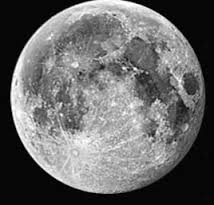
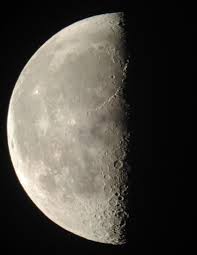

The Cat is ...
Omnivore
Carnivore
Herbivore
The Dog is ...
Omnivore
Carnivore
Herbivore
The monkey is ...
Omnivore
Carnivore
Herbivore
The cow is ...
Omnivore
Omnivore
Herbivore
The frog is ...
Omnivore
Carnivore
Herbivore
The penguin is ...
Omnivore
Carnivore
Herbivore
The lion is ...
Omnivore
Carnivore
Herbivore
The parrot is ...
Omnivore
Carnivore
Herbivore
The tiger is ...
Omnivore
Carnivore
Herbivore
The eagle is ...
Omnivore
Carnivore
Herbivore
An organism that makes its own food
photosynthesis
producer
consumer
herbivore
An indiviual animal, plant or single-celled life form
producer
ominvore
organism
prey
The living and non-living things that interact and share an environment
ecosystem
food web
food chain
organism
An organism that obtains food by eating other organisms
predator
consumer
herbivore
carnivore
A consumer that only eats plants
consumer
omnivore
consumer
herbivore
A way of showing how the energy from food moves through populations of organisms in a community
food web
food chain
predator
prey
A way of showing how food chains are related
prey
food chain
food web
scavenger
A consumer that only eats meat
carnivore
ominvore
scavenger
herbivore
An animal that preys on other animals
prey
predator
scavenger
decomposer
An animal that is hunted and killed by another for food
scavenger
predator
prey
organism
Consumer that eats both plants and animals
herbivore
omnivore
carnivore
scavenger
The process by which plants (producers) make their own food.
photosynthesis
consumer
food web
prey
An animal that only eats dead organisms
consumer
prey
decomposer
scavenger
An organism that breaks down the waste or remains of other organisms
prey
consumer
scavenger
decomposer

Half of the Earth is called a __________________.
revolution
hemisphere
shadow
lunar phase

A dark shape caused when an object blocks light is called a ___________.
hemisphere
gravitational pull
shadow
season

What day in February shows a full moon?
February 9
February 5
February 16
February 23

What day in February shows a new moon?
February 10
February 3
February 15
February 23

The different appearances of the Moon as it orbits Earth are called ____________.
Rotational phases
Seasons
Lunar phases
Shadows

This diagram shows the Earth's _______________.
Rotation
Revolution
It takes the Earth ______ to complete one ROTATION.
365 days
1 year
24 hours
30 days

The imaginary line that passes through Earth's center and its North and South Poles is called the ___________.
axis
line of revolution
gravitational pull
seasonal line

This diagram shows the Earth's __________________.
Rotation
Lunar phases
Revolution
Ocean tides

The path of an object as it revolves around another object in Space is called an ____________.
orbit
hemisphere
axis
shadow
Earth's revolution or complete orbit around the Sun takes _________.
24 hours
1 month
365 days
10 years

Earth's __________ pulls objects towards the center of the Earth.
full moon
seasons
orbit
gravity

What hemisphere do we live on?
Northern Hemisphere
Southern Hemisphere

What causes the different seasons?
The speed of Earth's rotation
The tilt of Earth's axis as it moves around the Sun
The equator
The amount of wind and rain that Earth receives from Space

Your shadow is the LONGEST at ____________.
dawn or dusk
noon
daytime
nighttime
Why does the Sun move across the sky?
The Sun is moving around the Earth.
The Moon pushes the Sun out of the sky.
The Earth is moving, not the Sun.
The Sun revolves around the Moon.
Half of the Earth is called a __________________.
revolution
hemisphere
shadow
lunar phase
A dark shape caused when an object blocks light is called a ___________.
hemisphere
gravitational pull
shadow
season
What day in February shows a full moon?
February 9
February 5
February 16
February 23
What day in February shows a new moon?
February 10
February 3
February 15
February 23
The different appearances of the Moon as it orbits Earth are called ____________.
Rotational phases
Seasons
Lunar phases
Shadows
This diagram shows the Earth's _______________.
Rotation
Revolution
It takes the Earth ______ to complete one ROTATION.
365 days
1 year
24 hours
30 days
The imaginary line that passes through Earth's center and its North and South Poles is called the ___________.
axis
line of revolution
gravitational pull
seasonal line
This diagram shows the Earth's __________________.
Rotation
Lunar phases
Revolution
Ocean tides
The path of an object as it revolves around another object in Space is called an ____________.
orbit
hemisphere
axis
shadow
Earth's revolution or complete orbit around the Sun takes _________.
24 hours
1 month
365 days
10 years
Earth's __________ pulls objects towards the center of the Earth.
full moon
seasons
orbit
gravity
What hemisphere do we live on?
Northern Hemisphere
Southern Hemisphere
What causes the different seasons?
The speed of Earth's rotation
The tilt of Earth's axis as it moves around the Sun
The equator
The amount of wind and rain that Earth receives from Space
Your shadow is the LONGEST at ____________.
dawn or dusk
noon
daytime
nighttime
Why does the Sun move across the sky?
The Sun is moving around the Earth.
The Moon pushes the Sun out of the sky.
The Earth is moving, not the Sun.
The Sun revolves around the Moon.

