
 Worksheets
The End of the Unholy Trinity and Its Followers Quiz
Total questions: 53
Worksheet time: 27mins
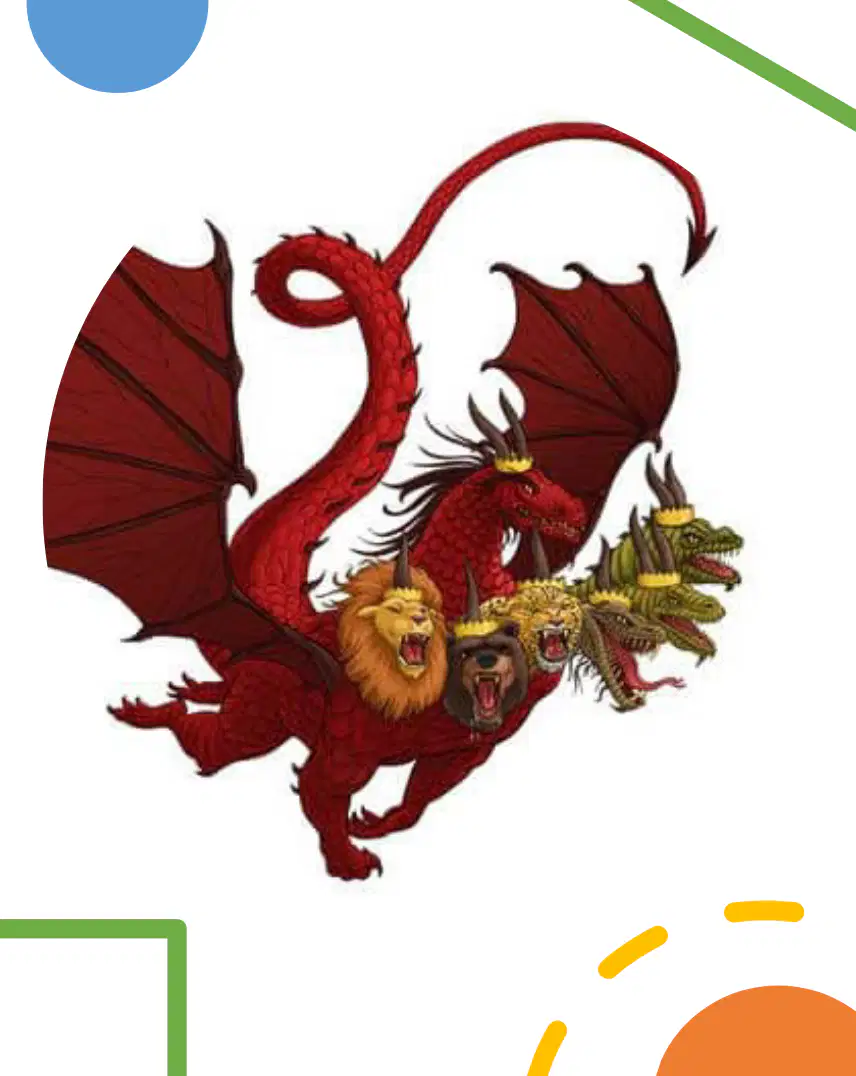
Which book and chapter of the Bible is referred to in the title "The End of the Unholy Trinity and Its Followers"?
Genesis 1
Revelation 20
Exodus 12
Matthew 5
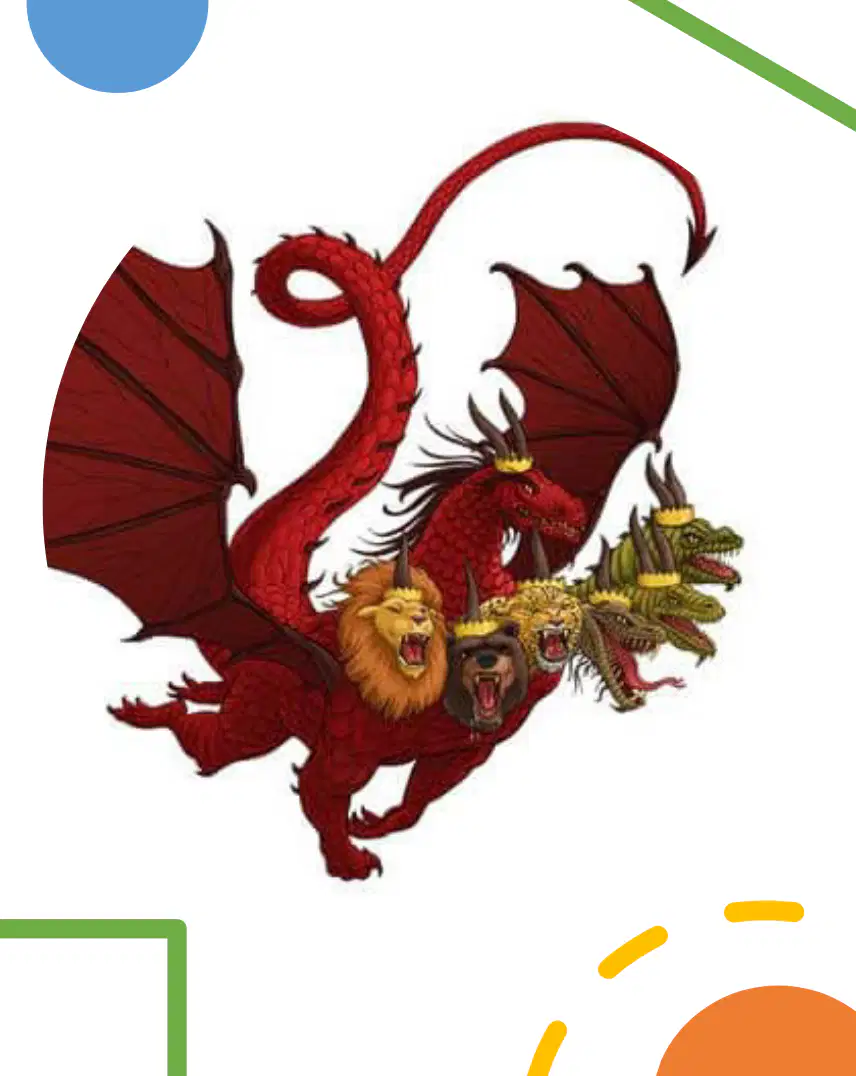
What is the main topic of the material?
The creation of the world
The end of the unholy trinity and its followers
The miracles of Jesus
The laws of Moses
What does the word "Abyss" mean?
A transcendent place associated with the dead and hostile powers
A book containing names of people
A period of one thousand years
A leader of friendly forces
What does "Resurrection" mean?
A new life that has no end
A place for hostile powers
A record of names
A period of one thousand years
How is the "Book of Life" described?
The record containing the names of those possessing eternal life
A book of rules
A story about the millennial kingdom
A guide for hostile forces
Who is "Gog"?
Leader of hostile forces
A person with eternal life
A place associated with the dead
A new life that has no end
What does "One Thousand Years" mean?
The Millennium Kingdom
A record of names
A transcendent place
A new life that has no end
What are "Magog" and its forces known for?
Hostile forces against Yahweh’s people
A record of eternal life
A period of peace
A new life that has no end
Who is listed as a main character?
The Unknown Angel
The Prophet Elijah
The Wise Men
The Shepherds
Who is called "the Lamb"?
The Dragon
The Saints
Jesus
The Father
Which character is NOT listed as a main character?
The Dragon
The Father
The Saints
The Prophet Moses

What literary role does "The Dragon" most likely represent?
The hero
The antagonist
The mentor
The sidekick
Where did the angel come from in the story of Satan's imprisonment?
Earth
Heaven
The abyss
The sea
What did the angel hold?
A sword and a shield
A book and a staff
The key of the abyss and a great chain
A trumpet and a lamp
Who is called the dragon, the serpent of old?
Michael the Archangel
The angel from heaven
The devil and Satan
The false prophet
How long was Satan bound?
One hundred years
Ten years
A thousand years
Forever
Why was Satan imprisoned for a thousand years?
So he could rest
So he would not deceive the nations any longer
So he could gain more power
So he could be judged
What does "CHILIOI ETOS" mean in Greek?
1000 years
500 years
100 years
10 years
Which Latin words mean "1000 years"?
Mille and Annum
Centum and Annum
Mille and Decem
Annum and Decem
What will happen to the mountain of the house of the LORD in the last days?
It will be established as the chief of the mountains and raised above the hills.
It will be destroyed by fire.
It will be hidden from all nations.
It will be turned into a desert.
What will nations do during the restored kingdom of Israel?
Stream to the mountain of the LORD
Build new cities
Go to war with each other
Leave the land
What does it mean that the law goes out from Zion and the word of the LORD from Jerusalem?
It represents guidance and teaching for all nations.
It means only one nation will benefit.
It signifies the end of all laws.
It means the destruction of Jerusalem.
What will happen to swords and spears?
They will be turned into plowshares and pruning knives.
They will be hidden underground.
They will be used in more wars.
They will be melted into coins.
What is a key outcome for nations during the 1,000 years?
Nations will never again learn war.
Nations will become isolated.
Nations will build more weapons.
Nations will forget their history.
What qualities will the Spirit of the LORD give to the righteous king?
Wisdom, understanding, counsel, strength, knowledge, and fear of the LORD
Wealth, power, and fame
Anger, jealousy, and pride
Silence, secrecy, and solitude
What will the righteous king NOT do when making decisions?
Judge by what his eyes see or ears hear
Judge with righteousness
Delight in the fear of the LORD
Show wisdom and understanding
Which pair of animals live together when the curse is lifted?
Wolf and lamb
Cat and mouse
Dog and rabbit
Eagle and fish
According to the passage, what will the lion do during the 1,000 years?
The lion will eat straw like the ox.
The lion will fly in the sky.
The lion will swim in the sea.
The lion will sleep all day.
Why is this time unique, based on animal and human relationships?
Predators and prey will live peacefully, and children will be safe with dangerous animals.
All animals will disappear.
Only humans will survive, animals will be extinct.
Animals will be invisible to humans.
When did the rest of the dead come to life?
Immediately after death
After the first resurrection
Until the thousand years were completed
Before the reign of the saints
Who is called blessed and holy in the passage?
Those before the resurrection
Those in the first resurrection
Those who reign a hundred years
Those who are priests of God only
What does the passage say about the second death for those in the first resurrection?
The second death has power over them.
The second death has no power over them.
The second death is the same as the first resurrection.
The second death comes before the resurrection.
According to the passage, what will those in the first resurrection do for a thousand years?
Rest in peace
Be priests of God and Christ and reign with Him
Return to their former lives
Witness the second death
Why is the "thousand years" important for the reign of the saints?
It is a short time of suffering.
It is a time to prepare for the second death.
It is a special time of blessing, holiness, and authority for those in the first resurrection.
It is when all the dead come to life.
What happens to Satan after the thousand years?
He is released from his prison
He is forgiven and set free
He becomes a saint
He disappears forever
Who are Gog and Magog?
Nations gathered for war
Angels from heaven
Prophets of the city
Disciples of Jesus
What surrounds the camp of the saints and the beloved city?
Fire from heaven
The nations led by Satan
A river of water
Angels with swords
What happens to the devil who deceived the nations?
He is thrown into the lake of fire and brimstone.
He is forgiven.
He becomes a saint.
He rules the earth.
What happens to those thrown into the lake of fire and brimstone?
They will be tormented day and night forever and ever.
They will be given a second chance.
They will become angels.
They will disappear instantly.
Who stood before the throne when the books were opened?
Only the righteous
Only the wicked
The great and the small, the dead
Only angels
What was the purpose of the books opened before the throne?
To record new events
To judge the dead by their deeds
To list angels' names
To predict the future
Which book is also mentioned as being opened?
The book of angels
The book of prophecy
The book of life
The book of creation
What happens to the dead from the sea, Death, and Hades?
They are forgotten.
They are judged according to their deeds.
They are rewarded without judgment.
They are sent to heaven immediately.
Why does the passage say each person is judged "according to their deeds"?
To show everyone is treated the same
To highlight the importance of personal responsibility
To suggest deeds are unimportant
To confuse readers
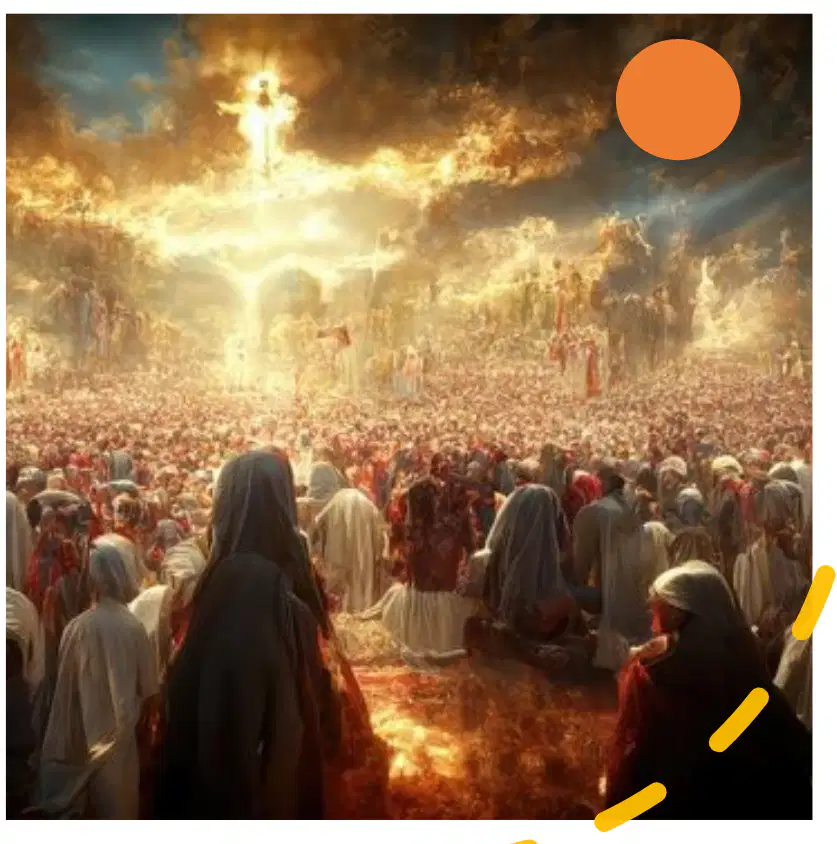
What happens to Death and Hades?
They are rewarded with eternal life.
They are thrown into the lake of fire.
They are forgiven and set free.
They are sent to heaven.
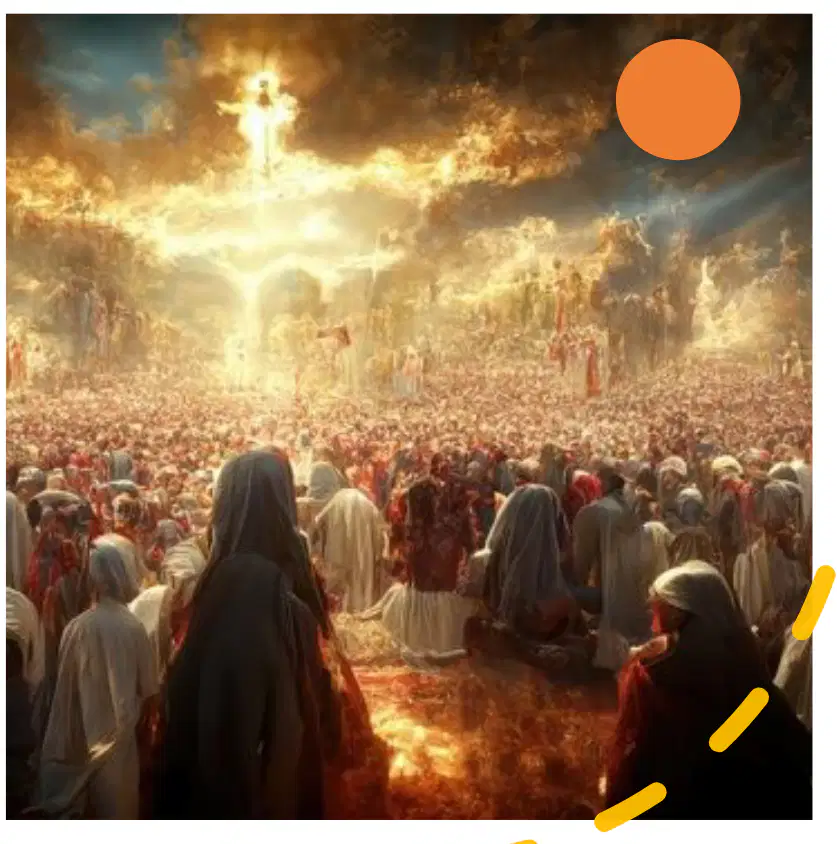
What is "the second death"?
The end of the world
The lake of fire
The first judgment
The book of life

What happens to anyone whose name is not in the book of life?
They are given another chance.
They are thrown into the lake of fire.
They are sent to paradise.
They are forgotten forever.
Why is the "book of life" important in this passage?
It determines who receives rewards.
It records the good deeds of people.
It decides who avoids the lake of fire.
It lists the names of angels.

Which of these is a promise mentioned in the lessons?
Yahweh will keep His promises to Israel
Yahweh will break His promises to Israel
Israel will keep promises to Yahweh
Yahweh will forget His promises to Israel

Who is NOT the main source of human sinfulness?
Satan
Humans
Angels
Prophets

What is the outcome for those who suffer with Christ, based on the lessons?
They will rule with Him
They will be forgotten
They will be punished
They will be separated from Him

Based on the lessons, what will happen to those who refuse the Holy Trinity?
They will spend eternity with the unholy trinity
They will be rewarded
They will become prophets
They will rule with Christ

Explain why the lesson states that "Satan is not the main source of human sinfulness." What does this suggest about human responsibility?
It suggests that humans are responsible for their own actions and choices.
It means that angels are responsible for human sinfulness.
It implies that sinfulness is only a myth.
It suggests that prophets are the main source of sinfulness.

