
Font size
 Worksheets
Quiz T1/Ln 2 (Feudalism)
Total questions: 24
Worksheet time: 12hrs 0mins
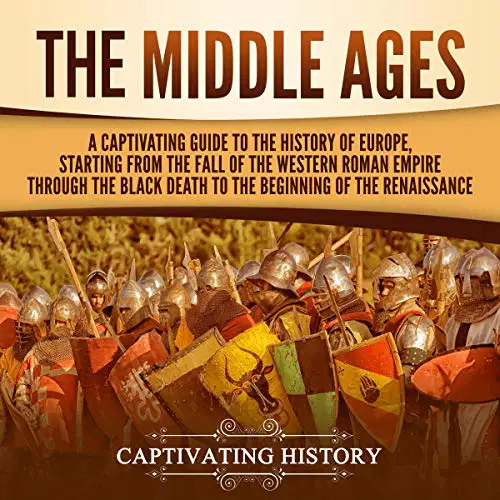
(a) marked the beginning of the Middle Ages in Europe in 476 C.E..

(a) was a loosely organized system of rule in which powerful local lords divided their landholdings among lesser lords. In exchange, these lesser lords pledged service and loyalty to the greater lord

Which best explains why feudalism developed in Western Europe?
The invention of new farming technology
The spread of democracy from ancient Greece
The rise of powerful merchant cities
The collapse of central authority led to a need for local protection

Whose job was it to provide the food and resources for the manor?
The serf
The lord
The knight
The monks
The musketeers

The relationship between lord and vassal involved an exchange of pledges, known as the feudal contract. The more powerful lord would grant his vassal a ____, or estate. In addition to the land, this included the peasants who worked the land and any settlements located within it.

Who were vassals in the feudal system?
The highest-ranking members of the nobility
Peasants and serfs who worked the land
Knights who pledged loyalty and service to a lord
Members of the clergy who served the church
Jesters and singers who entertained the nobilty

What was the primary purpose of a castle in the feudal system?
To serve as a place of worship and religious education
To house the king and his family
To provide protection and security for the lord and his vassals
To store and trade goods with other manors
To serve as a place to hold jousting tournaments and feasts

Which of the following was NOT a result of feudalism?
Increase in trade
Decentralization (dis-unity) of Europe
Increase in self-sufficiency
Decline in learning and education
Increase in women's rights

_____ __ _____ (1122-1204) was an heiress to the dukedom of Aquitaine. At the age of 15, she married the French royal heir, Louis VI, and became Queen of France. She went with him on a Crusade. Her second marriage was to Henry II of England. She had ten children and remained politically active until the age of 80.

____ were wandering poets or singers of medieval Europe, often stories about fair maidens and the attributes of chivalry.
scalawags

A vassal who pledges to several lords could have serious problems if these lords quarreled with each other. This would create a conflict of interest. To solve this problem, a vassal usually had a ____ ____ to whom he owned his first loyalty.

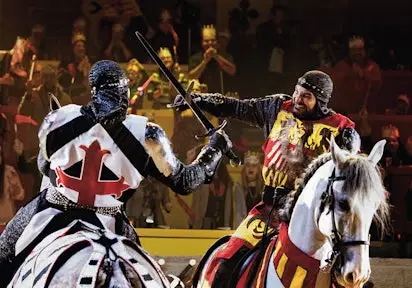
(a) is a code that required knights to be brave, loyal, and true to their word. It dictated that knights protect the weak, including peasants and noblewomen.

For peasants, hunger was common, especially in late winter when the harvest was exhausted. Disease took a heavy toll. Few peasants lived beyond the age of __.
65
75
35
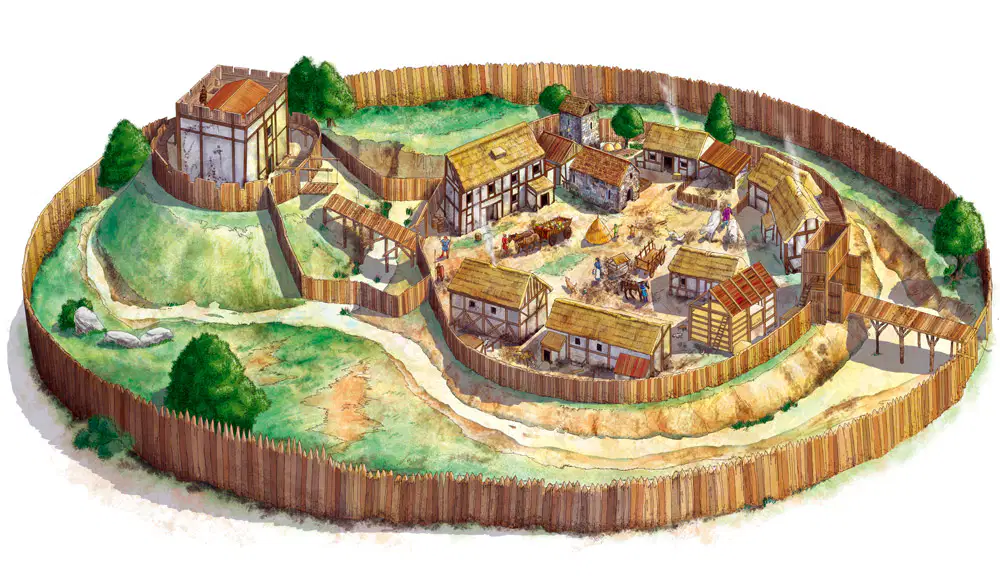
The heart of the medieval economy was the _____, or lord's estate. These included one or more villages and the surrounding lands. This is where the peasants lived and worked.
vassal

Most of the peasants who lived on a manor during the Middle Ages were ____. They were bound to the land. They could not be bought or sold. Still, they were not free. They could not leave the manor without the lord's permission.
slaves
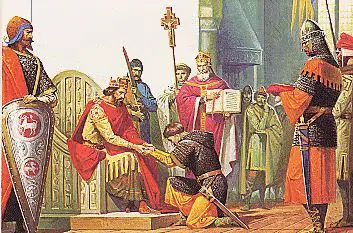
The feudal system involved the king giving (a) in exchange for (b) and loyalty from the lords.

Clergy
Match the definitions with each term
land granted by a lord to a knight
Fief
an estate owned by a noble that is worked by peasants and is self-sufficient
Manor
capital of the Byzantine Empire located at a crossroads
Constantinople
a peasant bound to the land and obligated to obey their lord
Serf
an economic and social system
Feudalism

Match the following
Most powerful Christian religious person
The Pope
Medieval King that united the Frankish Empire and used Education and Religion to further advance his people
Charlemagne
The largest level of people on the Feudal pyramid, they had no titles or privileges
Peasants
The top level of the Feudal pyramid, they claimed their Divine Right to Rule and held all of the power of government
King
Group on the Feudal pyramid with the most privileges, their families had received land from the King at some point during their lifetime.
Nobles

Nothing, except that serfs lived in France and Germany while peasants lived in England
Nothing, except that serfs were Protestant while peasants were Catholic

_____ _____ is the name of the current Commander and Chief of the United States.
(a)
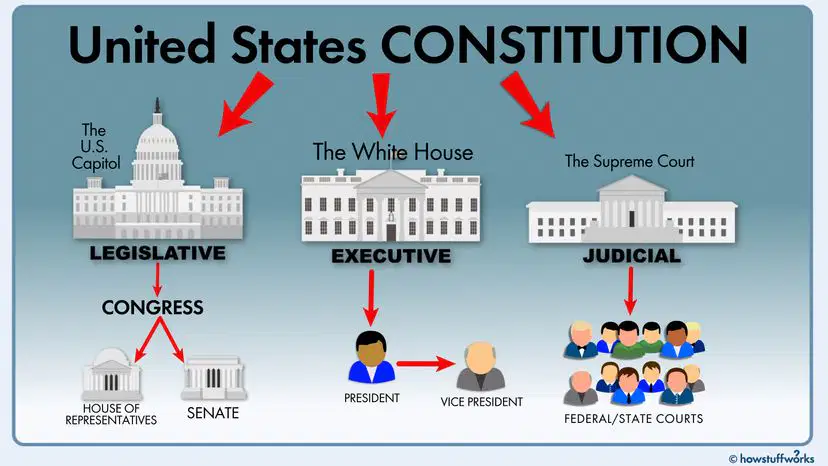
This question is determine if you were listening in class.
The legislative branch of the U.S. government is responsible for making the laws. This branch is divided into two houses. One of these houses is known as the U.S. House of Representatives. The other is called the U.S. (a) . Capitalize this word

This question is determine if you were listening in class.
Crimes, criminal actions, are considered to be offenses against ______ .
the public
individuals
U.S. citizens
The U.S. government
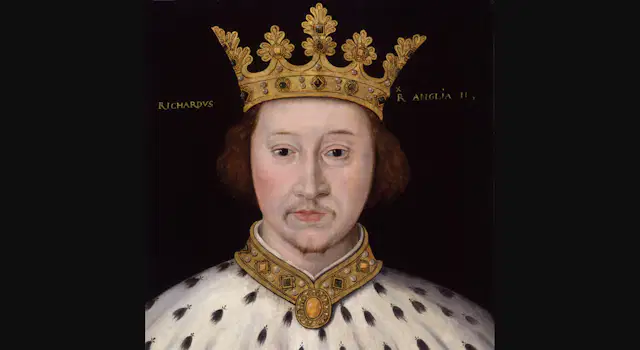
The monarchs of Europe ruled under the concept of _____, which meant that the people should obey and serve them because they were God's heavenly representative on earth.
Rule of Law

