Worksheets
boichem review
Total questions: 204
Worksheet time: 3hrs 34mins

Root of plant also need oxygen to survive?
True
False
During respiration, (a) gas enter the plant.
What gas is needed in order to perform respiration at the cellular level?
oxygen
carbon dioxide
hydrogen
nitrogen

Jumbled words
tranpirationi
tranpiratoin
transpiration
tiranpition
Openings in plant leaves for gaseous exchange are called _________
Tomato
Stomata
Stamen
Stems
Plants take in __________
Oxygen
Nitrogen
Carbon dioxide
Water vapour
At night, plants absorb more _________ and release more_______.
Absorb more water and release more energy.
Absorb more Carbon Dioxide and Release more Oxygen.
Absorb more Oxygen and release more Carbon Dioxide.
What is the primary gas exchanged during plant respiration?
Oxygen
Carbon Dioxide
Nitrogen
Hydrogen
Which part of the plant is primarily responsible for gas exchange during respiration?
Roots
Stems
Leaves
Flowers
During the night, plants primarily take in which gas for respiration?
Oxygen
Carbon Dioxide
Nitrogen
Methane
What is the main purpose of respiration in plants?
To produce glucose
To release energy
To absorb sunlight
To produce chlorophyll
Which process in plants is directly opposite to respiration?
Photosynthesis
Transpiration
Germination
Pollination
In which cellular organelle does respiration primarily occur in plants?
Chloroplast
Mitochondria
Nucleus
Ribosome
What happens to the rate of respiration in plants when the temperature increases?
It decreases
It remains the same
It increases
It stops
Which of the following is a byproduct of plant respiration?
Glucose
Oxygen
Carbon Dioxide
Water
Which of the following best describes an ecosystem?
A single species interacting with its environment
A community of organisms interacting with their environment
A group of ecosystems interacting with each other
A single organism in its habitat
Yeast is used in the production of which of the following through fermentation?
Bread
Cheese
Milk
Eggs
What is the primary energy source for anaerobic respiration?
Glucose
Oxygen
Carbon dioxide
Water
Which gas is absorbed by plants during photosynthesis?
Oxygen
Carbon dioxide
Nitrogen
Hydrogen
What type of respiration occurs in the absence of oxygen?
Aerobic respiration
Anaerobic respiration
Photosynthesis
Fermentation
What is a consequence of disrupting the food chain and webs in an ecosystem?
Increased biodiversity
Stable population growth
Species extinction
Balanced nutrient cycling
How do plants contribute to the oxygen cycle in ecosystems?
They release oxygen during photosynthesis
They absorb oxygen during respiration
They release oxygen during fermentation
They absorb oxygen during photosynthesis
What is the primary source of energy in most ecosystems?
Sunlight
Wind
Water
Soil
Which of the following is an example of a consumer in an ecosystem?
Sunflower
Deer
Moss
Mushroom
Which of the following is NOT a component of an ecosystem?
Living organisms
Abiotic factors
Soil
Rocks
What is an example of a producer in an ecosystem?
Lion
Grass
Rabbit
Hawk
What would happen if there were no producers in an ecosystem?
Consumers would starve
Decomposers would die
Oxygen levels would decrease
The food chain would collapse
What process do plants use to make their own food?
Aerobic respiration
Photosynthesis
Anaerobic respiration
Fermentation
Which of the following is NOT a product of aerobic respiration?
Carbon dioxide
Water
Glucose
Oxygen
In a food chain, what breaks down dead material and helps turn it into nutrients in the soil?
producers
decomposers
animals
water
What gas is needed in order to perform respiration at the cellular level?
oxygen
carbon dioxide
hydrogen
nitrogen
Cellular respiration takes place in the cells of all organisms.
false
true
All living organisms respire to get energy from food.
true
false
Root of plant also need oxygen to survive?
True
False

Name this process
respiration
photosynthesis
gaseous exchange
Product of photosynthesis are
carbon dioxide and glucose
oxygen and glucose
water and glucose
In anaerobic respiration, _______ is not required.
ATP
Glucose
Oxygen
None of these
_________ and respiration processes are complementary to each other.
Photosynthesis
Aerobic respiration
Fermentation
Which of these are the products of aerobic respiration?
Oxygen
38 ATP
2 ATP
Water
Carbon dioxide
The two types of respiration are:-
Select all that apply...
Arabic Respiration
Aerobic Respiration
Anaorebic Respiration
Anaerobic Respiration
None of the above
Identify 'x' in the given equation and also find which respiration is it.
(C6H12O6 + X -----> CO2 + H2O + Energy)
Select Accordingly
Oxygen [6O2] , Aerobic Respiration
Oxygen [O2], Anaerobic Respiration
Which of the following is correct about respiration?
Occurs during day and night
Plant only
Need sunlight
Use carbon dioxide (Carbon dioxide in)

Select the correct term for the following definition:
"The water transport system in plants."
Villi
Bronchi
Bolus
Xylem
Select which of the following statements are true for xylem.
Tubular shape with no cross walls.
Transportation of food and nutrients.
Elongated, tubular shape with thin walled sieve tubes.
Occupy the center of the vascular bundle.
Water and mineral transport from roots to aerial parts of the plant.

Recall the main function of a xylem cell.
To transport nutrients (mainly sucrose) to different parts of a plant.
To make energy for the plant via photosynthesis.
To transport carbon dioxide to the leaves for photosynthessis.
To transport water to different parts of plant.

Recall what is dissolved in the water in the xylem.
Glucose
Amino acids
Mineral ions
Starch

Recall what the pathway of water from roots to leaves is called.
Respiration
Translocation
Transpiration stream
Evaporation

Recall which of the following form part of the xylem.
Sieve plates
Trachieds
Bundle sheath cells
Vessels
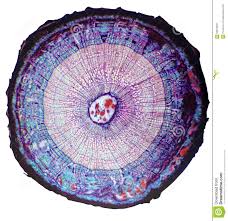
Recall what substance is used to thicken and strengthen xylem walls in woody plants.
Protein
Mineral ions
Lignin
Glucose

Select the correct term for the following definition:
"The nutrient transport system in plants."
Enzyme
Guard cells
Phloem
Proteins
Select which of the following statements are true for phloem.
Bi-directional movement (up and down stem).
Elongated, tubular shape with thin walled sieve tubes.
Transportation of feed and nutrients.
Occupy the centre of the vascular bundle.
Water and mineral transport from roots to aerial parts of the plant.

Recall the main funtion of a phloem cell.
To transport nutrients (mainly sucrose) to different parts of a plant.
To transport water to different parts of a plant.
To make energy for the plant via photosynthesis.
To provide structural support to a plant.

Recall which of the following form part of the phloem.
Sieve-tube elements
Trachieds
Vessels
Companion cells
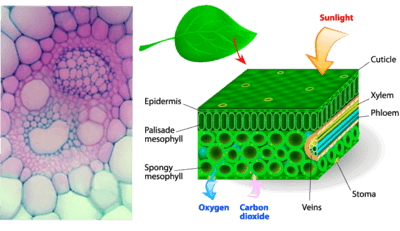
Recall that the movement of food in the phloem is called.
Translocation
Transpiration stream
Evaporation
Respiration
What are the functions of the roots? (Select two answers)
Absorbing Water and Minerals
Attracting Insects
Anchoring the Plant
Performing Photosynthesis
Making Nectar

What is the cell on the right of this image?
A xylem cell
A guard cell
A palisade cell
A root hair cell
Where does water enter the plant?
The stem
The roots
The leaves
The flower
What does the Xylem transport?
Water and Minerals
Glucose
Blood
Chlorophyll
What does the Phloem transport?
Water and Minerals
Glucose
Blood
Chlorophyll
In a plant, water is transported from the roots to the...
Flowers
Seeds
Leaves
Phloem
Why is it good for roots to have a high surface area?
Which is BIDIRECTIONAL? (transports both ways around a plant)
Xylem
Phloem
What is water used for in the leaves of the plant?
Drinking
Respiration
Photosynthesis
Transport
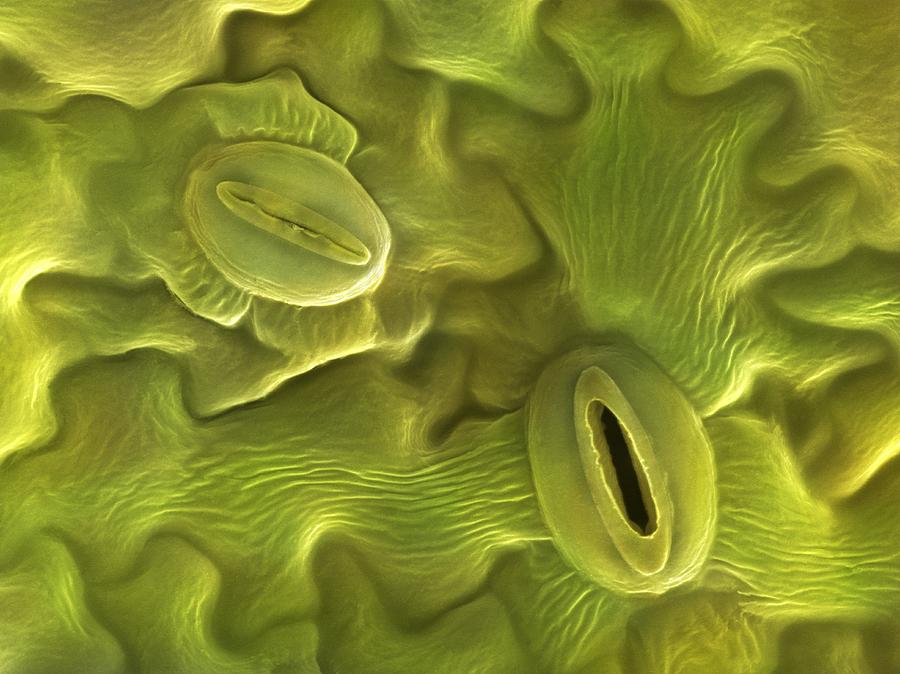
Phloem tubes transport substances..
From the roots to the stem and leaves
From the leaves to the rest of the plant
When photosynthesis takes place during the day, stomata will...
open
close
static
hot
Recall what is dissolved in the water in the xylem.
Glucose
Amino acids
Mineral ions
Starch
Recall the main funtion of a phloem cell.
To transport nutrients (mainly sucrose) to different parts of a plant.
To transport water to different parts of a plant.
To make energy for the plant via photosynthesis.
To provide structural support to a plant.

cell membrane
Where do plants get the energy for photosynthesis to take place?
nutrients in the soil
the sun
chlorophyll
bee pollination

The openings that are found in the leaves of plants are called:
Stomata
Chlorophyll
Xylem
Chloroplast
The process of photosynthesis takes place in the:
Leaves of the Plant.
Stem of the plant.
Roots of the plant.
All of the above.
Photosynthesis uses sunlight to make sugar from water and _______________.
carbon monoxide
oxygen
carbon dioxide
sodium bicarbonate
What could happen if a plant's phloem does not work properly?
Photosynthesis will not take place
The plant might be short of water
The plant might be short of food
The plant will not be able to dissolve minerals
All of the carbon in existence is continually recycled in the carbon cycle.
How is the carbon cycle similar to the water cycle?
Both involve liquid substances falling to the Earth from the atmosphere?
Neither process works at low temperature.
Both involve the transfer of substances between animals, plants, and the Earth.
Both involve the transfer of substances between the earth and outer space.
This reservoir of carbon is made up of the ground and contains soil, rocks, fossil fuels, and other geological formations.
Atmosphere
Biosphere
Hydrosphere
Lithosphere
This reservoir of carbon is the air and gasses that surround the Earth.
Atmosphere
Biosphere
Hydrosphere
Lithosphere
This reservoir of carbon is all the water on Earth including in the clouds, oceans, rivers, streams, and underground water supplies.
Atmosphere
Biosphere
Hydrosphere
Lithosphere
This reservoir of carbon contains all life on Earth.
Atmosphere
Biosphere
Hydrosphere
Lithosphere
Which gas do animals release, that plants depend on for survival?
Carbon dioxide
Oxygen
Sunlight
Water
Which of the following processes does NOT move carbon to the atmosphere?
Animal respiration (Breathing)
Volcanic eruption
Photosynthesis
Burning fossil fuels
Organisms that do not decompose can be buried and become what part of the lithosphere?
water
nutrients
air
fossil fuels
What is a way that carbon can move?
From hydrosphere to the biosphere through drinking water
From lithosphere to hydrosphere through weathering and erosion
From the atmosphere to lithosphere through diffusion
From the atmosphere to the biosphere through respiration (breathing)
How do plants affect the air that animals and people breathe?
Plants use oxygen from the air to make their own food
Plants release pollution into the air
Plants take in carbon dioxide and release oxygen
Plants take in oxygen and release carbon dioxide
Why does cutting down trees increase global warming?
trees soak up carbon dioxide and removing them causes more carbon to stay in the atmosphere
trees provide shade which counteracts global warming
trees absorbs the sun's energy without radiating back into the atmosphere
trees drain greenhouse gases like methane from soil
Why is burning fossil fuels harmful?
they cause cancer
They can get extremely hot
it increases the amount of carbon dioxide in the atmosphere
this would destroy fossils
Subduction and Volcanic eruptions are part of which carbon cycle?
Geological
Biological
Decomposition and Photosynthesis and part of which carbon cycle?
Geological
Biological
Carbon enters the soil through dead plant or animal matter.
Decomposition
Respiration
Photosynthesis
Diffusion
Organic matter, burred over millions of years
Fossil Fuels
Decomposition
Combustion
Subduction
All of the carbon in existence is continually recycled in the carbon cycle.


Which gas do plants release, that humans depend on for survival?
Water
Carbon Dioxide
Oxygen
Sugar
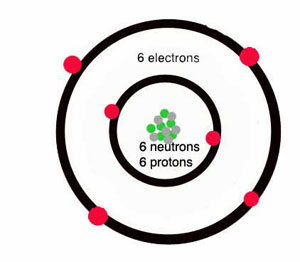
The circulation of the element Carbon among Earth's atmosphere, land, oceans, and organisms is called _____________.
the Carbon Cycle
the Oxygen Cycle
the Carbon dioxide Cycle
the Water Cycle
When animals eat plants, the carbon that the plant contains is absorbed by the animals.
True
False
How do animals get carbon?
By eating plants and or other animals.
They absorb it from the atmosphere.
From the ground
They do not get carbon from anywhere.
What are fossil fuels made from?
Plants and animals that are buried underground for millions of years.
They absorb it from the atmosphere.
Water
Wind
When humans EXHALE, we release __________________.
Oxygen
Carbon Dioxide
Nitrogen
Water
What is CO2?
Carbon Monoxide
Carbon Trioxide
Carbon Dioxide
Oxygen
Which of the following are fossil fuels?
Coal, water, oil
Oxygen, coal, oil
Coal, Oil, Natural Gas
None of the above
How is the carbon cycle similar to the water cycle?
Both involve liquid substances falling to the Earth from the atmosphere?
Neither process works at low temperature.
Both involve the transfer of substances between animals, plants, and the Earth.
Both involve the transfer of substances between the earth and outer space.
What microscopic (tiny) organism absorbs the CO2 at the surface of water?
Algae
Plants
Phytoplankton
Plankton
True or false. Carbon dioxide is a greenhouse gas.
True
False
Is carbon dissolved at the surface of the ocean or in the deep ocean?
Surface
Deep

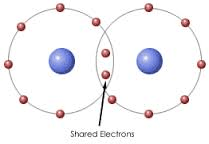
What type of bonding does this picture show?
Ionic
Covalent

What type of bonding does this picture show?
Ionic
Covalent
Valence electrons are shared
Ionic bonds
Covalent bonds
Valence electrons are transferred
Ionic bonds
Covalent bonds
The chemical bond between a non-metal and another non-metal will be a ________ bond.
metal
ionic
covalent
polar
The chemical bond between a metal and a non-metal will be a _____ bond.
metal
ionic
covalent
polar
Carbon and Oxygen will make a ___________ bond.
ionic
covalent
metallic
Sodium and Bromine will make a _____ bond.
ionic
covalent
metallic
MgO
ionic
covalent
metallic
NaCl
ionic
covalent
metallic
CaO
ionic
covalent
metallic
KCl
ionic
covalent
metallic
H2O
ionic
covalent
metallic
C6H12O6
ionic
covalent
metallic
CH4
ionic
covalent
metallic
CO2
ionic
covalent
metallic
NH3
ionic
covalent
metallic
S02
ionic
covalent
metallic
KI
ionic
covalent
metallic
KF
ionic
covalent
metallic
What kind of bond forms when one kind of atom gives electrons to another kind of atom?
Chemical bond
Ionic bond
Covalent bond
Electron bond
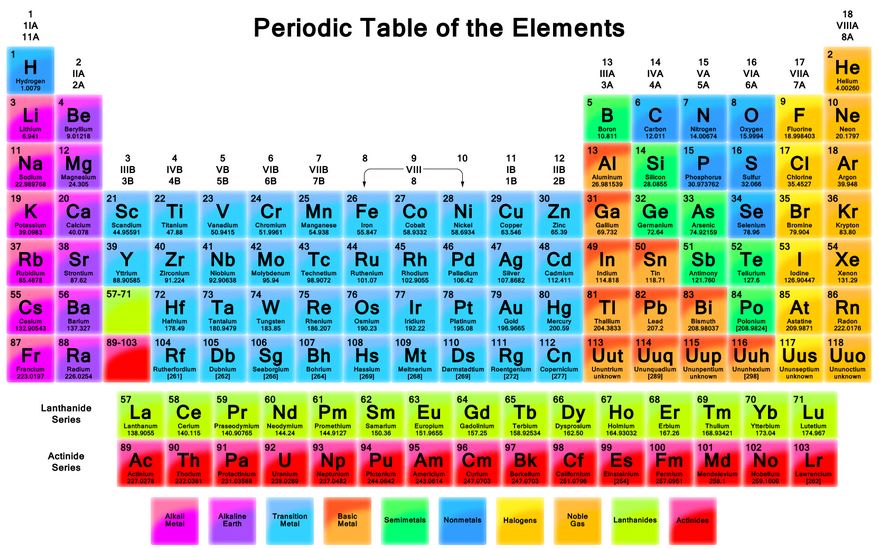
C O
Na Br
K Br
H O
C H
Na Cl
Na F
N H
Ca Cl
H H

Identify the following compound as ionic or covalent: MgO
ionic
covalent
Identify the following compound as ionic or covalent: CF4
ionic
covalent
Identify the following compound as ionic or covalent: SO2
ionic
covalent
Identify the following compound as ionic or covalent: CO
ionic
covalent
Identify the following compound as ionic or covalent: Ca(OH)2
ionic
covalent