
Font size
 Worksheets
Introduction to Market Research
Total questions: 96
Worksheet time: 48mins
What is the definition of market research? Fill in the blank: Systematic gathering and interpretation of information about individuals or organisations using ______ and analytical methods (Malhotra, 2020).
statistical
creative
random
subjective
What is the main purpose of market research?
To inform business decisions, identify opportunities, and mitigate risks through data-driven insights.
To increase the number of employees in a company.
To reduce the quality of products and services.
To avoid using any data in decision-making.

Which company is given as a real-world example of using market research to inform content creation decisions?
Netflix
Coca-Cola
Toyota
Nike
Fill in the blank: ________ involves original data collection through surveys, interviews, and observations. Tesco conducts in-store customer interviews to understand shopping preferences.
Primary Research
Secondary Research
Desk Research
Data Mining
Which type of market research involves the analysis of existing data from published sources? Apple examines industry reports to track technology adoption trends.
Primary Research
Secondary Research
Qualitative Research
Quantitative Research
Fill in the blank: ________ is non-numerical data collection (e.g., focus groups). Unilever uses focus groups to gather product feedback.
Qualitative Research
Quantitative Research
Statistical Analysis
Numerical Survey
Which type of market research is described as numerical data collection (e.g., surveys)? Samsung polls customers about device satisfaction scores.
Primary Research
Secondary Research
Qualitative Research
Quantitative Research
Which data analysis technique summarises data to understand what happened, such as Tesco analysing purchase patterns to identify bestselling products by category?
Descriptive Analysis
Inferential Analysis
Predictive Analysis
Which data analysis technique draws conclusions from samples to make predictions, such as Spotify extrapolating listening habits from user samples?
Descriptive Analysis
Inferential Analysis
Predictive Analysis
Which data analysis technique forecasts future trends based on historical data, such as Amazon's recommendation system predicting purchases based on browsing history?
Descriptive Analysis
Inferential Analysis
Predictive Analysis
What is the main task for the class activity on market research design? Fill in the blank: In small groups, design a ________ for a new vegan restaurant in your city.
market research plan
menu
advertisement
website
Which of the following should be included in your market research plan?
Research objectives
Target audience
Data collection methods
Analysis approach
All of the above
How much time is allocated for planning and group presentations in the class activity? Fill in the blank: ________ minutes for planning, ________ minutes for group presentations.
20 minutes for planning, 10 minutes for group presentations
15 minutes for planning, 15 minutes for group presentations
10 minutes for planning, 20 minutes for group presentations
25 minutes for planning, 5 minutes for group presentations
What is the required deliverable for the class activity on market research design? Fill in the blank: One-page research plan outlining your ________ and expected insights.
approach
budget
timeline
resources

Fill in the blank: Step 1 of Gap Analysis is to ________ (Select specific aspect to evaluate).
Identify Focus Area
Implement Solutions
Measure Results
Develop Action Plan

Fill in the blank: Step 2 of Gap Analysis is to ________.
Analyse Current State
Define Future State
Implement Solutions
Monitor Progress

Fill in the blank: Step 3 of Gap Analysis is to ________ (Ideal future performance).
Define Desired State
Measure Current State
Identify Root Cause
Implement Solutions

Fill in the blank: Step 4 of Gap Analysis is to ________ (Quantify difference between states).
Measure the Gap
Close the Gap
Ignore the Gap
Expand the Gap

Fill in the blank: Step 5 of Gap Analysis is to ________ (Actions to close identified gaps).
Implement Solutions
Identify Stakeholders
Define Objectives
Collect Data
What is Gap Analysis?
The process of comparing actual performance with potential or desired performance
The process of implementing solutions
The process of defining desired state
The process of identifying focus area
Fill in the blank: ________ identifies unserved market needs. Airbnb discovered the gap between hotels and home-stays, creating a new accommodation category.
Market Gap Analysis
Customer Satisfaction Survey
Brand Positioning
Product Life Cycle Analysis
Fill in the blank: ________ compares actual vs expected operational results. Toyota uses this to optimise manufacturing efficiency.
Performance Gap Analysis
Root Cause Analysis
Just-in-Time Inventory
Total Quality Management
Fill in the blank: ________ evaluates product features against user expectations. Apple uses this to inform iPhone feature development.
Product Gap Analysis
Market Segmentation
Agile Sprint Review
Customer Journey Mapping
Fill in the blank: ________ examines the difference between actual and target profits. HSBC employs this to optimise branch performance.
Profit Gap Analysis
Liquidity Ratio Analysis
Market Share Analysis
Cost-Benefit Analysis
Fill in the blank: The first step in conducting a Gap Analysis is to ________. (Hint: Marks & Spencer focused on their online shopping experience.)
Identify the Focus Area
Implement Solutions Immediately
Skip the Analysis Phase
Focus on Marketing Only
Fill in the blank: The second step in conducting a Gap Analysis is to ________. (Hint: Sainsbury's assessed their existing delivery timeframes.)
Analyse Current State
Define Future State
Implement Solutions
Monitor Progress
Fill in the blank: The third step in conducting a Gap Analysis is to ________.
Define Desired State
Collect Data
Implement Solutions
Monitor Progress
Fill in the blank: The fourth step in conducting a Gap Analysis is to ________. (Hint: British Airways calculated the disparity in boarding efficiency.)
Measure the Gap
Implement the Solution
Identify Stakeholders
Develop a Marketing Plan
Fill in the blank: The fifth step in conducting a Gap Analysis is to ________.
Develop Action Plans
Identify Stakeholders
Conduct Market Research
Set Performance Benchmarks
Fill in the blank: The first step in User Needs Analysis is to _________.
Define Research Objectives
Conduct Interviews
Develop Prototypes
Analyze Competitors
Fill in the blank: The second step in User Needs Analysis is to _________.
Select Research Methods
Conduct Interviews
Develop Personas
Analyze Data
Fill in the blank: The third step in User Needs Analysis is to _________.
Collect Data
Define Objectives
Develop Solutions
Implement Feedback
Fill in the blank: The fourth step in User Needs Analysis is to _________.
Analyse Findings
Conduct Interviews
Develop Prototypes
Implement Solutions
Fill in the blank: The fifth step in User Needs Analysis is to _________.
Translate to Requirements
Conduct Market Research
Develop a Prototype
Implement the Solution
User Needs Analysis is the process of identifying and prioritising users' requirements. (Courage and Baxter, 2005).
True
False
Class Activity: Gap Analysis
Select a Brand: Choose a smartphone brand you're familiar with. Which brand have you selected for this activity?
Apple
Nike
Toyota
Coca-Cola
Class Activity: Gap Analysis
Which of the following best describes the process of analysing a brand's current market position and desired future position?
Identifying the current market position and desired future position of the brand
Focusing only on the brand's current market share
Ignoring the brand's future goals
Analyzing only the competitors' positions
Which of the following is a strategy to help a brand reach its desired position?
Develop targeted marketing campaigns
Ignore customer feedback
Reduce product quality
Limit market research

Class Activity: Gap Analysis
Present: Share your analysis with neighbouring peers for feedback. What is the main purpose of presenting your analysis to peers?
To receive feedback and improve your analysis
To complete the assignment faster
To avoid doing individual work
To compete with peers for the best analysis
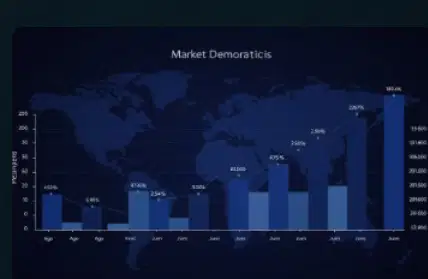
Which type of market segmentation is based on age, gender, income, etc., and is exemplified by L'Oréal creating different product lines for various age groups?
Demographic Segmentation
Geographic Segmentation
Psychographic Segmentation
Behavioural Segmentation
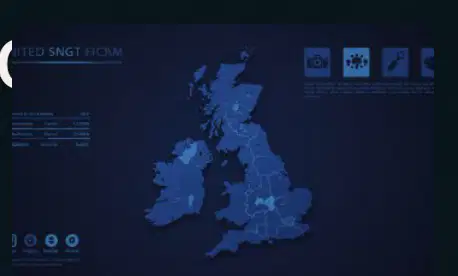
Which type of market segmentation is based on location, where Tesco stock varies by neighbourhood demographics and preferences?
Demographic Segmentation
Geographic Segmentation
Psychographic Segmentation
Behavioural Segmentation
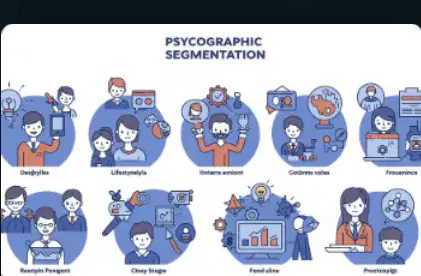
Which type of market segmentation is based on lifestyle, values, and attitudes, and is exemplified by Innocent targeting health-conscious consumers?
Demographic Segmentation
Geographic Segmentation
Psychographic Segmentation
Behavioural Segmentation
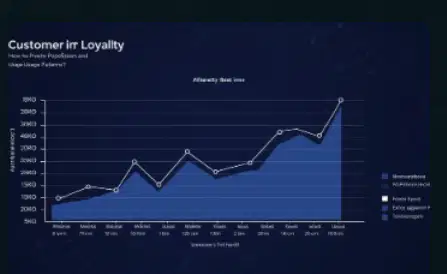
Which type of market segmentation is based on buying patterns and loyalty, where Coca-Cola offers Diet Coke, Coke Zero, etc. for different consumers?
Demographic Segmentation
Geographic Segmentation
Psychographic Segmentation
Behavioural Segmentation
Fill in the blank: ________ involves creating uncontested market space. (Kim and Mauborgne, 2004)
Blue Ocean Strategy
Red Ocean Strategy
Cost Leadership Strategy
Differentiation Strategy
Fill in the blank: ________ is about spotting emerging market trends and patterns.
Trend Analysis
Financial Reporting
Product Design
Customer Service
Fill in the blank: ________ involves identifying gaps in competitors' offerings.
Competitive Analysis
Market Segmentation
Product Placement
Brand Loyalty
Fill in the blank: ________ involves discovering unmet needs and frustrations.
Customer Pain Points
Market Segmentation
Product Pricing
Brand Awareness
Tesla identified an opportunity in the electric vehicle market by addressing which of the following?
Only performance
Only environmental concerns
Both environmental concerns and premium performance/design
Only design
Which of the following is NOT a problem identification technique shown in the image?
Root Cause Analysis
5 Whys
SWOT Analysis
Brainstorming
Fill in the blank: Toyota famously uses the ______ technique to identify root causes of manufacturing issues, repeatedly asking "why" to drill down beyond symptoms to core problems.
5 Whys
Six Sigma
Kaizen
Ishikawa
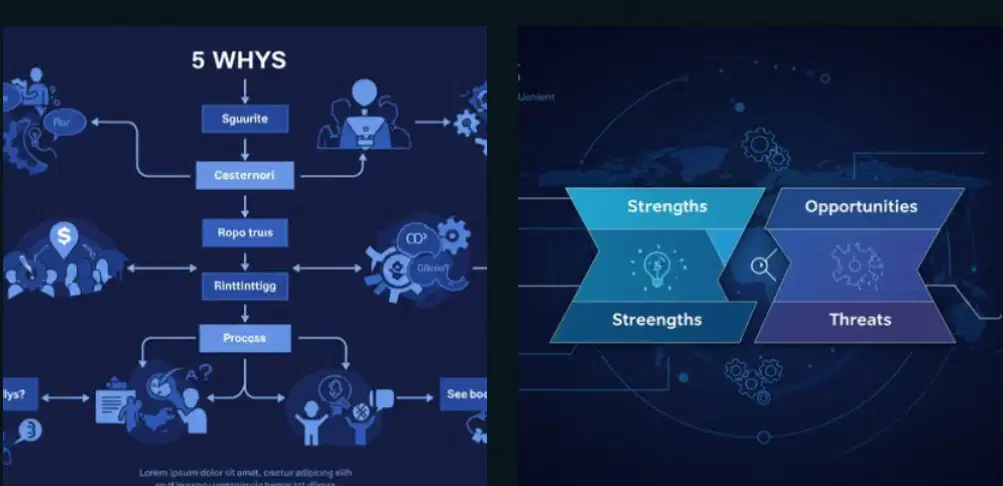
Which technique is used to analyze a company's internal strengths and weaknesses as well as external opportunities and threats?
Root Cause Analysis
5 Whys
SWOT Analysis
Fishbone Diagram
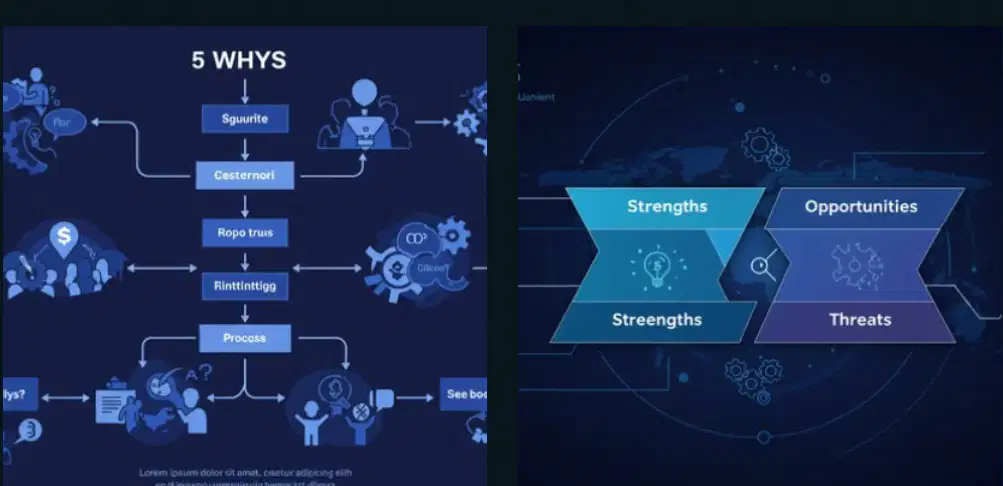
The 5 Whys technique is used to repeatedly ask 'why' in order to identify the root cause of a problem.
True
False
What is an example of a Market Size & Growth criterion in opportunity evaluation?
Total addressable market of £500M+
Number of employees in the company
Average age of the management team
Office location in a major city
Which company entered digital banking during rapid growth as an example of Market Size & Growth?
Monzo
Revolut
N26
Chime
What is an example of a Competitive Landscape criterion in opportunity evaluation?
Few established competitors or differentiation opportunity
High initial capital requirement
Strict government regulations unrelated to competition
Rapidly declining market demand
Which company entered the craft beer market with distinct branding as an example of Competitive Landscape?
Brewdog
Heineken
Coca-Cola
Pepsi
What is an example of a Company Fit criterion in opportunity evaluation?
Aligns with core competencies and resources
Maximizes short-term profits regardless of company strengths
Focuses solely on market trends without considering internal capabilities
Prioritizes opportunities outside the company's industry expertise
Which company leveraged engineering expertise for air purifiers as an example of Company Fit?
Dyson
Samsung
Philips
Panasonic
What is an example of Profitability Potential in opportunity evaluation?
Gross margin >40%, breakeven <2 years
High employee turnover, low customer retention
Low market demand, high production costs
Negative cash flow, increasing liabilities
Which company's vegan sausage roll delivered strong profits as an example of Profitability Potential?
Greggs
Subway
Pret a Manger
Costa Coffee
What is an example of Barriers to Entry in opportunity evaluation?
Defensible IP, network effects, economies of scale
Low customer demand, high competition, limited resources
Flexible pricing, easy market access, low regulation
Short product lifecycle, high employee turnover, low brand loyalty
Which company's chip architecture creates a licensing moat as an example of Barriers to Entry?
ARM
Intel
Qualcomm
NVIDIA
Class Activity: Problem-Opportunity Mapping
Step 1: Select an Industry
Which industry have you selected as your focus sector?
Education
Finance
Hospitality
Agriculture
Which of the following is a significant challenge currently facing your chosen industry?
Significant challenges such as technological disruption, regulatory changes, and workforce shortages.
Unlimited resources and no competition.
Complete market stability and no innovation required.
Absence of any regulatory or technological changes.

Class Activity: Problem-Opportunity Mapping
Step 3: What should you do for each problem in this step?
Identify a potential business opportunity that could arise
Ignore the problem and move on
List unrelated solutions
Repeat the problem statement
Class Activity: Problem-Opportunity Mapping
Step 4: What should you do after identifying opportunities?
Develop one technology-enabled solution for each opportunity identified.
Ignore the opportunities and move to the next step.
List the problems again for review.
Create a marketing plan for each problem.
Fill in the blank: The problem identified in the Uber case study was inefficiencies in traditional taxi services, high costs, and __________ availability.
inconsistent
abundant
predictable
guaranteed
What was the focus of market research in the Uber case study?
Pricing strategies
Urban transportation needs assessment and pain points analysis
Marketing campaigns
Driver recruitment
Fill in the blank: Gap analysis in the Uber case study identified gaps in convenience, reliability, and __________ in the transport market.
pricing
technology
branding
location
What solution did Uber develop according to the case study?
Traditional taxi service
App-based ride-hailing service with transparent pricing and tracking
Car rental service
Bike-sharing platform
Fill in the blank: Uber disrupted the market by creating a revolutionary platform connecting drivers and riders, transforming __________ mobility.
urban
rural
digital
global
What is the definition of data-driven decision making?
Using factual evidence gathered through research and analysis to inform business decisions (Provost and Fawcett, 2013).
Making decisions based solely on intuition and personal experience.
Relying on opinions from senior management without supporting data.
Choosing actions based on industry rumors and hearsay.
Which of the following is a benefit of data-driven decision making?
Reduced decision risk
Increased decision risk
Decreased operational efficiency
None of the above
Which of the following is a benefit of data-driven decision making?
Improved operational efficiency
Reduced operational efficiency
Increased costs
None of the above
Which of the following is a benefit of data-driven decision making?
Sustainable competitive advantage
Reduced competitive advantage
Increased risk
None of the above
Which of the following is a benefit of data-driven decision making?
Better resource allocation
Worse resource allocation
Increased waste
None of the above
Which of the following is a challenge of data-driven decision making?
Ensuring data quality
Ignoring data quality
Reducing data quality
None of the above
Which of the following is a challenge of data-driven decision making?
Avoiding analysis paralysis
Encouraging analysis paralysis
Ignoring analysis
None of the above
Which of the following is a challenge of data-driven decision making?
Addressing ethical considerations
Ignoring ethical considerations
Reducing ethical standards
None of the above
Which of the following is a challenge of data-driven decision making?
Building analytical capability
Reducing analytical capability
Ignoring analytics
None of the above
How does Sainsbury's leverage Nectar card data?
Sainsbury's leverages Nectar card data to personalise offers, resulting in higher redemption rates and customer satisfaction.
Sainsbury's uses Nectar card data solely for inventory management purposes.
Sainsbury's leverages Nectar card data to increase product prices for loyal customers.
Sainsbury's uses Nectar card data only to track employee performance.
Fill in the blank: Participants must understand what data is collected and how it will be used. The Guardian obtains explicit _______ for reader surveys.
consent
permission
feedback
information
Fill in the blank: Personal information must be secured and used responsibly. Facebook's data privacy scandals led to policy reforms and _______ compliance.
GDPR
HIPAA
FERPA
PCI DSS
Fill in the blank: Research methods must be transparent and honest. Tesco clearly states how Clubcard data influences _______ marketing.
personalised
seasonal
random
traditional
Fill in the blank: Research must respect cultural differences. HSBC adapts research approaches across global markets to respect local _______.
customs
currencies
languages
climates
What percentage of top enterprises are investing in AI for customer insights? (Gartner, 2023)
91%
65%
78%
54%
What is the average daily data processing by large retailers for customer analysis?
10TB
67TB
100TB
5TB
What percentage of companies are using virtual reality for product testing annually?
43%
15%
67%
28%
What is the projected UK market research industry value by 2025?
£10B
£28B
£50B
£5B
Which company leverages AI in consumer behaviour prediction, analysing search patterns to forecast trends months before they become mainstream?
Coca-Cola
Nike
Sony
Who are the authors of 'Understanding your users'?
Courage, C. and Baxter, K.
Kim, W.C. and Mauborgne, R.
Kotler, P. and Keller, K.L.
Provost, F. and Fawcett, T.
Which book was published by Harvard Business Review in 2004?
Blue ocean strategy
Marketing management
Data science for business
Understanding your users
Who are the authors of 'Marketing management'?
Kotler, P. and Keller, K.L.
Malhotra, N.K.
Parasuraman, A., Zeithaml, V.A. and Berry, L.L.
Courage, C. and Baxter, K.
Which reference is authored by Malhotra, N.K.?
Marketing research: An applied orientation
Data science for business
Blue ocean strategy
Understanding your users
Which journal published the article 'A conceptual model of service quality and its implications for future research'?
Journal of Marketing
Harvard Business Review
O'Reilly Media
Pearson
Who are the authors of 'Data science for business'?
Provost, F. and Fawcett, T.
Kotler, P. and Keller, K.L.
Malhotra, N.K.
Courage, C. and Baxter, K.

