
 Worksheets
Week 13: Feasibility Study & Risk Assessment week 13 MAY25C
Total questions: 87
Worksheet time: 44mins
Based on the introduction, the main topics that will be covered in Week 13's lecture on Feasibility Study & Risk Assessment are:
Feasibility Study and Risk Assessment
Marketing Strategies and Sales Techniques
Software Development Life Cycle and Testing
Financial Accounting and Auditing
What is the definition of a feasibility study? Fill in the blank: A feasibility study is a comprehensive analysis conducted to determine if a project or business venture is ______ and worth pursuing.
viable
expensive
obsolete
illegal
Which of the following is NOT a key component of a feasibility study?
Market feasibility
Technical feasibility
Financial feasibility
Artistic feasibility
Organisational feasibility
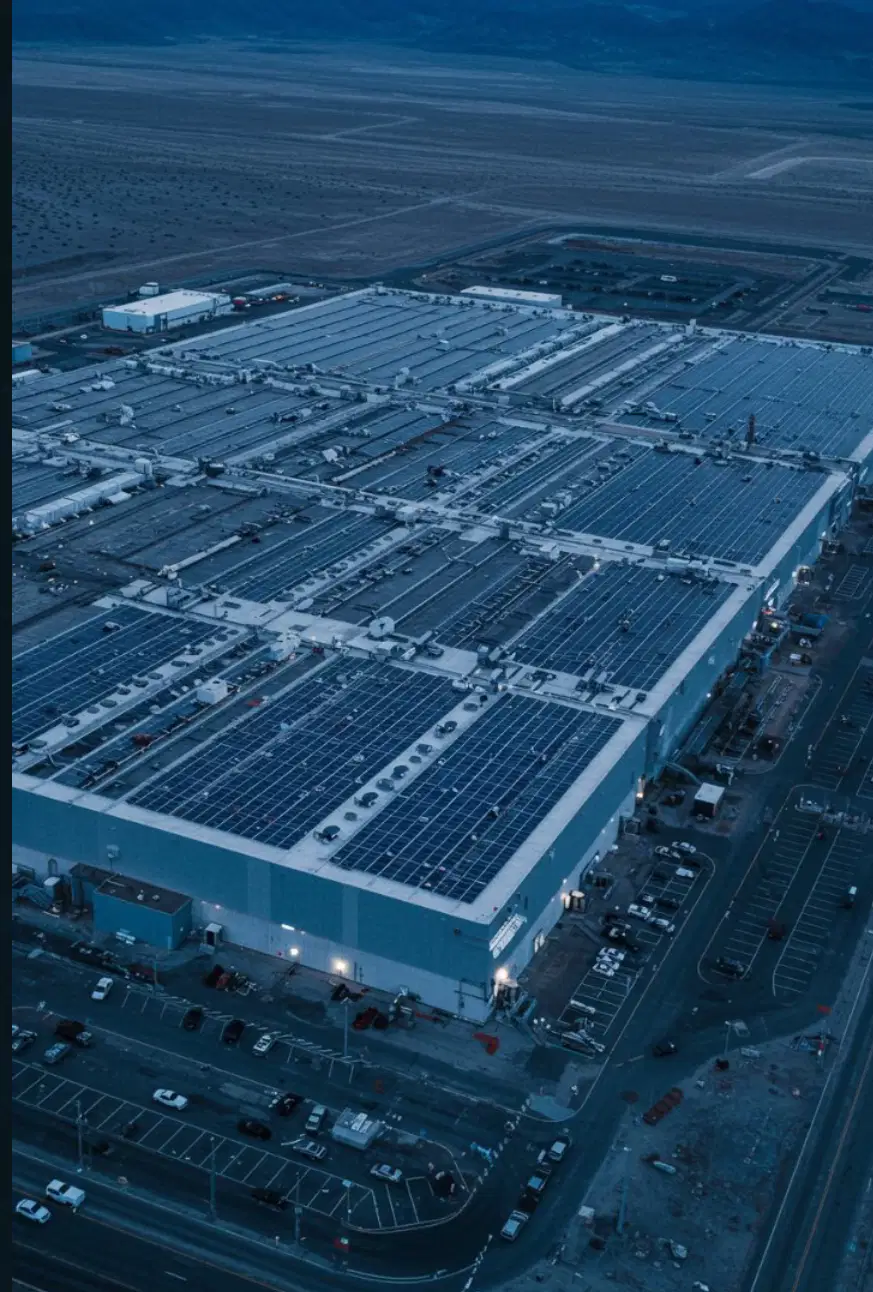
According to the real-world example, which company conducted an extensive feasibility study for its Gigafactory to identify optimal locations and resource requirements?
Tesla
Apple
Amazon
Toyota
Fill in the blank: ________ Feasibility evaluates market conditions, customer demand, and competitive landscape to determine if there's a viable market.
Market
Technical
Financial
Operational
Fill in the blank: ________ Feasibility confirms the project complies with relevant laws, regulations, and contractual obligations.
Legal
Technical
Operational
Economic
Fill in the blank: ________ Feasibility assesses whether the necessary technology, expertise and resources are available to execute the project.
Technical
Economic
Operational
Legal
Fill in the blank: ________ Feasibility examines project costs, revenue projections, and funding sources to determine financial viability.
Financial
Technical
Operational
Legal
Fill in the blank: ________ Feasibility evaluates if the organisation has the structure, culture, and capabilities to support the project.
Organisational
Technical
Economic
Legal
Fill in the blank: One of the benefits of feasibility is ________, which identifies potential obstacles and challenges before significant resources are committed.
Risk Mitigation
Resource Allocation
Market Expansion
Revenue Generation
Fill in the blank: ________ helps allocate financial, human, and technical resources more efficiently as a benefit of feasibility.
Resource Optimisation
Market Expansion
Risk Ignorance
Cost Escalation
Fill in the blank: Informed Decision-Making as a benefit of feasibility provides ________ insights for go/no-go decisions.
data-driven
random
subjective
uninformed
Fill in the blank: Stakeholder Alignment creates a shared understanding of ________ among all stakeholders as a benefit of feasibility.
project parameters
financial risks
marketing strategies
technical jargon
Which company's feasibility study for entering the Chinese market revealed unique regulatory challenges and cultural preferences?
Uber
Airbnb
Booking.com
Expedia
What is the first step in the Mini Feasibility Study class activity?
Conduct a market analysis
Form groups of 4-5 students and select a hypothetical product idea
Present findings to the class
Reflect on challenges encountered
What type of assessments are conducted during the Rapid Analysis step?
Only financial assessments
Only technical assessments
Market, technical, and financial feasibility assessments
Only market assessments
During the Presentation step, what is each group required to do?
Write a report
Share key findings in a 2-minute presentation
Form new groups
Conduct a survey
What is the main focus of the Discussion step in the Mini Feasibility Study class activity?
Select a product idea
Conduct technical assessments
Reflect on challenges encountered and insights gained during the exercise
Present findings
What is the definition of risk assessment? Fill in the blank: Risk assessment is a systematic process of identifying potential hazards and evaluating associated risks to determine appropriate ________ measures.
control
financial
marketing
decorative
Which of the following is NOT a type of risk mentioned in the introduction to risk assessment?
A) Strategic risks
B) Operational risks
C) Financial risks
D) Environmental risks
Select any two types of risks mentioned in the introduction to risk assessment.
Physical and chemical risks
Financial and emotional risks
Technological and social risks
Legal and ethical risks
Fill in the blank: Risk assessment forms the backbone of effective project management and business planning by allowing organisations to ________ problems.
anticipate
ignore
create
delay
Risk assessment is only important for financial planning.
True
False
Which step in the Risk Assessment Process involves systematically identifying potential risks that could affect project objectives using techniques like brainstorming and checklists?
Risk Identification
Risk Analysis
Risk Monitoring
Risk Response Planning
Which step in the Risk Assessment Process is described as: 'Determine the probability and potential impact of each identified risk using qualitative and quantitative methods.'?
Risk Analysis
Risk Identification
Risk Monitoring
Risk Communication
Which step in the Risk Assessment Process involves comparing risk levels against established criteria to determine which risks require treatment?
Risk Evaluation
Risk Identification
Risk Communication
Risk Monitoring
Which step in the Risk Assessment Process is about developing strategies to address significant risks through avoidance, mitigation, transfer, or acceptance?
Risk Treatment
Risk Identification
Risk Analysis
Risk Monitoring
Which step in the Risk Assessment Process involves continuously tracking risks and the effectiveness of treatment strategies, adjusting as necessary?
Monitoring and Review
Risk Identification
Risk Analysis
Risk Evaluation
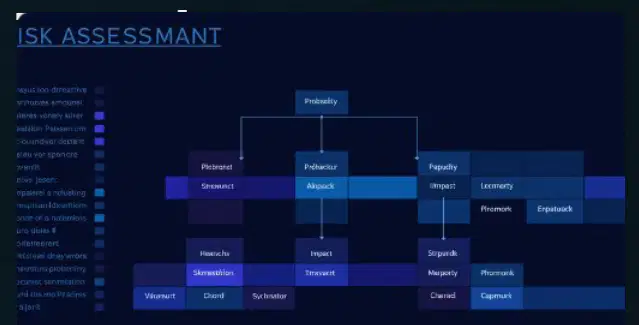
What is a Risk Matrix?
A) A tool that identifies potential causes of system failures
B) A visual tool that plots risks based on probability and impact, helping prioritise response strategies
C) A method showing paths from hazards to consequences with preventive and mitigative controls
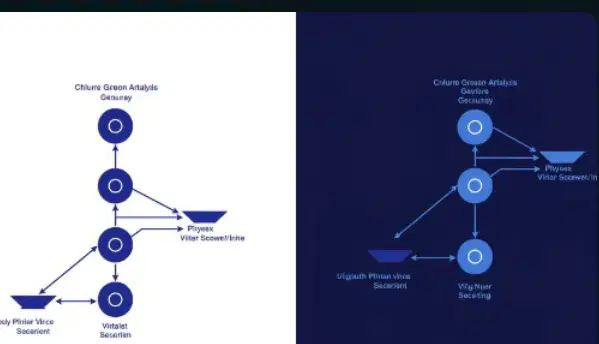
What does Fault Tree Analysis do?
Plots risks based on probability and impact
Identifies potential causes of system failures using top-down deductive analysis
Shows paths from hazards to consequences
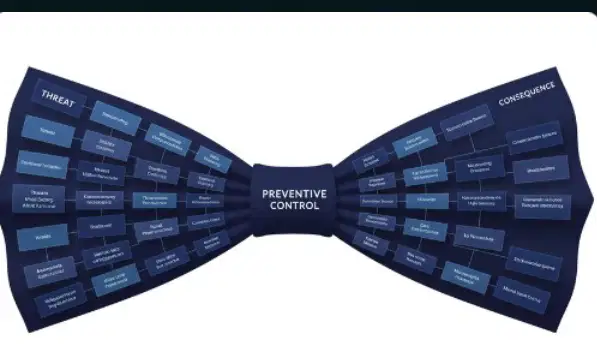
Bow-Tie Analysis is a visual method showing paths from hazards to consequences with _______ and mitigative controls.
preventive
reactive
passive
corrective
BP's inadequate risk assessment contributed to the _______ disaster, highlighting the importance of thorough analysis (Bozeman, 2018).
Deepwater Horizon
Exxon Valdez
Chernobyl
Three Mile Island
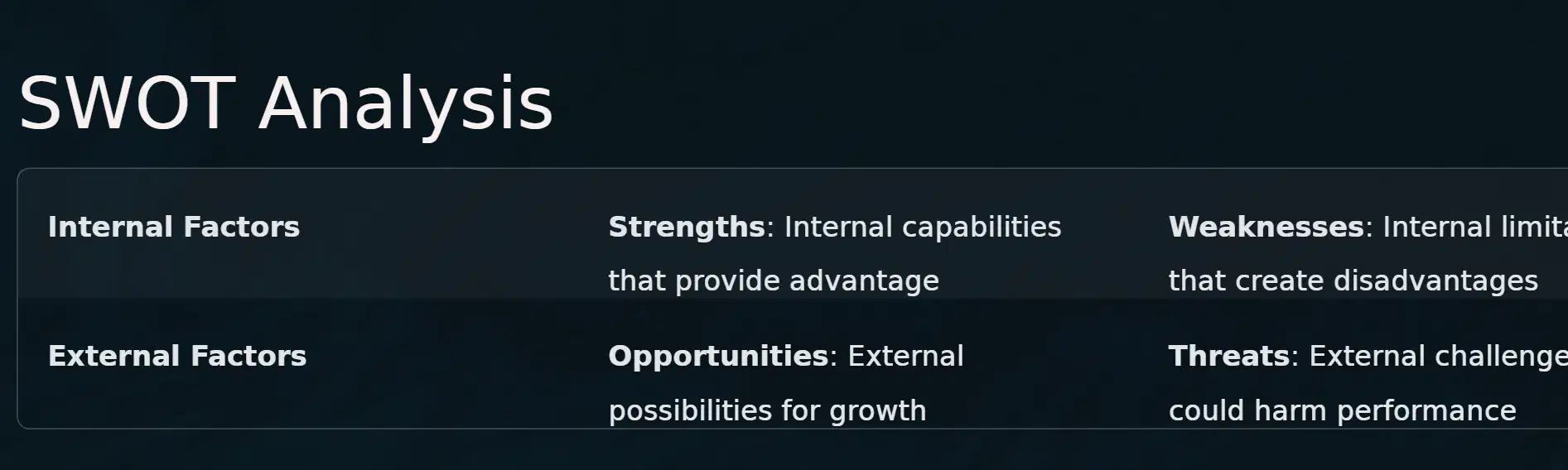
Fill in the blank: In a SWOT analysis, Strengths are internal capabilities that provide ________.
advantage
risk
weakness
threat
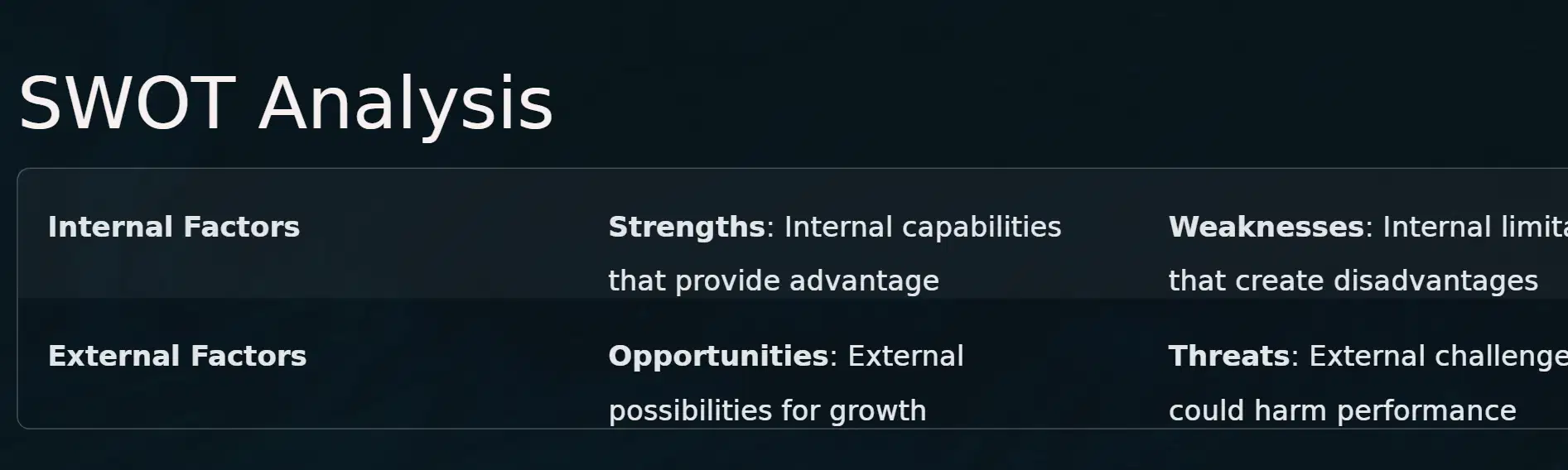
Fill in the blank: In a SWOT analysis, Weaknesses are internal limitations that create ________.
disadvantages
opportunities
strengths
advantages
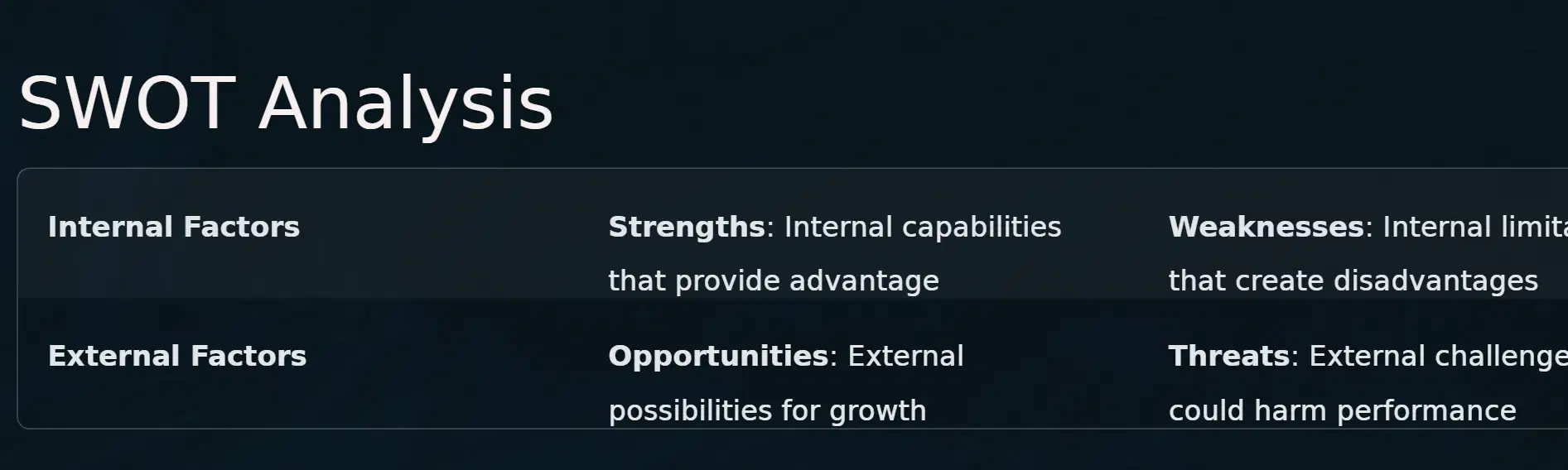
Fill in the blank: In a SWOT analysis, Opportunities are external possibilities for ________.
growth
conflict
decline
regulation

Fill in the blank: In a SWOT analysis, Threats are external challenges that could harm ________.
performance
opportunities
strengths
resources
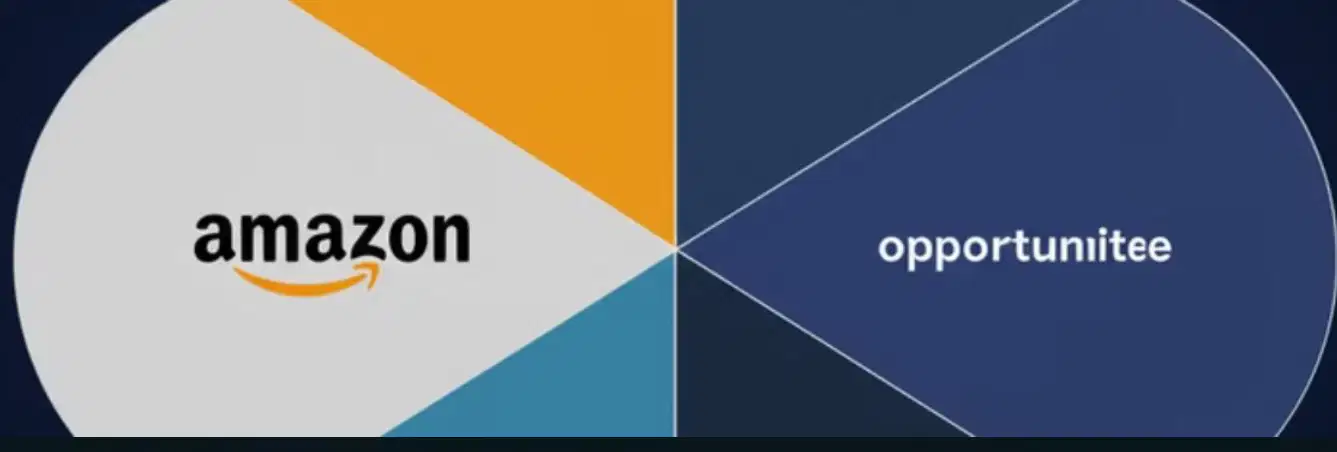
According to the image, what does Amazon's SWOT analysis reveal?
Strengths in logistics infrastructure and weaknesses in physical retail presence
Weaknesses in logistics infrastructure and strengths in physical retail presence
Only strengths in logistics infrastructure
Only weaknesses in physical retail presence
The first step in the class activity for SWOT analysis is:
Identifying strengths and weaknesses
Creating a marketing plan
Analyzing competitors' products
Developing a financial forecast
Groups are required to do what in the second step of the SWOT analysis activity?
Identify and list the weaknesses of the organization.
Develop an action plan for opportunities.
Summarize the strengths and threats.
Assign roles to each group member.
The purpose of the third step in the SWOT analysis activity is:
To identify opportunities and threats.
To summarize the findings.
To implement the action plan.
To evaluate the strengths and weaknesses.
The fourth step of the SWOT analysis activity involves which of the following actions?
Identifying opportunities and threats
Analyzing strengths and weaknesses
Developing strategies based on the analysis
Collecting data about the organization

Which factor in PESTLE Analysis includes government policies, stability, and regulations?
Political
Economic
Technological
Legal

Which factor in PESTLE Analysis includes inflation, interest rates, and economic growth?
Economic
Political
Legal
Technological
Which factor in PESTLE Analysis includes demographics, cultural trends, and consumer attitudes?
Social
Technological
Legal
Environmental

Which factor in PESTLE Analysis includes innovation, R&D, and automation?
Technological
Political
Legal
Environmental
Which factor in PESTLE Analysis includes employment law, consumer protection, and health & safety?
Legal
Technological
Environmental
Political

Which factor in PESTLE Analysis includes climate change, sustainability, and pollution?
Environmental
Political
Technological
Legal
What is the first step in applying PESTLE analysis? Fill in the blank: The first step is _________.
Factor Identification
Data Collection
Strategy Implementation
Performance Review
What does the Impact Analysis step involve in PESTLE analysis? Fill in the blank: Impact Analysis involves determining how each factor could affect your organisation ________ or ________.
positively; negatively
quickly; slowly
internally; externally
financially; emotionally
What is the main goal of Strategic Planning in PESTLE analysis? Fill in the blank: The main goal is to develop strategies to address ________ and capitalise on ________ identified.
challenges; opportunities
opportunities; challenges
strengths; weaknesses
threats; strengths
Step 4: What should be done regularly according to the PESTLE analysis process? Fill in the blank: Continuously monitor changes in the ________ environment and update analysis accordingly.
external
internal
personal
financial
According to the image, which company's global expansion strategy relied heavily on PESTLE analysis?
Amazon
Netflix
Apple
Fill in the blank: The first step in Technical Viability Assessment is ________, which involves identifying technical needs.
Requirements Analysis
Implementation Planning
System Testing
Deployment
Fill in the blank: The second step in Technical Viability Assessment is ________, which involves assessing available technology.
Resource Evaluation
Market Analysis
Financial Planning
Risk Assessment
Fill in the blank: The third step in Technical Viability Assessment is ________, which involves evaluating technical expertise.
Capability Assessment
Market Analysis
Risk Evaluation
Financial Review
Fill in the blank: The fourth step in Technical Viability Assessment is ________, which involves creating and testing proof of concept.
Prototype Development
Market Analysis
Risk Assessment
Resource Allocation
Which company required extensive prototype testing and engineering analysis for reusable rockets, according to Musk (2017)?
Blue Origin
SpaceX
NASA
Boeing
What does ROI stand for in financial viability assessment?
Return on Investment
Rate of Interest
Revenue on Income
Ratio of Investment
What is the sum of present values of all cash flows, both positive and negative, called?
Net Present Value (NPV)
Internal Rate of Return (IRR)
Payback Period
Future Value (FV)
What is the discount rate that makes the NPV of all cash flows equal to zero called?
Internal Rate of Return (IRR)
Net Present Value (NPV)
Payback Period
Profitability Index
How long is the payback period mentioned in the financial viability assessment for UberEats?
2.5 years
1 year
4 years
6 months

Calculate the Net Present Value (NPV) for both Project A and Project B using the provided cash flows and a discount rate of 10%. What are the NPVs for the two projects?
Project A: $5,000; Project B: $3,500
Project A: $2,000; Project B: $1,500
Project A: $4,000; Project B: $2,500
Project A: $3,000; Project B: $2,000
The Internal Rate of Return (IRR) for Project A is 12% and for Project B is 15%. What are the IRRs for both projects?
Project A: 12%, Project B: 15%
Project A: 10%, Project B: 18%
Project A: 14%, Project B: 13%
Project A: 16%, Project B: 11%
Based on your NPV and IRR calculations for Project A and Project B, which project would you recommend for investment? Justify your answer.
Project A, because it has a higher NPV and IRR.
Project B, because it has a lower NPV and IRR.
Project A, because it has a lower NPV and IRR.
Project B, because it has a higher NPV and IRR.
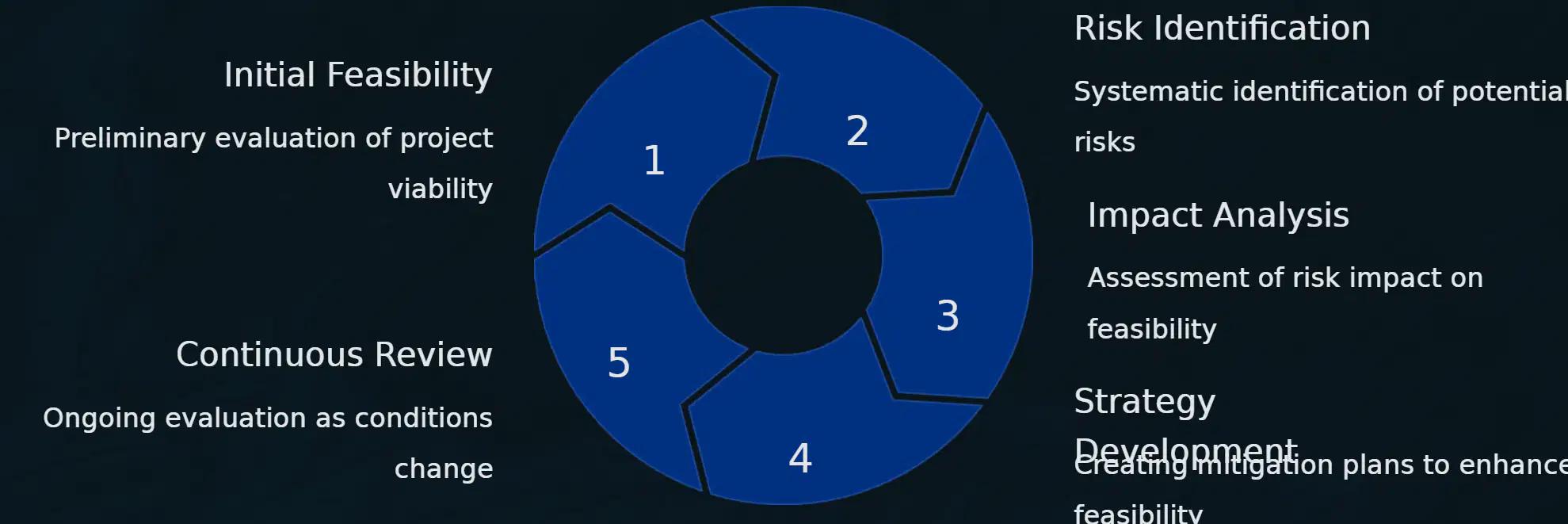
Fill in the blank: The preliminary evaluation of project viability is known as _________?
Initial Feasibility
Final Review
Project Execution
Risk Assessment

Fill in the blank: Systematic identification of potential risks is referred to as _________.
Risk Identification
Risk Avoidance
Risk Transfer
Risk Acceptance
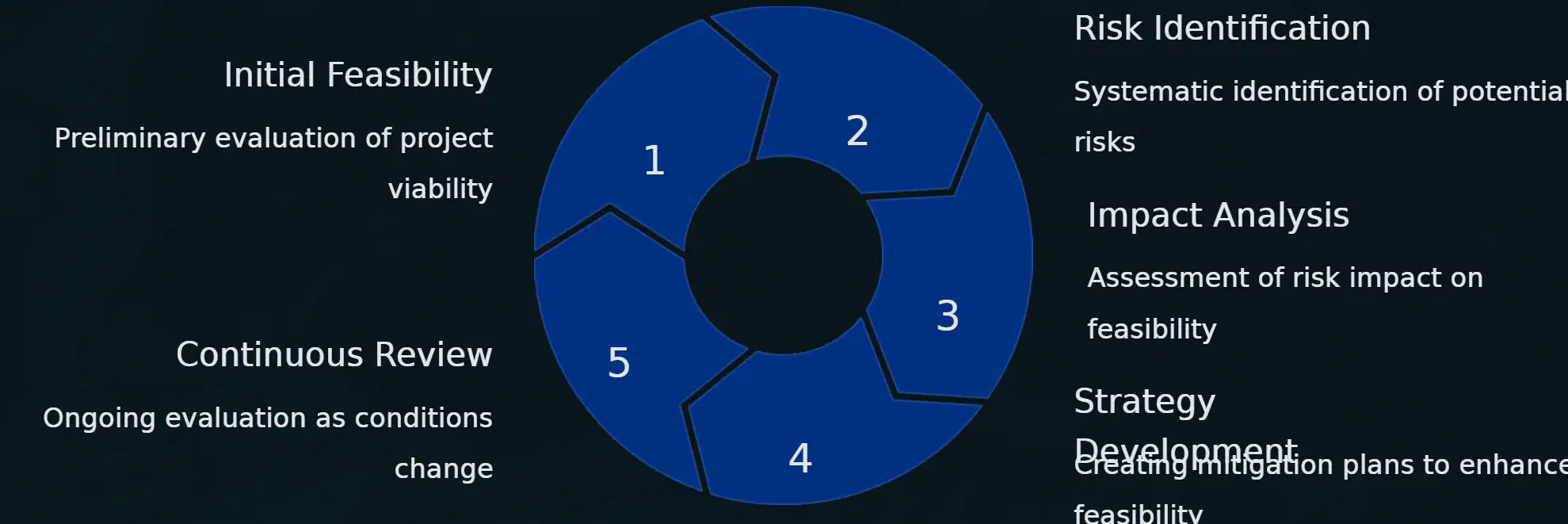
Fill in the blank: Assessment of risk impact on feasibility is called _________
Impact Analysis
Risk Avoidance
Cost Estimation
Schedule Planning
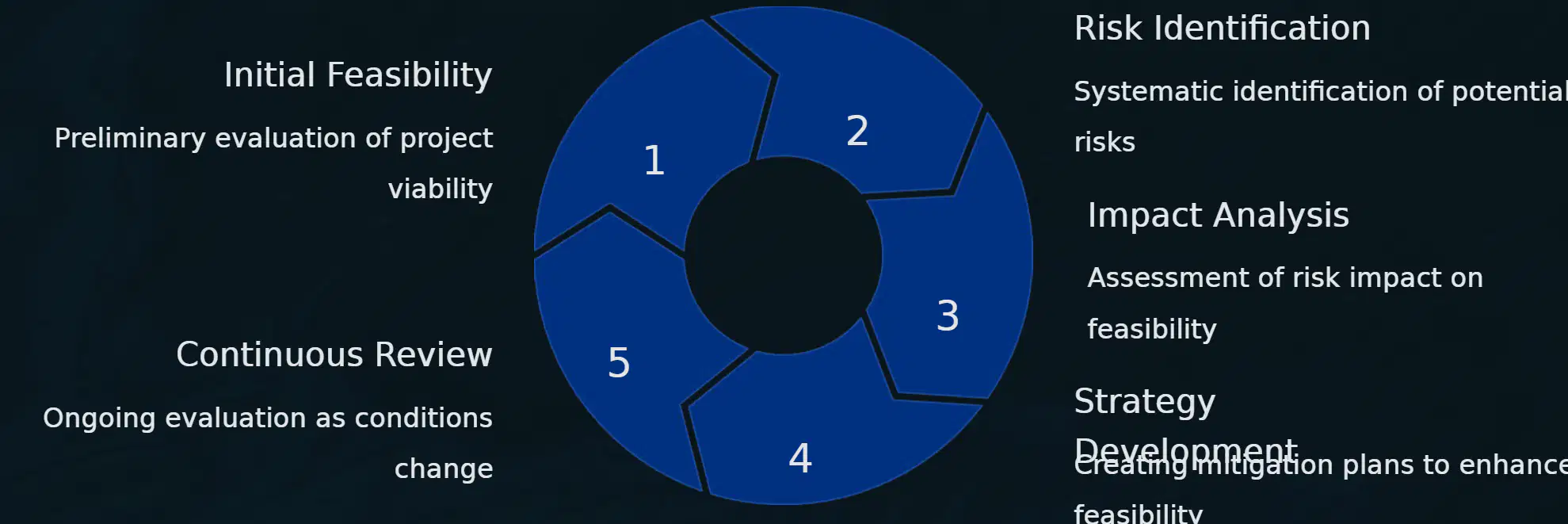
Fill in the blank: Creating mitigation plans to enhance feasibility is part of _________
Strategy Development
Risk Avoidance
Resource Allocation
Performance Evaluation

Fill in the blank: Ongoing evaluation as conditions change is known as _________?
Continuous Review
Periodic Assessment
Static Analysis
Final Audit
Disney's acquisition of 21st Century Fox demonstrated which integrated approach, with extensive risk assessment informing feasibility studies?
Strategic management
Operational management
Financial restructuring
Human resource planning
What is the term for the tendency to overestimate benefits and underestimate costs, risks, and completion times in feasibility studies?
Overoptimism Bias
Anchoring Effect
Confirmation Bias
Sunk Cost Fallacy
Relying on insufficient or poor-quality data leads to flawed analyses and conclusions. What is this common pitfall called in feasibility studies?
Inadequate Data Collection
Overgeneralization
Confirmation Bias
Excessive Detailing
Failing to consider market conditions, competitive responses, or regulatory responses is an example of which pitfall in feasibility studies?
Neglecting External Factors
Overestimating Internal Capabilities
Ignoring Financial Projections
Misjudging Team Competence
Not considering alternative approaches or scenarios that might yield better outcomes is known as what in feasibility studies?
Tunnel Vision
Comprehensive Analysis
Risk Assessment
Scenario Planning
Fill in the blank: To ensure accuracy and reliability of assessments, it is best to triangulate information from various ________.
sources
colors
numbers
seasons
Which best practice involves including perspectives from different departments and expertise areas to identify blind spots?
Use Multiple Data Sources
Involve Diverse Stakeholders
Conduct Regular Reviews
Perform Scenario Planning
Fill in the blank: Treat feasibility studies and risk assessments as living documents that ________ over time.
evolve
disappear
remain static
degrade
Which best practice involves developing best-case, worst-case, and most-likely scenarios to test the robustness of plans?
Use Multiple Data Sources
Involve Diverse Stakeholders
Conduct Regular Reviews
Perform Scenario Planning
According to the passage, whose project management practices include rigorous feasibility studies with multiple stakeholder inputs?
Google's
Apple's
Microsoft's
Amazon's
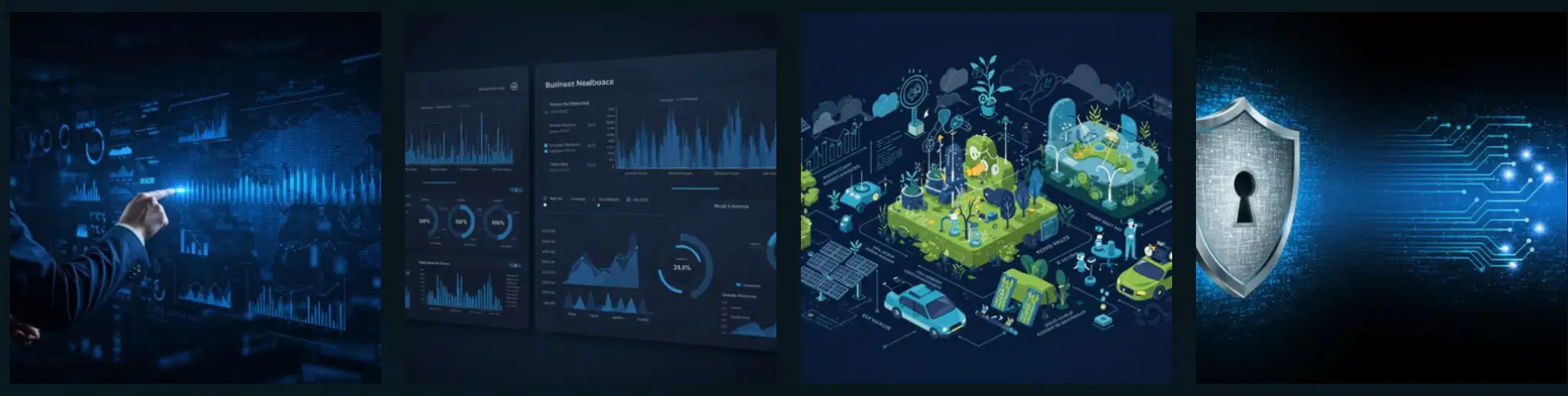
According to the slide, what do Microsoft's AI-driven risk assessment tools demonstrate?
How traditional methods are superior to advanced technologies
How advanced technologies can improve prediction accuracy and response times
That risk assessment is unnecessary in modern business
That manual processes are faster than automated ones
Feasibility studies involve comprehensive project viability analysis.
True
False
Which of the following is NOT a type of feasibility study mentioned?
Market
Technical
Financial
Legal
Risk assessment is a systematic process for evaluating potential ________.
risks
benefits
profits
resources
Which of the following is a tool used in risk assessment?
SWOT
PESTLE
Bow-tie analysis
Market analysis
Analysis frameworks include SWOT, which focuses on internal and external factors.
True
False
PESTLE analysis is used to evaluate ________ factors.
macro-environmental
internal
personal
micro-environmental
Technical and financial viability metrics are part of which analysis step?
Feasibility Studies
Risk Assessment
Analysis Frameworks
References

