
 Worksheets
WI & WO Quiz
Total questions: 29
Worksheet time: 15mins

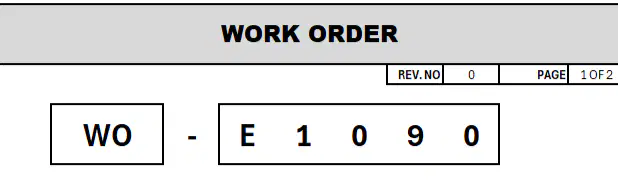
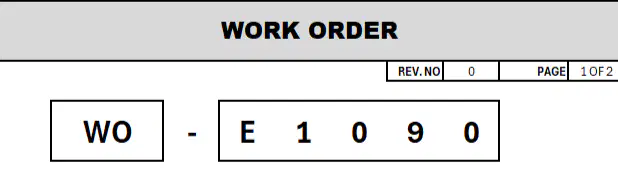
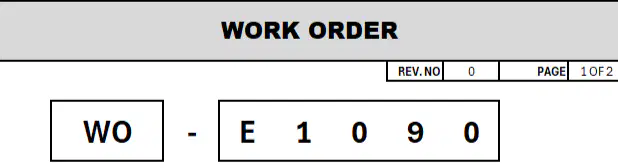
What is a work order?
It is for employee scheduling only
It is for machine information
It is a safety inspection report
It is a financial budget document

When do you need to issue a work order?
When a new machine needs assembly
When employees go on lunch break
When the warehouse is cleaned
When invoices are processed

What do you need to take note on the work order?
Check the weather forecast for the day
Check employee personal phone numbers
Check which station and which machine you are in charge of
Check the cafeteria menu

What do you need to do when you receive the work order?
Call your family immediately
Plan your schedule
Go home for the day
Order office supplies
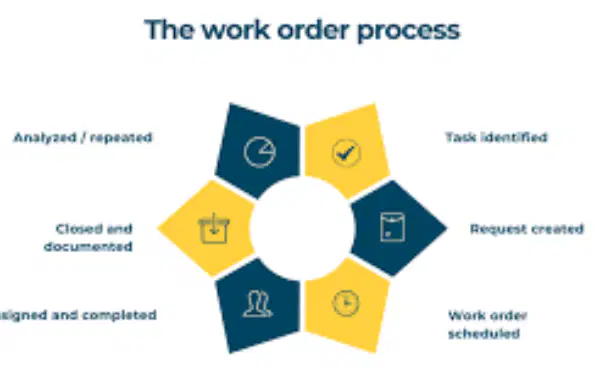
What is a machine number registry form?
Register employee birthdays
Register company holiday dates
Register supplier contact information
Register serial number of the machine
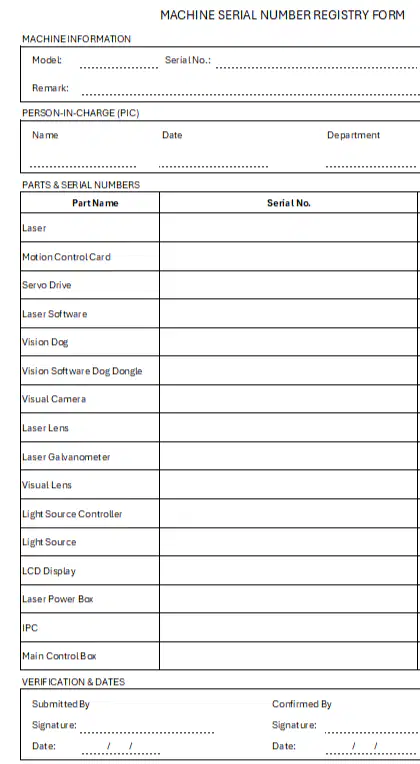
What is the machine number registry form for?
To record daily weather conditions
To record customer complaints
To record the machine serial number for traceability
To record employee vacation days
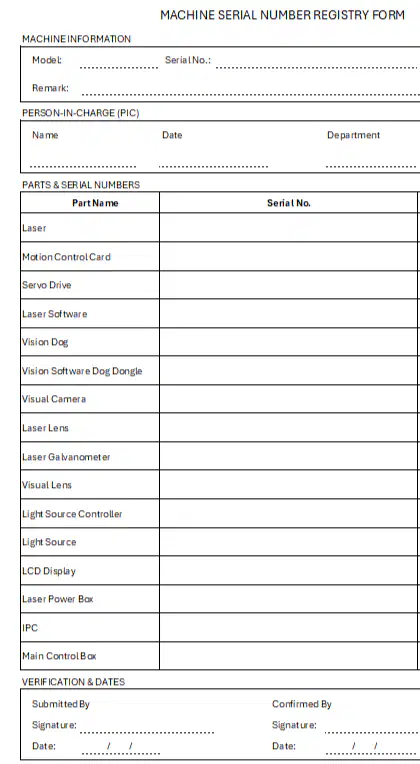
When do we need to fill up the machine registry form?
When employees finish their shift
When the building electricity is turned on
When lunch orders are placed
When machine arrived at the warehouse

What is a working instruction?
A document that provides step-by-step procedures for performing specific tasks
A list of employee personal hobbies
A financial report for management
A collection of safety warnings only

When is it required to use the working instruction?
When taking lunch breaks
When parking your car
When assembling the machine
When updating your resume

Why is it important to have the working instruction before assembling the machine?
To ensure proper assembly sequence and avoid errors
To check employee attendance records
To verify cafeteria operating hours
To confirm weekend holiday schedules

Who is authorized to create a work order?
Cafeteria staff
Cleaner
Security guard
Supervisor, engineer or production manager
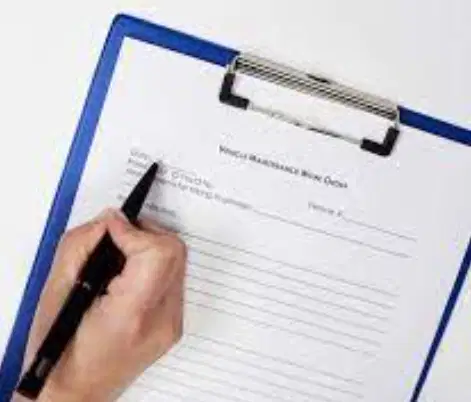
What information should NOT be included in a work order?
Safety requirements
Assembly instructions
Employee personal information
Machine specifications

How should work orders be prioritized?
Based on employee preferences
Based on urgency and production schedule
Based on alphabetical order
Based on machine color

What should you do if you cannot complete a work order as specified?
Report the issue to your superior immediately
Skip the work order entirely
Modify it without telling anyone
Give it to someone else without permission
How long should completed work orders be kept on file?
According to company record retention policy
Only for one day
They should be thrown away immediately
Only during lunch breaks
What is the first step when receiving a work order?
Start working immediately without reading
Read and understand all requirements
File it away for later
Share it on social media
What should you do if a work order has unclear instructions?
Ask for clarification before starting
Guess what it means
Ignore the unclear parts
Make up your own instructions

When should work order status be updated?
Throughout the completion process
Only at the end of the year
Only on weekends
Never

What happens if a work order is not completed on time?
It may delay production and affect delivery schedules
Nothing happens
You get a bonus
The machine fixes itself

What should be included in a working instruction document?
Step-by-step procedures, safety warnings, and required tools
Employee gossip and rumors
Restaurant reviews
Sports scores

How often should working instructions be reviewed and updated?
Regularly or when processes change
Never
Only during holidays
Only when machines break

What format should working instructions follow?
Clear, numbered steps in logical sequence
Random thoughts written anywhere
Only pictures with no text
Foreign language only

Who is responsible for ensuring working instructions are followed?
Both the technicians and engineers
Only visitors to the facility
Only the cleaning staff
Only customers

What should you do if working instructions conflict with safety procedures?
Make up new procedures
Follow the working instructions anyway
Stop work and report the conflict immediately
Continue working and ignore safety

How should working instructions be stored and accessed?
Hidden where no one can find them
In an organized, easily accessible location
Only in the supervisor's personal files
Scattered randomly around the facility

When should working instructions be translated into other languages?
Only during international holidays
Never
When workers speak different languages
Only for decoration

What should you do if you find an error in working instructions?
Report it to superior for correction
Fix it yourself without telling anyone
Ignore the error
Tell all your coworkers but not management

How should changes to working instructions be communicated?
Through proper training and documentation
Through rumors and gossip
By hiding the changes
Only through text messages

What should be done before starting work on any work order?
Check social media updates
Ensure all required tools and materials are available
Take a coffee break
Call friends and family

