
 Worksheets
6th grade Review German
Total questions: 53
Worksheet time: 27mins
What does "Es ist kalt" mean in English?
It is cold.
It is sunny.
It is warm.
It is snowing.

Which German word would you use to ask "When?"?
Wann
Wie
Wer
Was

What is the German word for "the summer"?
der Sommer
der Winter
der Herbst
der Frühling
If the temperature is 30 Grad Celsius, what is it in Fahrenheit?
86 degrees Fahrenheit
32 degrees Fahrenheit
100 degrees Fahrenheit
50 degrees Fahrenheit

Which of the following is the correct German translation for "It is snowing"?
Es schneit.
Es ist sonnig.
Es ist warm.
Es ist kalt.

Which German question word would you use to ask "Who?"?
Wer
Was
Wie
Wann
Match the German season "der Herbst" with its English translation.
the fall
the spring
the summer
the winter
If someone says "Es ist sonnig," what is the weather like?
It is sunny.
It is cold.
It is snowing.
It is hot.
What does "Es ist ein Uhr" mean in English?
It is one o'clock.
It is two o'clock.
It is three o'clock.
It is four o'clock.
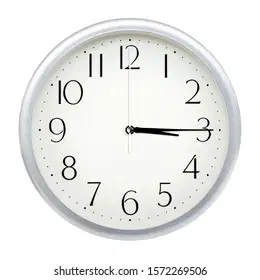
Which German phrase means "It is a quarter after 3 o’clock"?
Es ist Viertel vor drei Uhr.
Es ist Viertel nach drei.
Es ist halb vier.
Es ist zwanzig Uhr dreißig.
If someone says "um neunzehn Uhr," what time are they referring to?
7 pm
7 am
9 pm
9 am

What is the German word for "science" as a school subject?
Naturwissenschaft
Geschichte
Mathe
Kunst
Which of the following means "the favorite subject" in German?
das Lieblingsfach
die Klasse
die Tafel
der Rechner
What does "die Hand heben" mean?
to raise one’s hand
to write on the board
to speak
to sit down
If a student says "Sie hat kein Lineal," what does it mean?
She doesn’t have a ruler.
She has a pencil.
She has a notebook.
She doesn’t have a pen.
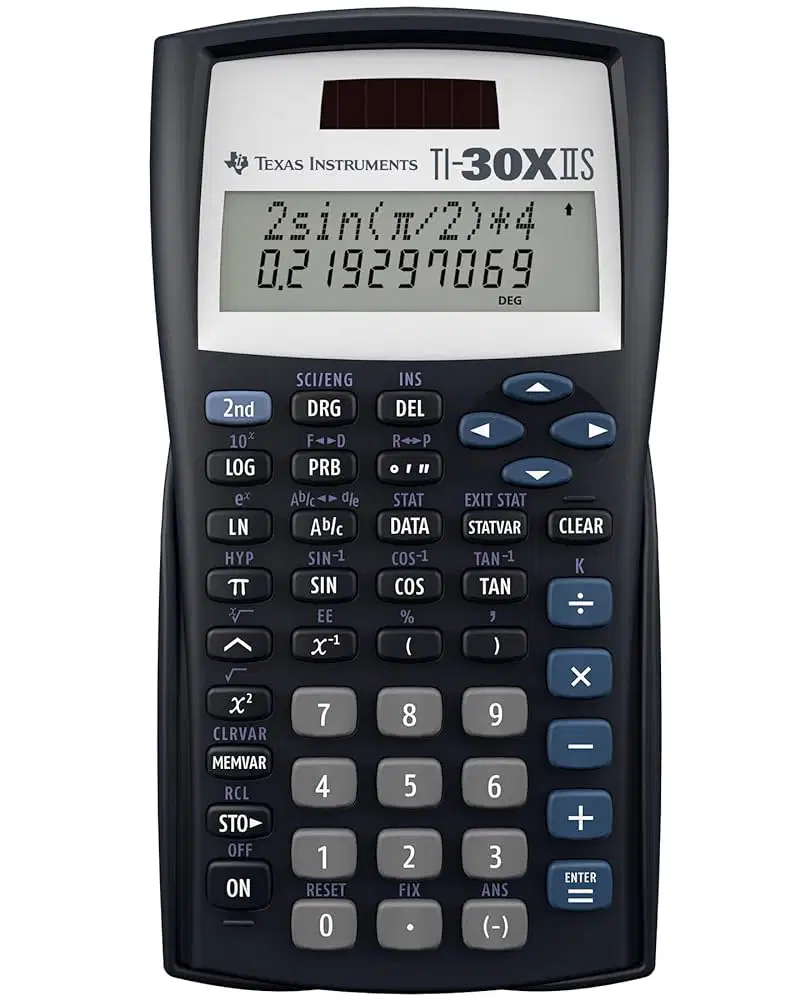
Which German word refers to "the calculator"?
der Rechner
der Kuli
das Heft
die Stühle
If you want to say "a lot of paper" in German, which phrase would you use?
viel Papier
viele Sachen
viel
kein Lineal
Which of the following best describes the difference between "die Stühle" and "ein Stuhl"?
"die Stühle" means the chairs, "ein Stuhl" means a chair.
"die Stühle" means a chair, "ein Stuhl" means the chairs.
Both mean the same thing.
"die Stühle" means the table, "ein Stuhl" means the desk.

What is the German word for "the window"?
das Fenster
die Landkarte
der Lehrer
das Fleisch

How do you say "male teacher" in German?
der Lehrer
die Lehrerin
der Kaffee
das Poster
What does "Wie viele Klassen hast du?" mean in English?
How many classes do you have?
When does school begin?
What does everything cost together?
How many teachers do you have?
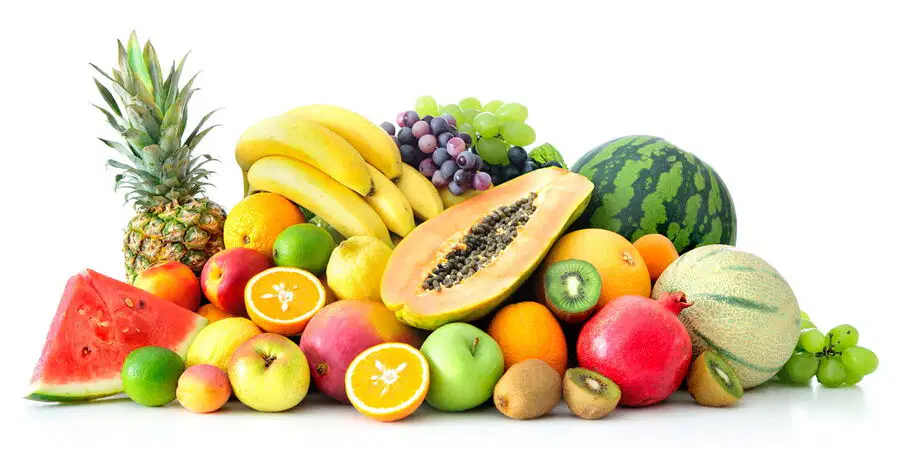
Which German word means "fruit"?
das Obst
das Gemüse
die Kartoffeln
der Kuchen

If you want to say "for breakfast" in German, which phrase would you use?
zum Frühstück
zum Mittagessen
zum Abendessen
der Nachtisch

What is the German word for "ice cream"?
das Eis
der Kuchen
der Kaffee
das Fleisch
Translate "die Geburtstagsparty" to English.
the birthday party
the concert
the hobby
the favorite day
Which of the following means "to play" in German?
spielen
beginnen
reiten
skilaufen
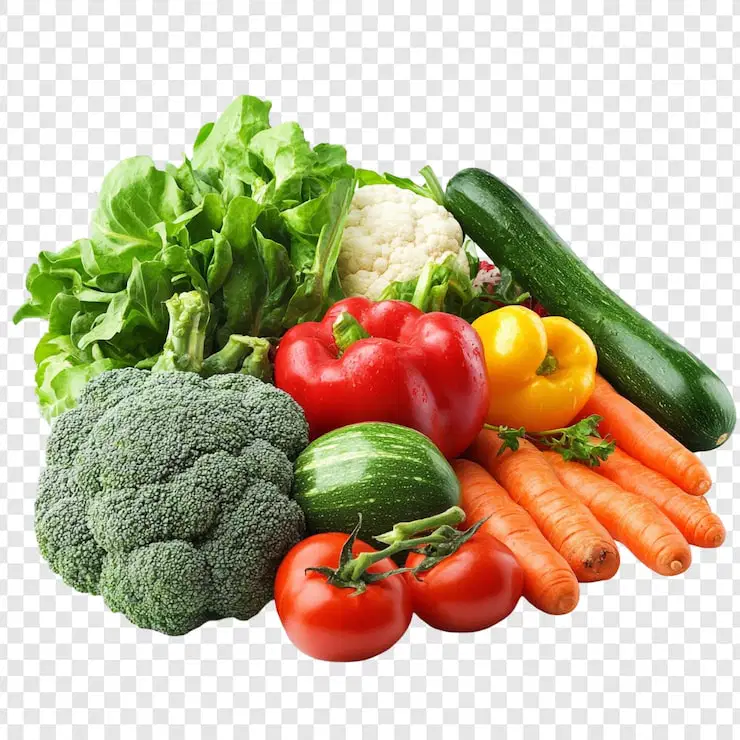
If you are planning a meal and want to include "vegetables," which German word should you use?
das Gemüse
das Obst
die Kartoffeln
der Apfelsaft

If you are at a German restaurant and want to order "apple juice," what would you ask for?
der Apfelsaft
die Cola
der Kaffee
das Eis
You are at a German school and want to know when your German class starts. Which question would you ask, and how would you ask it in German?
Wann beginnt die Deutschklasse?
Wie viele Klassen hast du?
Was kostet alles zusammen?
Wann beginnt das Konzert?

What is the German word for "the girl"?
das Mädchen
der Junge
die Mutter
der Hund

How do you say "I like to swim" in German?
Ich schwimme gern.
Ich tanze gern.
Ich spiele gern Fußball.
Ich male gern.

What is the German translation for "the brother"?
der Bruder
die Schwester
der Vater
die Cousine
Which of the following means "funny" in German?
lustig
schön
dick
faul
If someone is described as "freundlich," what does it mean?
friendly
mean
ugly
quiet

What is the German word for "the dog"?
der Hund
die Maus
die Katze
der Hamster
Which German adjective would you use to describe someone who is "smart"?
klug/intelligent
dumm/blöd
faul
laut
If you want to ask "What do you like to do?" in German, which phrase would you use?
Was machst du gern?
Ich spiele gern Fußball.
Ich schwimme gern.
Was machst du nicht gern?
Which German word means "big, tall"?
groß
klein
dick
dünn
If someone is "unfreundlich," how would you describe them in English?
unfriendly
pretty
active
quiet

What is the German word for "the cat"?
die Katze
die Maus
der Hund
die Oma
Which German word would you use to describe someone who is "mean"?
böse
nett/sympathisch
freundlich
schön
If you want to say "His name is..." in German, which phrase would you use?
Er heisst...
Sie heisst...
Sie heissen...
Ich spiele gern Fußball.
Which German word means "mid-sized"?
mittelgroß
klein
groß
dick
Which German subject pronoun would you use to replace "Peter"?
sie
wir
er
du
What is the German pronoun for "they"?
wir
sie
ihr
du
Which pronoun would you use for "Tanja und ich" in German?
sie
ihr
wir
du
What is the correct German pronoun for "you all"?
ihr
du
wir
er
What is the correct form of "sein" (to be) for "wir" (we)?
ist
sind
habe
hat
Which of the following is the correct ending for regular verbs with "du"?
-e
-en
-st
-t
If you want to say "I play" in German, which is the correct form?
ich spiele
ich spielen
ich spielt
ich spielst
Which of the following is the correct conjugation of "haben" (to have) for "er" (he)?
er habe
er hast
er hat
er haben
Why is "Sie" written with a capital "S" in the example "Was machen Sie gern, Frau Thomas?"?
It means "they"
It is the formal "you"
It is a verb
It is a noun
Which of the following is NOT a regular verb ending for "wir"?
-en
-t
-e
-st

