
 Worksheets
Batch 4_B1Plus_B2_Week 8
Total questions: 80
Worksheet time: 44mins
Overall, there was a significant ______ in the number of tourists visiting all three countries over the period.
increased
increase
The figure for Britain ________ by 10 % in 1997.
increased
increasing
increased dramatically
increase
The data of America ________ , from 10% to 20% in only 2 months.
(there may be more than one correct answer)
increased
doubled
tripled
plummeted
There was a significant ______ in the number of hats produced by company X from 400 to 100 in 2009.
(there may be more than one correct answer)
fall
decrease
decline
upward trend
The amount of water used domestically __________ at 30% in 3 years.
(there may be more than one correct answer)
remained constant
evened out
remained stable
reached a peak
The figure for X ________ from 10% to 60% in 2010, a gap of 6 times.
(there may be more than one correct answer)
boomed
surged
increased
escalated
There was a __________ increase in .....
(một sự tăng nhẹ)
dramatic
dramatically
minimally
minimal
Điền từ phù hợp vào chỗ trống: There was a ________ (trung bình) increase in the....
moderate
enormous
slight
small
Điền từ phù hợp vào chỗ trống: The figure for X ______ (rất lớn) fell from 100% to 10%.
dramatically
markedly
noticeably
Sales _____ at just under 100,000 units in 2010 and rose steadily to 1.2 million units by 2015.
stood
peaked
reached
decreased
The growth accelerated dramatically from 2016 onwards, reaching a peak _____ 4 million units in 2020.
at
of
in
on
By 2015, the number of tourists in Canada ___ to 10 million, while Japan saw a sharp increase to 12 million, surpassing Canada.
rose
rises
rising
rise
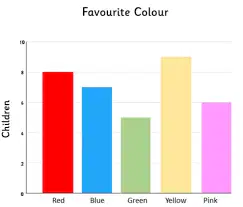
What kind of graph it is ?
Bar chart
Pie chart
Long chart
Table chart
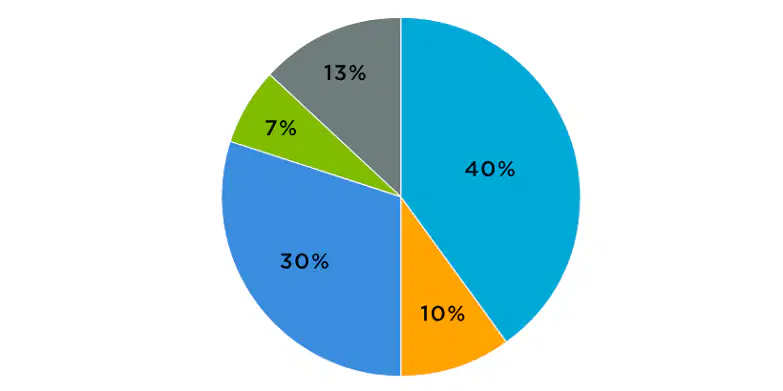
What kind of chart is it ?
Bar chart
Line chart
Pie chart
Table chart
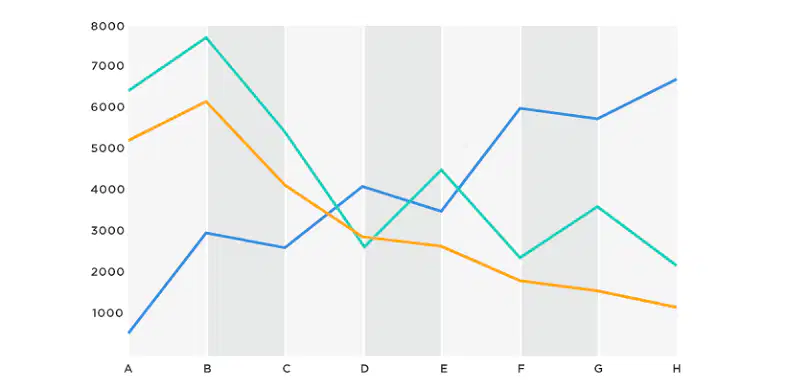
What kind of chart is it ?
Bar chart
Line chart
Pie chart
Table chart

Fortunately, after the new policy was implemented, sales began to ____ steadily over the next few months.
plummet
rise
bottom out
fluctuate
As stocks ............, investors saw it as a prime opportunity to buy shares at lower prices, anticipating a market rebound.
leveled off
remained steady
bottomed out
surged
During the economic boom, housing prices started to ____ rapidly in urban areas.
drop
decline
soar
level off
The company's stock prices ____ last month, reaching an all-time high.
peaked
plunged
fluctuated
went down
After months of sharp increases, the interest rates finally began to ____ so businesses could plan their budgets more confidently, knowing that borrowing costs were no longer rising unpredictably.
soar
bottom out
fluctuate
level off
The number of visitors to the website has ____ over the past year, which proves the marketing strategy has been effective.
increased
leveled off
fluctuated
bottomed out
The stock market is expected to ____ as we are in a period of steady growth, but analysts are unsure when.
level off
drop
rise
fluctuate
After a year of recovery, luckily, the economy began to ____ once again.
decline
bottom out
increase
plunge
Due to seasonal demand, the prices of fresh produce tend to ____ during certain months.
plummet
fluctuate
bottom out
level off
Sales .......... after Christmas since the holiday shopping frenzy ended, leaving fewer customers willing to spend.
soared
leveled off
peaked
fell
The ............. in demand led to widespread discounts and clearance sales as businesses aimed to move unsold products and make room for new stock.
drop
increase
fluctation
stability

Choose the correct description.
Imports increased steadily until July, then declined gradually for the rest of the year. Exports fell sharply at the beginning of the year, but recovered and from June onwards were reasonably stable.
Imports fell slightly at the beginning of the year, but then began to rise dramatically, not slowing down until the final quarter of the year. Exports were stable until July, then entered a period of fluctuation which lasted for the rest of the year.
After a slow start, imports began to rise dramatically reaching a peak in July. From then onwards, they declined steadily. Exports fluctuated throughout the year, but the general trend was downwards.
Exports were stable throughout the first half of the year, then declined gradually until November, when they began to recover slightly. Imports increased until late July, levelled off, then rose very slightly at the end of the year.

Choose the correct description.
Imports rose steadily during the first half of the year, while exports declined slightly. From July onwards, both imports and exports remained reasonably steady, although exports fluctuated slightly towards the end of the year
Imports rose sharply from January until the end of June, while exports increased only slightly. In the second half of the year, exports declined but imports continued to rise, not levelling off until the end of the year.
After a short period of fluctuation, imports rose steadily throughout the year. Exports, on the other hand, declined dramatically, although they recovered slightly towards the end of the year.
Both imports and exports fluctuated in the first half of the year. From July onwards, imports rose steadily while exports continued to fluctuate until October, when they suddenly began to fall.

Choose the correct description.
Imports rose steadily during the first half of the year, while exports declined slightly. From July onwards, both imports and exports remained reasonably steady, although exports fluctuated slightly towards the end of the year
Imports rose sharply from January until the end of June, while exports increased only slightly. In the second half of the year, exports declined but imports continued to rise, not levelling off until the end of the year.
After a short period of fluctuation, imports rose steadily throughout the year. Exports, on the other hand, declined dramatically, although they recovered slightly towards the end of the year.
Both imports and exports fluctuated in the first half of the year. From July onwards, imports rose steadily while exports continued to fluctuate until October, when they suddenly began to fall.

Choose the correct description.
Imports rose steadily during the first half of the year, while exports declined slightly. From July onwards, both imports and exports remained reasonably steady, although exports fluctuated slightly towards the end of the year
Imports rose sharply from January until the end of June, while exports increased only slightly. In the second half of the year, exports declined but imports continued to rise, not levelling off until the end of the year.
After a short period of fluctuation, imports rose steadily throughout the year. Exports, on the other hand, declined dramatically, although they recovered slightly towards the end of the year.
Both imports and exports fluctuated in the first half of the year. From July onwards, imports rose steadily while exports continued to fluctuate until October, when they suddenly began to fall.

Choose the correct description.
Exports fell dramatically in the first half of the year, but recovered slightly and remained stable from late October onwards. Imports fluctuated especially in the first three months of the year, but the general trend was upwards.
Imports increased slightly during the first six months of the year, then fluctuated before starting to fall sharply in October. Exports, however, remained reasonably stable throughout the year.
Imports rose steadily until the end of June, then levelled off. Exports fell dramatically throughout the first half of the year. They recovered in July, but started to fall again towards the end of the year.
Imports rose sharply, fell back slightly, then reached a new peak in July. From then onwards they declined steadily. Exports remained stable for most of the year, but declined slightly from November onwards.

Choose the correct description.
Exports fell dramatically in the first half of the year, but recovered slightly and remained stable from late October onwards. Imports fluctuated especially in the first three months of the year, but the general trend was upwards.
Imports increased slightly during the first six months of the year, then fluctuated before starting to fall sharply in October. Exports, however, remained reasonably stable throughout the year.
Imports rose steadily until the end of June, then levelled off. Exports fell dramatically throughout the first half of the year. They recovered in July, but started to fall again towards the end of the year.
Imports rose sharply, fell back slightly, then reached a new peak in July. From then onwards they declined steadily. Exports remained stable for most of the year, but declined slightly from November onwards.

Choose the correct description.
After a short period of fluctuation, imports rose steadily throughout the year. Exports, on the other hand, declined dramatically, although they recovered slightly towards the end of the year.
Imports increased slightly during the first six months of the year, then fluctuated before starting to fall sharply in October. Exports, however, remained reasonably stable throughout the year.
Exports were stable throughout the first half of the year, then declined gradually until November, when they began to recover slightly. Imports increased until late July, levelled off, then rose very slightly at the end of the year.
Imports fell slightly at the beginning of the year, but then began to rise dramatically, not slowing down until the final quarter of the year. Exports were stable until July, then entered a period of fluctuation which lasted for the rest of the year.

Choose the correct description.
Imports rose steadily during the first half of the year, while exports declined slightly. From July onwards, both imports and exports remained reasonably steady, although exports fluctuated slightly towards the end of the year
After a slow start, imports began to rise dramatically reaching a peak in July. From then onwards, they declined steadily. Exports fluctuated throughout the year, but the general trend was downwards.
Exports fell dramatically in the first half of the year, but recovered slightly and remained stable from late October onwards. Imports fluctuated especially in the first three months of the year, but the general trend was upwards.
Imports rose sharply, fell back slightly, then reached a new peak in July. From then onwards they declined steadily. Exports remained stable for most of the year, but declined slightly from November onwards.

Choose the correct description.
Imports rose sharply from January until the end of June, while exports increased only slightly. In the second half of the year, exports declined but imports continued to rise, not levelling off until the end of the year.
Imports rose steadily during the first half of the year, while exports declined slightly. From July onwards, both imports and exports remained reasonably steady, although exports fluctuated slightly towards the end of the year
Exports fell dramatically in the first half of the year, but recovered slightly and remained stable from late October onwards. Imports fluctuated especially in the first three months of the year, but the general trend was upwards.
Imports increased slightly during the first six months of the year, then fluctuated before starting to fall sharply in October. Exports, however, remained reasonably stable throughout the year.

Choose the correct description.
Exports were stable throughout the first half of the year, then declined gradually until November, when they began to recover slightly. Imports increased until late July, levelled off, then rose very slightly at the end of the year.
Imports increased steadily until July, then declined gradually for the rest of the year. Exports fell sharply at the beginning of the year, but recovered and from June onwards were reasonably stable.
Exports fell dramatically in the first half of the year, but recovered slightly and remained stable from late October onwards. Imports fluctuated especially in the first three months of the year, but the general trend was upwards.

Choose the correct description.
Exports were stable throughout the first half of the year, then declined gradually until November, when they began to recover slightly. Imports increased until late July, levelled off, then rose very slightly at the end of the year.
Imports increased steadily until July, then declined gradually for the rest of the year. Exports fell sharply at the beginning of the year, but recovered and from June onwards were reasonably stable.
Exports fell dramatically in the first half of the year, but recovered slightly and remained stable from late October onwards. Imports fluctuated especially in the first three months of the year, but the general trend was upwards.
Exports fell dramatically in the first half of the year, but recovered slightly and remained stable from late October onwards. Imports fluctuated especially in the first three months of the year, but the general trend was upwards.

Choose the correct description.
Imports rose steadily during the first half of the year, while exports declined slightly. From July onwards, both imports and exports remained reasonably steady, although exports fluctuated slightly towards the end of the year
Imports rose sharply from January until the end of June, while exports increased only slightly. In the second half of the year, exports declined but imports continued to rise, not levelling off until the end of the year.
Imports increased slightly during the first six months of the year, then fluctuated before starting to fall sharply in October. Exports, however, remained reasonably stable throughout the year.
Exports fell dramatically in the first half of the year, but recovered slightly and remained stable from late October onwards. Imports fluctuated especially in the first three months of the year, but the general trend was upwards.

Choose the correct description for the graph
In January sales went down
In January sales plummeted
In January sales fell dramatically
In January sales reached a peak

Choose the correct description for the graph
Sales grew steadily this year.
Sales fluctuated and then went down.
Sales declined steadily.
Sales went down slightly at the end.

Choose the correct description for the graph
In May sales declined significantly
In June sales dropped slightly.
In July a considerable drop can be observed
In July a sharp growth can

Choose the correct description for the graph
A moderate improvement can be observed in June
A dramatic decrease can be observed in July
A rapid jump can be appreciated in July
Sales went down all year.
Choose the correct grammatical sentence:
A moderate grew can be observed in November
A moderate growing can be observed in November
A moderate grew observed in November
A moderate growth can be observed in November
Choose the correct grammatical sentence:
Sales went in November
Sales November fell.
Sales declined in November
A decline in November the sales.
Which verb is an example of a steady / stable trend?
go up
decline
remain unchanged
fluctuate
Which verb is an example of an upward trend?
level off
soar
vary
deteriorate
Which verb is an example of an upward trend?
fall
a growth
remain steady
increase

From Tuesday to Wednesday there is ....
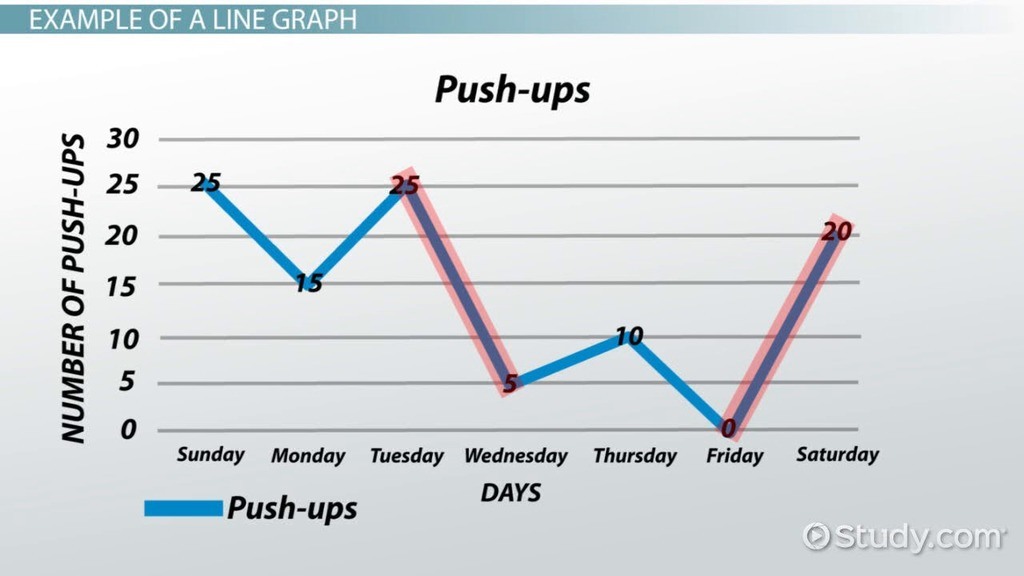
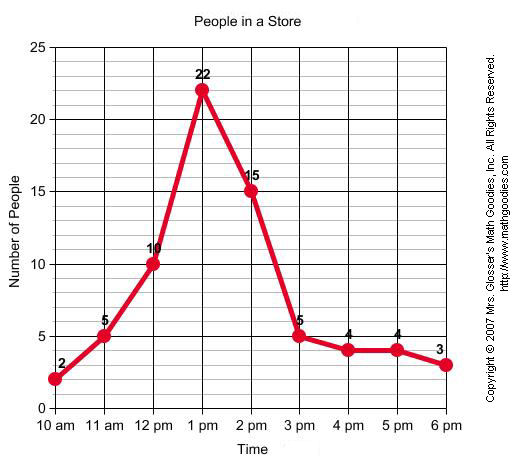
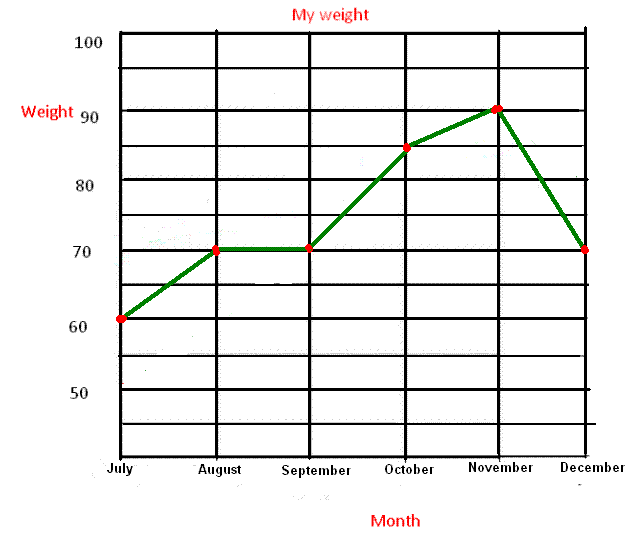
There was a rapid drop in production in the first quarter, but it bottomed out at about 20.


Production grew more and more rapidly over the first three quarters but then reached a peak. Since then, it has quickly dropped.


Production grew rapidly in the first quarter, but reached a plateau of about 70. Since then it has remained more or less stable.


Production has dropped slowly but steadily over the year.


Production started the year in a stable position, but then plunged in the third quarter. It has now flattened out at a level of 20.


Production fell considerably over the first three quarters, reaching a low of 20. Since then it has staged a partial recovery.


Production has fluctuated all year.


Production started off steady, but fell sharply in the last quarter.


Production showed a marginal rise in the first three quarters, but then suffered a sharp drop.


After a considerable drop in the first two quarters, production bottomed out at 20. Since then it has started to rise.


Production has experienced a strong, steady growth over the whole year.


There has been a slight increase in production over the year.


Which of the four sentences below is correct?
The price of gold climbed steadily from January to April but the price of platinum saw a dramatic fall at the beginning of the year.
The price of gold reached a peak in April whereas the price of platinum fluctuated only slightly throughout the period.
The price of gold rose during the first four months and the price of platinum followed a similar trend.
While platinum fluctuated slightly throughout the period, gold fell steadily.

Which description matches this graph?
Jobs have fluctuated with the level of the pound.
Prices decreased slowly.
Profits decreased sharply then remained steady.
Inflation has levelled out at an acceptable rate

Which description matches this graph?
Sales fell sharply then remained steady before decreasing.
Sales increased slowly before rocketing.
Prices decreased dramatically then slowly rose.
Profits hit rock bottom before increasing sharply.

Which description matches this graph?
Profits plunged in the middle of the year.
Prices decreased in the first half of the year.
Sales has fluctuated all year round.
The price peaked in the middle of the year.

Which description matches this graph?
There was a gradual rise in employment rate.
There was a remarkable fall in Burma's economic growth.
International trade tends to fluctuate from year to year.
Divorce rates are leveling out for the first time in decades

Which description matches this graph?
Sales increased slowly at first before rising dramatically.
Sales started well then stayed the same.
Profits decreased dramatically then remained steady.
Profits decreased at first before rocketing.

Which description matches this graph?
There was a steep rise in sales of tennis shoes in 2017.
Sales of produce remained the same in recent years.
Profits hit the rock bottom before increasing sharply.
The price of GMO vegetables has shown a steady increase.

Which description matches this graph?
In May 2018, there was a reduction in gold price.
The price reached the peak before falling a little.
Sales of gold were really high compared to the year before.
Sales of organic apples started well then remained steady.

Which of the following sentences apply to the graph ?
From 1991 to 1992, the numbers plummeted.
There was a sharp, dramatic increase toward the end of the third quarter.
Throughout the period shown, there were significant amounts of fluctuation.

Which of the following sentences apply to the graph?
There was a continuous, steady decrease throughout the period.
There was a continuous, steady increase throughout the period.
There was a continuous, sharp rise throughout the period.

Which of the following sentences apply to the graph?
There was a sharp, dramatic increase toward the end of the third quarter.
From 1991 to 1992, the numbers plummeted.
At the beginning of the period, all three countries were at similar levels.

Which statement is INCORRECT?
Over the year, the amount of honey produced by the bee colonies dropped.
The most significant decline was in 1980 with 20,000 tonnes compared to that in 1970.
The amount of honey fell by 20,000 tonnes to 110,000 tonnes in 1980.
2010 witnessed the sharpest drop in the amount of honey produced in the USA.

Which statement is INCORRECT?
In 1970, there wear 4 million bee colonies in the country and this rose to approximately 4.2 million in 1980.
Over the next 30 years, this number decreased by more than a million every 10 years. This meant that in 2010, there were about 1.8 million colonies left.
Over the next 30 years, this number decreased to more than a million every 10 years. This meant that in 2010, there were about 1.8 million colonies left.

Which is the best description of the chart?
In Great Britain and USA, there are the same percentages of people who choose some kind of transport.
In Germany, percentages of people who choose car and bicycle are roughly the different.
Motorcycle was the most popular type of transport in all countries, except for the USA.
Overall, car is the most chosen transport, bicycle is on the second place and motorcycle is the least chosen transport.
Match the following:
77%
just over three quarters
49%
nearly a half
32%
almost a third
15%
less than a fifth
5%
an insignificant proportion
Odd one out:
more than
just over
just above
well below
a little more than
Choose synonyms of "approximately" (Choose all that apply):
almost
roughly
about
nearly
more than

