
 Worksheets
Global Affairs Assorted Questions
Total questions: 73
Worksheet time: 37mins


The president can make treaties, but who has to approve them?
The Supreme Court
The Cabinet
The Senate
The House of Representatives
True or false: a goal of US foreign policy is to promote democracy everywhere.
false
true

When you disagree or quarrel with someone, you are in ________ with them
conflict
cooperation
influence
negotiation
When you agree or work with someone, you are ______________
cooperating
in conflict
negotiating
treaty
A country’s strategy for dealing with other countries is called its ________________
foreign policy
national interest
guidelines
goals
The act of talking things over and trying to come up with a compromise
negotiation
sanctions
treaties
national interest
A deal or an agreement between countries
treaty
sanctions
foreign policy
internationalism
Countries use three main types of influence to affect other countries’ decisions (select all that apply)
Economic
Cultural
Military
Sports
In this economic system, people own property and can make decisions about what to do with their property
capitalism
communism
socialism
facism
In this economic system, the government owns property and decides how people can use it.
communism
capitalism
socialism
facism
Where is the UN headquartered?
Geneva
Washington
Tokyo
New York
Volunteer members and staff worldwide, which was founded to protect human life and health, to ensure respect for all human beings, and to prevent and alleviate human suffering.
UNICEF
NATO
Red Cross
FTAA

What is inflation?
when a ballon gets blown up
a general decrease in prices and rise in the purchasing value of money.
a general increase in prices and fall in the purchasing value of money.
an economic policy currently in place by the government
What does Diplomacy mean?
a cunning or skillful act or scheme intended to deceive or outwit someone.
the art of dealing with people in a sensitive and effective way.
the amount of money expected, required, or given in payment for something.
a fancy word used by smart people
Canada is on which continent?
North America
United States
Canada
Europe
President's day originally celebrated what/who?
The King
US Vice Presidents
President Washington
President Biden


What does the Federal Reserve Bank control?
The US Government budget
the supply of money in the US
Taxes in the US
The total value of goods and services produced in a society is the GDP.
true
false
The unemployment rates measures -
the number of people that get assistance from the goverment
the number of people living in the US
the number of people that cannot find work
Inflation means that prices are going down.
true
false
Congress and the President can slow the economy by raising taxes.
true
false
What is the name of the central bank of the United States?
The Supreme Court
The Federal Reserve
The Treasury Department
If a person wants to have a voice in the U.S. government, they must participate in which citizen responsibility?
pay their taxes
vote in elections
obey laws
register for selective service at 18
What is the basic reason for due process of laws?
it decides punishment for crimes
it only applies to innocent people
it is fair and understandable
it is only for lawyers
What is true all over the world?
Resources are scarce
Countries always import more than they export
There is high demand for electronics
The government decides what to produce
Trade between Mexico and the U.S. is considered
international trade
opportunity cost
bartering trade
budget
Taxes are
money that the government collects from individuals and businesses to pay for public goods and services.
reflective of bartering within counties.
importing and exporting of automobiles.
money that causes supply and demand.
The Legislative Branch...
Includes Congress and is where laws are created
Includes the Supreme Court and is where laws are checked to make sure they are constitutional
Includes the President who makes sure laws are carried out and is Commander in Chief of the Armed Forces
The Executive Branch...
Includes Congress and is where laws are created
Includes the Supreme Court and is where laws are checked to make sure they are constitutional
Includes the President who makes sure laws are carried out and is Commander in Chief of the Armed Forces
The Judicial Branch...
Includes Congress and is where laws are created
Includes the Supreme Court and is where laws are checked to make sure they are constitutional
Includes the President who makes sure laws are carried out and is Commander in Chief of the Armed Forces
The President serves a term of ____ years.
2
4
6
8

Who is the Commander in Chief of the military?
The Vice President
Mr. Hegg
The Top General
The President

What is the highest court in the United States?
The Presidents Office
Supreme Court
Senate
Congress
What do we call the first ten amendments to the Constitution?
14th Amendment
The Bill of Rights
A change to the constitution
Liberty
The _____________ helps define our rights as US citizens.
Legislative Branch
Oath of Allegiance
Bill of Rights
Declaration of Intention

Area that shares a large number of cultural traits.
Cultural diffusion/Culture borrowing
Culture Region
Fine Arts
Economy

How does culture spread?
Language
Government and economy
War, trade, colonization and immigration

Rules that allow a society to live without chaos.
Custom and Traditions
Social Organization
Religion
Government
Basic human needs such as food, clothing, sports, education, festivals etc. passed down from one generation to the next.
Customs and traditions
Government
Language
Social Organizations

Answers questions about life's meaning.
Customs and traditions
Religion
Government
Social Organizations

A form of a dialect that may have a distinct vocabulary and pronunciation .
Religion
Government
Social Organization
Language
What makes up the Elements of Culture?
social organization and language
customs and traditions
arts and literature
religion and forms of government
economic systems
The most important unit of social organization
rules of behavior
customs
family
language
rules of behavior (enforced right and wrong, ideas are part of the culture's written laws)
customs and traditions
social organization
language
arts and literature
Language truths
all cultures have a spoken language
people who speak the same language often have the same culture
many societies include a large number of people who speak different languages
each language can have several different dialects
people have supreme power, government acts by and with consent
democracy
dictatorship
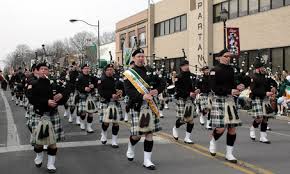

What is culture?
many cultures can be found together in one country
certain food and rituals that a country follows
the spreading of customs from one country to another
customs, religion, and language of a society
What does a culture consist of?
members of the community
languages spoken and relious beliefs
customs and traditions
all of the above

