
 Worksheets
Ecology 25-26
Total questions: 10
Worksheet time: 36mins
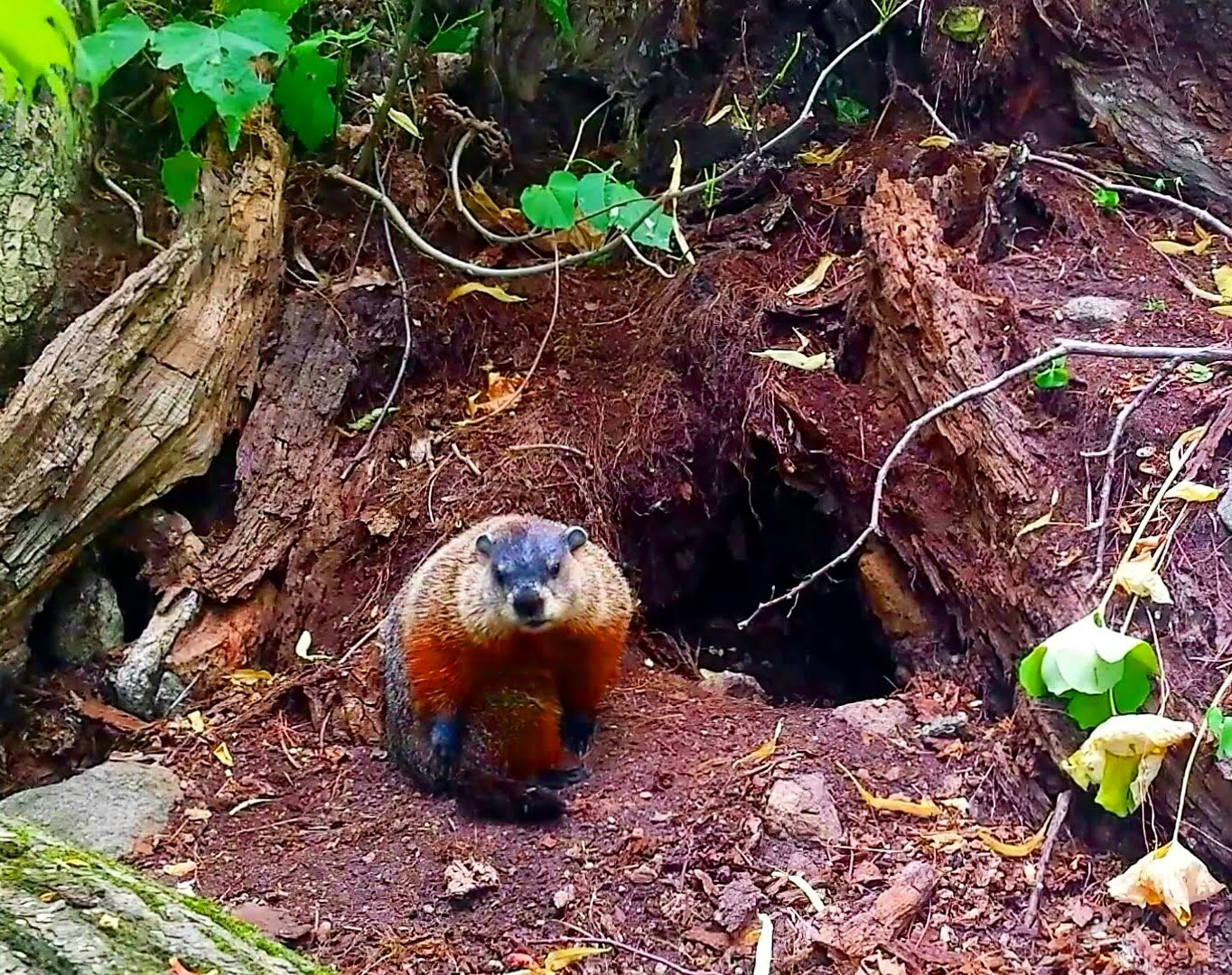
Type of symbiosis: Skunks often live in burrows that have been dug and abandoned by woodchucks.
commensalism
mutualism
parasitism
predation
Which statement is an example of how carbon moves through a food chain as part of the carbon cycle?
Producers release carbon dioxide, and consumers take it in.
Producers take in carbon dioxide, and consumers release it.
Producers take in carbon from the soil, and they release it when they decompose.
Producers release carbon into the soil, and consumers take it in from the soil.

The energy pyramid below shows the energy made available by producers.
Based on the energy flow between trophic levels in an energy pyramid, how much energy would be expected to be found at the secondary consumer level in this pyramid?
100 Joules
500 Joules
1,000 Joules
50 Joules


Check off ALL of the examples of biotic factors below. (Choose all that apply.)
Soil
Rocks
Birds
Fish

These organisms are often not shown in a food chain, but are important for breaking down and recycling nutrients
producers
decomposers
primary consumers
carnivores
Which answer is true regarding biodiversity?
As long as there are enough producers, an ecosystem is considered to have a good amount of biodiversity.
The rain forest has an unhealthy ecosystem because its biodiversity is too great.
An ecosystem is healthier when the biodiversity is great.
Biodiversity is positively affected when non-native species are introduced into an environment
Invasive species cause damage to ecosystems by…(2 answers)
Increasing biodiversity
Outcompeting native species, causing the native species to decrease
Decreasing biodiversity
Increasing native plant or animal populations

What organism changes atmospheric nitrogen into usable nitrogen for plants?
Decomposers
Nitrogen-fixing bacteria
Nitrifying bacteria
Denitrifying bacteria
Match the following to reflect organisms' roles in the nitrogen cycle:
Found in soil, they "fix" nitrogen into a form plants can use.
Nitrogen-fixing Bacteria
Absorb nitrogen from the soil to create proteins.
Plants
Consume plants or other animals, then deposit waste that is recycled.
Animals
Break down waste and dead material, returning nutrients to soil.
Decomposers

