
Font size
 Worksheets
CBA 1 2025 (with old DOL)
Total questions: 80
Worksheet time: 42mins

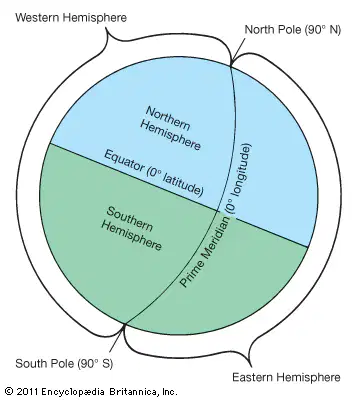
What separates the earth into the northern and southern hemispheres?
equator
claim
evidence
geography

What do you need in order to find the ABSOLUTE LOCATION?
claim, evidence
mountian, desert
latitude, longitude
geo = earth
above the equator =
south
north
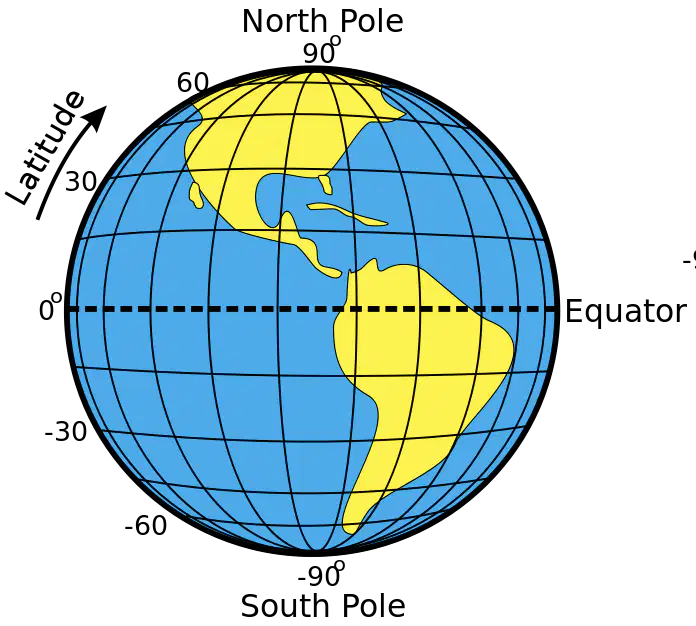
below the equator =
south
north
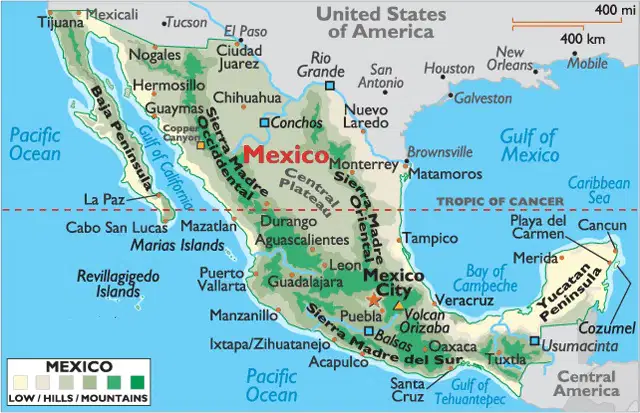
Mexico is south of the United States; this is an example of __________LOCATION.
absolute
relative

When you write, your ____________ answers the question.
evidence
claim

Your claim must be supported with _______.
evidence / proof
latitude, longitude
equator
absolute location
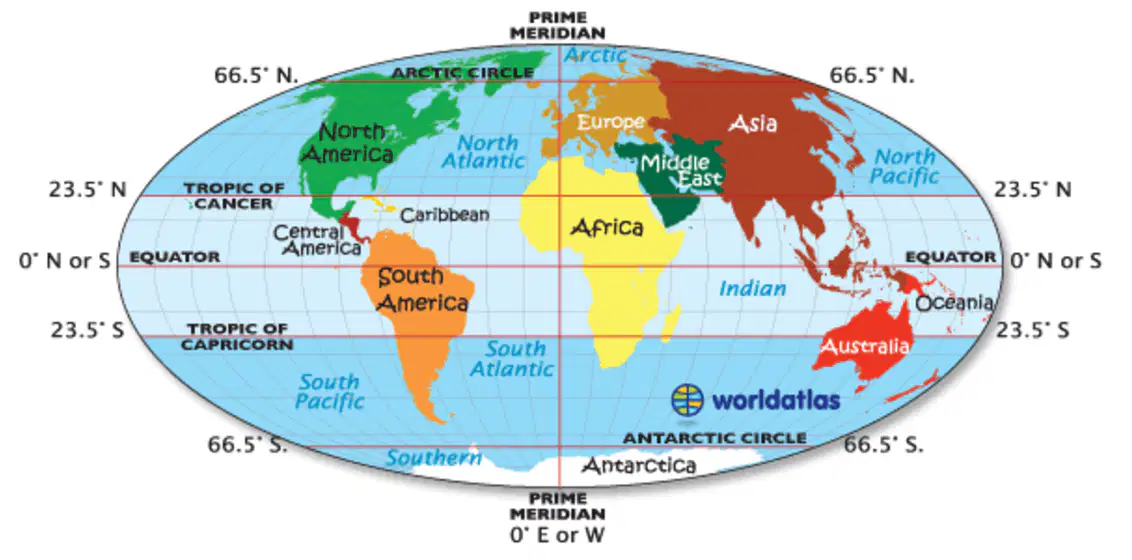
What continent is NORTH of the equator?
all of South America
Antarctica
Australia
North America
What continent is SOUTH of the equator?
all of South America
Antarctica
Australia
North America
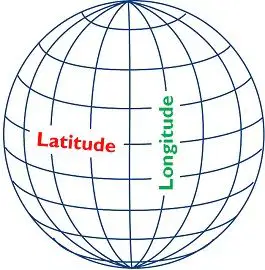
40 S, 90 E is an example of
relative location
absolute location
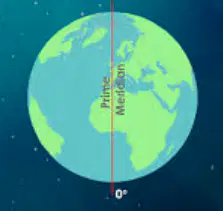
left side of the prime meridian =
west
east
right side of the prime meridian =
west
east
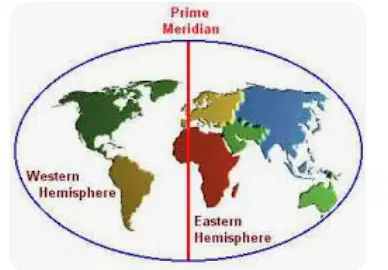
The prime merian is a _____.
latitude line
longitude line
GEOgraphy =
study of animals and what they eat for breakfast
The study of Earth’s places and the people who live in them.
imaginary line
relative location
pull factor example:
war
Job opportunities
natural disaster
no jobs
push factor example:
war / conflict
lots of jobs
better future
safety
Push factor =
reasons people go somewhere new
reasons people leave
Pull factor =
= reasons people go somewhere new
reasons people leave a place

Adaptation =
people change the earth
people change themselves
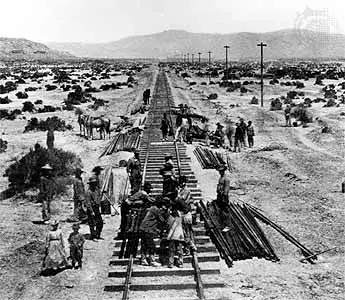
Modification =
people change the environment
people change themselves
war / conflict / violence
push (you out) factor
pull factor

How could you adapt (adjust yourself) to the environment?
build a bridge
wear warm clothes in the cold
dig an irrigation canal
build a roadway with a tunnel
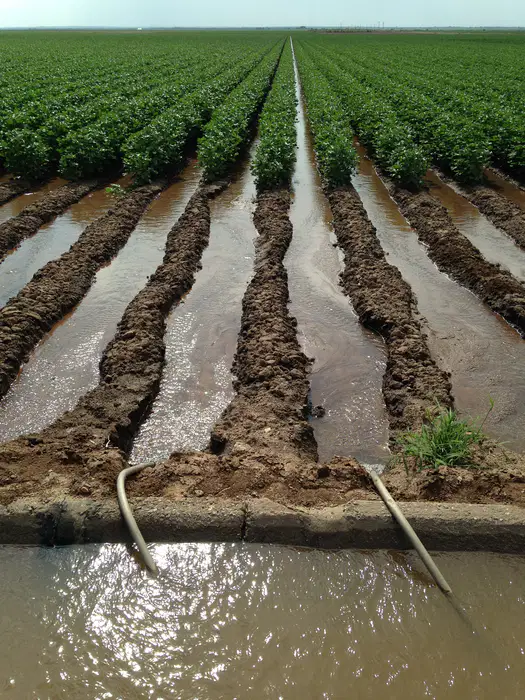
Which of these is an example of a modification of the environment?
digging a tunnel or digging irrigation canals
wearing shorts and a t-shirt in the warm summer
putting on a heavy coat in winter when it is snowing
adding a sweatshirt because it is windy outside
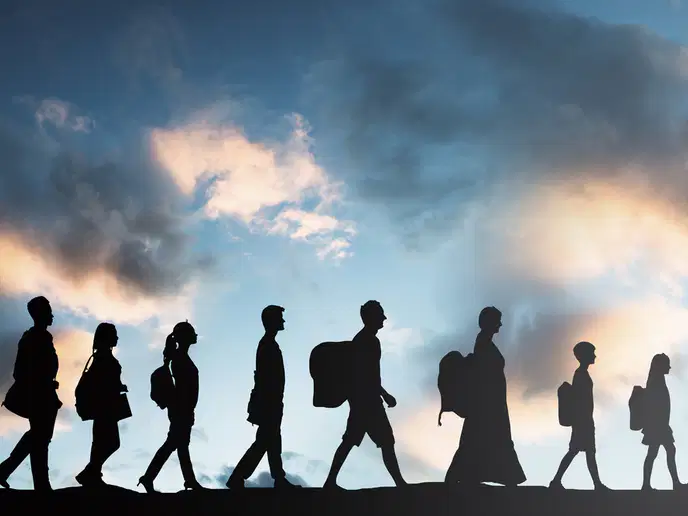
Why would someone migrate (move) AWAY from a place?
near water like the ocean or a lake
lots of high paying jobs where they already live
mild climate (not too hot or too cold)
conflict / violence

adapt / adapting
population
the way people change how they live to survive in a new environment
latitude
relative
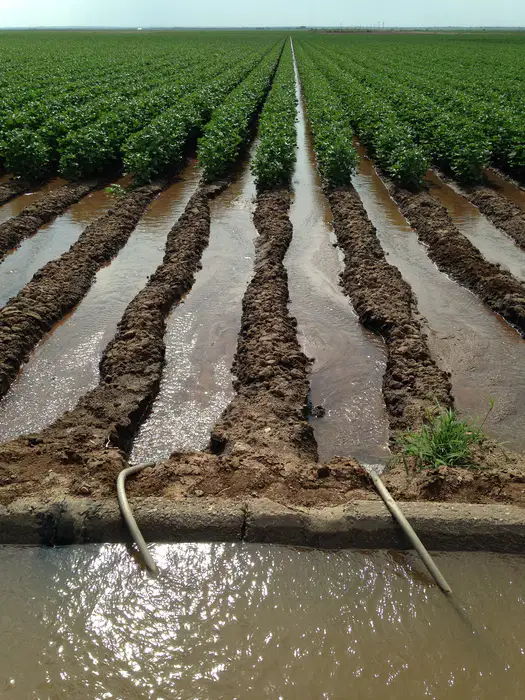
irrigation canal is an example of
adaptation
population
modification
migration

migration =
move
coordinates
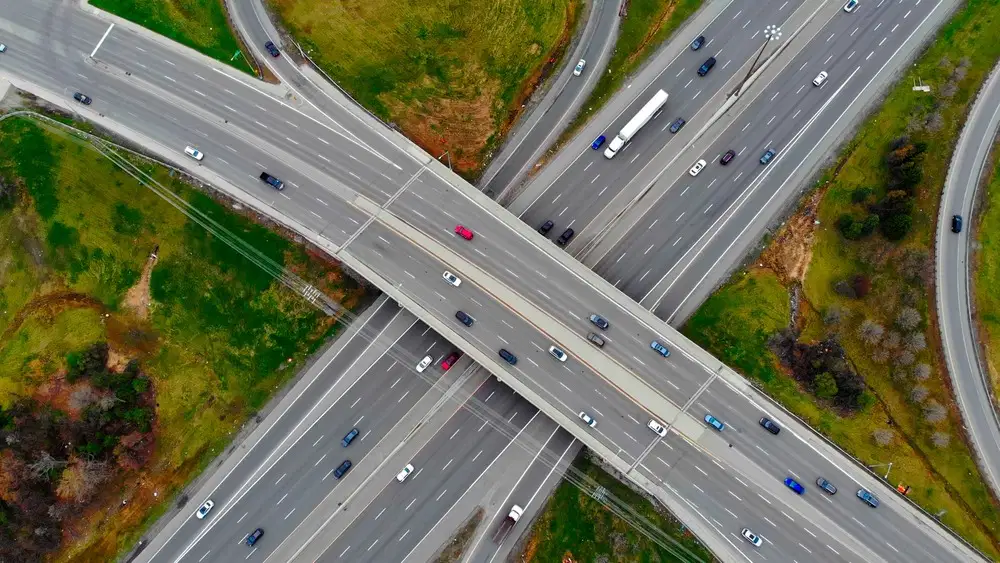
transportation corriders
mountains, deserts, forests
roads, rivers, coastlines

transportation barriers
roads, coastlines, rivers
mountains, deserts, forests

development / economic development
adaptation
how advanced or wealthy a country is
modification
climate

How would no coastlines impact a country's (or state's) development
easier to develop / more developed
harder to develop / less developed
no change
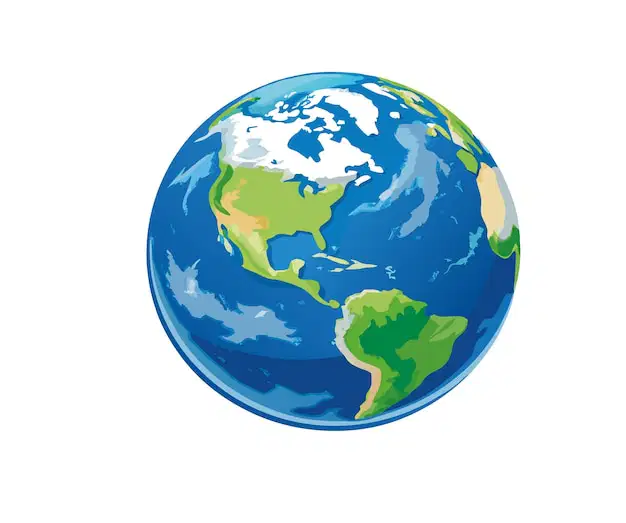
the study of people, places, and environments; geo = earth
economics
climate
transportation barrier
geography
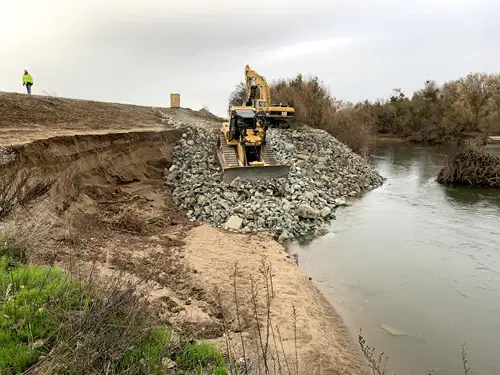
Which is a Human-Environment Interaction (HEI) example is
latitude and longitude
absolute location
buidling a road or a levee
looking at a map or using GPS

The MOVEMENT theme describes the ____________.
adjusting yourself to your environment
area that shares common features
way people, goods, and ideas MOVE from one place to another
relative and absolute location
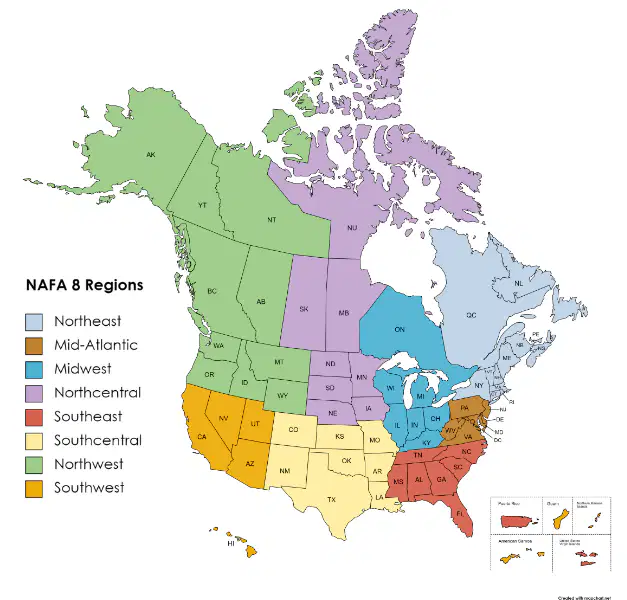
How would you describe a region? A region ___.
does not include human or physical features
landmass with water on three sides
shares common characteristics (traits) like language or history or geography
modifies or adapts to the environment
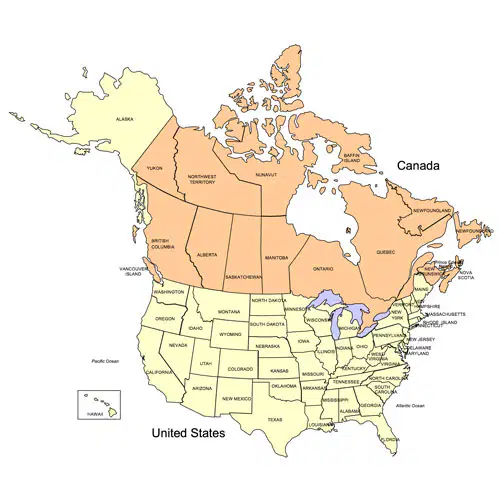
What theme would say this? Canada is north of the United States.
human-environment interaction
location
movement
place

The physical and human features of a location are the ________ theme.
human environment interaction
location
place
movement
PLACE theme describes _______.
absolute or relative
the physical and human features of a location
adaptation and modification go with the theme of ____________
movement
human-environment interaction
location
region

citizens vote for leaders who make decisions for the country
rule by few
rule by many
rule by one
rule by none
Rule by many example =
North Korea
India

democracy
power is shared by a small group
1 person with ALL the power
leaders are chosen by their citizens
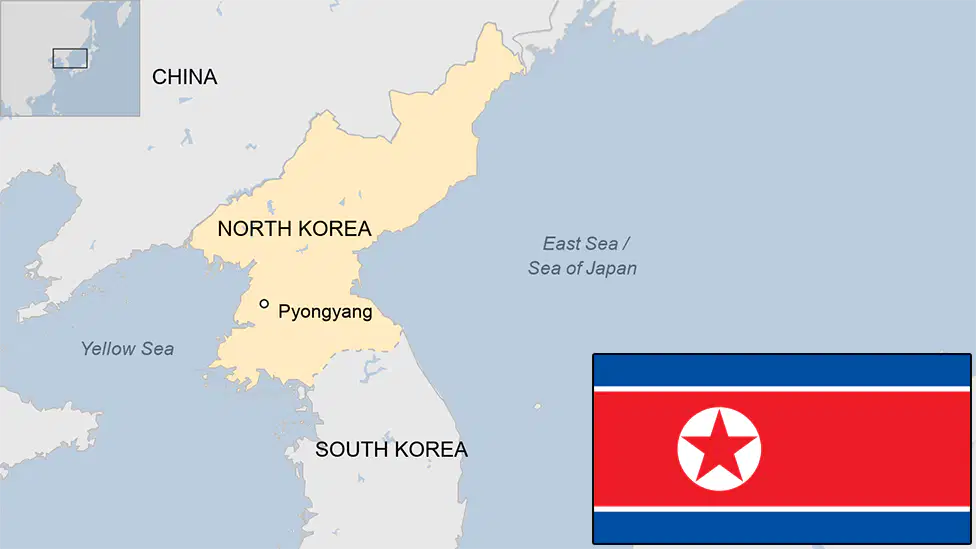
dictatorship
one person has ALL the power
leaders are chosen by their citizens
power is hared by a small group
no one has power
power is shared by a small group
rule by 1
rule by many
rule by few
one person who holds all the power is a
oligarchy
dictatorship
democracy
Power held by a small group of people in both ____ and ______. Pick TWO correct answers.
ancient Sparta
India today (modern India)
early roman senate
North Korea's dictatorship
The word part oli MEANS rule by ____.
few / small group
one
many
none
Citizens VOTE in a _____.
democracy
dictatorship
In a _________ system, like the United States, Mexico, and Brazil, citizens elect BOTH lawmakers and a president. This is an expample of a representative democracy.
parlimentary
presidential
In a _______ system, like the United Kingdom, Canada, and India, citizens elect parliament, and parliament chooses the prime minister. This is an example of a representative democracy.
parliamentary
presidental
________ are examples of rule by many.
Democracies
dictatorship
oligarchy
How would someone describe democracy in Ancient Athens?
Parliament chose a prime minister to lead the government
Citizens voted DIRECTLY on laws in the Assembly
Citizens elected REPRESENTATIVES to make laws FOR them
Citizens vote directly
on laws
representative democracy
direct democracy
presidential system
parlimentary system
The elected assembly
chooses the leader of
the government
parlimentary system
presidential system
Citizens elect
representatives to
senate/assembly
republic
direct democracy
parlimentary system
presidential system
Citizens elect the the
LEADER OF GOVERNMENT
government directly
parlimentary system
presidential system
direct democracy
republic
Most countries today are too large for direct democracy, so they use ________ democracy. In this system, citizens elect leaders who make decisions on their behalf.
representative
dictatorship
direct
oligarchy
In a presidential system, ____________
legislature chooses the prime minister
Citizens vote directly for the president (and others)
Citizens vote directly on every single law
The ruler has unlimited power and does whatever they want to do
What are influences from Ancient Athens and from early Rome on today's government?
Citizens elect representatives to make laws AND Citizens voting to influence government
Leaders serve for life AND the ruler has unlimited power
Rulers inherit power through a royal family AND have limited power
Why people might leave rural (farming) areas?
PUSH factors: lack of jobs, poor schools, drought, poverty
PULL fators: more jobs, education, healthcare, better opportunities

Which is one reason why people might MOVE TO cities?
PULL facotrs: more jobs, education, healthcare, better opportunities
PUSH factors: lack of jobs, poor schools, drought, poverty
How can migration (moving) change the place people move away from?
fewer workers, families separated
overcrowding, new cultures, more workers
How can migration (moving) change the new place people move to?
fewer workers, families separated
overcrowding, new cultures, more workers
How could people adapt when cities become crowded?
wear a sweater
Build taller housing, expand (increase) transportation, create new jobs, improve services
reduce jobs
drought, poverty (poor)
What 2 answers show people adapting to crowded cities? / pick 2!
create new jobs, improve services
Build taller housing, expand transportation
less housing, decrease transportation
reduce services for people, reduce jobs
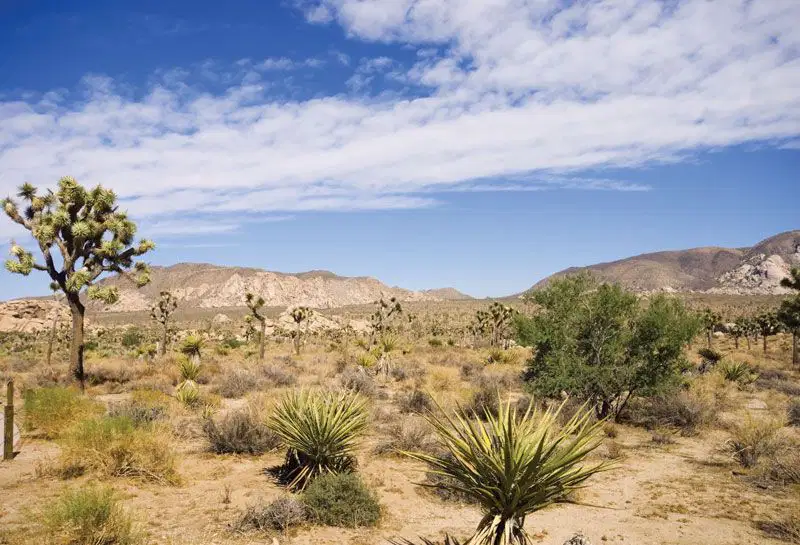
Why do deserts or very cold regions often have very few people living there (low population)?
lack water, lack food, or lack good farmland → hard to survive--> low population
plenty of water, lots of food, good farmland---> easy to survive--> higher population
What is the -difference- between a physical feature of geography and a human feature? Select 2 answers.
Physical: created by nature (mountains, rivers, deserts)
Human: built by people (cities, roads, monuments)
Physical: built by people (cities, roads, monuments)
Human: created by nature (mountains, rivers, deserts)
Give 3 examples of a physical feature (created by nature) in geography. Pick 3.
mountian
river / ocean
desert / plain
roads and statues
Give 3 examples of human features (built by people) in geography. Pick 3.
cities
roads / bridges
statues / monuments
mountian and rivers
Why would there be a higher population near river or on the coast? SElect 3 correct answers.
Easier transportation and trade
drought
access to water
fertile land (rich/good land to farm)

Why are many of the world’s largest cities located NEAR rivers or coasts?
more difficult transportation
Easier transportation + trade, fertile land, access to water
less access to water
poor soil quality

Rapid population growth: What are reasons why populations in some regions of the world have grown much faster (increased) in recent decades? Select 2.
higher death rates / shorter life expectancy
lower death rates / longer life expectancy
Better healthcare, more food supply
less food supply, worse healthcare

Better healthcare, more food supply, lower death rates, longer life expectancy would all lead to
rapid (fast) population growth
slower population growth
equal population growth

Government: What is the main -difference- between direct democracy in ancient Athens and representative democracy today?
Athens = direct democracy (citizens voted themselves); Today = representative democracy (elect leaders to decide)
Athens= leaders have total control, today = no protections for citizens
Athens = no voting; today= no jury duty
Free enterprise: private businesses compete

Where did direct democracy (citizens voted on every single decision themselves) occur?
ancient Athens in Greece
United States
China
Russia

How would you categorize a representative democracy (elect leaders to decide)?

limited government

unlimited government
command / communist economy
mixed economy
What are two important similarities (same) between Ancient Athens and modern democracies? Pick 2!
leaders have total control
Citizens have power/influence
People are the source of authority (power)
no protections for citizens
"the citizens have power/influence" AND
"the people are the source of authority (power)" are examples of _______.
similarities between Ancient Athens and modern democracies
similarities between monarchy and theocracy
similarities between monarchy and dictatorship
similarities between command / communist economy and factors of production
The Middle East is known for having the natural resource ___.
oil
water
What are examples of cultural diffusion? Pick 2.
limited government
spread of fast food around the world
K-pop music shared online globally
unlimited government

