
 Worksheets
Unit 1 Half Point Review
Total questions: 47
Worksheet time: 42mins
Salt is a _________.
compound
element
homogeneous mixture
heterogeneous mixture
Which of the following is NOT a compound?
What is soda?
Element
Compound
Mixture


Terry sees an old rusty swing set at the park. He knows that rust is formed when iron (Fe) combines with oxygen (O) in the atmosphere to form iron oxide (FeO). How would you classify iron oxide?
compound
element
mixture

Classify the Sample.
Pure Substance
Mixture of Elements
Mixture of Compounds
Mixture of Elements and Compounds

Some common substances used in the laboratory are listed in the table. The chemical formulas of the substances are also listed beside their names. How many of the listed items are elements?
3
4
5
6

Which image(s) would be considered pure substances?
I
I and II
III and V
IV
Compounds are formed when two or more ________________________ are chemically combined.
elements
properties
compounds

In the classification of matter chart, letter B. would be a(n):
element
compound
mixture
solution
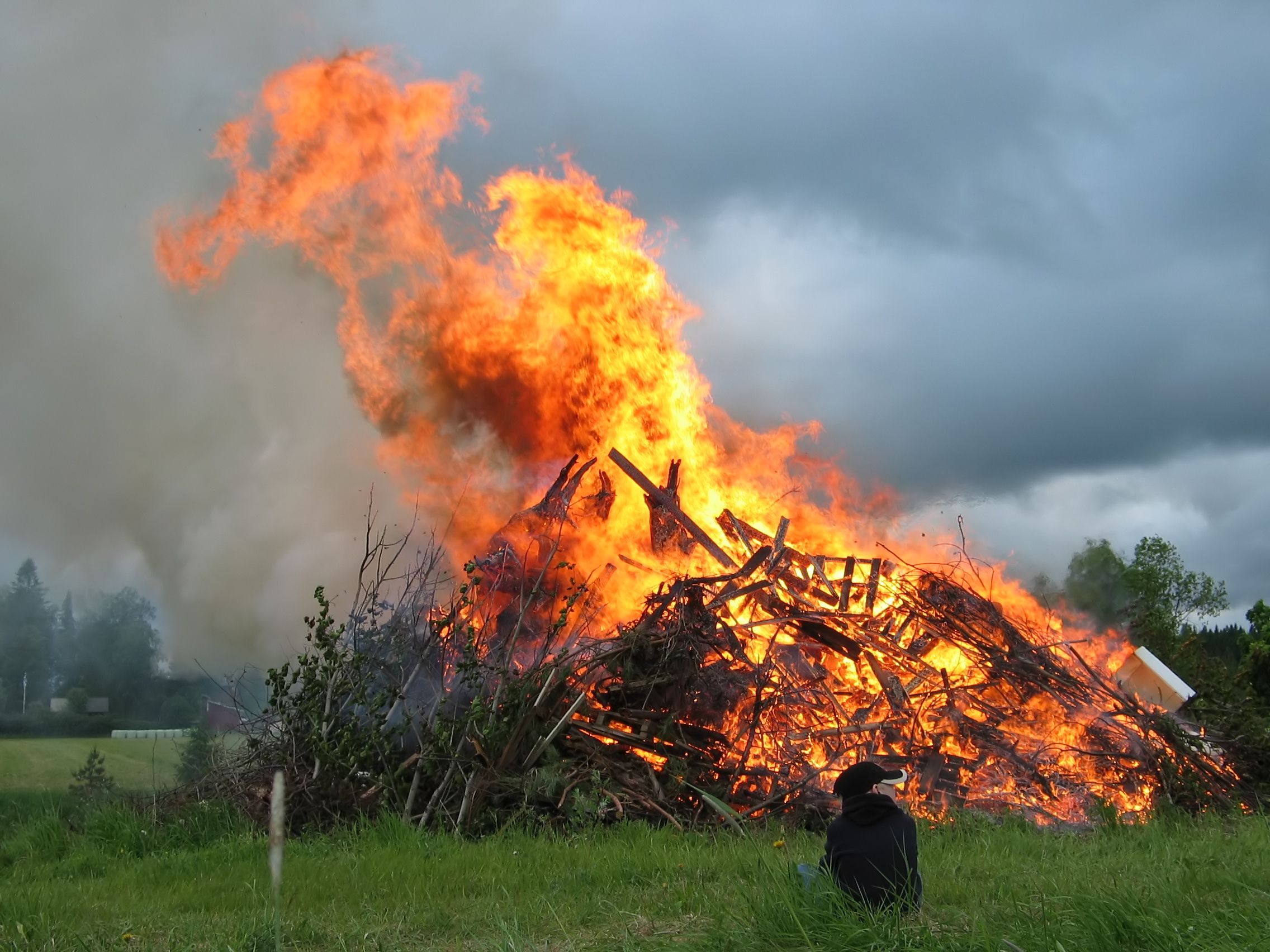
Which of the following are examples of a Chemical Change?
Iron Rusting
Gas Burning
Breaking a glass
Boiling water
Burning Wood


An attraction between molecules of different substances is called...
adhesion
cohesion

A measure of how difficult it is to stretch or break the surface of a liquid is called...
specific heat
polar molecule
capillary action
surface tension

A process powered by adhesion that causes water molecules to move upward through a narrow tube such as the stem of a plant is called...
polar molecule
surface tension
capillary action
specific heat

Capillary Action is key for
Water moving from roots to leaves in plants
Air moving from mouth to lungs
Ice floating on water
Water moving to lower areas
Spongebob is baking a cake and notices water droplets forming on the outside of the cup. What is causing the water droplets to stick to the cup?
cohesion
adhesion
surface tension
A substance that cannot be broken down further chemically is known as...
an element
a compound
a molecule
a mixture

The helium in this balloon is an element. Which statement must be true?
Helium gas is made up of many kinds of molecules.
Helium molecules have more than one kind of atom.
Helium molecules have only one kind of atom.
What would happen if surface tension did not exist?
Small objects would easily sink
Water would evaporate slower
Water would freeze faster

This picture represents the atoms in plaster of paris. Which statement is true?
It is a mixture because it is made of different kinds of molecules.
It is a compound because it is a pure substance with each molecule made of 2 or more atoms.
It is an element because it is a pure substance with each molecule made of only one atoms.
A __________ is the smallest particle in a chemical element or compound. It is made up of two or more atoms.
molecule
element
atom
Which diagram best represents a homogenous mixture?


Which is an example of a pure substance?
air
diamond
milk
cereals with milk
The chemical formula for carbon monoxide is CO while carbon dioxide is CO2 . What does the subscript in oxygen (O) indicate?
the number of oxygen atoms in each substance
the number of mixtures that the oxygen is forming
the number of compounds that the oxygen is forming
whether the oxygen is forming a compound or a mixture
How many atoms of Carbon are in this formula? C6 H12O6
6
1
12

Steel
Heterogeneous
Homogeneous
Compound
Element

capillary action
atoms
Which diagram best represents a heterogeneous mixture?

Are these particles in a solid, liquid, or gas?
Solid
Liquid
Gas


Which of the following statements correctly explains the difference between the two mixtures in the diagram below?
Mixture 1 is homogeneous because the different particles are unevenly distributed
Mixture 1 is heterogeneous because the different particles are evenly distributed
Mixture 2 is homogeneous because the different particles are unevenly distributed
Mixture 2 is homogeneous because the different particles are evenly distributed


TRUE or FALSE? The surface tension of all liquids is exactly the same (i.e. water has the same surface tension as oil).
TRUE
FALSE
Explain how surface tension makes it possible for small insects, such as water striders, to walk on water.
Surface tension creates a solid surface
Surface tension reduces the weight of the insect
Surface tension allows the insect to float
Surface tension creates a film on the water surface
Water spreading and soaking in "wetting" a surface is an example of which phenomenon?
Cohesion
Adhesion
Surface Tension
Sublimation

Are these particles in a solid, liquid, or gas?
Solid
Liquid
Gas

