
 Worksheets
Chemical Safety and Hazard Communication Quiz
Total questions: 20
Worksheet time: 10mins
What is the responsibility of a technician regarding the use of chemicals?
To ignore the SDS and follow personal judgment
To be knowledgeable of the SDS and follow first aid treatment procedures
To use any chemical without precautions
To rely solely on warning signs
What does GHS stand for in the context of chemical labeling?
Global Hazard System
Globally Harmonized System
General Hazardous Substances
Global Health Standards
What is the purpose of signal words in the GHS?
To provide detailed chemical compositions
To indicate the relative level of severity of the hazard
To list all possible uses of the chemical
To describe the color of the chemical
What does the Hazard Communication Standard (HCS) require from chemical manufacturers?
To provide safety data sheets (SDS) for hazardous chemicals
To create new chemicals without restrictions
To ignore safety protocols
To label chemicals with personal opinions
What is covered in Section 5: Fire-Fighting Measures?
Identification of the product
Hazardous ingredients
Suitable extinguishing techniques
First aid measures
What is the purpose of a Safety Data Sheet (SDS)?
To provide emergency procedures and protective equipment information
To list the chemical's characteristics and stability
To offer ecological information and disposal considerations
To ensure proper ventilation in enclosed spaces
Why is it important to wear a respirator when working with dust and asbestos?
To prevent electrical shock
To filter out harmful dust particles
To enhance visibility in dusty environments
To reduce noise levels
What is a key characteristic of asbestos fibers when inhaled?
They are non-toxic and harmless
They are extremely carcinogenic
They improve air quality
They are beneficial for respiratory health
Why must hard hats be worn with the bill facing forward?
To improve hearing
To ensure proper protection from impact
To enhance visibility
To reduce weight on the neck
According to OSHA, what is the maximum permissible noise level for an 8-hour workday?
85 dB
90 dB
95 dB
100 dB
What type of material are single-use earplugs typically made from?
Metal
Foam or silicone rubber
Plastic
Wood
What type of eye protection should be worn when working in a dusty area or using a powder-actuated tool?
Safety glasses with side shields
Full goggles
Sunglasses
No protection needed

When should a full-face shield be worn according to the text?
When working with chemicals or caustic cleaners
When working in a quiet environment
When using a computer
When reading a book
Why is a shaded lens necessary when brazing?
To enhance visibility
To protect eyes from cornea damage
To reduce heat exposure
To improve comfort

Which type of mask includes a cartridge?
Basic mask
Half-face mask
Full-face mask
Wraparound safety glasses
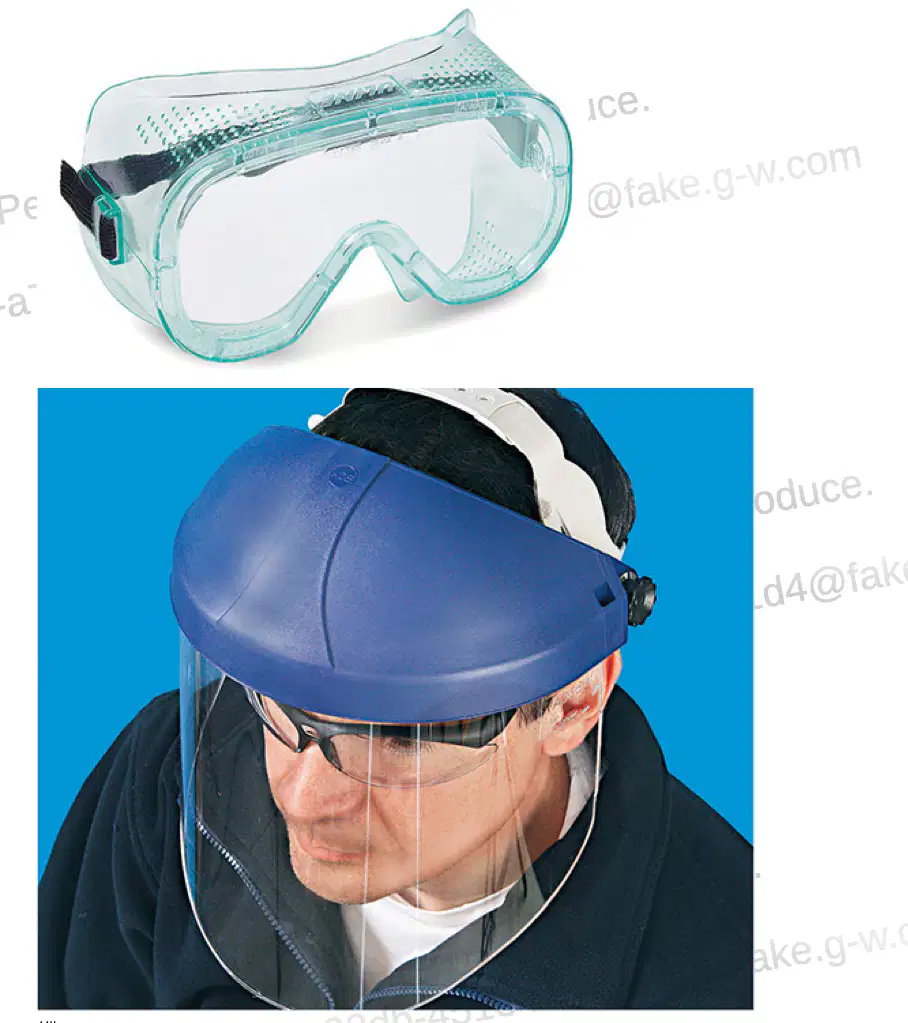
What is the primary purpose of safety goggles and a face shield?
To enhance vision
To provide proper eye protection for different job activities
To improve fashion sense
To block sunlight

What is the primary function of air-purifying respirators?
To provide supplemental oxygen
To remove dust and certain chemicals from the air
To increase oxygen levels in the air
To filter out all types of gases
What is the primary purpose of wearing protective gloves for an HVACR technician?
To enhance grip
To avoid temperature extremes, abrasions, cuts, and chemicals
To improve dexterity
To reduce sweating
What is a characteristic of aluminized gloves?
They are cut-resistant
They offer reflective and insulating protection against heat
They are waterproof
They are lightweight

Aramid fiber gloves protect against which of the following?
Water and moisture
Heat and cold
Electricity
Chemicals

