Worksheets
MAPEH 10 First Quarter Exam Review Test
Total questions: 75
Worksheet time: 38mins
Who is considered the "Father of Musical Impressionism"?

Maurice Ravel

Claude Debussy

Ludwig van Beethoven

Igor Stravinsky
Who is the composer of Requiem?

Ludwig van Beethoven

Claude Debussy

Franz Schubert

Wolfgang Amadeus Mozart
What is the main focus of Musical Impressionism?
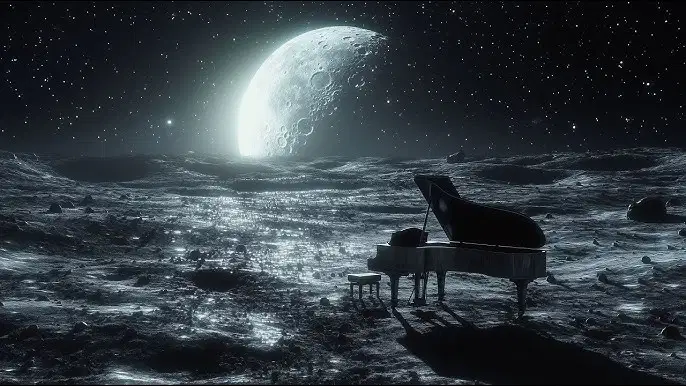
What does Clair de Lune mean?
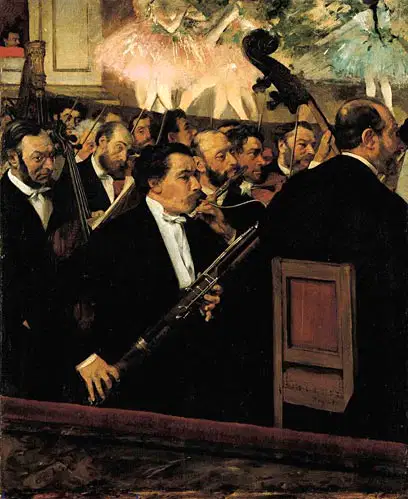
In which century did Musical Impressionism begin?
Which two composers are most associated with Musical Impressionism?

Claude Debussy

Ludwig van Beethoven

Wolfgang Amadeus Mozart

Maurice Ravel

Which song is composed by Franz Schubert?

Clair de Lune

The Merry Peasant

Symphony No. 5

Erlkönig
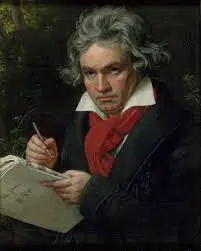
Which song is composed by Ludwig van Beethoven?
Clair de Lune
The Merry Peasant
Symphony No. 5
Erlkönig

Why is Musical Impressionism compared to Impressionist painting?
Both use strict structures and rules
Both focus on capturing atmosphere and mood rather than fine details
Both follow classical traditions
If you were listening to music with shimmering textures and flowing harmonies, how would you classify it?
Impressionism
Baroque
Classical
Romantic
What does the French word Impressionnisme mean according to a journalist?
Loose, inexact manner of brushstrokes
Rigid and pastel brushstrokes
Loose and dark colored brushstrokes
Weak effect

Which painter created Impression, Sunrise, the work that gave Impressionism its name?
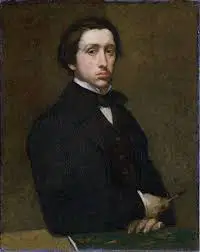
Edgar Degas
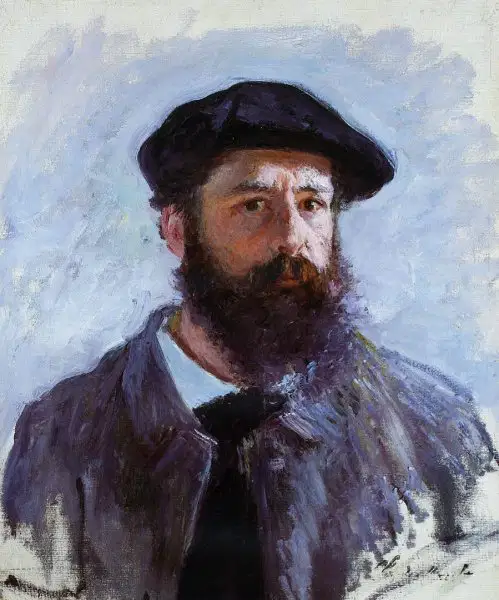
Claude Monet
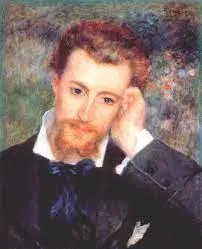
Pierre-Auguste Renoir
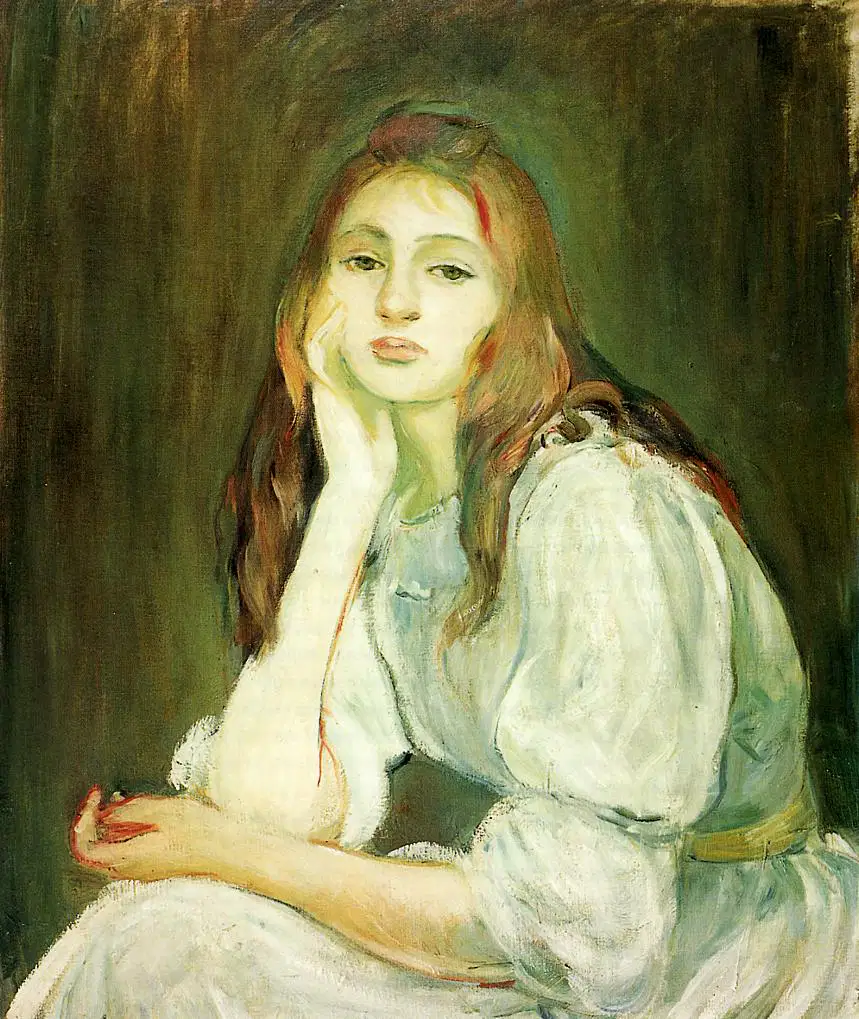
Berthe Morisot

Which painter created The Bellelli Family?
Edgar Degas
Claude Monet
Pierre-Auguste Renoir
Berthe Morisot
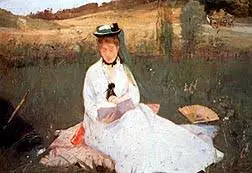
Which painter created Madame Pontillon Seated on the Grass?
Edgar Degas
Claude Monet
Pierre-Auguste Renoir
Berthe Morisot
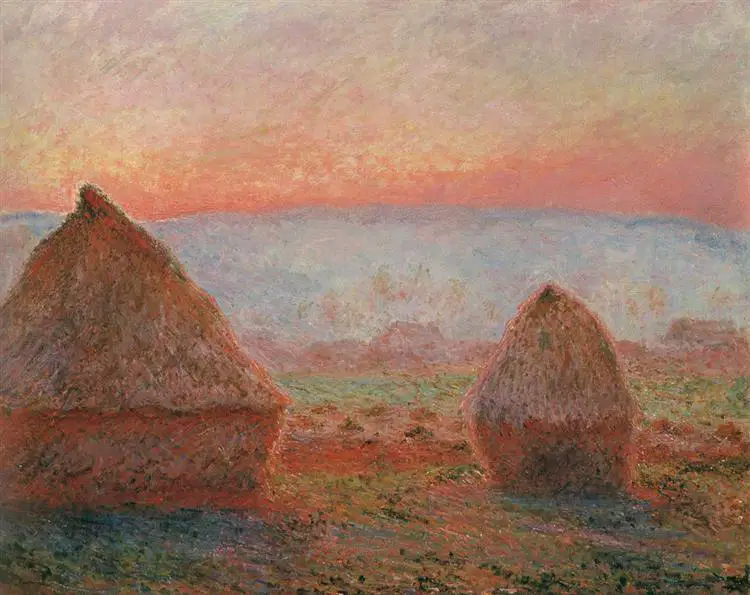
Which painter created a series of Haystack paintings?
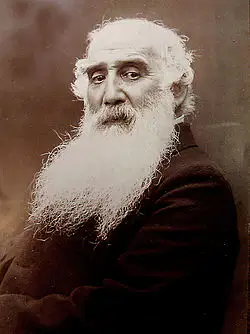
Camille Pissarro
Claude Monet
Pierre-Auguste Renoir
Berthe Morisot
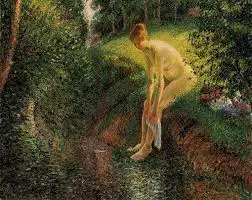
Which painter created Bather in the Woods?
Camille Pissarro
Claude Monet
Pierre-Auguste Renoir
Berthe Morisot
Which painter created a series of Haystack paintings?
Camille Pissarro
Claude Monet
Pierre-Auguste Renoir
Berthe Morisot
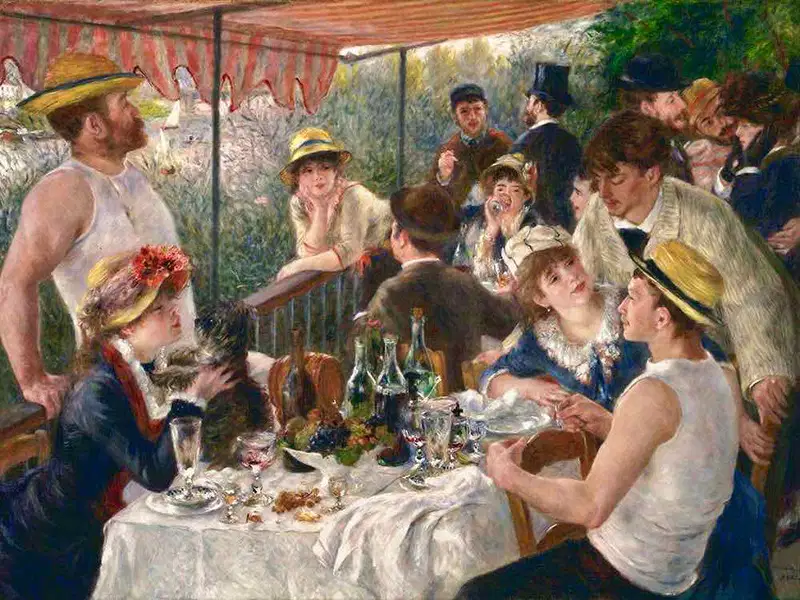
Which painter created Luncheon of the Boating Party?
Camille Pissarro
Claude Monet
Pierre-Auguste Renoir
Berthe Morisot

Alfred Sisley painted this. What is this called?
The Small Meadows in Spring
Flood at Port Marly
The Watering Place at Marly-le-Roi
Lady's Cove, Wales

Who painted The Scream?
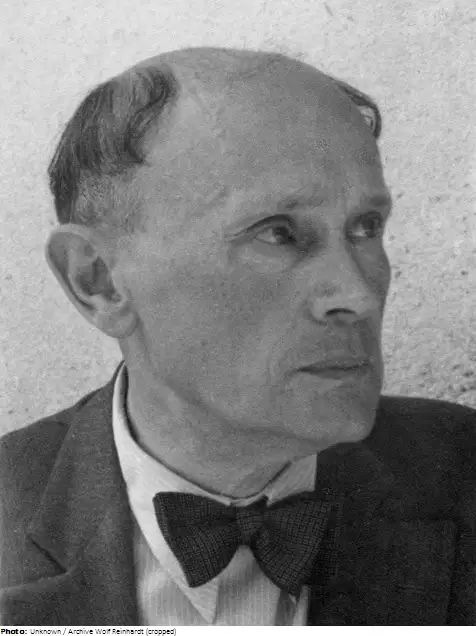
Erich Heckel
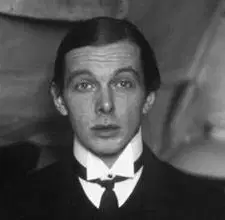
Ernst Ludwig Kirchner
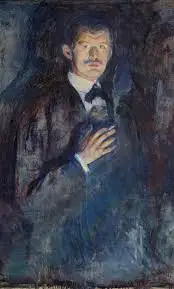
Edvard Munch
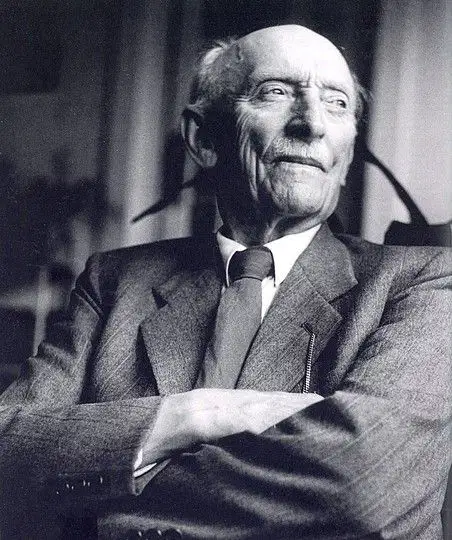
Emil Nolde
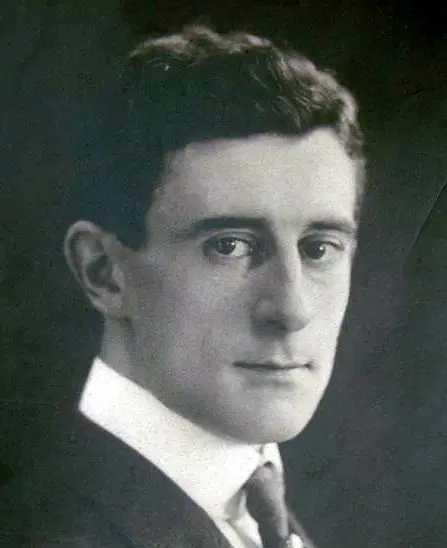
Which of the following is a famous work by Maurice Ravel?
Clair de Lune
La Mer
Rhapsodie Espagnole
Symphony No. 5
Expressionist artists often used which of the following techniques?
Who doesn't belong?

Berthe Morisot
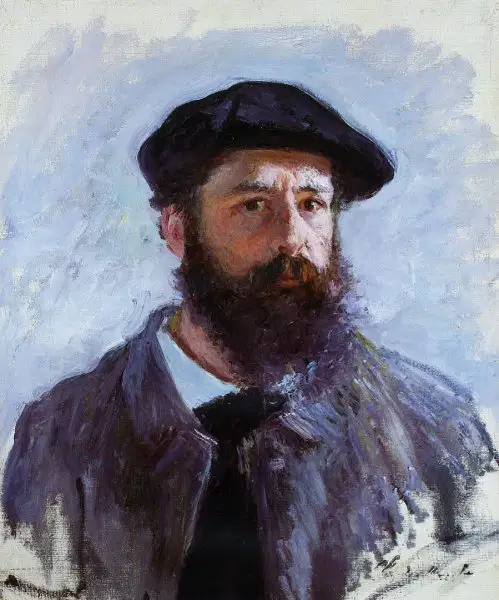
Claude Monet
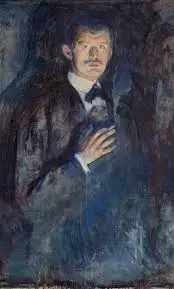
Edvard Munch
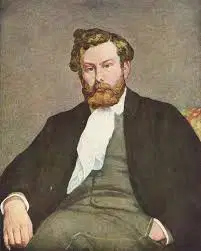
Alfred Sisley
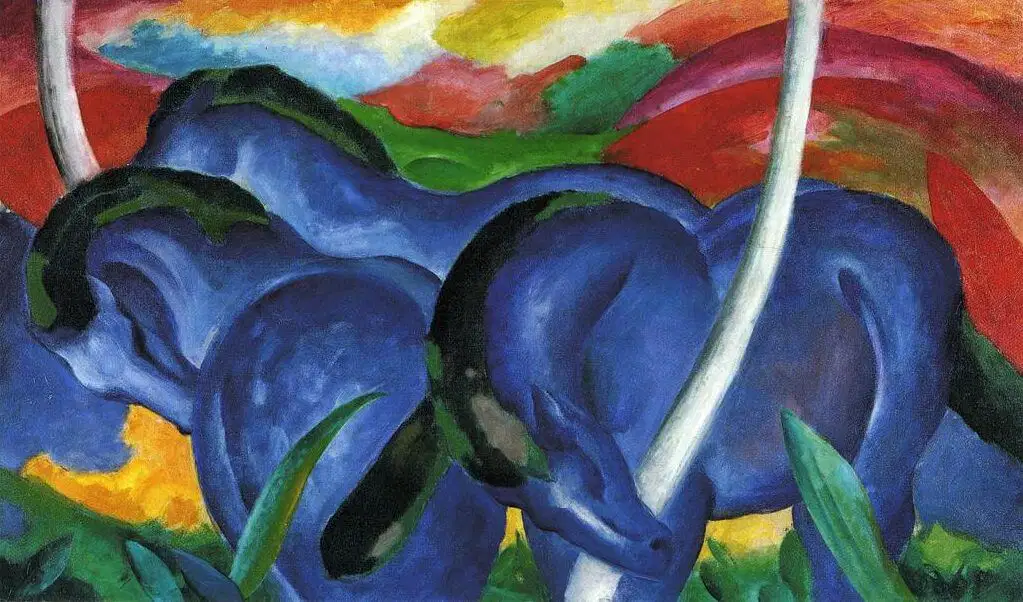
What emotion is evoked by The Large Blue Horses by Franz Marc?
Happiness and hope
Peace and harmony
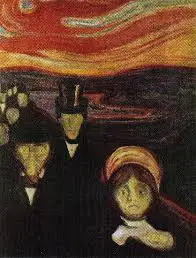
This expressionist art is painted by Edvard Munch. What is the title of this work
Anxiety
The Persistence of Memory
The Scream
Convalescent Woman

At what age did Debussy begin studying at the Paris Conservatoire?
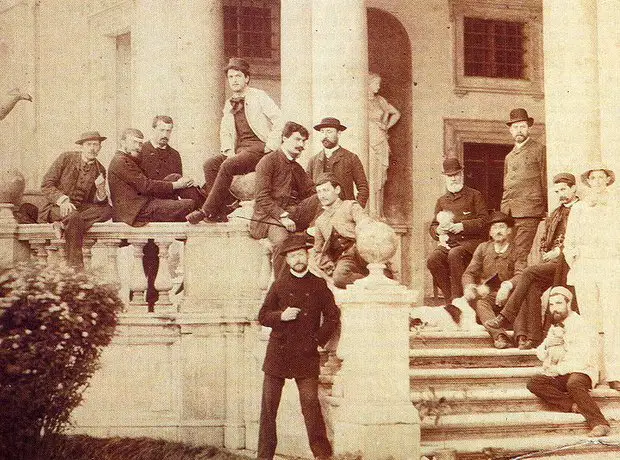
Which prestigious award did Debussy win in 1884?
Grand Prix de Rome
In which country was Claude Debussy born?

How did Debussy’s travels influence his compositions?
He ignored other cultures’ music
He blended Russian folk and Romani influences
He focused only on German Romantic traditions
He avoided using foreign musical styles

What do works like Clair de Lune and La Mer reveal about Debussy’s style?
They show heavy and dramatic storytelling
They reflect imagery and atmosphere like paintings
They follow very strict symphonic forms
They are mostly based on opera traditions
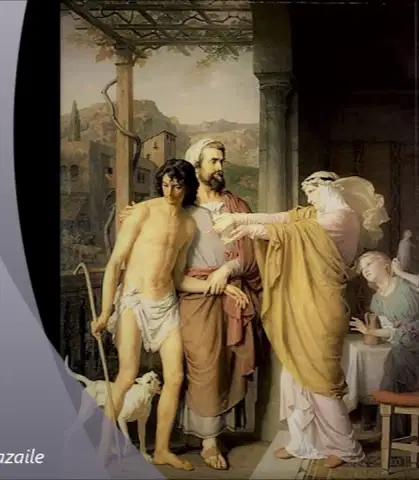
What musical composition made Claude Debussy won his first Grand Prix in Rome?
Clair de Lune
Prélude à l’Après-midi d’un faune
L’enfant prodigue
La Mer
Where did Maurice Ravel study music?
Which of the following is a piano suite by Ravel?
Which of the following is a ballet by Ravel?
How was Ravel’s style different from Debussy’s Impressionism?
Ravel’s music was more structured and logical
Ravel focused only on vocal music
Ravel completely rejected Impressionism
Ravel used no influence from classical traditions
What does Rhapsodie Espagnole reveal about Ravel’s inspiration?
In which country did Expressionism become dominant after World War I?
Which art movement did Expressionism react against?
Which of the following is NOT a quality of Expressionist art?
A student wants to paint in the Expressionist style. Which approach would best reflect Expressionism?
Using calm pastel colors and balanced harmony
Painting distorted figures with jagged lines and vivid colors
Focusing on precise, realistic details of nature
Copying Renaissance ideals of proportion
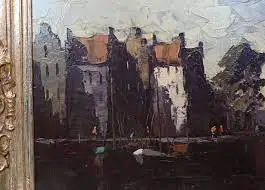
If an artist paints a city street filled with tension and frustration, which artistic movement does this belong to?
A museum exhibit is about modern art rejecting traditional academic styles. Which movement would Expressionism belong to?
Modern Art
You are an artist who wants to do modern art. Which should you avoid using as a subject?
Greek gods and goddesses
Personal experience and emotions
Still life
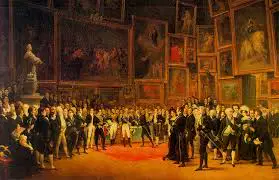
In the Salon which favored traditional art, which art would not be exhibited?

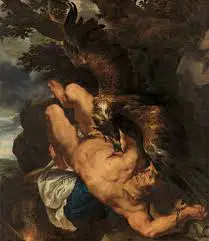
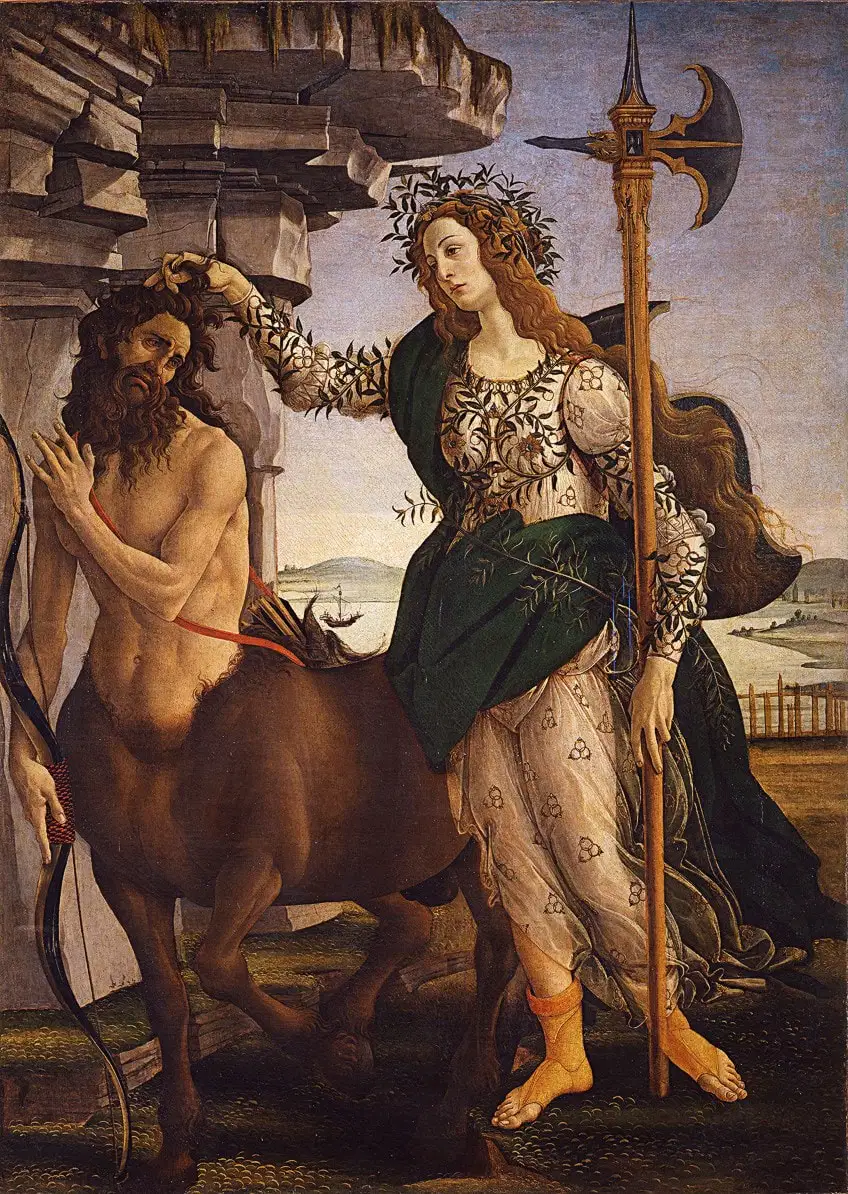
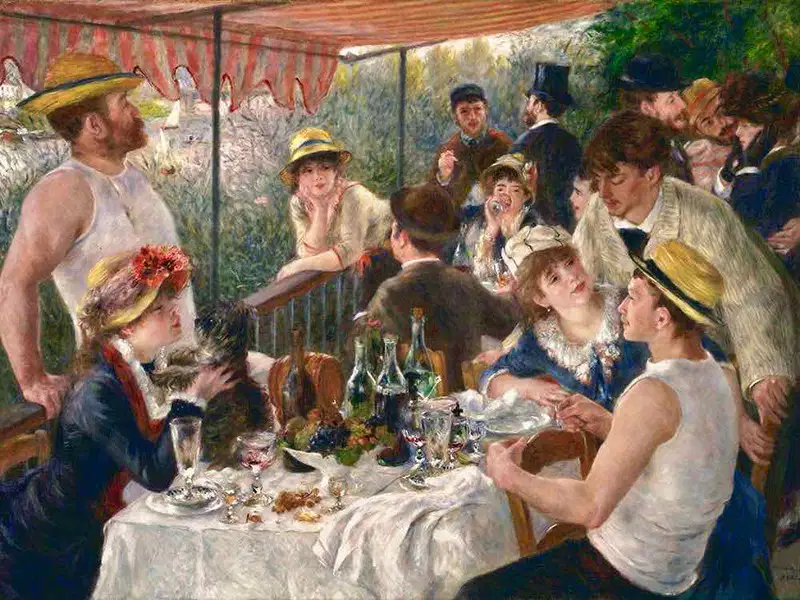
A teacher assigns students to create an Expressionist-inspired artwork. Which subject would fit best?
A peaceful meadow
A family picnic scene
An image showing alienation and discontent in a crowd
A still-life of flowers in a vase

Which part of the body should remain in a straight line during a proper push-up?
Legs only
Shoulders only
Whole body from heels to head
Arms only

How many sets and repetitions are recommended for push-ups?
2 sets of 12 reps
3 sets of 8 reps
4 sets of 6 reps
5 sets of 10 reps

Why is it important to keep the body in a straight line when performing push-ups?
To make the exercise easier
To avoid injury and ensure correct muscle engagemen
To finish the exercise faster
To focus only on arm strength
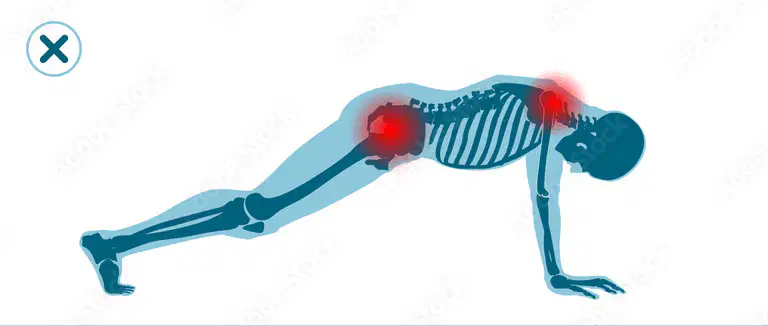
Imagine you see a classmate doing push-ups with hips raised higher than the shoulders.
Do faster push-ups to build strength
Spread feet wider to make it easier
Stop and skip the exercise
Lower the hips to keep the body in a straight line

At what angle should your elbows bend when lowering your body during a tricep dip?
45°
90°
75°
60°

Why should the elbows stay close to the body during tricep dips?
To make the movement easier
To focus on the chest muscles
To prevent putting too much weight on the legs
To effectively target the tricep muscles
Your friend is doing tricep dips, but their elbows keep bowing outward. What advice should you give?
Straighten the arms completely
Push faster to build momentum
Lean forward more
Keep elbows tucked close to the body

To what angle should you lower your thighs in a standard squat?
90°
75°
60°
45°
What position should your feet be in when starting a squat?
Together
Hip-width apart
Wider than shoulders
Crossed
Which major muscle groups are primarily worked by squats?
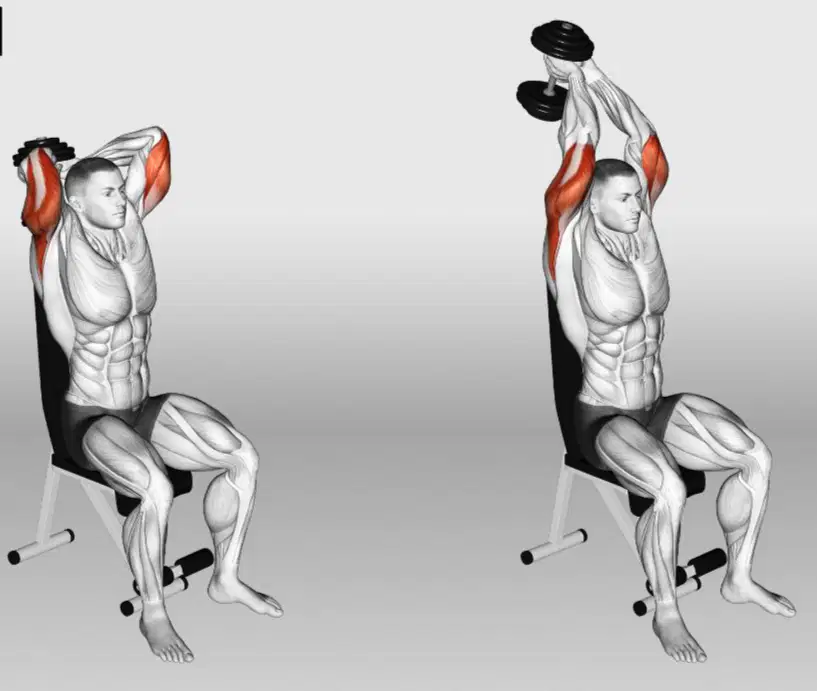
Triceps and shoulders
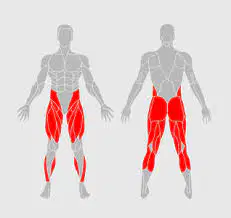
Quadriceps and glutes
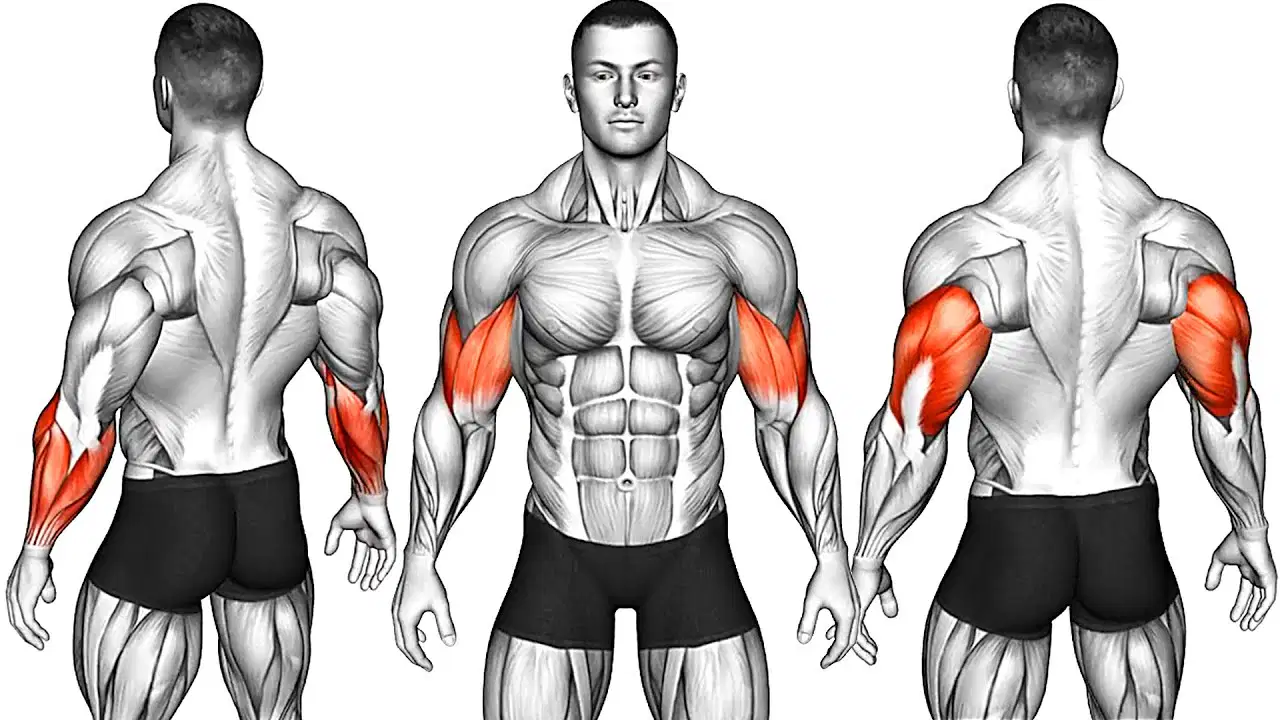
Biceps and forearms
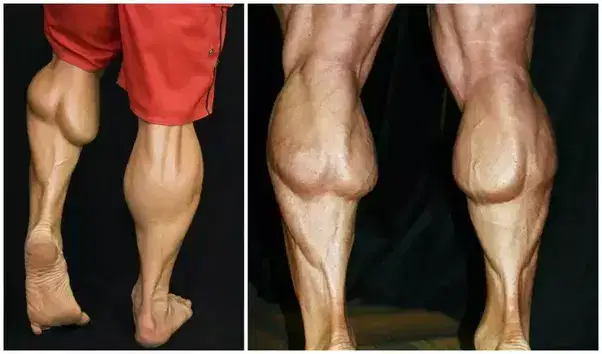
Calves and chest
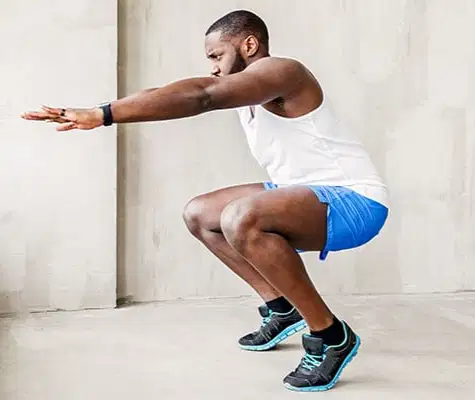
You notice a classmate squatting with their heels lifting off the ground. What advice should you give?
Point toes outward more
Lower only halfway
Squat faster to build momentum
Keep weight in the heels and maintain balance
How many repetitions per set are recommended for squats in this workout?
8 reps
10 reps
15 reps
5 reps
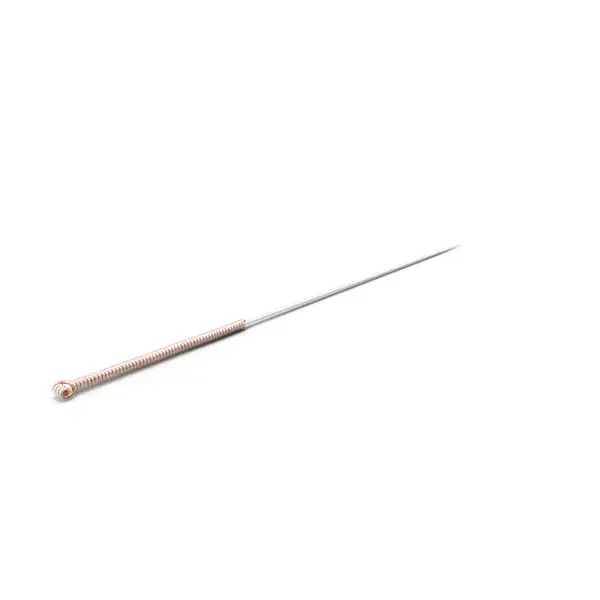
The word acupuncture comes from the Latin words acus and puncture, which mean:
Needle, to puncture
Hand healing
Heat therapy
Natural cure
What does acus mean?


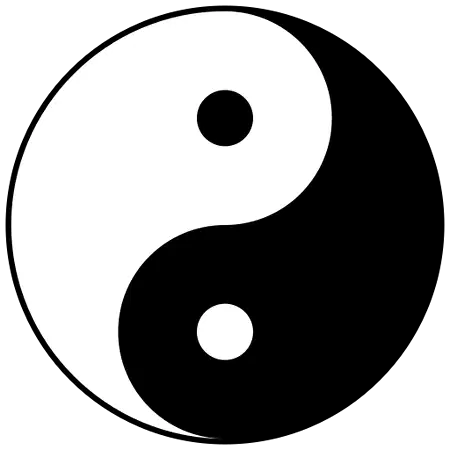
What does TCM mean?
According to TCM, stimulating acupuncture points corrects imbalances in the flow of:
Blood
Oxygen
Hormones
Qi
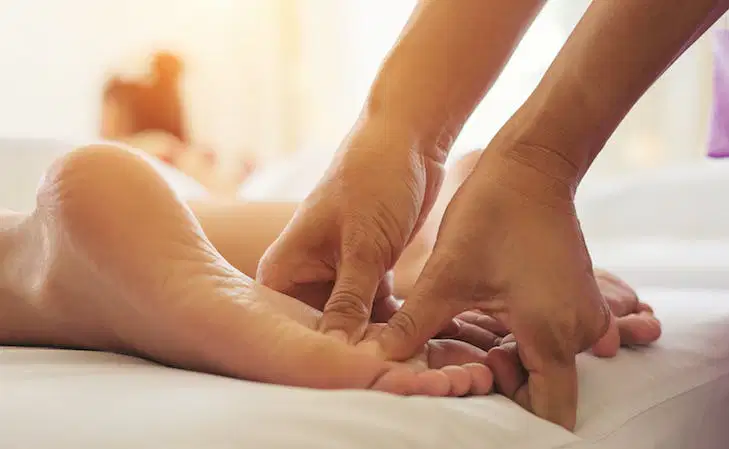
Reflexology works by manipulating specific reflex points located on the:
Chest and back
Head and shoulders
Neck and spine
Feet and hands
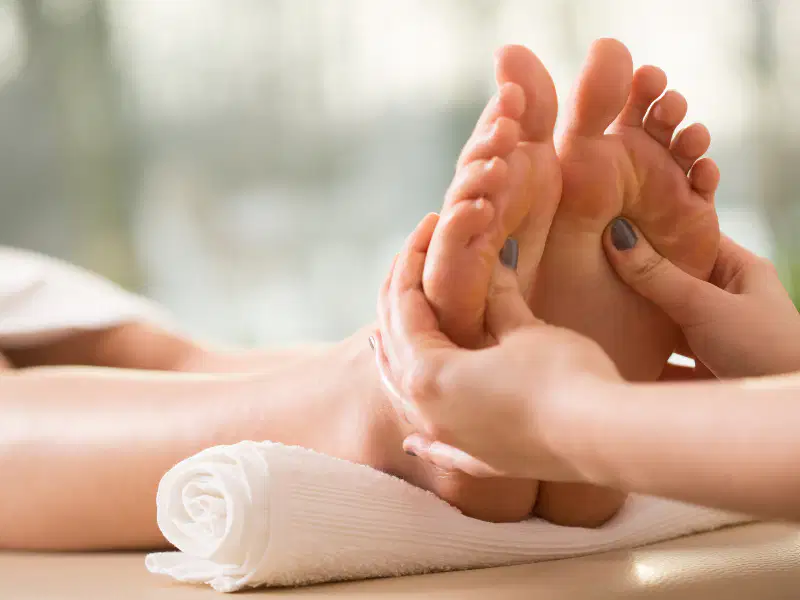
Reflexology sessions typically last around
50 seconds
2 hours
30 minutes
50 minutes
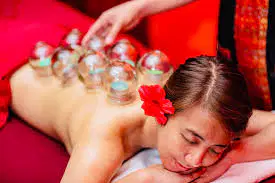
Which among the following is a ventosa cupping treatment?
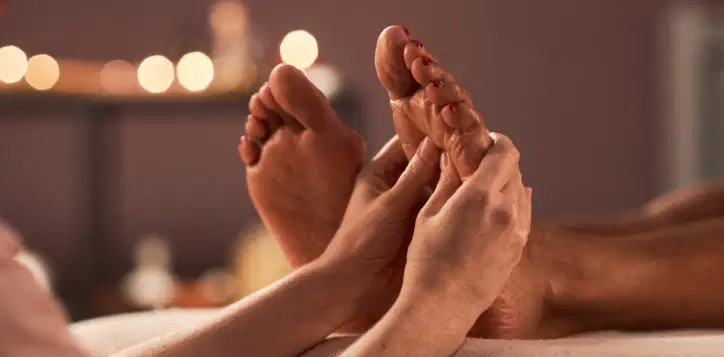
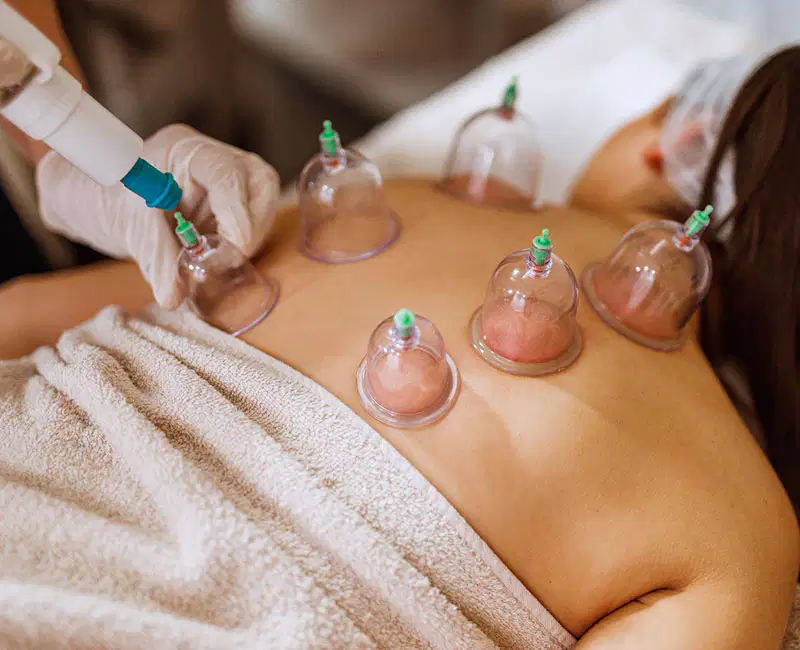



Which belief is central to naturopathic philosophy?
Self-healing
Only science-based medicine
Quick surgical intervention
Energy crystals

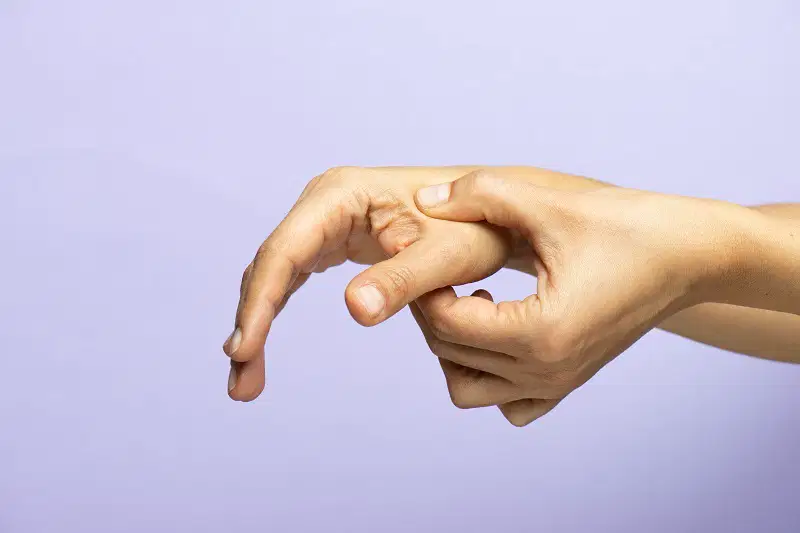
Anna has frequent migraines. Instead of painkillers, she tries a therapy where a practitioner applies pressure on her feet to release “crystalline deposits.” Which alternative therapy is she using?
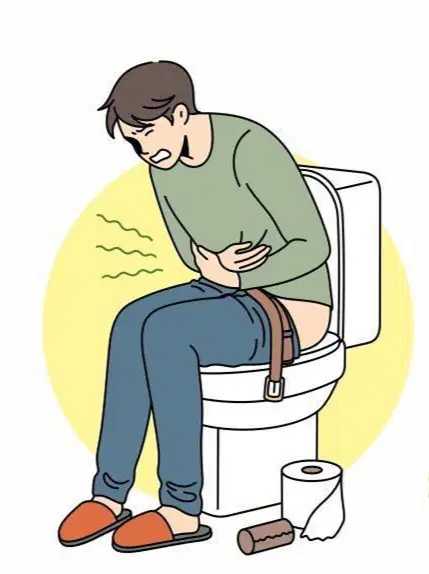
Which of the following unusual items was once used as medicine for diarrhea and rheumatism?



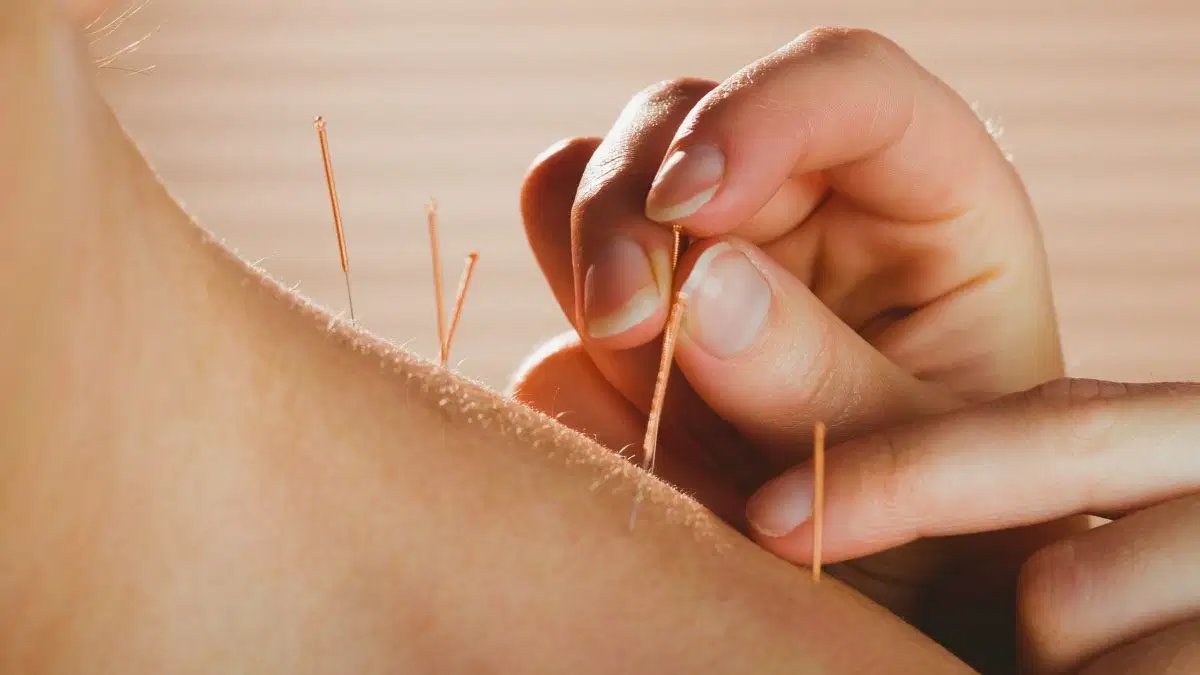
Which statement BEST describes acupuncture according to modern science?
It is fully evidence-based and scientifically proven.
It is pseudoscience, though some use it for pain relief.
It only works with laser light stimulation.
It is a surgical method for body balance.
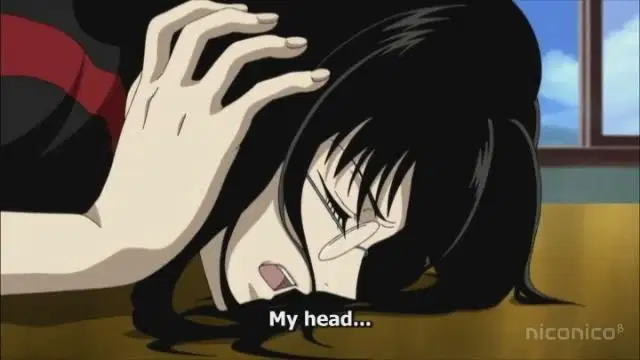
A student experiences frequent headaches and prefers a non-drug approach. How could acupuncture be applied to help?
Do high-intensity exercise only
Ignore the headaches completely
Take only over-the-counter painkillers
Insert thin needles at specific points on the head, neck, or hands
Why are needles, heat, pressure, or laser used in acupuncture?
Stimulate points
For relaxation
To increase blood flow
If a patient wants a holistic approach using diet, lifestyle counseling, and herbalism—but avoiding invasive surgery—they are MOST likely choosing:
Naturopathy
Reflexology
Acupuncture
The term “naturopathy” comes from which languages?
Latin and Greek
English and Latin
French and German
Chinese and Japanese

A student feels tired and stressed after exams. Which reflexology approach could help them feel more energetic?
Apply deep pressure to reflex points for a few minutes
Take sleeping pills
Only drink water
Run a marathon
Why is acupuncture considered pseudoscientific while reflexology is seen as a general healing therapy?
Both treat pain
Both rely on TCM
Both stimulate points
Acupuncture lacks evidence; reflexology improves balance
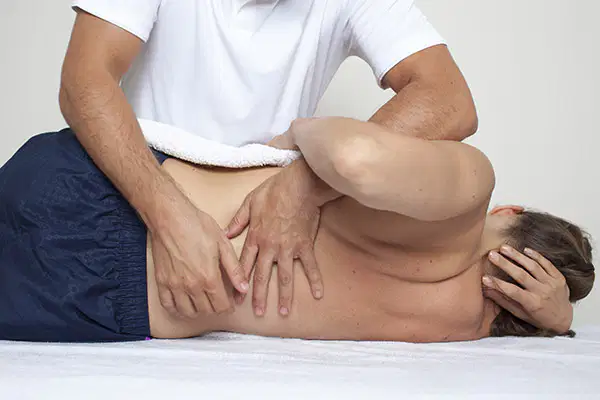
Which is a chiropractic care, a hands-on, drug-free form of complementary medicine that diagnoses and treats musculoskeletal disorders?