
 Worksheets
B.1.1 Human Body Axes of Rotation Quiz
Total questions: 20
Worksheet time: 10mins
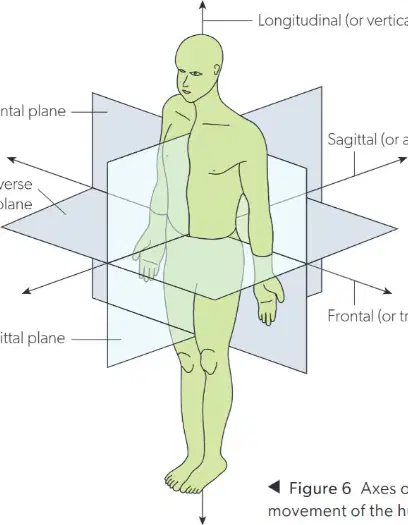
Which axis is shown running vertically through the body in the diagram?
Frontal axis
Sagittal axis
Longitudinal axis
Transverse axis
If a movement at a joint is described as the opening of the joint angle around the frontal axis, what is this movement called?
Flexion
Extension
Adduction
Medial rotation
A person moves their arm horizontally away from the midline when already flexed to 90°. What is this movement called?
Horizontal flexion (horizontal adduction)
Horizontal extension (horizontal abduction)
Elevation
Depression
What is the function of the opposition movement of the thumb?
Returning the thumb to its anatomical position
Moving the thumb across the palm to touch fingertips on the same hand
Rotating the forearm so the palm faces upwards
Flexing the ankle joint
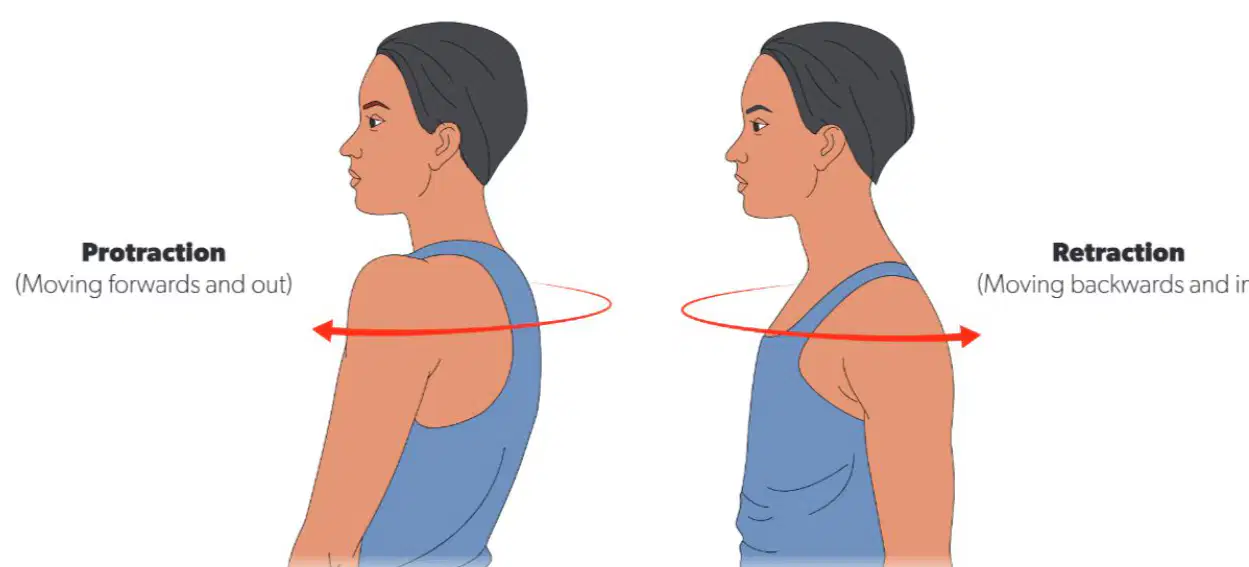
What is the term used to describe the movement of the shoulder girdle forwards and out?
Protraction
Retraction
Flexion
Extension
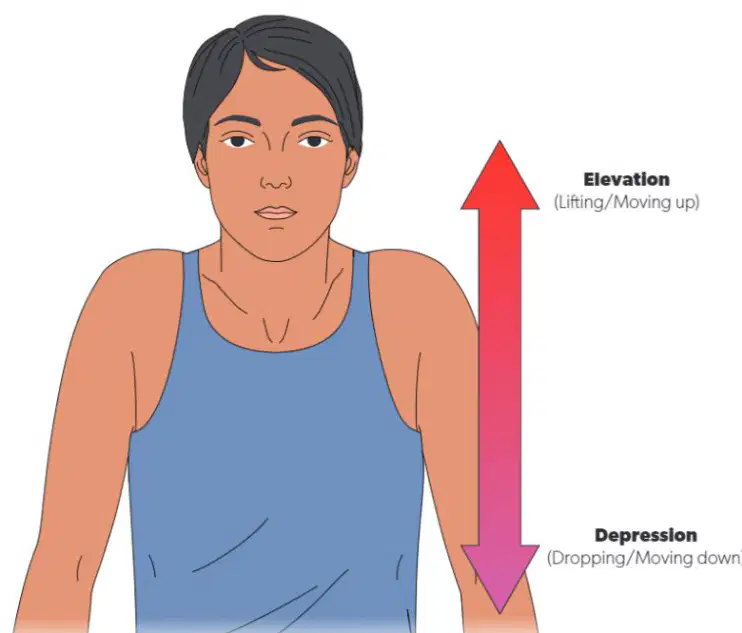
Which movement is described as "depression" in anatomical terms?
Lifting or moving up
Dropping or moving down
Twisting to the side
Extending backward
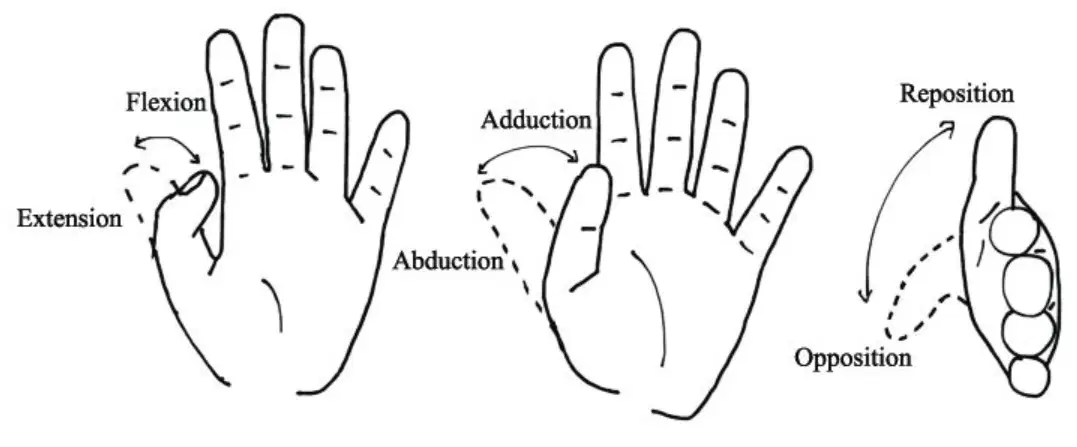
Which movement is described as returning the thumb from opposition back to its anatomical position?
Flexion
Extension
Reposition
Adduction
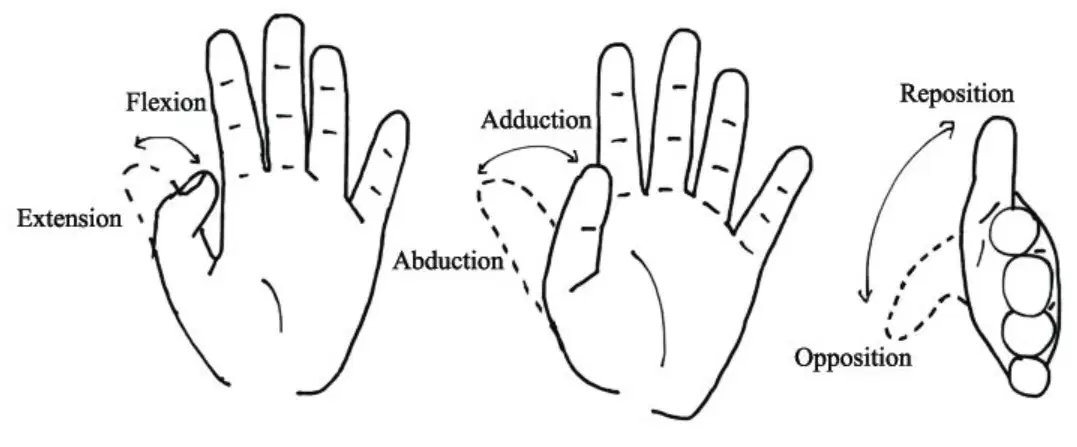
Which movement involves bending the fingers towards the palm?
Extension
Flexion
Adduction
Reposition
Which joints are capable of performing circumduction?
Hip, shoulder, wrist, ankle, thumb
Elbow, knee, jaw, spine
Skull, ribs, pelvis, vertebrae
Fingers, toes, clavicle, scapula
What type of joint is required for circumduction to occur?
Uniaxial joint
Biaxial joint
Nonaxial joint
Fixed joint
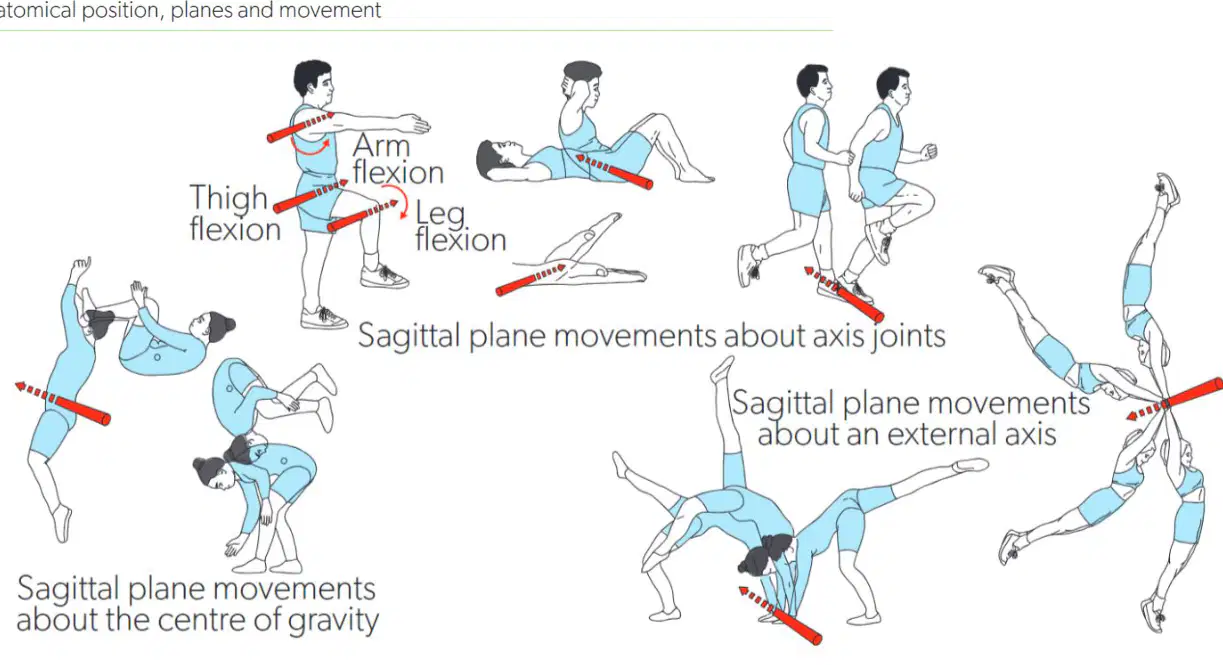
A gymnast performing a forward roll is demonstrating which type of sagittal plane movement?
Sagittal plane movement about an external axis
Frontal plane movement about a vertical axis
Transverse plane movement about a horizontal axis
Sagittal plane movement about the centre of gravity
Why is it important to understand the different types of sagittal plane movements in sports and exercise?
To improve technique and prevent injury
To increase muscle size only
To reduce the need for warm-up
To avoid cardiovascular exercise
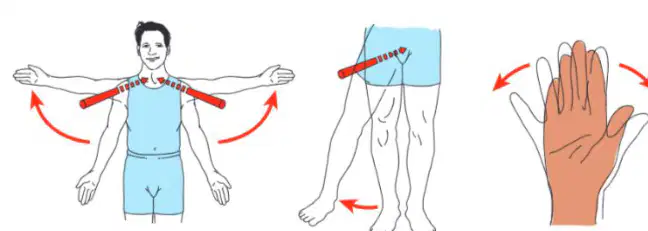
Which anatomical plane is being illustrated in the provided diagrams?
Frontal plane
Sagittal plane
Transverse plane
Oblique plane
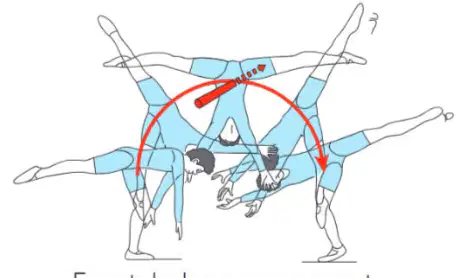
According to Figure 10, which of the following is NOT a type of frontal plane movement?
Movements about joint axes
Movements about the centre of gravity
Movements about an external axis
Movements about the sagittal axis
Why is understanding frontal plane movements important for analyzing human motion?
It helps identify side-to-side movements and balance
It only explains forward and backward motion
It is only relevant for hand movements
It is not important for human motion analysis
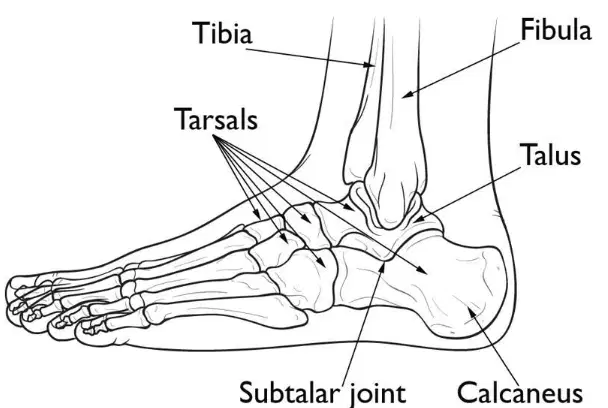
Based on the diagram, which bone connects directly to the heel bone (calcaneus)?
Talus
Femur
Patella
Radius
Which of the following is a factor that affects the range of motion at a joint?
The amount of soft tissue at the joint
The temperature of the joint
The age of the person
The color of the ligaments
What is the term for the movement of a limb away from the midline of the body?
Abduction
Adduction
Extension
Flexion
Which type of joint allows for the greatest range of motion?
Gliding joint
Pivot joint
Ball-and-socket joint
Hinge joint
In anatomical terms, what is the opposite of flexion?
Adduction
Extension
Rotation
Abduction

