
 Worksheets
ServSafe Practice Quiz
Total questions: 102
Worksheet time: 51mins
What is a foodborne illness?
A disease transmitted by air
A disease transmitted by water
A disease transmitted by food
A disease transmitted by animals
Which of the following is considered an outbreak of foodborne illness?
One person gets sick after eating food
Two or more people have the same symptoms after eating the same food
A single case of illness is reported
A food handler gets sick
What is the greatest threat to food safety according to the document?
Chemical contaminants
Physical contaminants
Biological pathogens
Natural toxins
Which of the following is NOT a way food can become unsafe?
Purchasing food from unsafe sources
Cooking food thoroughly
Holding food at incorrect temperatures
Practicing poor personal hygiene
What is time-temperature abuse?
Storing food at the correct temperature
Food staying too long at temperatures that promote pathogen growth
Cooking food at high temperatures
Freezing food immediately after cooking
What is cross-contamination?
Cooking food at high temperatures
Transferring pathogens from one surface or food to another
Storing food in airtight containers
Washing hands before handling food
Which of the following actions can cause a foodborne illness due to poor personal hygiene?
Washing hands correctly after using the restroom
Coughing or sneezing on food
Wearing gloves while handling food
Using hand sanitizer before touching food
What is a key requirement for TCS food to prevent pathogen growth?
High sugar content
Time and temperature control
Low moisture content
High acidity
Which of the following is considered a TCS food?
Dried pasta
Baked potatoes
Canned beans
Salted nuts
Who is at high risk for foodborne illnesses?
Teenagers
Elderly people
Middle-aged adults
Athletes
What is a characteristic of ready-to-eat food?
Requires cooking before consumption
Can be eaten without further preparation
Needs to be frozen before serving
Must be reheated to a high temperature
Which of the following is a measure to keep food safe?
Purchasing from unverified suppliers
Controlling time and temperature
Ignoring cross-contamination
Avoiding personal hygiene
What role does the FDA play in food safety?
It only inspects imported food
It regulates food transported across state lines
It does not regulate food safety
It only inspects local food markets
Which agency is responsible for regulating and inspecting meat, poultry, and eggs?
CDC
FDA
USDA
PHS
What is the purpose of The Food Code issued by the FDA?
To regulate international food trade
To provide recommendations for food safety regulations
To enforce food safety laws
To inspect food processing plants
Which of the following is NOT a responsibility of state and local regulatory authorities?
Inspecting operations
Enforcing regulations
Conducting research on foodborne illnesses
Approving construction
What is the primary cause of foodborne illness according to the document?
Lack of exercise
Biological contamination
Overeating
Poor cooking skills
Which of the following is NOT one of the "Big Six" pathogens identified by the FDA?
Shigella spp.
Norovirus
Listeria monocytogenes
Salmonella Typhi
How can contaminants be passed very easily according to the document?
By reading contaminated books
Through person-to-person contact
By listening to loud music
By watching television
What is the fecal-oral route in the context of food contamination?
Contaminants are spread through the air
Contaminants are spread through feces on hands
Contaminants are spread through water
Contaminants are spread through soil
What are the symptoms of foodborne illness mentioned in the document?
Headache and dizziness
Diarrhea, vomiting, and fever
Cough and sore throat
Rash and itching
What is the most important way to prevent bacteria from causing a foodborne illness?
Use of antibiotics
Control time and temperature
Regular washing of hands
Avoiding dairy products
Which condition is NOT necessary for bacteria to grow?
Food
Acidity
Light
Moisture
At what temperature range do bacteria grow most rapidly?
32°F to 41°F
41°F to 135°F
135°F to 165°F
165°F to 212°F
What type of food supports the growth of bacteria better?
TCS food
Dry food
Frozen food
Canned food
Which bacteria is linked to ready-to-eat food and beverages?
E. coli
Salmonella Typhi
Listeria
Nontyphoidal Salmonella
What is a prevention measure for Nontyphoidal Salmonella?
Exclude food handlers with typhoid fever
Cook poultry and eggs to minimum internal temperatures
Avoid all dairy products
Use only bottled water
What is a common source of Shigella spp.?
Contaminated shellfish
Feces of infected humans
Undercooked poultry
Contaminated dairy products
Which food is commonly linked with Shiga toxin-producing E. coli?
Ready-to-eat food
Ground beef (raw and undercooked)
Fresh fruits
Pasteurized milk
What is a key prevention measure for Hepatitis A?
Cooking food at high temperatures
Excluding food handlers with jaundice
Using antibiotics
Freezing food
Why is it important to practice good personal hygiene when handling food?
Viruses are destroyed by cooking
Viruses can be transmitted through airborne particles
Viruses require a living host to grow
Viruses are not infectious in food
What is a characteristic of viruses that cause foodborne illness?
They can grow in food
They are destroyed by normal cooking temperatures
They require a living host to grow
They are not infectious in water
What is Norovirus commonly linked with?
Fresh fruits
Ready-to-eat food
Raw vegetables
Dairy products
Which of the following is a prevention measure for Norovirus?
Use of antibiotics
Exclude food handlers with symptoms
Boil contaminated water
Use of insecticides
What is the most important measure to prevent parasites from causing foodborne illness?
Cooking food thoroughly
Purchasing food from approved suppliers
Using chemical preservatives
Freezing food
What are symptoms of biological toxin illnesses?
Fever and chills
Diarrhea and vomiting
Rash and itching
Headache and dizziness
What should be consulted to prevent chemical contamination in food?
Food safety manual
Material Safety Data Sheet (MSDS)
Cooking guidelines
Health department brochure
What is a common object that can become a physical contaminant in food?
Salt
Metal shavings
Sugar
Water
What does the acronym A.L.E.R.T. relate to in food safety?
Food preservation techniques
Food defense program
Nutritional guidelines
Cooking methods
What should you do if you suspect a foodborne-illness outbreak?
Ignore the complaint
Contact the local regulatory authority
Wait for more complaints
Discard all food products
Which of the following is a symptom of an allergic reaction to food?
Increased appetite
Nausea
Improved vision
Enhanced energy
What is the first step in responding to a foodborne-illness outbreak?
Segregating the suspected product
Gathering information
Reviewing procedures
Documenting information
What should be included on a label for a suspected contaminated product?
"For Immediate Use"
"Do Not Use" and "Do Not Discard"
"Safe for Consumption"
"Use with Caution"
What is a food allergen?
A vitamin in food
A protein in food that some people are sensitive to
A carbohydrate in food
A mineral in food

What are the eight food items known as the Big Eight allergens?
Milk, Eggs, Fish, Peanuts, Soy, Wheat, Crustacean, Tree nuts
Milk, Eggs, Fish, Peanuts, Soy, Wheat, Crustacean, Chocolate
Milk, Eggs, Fish, Peanuts, Soy, Wheat, Crustacean, Corn
Milk, Eggs, Fish, Peanuts, Soy, Wheat, Crustacean, Rice
What is the primary purpose of food labels in relation to allergens?
To identify allergens in the products
To provide cooking instructions
To list nutritional information
To display the brand logo
How can service staff help prevent allergic reactions in customers?
By ignoring customer allergies
By suggesting items that contain allergens
By identifying if the food contains allergens
By serving all foods without checking
What is cross-contact in the context of food allergies?
Mixing different types of food
Transferring allergens from one food to another
Cooking food at high temperatures
Serving food without utensils
Which of the following is a method to avoid cross-contact in the kitchen?
Use the same fryer oil for all foods
Wash hands and change gloves before prepping food
Cook all foods together
Ignore ingredient labels
Which of the following situations can lead to a food handler contaminating food?
When they have a foodborne illness
When they are wearing clean clothes
When they are cooking at home
When they are using a new recipe
What is a critical part of personal hygiene to prevent the spread of pathogens?
Wearing gloves
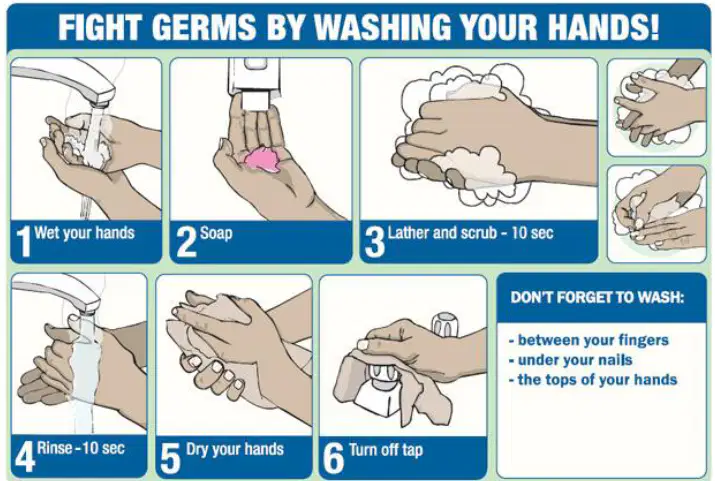
Handwashing
Using hand sanitizer
Wearing a mask
Where should food handlers wash their hands?
In a sink designated for handwashing
In a sink used for dishwashing
In a sink used for discarding waste water
In any available sink
Which action should be avoided to prevent causing a foodborne illness?
Wearing clean uniforms
Scratching the scalp
Using a clean cutting board
Cooking food thoroughly
When should food handlers wash their hands?
Before using electronic devices
After handling money
Before touching clean equipment
After eating
What should be done if food handlers are not following proper handwashing procedures?
Ignore the situation
Dispose of contaminated food
Retrain the food handlers
Both B and C
What is the correct procedure for covering an infected wound on the hand?
Use a regular bandage
Cover with a finger cot and a single-use glove
Use a dry, tight-fitting bandage
Leave it uncovered
Why should nail polish not be worn by food handlers?
It can chip and become a contaminant
It is against fashion standards
It is too expensive
It can make nails grow faster
What is the purpose of hand antiseptics?
To replace handwashing
To lower the number of pathogens on skin
To moisturize hands
To make hands smell nice
When should single-use gloves be changed according to the guidelines?
After handling raw meat, seafood, or poultry
Every two hours of continuous use
Before starting a new task
After washing hands
What is a key reason for wearing clean clothing in food preparation areas?
To look professional
To prevent physical contaminants
To impress customers
To follow fashion trends
What should food handlers do with jewelry before prepping food?
Wear only rings
Remove all jewelry
Wear bracelets only
Keep watches on
Why is it important for food handlers to shower or bathe before work?
To feel refreshed
To prevent the transfer of pathogens
To save time
To follow a daily routine
What should employees avoid doing in designated areas to prevent contamination?
Eating, drinking, smoking, and chewing gum or tobacco
Talking loudly
Using mobile phones
Listening to music
What should be done if a food handler has an infected wound or boil that is not properly covered?
Allow them to work with food
Restrict them from working with exposed food, utensils, and equipment
Exclude them from the operation
No action is needed
If a food handler has a sore throat with a fever, what is the recommended action?
Allow them to work with food
Restrict them from working with exposed food, utensils, and equipment
No action is needed
Encourage them to drink fluids
What symptoms require a food handler to be excluded from the operation?
Sneezing and coughing
Vomiting and diarrhea
Headache and fatigue
Sore throat and fever
Which pathogen requires a food handler to be excluded from the operation and the situation reported to the regulatory authority?
Common cold virus
Norovirus
Seasonal flu
Rhinovirus
What must food handlers with jaundice do before returning to work?
Have no symptoms for at least 24 hours
Have a written release from a medical practitioner
Take over-the-counter medication
Rest for 48 hours
What is the purpose of using separate equipment for different types of food?
To enhance flavor
To prevent cross contamination
To save time
To reduce cooking temperature
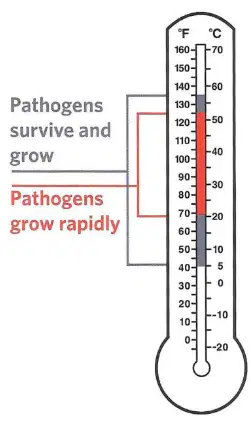
What is the temperature range for the food danger zone?
32°F to 41°F
41°F to 135°F
135°F to 220°F
70°F to 125°F
Which type of thermometer is used to check the internal temperature of food like hamburger patties?
Surface probe
Air probe
Penetration probe
Infrared thermometer
What is the correct method to calibrate a bi-metallic stemmed thermometer?
Use boiling water
Use the ice point method
Use room temperature water
Use a microwave
What should be done if food is cooked to the wrong internal temperature?
Serve it immediately
Reheat it without checking
Consider it time-temperature abused
Freeze it for later use
What is a requirement for an approved, reputable supplier?
Must have a flashy marketing campaign
Must be inspected and meet all applicable laws
Must offer the lowest prices
Must be located within 10 miles of the operation
What should be done with food items recalled by the manufacturer?
Sell them at a discount
Mix them with other inventory
Remove and store them separately
Use them immediately to avoid waste
What is the purpose of key drop deliveries?
To allow suppliers to deliver at any time without inspection
To ensure deliveries are made during business hours only
To allow after-hour access for deliveries with specific criteria
To reduce the cost of delivery services
How should the temperature of Reduced Oxygen Packaging (ROP) food be checked?
By feeling the outside of the package
By inserting the thermometer stem or probe between two packages
By opening the package and inserting the thermometer
By shaking the package to feel for cold spots
What is a sign that frozen food should be rejected upon delivery?
Brightly colored packaging
Ice crystals or frozen liquids on the food or packaging
A strong odor from the packaging
A high price tag
How long must shellstock identification tags be kept on file after the last shellfish was used from its delivery container?
30 days
60 days
90 days
120 days
What must documentation show for fish that will be eaten raw or partially cooked?
The fish was caught in the wild
The fish was correctly frozen before being received
The fish was cooked to a high temperature
The fish was stored in a plastic container
What should be checked to assess food quality for time-temperature abuse?
Color, texture, and odor
Size, weight, and color
Texture, weight, and size
Odor, weight, and size
How long can ready-to-eat TCS food be stored if held at 41°F (5°C) or lower?
3 days
5 days
7 days
10 days
What is the correct internal temperature for storing TCS food?
32°F (0°C) or lower
41°F (5°C) or lower
50°F (10°C) or lower
60°F (15°C) or lower
What is the First In, First Out (FIFO) method used for in stock rotation?
To use the newest products first
To use the oldest products first
To store products randomly
To discard expired products immediately
Which of the following is NOT recommended for preventing cross-contamination?
Store items at least six inches off the floor
Use empty food containers to store chemicals
Keep storage areas clean and dry
Store food in durable containers
What is the recommended storage order for food based on?
Expiration date
Minimum internal cooking temperature
Size of the food item
Type of packaging
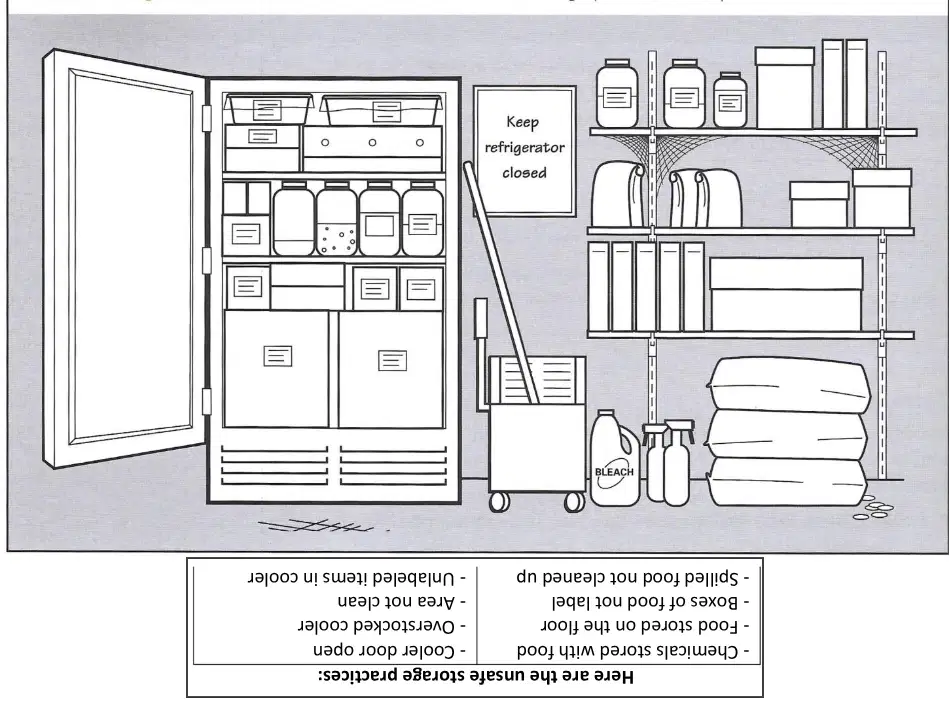
Where should food NOT be stored to prevent contamination?
In a clean, dry location
Under unshielded sewer lines
In durable containers
On designated shelves
What is the maximum temperature at which food should be thawed under running water?
50°F
60°F
70°F
80°F
Which of the following should NEVER be used to alter the appearance of food?
Food coloring
Additives approved by local authority
Sulfites
Natural spices
What is a requirement for handling pooled eggs safely?
Use unpasteurized shell eggs
Cook promptly after mixing
Store at room temperature
Mix with raw meat
What should be done with food that has been handled by staff excluded from the operation due to illness?
Serve immediately
Freeze for later use
Throw it out
Cook at a higher temperature
Which of the following requires a variance in a food service operation?
Using pasteurized eggs
Packaging food using a reduced-oxygen packaging method
Cooking food at high temperatures
Serving fresh fruit
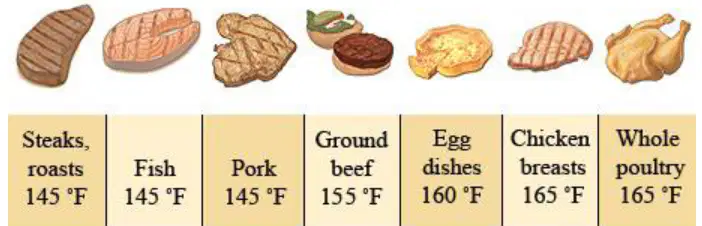
What is the minimum internal cooking temperature for poultry, whole or ground, according to the guidelines?
145°F for 15 seconds
155°F for 15 seconds
165°F for 15 seconds
135°F (No minimum time)
How long should roasts of pork, beef, veal, and lamb be cooked to reach the required temperature?
145°F for 15 seconds
145°F for 4 minutes
155°F for 15 seconds
165°F for 15 seconds
What is the recommended action if food will not be served immediately after partial cooking?
Freeze or refrigerate the food
Cook the food for longer than 60 minutes
Serve the food immediately
Leave the food at room temperature
According to the FDA, which items should not be offered on a children's menu if they are raw or undercooked?
Fruits and vegetables
Meat, poultry, seafood, and eggs
Grains and legumes
Dairy products
Which practice helps prevent cross-contamination in food preparation areas?
Using the same utensils for all foods
Using separate cutting boards for raw and ready-to-eat foods
Storing raw meat above ready-to-eat food
Washing hands only after handling cooked food
What is the best way to prevent the spread of Norovirus in a foodservice operation?
Storing food at room temperature
Cooking food to high temperatures
Washing hands frequently and properly
Using chemical sanitizers on produce
Which symptom requires a food handler to be excluded from work?
Headache
Vomiting
Muscle ache
Fatigue
Which of the following is an example of a chemical contaminant in food?
Sanitizer residue
Cooked rice
Broken glass
Chicken bones
What is the best way to prevent cross-contact of allergens in a kitchen?
Store allergen-containing foods separately
Wash hands only after handling raw meat
Use the same utensils for all foods
Cook all foods at high temperatures
Which group is most likely to experience severe symptoms from foodborne pathogens?
Healthy adults
Office workers
Infants and young children
Teenagers

