
Font size
 Worksheets
GR8 Q1 MAPEH MUSIC 5 Japanese Music
Total questions: 20
Worksheet time: 10mins
Japanese music is influenced by nature, religion (Shinto and Buddhism), and ________.
history
mathematics
technology
sports

Which of the following best describes the sound of Japanese music?
Loud and aggressive
Gentle, meditative, and sometimes dramatic
Fast and electronic
None of the above
Japanese music uses pentatonic scales (five-note scales), similar to which other country, but with a Japanese style?
China
India
Brazil
Egypt
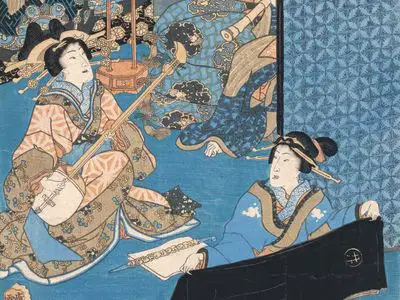
Music in Japan is often performed in which of the following settings?
Theater (Kabuki, Noh)
Ceremonies
Festivals
Storytelling
All of the above
Today, Japan is also known worldwide for modern music styles like ________ (Japanese pop).
J-Pop
K-Pop
C-Pop
T-Pop
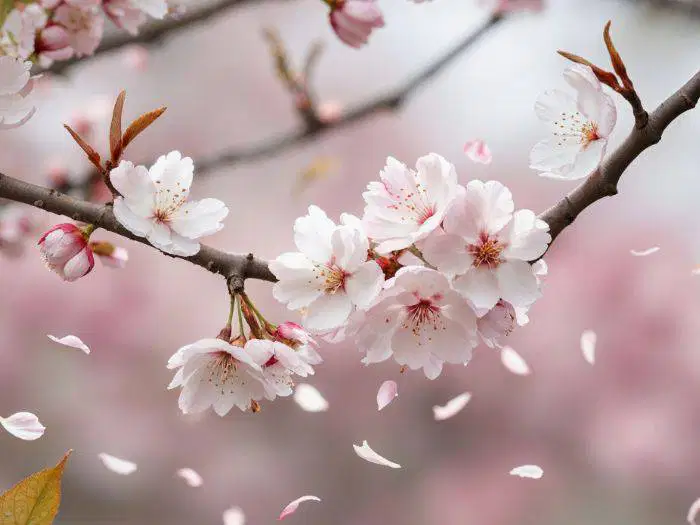
What is 'Sakura (Cherry Blossoms)'?
A) A traditional Japanese folk song
B) A type of Japanese food
C) A Japanese festival
D) A Japanese city

Fill in the blank: 'Sakura (Cherry Blossoms)' is often taught to ______ and performed on traditional instruments like the koto.
children
adults
tourists
musicians
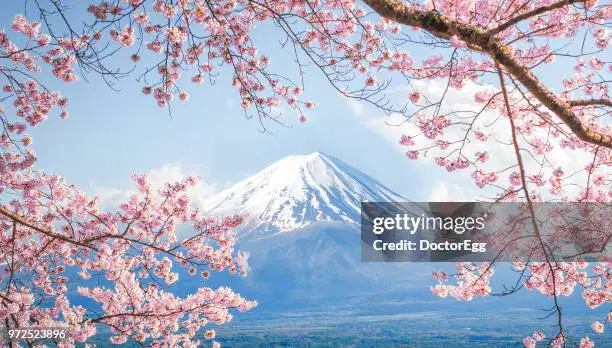
'Sakura (Cherry Blossoms)' represents Japan’s deep connection to nature and seasons.
True
False

Which traditional instrument is mentioned as being used to perform 'Sakura (Cherry Blossoms)'?
koto
shamisen
erhu
sitar

What is J-Pop (Japanese Pop) influenced by?
Traditional Japanese music
Western pop, rock, and dance
Classical music
Jazz

J-Pop is very popular among the youth in Japan and around the world.
True
False

J-Pop is known for its catchy melodies, upbeat rhythm, and ______ groups.
idol
jazz
rock
folk

J-Pop demonstrates the blending of traditional Japanese culture with modern global trends by:
Incorporating both traditional instruments and modern pop styles
Focusing only on Western music influences
Excluding any traditional Japanese elements
Using only traditional Japanese instruments

Match the Japanese instrument to its correct description:
A bamboo flute known for its soft, breathy tone. Used in meditation and traditional ensemble music.
A
A long, 13-stringed zither plucked with finger picks. Produces flowing, elegant melodies.
B
A three-stringed lute played with a large pick; creates sharp, rhythmic tones used in folk songs and theater.
C
Large Japanese drums played with sticks. Produce powerful, rhythmic sounds for festivals and performances.
D
A short-necked lute with 4-5 strings. Used historically in storytelling and court music.
E

Fill in the blank: The ________ is a bamboo flute known for its soft, breathy tone and is used in meditation and traditional ensemble music.
shakuhachi
koto
taiko
biwa

Fill in the blank: The ________ is a long, 13-stringed zither plucked with finger picks and produces flowing, elegant melodies.
koto
erhu
sitar
shamisen
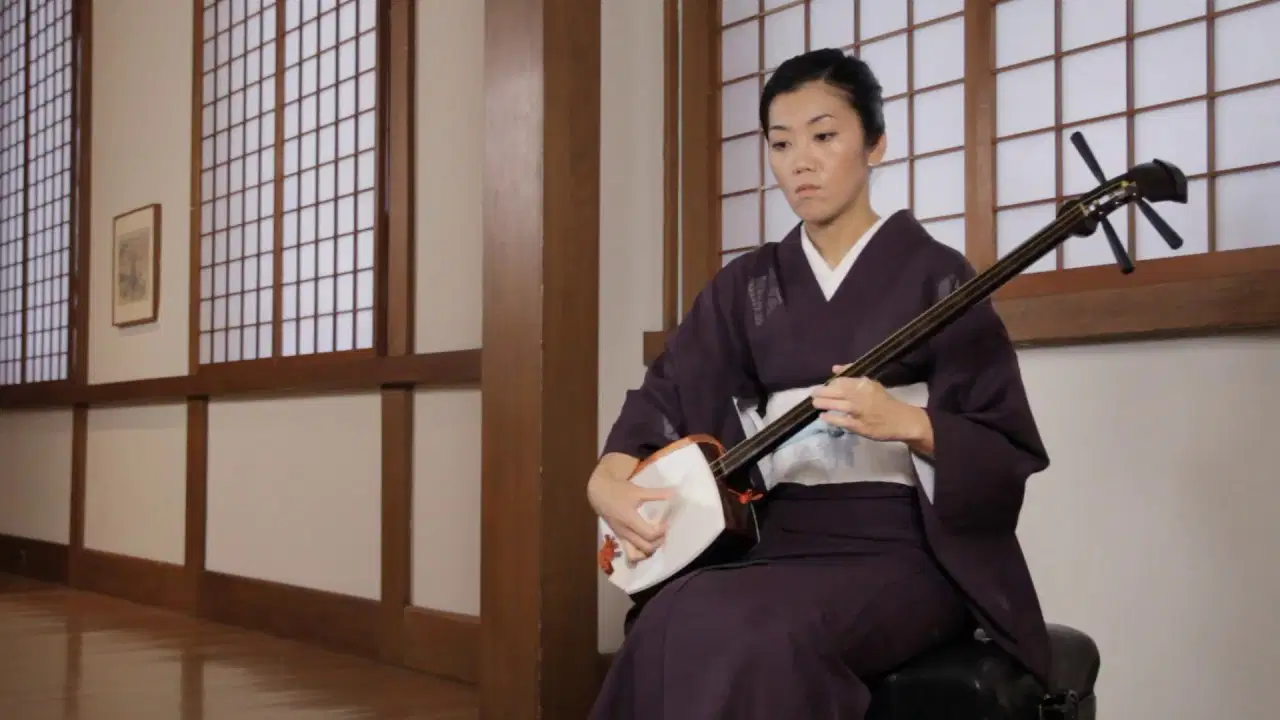
Fill in the blank: The ________ is a three-stringed lute played with a large pick and creates sharp, rhythmic tones used in folk songs and theater.
shamisen
koto
biwa
erhu
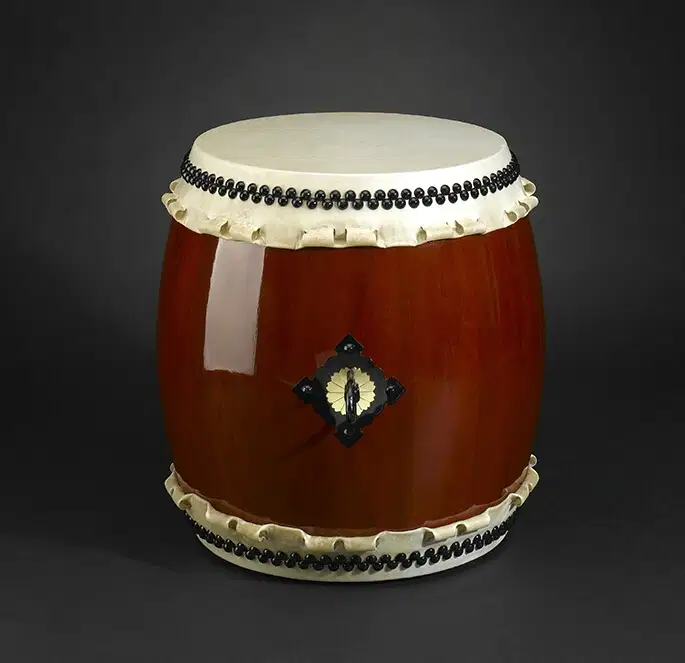
Fill in the blank: The ________ are large Japanese drums played with sticks that produce powerful, rhythmic sounds for festivals and performances.
taiko
tabla
bongo
djembe
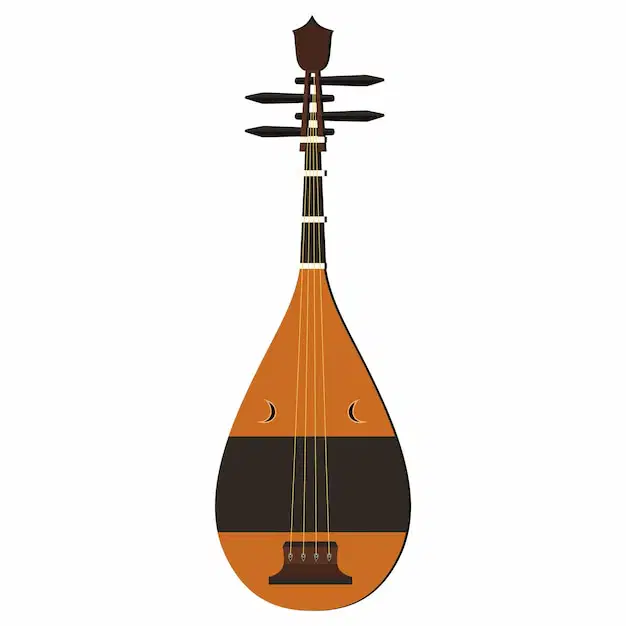
Fill in the blank: The ________ is a short-necked lute with 4-5 strings, used historically in storytelling and court music.
biwa
koto
shamisen
erhu
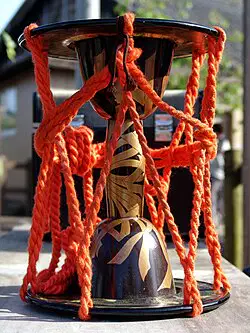
Fill in the blank: The ________ is a small hand drum used in Noh and Kabuki theater, with its pitch altered by hand pressure on the ropes.
tsuzumi
taiko
shamisen
koto

