
Font size
 Worksheets
high S Biology 2025
Total questions: 496
Worksheet time: 10hrs 39mins

According to the graph, at which labeled point (X, Y, or Z) is the number of rings on the tail the highest?
Y
X
Z
W

What does th
y
z
x
w

How many feet did the water level reach on week 7
25 feet
20 feet
30 feet
15 feet

Which of the following would be a reasonable claim for this graph?
As the elevation increases, the temperature decreases.
As the elevation increases, the temperature increases.
As the elevation increases, the temperature is unaffected.
The air is thinner at higher elevations due to the decreased force of gravity so it cannot absorb as much heat and the temp is lower.

The diagram shows important structures found in a cell. Two structures, W and Z, are labeled. Which statement BEST describes Structure W and Structure Z?
Structure W is a gene and Structure Z is a chromosome.
Structure W is a chromosome and Structure Z is a gene.
Structure W is an amino acid and Structure Z is a nucleic acid.
Structure W is a nucleic acid and Structure Z is an amino acid.
Transcription is the process that takes place in the (a) . Translation takes place in the (b) .

In the diagram, the process occurring in the nucleus of the cell is ----
transcription, the decoding of DNA into a messenger RNA molecule
translation, the decoding of DNA into a messenger RNA molecule
translation, the production of proteins from messenger RNA
transcription, the production of proteins from messenger RNA
What is gene regulation?
DNA Replication
The formation of new genes within the DNA
Uncontrolled cell growth with damaged DNA
The expression of genes to in order to create cell types
In which cellular location does mRNA processing occur in?
In the cytoplasm
On the ribosome
In the nucleus
Within the mitochondria

(a) are made of (b) tightly wrapped around proteins called (c) forming a nucleosome. Chromosomes are only visible during (d) and are decondensed inside the (e) for most of the cell cycle.
Tap on the DNA
In a DNA molecule, adenine (A) always pairs with (a) , and guanine (G) always pairs with (b) .


Which of the following is a base pair?
Adenine - Cytosine
Cytosine - Thymine
Deoxyribose - Cytosine
Cytosine - Guanine

_____________ a very long molecule that has chemicals in a special order.
A nucleus is
Genes are
DNA is
Skin is

Which cell types have DNA?
Prokaryotic
Eukaryotic
Both Cell Types

What do the dotted lines between the nitrogenous bases (A,T,C,G) represent in the image?
Covalent bonds
Ionic bonds
Peptide bonds
Hydrogen bonds

Where is the DNA found in a EUKARYOTE cell?
floating around in the cytoplasm
in the nucleus
The monomers of DNA are called
monosaccharides
nucleotides
amino acids
nitrogenous base

Scientists have proposed theories to explain how eukaryotic cells became complex over time. The table compares two of the theories. Cell Complexity Theories Endosymbiotic Theory: - Claims some organelles evolved from symbiotic relationships with prokaryotic ancestors - Mainly applies to mitochondria and chloroplasts - Proposed by Margulis in 1967 Autogenous Theory: - Sees eukaryotes evolving directly from a prokaryote ancestor - Claims eukaryotic cells were created by infoldings of the plasma membrane - Mainly applies to the endoplasmic reticulum, Golgi body, and single membrane-bound organelles - Presented in 1967 by Klein and Cronquist Which conclusion is shared by BOTH theories to explain cell complexity?
A. Membrane-bound organelles like the Golgi body are less complex than mitochondria.
B. Cells became less complex by joining together with other cells.
C. Mitochondria developed before chloroplasts in complex eukaryotic cells.
D. Complex eukaryotic cells developed from simpler prokaryotic cells.
Sort the following statements based on if the statement is talking about prokaryotes or eukaryotes
Label the parts of the prokaryotic cell
cytoplasm
nucleoid
ribosome
flagella
A table comparing the characteristics of four samples is shown. Click on the sample name that is most likely a prokaryote.
Determine where the following organelles can be found (if the organelle can be found in more than one, place in the middle of the two columns).

See how much you remember! Match the following characteristics that belong to Eukaryotes, Prokaryotes, or BOTH!
- No nucleus
- No membrane-bound organelles
- DNA in the cytoplasm
- Single Celled
Prokaryote
- Nucleus
- Membrane bound organelles
- DNA in the nucleus
- Single & Multi celled
Eukaryote
- Ribosomes
- DNA
- Cell Division
- Plasma Membrane
Prokaryote and Eukaryote
Pictured below is a typical bacterial cell. Select the cell parts that would be found in ALL cells.
Label correctly.
Prokaryote
Eukaryote
Identify the type of cell each column represents.

The diagram represents a theory about cells.Which theory is represented in this diagram?
A) The theory that all living organisms are made of cells
B) The theory that all living organisms share the same basic genetic components
C) The theory that organisms function best when their internal conditions are maintained within narrow limits
D) The theory that complex cells evolved after primitive cells engulfed bacterial cells that continued functioning
A
B
C
D

The diagram below shows a proposed theory of the origin of eukaryotic cells, called endosymbiosis.
Which of the following explains why cells that contained mitochondria-like organelles had an evolutionary advantage?
They were able to photosynthesize
They had more DNA
They were able to make more use of available energy
They were immune to bacterial invasion.

F
G
H
J

What theory describes the formation of eukaryotic cells
endosymbiotic theory
oxygen theory of combustion
heliocentrism
special relativity

What theory explains the origin of chloroplasts and mitochondria in eukaryotic cells.
theory of natural selection
cell theory
endosymbiotic theory
theory of evolution

The endosymbiotic theory is a scientific explanation concerning the complexity of the cell. It is thee theory that the mitochondria and the chloroplasts contained within modern animal and plant cells were once free living bacteria that were engulfed by another bacterial cell leading to the ______ cell.
Eukaryotic
Prokaryotic

The endosymbiotic theory holds that organelles within the cells of eukaryotes such as mitochondria and chloroplasts, had descended from independent bacteria that came to live symbiotically within other cells.
True
False
____________ & _________________ are organelles that definitely arose from endosymbiosis.
Nucleus and cell membrane
Chloroplast and mitochondria
Mitochondria and nucleus
Cell wall and chloroplast

How does the biodiversity of frog species MOST LIKELY affect the stability of the ecosystem?
By making the ecosystem more vulnerable to population losses
By increasing the ecosystem’s ability to stay healthy when conditions change
By reducing the ability of individual organisms to adapt to changing conditions
By making individual organisms less vulnerable to competition from invasive species

Which statement BEST supports the answer to Part A?
When species are numerous, an alternative species may be able to fill the role of a species lost as a result of changing conditions.
When species have similar roles in an ecosystem, the loss of a single species can severely damage the ecosystem.
When species are well adapted to conditions in an ecosystem, a change in those conditions can cause multiple extinctions.


Whish habitat has the highest biodiversity?
Area A
Area B
Area C
Area D

How do biodiversity and stability work together?
The lower the biodiversity the greater the stability of an ecosystem.
The higher the biodiversity, the less stable the ecosystem
The higher the biodiversity, the greater the stability of the ecosystem.
Biodiversity has nothing to do with ecosystem stability.

Based on this information, which ecosystem is likely to be the most stable?
A
B
C
D

When a splinter pierces the skin, the body responds with an inflammatory reaction. A table describing the response to the injury is shown. Injury with a Splinter 1. The inflammatory response is triggered when damaged or infected cells release chemical alarm signals. 2. The temperature around the injury increases, preventing bacterial growth. 3. The chemical alarm signals white blood cells to move to the site of injury. White blood cells attack pathogens and consume dead and infected cells. 4. The chemical alarm stimulates additional blood flow and fluids to the injury, resulting in swelling. Which set of statements describes how body systems interact after an injury?
A. The immune system alerts the integumentary system that the skin has been broken. The muscular system increases the blood flow to the area, which causes swelling.
B. The integumentary system alerts the body that the skin has been broken. The immune system sends white blood cells to attack pathogens that enter the body.
C. The nervous system alerts the capillaries to increase the temperature at the site of the injury. The immune system releases water into the injured area to cool the area after the increase in temperature.
D. The immune system increases the temperature of the area to reduce bacterial growth. The circulatory system increases blood flow to cleanse the injury.
What is your body's 2nd line of defense? (a)
white blood cells
red blood cells
skin


White blood cells...
Transport oxygen
Carry nutrients to cells
Carry carbon dioxide to the lungs
Help fight infection


What is the body's reaction to an injury that helps increase blood flow and bring extra fluid to the injured tissue?
Bruising
Swelling
Bleeding
Numbness

Peromyscus polionotus is a species of mouse found in inland fields as well as on the Gulf and Atlantic coasts of the southeastern United States. Coastal populations of this species have lighter fur than inland populations, and coastal populations blend into a beach environment more easily than the field mice do. Scientists investigated changes in two genes, Agouti and Mc1r, that are involved in fur coloration in this species. The table shows data from this investigation. Location | Phenotype | Agouti Gene | Mc1r Gene Gulf coast | Lighter coat color | Mutated | No mutation Atlantic coast | Lighter coat color | No mutation | Mutated Inland | Darker coat color | No mutation | No mutation Source: Steiner et al., Molecular Biology and Evolution, 2009 Which evidence would BEST support the claim that the phenotypes of these populations of mice are a result of natural selection?
A. A mutation in the same gene led to the coastal populations having the same coat color.
B. An allele for light coat color is more common in the coastal populations than the inland population.
C. The genes that code for a light coat color have been lost from the inland population.
D. The coastal and inland populations all share the same alleles for coat color.

The uptake of nitrogen by plants would likely be MOST affected by which occurrence?
A. A period of seasonal rainfall
B. A decrease in the burning of fossil fuels
C. An increase in herbivore populations
D. The destruction of bacteria in the soil
Where is nitrogen "fixed"?


What is the role of nitrogen fixing bacteria in the nitrogen cycle?

If soil were lacking nitrogen, what could you introduce to the ecosystem to increase the amount of nitrogen that plants could use?
Denitrifying bacteria
Nitrogen fixing bacteria
Nitrifying bacteria

What is the process of taking nitrogen gas from the atmosphere and converting it to usable compounds?
nitrogen composition
ammonia
nitrogen fixation
denitrification

What is the role of nitrogen-fixing bacteria in the nitrogen cycle as shown in the diagram?
They convert nitrates into nitrogen gas.
They convert atmospheric nitrogen into a form usable by plants.
They are responsible for the denitrification process.
They break down dead organic matter into ammonia.
Label the Nitrogen Cycle Diagram
Plants
Ammonium
Nitrates
Decomposers
Atmospheric Nitrogen
Nitrites
Nitrogen Cycle, #2 & #4
Drag the labels to complete the nitrogen cycle!
Nitrogen-fixation
Denitrification
Atmospheric nitrogen
Drag and label each component of photosynthesis to the part of the diagram to which it corresponds. HINT: the clouds represent gases!
sunlight

Based on the image, which of these BEST describes the structure and function of the organelle identified as X?
Endoplasmic reticulum, which carries nucleotides as a DNA strand is being transcribed
Endoplasmic reticulum, which carries nucleotides as a DNA strand is being translated
Ribosome, which holds the mRNA in place as amino acids are transported by tRNA
Ribosome, which holds the tRNA in place as amino acids are transported by mRNA

The table describes the steps involved in the production of proteins in a cell.
A student uses the information to design a model of the process. Drag each step into its position in the model to sequence the steps of the process correctly.
(a) → (b) → (c) → (d)

First, (a) happens. Then, (b) goes to a (c) , which translates the code into (d) in a process called (e) .
In what part of the cell does translation occur?
During translation, the code from (a) is read by the (b) and translated into a sequence of (c) .
Organelles in the cell work together to keep the cell alive. (a) make proteins. Often, these ribosomes are attached to the (b) . Then, proteins are sorted, modified and packaged by the (c) .
(a) is the process by which mRNA is decoded and a protein is produced, and it occurs in a (b) in the (c) .
Puts together amino acids
Ribosome
Transports amino acids
tRNA
Carries the code to the ribosome
mRNA
Provides the protein code
DNA
Put together to make the protein
Amino Acids
Match the following
The process of creating proteins
Protein Synthesis
Step 1 of protein synthesis where mRNA is formed from a DNA template
Transcription
Step 2 of protein synthesis where the message from mRNA is used to create a chain of amino acids (protein)
Translation
After transcription, the mRNA travels out of the nucleus to the ________ in the cytoplasm.
(a)
mRNA
carrying instructions from DNA
tRNA
carries an amino acid
rRNA
the ribsome where proteins are made
The initiation of translation occurs when a (a) codon of mRNA binds to the first tRNA molecule carrying the amino acid (b) to a ribosome.
mRNA
carrying instructions from DNA
tRNA
carries an amino acid
DNA
in the nucleus


Identify which student is correct and why that student is correct.
see answer explanation
Student A is correct because they applied the correct method.
Student B is correct because they used the right formula.
Student C is correct because they interpreted the data accurately.
Student D is correct because they followed the correct steps.
Sort the following into the appropriate categories:
Contains chloroplast
Has a small vacuole
Has a cell wall
Has a large vacuole
Classified as a eukaryotic cell
Contains mitochondria
Contains a plasma membrane
Check all that describe a bacteria cell.
Prokaryote
No nucleus
Eukaryote
No ribosomes
Match the organelle to its function:
Nucleus
Stores the DNA
Mitochondria
Makes energy
Nucleolus
Makes ribosomes
Ribosomes
Makes proteins
Chloroplast
Uses light to make sugar- photosynthesis
Match the organelle to its function:
Contains ribosomes; transports proteins
Rough ER
Synthesizes and transports lipids
Smooth ER
Modifies proteins and lipids and sends them to their final destinations
Golgi Body
Thin fibers found in the cytoplasm that gives the cell shape
Cytoskeleton
Transport pod
Vesicle

Which statement BEST classifies the biomolecules responsible for the development of these genetically modified mice?
Lipids are responsible for carrying the genetic material and carbohydrates are responsible for catalyzing the reaction.
Carbohydrates are responsible for carrying the genetic material and nucleic acids are responsible for catalyzing the reaction.
Proteins are responsible for carrying the genetic material and lipids are responsible for catalyzing the reaction.
Nucleic acids are responsible for carrying genetic material and proteins are responsible for catalyzing the reaction.
Identify what types of biomolecules glycogen and lactase are.
Carbohydrates
Lipids
Protein
Nucleic Acids
Glucose is an example of a (a)
Fats and oils are examples of (b)
Insulin and hemoglobin are examples of (c)
Salivary amylase and lactase are examples of special proteins called (d)
DNA and RNA are examples of (e)
Match the following structures to their biomolecule

Carbohydrate

Lipid

Protein

Nucleic Acid
Match the following

Carbohydrates

Lipids

Proteins

Nucleic Acids

Nucleic Acid

Protein

Lipid

Carbohydrate
Match the following to what you feel like is the most appropriate label.

Carbohydrate

Protein

Nucleic Acid

Lipid
Match the following

Carbohydrate

Protein

Nucleic acid

Lipid

protein

nucleic acid

carbohydrate

lipid

Carbohydrate

Lipid

Protein

Nucleic Acid

Monosaccharide

Nucleotide

Fatty Acid

Protein
Match the following

Carbohydrate

Water

Nucleotide

Lipid

Protein
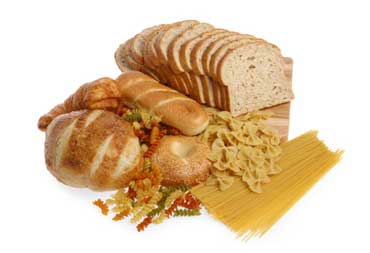
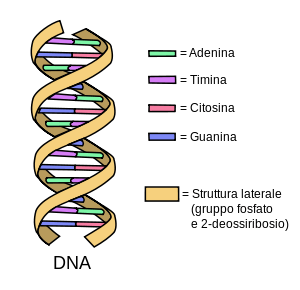
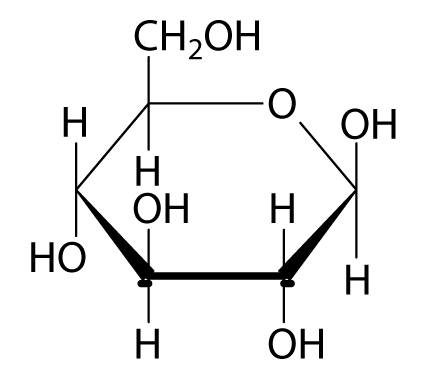


This is an example of ...
carbohydrate
lipid
protein
nucleic acid
ATP

If B is a nucleic acid, A is a __.
monosaccharide
fatty acid
amino acid
nucleotide

Flowering is a process that occurs in many plants to ensure reproductive success. Which statement MOST DIRECTLY describes the interactions needed for flowering to occur?
A. A hormone triggers the production of pigments that travel to the flower and initiate blooming.
B. Water is absorbed through the plant’s shoots to increase the leaf’s ability to support the opening of flowers.
C. Plants respond to environmental factors by producing hormones needed for flowering.
D. Warmer temperatures increase the rate at which water and nutrients are transported to the flower bud by traveling through the phloem.

Many marine organisms rely on plentiful supplies of nitrite ions to survive. Ammonium can be used to produce nitrite. When seawater is highly acidic, less ammonium is converted to nitrite. One cause of ocean acidification is the absorption of large amounts of carbon dioxide by oceans.
Decreasing carbon dioxide emissions will make oceans more acidic and will decrease the available nitrite in oceans and help marine life.
Decreasing carbon dioxide emissions will make oceans less acidic and will increase the available nitrite in oceans and harm marine life.
Increasing carbon dioxide emissions will make oceans more acidic and will decrease the available nitrite in oceans and harm marine life.
Increasing carbon dioxide emissions will make oceans less acidic and will increase the available nitrite in oceans and help marine life.
Which line represents the carrying capacity of this population?
Select the area in the graph showing when population growth seems to reach the carrying capacity
What is ocean acidification primarily caused by?
Overfishing
Increased levels of atmospheric carbon dioxide
Oil spills
Plastic pollution
As carbon dioxide mixes with water it creates a chemical reaction that releases __________ ______ which decreases the pH level of the ocean.
Hydrogen Ions
Carbon dioxide
Carbonic molecutes
Extra carbon dioxide in the atmosphere is dissolved in the oceans and causes an increase in the ocean's
Salinity
Acidity
Biodiversity
Why is the ocean known as one of Earth's "carbon sinks"?
Because it releases more CO2 than it absorbs
Because nitrogen from the ocean binds with carbon in the atmosphere, thus neutralizing its greenhouse effects
Because it drains carbon dioxide produced by marine organisms into the atmosphere
Because it is an environment that is able to remove greenhouse gases from the atmosphere by absorbing more CO2 than it releases

Apoptosis is a normal cellular process that ___ cells. A cell may enter apoptosis ___ . Without apoptosis, the cell may ___ . Fill in the blanks.
destroys; at the end of its lifespan; become cancerous
creates; during cell division; become stronger
repairs; when infected by bacteria; become healthier
multiplies; at the start of its lifespan; become dormant
Unit 4
Some cells can die as a result of external agents such as poison or trauma. If this event occurs to the cell, then the cell receives a chemical message that indicates the cell must die. This programmed cell death is called --- (a)
What is Apoptosis?
A tumor
A protein
Programmed cell death
Cell cycle checkpoints
What is apoptosis?
Some cells can die as a result of external agents such as poison or trauma. However, most cells die through a process known as apoptosis, or programmed cell death.
What is a likely consequence of a mutation that prevents apoptosis?
A tumor
A loss of amino acids
A lack of cell division
A reduction in chromosome number
A group of genes that slow down cell division, repair DNA mutations, and tell cells when to die (apoptosis) is collectively called
tumor suppressor genes
protooncogenes
oncogenes
guardian genes
When cells are preparing to divide but cell cycle regulators realize there is an error, what do we call the programmed death of the cell?
Cancer
Apoptosis
Tumor Suppressors
Cell Death

Three processes that are required for sexual reproduction to occur are shown in the diagram (Process 1, Process 2, Process 3). Which table most accurately describes the importance of each process to sexual reproduction?
Process 1:Produces haploid cells Process 2: Exchange of genetic materia Process 3: Produces a diploid cell
Process 1: Produces haploid cells Process 2: Exchange of genetic material Process 3: Produces a diploid cell
Process 1: Produces diploid cells Process 2: Produces haploid cells Process 3: Exchange of genetic material
Process 1: Exchange of genetic material Process 2: Produces haploid cells Process 3: Produces a diploid cell
What is the term for the cell formed when a sperm cell fertilizes an egg cell?
Embryo
Fetus
Zygote
Gamete
What is the process called when a sperm cell and an egg cell combine?
Mitosis
Fertilization
Meiosis
Pollination

1: (a)
2: (b)
3: (c)
4: (d)
sperm
male sex cell
egg
female sex cell
zygote
fertilized egg
fertilization
the process of a sperm uniting with the egg
Which area on the diagram represents the cell division of haploid cells?
During the beginning of Meiosis, the cell is considered (a) because it contains chromosome pairs, the number of which depends on the species. Once Meiosis is completed, the resulting cells are considered (b) because the chromosomes are no longer in pairs.
-haploid has (a) chromosomes
-diploid has (b) chromosomes
Reproductive cell, sperm and egg, would be considered... (a)
Unlike body cells, sex cells have to have half the number of chromosomes. These sperm and egg cells are said to be (a)
When a egg and sperm are created they are (a) meaning they have half the number of chromosomes. (b)

What is the chromosome number in a human haploid cell?
23
46
92
16

What is the chromosome number in a human diploid cell?
23
46
92
16

During which process do diploid cells form?
Meiosis
Mitosis
Fertilization
Both B and C

In the context of human reproduction, which process is responsible for the production of sperm and egg cells?
Mitosis
Meiosis
Fertilization
Binary fission

contain n chromosomes
contain 2n chromosomes
sex cells (for reproduction)
normal body cells
23 chromosomes in humans
46 chromosomes in humans

Which letter(s) in the diagram correspond to cells that are haploid?
A only
B only
C only
A and B
C and B

Which of the following is a characteristic of diploid cells?
They contain a single set of chromosomes.
They are produced by meiosis.
They contain two sets of chromosomes.
They are only found in bacteria.
Where does crossing over occur?
During which phase of meiosis do homologous chromosomes cross over?
Telophase I
Telophase II
Anaphase I
Anaphase II
Metaphase II
Prophase I
Prophase II
Interphase I
Metaphase I
(a) is a process during meiosis in which homologous chromosomes pair up and exchange genetic material.

Refer to the graphs titled 'Snow Coverage over Time.' Which statement BEST explains the data shown in the graphs?
Hares with seasonal changes in fur color have a survival advantage and are more likely to successfully reproduce.
Hares change their fur color as a result of mating choice during the spring months.
Natural selection allows for mutations to occur during seasonal changes when food is abundant.
Hare fur color changes when sexual maturity occurs in the fall months.

Which model shows the correct conversion of molecules by the labeled cell structures?
A. [Diagram: Chloroplast converts C6H12O6 and CO2 to ATP and O2, Mitochondrion converts ATP and O2 to H2O and C6H12O6]
B. [Diagram: Chloroplast converts H2O and CO2 to C6H12O6 and O2, Mitochondrion converts C6H12O6 and O2 to CO2 and ATP]
C. [Diagram: Mitochondrion converts C6H12O6 and CO2 to H2O and O2, Chloroplast converts H2O and O2 to CO2 and ATP]
D. [Diagram: Mitochondrion converts H2O to ATP and O2, Chloroplast converts ATP and O2 to CO2]
Click on the organelle in which photosynthesis takes place.

Cell Y completes a process that Cell X doesn't called (a) . Cell Y needs (b) , (c) , and (d) to produce two compounds: O2 and (e) .
Chemical Equation for Photosynthesis
(a) + (b) -> (c) + (d)

This question has two parts. In cattle, the hornless trait is dominant to the horned trait. A farmer starts with a herd of cattle heterozygous for the horned trait and wants to keep the herd hornless. To keep the hornless trait, the farmer builds fences around the farm to prevent the cattle from mating with any horned cattle in the area. Part A Which statement describes what will MOST LIKELY happen to the cattle population on the farm over time?
All the cattle will remain hornless.
The next generation of cattle will all be horned.
There will continue to be some horned cattle in each generation.
Horned cattle will appear after every two generations.
This question has two parts.
In cattle, the hornless trait is dominant to the horned trait. A farmer wants to know the genotype of a hornless bull.
Part A
Which cross would BEST help the farmer determine if the bull is homozygous or heterozygous for the hornless trait?
A) Cross the bull with a horned cow.
B) Cross the bull with another hornless bull.
D) Cross the bull with a horned bull.
C) Cross the bull with a hornless cow of unknown genotype.

Drag each description to the correct category.
Dominant Traits
(a)
Recessive Traits
(b)

A (a) trait mostly likely (b) expressive it self while a (c) trait (d) most likely expressive it self
recessive
will not
dominate
will

Complete the punnett square
T T
t t
Select the boxes in the Punnett Square where you would find heterozygous offspring.
Which box would represent homozygous recessive?

Which statement BEST describes how viruses disrupt normal cellular processes to cause disease?
A. Viruses use cell machinery to build products the virus needs.
B. Viruses release large amounts of energy into the cell, causing increased growth rates.
C. Viruses release antibiotics that destroy the cell membrane so more viral particles can be released.
D. Viruses block gene expression and prevent host cell DNA replication.

The flu is caused by a virus.
What non-living agent causes diseases such as small pox, the common cold and rinderpest?
bacteria
protist
virus
infections
can cause illnesses such as chicken pox, measles, flu, and mumps
virus
bacteria

F
G
H
J
Label the steps of the lytic cycle
Attach
Insert
Replicate/Assemble
Release
There are two main ways in which viruses reproduce. In the table below, match the descriptions of viral activity with the correct viral life cycle.
Choose ONE answer in each row.
Match the steps in viral replication with the corresponding picture.

Attachment

Entry

Replication

Assembly

Lyse & Release


What viral replication cycle is taking place?
Lytic cycle
Mitosis
Lysogenic cycle
meiosis

Place the steps in the correct order by listing the letters in the proper sequence:

Which statement BEST describes how large particles and macromolecules enter cells?
They dissolve in the extracellular fluid and are carried through the plasma membrane by osmosis.
They pass through the plasma membrane by facilitated diffusion against the concentration gradient.
They react chemically with lipids in the plasma membrane to make holes that are repaired by osmosis.
They are carried into the cell via endocytosis in a vesicle made from the cell membrane and then released.
Tap on all the pictures of ACTIVE transport.
A student organizes a chart describing examples of different types of cellular transport that occurs in cells.
Move the correct answer to each box. Not all answers will be used.
If the molecules move through PASSIVE TRANSPORT in this diagram which side are the molecules going to?

Active transport of solutes across the cell membrane requires (a) because molecules are moved against the (b) , meaning from (c) concentration . For example, when mangrove trees use salt (d) to secrete salt from their roots.
Choose the image(s) below that represent(s) active transport

Match the following forms of active transport.
moving large materials into the cell from low to high
Endocytosis
moving large materials out the cell from low to high
Exocytosis
moving ions
across the cell membrane in opposite directions
Sodium/Potassium Pump

Cells can use (a) to bring in ions or molecules when there is already a higher concentration of the ions or molecules inside the cell than outside the cell. An Example of this would be (b)

The green molecules on the top of the plasma (cell) membrane drawing are (a) They act as receptors for cell adhesion and recognize other cells as familiar or foreign. The blue molecule facilitating diffusion in the plasma membrane is made up of channel (b) The membrane itself is also known as a: (c)
The diagram shows three types of transport the cell uses to move molecules across the cell membrane. Write one letter in each box to correctly complete the diagram.
diffusion
passive transport
active transport
Correctly label the image
Label the cell with the correct type of Transport
Passive Transport
Active Transport

Based on the information provided, which statement BEST describes the effect of temperature on the citrus rust mite?
A. Temperature can affect the size of its egg.
B. Temperature can influence the gender of its offspring.
C. Temperature can affect its rate of reproductive success.
D. Temperature can influence the availability of nutrients.
A DNA sequence is shown. 5′ A T C G C T A G 3′ Which strand represents the complementary DNA sequence?
5′ T A C G G A T C 3′
5′ A T C G C T A G 3′
3′ T A G C G A T C 5′
3′ G A T C G C T A 5′
Complete the DNA molecule based on the rules for complementary base pairing
A
T
G
C
Create a doubles stranded DNA sequence by dragging the complementary nucleotide sequence into position.
AUC
TCC
CCA
TAG
GGC

Match the following DNA complementary bases
Adenine
Thymine
Cytosine
Guanine
Guanine
Cytosine
Thymine
Adenine
Identify the nitrogen base PAIR
One of the keys to understanding DNA structure is knowing how complementary bases in a DNA molecule pair up. If a single base is altered, the protein that gene encodes for might be altered, possibly affecting its function. Using Chargaff’s rule, simulate this process by filling in the correct complementary strand for this template strand in the chart below.
You may use each letter once or more than once.
U
T
C
A
G

In a molecule of double-stranded DNA, if you have 20% Adenine present then you would have (a) % Guanine,
(b) % Cytosine, and (c) % Thymine present.
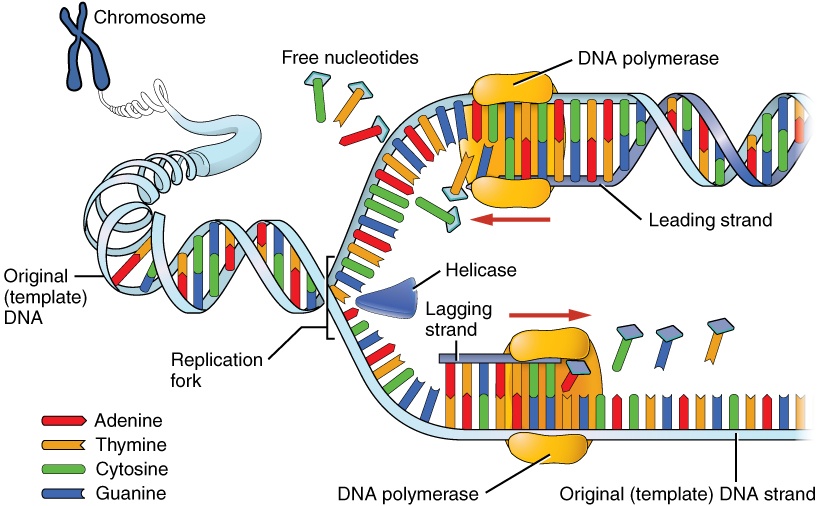
The complement to the DNA strand below is (a) :
5'-ATGCCAT-3'
Place the complementary DNA segment next to the original segment.
AAT - (a)
TAG - (b)
CAT - (c)
GAC - (d)

Which sequence of the genetic code would produce a polypeptide with the amino acid sequence Val-Pro-Leu? (a)

An environmental change that harms which organism would cause the MOST instability in the aquifer ecosystem?
Texas cave shrimp
Seborgias
Texas blind salamanders
Bacteria
Bacteria are involved in many steps of the geochemical cycle which of the following steps are bacteria involved in
Transpiration
Nitrification
Nitrogen fixation nitration
Decomposition
Select the decomposer(s).

Which statement BEST describes the effect of a native species’ extinction on local ecosystem biodiversity and stability?
A. Extinction leads to decreases in biodiversity and decreases in stability.
B. Extinction leads to increases in biodiversity and decreases in stability.
C. Extinction leads to increases in biodiversity and increases in stability.
D. Extinction leads to decreases in biodiversity and increases in stability.
A sudden disease causes the krill population to become severely reduced. Which organism in the food web below is most affected by this situation?

How does a decrease in tiger habitat affect the genetic diversity of the species?
Increasing
Decreasing
Constant
Unaffected

What happens to gene flow in wild tiger populations due to isolation from habitat loss?
Increasing
Decreasing
Constant
Unaffected
(a) can cause overhunting of animals.
Any natural material that is used by humans such as water, oil, minerals is a (a) . The introduction of substances that are harmful to living organisms is called (b) . A condition in which humans needs are met in a way that a human population can survive indefinitely is called (c) .
Humans have begun the process of deforestation in south America. This has led to a(n) (a) in biodiversity. This is due to (b) habitats being available.

How do other body systems interact with the endocrine system to regulate body processes?
The nervous system helps control the release of hormones throughout the body.
The immune system helps prevent infection from hormones within the body.
The digestive system helps convert hormones into proteins that are absorbed within the body.
The circulatory system helps transport hormones throughout the body.
The integumentary system helps provide oxygen to initiate hormone production throughout the body.
As you are reading this question, the cells in your eyes are firing in response to the light coming from this screen. Which type of neuron is carrying this message to the brain?
Sensory
Motor
What is an axon?
A layer of fatty tissue that encases the fibers of many neurons
An antagonist molecule that blocks neurotransmitter receptor sites
The extension of a neuron that carries messages away from the cell body
A junction between a sending and receiving neuron
The slowdown of neural communication in multiple sclerosis involves a degeneration of
receptor sites
myelin sheath
dendrites
Acetylcholine
Neurotransmitters are chemical messengers that travel across where?
The cell body
The axon
The synaptic gap
The myelin sheath
José has just played a long, bruising football game but feels little fatigue or discomfort. His lack of pain is most likely caused by the release of
endorphins
serotonin
Acetylcholine
melatonin
The brain and spinal cord make up which component of the nervous system?
Central
Peripheral
Somatic
Sympathetic
The sympathetic nervous system controls the acceleration of a heartbeat, while which system controls the slowing of a heartbeat?
Somatic
Parasympathetic
What chemicals does the endocrine system use as its messengers?
Neurotransmitters
Hormones
The most influential endocrine gland is found in the brain. This "master" gland secretes many different hormones, some of which affect other glands. What is the name of this endocrine gland?
Pituitary
Pineal
Adrenal
Thyroid
Which of the following is a chemical message that usually travels through the bloodstream to target cells?
hormone
local regulator
endocrine cell
plasmodesmata
Which of the following is caused by a lack of iodine:
tetany
goiter
diabetes insipidus
Parkinson's disease
Which of the following is the storage form of glucose:
glycogen
glucagon
gluconeogenesis
glycogenolysis
What is the main function of the endocrine system?
It creates chemicals, or hormones, that are sent around the body to maintain homeostasis.
It creates electrical messages that are sent around the body to maintain homeostasis.
It maintains the correct level of oxygen in the body to maintain homeostasis.
It releases waste from the body to maintain homeostasis.
Glucagon is released in response to:
low blood glucose levels
high blood glucose levels
low blood salt levels
low blood calcium levels
Glucagon targets:
the pancreas
all cells of the body
the liver
mostly fat cells
Glucagon triggers:
the liver to break down glucose into glycogen
the bones to uptake calcium, via osteoblasts
the liver to break down glycogen into glucose
the kidney to released glucose into the blood stream
Together, both glucagon and insulin help:
maintain homeostasis
maintain blood glucose levels
keep the body from an energy crisis
All of the above
Which of the following is a disease where sufferers cannot control their blood glucose levels?
Diabetes
Influenza
Cholera
Cystic fibrosis

Homeostatic cooling mechanisms include
piloerection and panting
panting and vasoconstriction
sweating and piloerection
sweating and vasodilation
temperature regulation center in the brain of a human
hypothalamus
thermoregulation
receptor
negative feedback
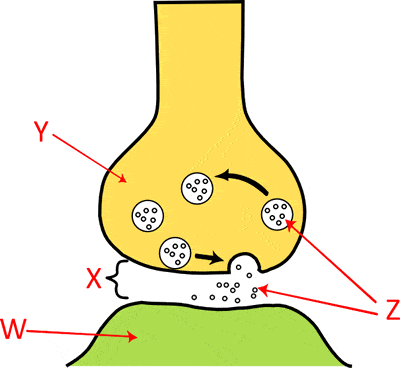
What is W?
Axon Terminal
Neurotransmitters
Dendrite
Synapse

What is Y?
Axon terminal
Neurotransmitters
Dendrite
Synapse
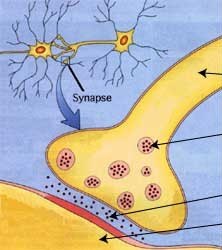
Where are neurotransmitters located within in neuron?
axon terminals
dendrites
Schwann cells
cell body

Calcium ions (Ca2+)are responsible for.....
signaling the release of the neurotransmitter
signaling Na+ to be released into the membrane
signaling the release of K+ out of the membrane
serving as the neurotransmitter

Location at which a neuron can transfer an impulse to another cell with the use of neurotransmitters is called ...
myelin sheath
axon
threshold
synapse
Label the parts of the endocrine system.
Ovaries
Thyroid
Testes
Label the parts of the endocrine system.
Pituitary
Thymus
Parathyroid
Adrenal
Pancreas
Choose the correct endocrine glands
Hypothalamus
Pituitary gland
Thyroid
Adrenal glands
Pancreas
Ovary
Testis
Thymus
Parathyroid
Which organ system regulates body functions by secreting hormones and includes the pancreas?
Which organ system acts as the human body's support system and includes the skull?
Mark the pancreas
The (a) of the pancreas secrete insulin.


Pituitary and thyroid gland are included in this system.
nervous
endocrine
skeletal
muscular


Which body system does this gland belong to?
Nervous
Integumentary
Endocrine
Muscular

a body system that controls growth and homeostasis by secreting hormones from glands.
skeletal system
nervous system
endocrine sytem
integumentary system

A signal from a neuron goes from the (a) to the (b) and is received at the (c) of the next neuron

When a signal needs to get from one neuron to the other, it flows from the (a)
The (a) is composed of Schwann cells and increases the (b) of electrical impulses by functioning as an (c) that allows the impulses to jump between (d) of the myelin sheaths
Messages travel through neurons via (a) messages and between neurons via (b) messages.

How is a message delivered from the "sending" neuron to the "receiving" axon?
sympathetic nerves
hormones
medulla oblongata
neurotransmitters


What type of neuron is this that receives signals from the CNS and carries them to an effector?
Motor Neuron
Association Neuron
Interneuron
Sensory Neuron
The space between an axon of a neuron that is communicating with a dendrite of another neuron is called a ________________.
Neuron
Brain message
Stimulus
Synapse
What is the gap between two neurons called?
Impulse
Synapse
CNS
Inter neuron
Stimulus
The body is overheated
Response
The body sweats. The sweat evaporates.
Outcome
The body cools down.

The maintenance of a constant internal environment when outside conditions change is
homeostasis
infection
pathogenesis
none of these


In hyperthermia,
blood vessels dilate
blood vessels constrict

Identify the organism that is MOST CLOSELY related to tuna based on the evidence from the table.
Shark
Salmon
Dolphin
Octopus

What is the probability that Child 1 will have Marfan syndrome?
25%
100
50%
75%

What is the chromosomal condition of the individual whose karyotype is seen in the image?
Turner's Syndrome
Trisomy 21 (Down Syndrome)
Trisomy 13
Trisomy 18
Chromosom ______________ is another name of Down Syndrome
23
21
26
15


Green pea pods are dominant to yellow pea pods. What is the probability of getting a homozygous yellow pea pod?
0
25%
50%
100%
The likelihood that an event will occur is called ___________.
trait
dominant
probability
recessive trait

(a) are always expressed when the connected allele is dominant, even if only one copy of the dominant trait exists. (b) are expressed only if both the connected alleles are recessive.
What type of genotype does each flower have?
Purple (P) is dominant to white (p).
Move label to bottom of square.
homozygous recessive
homozygous dominant
heterozygous dominant

In hamsters, short fur is dominant (F) and long fur is recessive (f). Match genotypes and phenotypes below.

FF

Ff

ff
Label the Punnett Square

Examine the pedigree to the right. With the information given, Determine the type of genetic inheritance (a)
X and Y are (a) chromosomes. Females are (b) and males are (c) .
XY
Male Genotype
XX
Female Genotype
XXY
Trans Genotype

Male Symbol

Female Symbol

The phenomenon that explains why orcas have more DDT in their tissues than zooplankton is known as:
biomagnification
photosynthesis
mutation
eutrophication
If a toxin was introduced to the water of an aquatic ecosystem. Which organism would have the highest accumulation of the toxin in their tissues?

snake
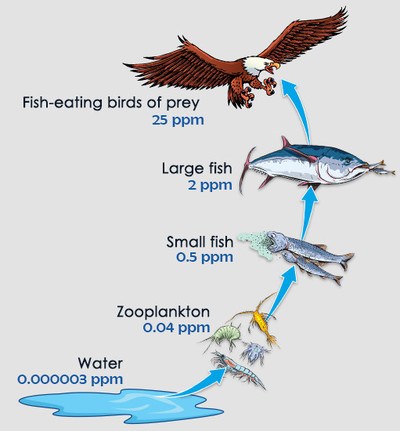

Why would the zooplankton and small fish not be affected like the fish eating birds?
concentration of DDT decreases as it moves up the food chain
DDT is an insecticide and does not affect other organisms
The concentration of DDT is not high enough
The concentraiton of DDT is too high


Which two molecules cross the cell membrane by active transport?
Molecules 2 and 3
Molecules 1 and 2
Molecules 1 and 4
Molecules 3 and 4
Match the following
Does Active Transport use energy (ATP)?
Yes
Does Passive Transport Use Energy(ATP)?
No
passive transport moves molecules from ...
high to low
active transport moves molecules from ...
low to high

What type of transport is this?
Endocytosis
Exocytosis
Diffusion
Sodium-Potassium Pump

The picture is an example of...
active tranport
passive transport
diffusion
osmosis

Which illustration of transport across the membrane requires energy?
A
B
C
D
Which of the following is an example of active transport?
Diffusion
Osmosis
Sodium-potassium pump
Facilitated diffusion
Which molecule is most likely to pass through the cell membrane by simple diffusion?
Glucose
Sodium ions
Oxygen
Proteins
Tap on all the pictures of ACTIVE transport.
Label each type of passive transport
Diffusion
Facilitated Diffusion
Tap on all the pictures of PASSIVE transport.
Correctly label the diagram of Active Transport
Sodium potassium pump
Low Concentration
High Concentration
ATP
Active transport of solutes across the cell membrane requires (a) because molecules are moved against the (b) , meaning from (c) concentration . For example, when mangrove trees use salt (d) to secrete salt from their roots.
If the molecules move through PASSIVE TRANSPORT in this diagram which side are the molecules going to?

Match the following forms of passive transport.
diffusion of water from high to low
Osmosis
movement of material from high to low
Diffusion
a transport protein moves materials from high to low
Facilitated Diffusion

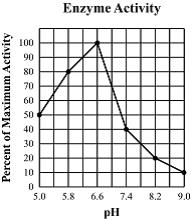
Lipase is an enzyme responsible for breaking fat down in the stomach. Which statement explains the effectiveness of lipase as it moves through the digestive system from the stomach to the intestine?
It becomes less effective because it is used up by fats in the stomach.
It becomes more effective because it acquires energy for more reactions from fats.
It becomes less effective because it is inhibited by the change in pH from the stomach to the intestines.
It becomes more effective because it changes shape and is able to break down other materials in the intestines.
At what pH are both enzymes working?
Which enzyme's OPTIMAL pH is approximately 9?
Which cell produces pepsinogen? (a)
Match the following
pH of the Stomach
Acidic
pH of Blood
Neutral
pH of 10
Basic
The Structure that Stores bile
Match the term with the description.
release of digestive fluids (saliva, mucus, etc)
secretion
unabsorbed materials are eliminated
defection
nutrients and other molecules pass into the bloodstream
absorption
breaking down food
digestion
eating
ingestion
Match the following digestive organs to their functions
Absorbs water and vitamins
Large Intestine
Mechanically breaks down food by chewing and mashing
Mouth
Chemically breaks down food using acid and enzymes
Stomach
Absorbs nutrients and uses diffusion to deliver them to the blood stream
Small intestine
Pushes food down the digestive tract from the pharynx to the stomach
Esophagus

Chemical Digestion and Absorbs Nutrients into Bloodstream

Absorbs water into bloodstream and forms solid waste

Mechanical digestion through churning and chemical digestion through acid and enzymes

Together these structures produce and store bile

Produces enzymes and insulin
Match the following
creates saliva, which contains enzymes and moistens food
salivary glands
muscular tube that moves food into the stomach
esophagus
aids in the process of mastication
tongue
produces bile which helps break down fats
liver
Match the following
Contains villi; site of the majority of digestion and nutrient absorption
small intestine
opens to allow elimination to occur
anus
produces pancreatic juice and insulin
pancreas
carries out chemical digestion with gastric juices and mechanical digestion with churning
stomach
Match the following liquids with their structures
Gall bladder
Stores bile
Pancreas
Makes insulin to regulate blood sugar
Liver
Makes bile to digest fat
Stomach
Makes gastric juice
Match the following
Small Intestine
Absorbs nutrients
Large intestine
Absorbs water
Feces
Solid waste
Match the following digestive enzymes with their substrates
Amylase
breaks down carbohydrates
carboxy-peptidase, trypsin, chymotrypsin
breaks down proteins in the small intestine
Pepsin
breaks down proteins in the stomach
lipase
breaks down fats
nuclease
breaks down nucleic acids
Which cell produces pepsinogen? (a)
Which cells of the gastric glands secrete each product?
mucus
goblet cells
HCl
parietal cells
pepsin
chief cells


A student made a list of some ways that a species of fungi and a plant interact: 1. The fungus receives carbohydrates from the plant. 2. The fungus helps provide water to the plant's roots. 3. The fungus provides minerals and nutrients to the plant. Based on this information, what is MOST LIKELY the relationship between this species of fungi and the plant?
Mutualism
Commensalism
Parasitism
Predation
Which plant has micorrhizae (mutualistic fungus) to increase the surface area for the plant's nutrient and water uptake?

In the field of biology, (a) refers to the relationship between (b) different kinds of living things that live together and (c) on each other.


A remora is a fish that has an adhesive disk on the back of its head that it uses to attach itself to a large shark. When food floats away from the shark’s mouth as it feeds, the remora collects the scraps. Drawings of a shark with a remora attached and a remora’s adhesive disk are shown.
The relationship between the remora and the shark is an example of —
predation
parasitism
commensalism
compeition

A ring worm is found on a human, this is an example of what symbiosis relationship?
Mutualism
Parasitism
Commensalism
Prey--> Predator

Ostriches and gazelles eat together. They both watch for predators and danger. Since they see things differently, they each can identify threats the other animal may not see. Both species are benefited.
mutualism
commensalism
parasitism
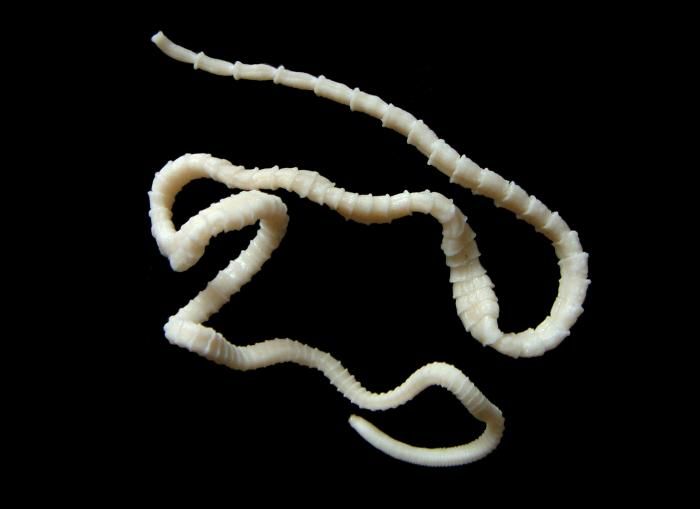
A tapeworm lives in the intestine of a cat absorbing nutrients through its skin. A tapeworm and a cat have this type of relationship.
mutualism
parasitism
commensalism
competition

Select the two organisms types in this diagram:
Fungi
Phototroph (algae or Cyanobacteria)
Protozoa
Candida and Saccharomyces

Lichens are close associations of fungi and algae. The fungi hold the water supply and the algae perform photosynthesis to manufacture carbohydrates for both organisms.
Parasitism
Commensalism
Mutualism
Saldañism
Two different organisms living together and benefitting from each other are known as …………….
Saprophytic
Heterotrophs
Parasitic
Symbionts
Rhizobium is an example of
Symbiosis
Parasites
Insectivorous
None of these
The symbiotic relationship formed by plants and fungi is called ________________
mycorrhizae
mitochondrion
bacteria
mitosis

The geographical distribution of flightless birds is shown on the map. Which locations MOST LIKELY share a most recent common ancestor with the birds found at Location 3? Select TWO correct answers.
Location 1
Location 2
Location 4
Location 5
Location 6

Which type of mutation has occurred in the gene?
Deletion
Substitution
Insertion
Translocation

Match the following

Deletion

Inversion

Duplication

Insertion

Translocation

Which of these mutations most likely results in the mutated hemoglobin gene?
A (a) and a (b)
Mutations in these types of cells affect offspring:
insertion
deletion
substitution
Identify the types of mutations shown.
Which type of mutation does the model demonstrate?

Match the following compared to the original DNA strand

point mutation (substitution)

deletion

insertion
Correctly label the mutations

Original DNA: CAGAAT
Mutated DNA: CAGAT = (a)
Mutated DNA: CAGCAAT = (b)
Mutated DNA: CAGTAT = (c)
Which of these shows an example of an insertion mutation?
Which two are Frameshift Mutations?

DNA mutations in (a) are not passed to offspring. In order for an offspring to inherit a DNA mutation, the DNA mutation must be in a (b) .

A segment of DNA produces methionine, threonine, histidine, aspartate, and glycine when translated. A substituion mutation occurs and causes the synthesis of the segment as shown.
New DNA strand: 3' T A C A G G G T G C T A C C C A C T 5'
The new peptide chain when the new DNA segment is translated is (a) , (b) , (c) , (d) , (e) .
Original DNA: CAGAAT
Look at how the DNA changed in each example below. For each change, choose if it shows a deletion (removing a letter), insertion (adding a letter), or substitution (swapping a letter).
Mutated DNA: CAGAT = (a)
Mutated DNA: CAGCAAT = (b)
Mutated DNA: CAGTAT = (c)
Match the type of mutation with its definition:
when one nucleotide is switched for a different one in the DNA sequence
when one nucleotide is added into the DNA sequence
Insertion
when one nucleotide is removed from the DNA sequence
Deletion
Match the following types of mutations to their descriptions.
A change to one nucleotide results in one different amino acid in a polypeptide.
Missense
A change to one nucleotide results in early termination of a polypeptide.
Nonsense
A change to one nucleotide results in no changes to the amino acids in a polypeptide.
Silent
Additional nucleotides are added to the DNA strand; causes a frameshift mutation.
Insertion
Nucleotides are removed from the DNA strand; causes a frameshift mutation.
Deletion
(a) : one nucleotide is substituted for another
(b) : insertion or deletion of a nucleotide in the DNA sequence
Match the image to the correct GENE MUTATION

Substitution

Deletion

Insertion
Point mutations affect (a) nucleotide.
What are changes in DNA called? (a)
Match the following
Nondisjunction
Chromosomes don't separate correctly
Duplication
multiple copies of a gene are made
Translocation
Swap between non-homologous chromosomes
Point mutation
When one nucleotide is swapped
Frameshift mutation
When codons are changed

A portion of an mRNA sequence and a codon chart are shown. 5' UCU UGU CGA 3' Based on the codon chart, what sequence of amino acids is produced when this mRNA is translated?
Thr - Asn - Glu
Cys - Phe - Leu
Ser - Cys - Arg
Tyr - Trp - Met

Organize the codons that corresponds with each amino acid. The full names are written, but the codon shown on the wheel/chart only shows the first three letters. (NOTE: You may or may not use all of the options.)
Proline (a) , Glycine (b) , Phenylalanine (c) , Histine (d)
A mutation occurs that creates a new DNA sequence. DNA: TAC-TCG GGA. What amino acid sequence would this produce? (a)
Which sequence of the genetic code would produce a polypeptide with the amino acid sequence Val-Pro-Leu? (a)
Which of these is the correct amino acid chain produced from the DNA template strand?
One of the keys to understanding DNA structure is knowing how complementary bases in a DNA molecule pair up. If a single base is altered, the protein that gene encodes for might be altered, possibly affecting its function. Using Chargaff’s rule, simulate this process by filling in the correct complementary strand for this template strand in the chart below.
You may use each letter once or more than once.
U
T
C
A
G

The image shows several different nucleotides. Match the complementary bases.
adenine
thymine
guanine
cytosine
thymine
adenine
cytosine
guanine

Using the Codon chart attached, drag and drop the corresponding amino acid to its mRNA base
AAA : (a)
GUU : (b)
UAA : (c)
AGU : (d)
Which amino acid is coded for by the following mRNA codon CCU?
Answer the following
When using a codon chart we start with which side 1st?
Code for DNA -> ATG
Find DNA -> CAC

A person waters a grapefruit tree on a sunny day. Which process MUST occur for the tree to use the water?
Water is absorbed by the roots and then moved to the top of the tree by the xylem.
Water is gathered by the leaves and then converted into glucose for the tree to use as energy.
Water is moved from the top of the tree and then transported into the roots by the phloem.
Water is collected in the flowers on the tree and then converted into tissue to produce bark.
Read and Answer the following STAAR question.
The (a) only moves water and nutrients (b) . The (c) flows sugar and nutrients (d) in the plant.


Recall what is dissolved in the water in the xylem.
Glucose
Amino acids
Mineral ions
Starch

What is the purpose of the XYLEM?
To bring food from the soil to the whole plant.
To carry water and nutrients from the roots to the whole plant.
To carry food from the chloroplasts around to all parts of the plant.

The diagram shows a plant.
What is the pathway taken by most of the water absorbed by this plant?
X ➔ Y ➔ Z
W ➔ Y ➔ Z
Z ➔ Y ➔ X
Z ➔ Y ➔ W


what is the function of phloem tissue?
transports water and minerals
control the opening and closing of stoma
carry out photosynthesis
transports glucose and nutrients

A student creates a table to describe some properties of viruses. How should the student complete the table? Move the correct answer to each box in the table. Each answer may be used more than once.
Properties of Viruses - Reproduction: Is dependent on a _____________.
host cell
bacterial wall
nucleus
ribosome

A student creates a table to describe some properties of viruses. How should the student complete the table? Move the correct answer to each box in the table. Each answer may be used more than once.
Properties of Viruses - Size: Is _____________ human cells.
smaller than
larger than
the same size as
bigger than

A student creates a table to describe some properties of viruses. How should the student complete the table? Move the correct answer to each box in the table. Each answer may be used more than once.
Properties of Viruses - Genetic Material: Uses _____________.
DNA or RNA
Only proteins
Only carbohydrates
Only lipids

What is the name of this virus
Capsule
Helical
Bacteriophage
Teva (my dog)

Name this virus.
Hepatitis
Adenovirus
Ebola
Bacteriophage
A student draws a model of the Rhinovirus which is responsible for causing the common cold. The student states that the capsid has a similar function to the nuclear membrane found in animal cells.
According to the student's illustration, which viral structure would be responsible for this function?
4.C
A table comparing the characteristics of four samples is shown. Which sample most likely contains viruses?
Label the parts of a common virus
DNA or RNA
Capsid
Spike Proteins

Match the following strucures.
Capsid
(protein coat)
Structure A
genetic material
(DNA or RNA)
Structure B
Tail fiber
Structure D
what are the parts of a virus
DNA or RNA
nucleus
Capsid
Mitochondria
Envelope
cell membrane
Which part of the virus is responsible for attaching to the host cell?
Select the part that functions not only as attachment but also as an entry factor.

Read and Analyze the Questions from the picture and answer correctly:
(a)
Label the Virus with the correct parts.
The most likely function of the structure labeled X in the above figure is –
attaching the virus to a cell
injecting viral DNA into a cell
assembling the parts of a virus
storing and protecting viral DNA
Which part of the virus contains/ holds genetic material?
This is used to attach itself to the host surface.
This part of the virus contains the DNA.

A
Head
B
DNA
C
Sheath
D
Fibers
Which part of the virus attaches to the host cell?
Label the structures found on a virus.
lipid envelope
capsid
Genome
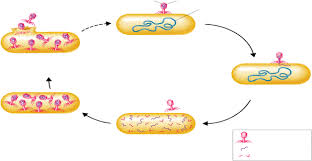

The steps of the virus reproduction process are provided in random order.
What is the correct sequence of the steps in the virus reproduction process?
1, 4, 5, 2, 3, 7, 6
5, 1, 2, 3, 7, 4, 6
1, 3, 2, 7, 5, 4, 6
5, 1, 3, 2, 4, 6, 7

The diagram illustrates a biological process. Which statement describes what will most likely happen during Step 4?
A. The substrates will bind together to form a product, and the enzyme will be unchanged.
B. The substrates will bind together to form a product, and the enzyme will be denatured.
C. The enzymes and substrates will all bind together to form one product.
D. The enzyme will become the product and both substrates will be released.
Click the part of the picture that is the SUBSTRATE.
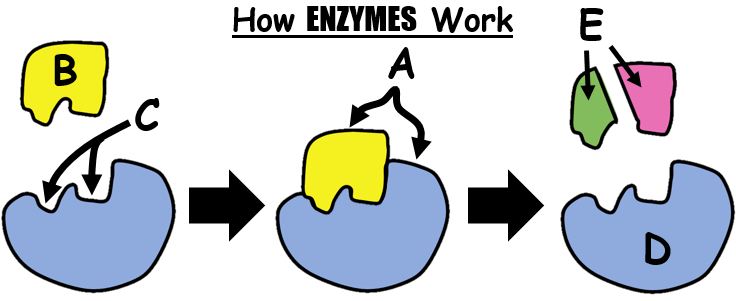
Look at the diagram.
Letter A is the (a) Letter B is the (b) Letter C is the (c) Letter D is the (d) and Letter E is the (e)

Match the following from the diagram.
a
enzyme
b
substrate
c
products
d
active site
Label the diagram with the words enzyme, substrate and product
enzyme
substrate
product
Add labels to show what is happening in the picture.
Substrates bind to enzyme
Substrates are converted into products
Free enzyme
Select the image that best answers the question in the photo.

Using the diagram, match the following.
A
Substrate
B
Enzyme
C
Active Site
D
Product
E
Enzyme Substrate Complex
Label the reaction of an enzyme pictured
Substrate
Enzyme
Product
Active Site
In the first stage of the Enzyme substrate complex :
1. The enzyme forms a (a) with the substrate.
2. The association between the enzyme and substrate is known as the " (b) ".
3. Upon completion of the reaction, the enzyme and the (c) separate.

Catalase is able to break down Hydrogen Peroxide (2H2O2) into Water (H2O) and Oxygen (O2). What is the Substrate?
Catalase
Water (H2O)
Oxygen (O2)
Hydrogen Peroxide (2H2O2)

Lactase and Lactose combine together, to break down,
and produce Glucose and Galactose.
Which of the following is the Substrate?
Lactose
Lactase
Glucose
Galactose

If the enzyme is denatured…
No effect
Reaction rate increases
Reaction rate decreases
Reaction stops
When active site gets deformed and loses its shape it causes a loss of biological activity
lock & key model
renaturation
the dying of an enzyme
denaturation
An enzyme can change its shape due to environmental conditions, including a change in temperature and pH levels. When an enzyme is no longer able to catalyze the reaction with the substrate, this is known as? (type in lowercase)
(a)
Question 74
What happens when an enzyme is denatured?
It folds into a compact 3D shape
It binds to an active site
It unfolds and stops working
It unfolds and works faster

What will cause a Enzyme to denature?
Add an inhibitor
Optimal PH and Temperature
Increasing PH outside the range

What are the THREE (3) items that can DENATURE an enzyme?
pH (potential hydrogen)
Another chemical reaction
Concentration
Temperature

When the pH or temperature becomes too low or too high what happens to an enzyme?
It decreases the amount of substrate present
The enzyme becomes denatured (changes shape) and can no longer bind to a substrate
The enzyme lowers the pH and temperature so it can work
pH and Temperature have no affect on an enzyme
Label the parts of the enzyme model

Which new gene combinations could result from crossing over?
RrTt and RrTt
RRTT and RRTt
rttt and rrtt
RrTT and rrTt
Label the stages of Meiosis 1.
Telophase 1
Prophase 1
Anaphase 1
Metaphase 1
Label the steps of Meiosis 2.
Prophase 2
Metaphase 2
Telophase 2
Anaphase 2
Which represents the phase in which four new genetically different haploid nuclei formed?
Mitosis
Makes skin cells
Meiosis
Makes gametes (sperm & egg)
Asexual Reproduction
1 parent
Sexual Reproduction
2 parents
Match the following phase of Meiosis I

interphase

prophase I

Metaphase I

Anaphase I

Telophase I and Cytokinesis
Match the following

independent assortment

crossing over
end result: 4 haploid genetically unique cells
meiosis
end result: 2 genetically identical cells
mitosis
(a) is the process where a parent cell divides into four sex cells with half of the chromosomes.
Both mitosis and meiosis begin with one cell. After mitosis is completed, you end up with (a) cells. After meiosis, you end up with (b) cells.
A cell has 10 chromosomes. It undergoes meiosis. How many chromosomes will each of the new cells have?
Label the following terms: Cell, DNA, Chromosome, Nucleus, Gene
Gene
DNA
Chromosome
Nucleus
Cell

A threadlike structure within a cell’s nucleus that contains DNA that is passed from one generation to the next. (a)
Circle the autocomes and sex chromosomes on this karyotype.
Which part of the diagram represents a gene?
Which part of the diagram represents a Chromosome?

The chromosomal mutation shown in the image is a (a)
Select when homologous chromosomes separate.
Match the terms on homologous pair.
Homologous Pair
Chromosome
Centromere
Allele (Version of a gene)

The chromosomal mutation shown in the image is a (a)

Match the followingRecord the number of each label in the boxes to best complete the model.
1
chromosome
2
DNA
3
gene

Use the words to label the image.
(You will only use each word once)
1. (a)
2. (b)
3. (c)
4. (d)

When the axolotl, a type of salamander, loses its legs or tail, it can regenerate the damaged tissue and regrow these body parts. Which statement describes the cellular processes that will MOST LIKELY occur when an axolotl loses its tail?
The area where the tail is growing will have an increased rate of meiosis and a decreased rate of mitosis.
The rate of somatic cell division and meiosis will decrease in all body cells except the tail.
The size of axolotl body cells will increase until a larger tail has developed due to an increased rate of mitosis.
The area where the tail is growing will have an increased rate of mitosis and cell division.

A student lists facts about raccoons: 1. Coyotes and bobcats eat raccoons. 2. Raccoons will eat fruit and nuts after they have dropped onto the ground. 3. Raccoons eat a variety of foods, including fish, small rodents, and frogs. 4. Raccoons can use their fingers to open garbage cans to eat what is inside. Which facts describe a predator-prey relationship?
Facts 1 and 2
Facts 1 and 3
Facts 2 and 4
Facts 3 and 4

Which statement describes why brightly colored feathers are selected for in populations of male peacocks?
The feathers help resist diseases.
The feathers help avoid competition.
The feathers help attract mates.
The feathers help with movement.

What behavior is this an example of?
Courtship Behavior
Cooperative Behavior
Society

Which kind of behavior is this?
courtship display
aggressive display
distraction display
altruism

Students observe onion cells from a tip of the root with a light microscope while studying mitosis. Which statement best identifies why students would observe the root tip of an onion to see the stages of mitosis?
The tip of the root is where the plant is doing the most growing.
The tip of the root is where photosynthesis is taking place.
The tip of the root is where the most water is being absorbed.
The tip of the root is where sexual reproduction is occurring.
Label the Following Illustration of the Cell Cycle.
G1-phase
S-phase
G2-phase
M-phase
Label the parts of the Cell Cycle
Label the parts of the cell cycle!
Mitosis
Interphase
G1 - growth
S - DNA Synthesis
G2 - growth and M prep
The Cell Cycle is broken into 2 main phases: (a) and (b)
Match the correct description to each part of the cell cycle.
cell grows and organelles are copied
G1
DNA is copied
S
cell grows
G2
division of the DNA
mitosis
division of the cytoplasm
cytokinesis
Match the phases of the cell cycle with what occurs in that phase.
G1
Cell grows in size
S phase
Cell synthesizes DNA
G2
Cell prepares for division
Mitosis
Nucleus is divided
Cytokinesis
Cytoplasm is divided
During the Cell Cycle, the (a) grows, copies organelles, replicates DNA and splits the nucleus to become identical (b) .
Match the correct description to each part of the cell cycle.
cell grows and prepares for Replication
G1
DNA is copied
S
cell grows and prepares for mitosis
G2
division of the nucleus (DNA)
mitosis
division of the cytoplasm
cytokinesis
Genetic material condenses
Prophase
Chromosomes line up in middle of cell
Metaphase
Sister chromatid moves apart
Anaphase
The cell starts to split into two
Telophase
Cell growth, and DNA replicates
Interphase

The eukaryotic ____ _____ is composed of interphase when the cell grows, organelles are made, and the chromosomes are duplicated; mitosis, when the chromosomes separate, and the nucleus divides; and cytokinesis, when the cytoplasm divides, forming two new cells.
(a)


telophase

cytokinesis

Which of these occurs just before the cell enters the G2 stage of the cell cycle?
the nuclear membrane disintegrates
Centrioles form
the nucleolus divides
DNA replicates
Drag the parts below to the correct spot on the microscope.
light source
diaphragm
Revolving Nosepiece
Fine Adjustment
Coarse Adjustment
Eyepiece
Body Tube
Arm
Stage
Label the parts of a microscope
Arm
Course focus knob
Eyepiece
Fine focus knob
Objective lenses
Stage
Label the parts of the microscope:
base
lamp
stage clip
rotating nose piece
fine adjustment knob
ocular ( eye piece )
body tube
arm
stage
course adjustment knob
Click the Hotspot
Course adjustment: larger knob for bigger adjustments
Click on the objective with a total magnification of 100X.
Click the Hotspot
Fine adjustment: smaller knob for tiny adjustments


A student is completing this Venn diagram that compares carbohydrates and lipids. Which description belongs in the shaded area of the Venn diagram?
Change shape in order to function properly
Act as insulation to reduce heat loss
Provide organisms with energy
Encode genetic information
These biomolecules end in -ose. They provide quick energy to the cell. Fructose, Glucose, and Lactose are examples.
Select the rectangle that best answers the question.
Compare and contrast the functions of carbohydrates and lipids.
Monosaccharide
1 sugar
Cell Membrane is made from
Lipids
Carbohydrate Energy
Quick
Lipid Energy
Long-Term
Cell Wall is made from
Carbohydrates
The carbohydrate in animal livers and muscle cells that store excess energy is called (a) .
Cell Walls
Carbohydrate
Structure
Cell Membrane
Lipid
Structure
Quick Energy
Carbohydrate Energy
Long Term Energy
Lipid
Energy
Glucose
Name of Monosaccharide
Disaccharide
Sucrose, Lactose, Maltose
Monosaccharide
Glucose, Fructose, Ribose (Part of RNA), Deoxyribose (Part of DNA)
Polysaccharide
glycogen, starch
(a) and (b) are monosaccharides.
Glucose is an example of a (a) carbohydrate.
Match the following
starch
carb storage in plants
glycogen
carb storage in animals
cellulose
plant cell walls (carb)
triglyceride
fat storage in animals
cholesterol
stabilizes cell membrane
Match the structure with the biomolecule group

Lipids

Nucleic Acids

Protein

Carbohydrate

