
 Worksheets
Biochem and NOS Review
Total questions: 52
Worksheet time: 55mins
Monosaccharides/Glucose (simple sugars)
Triglycerides(made of 3 fatty acids)/No true monomer
Match the following Macromolecules to their pictures.

Carbohydrate

Lipid

Protein

Nucleic acid
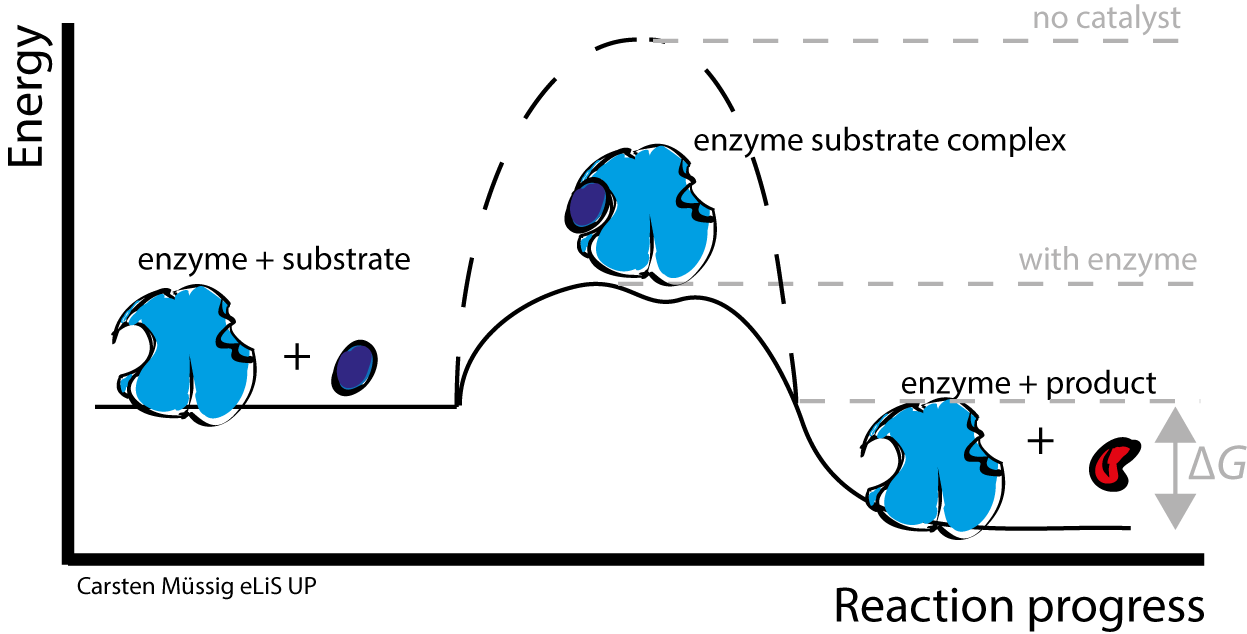
Enzymes are an example of
Lipids
Carbohydrate
Protein
Nucleic Acid
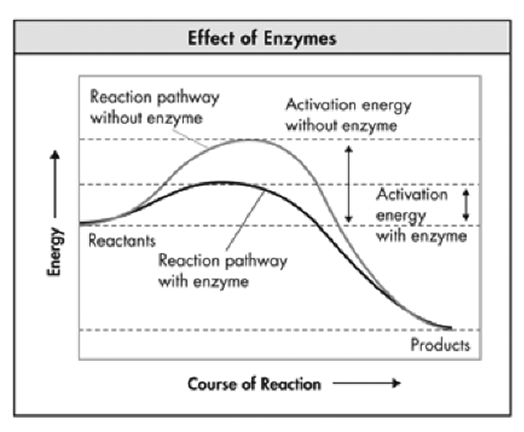
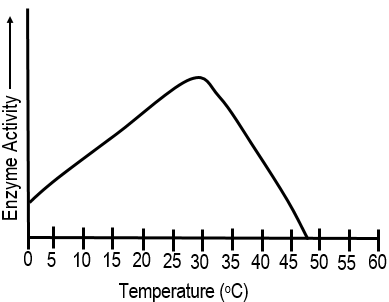
What are two factors that can affect an enzymes ability to function?
No changing
temperature and pH
night and day
hot and cold
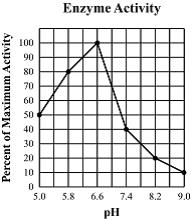

Many of the proteins in the human body are enzymes that catalyze chemical reactions. Which graph showcases the relationship between pH and enzyme activity the best?
chymotrypsin
pepsin
cholinesterase
papain




The ability of water molecules to stick to each other, creating surface tension is called:
Cohesion
Adhesion
Insulation
Ph
What is the chemical symbol of water?
H2O
CO2
O2
N2

Blood functions as a transport mechanism to take nutrients and oxygen to all cells in the body. What property of water allows for this to occur?
Expansion Upon Freezing
Universal Solvent
Cohesive Behavior
Ability to Moderate Temperature
Which property of water allows water to climb up a tree's root system to the leaves?
Cohesion
Adhesion
Polarity
Capillary Action
Capillary Action occurs due to...
Surface Tension
Cohesion
Adhesion
All of the above

How do the plant systems work together to make this movement of liquid possible?
What is an observation?
A guess about an object or event based on prior knowledge and experiences.
A detailed examination of the elements or structure of something.
Information gathered through the senses or scientific instruments.
A conclusion drawn from evidence and reasoning.
Which of the following is an inference?
The sky is blue.
The plant's leaves are green and moist.
The dog must be hungry because it is whining.
The temperature is 30°C.
How can evidence be used to support an inference?
By guessing the outcome of an event.
By providing observations that align with the inference.
By changing the inference to fit the evidence.
By ignoring contradictory evidence.
What distinguishes an observation from an inference?
Observations can change, but inferences cannot.
Observations are always true, while inferences are guesses.
Observations are data collected through senses, while inferences are interpretations of that data.
Inferences are more accurate than observations.
Which of the following is an example of using an observation to draw a conclusion?
Assuming it will rain because the sky is dark.
Noticing that a plant's leaves are drooping and concluding it needs water.
Believing a friend is mad because they didn't say hello.
Predicting a team will win based on their past performance.
In the United States, there has been relatively little experimentation involving the insertion of genes from other species into human DNA. What is one reason for the limitations of these experiments?
The subunits of human DNA are different from the DNA subunits of other species.
Inserting foreign DNA into human DNA would require using completely new techniques.
Human DNA always promotes human survival, so there is no need to insert foreign genes into it.
There are many ethical questions to be answered before inserting foreign genes into human DNA.
Scientists have produced a genetically modified orange tree that is resistant to disease. Which of the following is the best example of a potential benefit to society that could result from this biotechnology?
reduction in orange crops produced
increase in orange crops produced
increase in the cost of orange crop
a change in the distribution of insects that pollinate orange flowers
A great deal of information can now be obtained about the future health of individuals by examining the genetic makeup of their cells. There are concerns that this information could be used to deny an individual health insurance or employment. What do these concerns best illustrate?
Scientific explanations are based on evidence collected mainly from a single source.
Scientific inquiry involves the collection of information from a large number of sources.
Acquiring too much knowledge about human genetics will discourage future research in this area of science.
Values are essential to making ethical decisions when applying new research that adds to existing knowledge.
Scientists have inserted a gene that codes for resistance to a biodegradable weedkiller into a certain plant. Which of the following is most likely to occur when this gene is inserted?
The plant will become able to produce chemicals to kill weeds around it.
The plant will become able to produce chemicals to kill weeds around it.
The plant will become able to convert the weedkiller into fertilizer.
The plant is more likely to survive when exposed to the weedkiller.
An estimated 73,000 cases of infection from E. coli bacteria in food are reported in the United States each year. Heat treatment has been the preferred way to kill the bacteria, which are often found in beef products. Recently, irradiation using electron beam technology has been used to treat ground beef. The irradiation process disrupts the genetic structure of the bacteria, either killing them or leaving them unable to reproduce.
What is one potential danger of irradiating food?
The dead bacteria might remain in the food and cause illnesses.
The nutrients in the foods might also be destroyed by the irradiation.
The bacteria might grow stronger and become more toxic to humans.
The food might heat up to unsafe levels during the irradiation process.

