
 Worksheets
HOA 4 - Exam 1 PART 1
Total questions: 112
Worksheet time: 1hrs 2mins
How long is the coastline of the Philippines?
(a)
How many recorded volcanoes does the Philippines have?
(a)
How many active volcanoes are there in the Philippines?
(a)
This architecture style refers to traditional and indigenous building styles that emerged from the country’s local climate, materials, culture, and ways of life.
Vernacular Architecture
Baroque Architecture
Folk Architecture
Classical Architecture
This architecture style refers to traditional building styles that are designed based on local needs, available materials, climate, and culture, rather than formal architectural trends.
Vernacular Architecture
Baroque Architecture
Folk Architecture
Classical Architecture
Before Spanish colonization (16th century), Filipino communities already had highly functional houses adapted to environment and culture.
True
False
The builders of Vernacular Architecture are professional architects or engineers.
True
False
In vernacular architecture, there is constant adaptation, using natural materials, to the geographical environment.
True
False
In vernacular architecture, there is balance between social/economic functionality and aesthetic features.
True
False
In vernacular architecture, the actual process of construction involves intuitive thinking but is closed to later modifications.
True
False
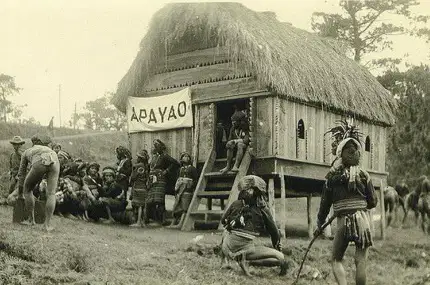
The traditional type of house in Apayao with an elevated rectangular one-room structure and protected by a highpitch thatch roof that resembles a pointed barrel vault.
Apayao House
Binuron
Lepa
Luma
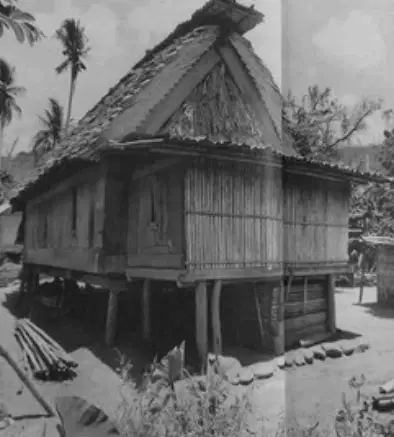
Traditional Isneg House; distinctive boat-shaped roof
Apayao House
Binuron
Lepa
Luma
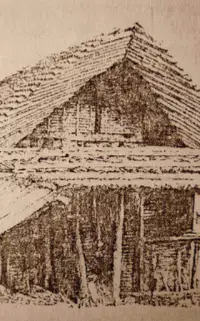
Its roof suggests an inverted hull; built from bamboo, wood, and thatch.
Apayao House
Binuron
Lepa
Luma
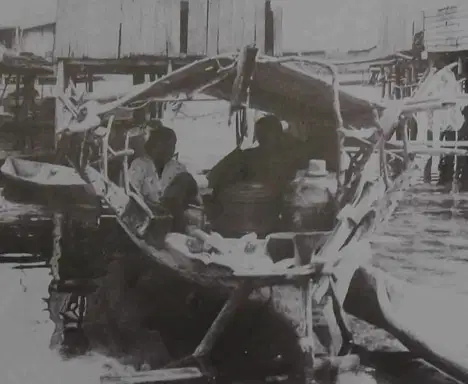
Traditional Badjao boat-house; it has no outriggers, and is roofed, loose and detachable structure
Apayao House
Binuron
Lepa
Luma

Allows mobility for fishing, seasonal travel, and
relocation; demonstrates adaptability to sea-based lifestyle
and environmental conditions.
Apayao House
Binuron
Lepa
Luma
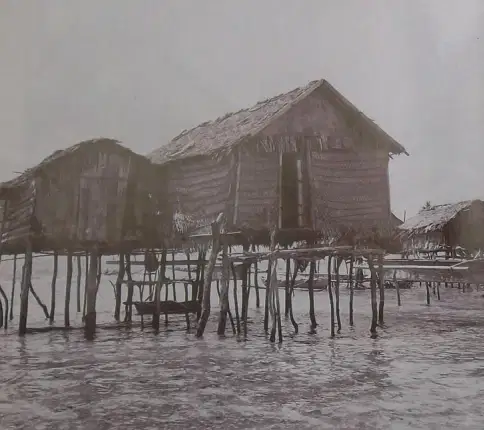
Traditional Badjao landhouse
Apayao House
Binuron
Lepa
Luma
Traditional Badjao landhouse
Apayao House
Binuron
Lepa
Luma
It is the slightly raised platform on three sides of the Binuron.
Datag/Xassaran
Tamuyon
Isneg
Luma
The main section of the Binuron.
Datag/Xassaran
Tamuyon
Isneg
Luma
This boathouse has outriggers, is roofed and walled in on all sides by wooden boards.
Datag/Xassaran
Tamuyon
Djenging
Dapang/Vinta
This boathouse is not roofed and is only used for fishing and short trips.
Datag/Xassaran
Tamuyon
Djenging
Dapang/Vinta
The stairs where women often wash clothes and kitchen utensils in the Luma
Datag/Xassaran
Harun
Djenging
Dapang/Vinta
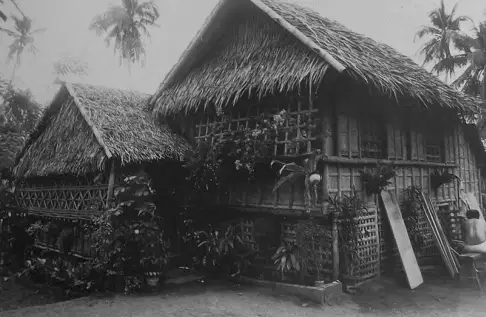
Traditional lowland dwelling in northern and central regions.
Bahay Kubo
Bahay na Bato
Bal'lay
Balai
These are the primary interior spaces of a bahay kubo, except:
dapogan
banggerahan
batalan
silong and balkon
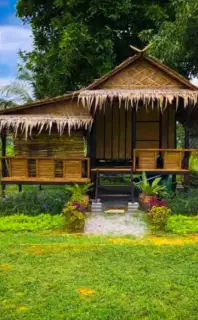
Made of bamboo, nipa palm, and cogon grass; has a steep thatched roof for insulation and rain drainage.
Bahay Kubo
Bahay na Bato
Bal'lay
Balai
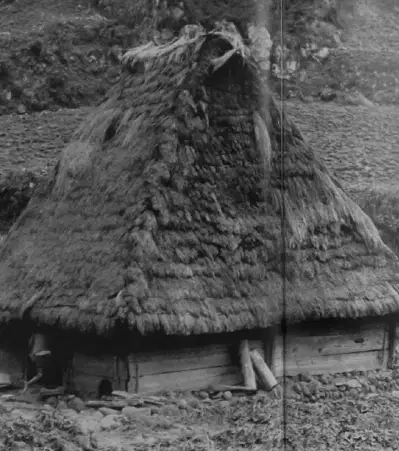
Traditional Bontoc house for the affluent
fay-u/afung
katyufong
kol-lob
bal-lay
Bontoc dwelling for the poor
fay-u/afung
katyufong
kol-lob
bal-lay
Bontoc residence of widows or unmarried old women
fay-u/afung
katyufong
kol-lob
bal-lay
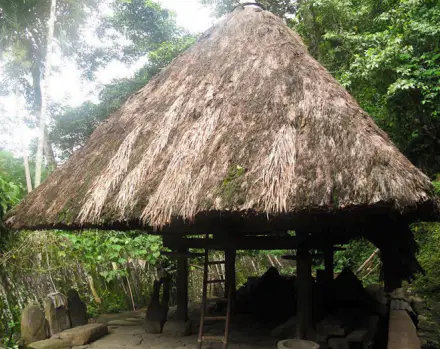
Traditional Ifugao house for the affluent; more permanent.
bale/fale
rakuh
binayon
binangiyan
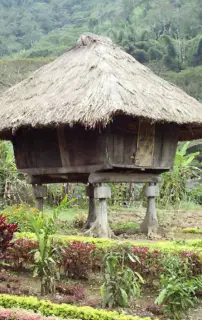
Wooden house raised on posts with rat guards
bale/fale
rakuh
binayon
binangiyan
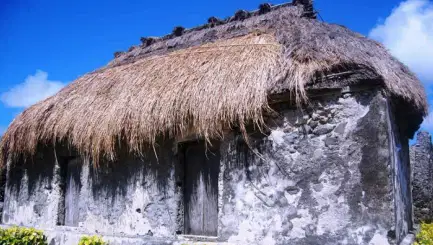
Traditional Ivatan House
bale/fale
rakuh
binayon
binangiyan
Thick thatch roof, walls mortared with stone or plastered with white lime.
bale/fale
rakuh
binayon
binangiyan
Ifugao dwelling for the poor
(a)
The rat guard feature of the Bale/Fale
(a)
“The house as a womb. ”
(a)
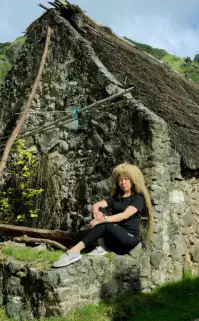
This type of house is the common two sloped roof of either the rakuh or the kusina.
sinadumparan
maytuab
bal'lay
lepa
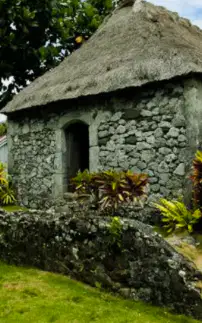
This type of house under rakuh or kusina has stone and lime walls with a distinct four-sloped roof.
sinadumparan
maytuab
bal'lay
lepa
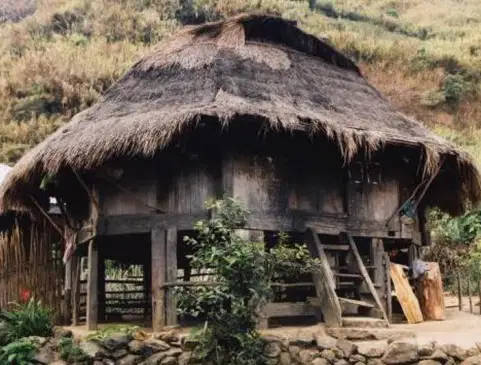
Traditional Kalinga house
binayon
binangiyan
inagamang
bale
Octagonal in plan; exterior features are not strongly defined
binayon
binangiyan
inagamang
bale
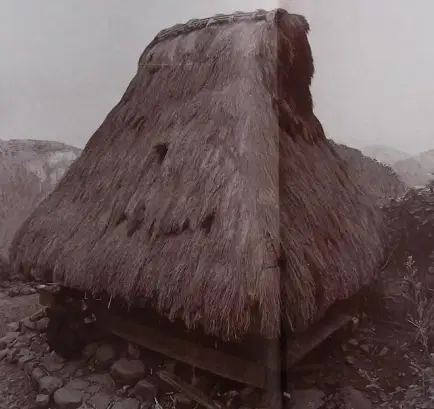
Traditional Kankanai house for the wealthy
binayon
binangiyan
inagamang
bale

Rectangular, low-set house, close to the ground; interior has a central hearth for cooking and heating.
binayon
binangiyan
inagamang
bale
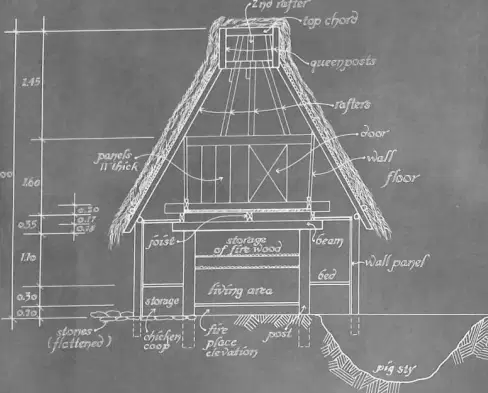
Traditional Bontoc house in Sagada
binayon
binangiyan
inagamang
bale
Granary house of the Ifugao, specifically built to store rice harvests
binayon
binangiyan
inagamang
bale
Central section of the Binayon
(a)
slightly elevated side sections of the Binayon
(a)
Kankanai house for poorer families
Apa or inapa
Allao
Agamang
Pantan
A more temporary Kankanai house
Apa or inapa
Allao
Agamang
Pantan
Upper level granary
(a)
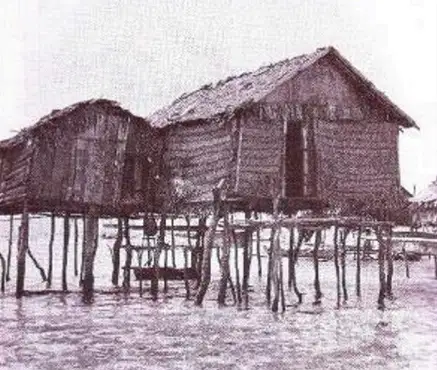
These are elevated rectangular one-room structures near the coastal waters of Southern Mindanao, Palawan, Zamboanga, and Sulu archipelago.
Samal House
Bay Sinug
Mangyan Dwellings
Torogan
These houses are directly built on shallow water and connected to the shore by a pantan (bridge) or directly built on solid ground.
Samal House
Bay Sinug
Mangyan Dwellings
Torogan
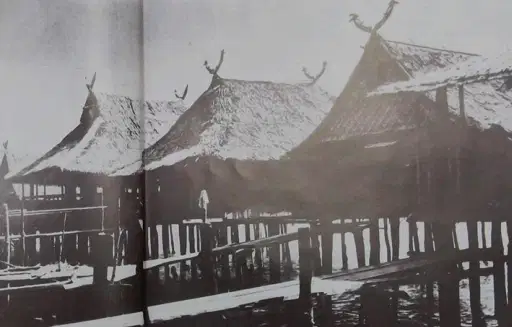
Traditional Tausug stilt house, usually built along the coasts or slightly inland.
Samal House
Bay Sinug
Mangyan Dwellings
Torogan
The bridge connecting the Samal House to the shore
(a)
bargeboardend decoration; horn-shaped finials of the Bay Sinug
(a)
Family residence
Afong
Ato
Ulog/olog
Al-kang
Council house and dormitory of the young and old unmarried males
Afong
Ato
Ulog/olog
Al-kang
Female dormitory
Afong
Ato
Ulog/olog
Al-kang
Storage for food, jewelry and wine jars.
Afong
Ato
Ulog/olog
Al-kang
Rice granary
Afong
Akhamang
Falinto-og
Al-kang
Pig pens
Afong
Akhamang
Falinto-og
Al-kang
Flood-prone lowlands utilize:
stilt houses
compact, strong wooden huts
heavy stone houses
floating or stilted houses
Mountainous highlands utilize:
stilt houses
compact, strong wooden huts
heavy stone houses
floating or stilted houses
Typhoon-battered coasts utilize:
stilt houses
compact, strong wooden huts
heavy stone houses
floating or stilted houses
Riverine and coastal areas utilize:
stilt houses
compact, strong wooden huts
heavy stone houses
floating or stilted houses
Kubo is derived from “cubo“, which is the spanish word for?
(a)
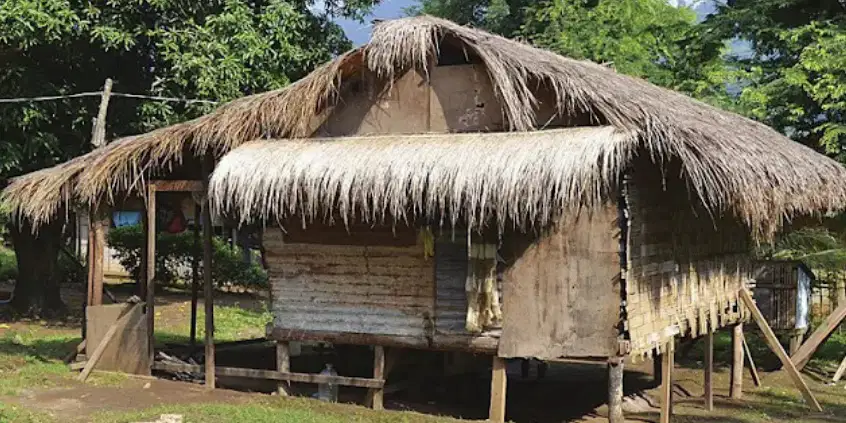
The form of these dwellings are small huts or lean-tos, quickly assembled. Sometimes just a low shelter with a sloping roof (like a tent) supported by poles
Aeta dwellings
Mangyan dwellings
Ivatan dwellings
Bajau dwellings
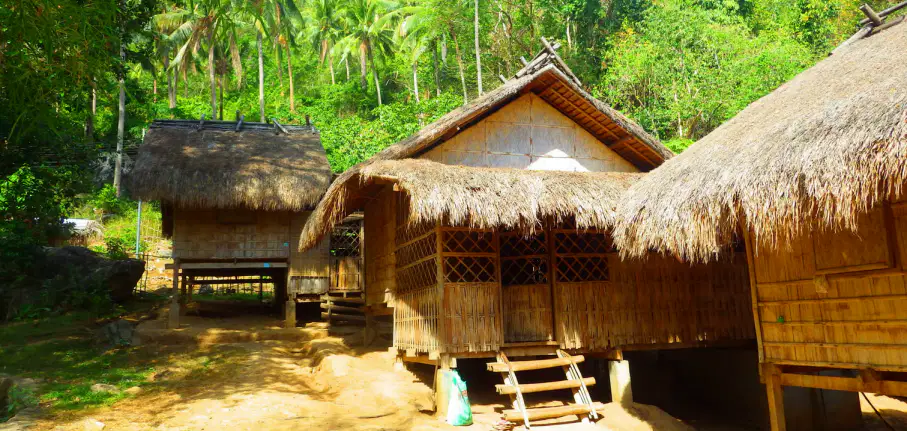
The form of these dwellings are small, lightweight huts with simple rectangular or square plans. Built on stilts, usually 1–2 meters above the ground to avoid moisture and pests.
Aeta dwellings
Mangyan dwellings
Ivatan dwellings
Bajau dwellings
They are among the earliest inhabitants of the Philippines, with strong ties to forests and hunting-gathering traditions.
Aeta/Agta
Mangyan
Bajau
Malay
They are indigenous peoples of Mindoro island, divided into several groups (Alangan, Iraya, Hanunuo, etc.).
Aeta/Agta
Mangyan
Bajau
Malay
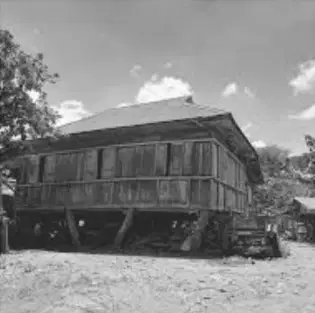
Raised on stilts with walls woven from rattan, these traditional houses are designed to withstand the region’s flood- prone environment.
Ibanag House
Lumah House
Agta House
Balay Cuyonon
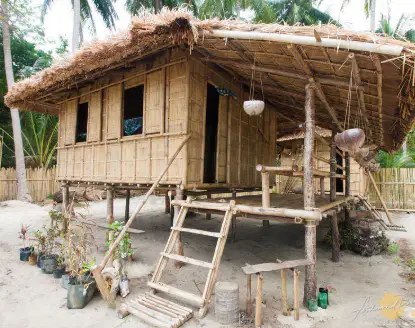
These structures embody communal living and deep respect for nature among Palawan’s indigenous communities.
Ibanag House
Lumah House
Agta House
Balay Cuyonon
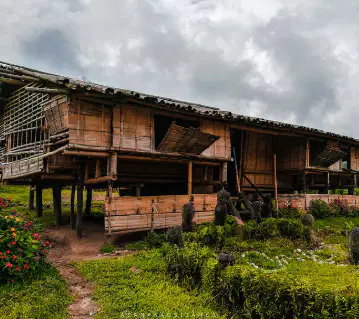
Clan house of a T’boli Clan that is usually a house for the large clan. Usually no partitions.
Gunu Bong/Gunu
Bagobo House
Binayon/Finaryon
Balai
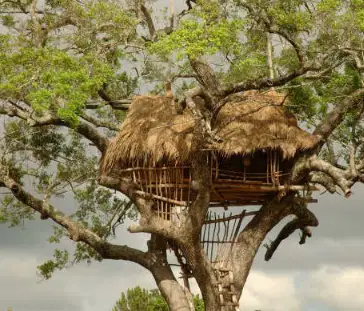
House of a Manobo tribe, a Lumad subgroup in Southern Mindanao, mostly/purely made of bamboo materials.
Gunu Bong/Gunu
Bagobo House
Binayon/Finaryon
Balai
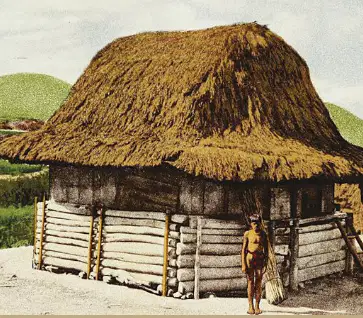
An octagonal house of North and South Kalinga group both with painted round human figures.
Gunu Bong/Gunu
Bagobo House
Binayon/Finaryon
Balai
Floor mat of a Binayon
Tatagon
Chingching
Okong
Fot-Ang
Chosar
Lower floor wallboards of a Binayon
Tatagon
Chingching
Okong
Fot-Ang
Chosar
Upper floor wallboards of a Binayon
Tatagon
Chingching
Okong
Fot-Ang
Chosar
Floor joist of a Binayon
Tatagon
Chingching
Okong
Fot-Ang
Chosar
Fixed wooden floor of a Binayon
Tatagon
Chingching
Okong
Fot-Ang
Chosar
Which layout of the Binayon/Finaryon is for the rich?
Octagonal layout
Rectangular layout
Circular layout
Diamond layout
Which layout of the Binayon/Finaryon is for the commoner?
Octagonal layout
Rectangular layout
Circular layout
Diamond layout
roof of a BInayon/Finaryon
Talob
Tunglob
Sawang
Dattagon
gable wall of a BInayon/Finaryon
Talob
Tunglob
Sawang
Dattagon
door of a BInayon/Finaryon
Talob
Tunglob
Sawang
Dattagon
upper floor of a BInayon/Finaryon
Talob
Tunglob
Sawang
Dattagon
Wallboard of a Binayon/Finaryon
Dabi
Sagpatan
Daipong
Sipi
shelf of a Binayon/Finaryon
Dabi
Sagpatan
Daipong
Sipi
raised stove of a Binayon/Finaryon
Dabi
Sagpatan
Daipong
Sipi
elevated wood panel flooring of a Binayon/Finaryon
Dabi
Sagpatan
Daipong
Sipi
window (once dabi is removed) of a Binayon/Finaryon
Ban-Oga-Sawang
Sogwas/Dola
Alisot
Singit-Tukod
basement of a Binayon/Finaryon
Ban-Oga-Sawang
Sogwas/Dola
Alisot
Singit-Tukod
Bamboo siding at lower floor/basement of a Binayon/Finaryon
Ban-Oga-Sawang
Sogwas/Dola
Alisot
Singit-Tukod
stone peg of a Binayon/Finaryon
Ban-Oga-Sawang
Sogwas/Dola
Alisot
Singit-Tukod
roof under sheathing of an Apayao Balai
Rarat
Tabungan
Dapug
Padurot
gable opening of an Apayao Balai
Rarat
Tabungan
Dapug
Padurot
earthen hearth of an Apayao Balai
Rarat
Tabungan
Dapug
Padurot
length of an Apayao Balai
Rarat
Tabungan
Dapug
Padurot
breadth/overall width of an Apayao Balai
Soba
Gawayan
Agdan
Balatad
interior of an Apayao Balai
Soba
Gawayan
Agdan
Balatad
ladder of an Apayao Balai
Soba
Gawayan
Agdan
Balatad
path walk of an Apayao Balai
Soba
Gawayan
Agdan
Balatad
window, from removable wallboards of an Apayao Balai
Sotan/Lamdaw
Banga
Amoto
Arangat
cooking jar of an Apayao Balai
Sotan/Lamdaw
Banga
Amoto
Arangat
earthen jar for water of an Apayao Balai
Sotan/Lamdaw
Banga
Amoto
Arangat
shelf above dishwashing area of an Apayao Balai
Sotan/Lamdaw
Banga
Amoto
Arangat
inclined support of a Baey/Babayan House
Sedngal
Tikel
Det-A
Abek
rafter of a Baey/Babayan House
Sedngal
Tikel
Det-A
Abek
floor of a Baey/Babayan House
Sedngal
Tikel
Det-A
Abek
mat of a Baey/Babayan House
Sedngal
Tikel
Det-A
Abek
wood ladder of a Baey/Babayan House
Tetey
Sakiatan
Tokdoan
Balansag
stone stair, base of a Baey/Babayan House
Tetey
Sakiatan
Tokdoan
Balansag
bench inside a Baey/Babayan House
Tetey
Sakiatan
Tokdoan
Balansag
bench under a Baey/Babayan House
Tetey
Sakiatan
Tokdoan
Balansag