
 Worksheets
Exploring Design Principles
Total questions: 15
Worksheet time: 8mins
What is rhythm in design and how does it affect visual flow?
Rhythm has no impact on how viewers perceive a design.
Visual flow is determined only by the size of elements.
Rhythm in design affects visual flow by creating a structured movement that leads the viewer's attention through the composition.
Rhythm in design is solely about color choices.
How does contrast enhance the visibility of design elements?
Contrast makes design elements blend into the background.
Contrast reduces the overall visibility of design elements.
Contrast is only important for text readability.
Contrast improves visibility by distinguishing design elements from their background.
What role does space play in creating effective designs?
Space is only important for aesthetic appeal.
Space has no impact on viewer engagement.
Space is crucial for balance, clarity, and guiding viewer attention in effective designs.
Space is primarily used for decorative purposes.
How can color influence the mood and perception of a design?
Color has no impact on user experience in design.
Color only affects the physical properties of materials.
Color is solely a matter of personal preference.
Color influences mood and perception by evoking emotions, affecting spatial perception, and shaping brand identity.
What is hierarchy in design, and how does it guide viewer attention?
Hierarchy in design is only about color choices.
Hierarchy in design is the arrangement of elements that guides viewer attention by indicating importance.
Hierarchy is the random placement of elements.
Hierarchy has no impact on viewer attention.
How does unity create a cohesive look in design projects?
Unity is achieved by using random colors and fonts.
Unity eliminates the need for any design elements.
Unity focuses solely on the use of images in design.
Unity creates a cohesive look by ensuring consistent use of design elements like color, typography, and layout.
What techniques can be used to create emphasis in a design?
Texture and pattern
Techniques to create emphasis in a design include contrast, color, size, placement, repetition, and whitespace.
Symmetry and alignment
Minimalism and simplicity
Which design element is used to show movement, direction, or outline in a picture?
Line
Color
Shape
Texture
If a drawing looks flat, it mostly uses shapes. If it looks 3D, it uses _____.
Shape
Form
Value
Texture
Which of the following are elements of design? (Choose all that apply)
Color
Shape
Music
Line
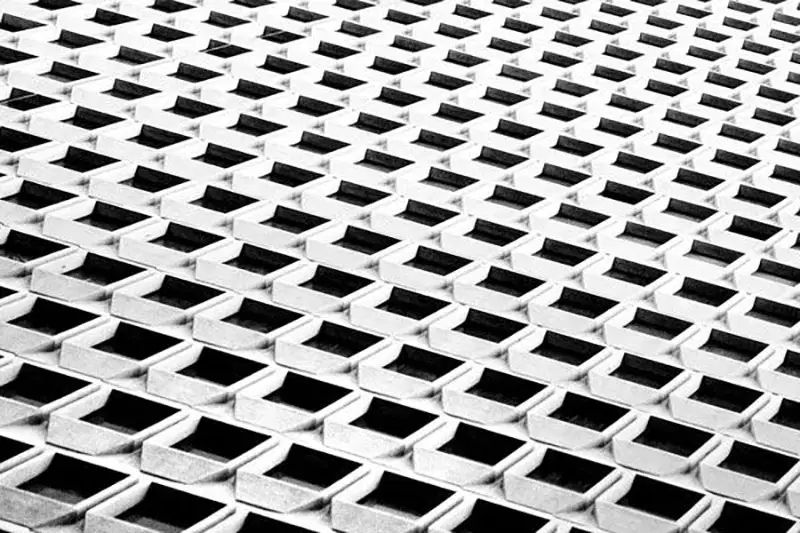
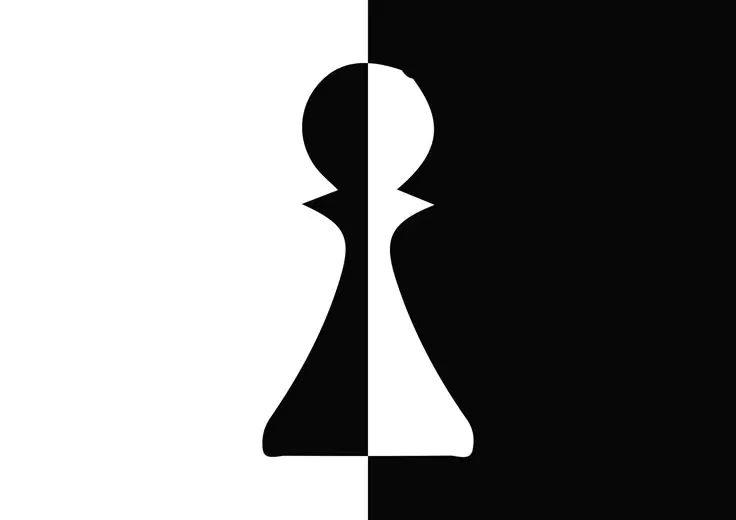
Which of the following is an example of Emphasis?


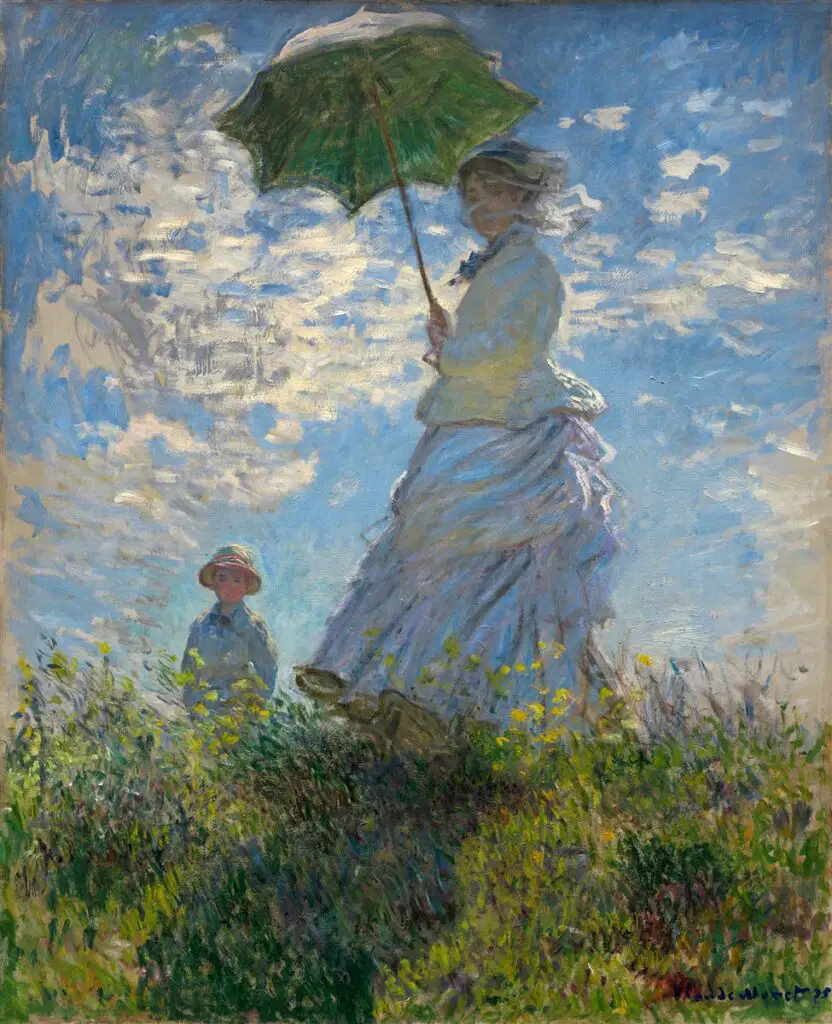
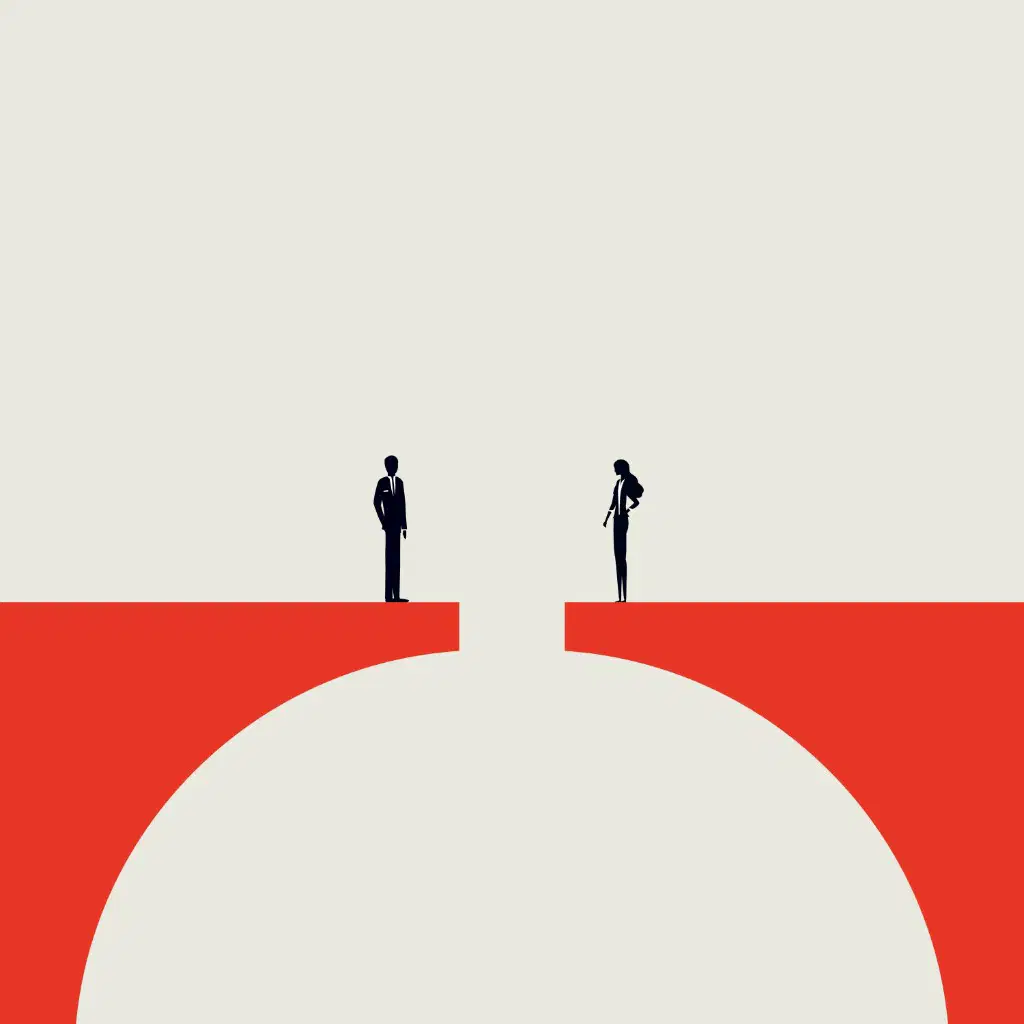
Which of the following is an example of Hierarchy?
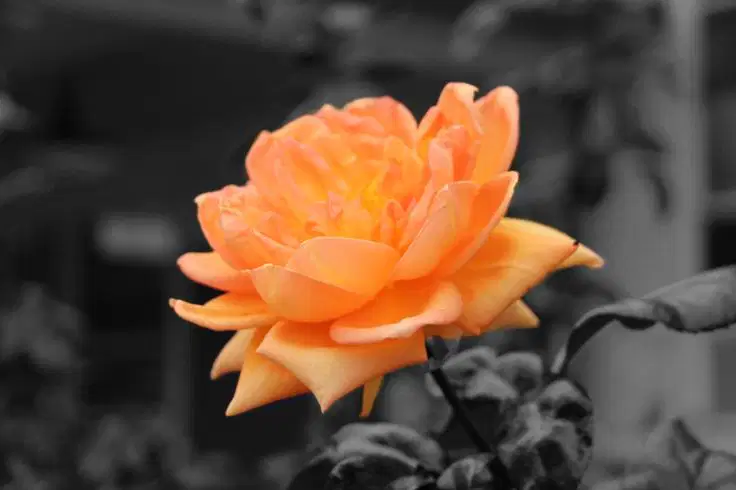
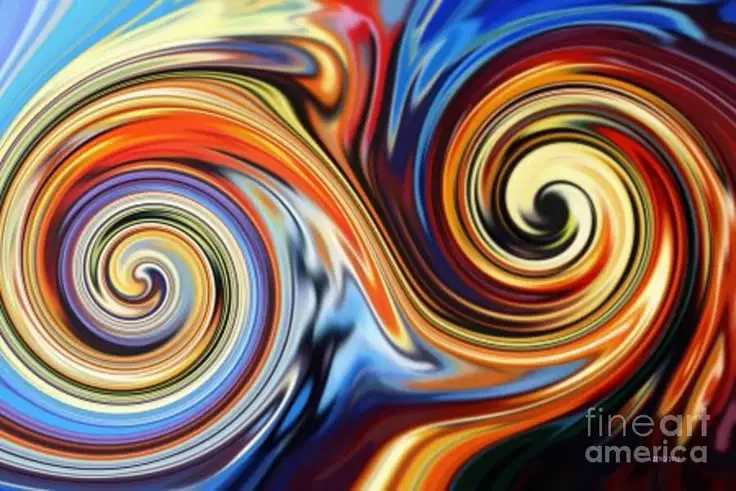
Which of the following is an example of Value in design?
Showing both lighter and darker variations of a hue.
The area around or between objects in a design is called _____.
Space
Value
Shape
Line
Which element makes an object look three-dimensional?
Space
Shape
Form

