
NEW
Font size
 Worksheets
Personal Hygiene and Sanitation Quiz
Total questions: 53
Worksheet time: 27mins
What is one way to maintain personal hygiene?
Use cold water for handwashing
Wear gloves at all times
Wash hands with hot, soapy water for 20 seconds
Use hand sanitizer only
When should you wash your hands to be sanitary?
Only after eating
Before you begin and after contamination
Once a day
Only when they look dirty
What should you wear to maintain sanitation while working?
A hat and gloves
An apron and tie hair back
A mask and sunglasses
A scarf and boots
What is one important aspect of keeping a kitchen clean?
Using the same utensil for tasting
Pest control
Leaving spills for later
Ignoring food waste
Why is it important to use a clean utensil each time you taste food while cooking?
To save time
To prevent double dipping
To enhance flavor
To reduce cooking time
What does "clean as you go" mean in the context of kitchen sanitation?
Cleaning only after cooking is complete
Cleaning up spills and messes immediately
Ignoring small messes
Using disposable utensils

What is a foodborne illness?
A disease caused by eating contaminated food
A disease caused by drinking contaminated water
A disease caused by airborne pathogens
A disease caused by insect bites
Which of the following is NOT a common pathogen that causes foodborne illness?
Bacteria
Viruses
Molds
Pollen
How can foodborne illnesses be described in terms of prevention?
Unpreventable
Preventable
Rarely preventable
Only preventable with medication

Which bacteria is commonly associated with eggs and poultry?
Listeria
Salmonella
Norovirus
Hepatitis A

What food source is linked to E. coli contamination?
Soft cheeses
Shellfish
Beef
Rice

Which virus is associated with shellfish and raw produce?
Norovirus
Hepatitis A
Botulism
Campylobacter
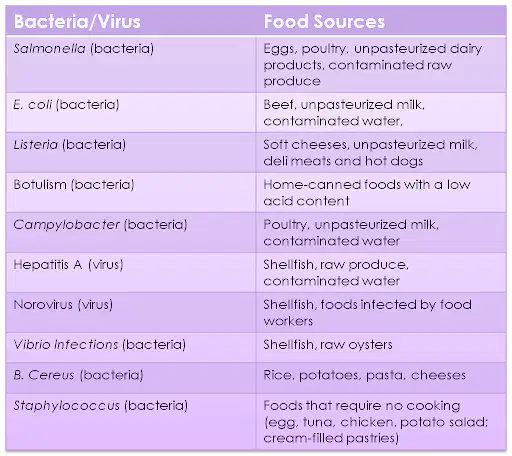
What type of food is a common source of Botulism?
Unpasteurized milk
Home-canned foods
Contaminated water
Raw oysters
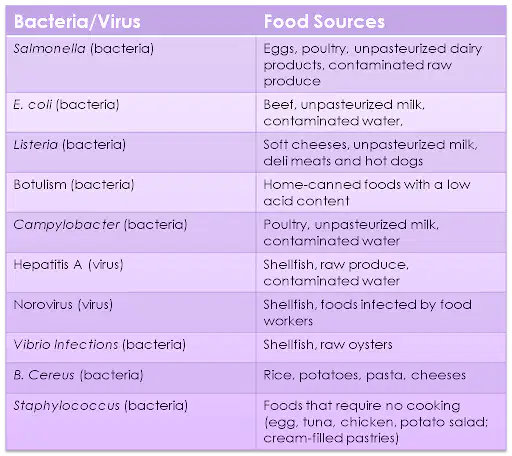
Which bacteria is linked to foods that require no cooking, such as potato salad?
Staphylococcus
B. Cereus
Vibrio Infections
Campylobacter
Which of the following is a key point from the Dietary Guidelines to prevent foodborne illness?
Use expired ingredients
Wash hands
Store foods at room temperature
Cook foods partially
Why is it important to cook foods to safe internal temperatures?
To enhance flavor
To prevent foodborne illness
To reduce cooking time
To preserve color
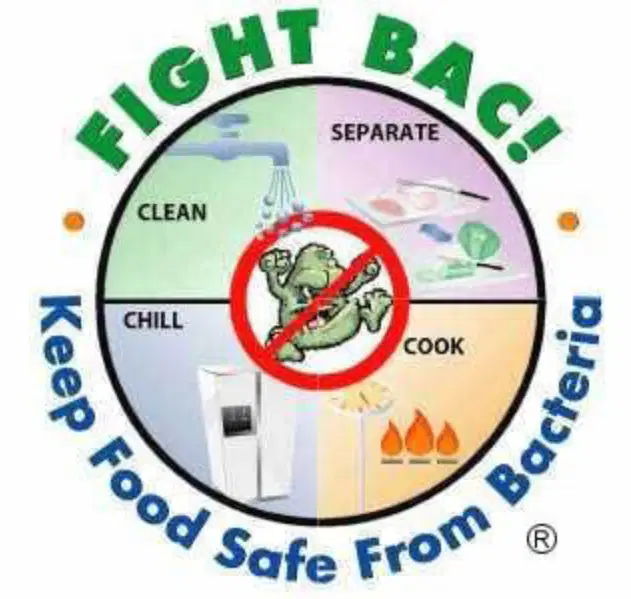
What are the four safe food handling principles mentioned in the "Fight BAC!" campaign?
Clean, Separate, Cook, Chill
Wash, Divide, Heat, Freeze
Rinse, Mix, Boil, Cool
Sanitize, Split, Fry, Refrigerate
What is cross-contamination?
The process of cleaning surfaces to remove bacteria
The process of inadvertently transferring bacteria or other contaminants from one surface or substance to another, with harmful effects
The intentional mixing of different substances to create a new product
The process of heating food to kill bacteria
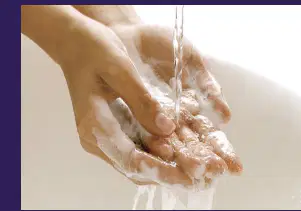
What is one proper hand-washing technique?
Use only water
Use soap and water
Use a towel
Use hand sanitizer only
Why is it important to clean all surfaces that food touches?
To make them look shiny
To prevent food contamination
To save time
To avoid using too much water

What should you do with fruits and vegetables before eating, peeling, cutting, or cooking?
Boil them
Rinse them
Freeze them
Dry them

What should you always do with foods that are ready to eat and those that need to be cooked?
Mix them together
Separate them
Cook them all together
Store them in the same container

When shopping, where should you place raw seafood, meat, and poultry?
In paper bags
In plastic bags
In cloth bags
Directly in the cart

What is one important practice to follow when preparing and serving food to prevent contamination?
Use the same cutting board for all foods
Use separate cutting boards for different types of food
Store all foods together in the refrigerator
Place ready-to-eat food on a plate that held raw meat
Why should foods be separated when storing in the refrigerator?
To save space
To prevent cross-contamination
To make it easier to find items
To keep the refrigerator organized
What should you never do with ready-to-eat food?
Place it on a clean plate
Place it on a plate that held raw meat
Store it in the refrigerator
Serve it immediately
What is the recommended minimum temperature to keep hot foods safe?
120°F
130°F
140°F
150°F
At what part should you measure cooked foods with a food thermometer?
Thinnest part
Thickest part
Middle part
Any part
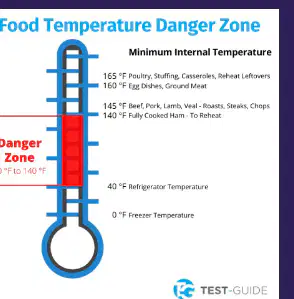
What is the temperature range of the "danger zone" for food safety?
30-120°F
40-140°F
50-150°F
60-160°F
How should eggs be cooked to ensure safety?
Until the yolk is runny
Until the yolk and white are firm
Until the yolk is soft
Until the white is runny
What is the minimum internal temperature for cooking ground meats?
145°F (62.8°C)
160°F (71.1°C)
165°F (73.9°C)
140°F (60°C)
How long should beef, pork, veal, and lamb steaks rest after reaching the minimum internal temperature?
1 minute
2 minutes
3 minutes
5 minutes
Which of the following foods should be cooked to a minimum internal temperature of 165°F (73.9°C)?
Fish & Shellfish
Ground Meats
All Poultry
Eggs
What is the recommended minimum internal temperature for cooking fish and shellfish?
145°F (62.8°C)
160°F (71.1°C)
165°F (73.9°C)
140°F (60°C)
At what temperature should leftovers be reheated to ensure safety?
145°F (62.8°C)
160°F (71.1°C)
165°F (73.9°C)
140°F (60°C)

What is the minimum temperature at which hot foods should be maintained to prevent foodborne illness?
120°F
140°F
100°F
160°F
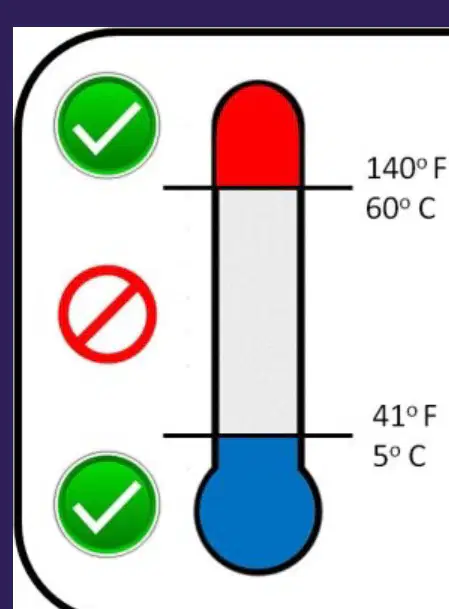
At what temperature should cold foods be maintained to ensure safety?
below 50°F
below 45°F
below 40°F
below 35°F
Why is it important to keep hot foods hot and cold foods cold?
To enhance flavor
To prevent foodborne illness
To save energy
To improve texture
What should you use to test the internal temperature of food?
A ruler
A food thermometer
A stopwatch
A scale

What temperature should the refrigerator be set to in order to keep cold and cooked foods safe?
50°F or below
39°F or below
45°F or below
35°F or below
How long is it safe to leave food sitting out before it enters the danger zone?
3 hours
4 hours
2 hours
5 hours
If the air temperature is above 90°F, within how many hours should food be refrigerated?
3 hours
2 hours
1 hour
4 hours
How long can leftovers be safely kept in the refrigerator before the risk of food poisoning increases?
1 to 2 days
3 to 4 days
5 to 6 days
7 to 8 days
What should you do with leftovers if you cannot eat them within four days?
Leave them on the counter
Freeze them
Store them in a cupboard
Throw them away immediately
What is the recommended method for thawing frozen food?
At room temperature
In the refrigerator, cold water, or microwave
On the kitchen counter
In direct sunlight
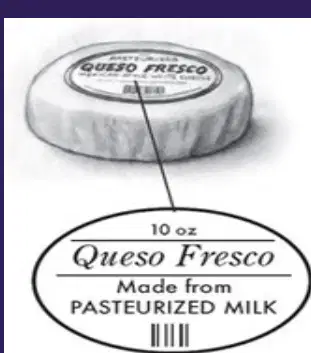
What should you look for on dairy product labels to ensure they are safer to consume?
Organic
Raw
Pasteurized
Fresh
Which of the following groups is considered at higher risk for foodborne illness?
Teenagers
Pregnant women and their unborn children
Middle-aged adults
Athletes
Why are certain populations more at risk for foodborne illnesses?
They have stronger immune systems
They consume more food
Their immune systems are compromised or developing
They eat out more often
Which storage method is best for perishable foods for short-term use?
Freezer
Dry Storage
Refrigerator
Pantry
What is the ideal temperature for a freezer to ensure proper food storage?
10° or below
0° or below
32° or below
40° or below
Why is it important to use airtight wrapping in a freezer?
To prevent food from drying out
To keep the food warm
To make the food last longer
To prevent freezer burn
Where should dry storage items be kept?
In a warm, humid space
In a cool, dry, clean space
In a refrigerator
In a freezer
Where can I look to see how food should be stored?
Food label
Class notes
My friends phone
Take my best guess

