
 Worksheets
Section 8-2 Study Guide: Vitamins and Minerals
Total questions: 42
Worksheet time: 21mins
What are the two classes of vitamins?
Simple and Complex
Organic and Inorganic
Essential and Non-essential
Fat Soluble and Water Soluble
Fat Soluble vitamins dissolve in fatty materials and can be stored by the body. Which vitamins are fat soluble?
B, C, and D
A, D, E, and K
B, C, and K
C, E, and K
It is important to eat foods that you get water soluble vitamins from every day because:
they provide more energy than other nutrients.
they help the body absorb fat-soluble vitamins.
they are not stored in the body and need to be replenished regularly.
they can be stored in the body for long periods.
What are the two most powerful types of antioxidants?
A and D
B and K
C and E
Z and Q
Which foods are good sources of vitamin C?
Strawberries
Potatoes
Citrus fruits
Tomatoes
Broccoli
What 7 minerals do you need in significant amounts?
Iron, Zinc, Copper, Iodine, Selenium, Manganese, Fluoride
Calcium, Iron, Zinc, Copper, Iodine, Selenium, Magnesium
Calcium, Sodium, Potassium, Magnesium, Phosphorus, Chlorine, Sulfur
Sodium, Potassium, Iron, Zinc, Copper, Phosphorus, Chlorine
Calcium is important in blood clotting and the functioning of the nervous system. Which of the following are good sources of calcium?
Milk
Broccoli
Tofu
Citrus fruits
Calcium is the essential ingredient in the formation and maintenance of what?
Hair and Nails
Bones and Teeth
Skin and Eyes
Blood and Muscles
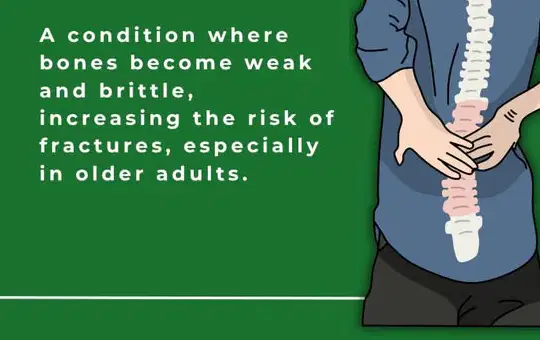
A lack of calcium can lead to what condition?
Diabetes
Asthma
Hypertension
Osteoporosis
What is one of the main functions of potassium in the body?
Helps build muscle mass
Works together with sodium to maintain water balance in the body
Carries oxygen from lungs to all parts of the body
Maintains heart function
Name one good source of potassium.
Baked Potatoes or Bananas
White Bread
Butter
Soda
Potassium helps lower blood pressure, but most people do not consume enough of it.
True
False
What is the main function of iron in the body?
Maintains water balance
Necessary for healthy red blood cells (Hemoglobin helps carry oxygen from lungs to all parts of the body)
Helps lower blood pressure
Boosts vitamin absorption
Name one good source of iron.
Red Meats or Dried Fruits
White Bread
Sugar
Soft Drinks
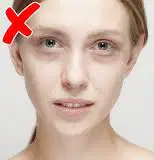
What will a person develop if their diet does not include enough iron? It's a condition in which the red blood cells do not contain enough hemoglobin.
Scurvy
Rickets
Goiter
Anemia
People with anemia are often weak, tired, and may become sick easily.
True
False
What is one of the main functions of sodium in the body?
Maintaining heart function and water balance
Building muscle mass
Carrying oxygen in the blood
Boosting vitamin absorption

Name one good source of sodium.
Fresh fruits
Unsalted nuts
Distilled water
Table salt or processed foods
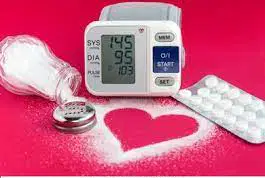
Too much sodium can cause a problem with blood pressure, making it do what?
Drop
Stay the same
Disappear
Rise
A nutrient deficiency can occur if someone does not get all the nutrients they need.
True
False
65% of your body weight is water.
True
False
Does water provide energy to your body?
Yes, it is the main source of energy for the body.
No, but it is very important in all chemical reactions that produce energy.
Yes, water is a type of carbohydrate.
Yes, water contains calories that provide energy.
What is homeostasis?
The process of maintaining a steady state inside your body.
The process of breaking down food for energy.
The process of exchanging gases in the lungs.
The process of transmitting nerve impulses.

How does water help regulate body temperature?
By increasing the heart rate to generate more heat.
By absorbing sunlight directly into the bloodstream.
By excreting perspiration to cool the body when it becomes overheated.
By preventing the body from losing any heat at all.
What dissolved substances does water contain that regulate many processes in your cells?
Carbohydrates (mainly provide energy).
Lipids (mainly store energy).
Vitamins (mainly support metabolic processes).
Electrolytes (your nervous and muscular systems depend on electrolytes, such as sodium and potassium).Weakness, rapid breathing, and a weak heartbeat.
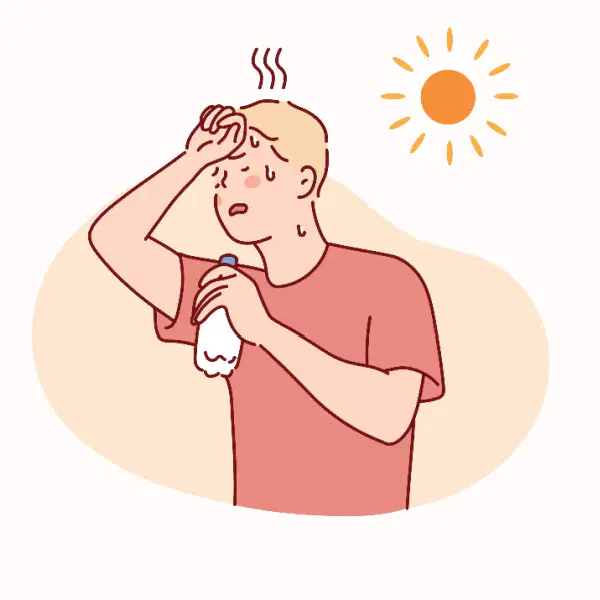
What is dehydration?
A serious reduction in the body's water content, losing important electrolytes.
An increase in the body's water content.
A condition where the body gains extra nutrients.
A process of increasing blood sugar levels.
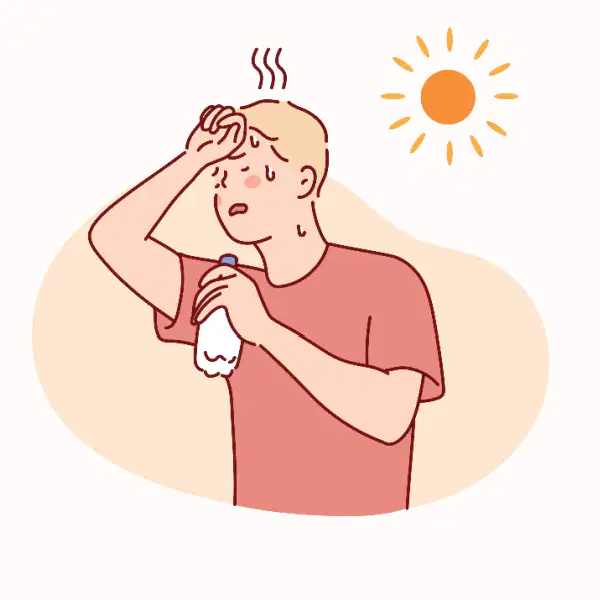
List two symptoms of dehydration.
Increased appetite and slow breathing.
Excessive sweating and low blood pressure.
Weakness, rapid breathing, and a weak heartbeat.
Improved concentration and strong pulse.

How much water should a 14-18 year old female drink per day?
4 ounces of water per cup, 4 cups per day.
8 ounces of water per cup, 8 cups per day.
16 ounces of water per cup, 2 cups per day.
12 ounces of water per cup, 3 cups per day.
How much water should a 14-18 year old male drink per day?
6 cups of water per day.
14 cups of water per day.
10 cups of water per day.
20 cups of water per day.
Why should you stay away from anything with caffeine to get your water source?
Caffeine increases the amount of water your body excretes.
Caffeine makes water taste sweet.
Caffeine turns water into sugar.
Caffeine makes water evaporate faster.
How often should you drink water during exercise or activity?
You should only drink water after you finish exercising.
You should drink water only if you feel thirsty.
You should avoid drinking water during exercise.
You should get a drink every 15 minutes.
Are sports drinks necessary if exercise or activity is less than 60 minutes?
Yes, sports drinks are always necessary regardless of exercise duration.
Yes, sports drinks are only necessary for activities less than 30 minutes.
No, sports drinks are not necessary if exercise or activity is less than 60 minutes.
No, water should be avoided during short exercise sessions.
What is nutrient that is made by living things, is required in small amounts, and assists in chemical reactions in the body.
Vitamin
Protein
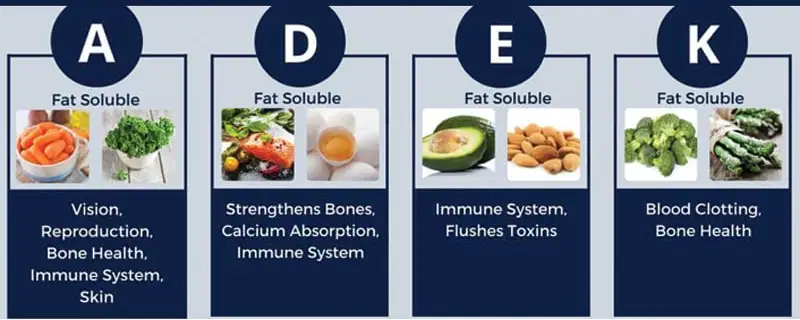
What does fat soluble mean?
Dissolve in fatty materials, can be stored by the body
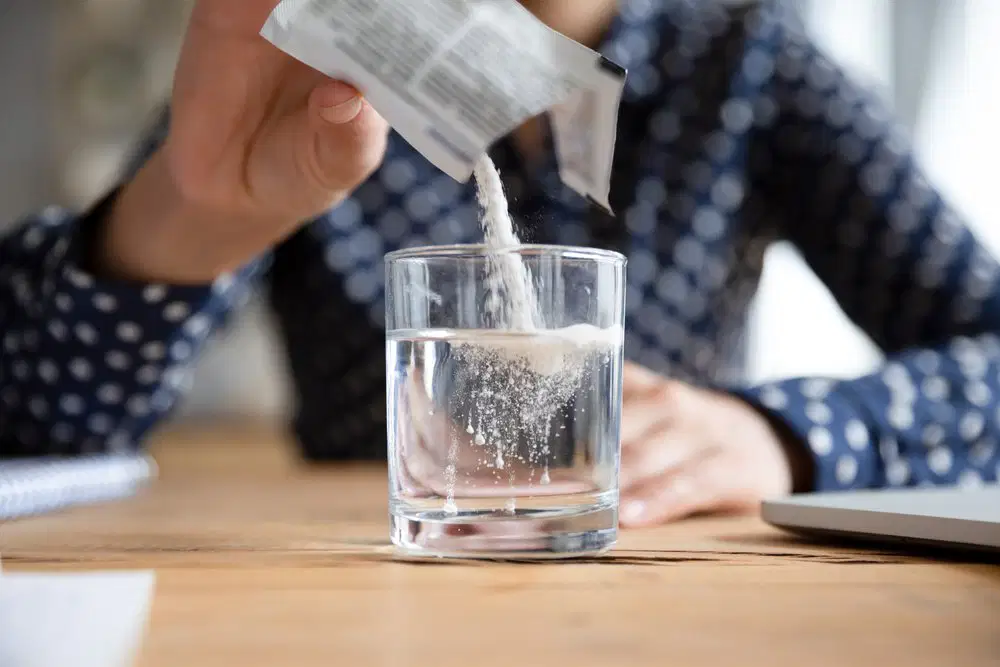
What does water soluble mean?
can not dissolve in water.
can float on water.
Dissolves in water
Cannot be stored in the body, whatever is not used is excreted from the body
can freeze in water.
What are good sources of vitamin E?
vegetable oils, whole grains, seeds, nuts, and peanut butter
Bananas
citrus fruit, strawberries, and broccoli
A nutrient that occurs naturally in rocks or soil; needed by the body in small amounts.
They perform a wide variety of functions in the body.
24 different minerals have been shown to essential for good health
Vitamins that help protect healthy cells from the damage caused by normal aging process as well as from certain types of cancers.
Vitamins that help protect healthy cells from the damage caused by normal aging process as well as from certain types of cancers.
Antioxidant
A nutrient that occurs naturally in rocks or soil; needed by the body in small amounts.
Mineral
Carbohydrate
What dissolved substances does water contain that regulates many process in your cells?
Carbohydrates
Vitamins
Electrolytes
Proteins
What 3 things are true about water?
About 65% of your body weight is water
Your get energy directly from water
Water is essential for all life processes
Water helps regulate body temperature

