
 Worksheets
Safety in Phlebotomy Practice Test
Total questions: 56
Worksheet time: 28mins
Which of the following is a key reason why safety is the top priority for phlebotomists in the healthcare setting?
To prevent serious injury or life-threatening disease
To increase the speed of patient care
To reduce paperwork for healthcare workers
To improve laboratory test accuracy
What is the main purpose of Safety Data Sheets (SDS) in the healthcare environment?
To explain the purpose of chemical hazards and provide safety information
To list patient names and medical histories
To record the number of blood samples collected
To schedule staff shifts
Which of the following best describes "administrative controls" in the context of healthcare safety?
Policies and procedures designed to reduce risk and improve safety
Physical barriers to prevent exposure
Personal protective equipment worn by staff
Cleaning and disinfecting surfaces
What should a phlebotomist do to prevent injuries and exposure when handling sharps?
Demonstrate safe handling and disposal procedures
Leave sharps on the patient’s bed
Reuse needles for multiple patients
Dispose of sharps in regular trash bins
Which acronym is used to remember fire safety procedures in healthcare facilities?
R.A.C.E
S.A.F.E
C.A.R.E
P.A.S.S
Why is it important for phlebotomists to communicate with nursing staff and perform equipment checks in a patient’s room?
To demonstrate safe and professional behavior
To speed up the blood collection process
To avoid paperwork
To reduce the number of patients seen per day
Which of the following is an example of a chemical hazard in the healthcare setting?
Flammable substances
Broken glass
Electrical cords
Wet floors
What is the role of OSHA in protecting healthcare workers?
Setting and enforcing safety standards such as Bloodborne Pathogen, Sharps Safety, PPE, and Hazard Communication
Providing free medical care to all workers
Scheduling staff shifts
Administering patient medications
What should be done in the event of an electrical shock emergency in a laboratory setting?
Outline steps to safely respond to the emergency
Ignore the situation and continue working
Pour water on the affected area
Remove all electrical equipment from the room
Which of the following is NOT a key term related to safety in phlebotomy?
Centrifuge
Work Practices
Blood Pressure Cuff
Hazard Communication Standard
Which of the following is an example of an administrative control in the workplace?
Training employees to identify and understand hazards
Wearing gloves when handling specimens
Using a fume hood
Disinfecting specimen containers
What is the main purpose of the Occupational Safety and Health Administration (OSHA)?
To provide medical care to injured workers
To require employers to provide a safe work environment and protect workers from hazards
To manufacture personal protective equipment
To inspect laboratory equipment
Which of the following is NOT a function of OSHA?
Developing and promoting health and safety standards
Issuing regulations
Manufacturing laboratory equipment
Determining compliance with health and safety regulations
When should gloves be changed in the laboratory?
Only at the end of the workday
Between patients and whenever they become torn, contaminated, or visibly soiled
Only after handling chemicals
Once a week
Why must gloves be removed before leaving the work area?
To save gloves for future use
Because gloves are uncomfortable
To prevent contamination outside the laboratory
To avoid hand hygiene
What is the correct procedure for wearing a lab coat when processing specimens?
Wear the lab coat unbuttoned for comfort
Wear a fluid-resistant lab coat with wrist cuffs, fully buttoned, and pull gloves over the cuffs
Only wear a lab coat when handling chemicals
Wear the lab coat only over regular clothes, not scrubs
Why is it important to use eye and face protection in the laboratory?
To look professional
To avoid splashes or aerosols that can harm the eyes, nose, and mouth
To keep the face warm
To prevent glasses from fogging
What should you do if a specimen container arrives with a contaminated exterior?
Ignore the contamination
Disinfect the exterior before handling
Throw the container away
Open the container immediately
A laboratory worker is about to centrifuge a specimen. What should they ensure to prevent the formation of aerosols?
Use an uncovered centrifuge
Centrifuge the specimen in an uncapped tube
Ensure the tube is capped before centrifugation
Shake the tube before centrifugation
Which of the following best describes a work practice control?
A policy requiring the use of PPE
A guideline for proper handwashing and sharps disposal
A regulation issued by OSHA
A type of laboratory equipment
Which organization developed the Bloodborne Pathogen Standard to protect healthcare workers from exposure to bloodborne pathogens?
CDC
OSHA
WHO
FDA
According to the Bloodborne Pathogen Standard, what must be developed to reduce exposure to bloodborne pathogens?
A vaccination program
An exposure plan
A training manual
A patient consent form
Which of the following is NOT a basic requirement of the Bloodborne Pathogen Standard?
Employee input must be sought when choosing safer devices
Engineering controls must be used when feasible
All employees must be vaccinated against all pathogens
There must be recordkeeping of any injuries
What is the primary concern for phlebotomists due to the nature of their work?
Chemical exposure
Sharps hazards
Radiation exposure
Noise hazards
Which of the following is the number one personal safety rule when dealing with sharps?
Always recap the needle
Never recap a needle
Dispose of sharps in regular trash
Use bare hands to handle sharps
Why should sharps containers be replaced when they are at the fill line?
To prevent overfilling and reduce the risk of injury
To save space in the work area
To recycle the containers
To avoid contamination of the container
Which of the following actions is recommended in an Exposure Control Plan to minimize employee exposure to bloodborne pathogens?
Ignore new developments in technology
Consider new developments in technology or procedures
Only use old devices
Avoid employee input
What should you do with a sharps container when it is two-thirds full?
Continue using it until it is completely full
Empty it by hand
Replace it and dispose of it in biohazard waste
Wash and reuse it
Which of the following is a reason for maintaining an injury log according to the Bloodborne Pathogen Standard?
To ensure employee confidentiality
To track patient information
To record daily attendance
To monitor equipment usage
What is the purpose of involving nonmanagement workers in evaluating and selecting safety devices?
To reduce costs
To ensure their input is documented and considered
To speed up the process
To avoid training sessions
Which of the following is a general rule for safe handling of chemicals in the laboratory?
Avoid getting chemicals on your skin, clothes, or work area.
Eat food in the laboratory.
Ignore labeling practices.
Mix chemicals in any order you prefer.
According to OSHA’s Hazard Communication Standard, what must be on file for any chemical with a concentration greater than 1%?
Safety Data Sheet (SDS)
Material Inventory List
Incident Report Form
Employee Training Record
Which of the following is NOT included in the information provided by a Safety Data Sheet (SDS)?
Employee salary details
Physical and chemical characteristics
Firefighting measures
Health hazards
What is the first aid procedure if skin or eye contact with a chemical occurs?
Flush the area with water for at least 15 minutes, then seek medical attention.
Apply ice immediately.
Cover the area with a bandage.
Wait to see if symptoms develop.
Why is it important for phlebotomists to follow strict labeling practices when handling chemicals?
To ensure chemicals are used safely and correctly.
To make the labels look attractive.
To reduce the cost of chemicals.
To avoid cleaning up spills.
Which system does the OSHA Hazard Communication Standard follow for classifying and communicating chemical hazards?
Globally Harmonized System (GHS)
International Chemical Safety System (ICSS)
Universal Labeling Protocol (ULP)
National Safety Code (NSC)
A chemical spill occurs in the laboratory. What is the recommended procedure for cleaning it up?
Use a chemical spill kit with specific absorbents and neutralizing agents.
Wipe it up with a paper towel.
Ignore the spill and continue working.
Pour water over the spill and leave it.
Which of the following best describes the purpose of the Hazard Communication Standard (HCS)?
To inform workers about chemical hazards in the workplace through labeling and hazard identification.
To regulate employee work hours.
To monitor laboratory temperature.
To provide financial incentives for safe practices.
If a chemical poses a high risk, what must be included on its label according to the Safety Data Sheet (SDS)?
A representative chemical hazard symbol
A barcode for inventory
A list of employee names
A price tag
Which of the following is a precaution to take when mixing chemicals?
Follow specific instructions and add chemicals in the exact order they are listed.
Mix all chemicals together at once.
Ignore the instructions and use your own method.
Add the largest quantity chemical last.
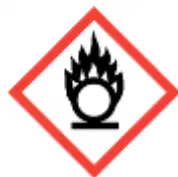
Which GHS pictogram is used to indicate chemicals that are oxidizers?
Skull and crossbones
Flame over a circle
Exclamation mark
Gas cylinder
What type of hazard does the pictogram with a skull and crossbones represent?
Acutely toxic (severe)
Flammable
Corrosive
Gas under pressure
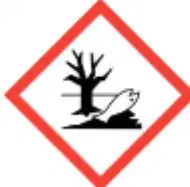
Which GHS pictogram should be used for substances that are toxic to the aquatic environment?
Exclamation mark
Dead tree and fish
Gas cylinder
Flame
What is the main risk associated with electrical equipment in healthcare settings?
Fire from flammable chemicals
Water or fluid coming into contact with electrical equipment
Toxic fumes
Explosions from pressurized gases
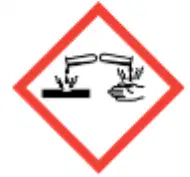
Which GHS pictogram indicates a chemical that can burn skin, damage eyes, or is corrosive to metals?
Flame
Corrosion (test tubes pouring on hand and metal)
Gas cylinder
Exclamation mark
A phlebotomist should be cautious of which hazard when working with electrical equipment in patient rooms?
Explosions from organic peroxides
Water or fluid exposure
Toxicity to aquatic environments
Flammable gases
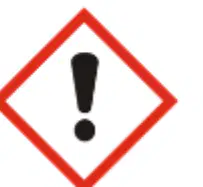
Which GHS pictogram is used for substances that are acutely toxic but not severe, irritant to skin, eyes, or respiratory tract, or hazardous to the ozone layer?
Exclamation mark
Flame
Gas cylinder
Skull and crossbones
Why is it important for healthcare workers to recognize GHS pictograms?
To identify the manufacturer of chemicals
To understand the hazards associated with chemicals and take appropriate precautions
To determine the price of chemicals
To know the expiration date of chemicals
Which of the following is the correct order of actions to take if a fire occurs in a healthcare facility, according to the RACE acronym?
Rescue, Alarm, Contain, Extinguish/Evacuate
Alarm, Rescue, Contain, Extinguish/Evacuate
Contain, Rescue, Alarm, Extinguish/Evacuate
Extinguish/Evacuate, Alarm, Rescue, Contain
What is the correct sequence for using a fire extinguisher, as described by the PASS acronym?
Pull the pin, Aim the nozzle, Squeeze the handle, Sweep side to side
Squeeze the handle, Pull the pin, Aim the nozzle, Sweep side to side
Aim the nozzle, Pull the pin, Squeeze the handle, Sweep side to side
Sweep side to side, Pull the pin, Aim the nozzle, Squeeze the handle
Which of the following is NOT a recommended safety practice to reduce physical hazards in the healthcare setting?
Avoid running in hallways and rooms
Wear open-toed sandals for comfort
Be alert and cautious of wet floors
Maintain a clean and organized workspace
Why is it important to keep long hair tied back and avoid wearing dangling jewelry in a healthcare setting?
To prevent distraction while working
To reduce the risk of physical hazards and accidents
To comply with fashion standards
To make identification easier
What should you do if you notice the IV drip alarm is sounding in a patient’s room?
Ignore it and continue your work
Report it to the nursing station right away
Turn off the alarm without checking
Wait for the patient to call for help
If a patient appears to be in unusual pain or becomes unresponsive, what is the appropriate action?
Wait and observe for a few minutes
Notify the nursing station immediately
Leave the room and return later
Try to move the patient by yourself
Which of the following steps should be taken to ensure patient safety when collecting blood from a hospitalized patient?
Provide privacy during the procedure
Leave specimen collection supplies in the patient’s bed
Ignore the patient’s bed rails
Only check for hazards after leaving the room
What is the main reason for maintaining a clean and organized workspace in healthcare settings?
To impress visitors
To reduce the risk of physical hazards
To save time during cleaning
To comply with hospital dress code

