
 Worksheets
Unit 6 Mitosis Study Questions-Malone
Total questions: 153
Worksheet time: 1hrs 22mins
What is cell division?
A process by which 1 cell divides, forming 2 new cells.
A process by which 2 cells merge to form 1 new cell.
A process by which cells stop dividing.
A process by which cells change shape.
Why is cell division necessary?
It is necessary for both growth (mitosis) and reproduction (meiosis).
It is necessary only for growth.
It is necessary only for reproduction.
It is not necessary for any biological process.
Why do cells need to grow and reproduce?
To produce energy
To replace damaged or old cells
To create new organisms
To maintain homeostasis
What is the origin of all cells?
From non-living matter
From pre-existing cells
From chemical reactions
From spontaneous generation
How does cell division help when you have a cut or scratch?
It prevents infection
It helps heal the injury
It stops bleeding
It reduces pain
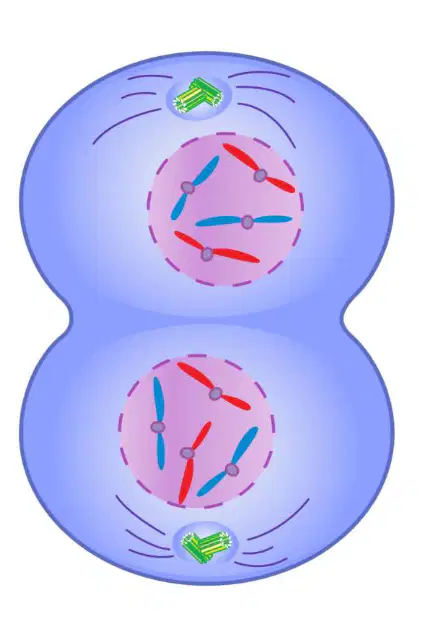
Is cell division the same in all cells?
Yes, it is the same in all cells.
No, it is different in prokaryotes and eukaryotes.
Yes, it is the same in prokaryotes but different in eukaryotes.
No, it is the same in eukaryotes but different in prokaryotes.
What are the two ways biological growth can occur?
Increase in the size of cells and increase in the number of cells
Decrease in the size of cells and increase in the number of cells
Increase in the size of cells and decrease in the number of cells
Decrease in the size of cells and decrease in the number of cells
What is the original cell called when a cell divides?
Parent cell
Mother cell
Sibling cell
Ancestor cell
What are the new cells called after a cell divides?
Parent cells
Daughter cells
Offspring cells
Child cells
What is a characteristic of asexual cell reproduction?
It involves two cells joining to form a zygote.
It results in two new, identical daughter cells.
It produces cells that are not identical to the original cells.
It is exemplified by meiosis.
Which of the following is an example of asexual cell reproduction?
Meiosis
Fertilization
Mitosis
Zygote formation
What is the main difference between asexual and sexual cell reproduction?
Asexual reproduction involves two cells joining, while sexual reproduction involves a single cell dividing.
Asexual reproduction results in non-identical cells, while sexual reproduction results in identical cells.
Asexual reproduction involves a single cell dividing, while sexual reproduction involves two cells joining.
Asexual reproduction is exemplified by meiosis, while sexual reproduction is exemplified by mitosis.

What is Binary Fission?
The process where a prokaryotic cell divides into 2 new cells.
The process where a eukaryotic cell divides into 4 new cells.
The process where a prokaryotic cell merges with another cell.
The process where a eukaryotic cell divides into 2 new cells.
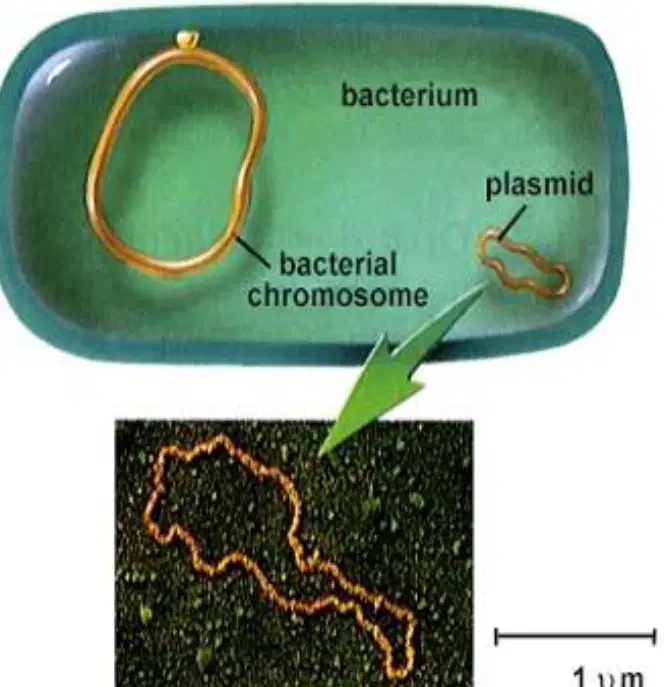
How many chromosomes do bacteria have?
One circular chromosome
Two linear chromosomes
Three circular chromosomes
Four linear chromosomes
What is the first step of binary fission?
The cell splits in half into two new cells.
The chromosome makes a copy of itself.
The cell grows to twice its normal size.
The cell undergoes mitosis.
During binary fission, what happens after the chromosome makes a copy of itself?
The cell undergoes mitosis.
The cell splits in half into two new cells.
The cell grows to twice its normal size.
The cell dies.
What is the final step of binary fission?
The cell grows to twice its normal size.
The chromosome makes a copy of itself.
The cell splits in half into two new cells.
The cell undergoes meiosis.
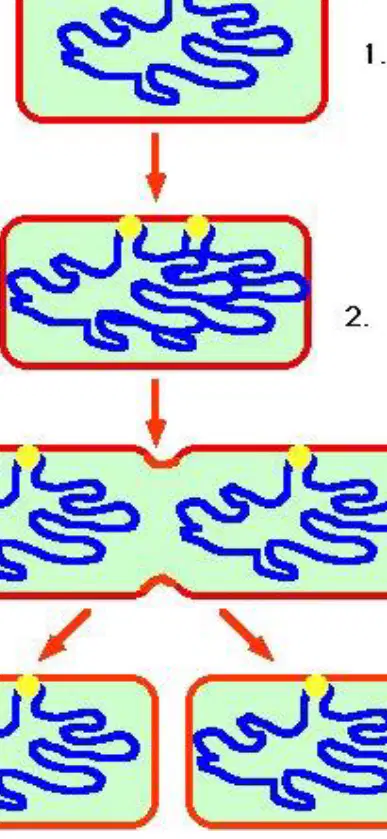
What is the first step in cell division in prokaryotes as shown in the diagram?
Chromosome replicates
Cell splits
Parent cell
Formation of two identical daughter cells
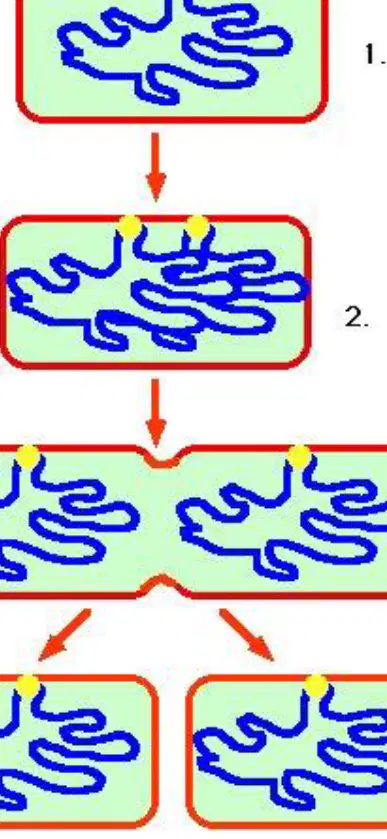
During cell division in prokaryotes, what happens after the chromosome replicates?
The cell splits
Two identical daughter cells form
The parent cell is formed
Chromosome replicates again
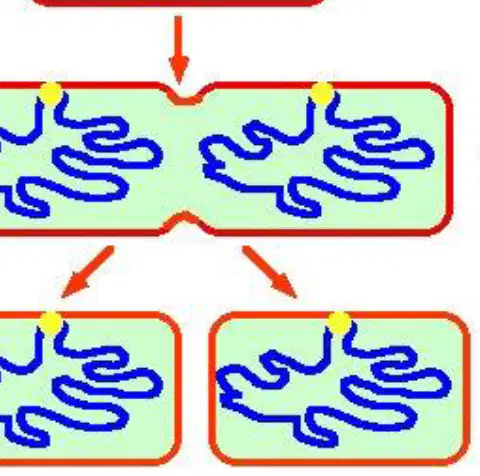
What is the final outcome of cell division in prokaryotes as depicted in the diagram?
Chromosome replicates
Cell splits
Two identical daughter cells
Parent cell remains unchanged
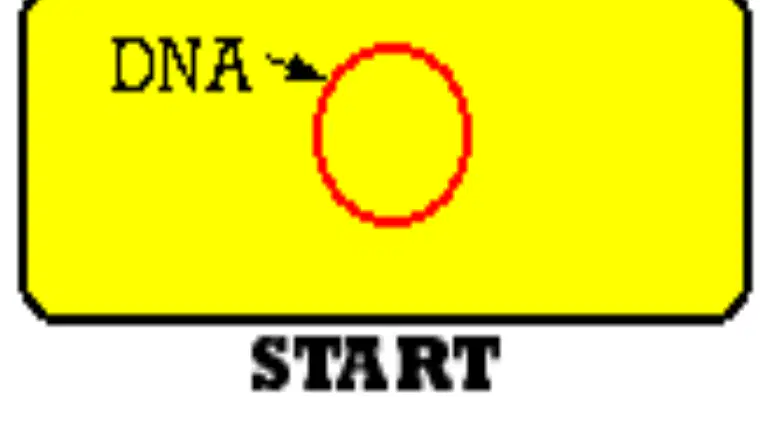
What process is depicted in the diagram showing a prokaryotic cell?
Binary fission
Mitosis
Meiosis
Budding
What are the 2 kinds of cell division in eukaryotes?
Mitosis (ASEXUAL), Meiosis (SEXUAL)
Binary fission, Budding
Fragmentation, Sporulation
Conjugation, Transduction
What is mitosis?
A type of asexual division where both the nuclear material and the cytoplasm are duplicated
A type of sexual reproduction involving gametes
A process of cell death
A method of energy production in cells
Which of the following is an example of cells that undergo mitosis?
Somatic cells
Gametes
Bacteria
Viruses
What is the primary function of meiosis in sexual reproduction?
To increase the chromosome number in new cells
To reduce the chromosome number by half in new cells
To maintain the chromosome number in new cells
To double the chromosome number in new cells
Which of the following is an example of a cell type produced by meiosis?
Skin cells
Muscle cells
Gametes or sex cells
Blood cells

What is found inside the nucleus of a cell?
Mitochondria
Ribosomes
Chromosomes
Golgi apparatus
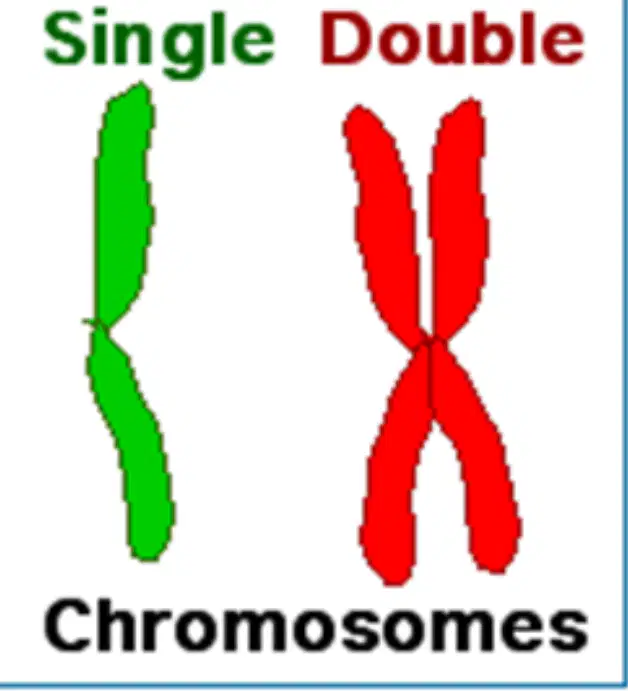
What are the two ways chromosomes can appear?
Single and Double
Triple and Quadruple
Circular and Linear
Paired and Unpaired
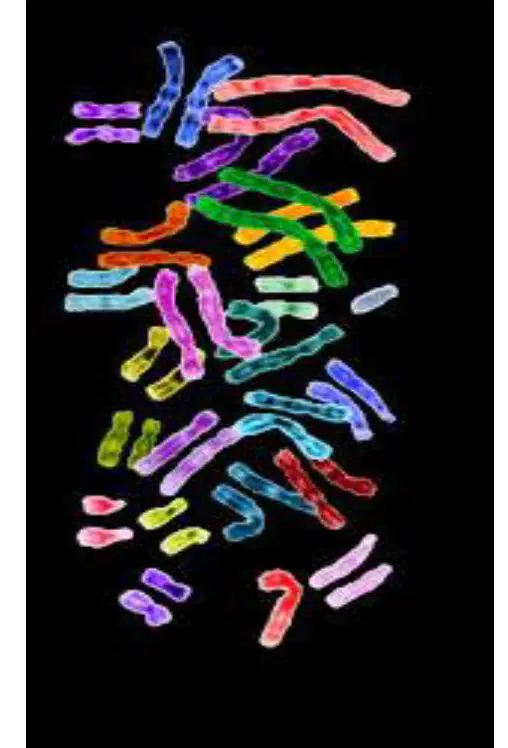
What is the primary function of chromosomes in eukaryotic cells?
Store genetic information
Produce energy
Transport nutrients
Regulate temperature
How many chromosomes do human body cells have?
23 chromosomes
46 chromosomes
10 chromosomes
50 chromosomes
What is the range of chromosomes most eukaryotes have in their body cells?
Between 5 and 20
Between 10 and 50
Between 20 and 60
Between 30 and 70
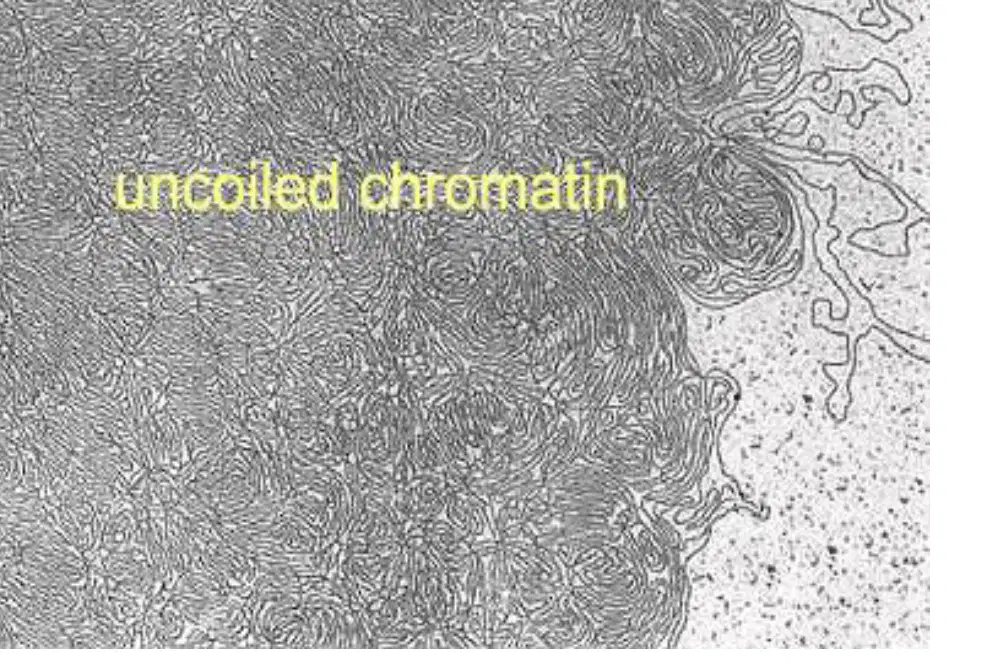
What are chromosomes called when the cell is not dividing?
Chromatin
Chromosomes
Centromeres
Nucleotides
What does chromatin look like?
Long strands of DNA and protein found in the nucleus of Eukaryotic cells
Short strands of RNA found in the cytoplasm
Circular DNA molecules found in prokaryotic cells
Single-stranded RNA found in the nucleus
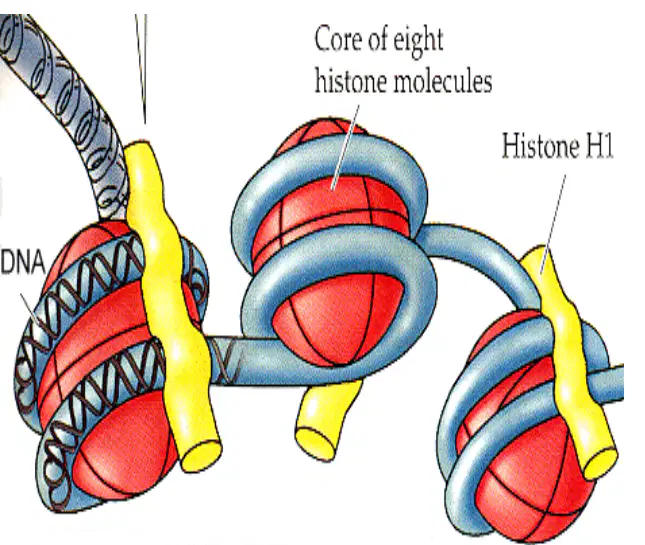
What are histones and what do they do?
Special proteins that DNA coils around to fit inside the nucleus
Enzymes that break down DNA in the nucleus
Lipids that store energy in the cell
Carbohydrates that provide structural support to the cell
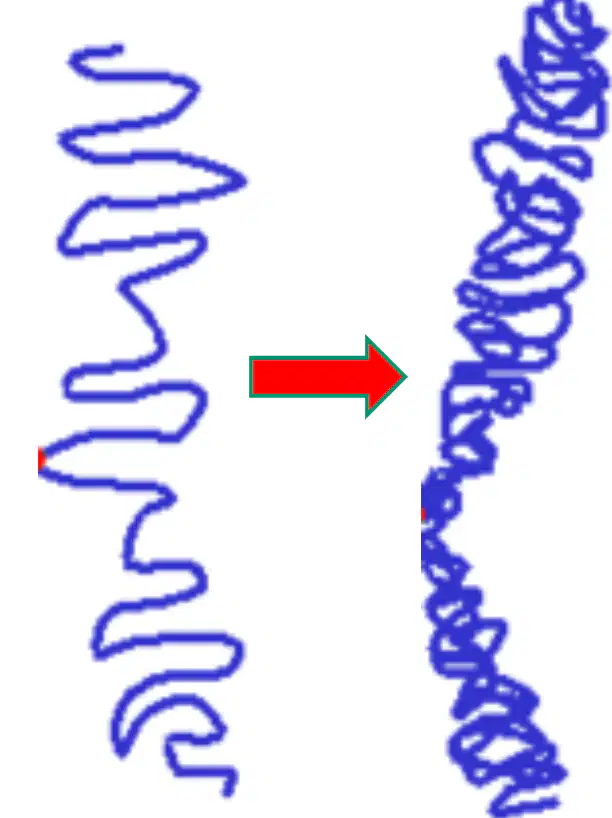
What happens to chromatin before a cell divides?
The chromatin condenses and coils to form chromosomes.
The chromatin dissolves completely.
The chromatin expands and becomes less dense.
The chromatin splits into two separate strands.
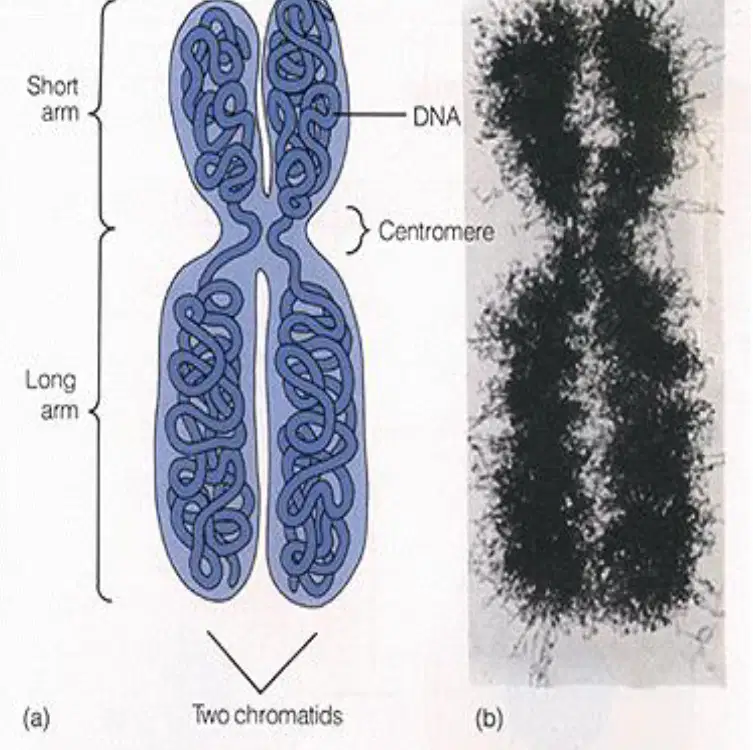
What are duplicated chromosomes called?
Sister chromatids
Homologous chromosomes
Alleles
Genes
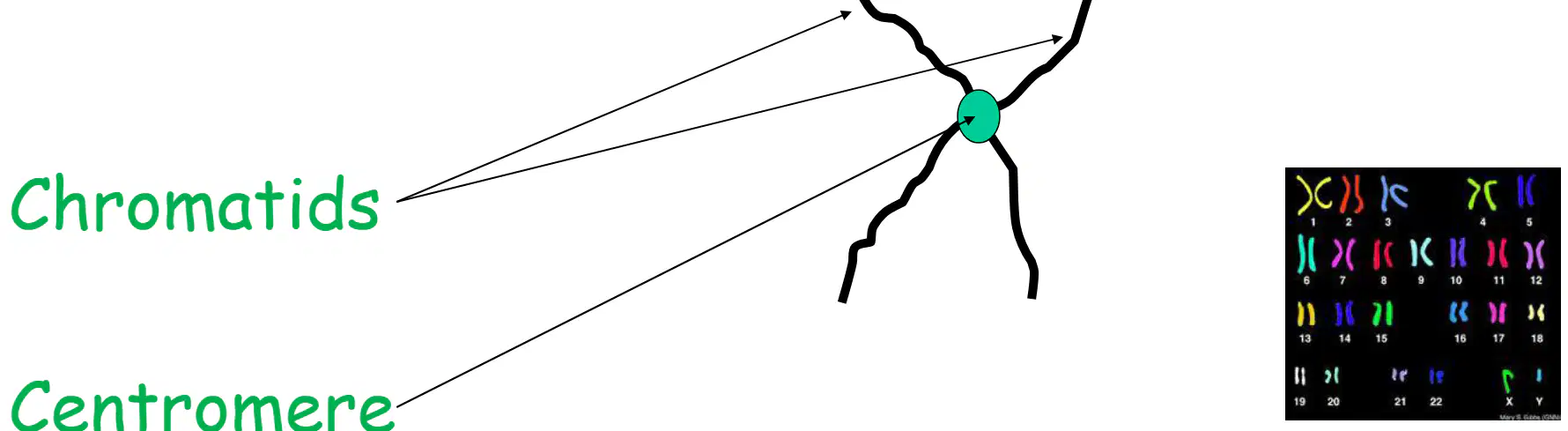
What holds sister chromatids together?
Centromere
Chromatids
Nucleus
Ribosome
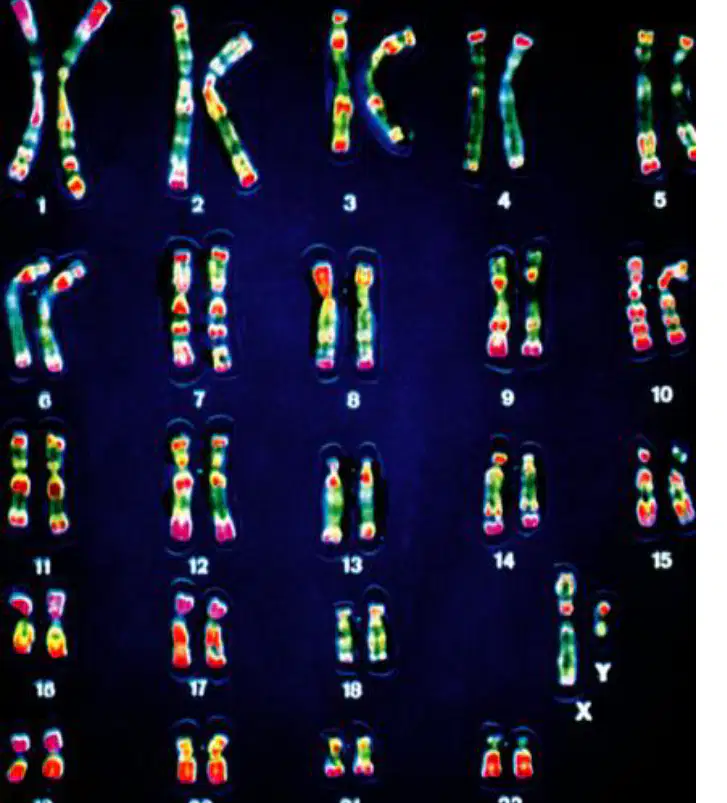
What is a karyotype?
A picture of the chromosomes from a human cell arranged in pairs by size.
A diagram of the human body systems.
A chart showing the genetic traits of a family.
A list of all known human genes.
What are autosomes?
The last pair of chromosomes.
The first 22 pairs of chromosomes.
Chromosomes that determine sex.
Chromosomes that are not present in humans.
What are sex chromosomes?
The first 22 pairs of chromosomes.
Chromosomes that determine eye color.
The last pair of chromosomes.
Chromosomes that determine height.
What chromosome pair determines a female?
XY
XX
YY
XZ
What chromosome pair determines a male?
XY
XX
YY
XZ

How many chromosomes do human cells contain?
23
46
22
44
What determines whether a human will be male or female?
The presence of the Y chromosome
The presence of two X chromosomes
The number of chromosomes
The size of the chromosomes
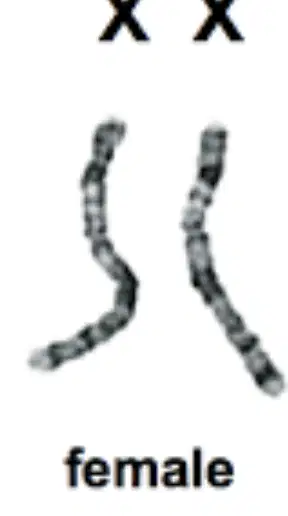
Which chromosome combination represents a female?
XY
XX
YY
XZ
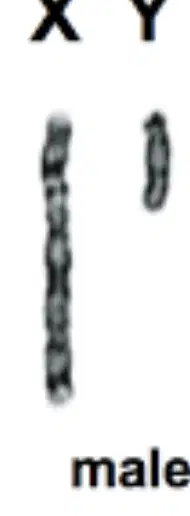
Which chromosome combination represents a male?
XX
XY
YY
XZ
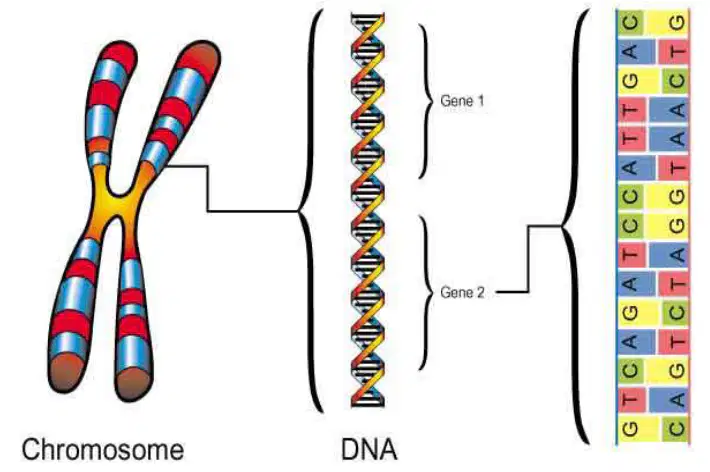
What happens to chromosomes during cell division?
Chromosomes appear and then disappear right after division.
Chromosomes remain visible throughout the cell cycle.
Chromosomes split into two separate entities.
Chromosomes dissolve completely after division.
What do chromosomes contain that are crucial for heredity?
Segments of DNA called genes.
Segments of RNA called proteins.
Segments of proteins called enzymes.
Segments of lipids called fats.
What is the primary function of genes within chromosomes?
To control the production of proteins.
To store energy for the cell.
To transport nutrients across the cell membrane.
To provide structural support to the cell.
What is the cell cycle?
The period from the beginning of one mitosis to the beginning of the next mitosis.
The process of cell death.
The time when a cell remains inactive.
The phase where cells only grow and do not divide.
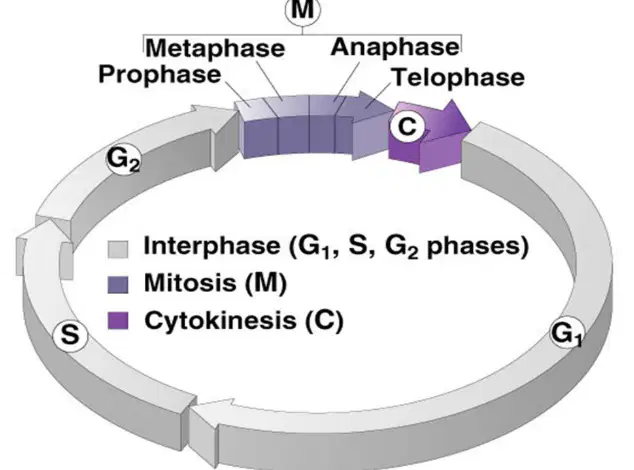
What does a cell do during the cell cycle?
Only grow and remain inactive.
Perform normal cell functions, prepare for division, and divide into two daughter cells.
Only prepare for division without any growth.
Only divide into two daughter cells without any preparation.
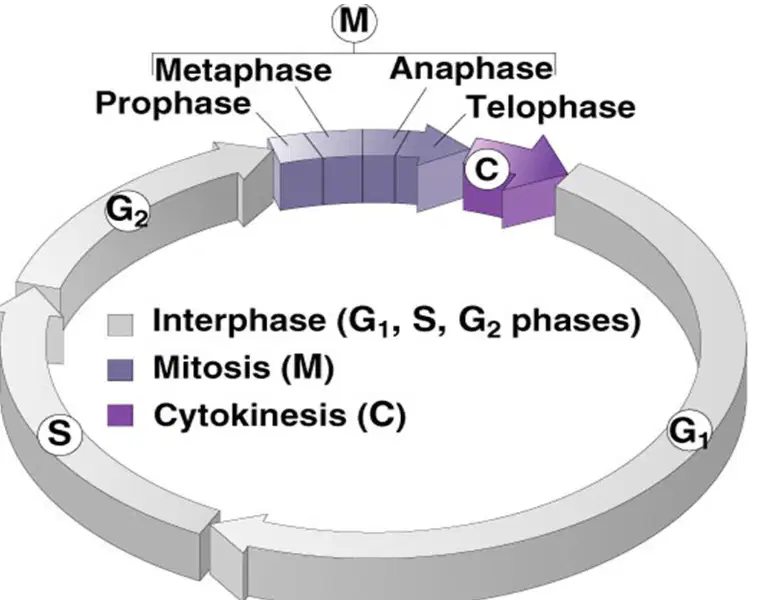
How long does a cell cycle last?
30 minutes to several hours
5 minutes to 10 minutes
1 day to 2 days
1 week to 2 weeks
What is mitosis?
The process in which a cell divides into two new cells, each having an equal number of chromosomes
The process of cell death
The process of energy production in cells
The process of protein synthesis
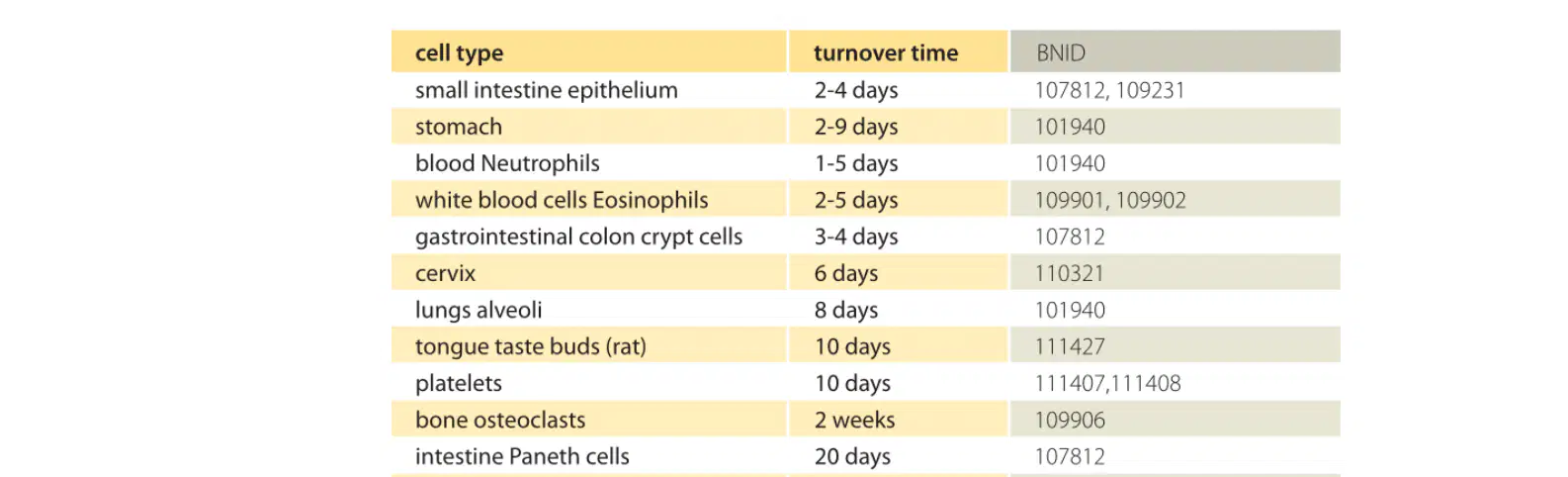
What is the turnover time for small intestine epithelium cells?
2-4 days
6 days
10 days
2 weeks
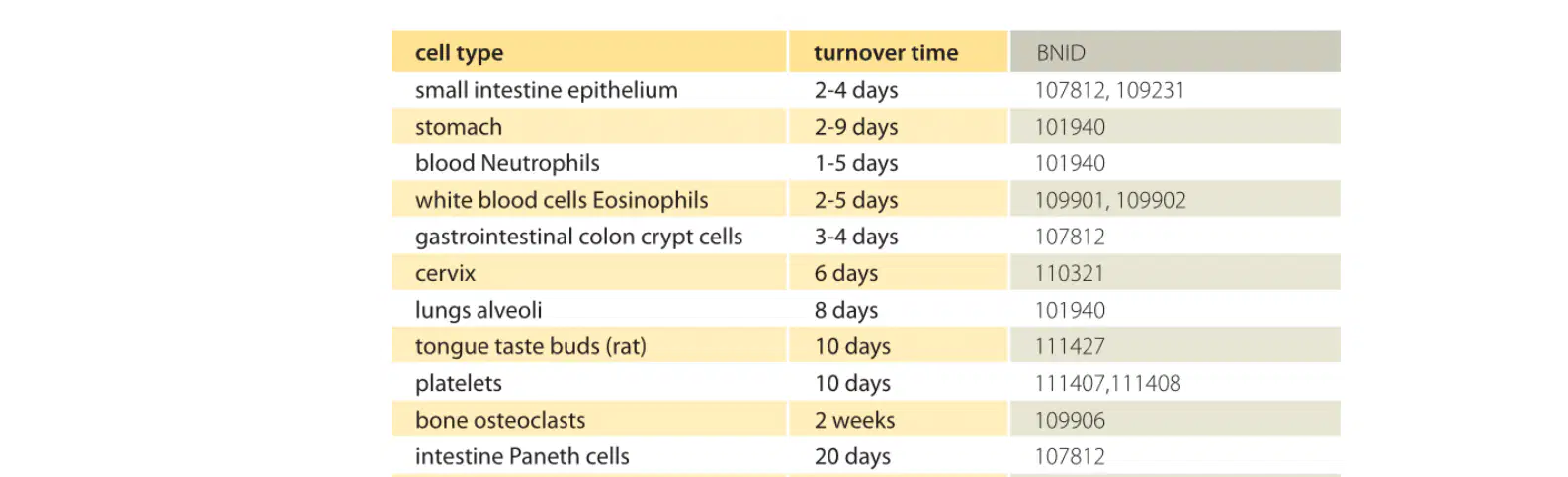
Which cell type has a turnover time of 8 days?
Cervix
Lungs alveoli
Platelets
Bone osteoclasts
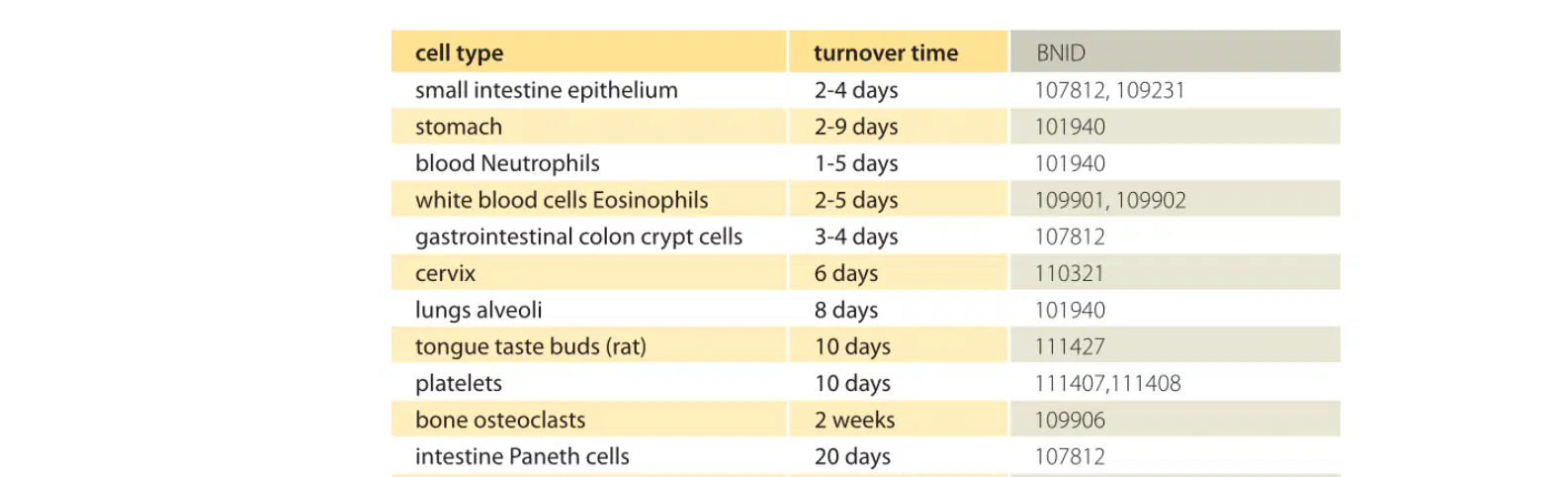
How long is the turnover time for bone osteoclasts?
10 days
2 weeks
1 month
2 months
Which of the following cell types has a lifetime turnover time?
Red blood cells
Lens cells
Platelets
Blood B cells (mouse)
What is the turnover time for blood B cells in mice?
4-7 weeks
2-4 days
1-2 months
2 months
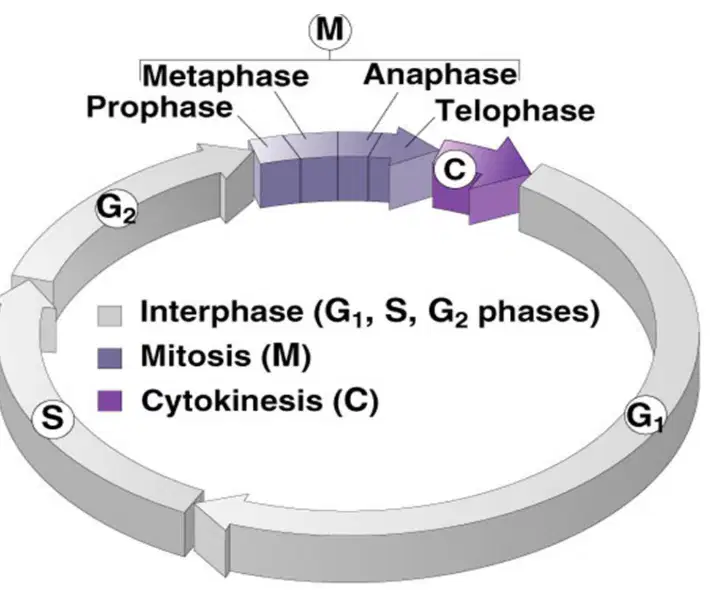
What are the stages of the Cell Cycle?
Interphase, Mitosis, Cytokinesis
Prophase, Metaphase, Anaphase, Telophase
G1, S, G2, M, C
Interphase, Prophase, Anaphase, Cytokinesis
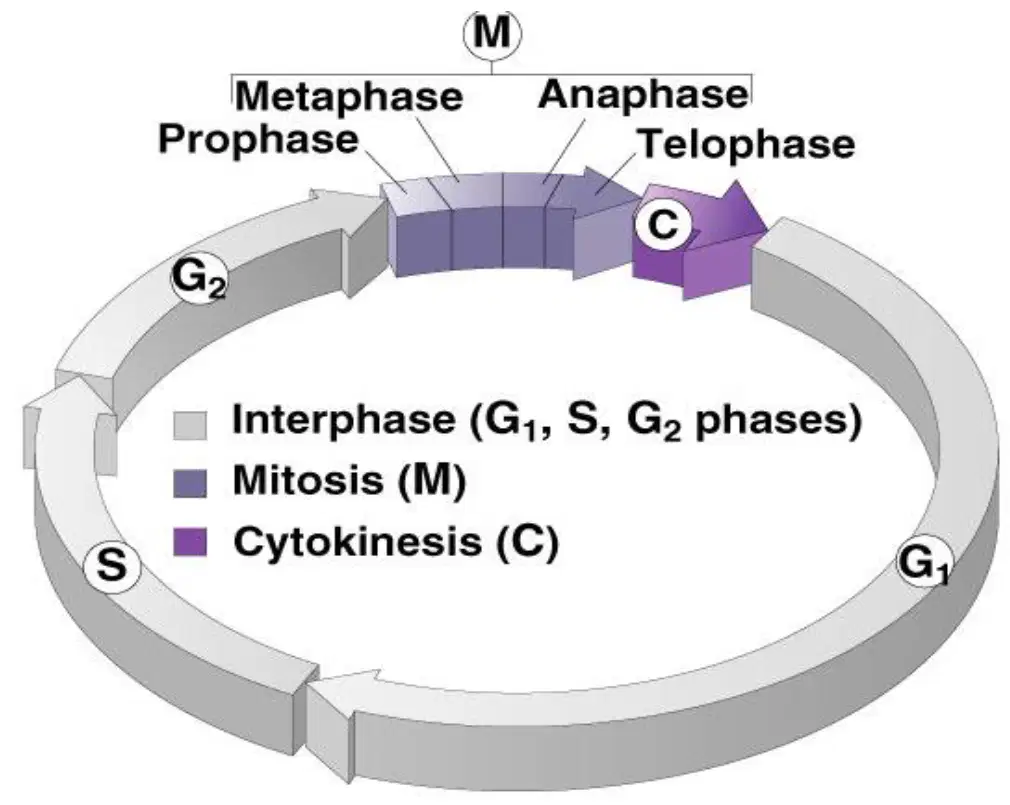
What are the main phases of the cell cycle as depicted in the diagram?
Interphase, Mitosis, Cytokinesis
Prophase, Metaphase, Anaphase, Telophase
G1, S, G2, M
Interphase, Prophase, Anaphase
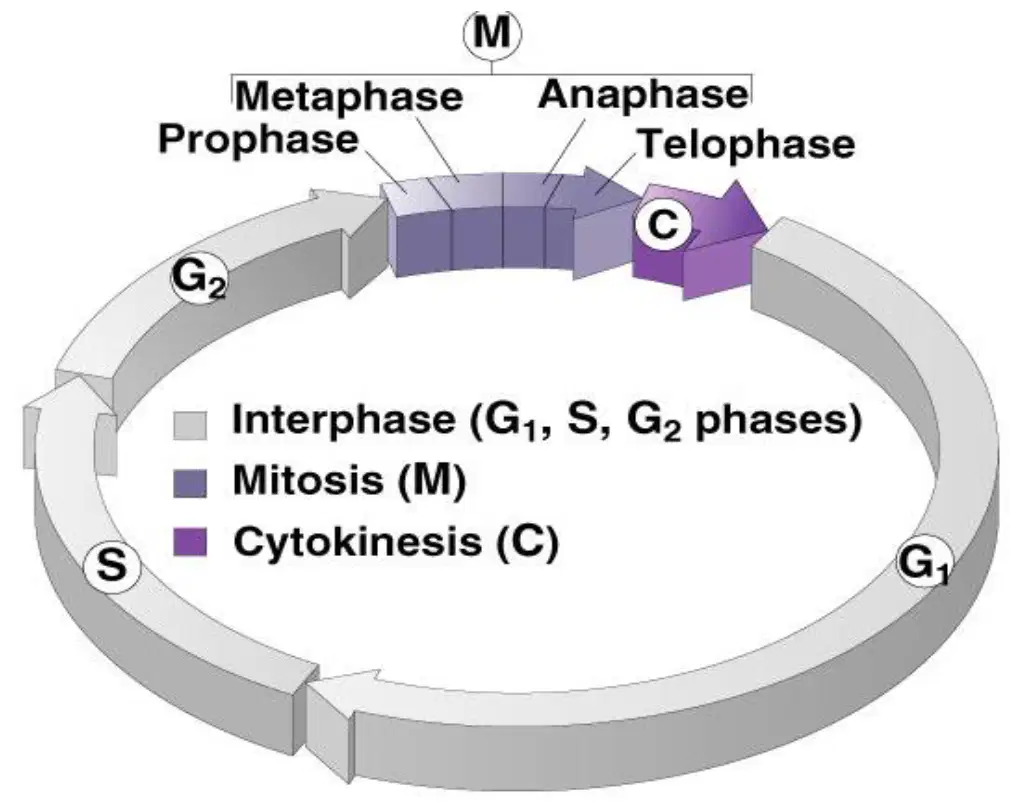
Which phase of the cell cycle includes the G1, S, and G2 phases?
Mitosis
Cytokinesis
Interphase
Anaphase
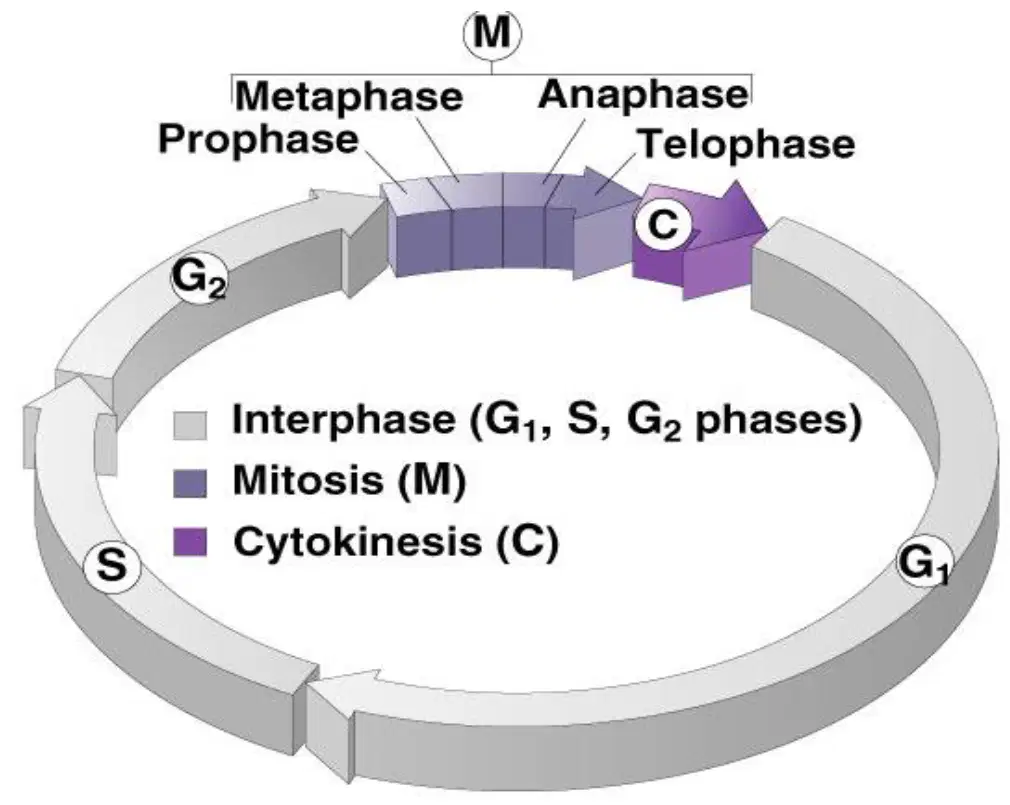
During which phase of the cell cycle does cytokinesis occur?
Interphase
Mitosis
Cytokinesis
Prophase
What is Interphase?
The phase where the cell divides
The period between cell divisions where the cell performs its normal functions
The phase where the cell rests and does nothing
The phase where the cell dies
What are the parts of Interphase?
G1, S, G2
M, C, G1
S, M, C
G2, M, S
What is the primary activity of cells during the G1 phase?
Cells divide to form two new cells.
Cells mature by making more cytoplasm and organelles.
Cells undergo DNA replication.
Cells prepare for mitosis by condensing chromosomes.
During the G1 phase, what metabolic activities do cells carry out?
DNA replication and repair.
Photosynthesis and protein synthesis.
Chromosome segregation and cytokinesis.
Apoptosis and cell death.
What happens during the S stage of the cell cycle?
DNA is copied or replicated
Cells divide into two new cells
Proteins are synthesized
RNA is transcribed
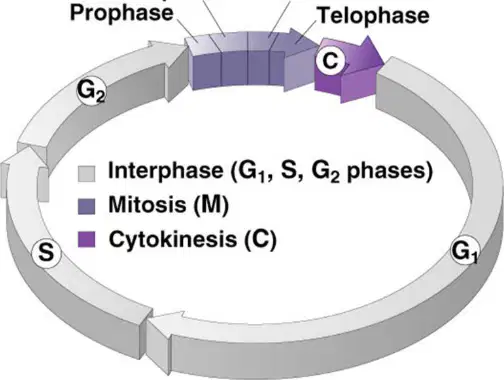
What is the primary event that occurs during the G2 stage of the cell cycle?
DNA replication
Cell division
Synthesis of organelles and proteins
Chromosome alignment
During the G2 stage, what happens to the centrioles?
They are destroyed
They begin to move to opposite ends of the cell
They replicate
They become inactive
Which of the following is NOT a characteristic of the G2 stage?
Occurs after DNA has been copied
All cell structures needed for division are made
Chromosomes are aligned in the center of the cell
Organelles and proteins are synthesized
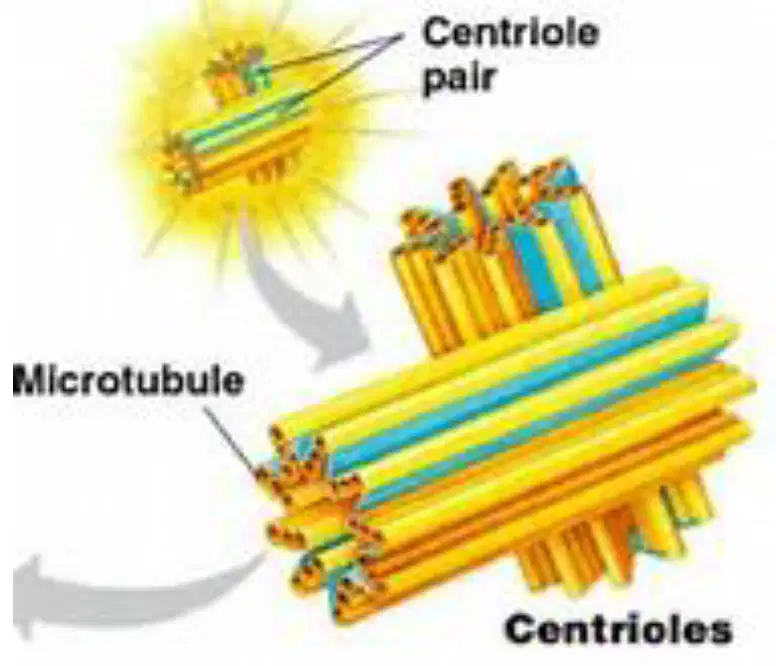
What are centrioles and what is their function in animal cells?
Centrioles are spherical organelles that produce energy in animal cells.
Centrioles are cylindrical organelles made of microtubules that control the spindle in animal cells.
Centrioles are flat organelles that store nutrients in animal cells.
Centrioles are organelles that synthesize proteins in animal cells.
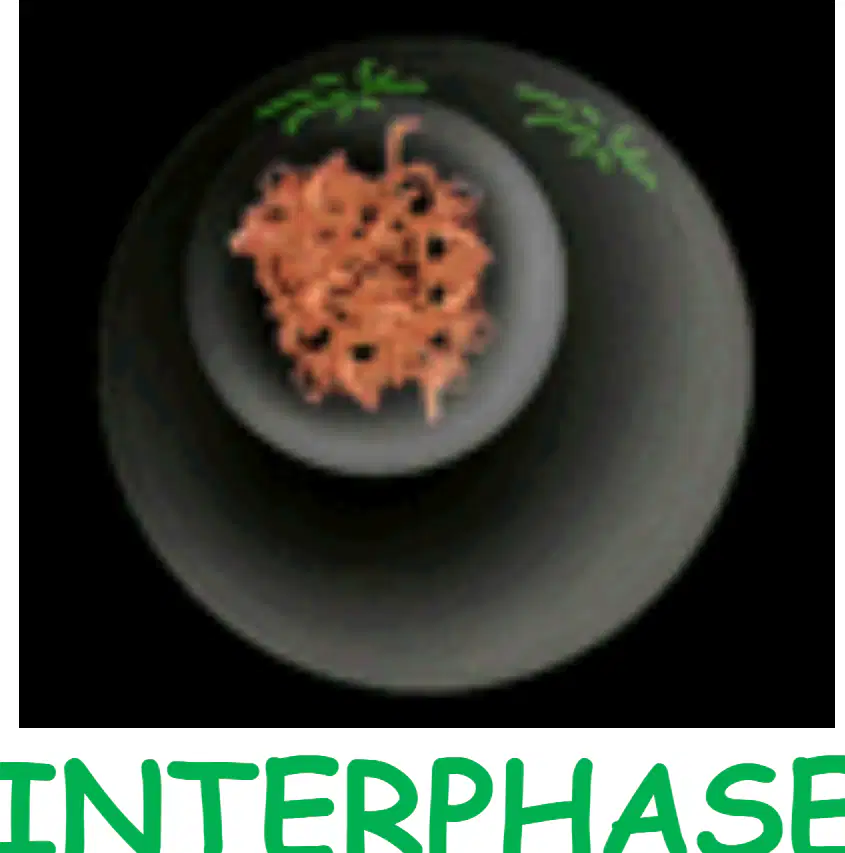
What does a cell look like in Interphase?
Chromosomes are scattered outside the nucleus.
Chromosomes are inside the nucleus.
Chromosomes are aligned at the cell equator.
Chromosomes are in the process of separating.

What is the phase of the cell cycle shown in the images?
Interphase
Prophase
Metaphase
Anaphase
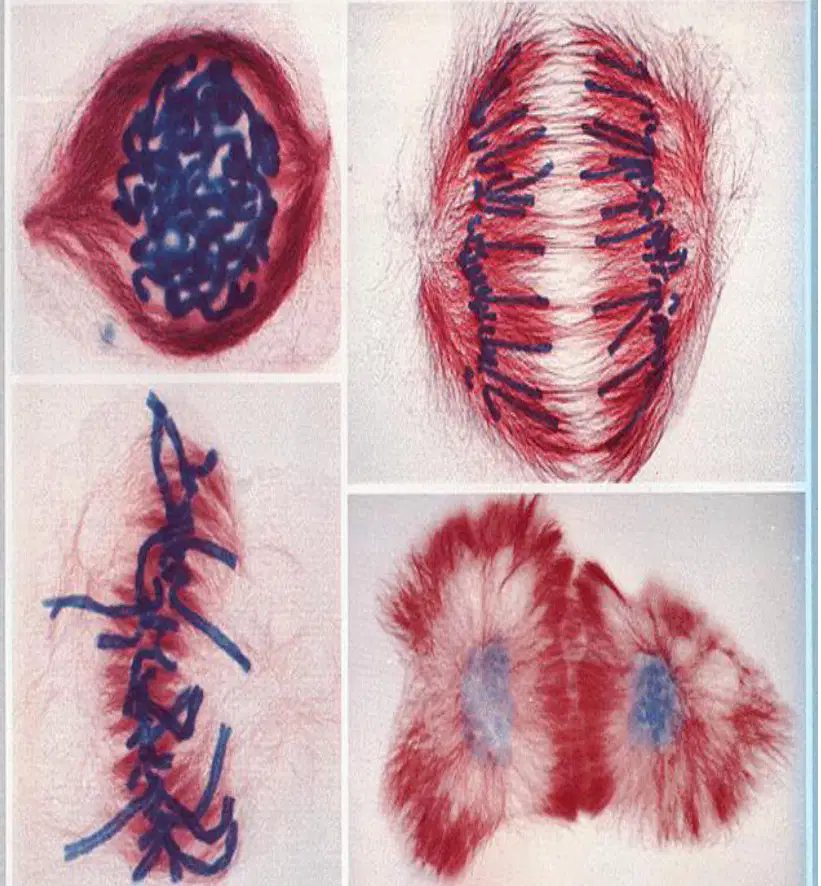
What is mitosis?
Division of the nucleus
Division of the cytoplasm
Formation of gametes
Process of photosynthesis
What is another name for mitosis?
Cytokinesis
Karyokinesis
Meiosis
Photosynthesis
In which type of cells does mitosis occur?
Prokaryotes
Eukaryotes
Viruses
Bacteria
How many stages does mitosis have?
2 stages
3 stages
4 stages
5 stages
Which of the following cells does not undergo mitosis?
Skin cells
Brain cells
Muscle cells
Liver cells
What are the 4 stages of Mitosis?
Prophase, Metaphase, Anaphase, Telophase
Interphase, Prophase, Metaphase, Cytokinesis
Prophase, Metaphase, Anaphase, Cytokinesis
Interphase, Anaphase, Telophase, Cytokinesis
What is Prophase?
The final stage of mitosis
The first and longest stage of mitosis, taking about 50-60% of time
The stage where cells divide into two
The stage where DNA replication occurs
What happens during Prophase?
Chromatin shortens and thickens to become doubled chromosomes made of 2 sister chromatids
Chromosomes line up in the center of the cell
The nuclear envelope reforms around chromosomes
The cell membrane pinches inwards
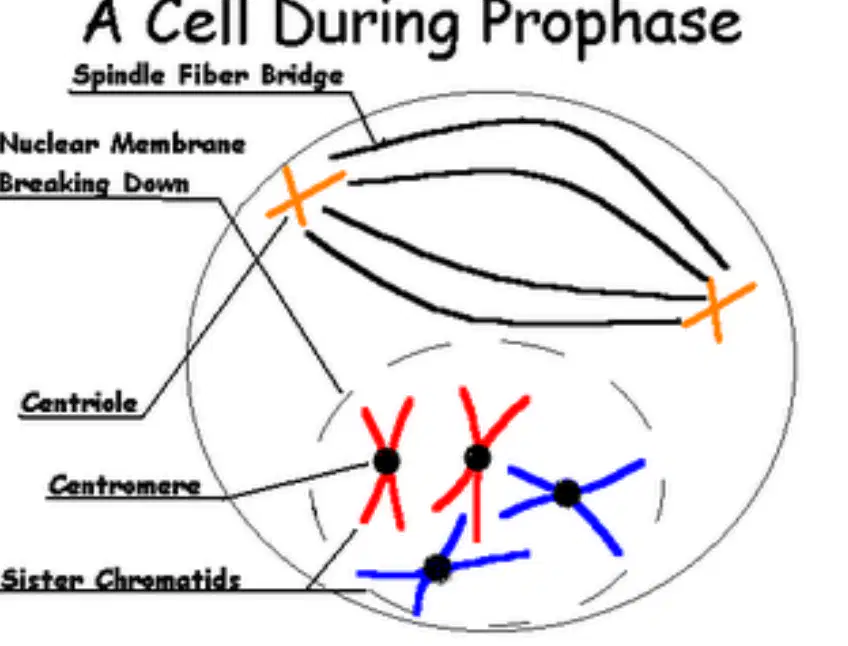
What happens during Prophase?
Chromosomes line up in the middle of the cell
Chromatids are pulled apart to opposite ends of the cell
Football shaped mitotic spindle forms from fibers in cytoskeleton or centrioles (animal)
The cell membrane pinches in to divide the cell
What happens to the nuclear membrane and nucleolus during Prophase?
They become more prominent
They disappear
They double in size
They move to the center of the cell
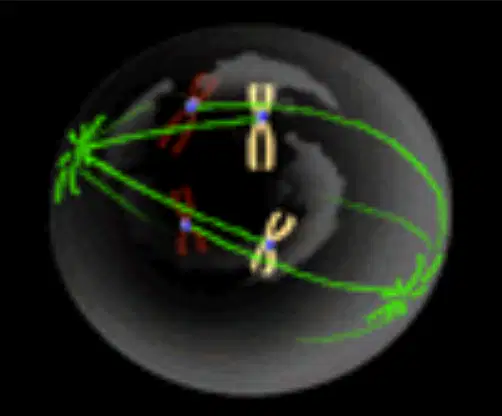
What happens during Prophase?
Centrioles arrive at opposite ends of the cell.
Chromosomes are replicated.
The nuclear envelope reforms.
Cytokinesis occurs.

What is the role of spindle fibers called kinetochores during mitosis?
They attach to the centromere of each chromosome to move chromosomes around during mitosis.
They dissolve the nuclear membrane.
They replicate the DNA.
They form the cell membrane.
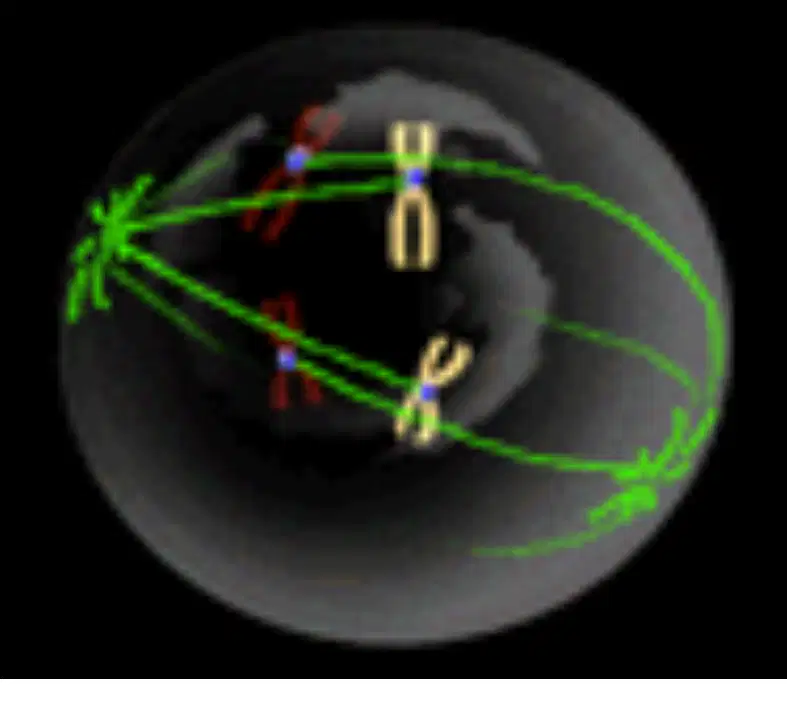
What happens to chromosomes during prophase?
Chromosomes condense and become visible, popping out of the nucleus.
Chromosomes line up at the cell's equator.
Chromosomes are pulled apart to opposite poles.
Chromosomes are replicated.
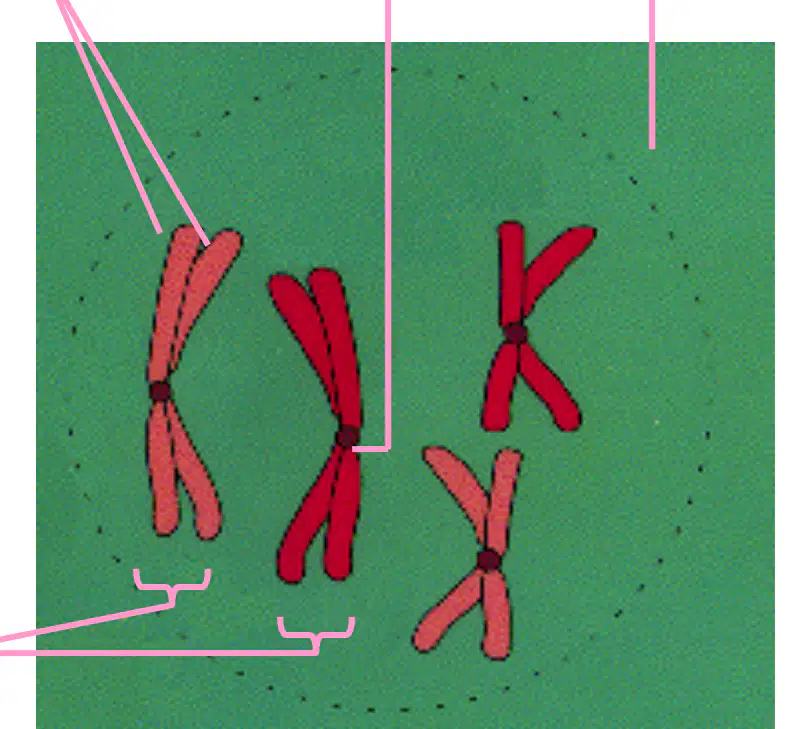
What is the phase of mitosis where the nuclear membrane starts to disappear and chromatids become visible?
Metaphase
Anaphase
Prophase
Telophase
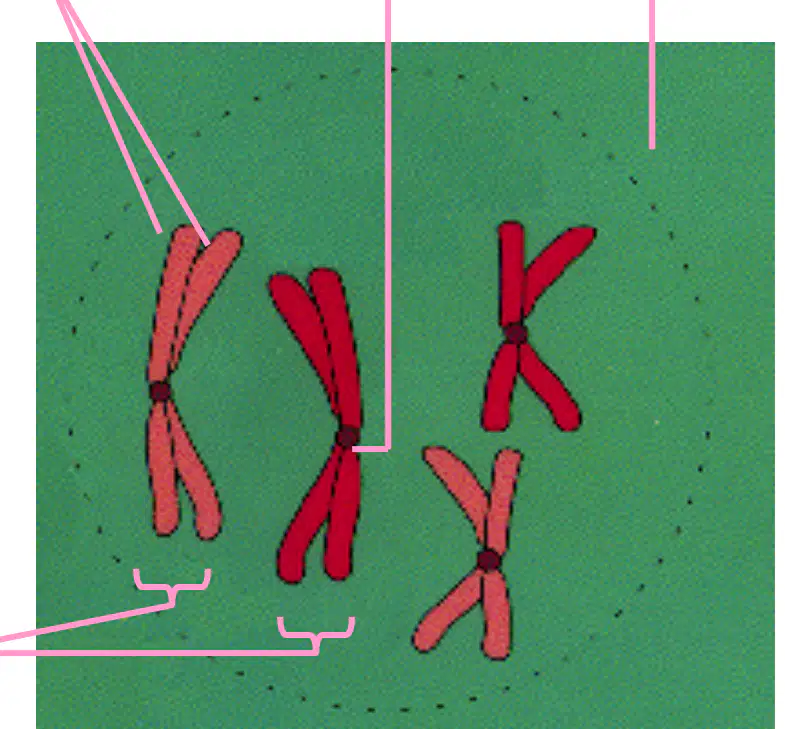
During which phase of mitosis do homologous chromosomes become visible?
Prophase
Metaphase
Anaphase
Telophase
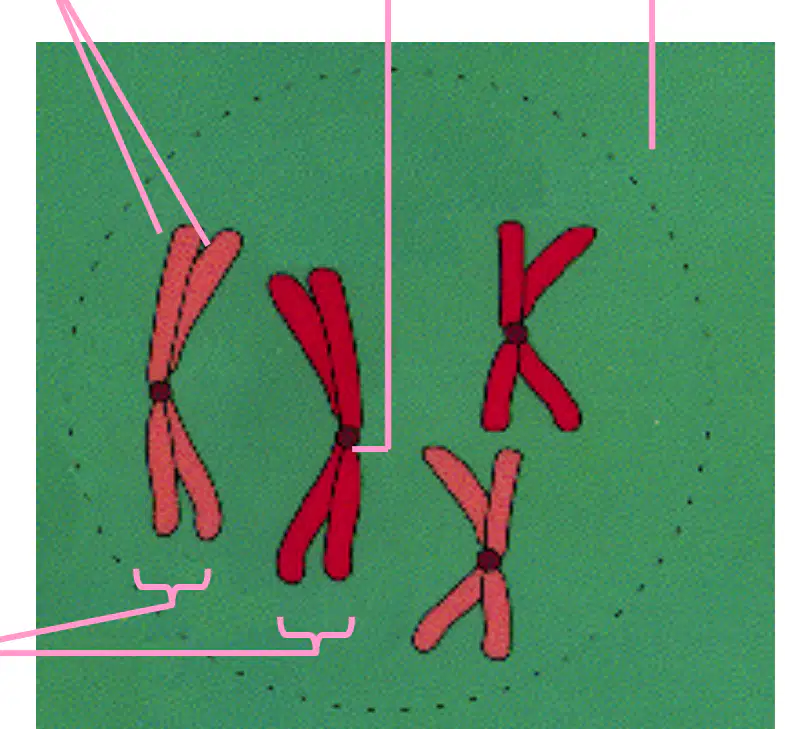
What structure holds the chromatids together during prophase?
Spindle fibers
Centromere
Cell membrane
Nucleus
What is Metaphase?
The 1st and longest phase of mitosis.
The 2nd and shortest phase of mitosis.
The 3rd and longest phase of mitosis.
The 4th and shortest phase of mitosis.

What happens during Metaphase?
Chromosomes are duplicated.
Chromosomes are moved to the center or middle of the cell.
Chromosomes are split into two.
Chromosomes are packed into vesicles.
What does a cell look like in Metaphase?
Chromosomes are aligned in the middle of the cell.
Chromosomes are at the cell poles.
Chromosomes are randomly scattered in the cell.
Chromosomes are outside the cell.
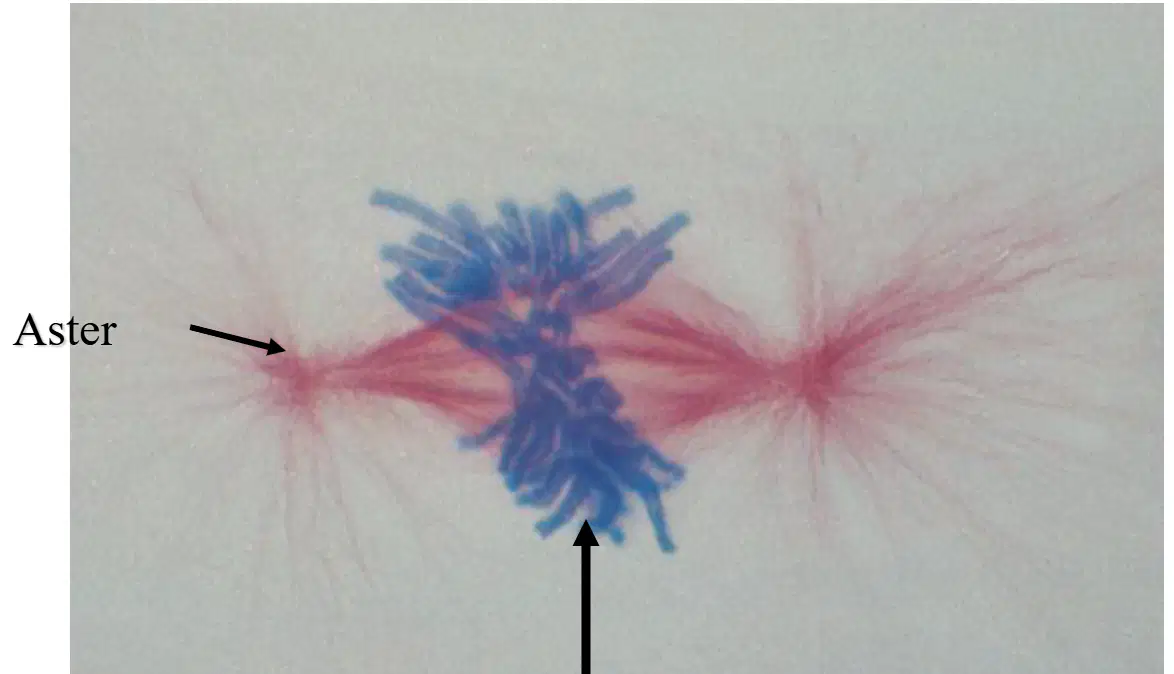
What is the phase of mitosis shown in the image?
Prophase
Metaphase
Anaphase
Telophase

In the metaphase stage of mitosis, where are the chromosomes located?
At the poles
At the equator
Randomly distributed
Outside the cell
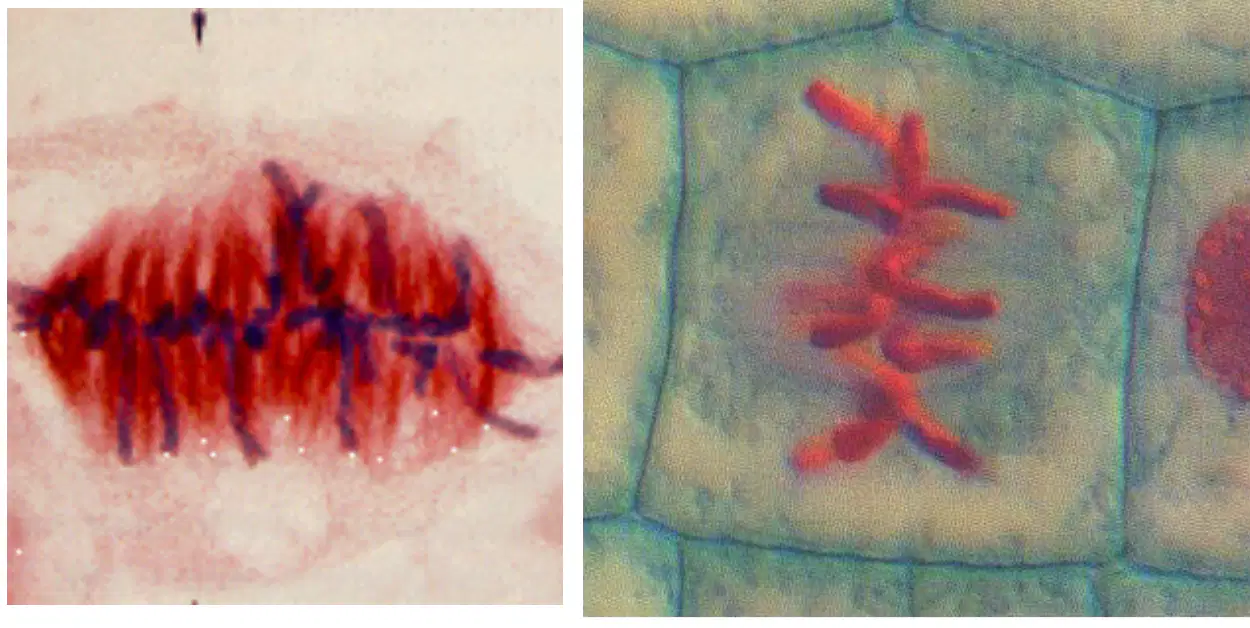
What phase of cell division is depicted in the images of both animal and plant cells?
Prophase
Metaphase
Anaphase
Telophase
What is Anaphase?
The 1st stage of mitosis and occurs very slowly.
The 2nd stage of mitosis and occurs moderately.
The 3rd stage of mitosis and occurs very rapidly.
The final stage of mitosis and occurs gradually.
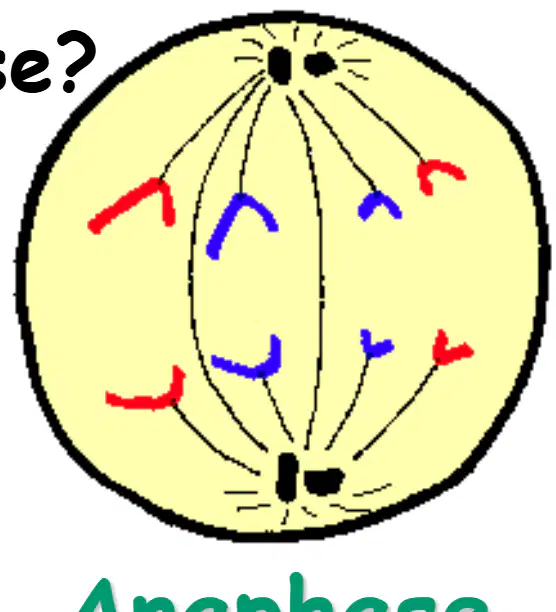
What happens during Anaphase?
Sister chromatids are pulled apart to opposite ends of the cell by kinetochore fibers.
Chromosomes line up in the center of the cell.
The nuclear envelope re-forms around the chromosomes.
The cell membrane pinches in to divide the cell.
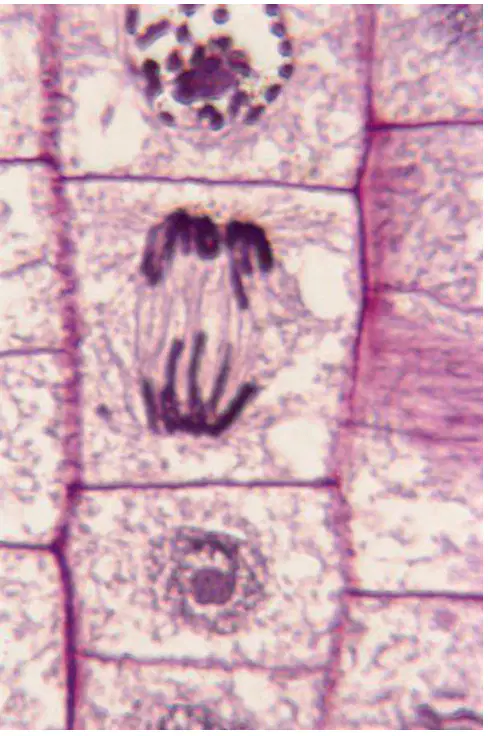
What is the process shown in the image where sister chromatids are being separated?
Anaphase
Prophase
Metaphase
Telophase

What happens to chromosomes during Anaphase?
Chromosomes align in the middle of the cell.
Chromosomes move away from the middle of the cell.
Chromosomes duplicate.
Chromosomes disappear.

What phase of cell division is depicted in the images provided?
Prophase
Metaphase
Anaphase
Telophase
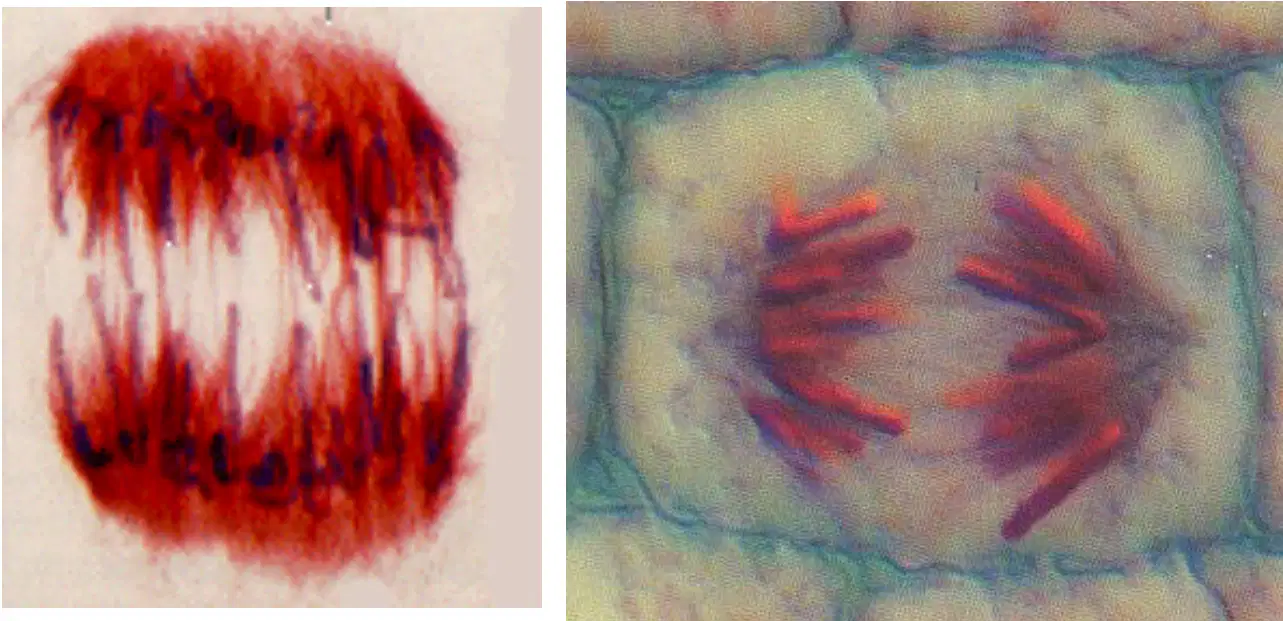
In which type of cell is the anaphase stage shown on the left side of the image?
Plant cell
Bacterial cell
Fungal cell
Animal cell
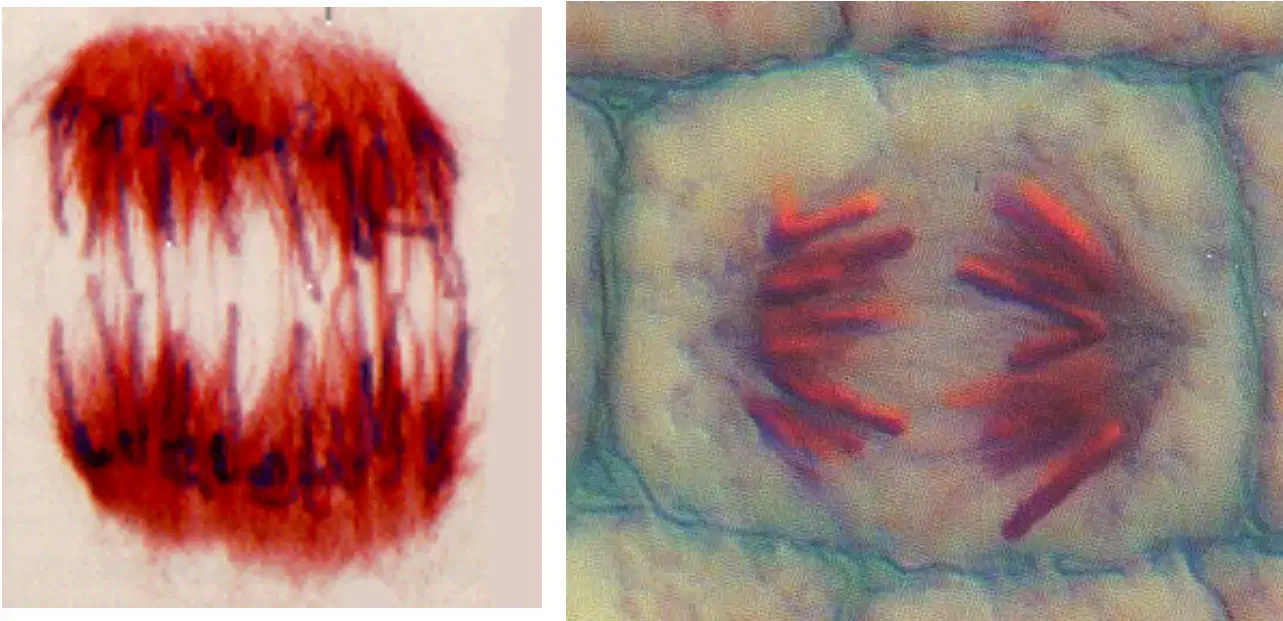
During anaphase, what happens to the chromosomes?
They line up at the cell's equator.
They are pulled apart to opposite poles.
They condense and become visible.
They are surrounded by a nuclear envelope.
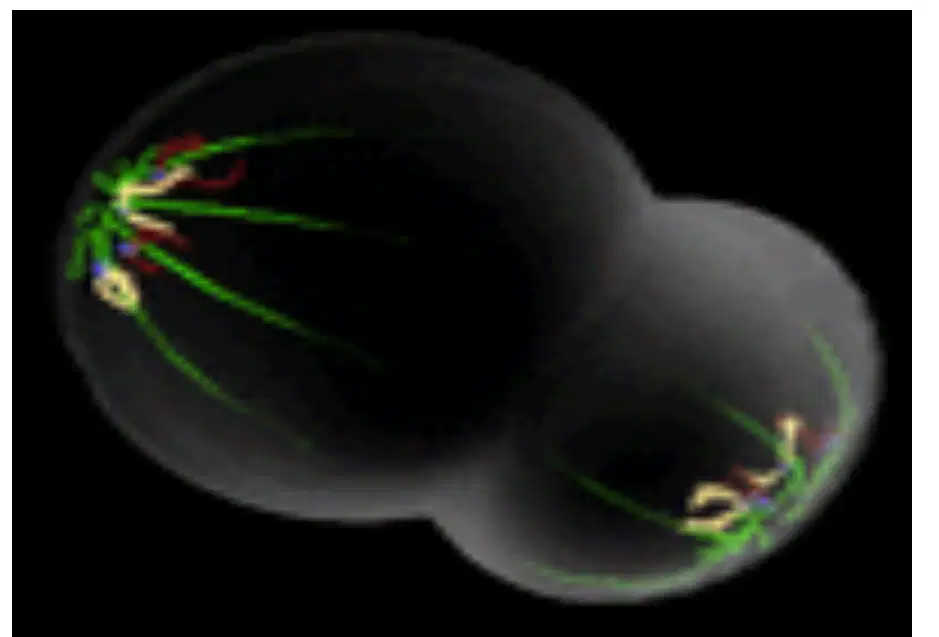
What is the 4th stage of mitosis where you can see 2 complete sets of chromosomes?
Prophase
Metaphase
Anaphase
Telophase
What happens during Telophase?
The chromosomes uncoil, lengthen and return to chromatin form.
The spindle disassembles and disappears.
The nuclear membrane re-forms around each set of chromosomes.
The nucleolus re-appears.
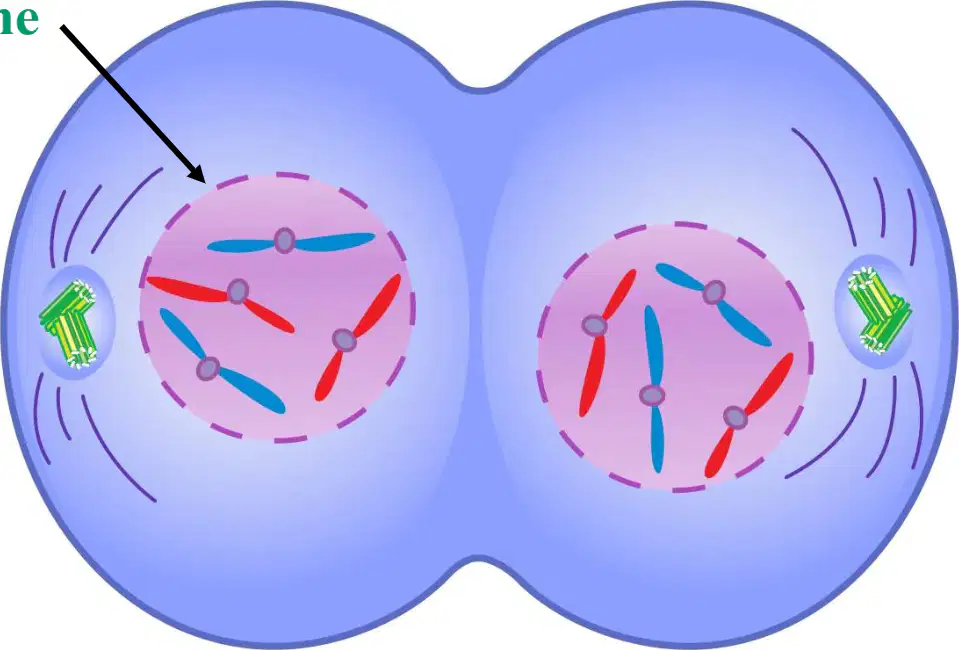
What does a cell look like in Telophase?
The chromosomes are aligned in the center of the cell.
The nuclear membrane is re-forming around the chromosomes.
The cell is in the process of splitting into two separate cells.
The chromosomes are being pulled apart to opposite ends of the cell.
What is cytokinesis?
The division of the nucleus
The division of the cytoplasm
The replication of DNA
The formation of the cell wall
In animal cells, how does the cytoplasm divide during cytokinesis?
By forming a cell plate
By forming a cleavage furrow
By binary fission
By budding
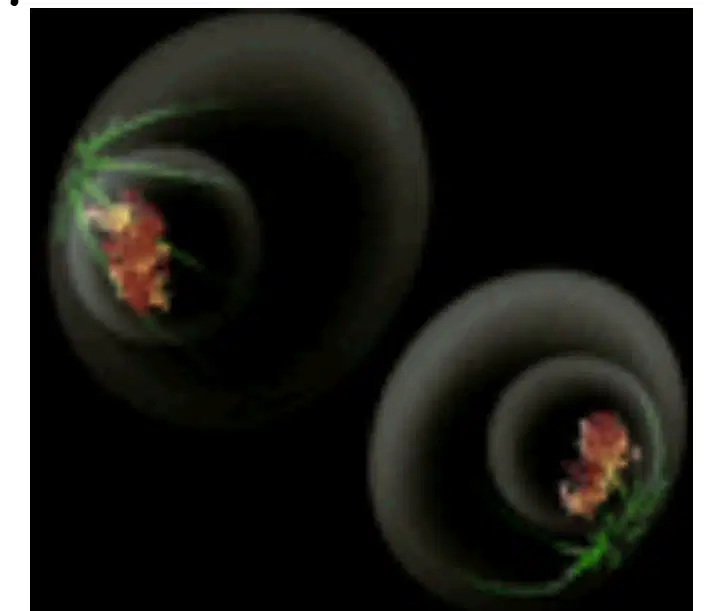
In plant cells, how does the cytoplasm divide during cytokinesis?
By forming a cleavage furrow
By forming a cell plate
By binary fission
By budding
Meiosis is reductive division. This means that chromosome number is reduced from parent cell to daughter cell. Use this knowledge to complete the diagram.

The structure labeled 1 in the image is a (a) and the structure labeled 2 ia a (b)

Mitosis begins with (a) parent cell and ends with two (b) daughter cells
Label
Centrioles
Spindle fibers
Chromatid

How many chromosomes should be in each of the daughter cells?
Label the following steps of Mitosis

A teacher showed slides of the different stages of mitosis to four students and asked them to describe the stage viewed under the microscope.
The only student to correctly describe an illustrated stage was Student (a)
Label the stages of mitosis.
telophase
interphase
prophase
metaphase
anaphase
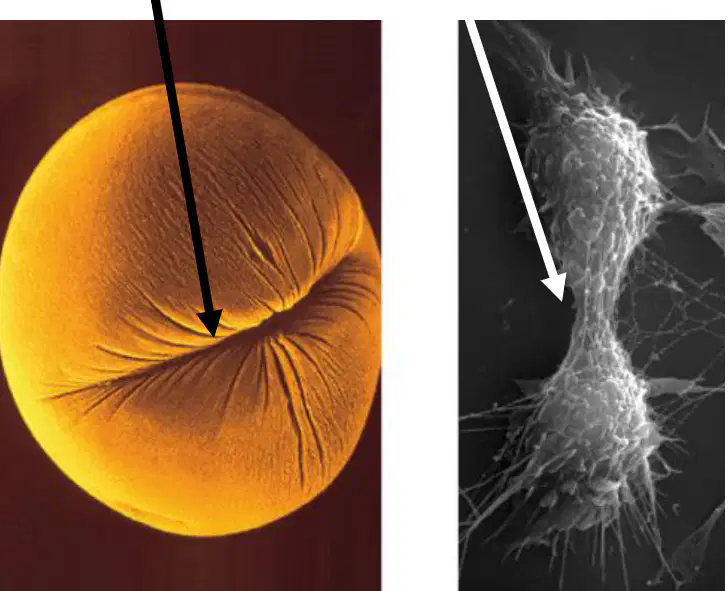
What is a cleavage furrow?
A structure that forms during cytokinesis in plant cells.
An indentation that pinches the cell membrane inward forming 2 daughter cells.
A process that occurs during DNA replication.
A type of cell division in bacteria.
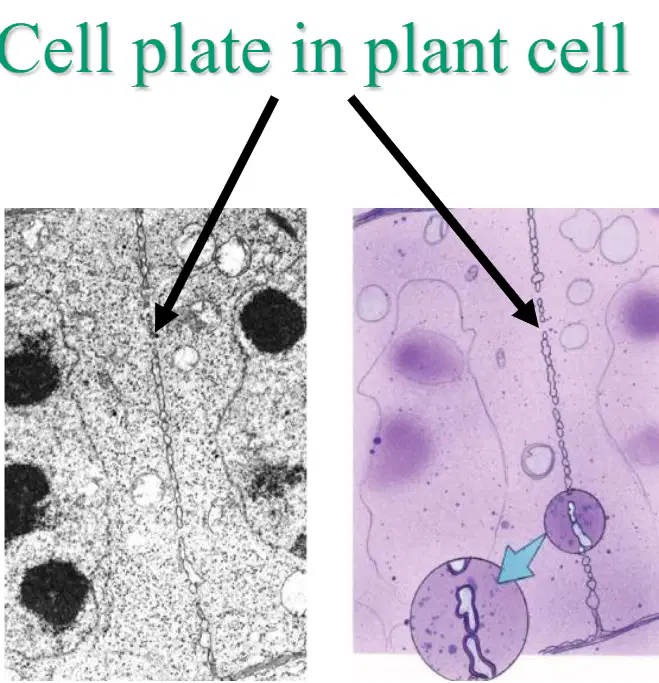
What is a cell plate?
A structure that forms in the center of the cytoplasm and grows outward until it reaches the cell wall, dividing the cell and forming two daughter cells.
A protein that helps in the replication of DNA during cell division.
A membrane that surrounds the nucleus during cell division.
A type of cell wall that forms only in animal cells.

What are the results of mitosis?
2 new identical daughter cells with the same traits and characteristics of the parent cell.
4 new cells with different traits and characteristics.
2 new cells with half the traits of the parent cell.
1 new cell identical to the parent cell.
What is the result of mitosis in terms of chromosomes in the new cells?
Each new cell has a set of identical chromosomes.
Each new cell has a different set of chromosomes.
Each new cell has half the number of chromosomes.
Each new cell has no chromosomes.
What is the term used to describe the phenomenon where the nucleus of each daughter cell has the same DNA as the parent cell?
Genetic continuity
Genetic diversity
Genetic mutation
Genetic drift
What controls the cell cycle?
Enzymes (Cyclins)
Hormones
Nerve signals
Blood flow
Which of the following is a factor that controls the cell cycle?
Temperature
Contact Inhibition
Light exposure
Sound waves
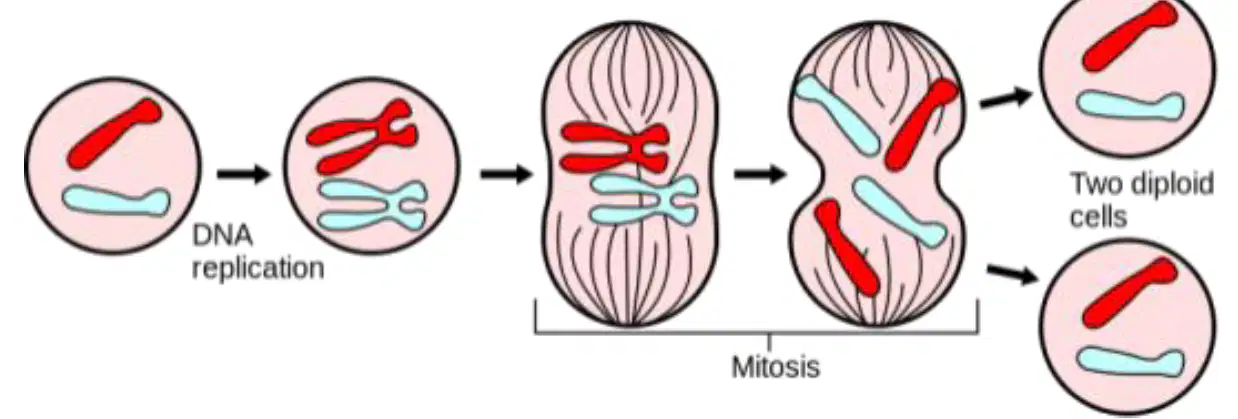
What are the results of mitosis?
The daughter cells have different DNA from the parent cell.
The daughter cells have the same DNA as the parent cell.
The daughter cells have half the DNA of the parent cell.
The daughter cells cannot perform cellular processes.
How do enzymes control the cell cycle?
Enzymes are produced to either trigger the progression (GO) of the cell cycle or to inhibit it (STOP).
Enzymes are produced to only trigger the progression of the cell cycle.
Enzymes are produced to only inhibit the cell cycle.
Enzymes have no role in the control of the cell cycle.
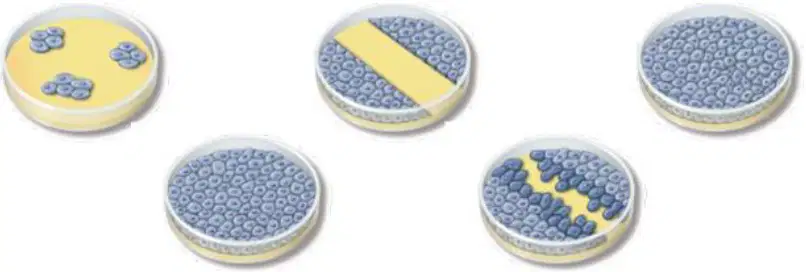
What is contact inhibition?
Normal cells will divide indefinitely regardless of contact with other cells.
Normal cells will divide until they come in contact with other cells, then they will stop.
Normal cells will stop dividing when they run out of nutrients.
Normal cells will divide only in the presence of growth factors.
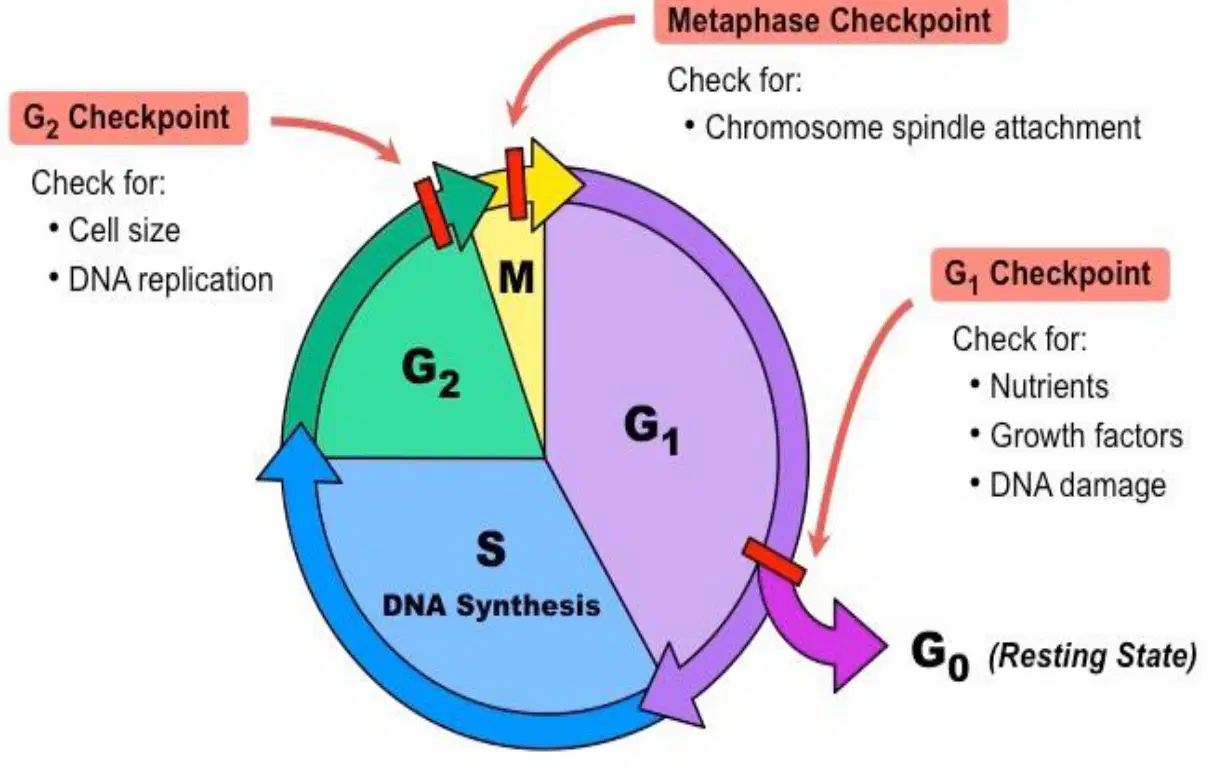
What is a checkpoint in the cell cycle?
A stage where the cell checks for errors before proceeding
A phase where the cell divides
A process of DNA synthesis
A resting state of the cell
Which checkpoint checks for cell size and DNA replication?
G1 Checkpoint
G2 Checkpoint
Metaphase Checkpoint
S Phase
What does the G1 checkpoint check for?
Chromosome spindle attachment
Cell size and DNA replication
Nutrients, growth factors, and DNA damage
DNA synthesis
At which checkpoint is chromosome spindle attachment checked?
G1 Checkpoint
G2 Checkpoint
Metaphase Checkpoint
S Phase
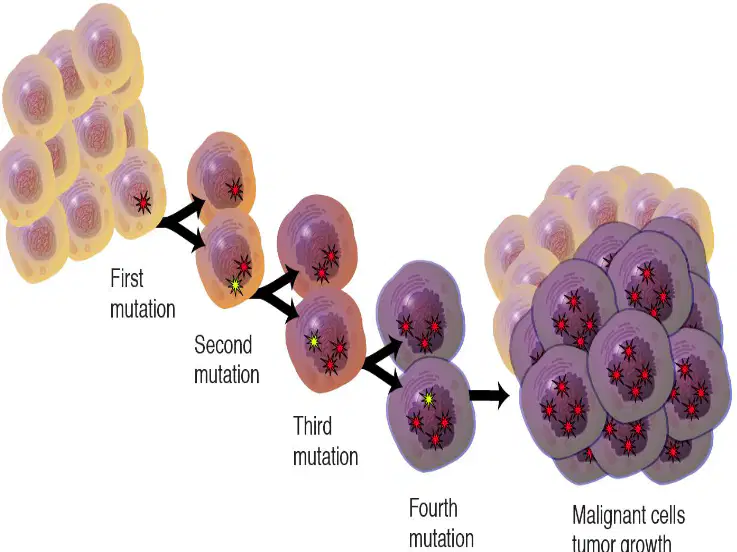
What is cancer?
An uncontrolled dividing of cells caused by failure to produce certain enzymes, or overproduction of enzymes, or production at the wrong time of enzymes.
A controlled process of cell division that maintains healthy tissue.
A condition where cells stop dividing and die prematurely.
A normal process of cell growth and repair.
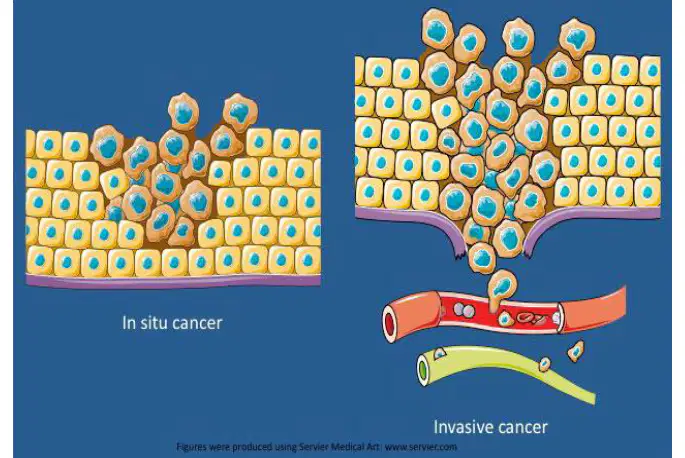
What do cancer cells form that deprive normal cells of nutrients?
Tumors
Cysts
Plaques
Nodules
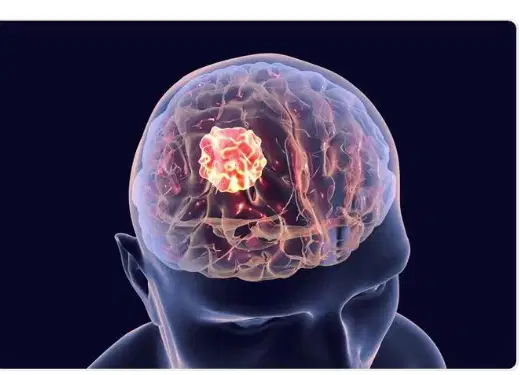
How do cancer cells in the final stages affect the body?
They form new tumors that disrupt organ function.
They strengthen the immune system.
They improve nutrient absorption.
They repair damaged tissues.
What is a characteristic of a benign tumor?
It grows quickly and invades nearby tissue.
It has irregular borders and spreads to other parts of the body.
It grows slowly and has distinct borders.
It is a type of cancer.
Which type of tumor is cancerous?
Benign tumor
Malignant tumor
Non-cancerous tumor
Slow-growing tumor
How does a malignant tumor differ from a benign tumor in terms of growth and spread?
Malignant tumors grow slowly and do not spread.
Malignant tumors grow quickly and invade nearby tissue.s
Benign tumors grow quickly and spread to other parts of the body.
Benign tumors have irregular borders and invade nearby tissue.
What is the second leading cause of death in the US?
Heart disease
Cancer
Diabetes
Stroke
Which of the following is NOT listed as a main cancer killer in the image?
Lung cancer
Colon cancer
Skin cancer
Liver cancer
What are the two main factors that cause cancer?
Genetic and environmental factors
Only genetic factors
Only environmental factors
Lifestyle and dietary factors
Which of the following is considered an environmental factor that may cause cancer?
Cigarette smoke
Genetic mutations
Inherited traits
Physical exercise
What term is used to describe environmental factors that may cause cancer?
Carcinogens
Pathogens
Mutagens
Antigens
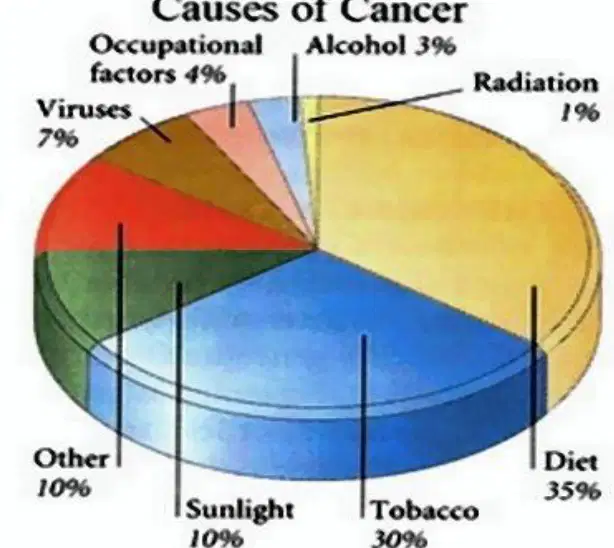
Which of the following is NOT listed as a cause of cancer in the pie chart?
Diet
Tobacco
Exercise
Sunlight
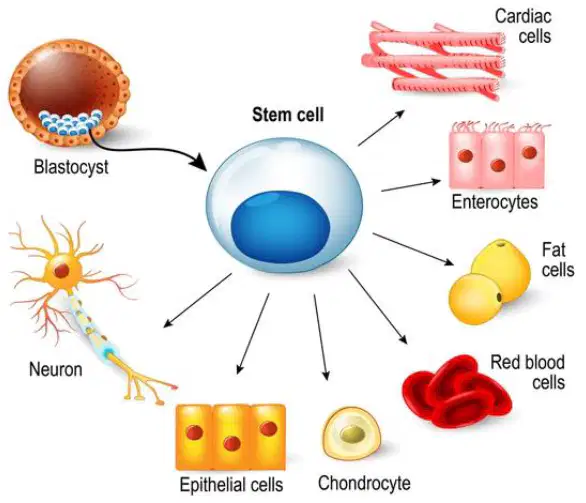
What are stem cells in complex multicellular organisms?
Cells that appear early and develop into specialized cells
Cells that only form muscle tissue
Cells that are already specialized
Cells that do not change or develop
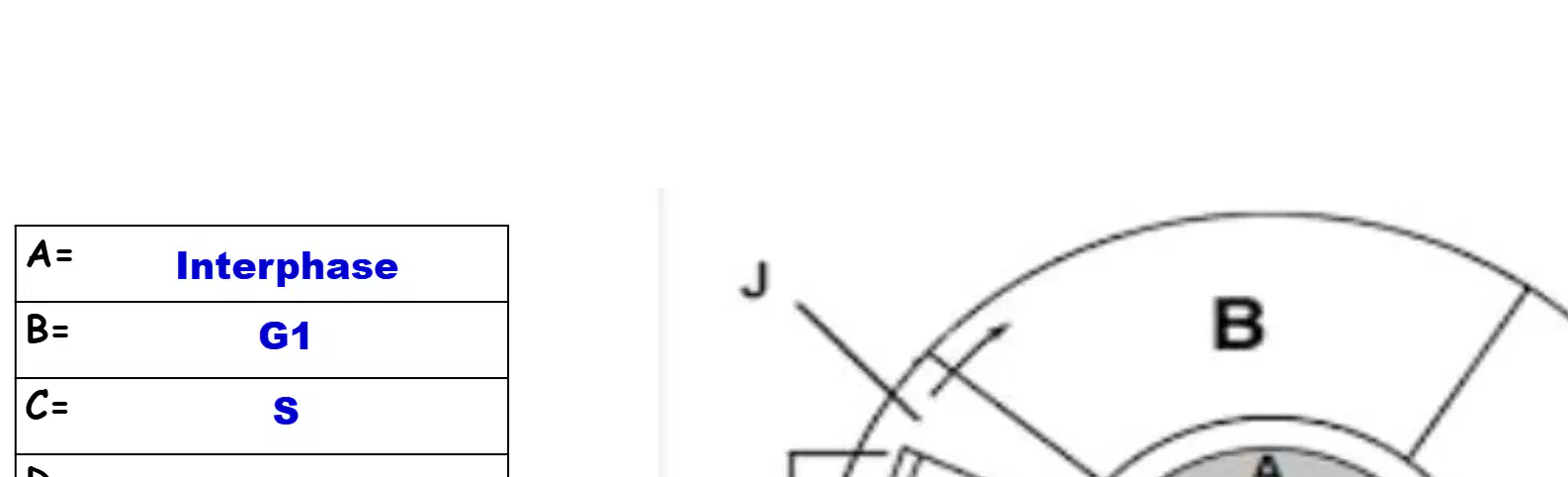
What phase of the cell cycle is represented by the letter 'A' in the diagram?
Interphase
Prophase
Metaphase
Anaphase
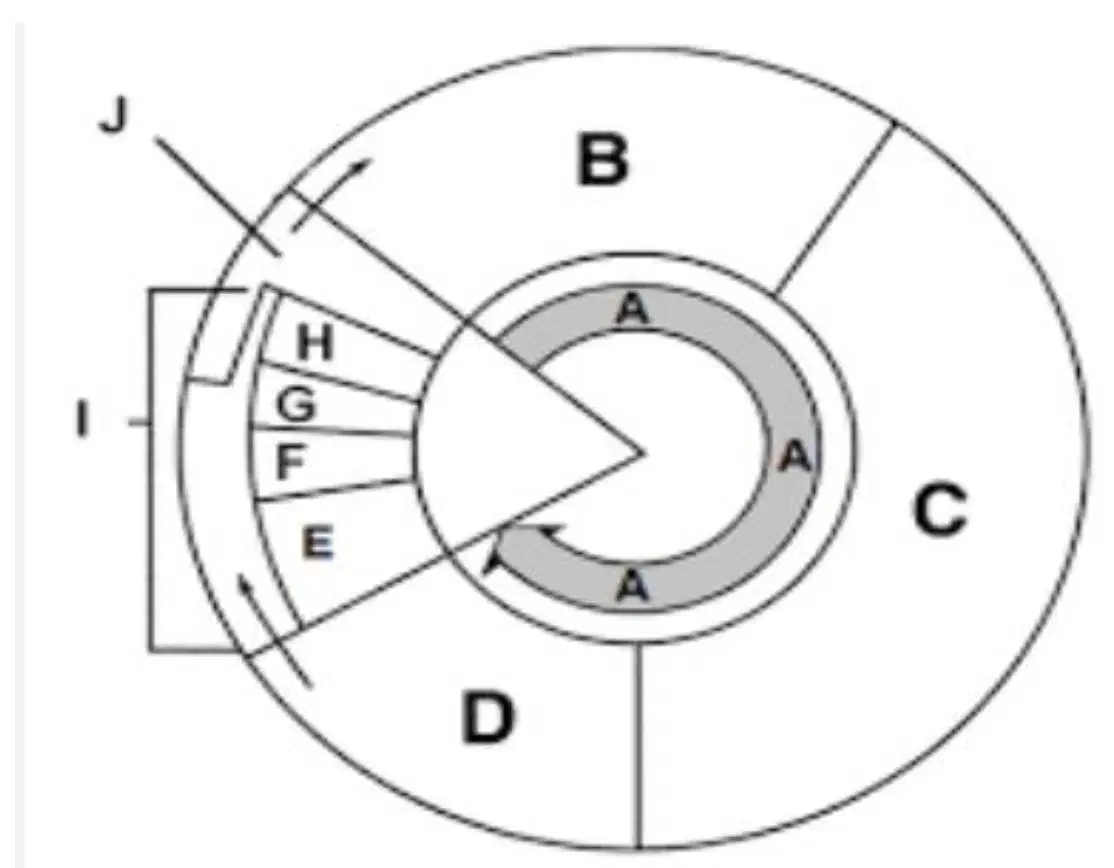
Identify the phase labeled 'E' in the diagram.
Prophase
Telophase
Anaphase
Cytokinesis
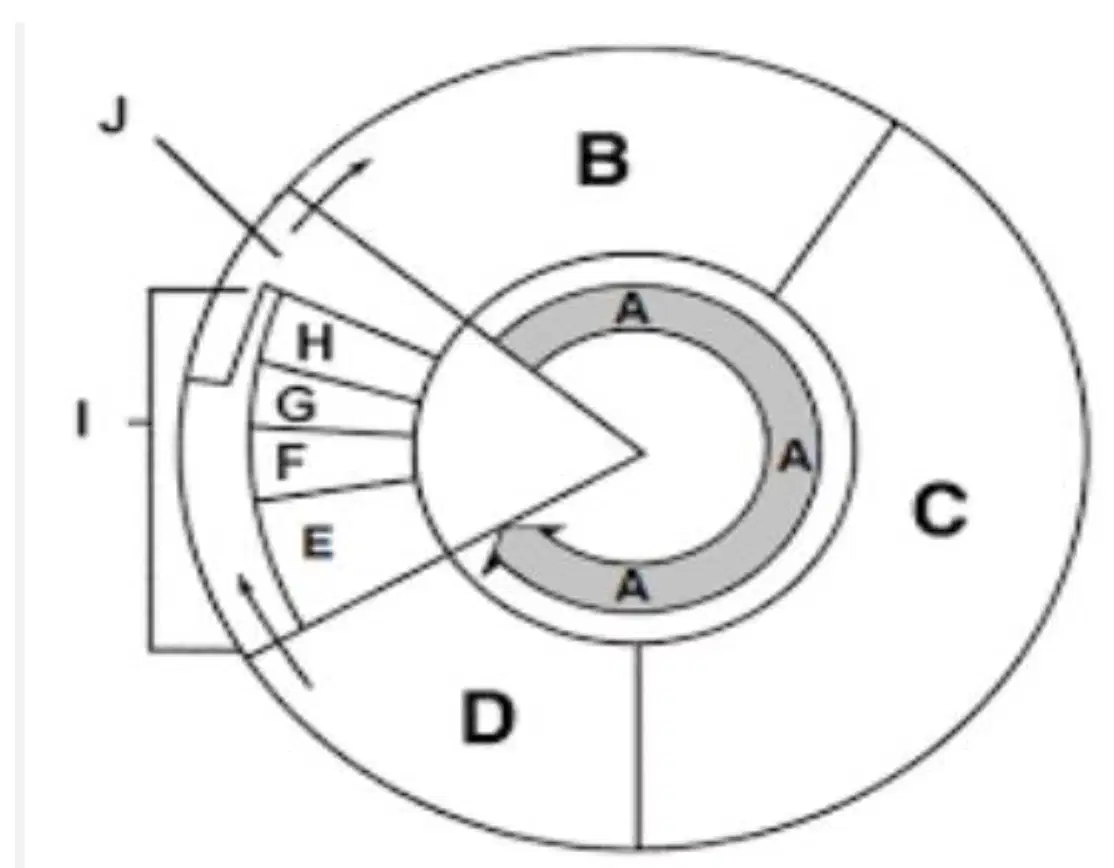
What is the phase represented by the letter 'J' in the diagram?
Cytokinesis
Metaphase
Telophase
Anaphase

How does plant 1 and plant 2 compare to each other in terms of chromosome number and genetic identity?
The leaf cells of both plants 1 and 2 each have 56 chromosomes, but are genetically different.
The leaf cells of both plants 1 and 2 each have 56 chromosomes, because asexual reproduction produces genetically identical clones.
The leaf cells of plant 1 have 56 chromosomes, but plant 2 has 112 chromosomes, because asexual reproduction produces new plants with double the original number of chromosomes.
The leaf cells of plant 1 have 56 chromosomes, but plant 2 has 28 chromosomes, because asexual reproduction produces new plants with half the original number of chromosomes.
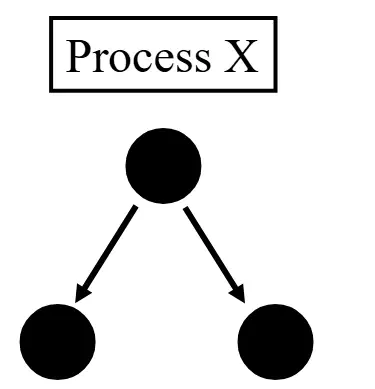
Consider the two processes below… Process X and Process Y. Which answer choice most accurately identifies the two processes?
Process X is Meiosis and Process Y is Cell Differentiation
Process X is Mitosis and Process Y is Cell Differentiation
Process X is Cell Differentiation and Process Y is Mitosis
Process X is Cell Differentiation and Process Y is Meiosis
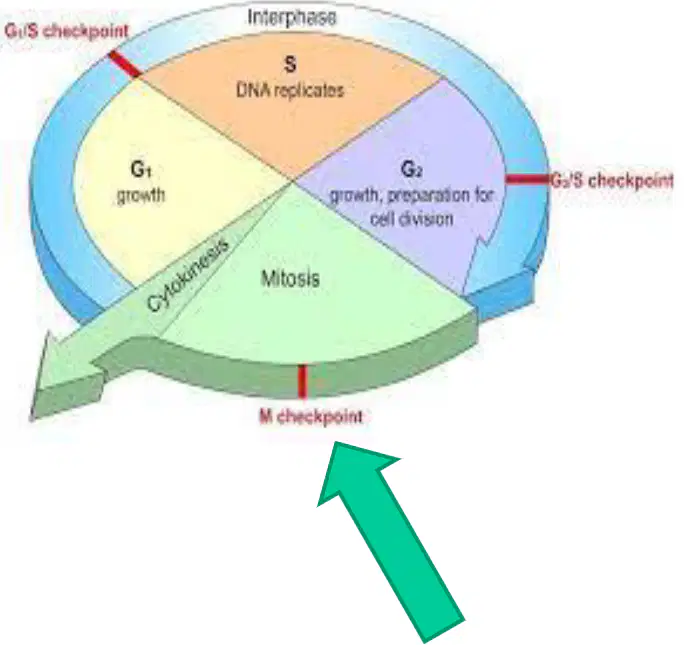
What is happening during the checkpoint in the M-phase of the cell cycle?
The cell is checking to see whether or not to proceed with division based on factors such as cell size, nutrients or growth factors.
All checkpoints are the same, it is just a routine check to cell if the cell is healthy and functioning properly.
The cell is checking to make sure that all spindle fibers are attached to the centromere of all chromosomes, to ensure that each new cell gets a complete set of chromosomes.
The cell is checking to see if the DNA is damaged in any way, before proceeding. It provides an opportunity to repair DNA, so that mistakes are not passed on to future generations of cells.
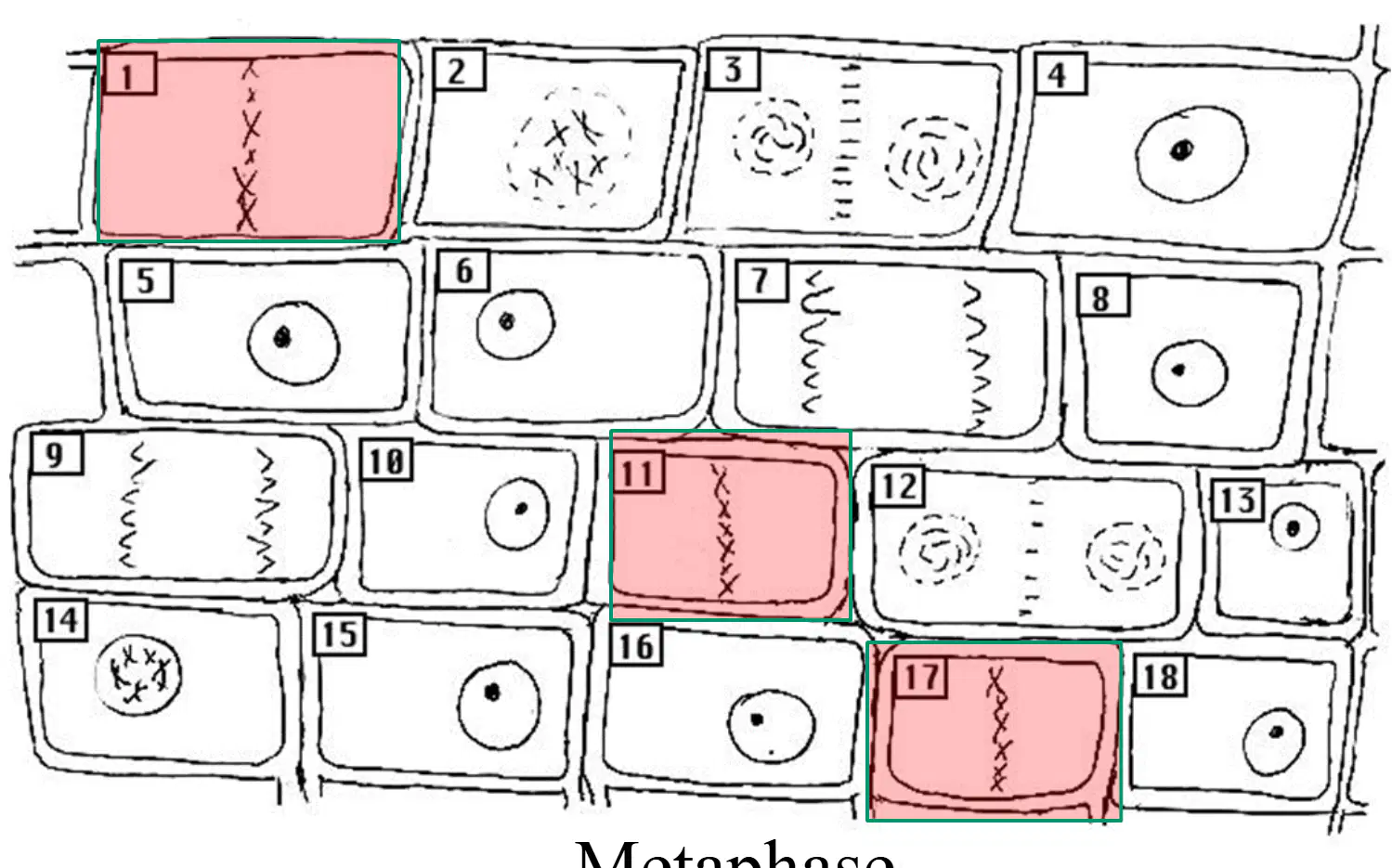
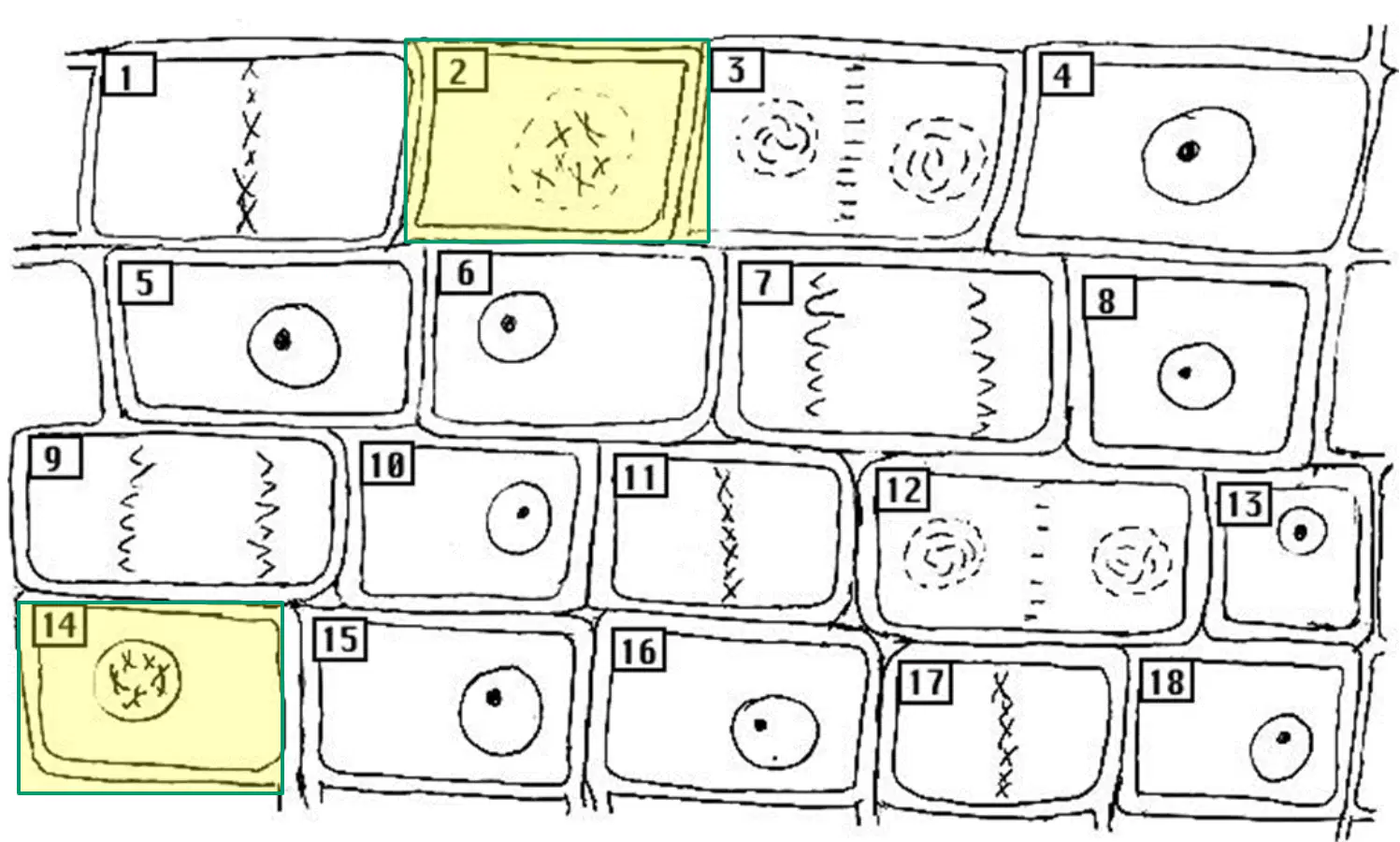
What phase of mitosis is depicted in the highlighted cells of the diagram?
Prophase
Metaphase
Anaphase
Telophase

What phase of mitosis is depicted in the provided diagram?
Prophase
Metaphase
Anaphase
Telophase

What phase of cell division is depicted in the provided diagram?
Prophase
Metaphase
Anaphase
Telophase
What is the phase of mitosis depicted in the provided diagram?
Metaphase
Anaphase
Prophase
Telophase