
 Worksheets
Unit 7: Meiosis Study Questions-Malone
Total questions: 93
Worksheet time: 52mins
What is cell division?
A process by which 1 cell divides, forming 2 new cells.
A process by which 2 cells merge into 1.
A process by which cells stop dividing.
A process by which cells change shape.
Why is cell division necessary?
For both growth (mitosis) and reproduction (meiosis).
Only for growth.
Only for reproduction.
To stop cell growth.
What is the original cell called when a cell divides?
Parent cell
Mother cell
Sibling cell
Ancestor cell
What are the new cells called after a cell divides?
Parent cells
Daughter cells
Offspring cells
Child cells
What are the 2 types of asexual cell reproduction?
Mitosis and binary fission
Meiosis and fertilization
Budding and meiosis
Conjugation and mitosis
What is sexual reproduction?
It involves a single cell dividing to form two identical cells.
It involves two cells joining to make a new cell that is identical to the original cells.
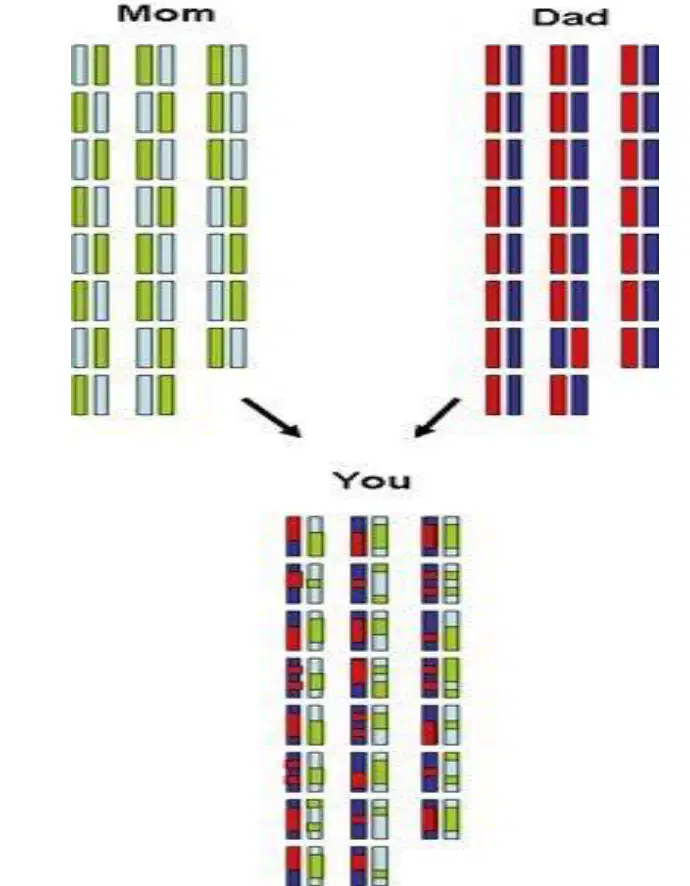
It involves two cells (egg & sperm) joining to make a new cell (zygote) that is not identical to the original cells.
It involves the replication of DNA within a single cell.
Which of the following is an example of sexual reproduction?
Mitosis
Meiosis
Binary fission
Budding
What is meiosis?
A type of asexual reproduction that increases chromosome number
A process that reduces the chromosome number by half in new cells
A method of cell division that maintains the chromosome number
A form of reproduction that doubles the chromosome number
Which of the following are examples of cells produced by meiosis?
Skin cells
Muscle cells
Gametes or sex cells
Blood cells
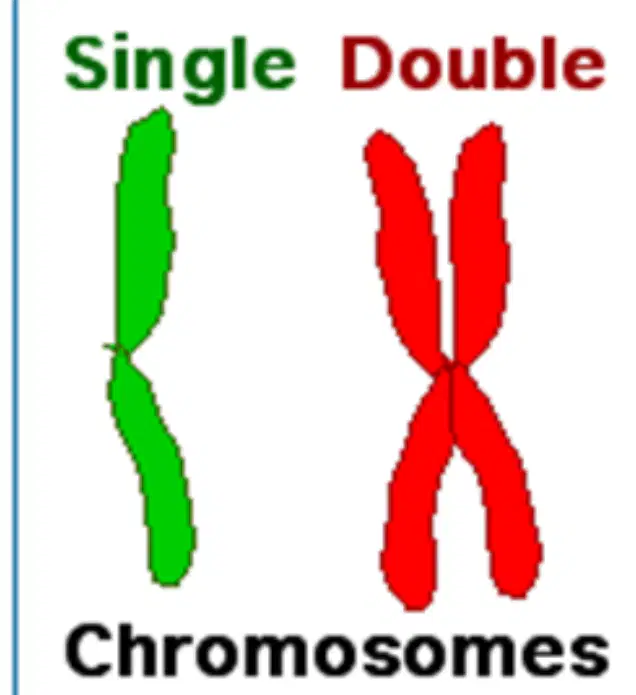
What are the two ways chromosomes can appear?
Single and Double
Triple and Quadruple
Circular and Linear
Paired and Unpaired
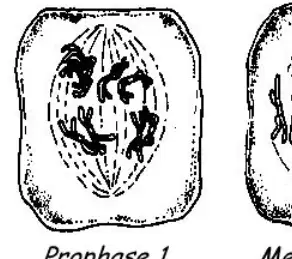
What is the primary purpose of meiosis?
To create identical body cells
To create gametes (sperm cells or egg cells)
To repair damaged tissues
To produce energy for the cell
Why is Meiosis called reductive division?
Because it forms cells with double the number of chromosomes as the parent cell.
Because it forms cells containing half the number of chromosomes as the parent cell.
Because it forms cells with the same number of chromosomes as the parent cell.
Because it forms cells with no chromosomes.
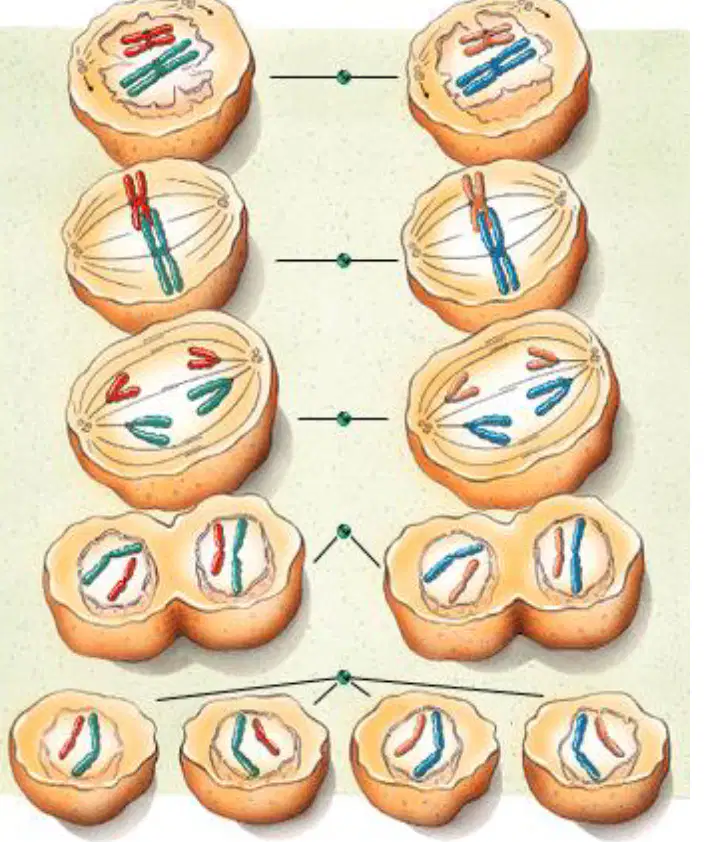
How many cells does Meiosis produce?
2 daughter cells that are each diploid.
4 daughter cells that are each haploid.
3 daughter cells that are each haploid.
4 daughter cells that are each diploid.
What does Diploid mean?
Cells with half the normal number of chromosomes
Cells with the normal number of homologous chromosomes
Cells that are only found in gametes
Cells with no chromosomes
What does Haploid mean?
Cells with the normal number of homologous chromosomes
Cells with double the normal number of chromosomes
Cells with half the normal number of chromosomes
Cells with no chromosomes
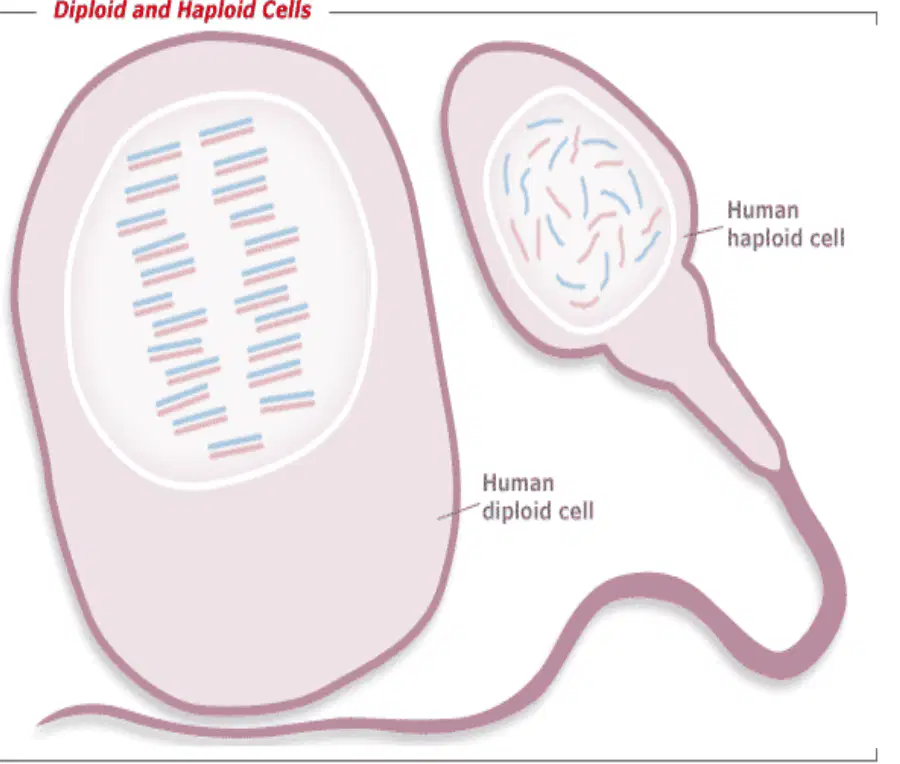
How many chromosomes do human sperm and egg cells have?
23 chromosomes
46 chromosomes
12 chromosomes
34 chromosomes
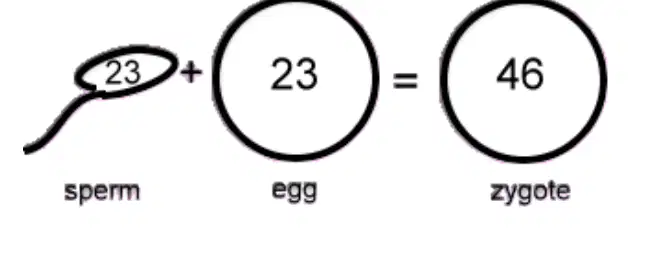
How are traits passed from parents to offspring?
Through body cells
By Gametes (Sex Cells or Germ Cells)
By blood transfusion
Through skin contact
What is the chromosome count in a zygote formed by the fusion of an egg and a sperm cell?
23 chromosomes
46 chromosomes
69 chromosomes
92 chromosomes
Which cells are responsible for passing traits from males to offspring?
Egg cells
Skin cells
Sperm cells
Blood cells
What happens when an egg cell and a sperm cell join?
They form a cell with 23 chromosomes
They form a cell with 46 chromosomes
They form two separate cells
They do not combine
Meiosis is divided into how many parts?
1
2
3
4
What are the two parts of Meiosis?
Prophase and Metaphase
Anaphase and Telophase
First meiotic Division (Meiosis I) and Second Meiotic Division (Meiosis II)
Interphase and Cytokinesis
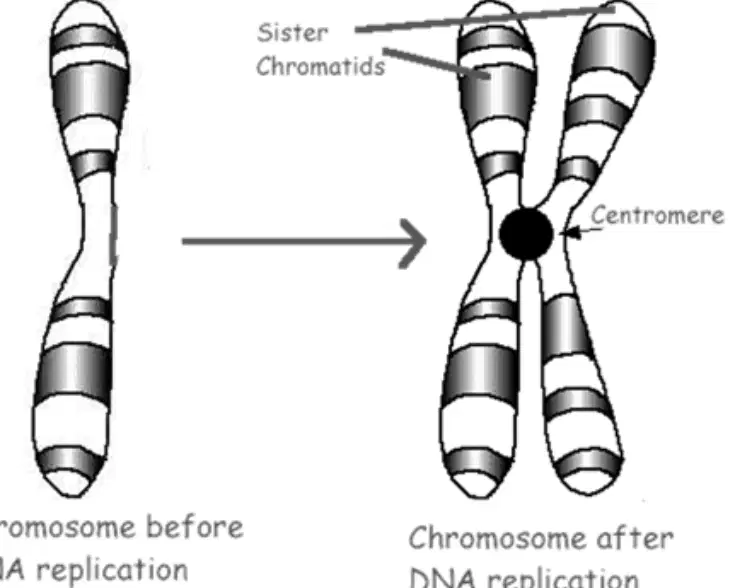
What happens during Interphase of Meiosis I?
DNA doubles or replicates during S phase.
Chromosomes are divided into two cells.
The cell undergoes cytokinesis.
Chromosomes align at the cell equator.
Meiosis I is divided into how many phases?
3 phases
4 phases
5 phases
6 phases
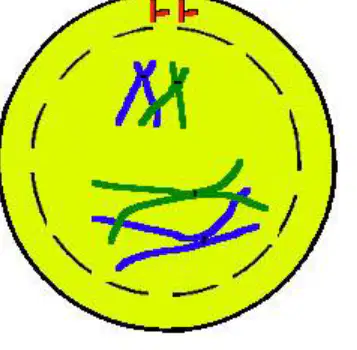
What are the phases of Meiosis I?
Prophase I, Metaphase I, Anaphase I, Telophase I
Interphase, Prophase, Metaphase, Anaphase
Prophase II, Metaphase II, Anaphase II, Telophase II
Interphase, Cytokinesis, Metaphase, Telophase
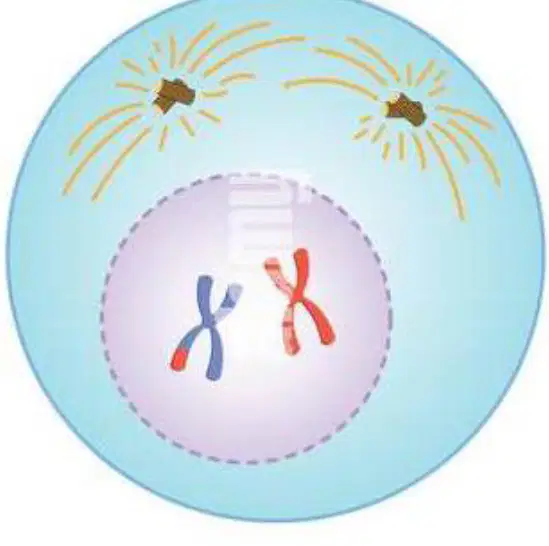
What is Prophase I in Meiosis?
The 1st, longest, and most complex phase of Meiosis I (90%).
The final phase of Meiosis I.
The shortest phase of Meiosis I.
A phase that occurs after Meiosis II.
What happens to chromosomes during Prophase I?
Chromosomes condense
Chromosomes dissolve
Chromosomes split into chromatids
Chromosomes remain unchanged
Which structures disappear during Prophase I?
Nuclear membrane and nucleolus
Centrioles and spindle fibers
Chromosomes and tetrads
Aster fibers and spindle fibers
What forms during Prophase I?
Spindle
Cell wall
Ribosomes
Mitochondria
What occurs to chromosomes during Prophase I in terms of synapsis?
Chromosomes coil and synapsis (pairing) occurs
Chromosomes uncoil and separate
Chromosomes dissolve and disappear
Chromosomes remain static
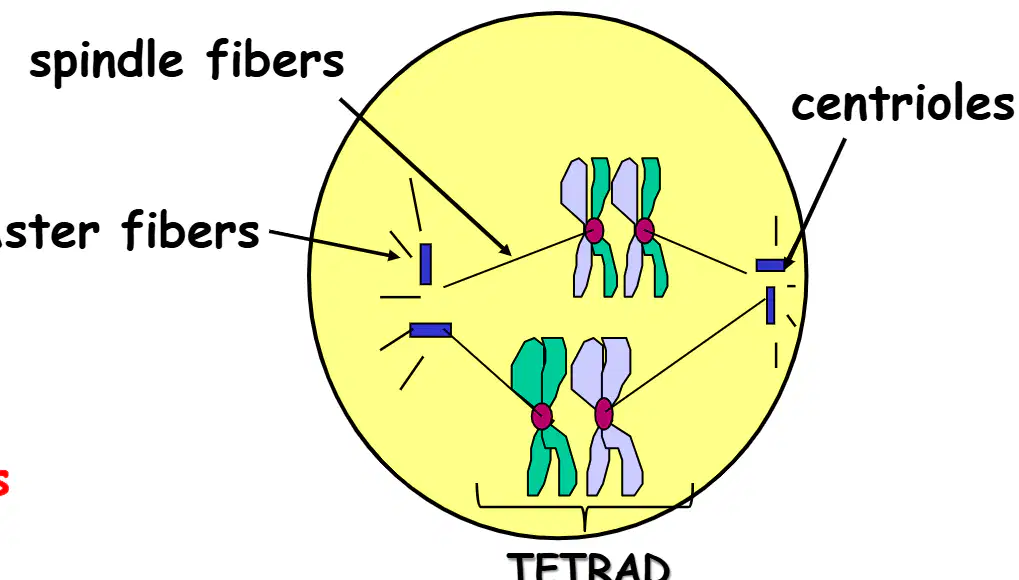
What forms and occurs during Prophase I that involves crossing over?
Tetrads form and crossing over occurs
Chromatids form and separate
Centrioles form and dissolve
Nucleolus forms and disappears
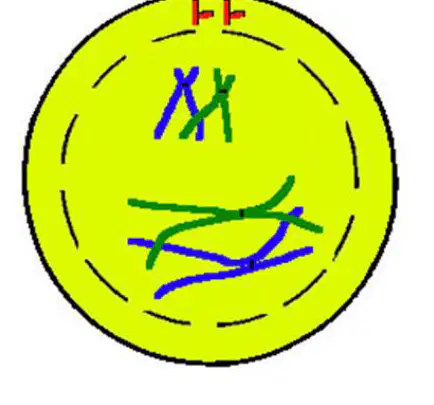
What is synapsis?
The process of DNA replication
The pairing of homologous chromosomes to form a tetrad
The division of the cell nucleus
The separation of sister chromatids
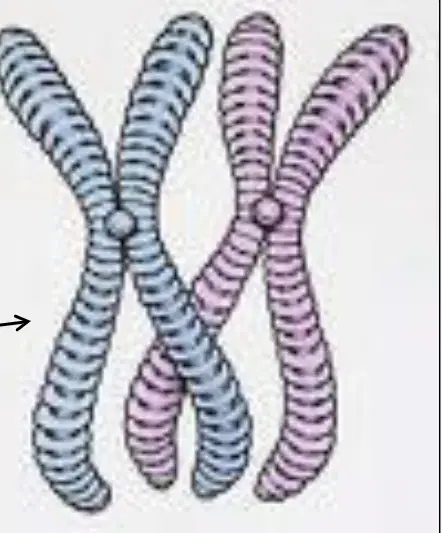
What is a tetrad in the context of synapsis?
A single chromosome
Two doubled chromosomes or four chromatids
A pair of sister chromatids
A single chromatid
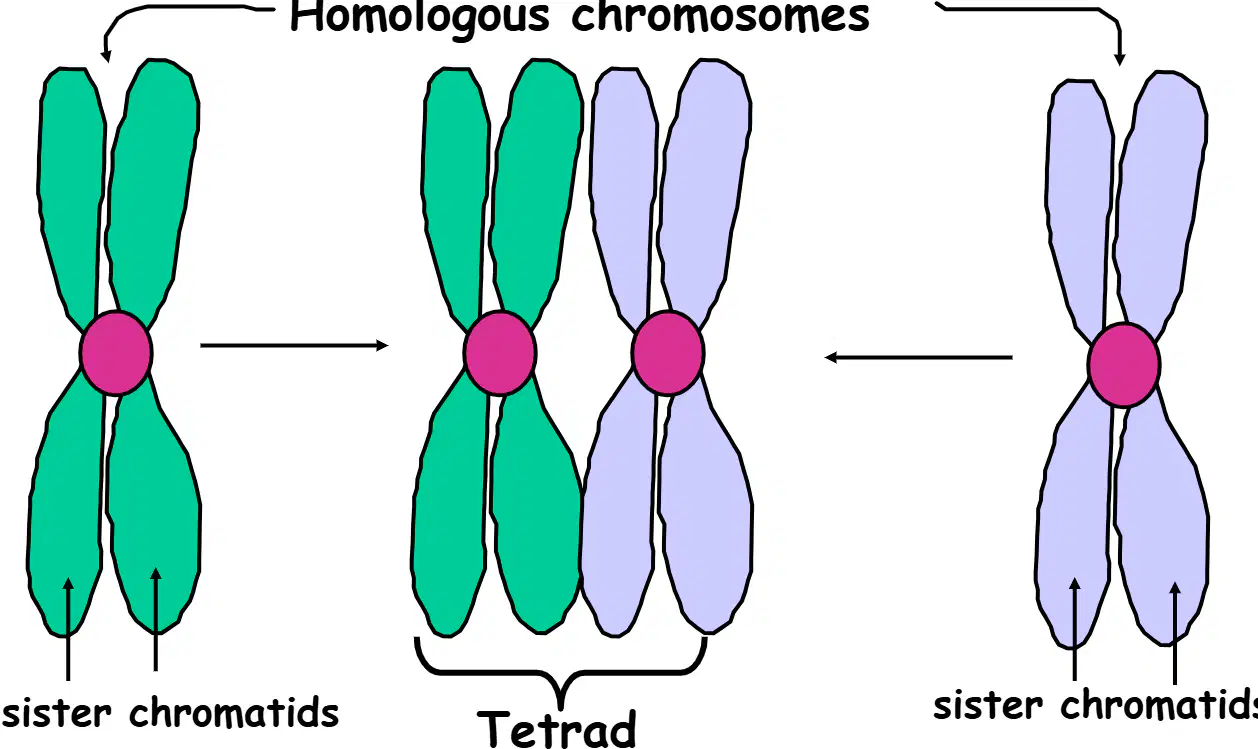
What does synapsis look like?
Two homologous chromosomes pairing to form a tetrad
A single chromosome replicating into sister chromatids
Chromosomes aligning randomly in the cell
Chromosomes separating into daughter cells
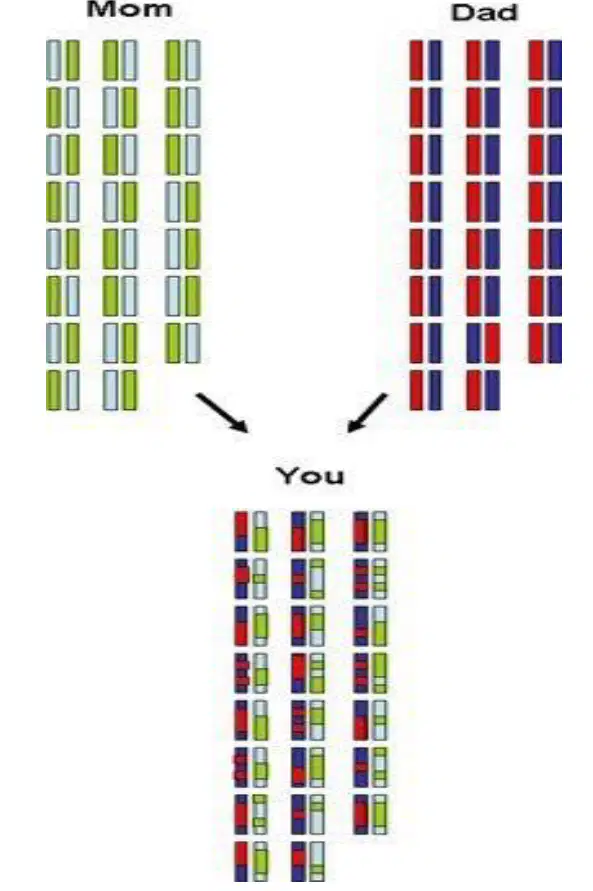
What is crossing over in genetics?
The process where sister chromatids exchange genetic material.
The process where non-sister chromatids break off and swap places with another non-sister chromatid.
The process where chromosomes duplicate themselves.
The process where genes are deleted from chromosomes.
What is the role of chiasmata in crossing over?
Chiasmata are where sister chromatids duplicate.
Chiasmata are where non-sister chromosomes touch each other and exchange genes.
Chiasmata are where chromosomes are deleted.
Chiasmata are where genes are synthesized.
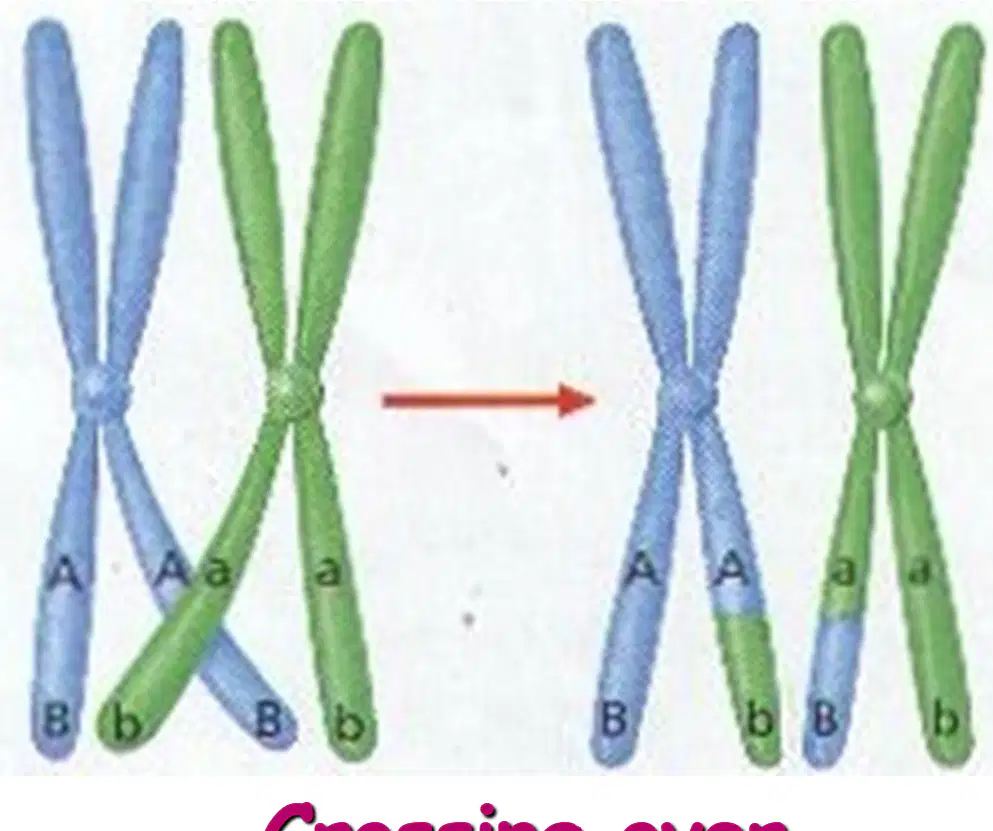
What does crossing over look like?
Chromosomes aligning side by side without exchanging segments.
Chromosomes exchanging segments of genetic material.
Chromosomes duplicating without any exchange.
Chromosomes breaking apart completely.
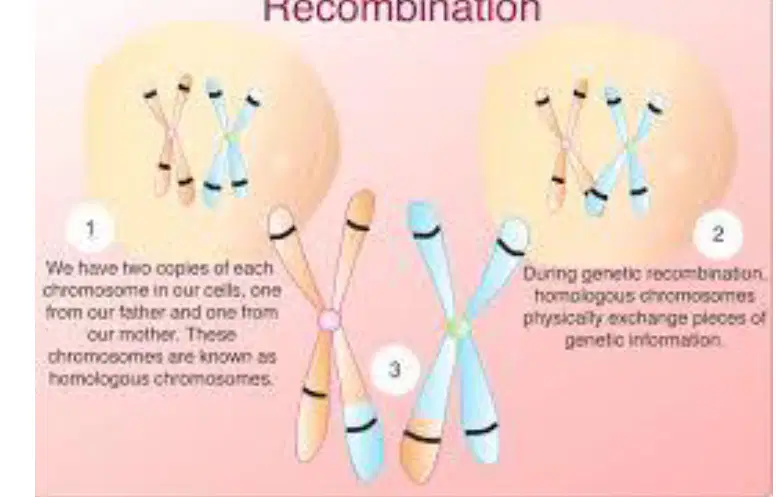
What are the results of Crossing Over?
Genetic Recombination
Genetic Mutation
Genetic Isolation
Genetic Duplication
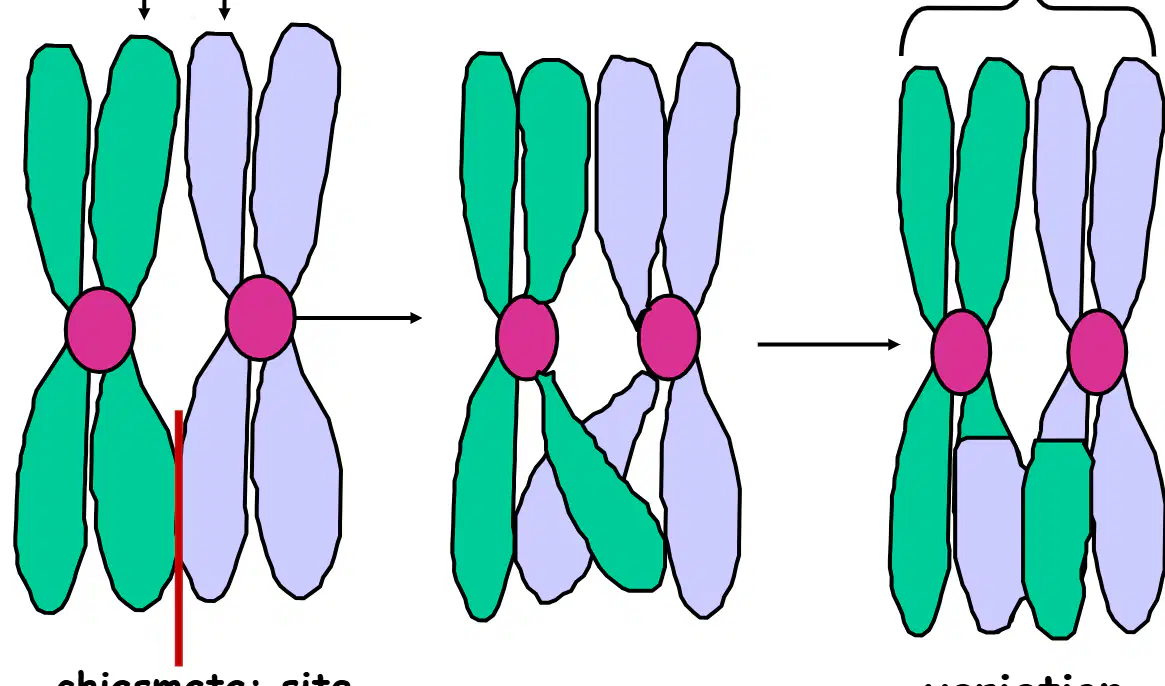
What is the site of crossing over in genetic recombination called?
Centromere
Chiasmata
Telomere
Chromatid
In the process of genetic recombination, what structure is formed by the pairing of homologous chromosomes?
Tetrad
Dyad
Monad
Triad
What is Metaphase I?
It is the longest phase of Meiosis I, when chromosomes line up in the middle of the cell.
It is the shortest phase of Meiosis I, when chromosomes line up in the middle of the cell.
It is the phase of Meiosis I, when chromosomes line up at the poles of the cell.
It is the phase of Meiosis I, when chromosomes are randomly distributed in the cell.
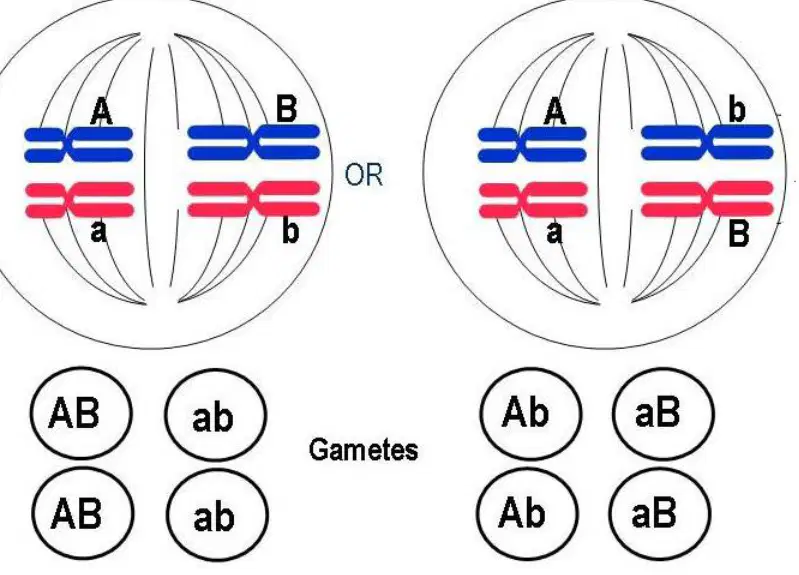
What happens in Metaphase I?
Chromosomes align at the poles of the cell.
Tetrads align on the equator randomly, and independent assortment occurs causing genetic recombination.
Chromosomes are duplicated and align at the equator.
Tetrads align at the equator in a fixed order, and no genetic recombination occurs.
What is Anaphase I of Meiosis?
The 1st stage of Meiosis I, where homologous chromosomes pair up
The 2nd stage of Meiosis I, where chromosomes line up at the equator
The 3rd stage of Meiosis I, where homologous chromosomes are pulled away from each other
The final stage of Meiosis I, where the cell divides into two
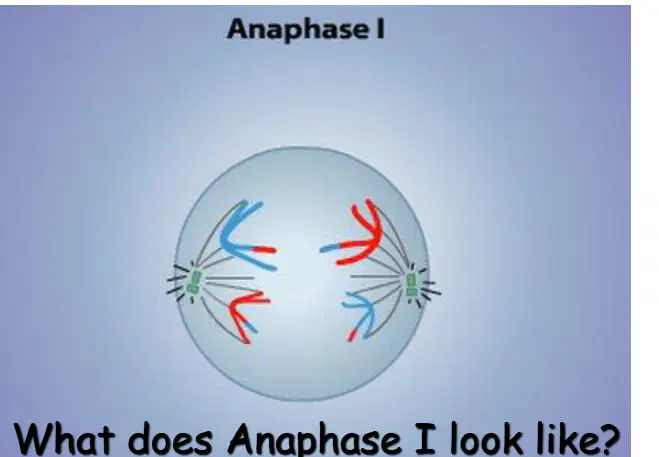
What happens to homologous chromosomes during Anaphase?
They pair up and exchange genetic material
They separate and move towards the poles
They line up at the equator of the cell
They remain attached at their centromeres
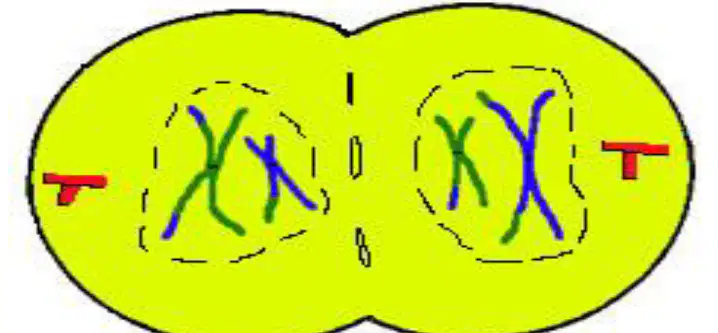
What happens to the nuclear membrane during Telophase I?
It dissolves completely.
It reforms around each set of chromosomes.
It becomes thicker and more rigid.
It splits into two separate membranes.
What is the chromosome number in each set after Telophase I?
Haploid (n)
Triploid (3n)
Diploid (2n)
Tetraploid (4n)
What process occurs after Telophase I to form daughter cells?
Meiosis
Cytokinesis
Mitosis
Apoptosis
How many diploid daughter cells are formed at the end of Telophase I?
1
2
3
4
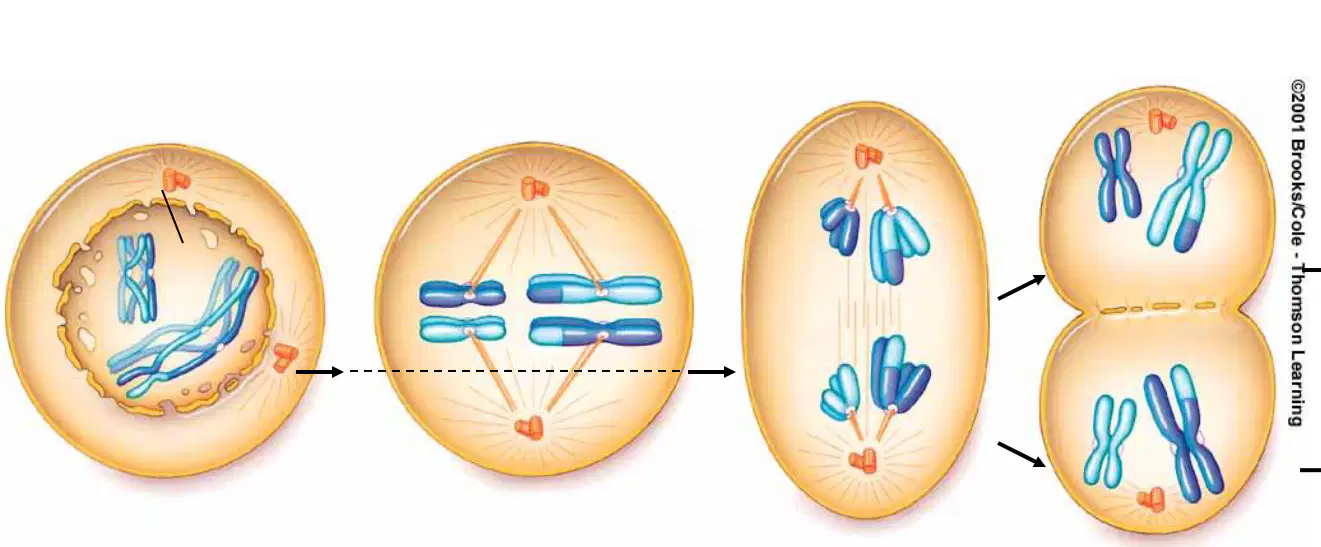
What is the first phase of Meiosis I where homologous chromosomes pair and exchange segments?
Metaphase I
Anaphase I
Prophase I
Telophase I

During which phase of Meiosis I do homologous chromosomes align at the equatorial plate?
Prophase I
Metaphase I
Anaphase I
Telophase I

In which phase of Meiosis I do homologous chromosomes separate and move toward opposite poles?
Telophase I
Metaphase I
Anaphase I
Prophase I
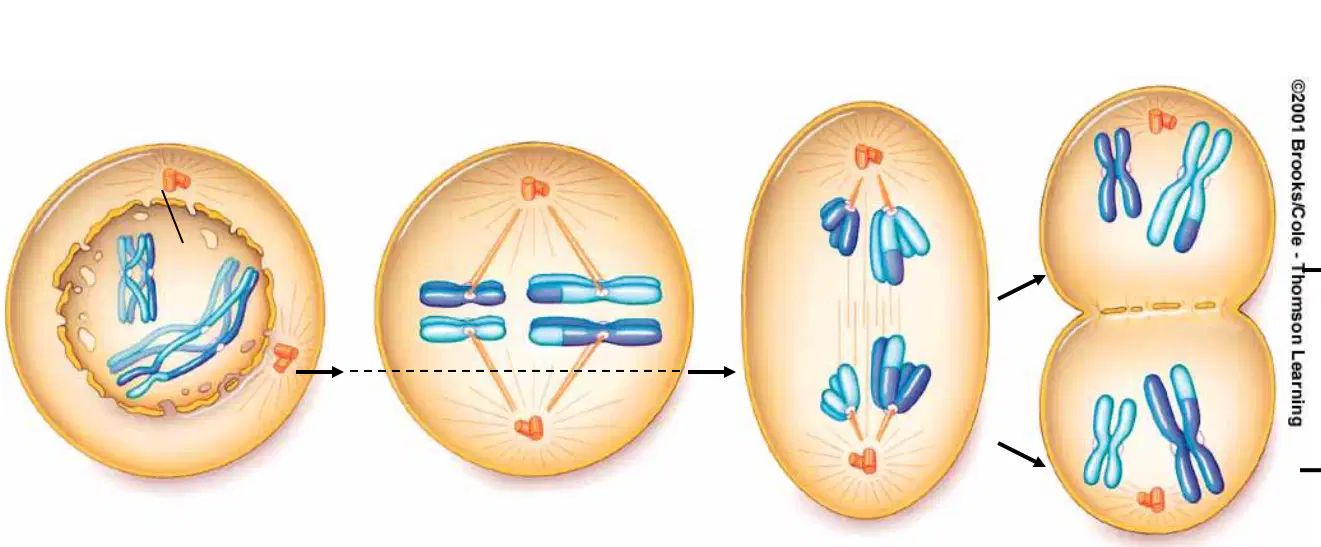
What is the final phase of Meiosis I where the cell divides into two haploid cells?
Anaphase I
Metaphase I
Prophase I
Telophase I
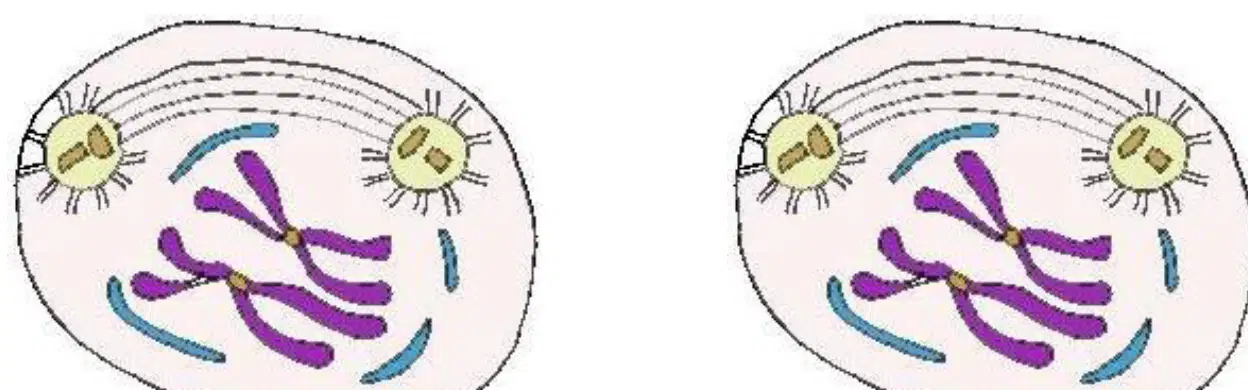
What is the main characteristic of Meiosis II that differentiates it from Meiosis I?
It involves DNA replication.
It is the first nuclear division.
It starts with two cells made by Meiosis I.
It includes an Interphase II.
Why does Meiosis II not include an S phase?
Because it is similar to mitosis.
Because DNA replication occurs in Meiosis I.
Because it is the first nuclear division.
Because it starts with four cells.
How is Meiosis II similar to mitosis?
Both involve DNA replication.
Both are the first nuclear division.
Both do not have an S phase.
Both start with one cell.
What is Prophase II?
Same as Prophase in mitosis
Different from Prophase in mitosis
Occurs before Prophase I
Involves DNA replication
What happens in Prophase II?
Nuclear membrane & nucleolus disappear, chromosomes condense, spindle forms
Chromosomes replicate, nuclear membrane forms, spindle disappears
Chromosomes align at the center, nuclear membrane reforms, spindle dissolves
Chromosomes separate, nuclear membrane dissolves, spindle forms
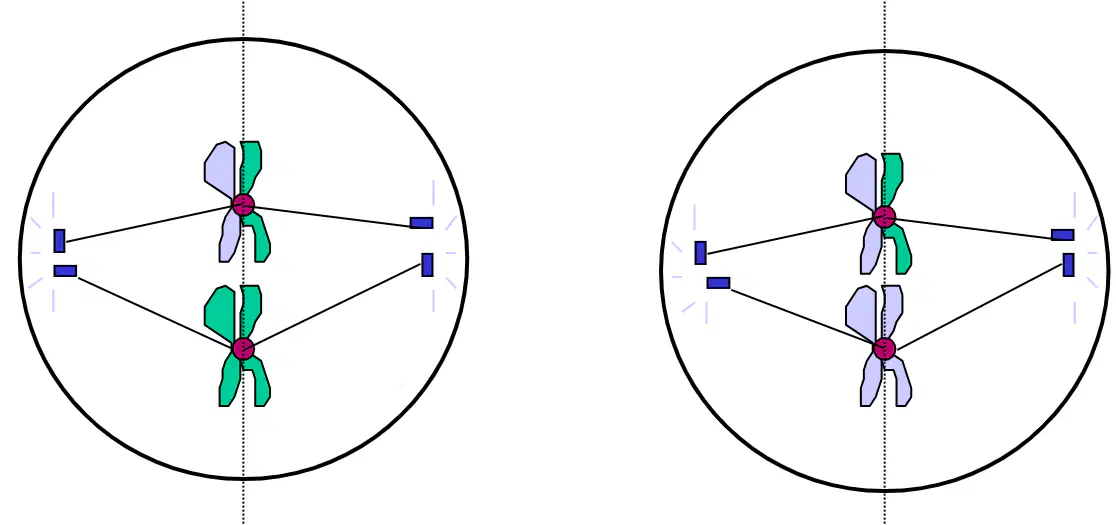
What is Metaphase II?
Same as Metaphase in mitosis
Chromosomes pair up with homologs
Chromosomes are pulled apart to opposite poles
Cell membrane starts to pinch in
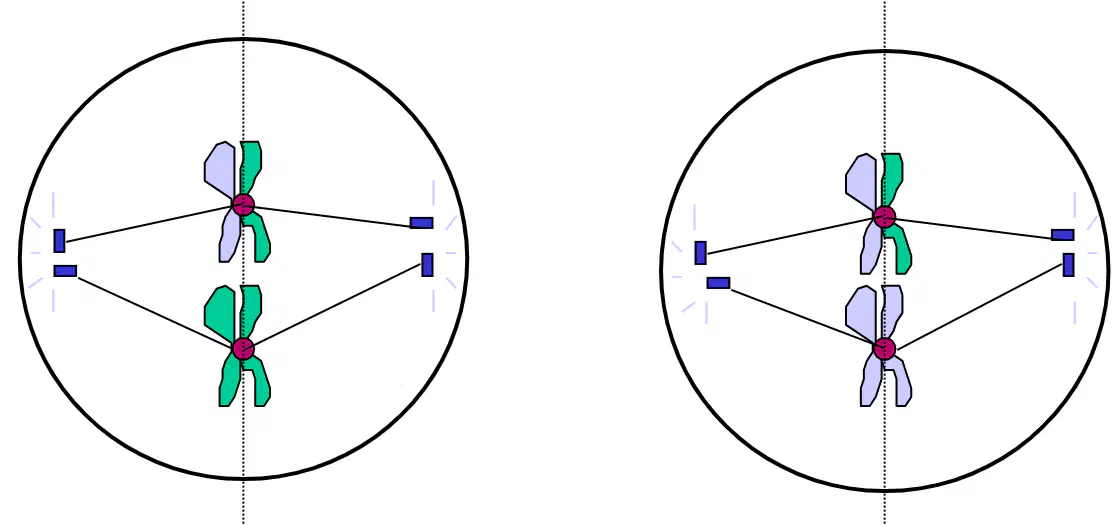
What happens in Metaphase II?
Chromosomes (not homologs) line up at equator
Homologous chromosomes pair up
Chromosomes are duplicated
Nuclear envelope reforms
What is Anaphase II?
Same as Anaphase in mitosis
Different from Anaphase in mitosis
Involves the pairing of homologous chromosomes
Occurs before Metaphase II
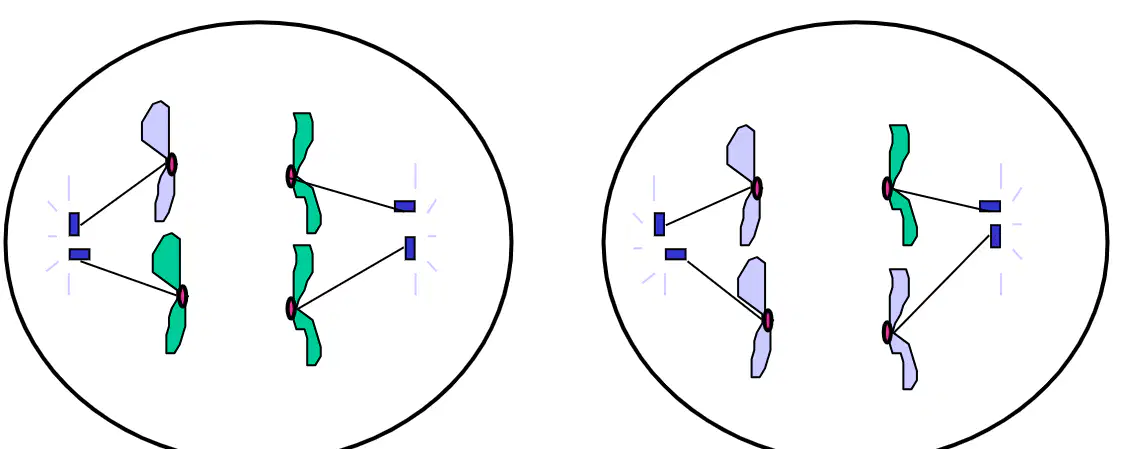
What happens in Anaphase II?
Homologous chromosomes pair up
Sister chromatids separate
Chromosomes condense
Nuclear envelope reforms
What happens in Telophase II?
Nuclear membrane and nucleolus reform, spindle disappears
Chromosomes align at the cell equator
DNA replication occurs
Cell membrane forms around each set of chromosomes
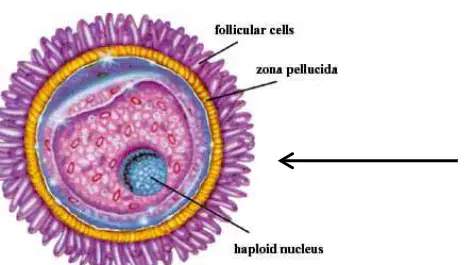
What happens during cytokinesis in meiosis?
Two diploid daughter cells are produced.
Four haploid daughter cells are produced.
Two haploid daughter cells are produced.
Four diploid daughter cells are produced.
What are the new cells called that are produced during cytokinesis in meiosis?
Zygotes
Somatic cells
Gametes
Embryos
What is the result of a sperm cell fertilizing an egg cell?
A haploid zygote
A diploid zygote
A triploid zygote
A tetraploid zygote

What is the main characteristic of Meiosis II as shown in the diagram?
DNA replication occurs between the two divisions.
There is no DNA replication between the two divisions.
Chromosomes are duplicated twice.
Cells remain in a single division phase.

During which phase of Meiosis II do the sister chromatids separate?
Prophase II
Metaphase II
Anaphase II
Telophase II

In which phase of Meiosis II do the chromosomes align at the cell's equator?
Prophase II
Metaphase II
Anaphase II
Telophase II
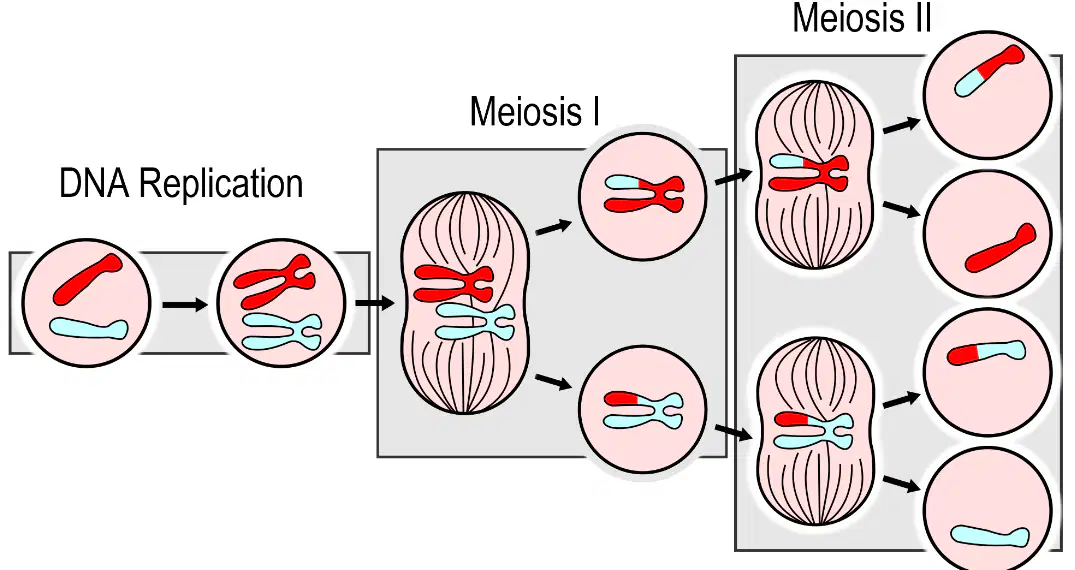
What is the result of meiosis?
Formation of two identical cells with the same number of chromosomes as the original cell.
Formation of four unique cells, each with a new assortment of genes and half the number of original chromosomes.
Formation of four identical cells, each with the same number of chromosomes as the original cell.
Formation of two unique cells, each with a new assortment of genes and the same number of chromosomes as the original cell.
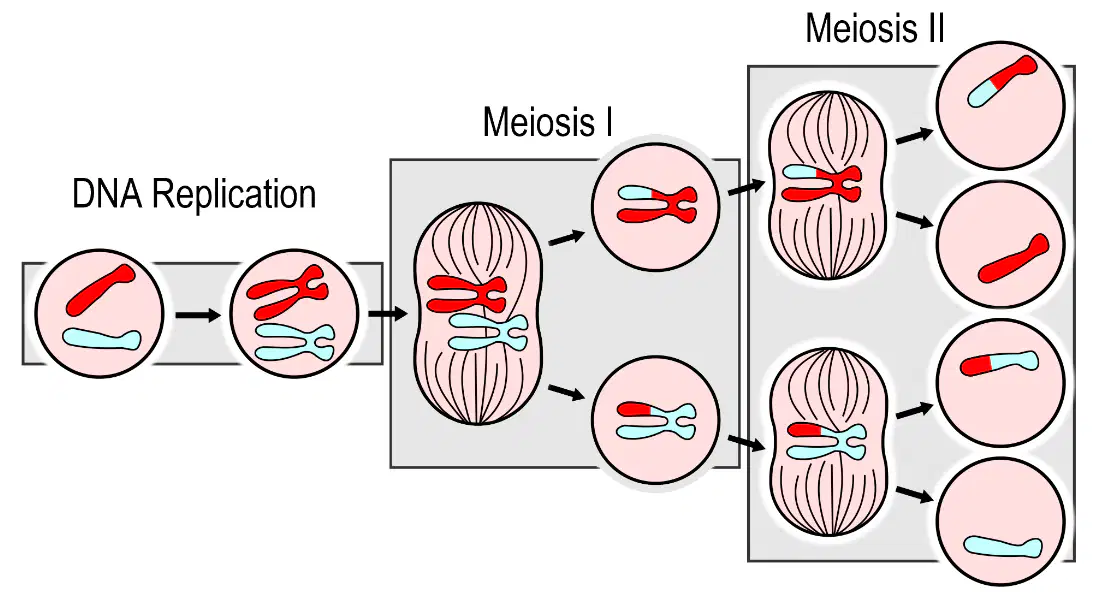
What are the results of meiosis?
Gametes (Sperm & Egg cells)
Somatic cells
Identical daughter cells
Haploid zygotes
What is the production of gametes called?
Gametogenesis
Meiosis
Fertilization
Mitosis
What are the two kinds of gametogenesis?
Spermatogenesis and Oogenesis
Mitosis and Meiosis
Fertilization and Implantation
Pollination and Germination

What does the process of spermatogenesis produce?
Egg cells in the ovaries of a female
Sperm cells in the testes of a male
Red blood cells in the bone marrow
White blood cells in the lymph nodes
What are the sex chromosomes for males and females?
Male = XX, Female = XY
Male = XY, Female = XX
Male = YY, Female = XX
Male = XX, Female = YY
Which chromosome is smaller, the X or the Y chromosome?
X chromosome
Y chromosome
Both are the same size
Neither, they are not comparable
During meiosis, what happens to the chromosome number in sperm cells?
It doubles
It remains the same
It is split in half
It triples
What chromosome do all egg cells carry?
Y chromosome
X chromosome
Both X and Y chromosomes
No chromosome
What determines an organism's sex?
Its environment
Its diet
Its chromosomes
Its age
What are the chromosomes called that determine sex?
Autosomes
Somatic chromosomes
Sex chromosomes
Homologous chromosomes
Which chromosome is found only in male cells?
X chromosome
Y chromosome
Z chromosome
W chromosome
Which chromosome is found in both male and female cells?
Y chromosome
Z chromosome
X chromosome
W chromosome
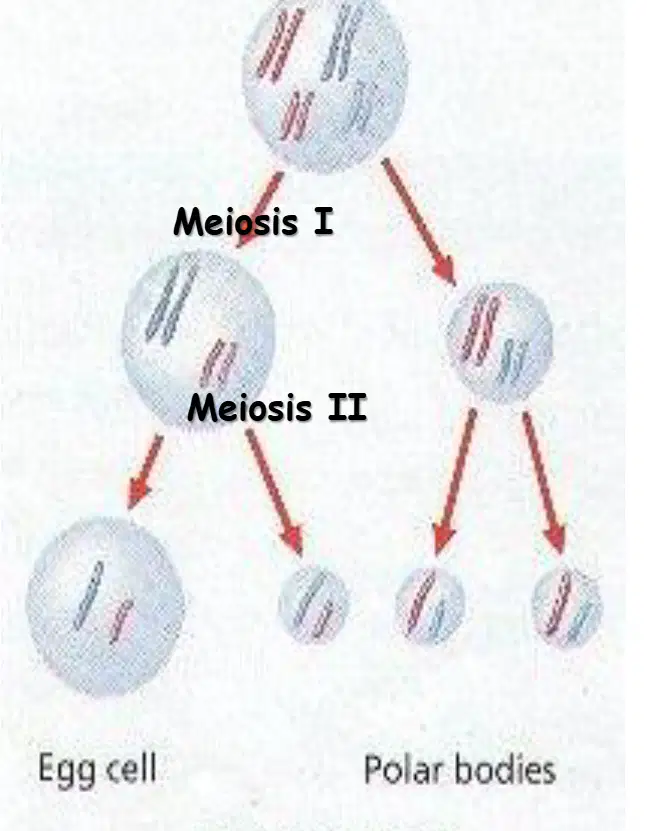
What does the process of oogenesis produce?
Sperm cells
Egg cells
Red blood cells
White blood cells

A student claims that the DNA in a daughter cell is different than a parent cell. Using the diagram below, which statement supports the student's claim?
Process X is Meiosis and Process Y is Cell Differentiation
Process X is Mitosis and Process Y is Cell Differentiation
Process X is Cell Differentiation and Process Y is Mitosis
Process X is Cell Differentiation and Process Y is Meiosis
Which of the following are produced through cellular meiosis?
two genetically identical diploid cells
four genetically identical diploid cells
two genetically different haploid cell
four genetically different haploid cells
Which statement best describes the significance of the process?

This image shows (a) We know this because (b) daughter cells are formed, and each daughter cell has (c) chromosomes as the parent cell.

Match the following

1 Prophase

2 Metaphase

3 Anaphase

4 Telophase
Label the stages of Meiosis 1.
Telophase 1
Prophase 1
Anaphase 1
Metaphase 1
Which cell-division process is mitosis?

Mitosis is the division of (a) cells.
Meiosis is the division of (b) cells.
Mitosis
Makes skin cells
Meiosis
Makes gametes (sperm & egg)
Asexual Reproduction
1 parent
Sexual Reproduction
2 parents
Meiosis
cell division in all sexually reproducing organisms that produces spores or gametes
Crossing Over
exchange of genetic material during sexual reproduction between two homologous chromosomes
Independant Assortment
separation of the alleles of one gene into the reproductive cells (gametes) independently
Match the following description with its correct phase of meiosis
Homologous chromosomes line up in the center of the cell
metaphase I
Spindle fibers pull homologous pairs to ends of the cell
anaphase I
4 haploid daughter cells form
telophase II
Sister chromatids separate from each other
anaphase II
Crossing-over (if any) occurs
prophase I

