
 Worksheets
MTL2 Site Prep Learning Outcome 7
Total questions: 9
Worksheet time: 5mins
Why is careful planning important when installing surface mounted pipework?
To reduce the cost of materials
To avoid using any clips or brackets
To ensure the pipework is neat and unobtrusive
To allow for more joints in the system
What is the purpose of sleeving pipework through masonry walls?
To improve water pressure
To reduce installation time
To prevent abrasion and allow for movement
To hide the pipework from view
Which method is used to prevent the spread of fire where pipework passes between floors?
Copper saddle clips
Plastic stand-off clips
Intumescent collars or sealant
Pipe boxing
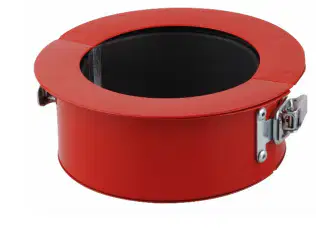
What is this?
intumescent collar
Pipe cover
Weather color
Cap end
Why must copper pipe be used within 1–1.5 metres of a gas boiler?
To reduce installation costs
To improve water pressure
To comply with manufacturer’s instructions
To prevent corrosion from plastic pipe
What is the purpose of a first fix in pipework installation?
Installing appliances and radiators
Painting and decorating the property
Installing main pipe runs before floors and ceilings
esting water pressure after installation
Which of the following is a key consideration when selecting pipework materials from drawings and plans?
The colour of the fittings
The customer’s favourite brand
The layout and routing of the pipework
The number of windows in the building
What should be done to plastic pipework concealed in walls to ensure it can be detected later?
Paint it red
Cover it with metallic tape
Leave it exposed
Use only copper pipe
Which of the following is a recommended safety practice when soldering fittings in a customer’s property?
Use a permanent marker to label joints
Solder all joints at the end of the job
Use a heat-proof mat or cooling gel
Apply solvent weld in confined spaces

