
 Worksheets
Sumatif 1_Great Athlete
Total questions: 50
Worksheet time: 33mins

Read the text carefully and answer the questions below!
Katie Holloway Bridge: A Champion Beyond the Court Katie Holloway Bridge is a celebrated American athlete, born in 1984, known for her outstanding achievements in sitting volleyball. As a member of the U.S. Women’s Sitting Volleyball Team, she has become a symbol of perseverance and excellence in adaptive sports. Despite being born with fibular hemimelia and undergoing a leg amputation at a young age, Katie has never let physical challenges define her limits. Instead, she has transformed them into sources of strength and inspiration. Katie’s career is decorated with multiple Paralympic medals, including golds from Rio 2016, Tokyo 2020, and Paris 2024, as well as silvers from Beijing 2008 and London 2012. Her powerful spikes and strategic gameplay have earned her titles such as Best Spiker and MVP in international tournaments. Off the court, Katie is deeply committed to advocacy for athletes with disabilities, often speaking at schools and events to promote inclusion and resilience. Her journey has been supported by a loving family who encouraged her independence and nurtured her competitive spirit. Katie believes in hard work, faith, and the power of community. She maintains a disciplined routine, balancing training, mentoring, and outreach work, all while radiating positivity and determination. Her story is not just about winning medals—it’s about lifting others and proving that strength comes from within.
1. Katie Holloway Bridge’s story highlights how personal challenges can be transformed into strengths. What broader lesson can students learn from her journey?
Disabilities always lead to sports achievements
Success depends mainly on family background
Limitations can be turned into opportunities for growth
Athletes with disabilities cannot compete at international levels
Winning medals is the only measure of success

Read the text carefully and answer the questions below!
Katie Holloway Bridge: A Champion Beyond the Court Katie Holloway Bridge is a celebrated American athlete, born in 1984, known for her outstanding achievements in sitting volleyball. As a member of the U.S. Women’s Sitting Volleyball Team, she has become a symbol of perseverance and excellence in adaptive sports. Despite being born with fibular hemimelia and undergoing a leg amputation at a young age, Katie has never let physical challenges define her limits. Instead, she has transformed them into sources of strength and inspiration. Katie’s career is decorated with multiple Paralympic medals, including golds from Rio 2016, Tokyo 2020, and Paris 2024, as well as silvers from Beijing 2008 and London 2012. Her powerful spikes and strategic gameplay have earned her titles such as Best Spiker and MVP in international tournaments. Off the court, Katie is deeply committed to advocacy for athletes with disabilities, often speaking at schools and events to promote inclusion and resilience. Her journey has been supported by a loving family who encouraged her independence and nurtured her competitive spirit. Katie believes in hard work, faith, and the power of community. She maintains a disciplined routine, balancing training, mentoring, and outreach work, all while radiating positivity and determination. Her story is not just about winning medals—it’s about lifting others and proving that strength comes from within.
2. Katie’s dedication to mentoring and outreach activities shows that…
She values inspiring others as much as achieving personal success
She sees advocacy as more important than athletic training
Her medals are less meaningful than her community service
Outreach is the only way for athletes to stay relevant
Mentoring replaces the need for professional competition

Read the text carefully and answer the questions below!
Katie Holloway Bridge: A Champion Beyond the Court Katie Holloway Bridge is a celebrated American athlete, born in 1984, known for her outstanding achievements in sitting volleyball. As a member of the U.S. Women’s Sitting Volleyball Team, she has become a symbol of perseverance and excellence in adaptive sports. Despite being born with fibular hemimelia and undergoing a leg amputation at a young age, Katie has never let physical challenges define her limits. Instead, she has transformed them into sources of strength and inspiration.
Katie’s career is decorated with multiple Paralympic medals, including golds from Rio 2016, Tokyo 2020, and Paris 2024, as well as silvers from Beijing 2008 and London 2012. Her powerful spikes and strategic gameplay have earned her titles such as Best Spiker and MVP in international tournaments. Off the court, Katie is deeply committed to advocacy for athletes with disabilities, often speaking at schools and events to promote inclusion and resilience. Her journey has been supported by a loving family who encouraged her independence and nurtured her competitive spirit. Katie believes in hard work, faith, and the power of community. She maintains a disciplined routine, balancing training, mentoring, and outreach work, all while radiating positivity and determination. Her story is not just about winning medals—it’s about lifting others and proving that strength comes from within.
3. If Katie had not received strong family support in her early years, what aspect of her career might have been most affected?
Her medals in Rio and Tokyo
Her independence and competitive spirit
Her ability to spike powerfully
Her chance to join the national team
Her physical health condition

Read the text carefully and answer the questions below!
Katie Holloway Bridge: A Champion Beyond the Court Katie Holloway Bridge is a celebrated American athlete, born in 1984, known for her outstanding achievements in sitting volleyball. As a member of the U.S. Women’s Sitting Volleyball Team, she has become a symbol of perseverance and excellence in adaptive sports. Despite being born with fibular hemimelia and undergoing a leg amputation at a young age, Katie has never let physical challenges define her limits. Instead, she has transformed them into sources of strength and inspiration.
Katie’s career is decorated with multiple Paralympic medals, including golds from Rio 2016, Tokyo 2020, and Paris 2024, as well as silvers from Beijing 2008 and London 2012. Her powerful spikes and strategic gameplay have earned her titles such as Best Spiker and MVP in international tournaments. Off the court, Katie is deeply committed to advocacy for athletes with disabilities, often speaking at schools and events to promote inclusion and resilience. Her journey has been supported by a loving family who encouraged her independence and nurtured her competitive spirit. Katie believes in hard work, faith, and the power of community. She maintains a disciplined routine, balancing training, mentoring, and outreach work, all while radiating positivity and determination. Her story is not just about winning medals—it’s about lifting others and proving that strength comes from within.
4. How does Katie’s disciplined routine (balancing training, mentoring, and outreach) reflect her belief system?
It shows that hard work and faith are unrelated to success
It illustrates the importance of time management and purpose
It suggests that medals are less important than routines
It indicates that only professional athletes can be disciplined
It proves that community work replaces athletic training

Read the text carefully and answer the questions below!
Katie Holloway Bridge: A Champion Beyond the Court Katie Holloway Bridge is a celebrated American athlete, born in 1984, known for her outstanding achievements in sitting volleyball. As a member of the U.S. Women’s Sitting Volleyball Team, she has become a symbol of perseverance and excellence in adaptive sports. Despite being born with fibular hemimelia and undergoing a leg amputation at a young age, Katie has never let physical challenges define her limits. Instead, she has transformed them into sources of strength and inspiration.
Katie’s career is decorated with multiple Paralympic medals, including golds from Rio 2016, Tokyo 2020, and Paris 2024, as well as silvers from Beijing 2008 and London 2012. Her powerful spikes and strategic gameplay have earned her titles such as Best Spiker and MVP in international tournaments. Off the court, Katie is deeply committed to advocacy for athletes with disabilities, often speaking at schools and events to promote inclusion and resilience. Her journey has been supported by a loving family who encouraged her independence and nurtured her competitive spirit. Katie believes in hard work, faith, and the power of community. She maintains a disciplined routine, balancing training, mentoring, and outreach work, all while radiating positivity and determination. Her story is not just about winning medals—it’s about lifting others and proving that strength comes from within.
5. Imagine you are tasked with writing a motivational article for young athletes. Which theme inspired by Katie’s life would be most impactful?
Sports are only for people without disabilities
Resilience and inclusion are keys to true achievement
Winning is more important than helping others
Family support has no influence on success
Medals are the ultimate goal of every athlete
Read the text to answer the questions below!
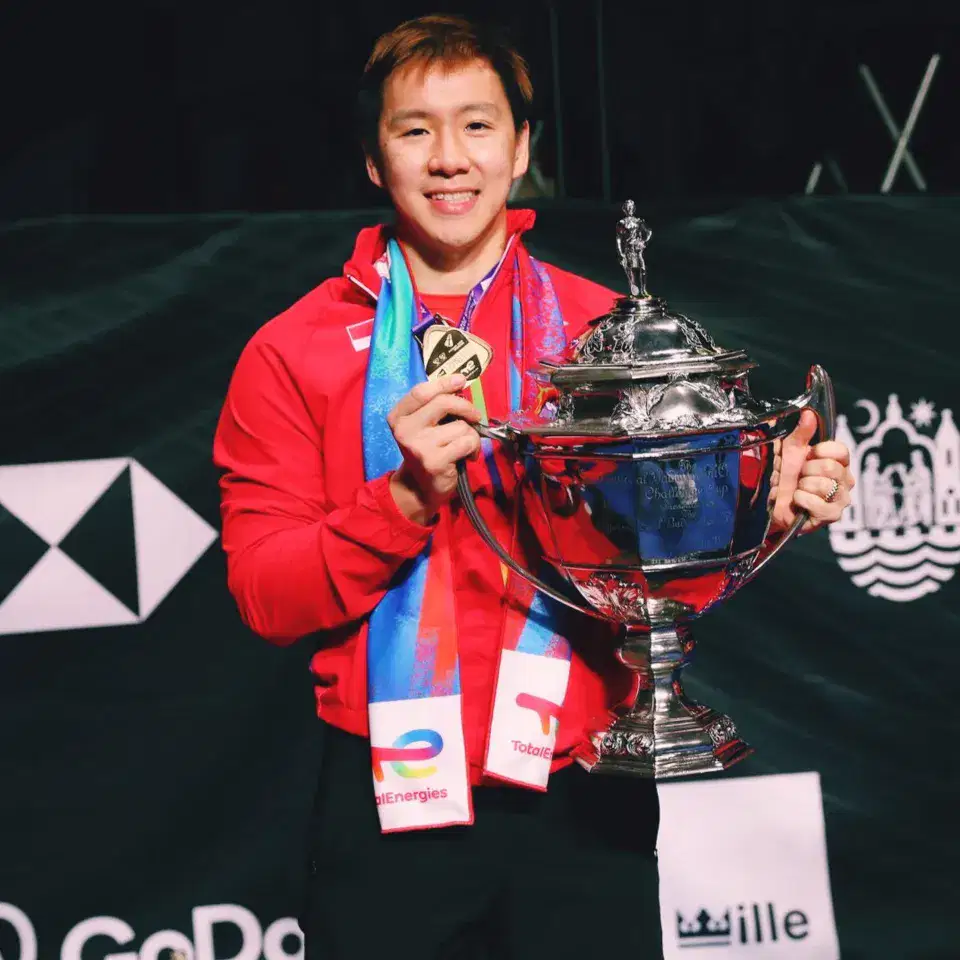
Marcus Fernaldi Gideon is a talented Indonesian badminton player. Born in Jakarta in 1991, he is now 34 years old. Known for his agility and speed on the court, Marcus has gained worldwide recognition as one of the top doubles players in the sport.
Besides his remarkable performance, Marcus is respected for his good deeds and values. He often donates to social causes and supports young athletes by giving free training sessions. His achievements include winning multiple international tournaments, such as the All England and Asian Games gold medal. Marcus strongly believes in discipline, perseverance, and humility, values that inspire many aspiring athletes across Indonesia and beyond.
6. What lesson can young athletes learn from Marcus’s belief in discipline, perseverance, and humility?
Athletes should focus only on winning medals
Training is more important than community service
Success depends only on talent and age
Values are as important as physical skills in achieving greatness
International recognition is the final goal of every athlete
Read the text to answer the questions below!
Marcus Fernaldi Gideon is a talented Indonesian badminton player. Born in Jakarta in 1991, he is now 34 years old. Known for his agility and speed on the court, Marcus has gained worldwide recognition as one of the top doubles players in the sport.
Besides his remarkable performance, Marcus is respected for his good deeds and values. He often donates to social causes and supports young athletes by giving free training sessions. His achievements include winning multiple international tournaments, such as the All England and Asian Games gold medal. Marcus strongly believes in discipline, perseverance, and humility, values that inspire many aspiring athletes across Indonesia and beyond.
7. If Marcus did not dedicate time to mentoring young athletes, what impact might it have on future badminton players?
They might lose an inspiring role model to learn from
They would still succeed without guidance
They would no longer enjoy the sport
They could achieve international fame faster
They might not need discipline in training
Read the text to answer the questions below!
Marcus Fernaldi Gideon is a talented Indonesian badminton player. Born in Jakarta in 1991, he is now 34 years old. Known for his agility and speed on the court, Marcus has gained worldwide recognition as one of the top doubles players in the sport.
Besides his remarkable performance, Marcus is respected for his good deeds and values. He often donates to social causes and supports young athletes by giving free training sessions. His achievements include winning multiple international tournaments, such as the All England and Asian Games gold medal. Marcus strongly believes in discipline, perseverance, and humility, values that inspire many aspiring athletes across Indonesia and beyond.
8. Which of the following best reflects Marcus’s role beyond being an athlete?
A competitor who cares only about medals
A badminton player who wins international tournaments
An athlete who focuses only on personal discipline
A public figure who uses his influence for social good
A sportsman who depends mainly on family support
Read the text to answer the questions below!
Marcus Fernaldi Gideon is a talented Indonesian badminton player. Born in Jakarta in 1991, he is now 34 years old. Known for his agility and speed on the court, Marcus has gained worldwide recognition as one of the top doubles players in the sport.
Besides his remarkable performance, Marcus is respected for his good deeds and values. He often donates to social causes and supports young athletes by giving free training sessions. His achievements include winning multiple international tournaments, such as the All England and Asian Games gold medal. Marcus strongly believes in discipline, perseverance, and humility, values that inspire many aspiring athletes across Indonesia and beyond.
9. How do Marcus’s achievements and social contributions complement each other?
His achievements reduce his focus on mentoring
His medals are more valuable than his community service
His good deeds are unrelated to his badminton career
His sporting success gives him a platform to inspire and help others
His victories make his donations unnecessary
Read the text to answer the questions below!
Marcus Fernaldi Gideon is a talented Indonesian badminton player. Born in Jakarta in 1991, he is now 34 years old. Known for his agility and speed on the court, Marcus has gained worldwide recognition as one of the top doubles players in the sport.
Besides his remarkable performance, Marcus is respected for his good deeds and values. He often donates to social causes and supports young athletes by giving free training sessions. His achievements include winning multiple international tournaments, such as the All England and Asian Games gold medal. Marcus strongly believes in discipline, perseverance, and humility, values that inspire many aspiring athletes across Indonesia and beyond.
10. Suppose you are writing an article about Marcus. Which theme would best capture the essence of his story?
. “Medals Are the Only Proof of Success”
“Talent Shines Brighter Without Hard Work
“The Power of Discipline, Service, and Sportsmanship”
“The Importance of Fame in Badminton”
“How Athletes Should Avoid Social Work”
Read the text and answer all of the questions by choosing more than one correct answers!
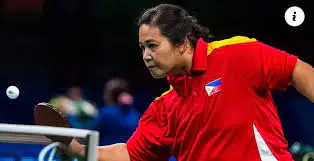
Josephine Medina was a remarkable Paralympic table tennis player from the Philippines. Born in 1970, she grew up with polio, which affected her legs. Despite her physical challenges, Josephine developed a strong interest in sports and trained hard to compete internationally.
Her career was filled with achievements and good deeds. She won a bronze medal at the 2016 Rio Paralympics, becoming the first Filipino table tennis player to win a Paralympic medal. Josephine also inspired many by mentoring young athletes with disabilities, showing them that discipline and courage can break barriers. She believed in perseverance, resilience, and using her success to encourage others never to give up on their dreams.
11. The word “remarkable” in paragraph 1 is closest in meaning to …
Ordinary
Extraordinary
Outstanding
Weak
Forgettable
Read the text and answer all of the questions by choosing more than one correct answers!
Josephine Medina was a remarkable Paralympic table tennis player from the Philippines. Born in 1970, she grew up with polio, which affected her legs. Despite her physical challenges, Josephine developed a strong interest in sports and trained hard to compete internationally.
Her career was filled with achievements and good deeds. She won a bronze medal at the 2016 Rio Paralympics, becoming the first Filipino table tennis player to win a Paralympic medal. Josephine also inspired many by mentoring young athletes with disabilities, showing them that discipline and courage can break barriers. She believed in perseverance, resilience, and using her success to encourage others never to give up on their dreams.
12. Which statements best describe Josephine Medina’s contribution to sports?
She trained young athletes with disabilities.
She became a coach for Olympic swimmers.
She won a bronze medal in Rio 2016.
She refused to participate in international games.
She focused only on her personal records.
Read the text and answer all of the questions by choosing more than one correct answers!
Josephine Medina was a remarkable Paralympic table tennis player from the Philippines. Born in 1970, she grew up with polio, which affected her legs. Despite her physical challenges, Josephine developed a strong interest in sports and trained hard to compete internationally.
Her career was filled with achievements and good deeds. She won a bronze medal at the 2016 Rio Paralympics, becoming the first Filipino table tennis player to win a Paralympic medal. Josephine also inspired many by mentoring young athletes with disabilities, showing them that discipline and courage can break barriers. She believed in perseverance, resilience, and using her success to encourage others never to give up on their dreams.
13. What can be inferred about Josephine’s values?
She believed fame was more important than values.
She valued perseverance and resilience.
She always encouraged others to give up quickly.
She wanted her story to inspire others.
She thought success only comes from luck.
Read the text and answer all of the questions by choosing more than one correct answers!
Josephine Medina was a remarkable Paralympic table tennis player from the Philippines. Born in 1970, she grew up with polio, which affected her legs. Despite her physical challenges, Josephine developed a strong interest in sports and trained hard to compete internationally.
Her career was filled with achievements and good deeds. She won a bronze medal at the 2016 Rio Paralympics, becoming the first Filipino table tennis player to win a Paralympic medal. Josephine also inspired many by mentoring young athletes with disabilities, showing them that discipline and courage can break barriers. She believed in perseverance, resilience, and using her success to encourage others never to give up on their dreams.
14. Which of the following show that Josephine overcame challenges?
She lived with polio but pursued sports.
She stopped training because of her disability.
She became the first Filipino Paralympic medalist in table tennis.
She avoided international competitions.
She chose entertainment over athletics.
Read the text and answer all of the questions by choosing more than one correct answers!
Josephine Medina was a remarkable Paralympic table tennis player from the Philippines. Born in 1970, she grew up with polio, which affected her legs. Despite her physical challenges, Josephine developed a strong interest in sports and trained hard to compete internationally.
Her career was filled with achievements and good deeds. She won a bronze medal at the 2016 Rio Paralympics, becoming the first Filipino table tennis player to win a Paralympic medal. Josephine also inspired many by mentoring young athletes with disabilities, showing them that discipline and courage can break barriers. She believed in perseverance, resilience, and using her success to encourage others never to give up on their dreams.
15. In the text, the word “Paralympic” most closely refers to …
A local competition for athletes in Southeast Asia
An international multi-sport event for athletes with disabilities
A small tournament for table tennis players in the Philippines
A global sports event held parallel to the Olympics
A festival to celebrate Olympic champions

Read the text and answer all of the questions by choosing more than one correct answers!
Novak Djokovic, born in Belgrade in 1987, is widely regarded as one of the greatest tennis players in history. From a very young age, Djokovic demonstrated extraordinary talent and discipline, training under challenging circumstances in war-torn Serbia. His early experiences not only shaped his resilience but also instilled in him a relentless drive to succeed at the highest level of international sport.
Djokovic’s career is characterized by record-breaking achievements and consistent dominance on the tennis court. He has secured more than 20 Grand Slam titles, including victories at Wimbledon, the US Open, and the Australian Open, making him a symbol of excellence in modern tennis. Beyond his trophies, Djokovic is recognized for his mental toughness, physical endurance, and ability to adapt under pressure.
Off the court, Djokovic’s contributions extend far beyond personal glory. Through the Novak Djokovic Foundation, he has invested in education and child development projects, especially in disadvantaged communities across Serbia. His philanthropic work reflects his belief that true success lies not only in winning championships but also in empowering future generations. His story continues to inspire millions worldwide, embodying the values of perseverance, social responsibility, and global leadership.
16. What broader lesson can be drawn from Djokovic’s early life in Serbia?
Difficult circumstances can strengthen resilience and determination.
Success in sports depends only on talent.
His struggles shaped his relentless drive to succeed.
Winning championships erases personal struggles.
Training in war zones guarantees sporting success.
Read the text and answer all of the questions by choosing more than one correct answers!
Novak Djokovic, born in Belgrade in 1987, is widely regarded as one of the greatest tennis players in history. From a very young age, Djokovic demonstrated extraordinary talent and discipline, training under challenging circumstances in war-torn Serbia. His early experiences not only shaped his resilience but also instilled in him a relentless drive to succeed at the highest level of international sport.
Djokovic’s career is characterized by record-breaking achievements and consistent dominance on the tennis court. He has secured more than 20 Grand Slam titles, including victories at Wimbledon, the US Open, and the Australian Open, making him a symbol of excellence in modern tennis. Beyond his trophies, Djokovic is recognized for his mental toughness, physical endurance, and ability to adapt under pressure.
Off the court, Djokovic’s contributions extend far beyond personal glory. Through the Novak Djokovic Foundation, he has invested in education and child development projects, especially in disadvantaged communities across Serbia. His philanthropic work reflects his belief that true success lies not only in winning championships but also in empowering future generations. His story continues to inspire millions worldwide, embodying the values of perseverance, social responsibility, and global leadership.
17. The phrase “consistent dominance” (paragraph 2) most likely means …
Occasionally winning small tournaments
Maintaining superiority over time in major competitions
Demonstrating sustained excellence against top players
Being recognized for sportsmanship despite losing
Depending on luck to win championships
Read the text and answer all of the questions by choosing more than one correct answers!
Novak Djokovic, born in Belgrade in 1987, is widely regarded as one of the greatest tennis players in history. From a very young age, Djokovic demonstrated extraordinary talent and discipline, training under challenging circumstances in war-torn Serbia. His early experiences not only shaped his resilience but also instilled in him a relentless drive to succeed at the highest level of international sport.
Djokovic’s career is characterized by record-breaking achievements and consistent dominance on the tennis court. He has secured more than 20 Grand Slam titles, including victories at Wimbledon, the US Open, and the Australian Open, making him a symbol of excellence in modern tennis. Beyond his trophies, Djokovic is recognized for his mental toughness, physical endurance, and ability to adapt under pressure.
Off the court, Djokovic’s contributions extend far beyond personal glory. Through the Novak Djokovic Foundation, he has invested in education and child development projects, especially in disadvantaged communities across Serbia. His philanthropic work reflects his belief that true success lies not only in winning championships but also in empowering future generations. His story continues to inspire millions worldwide, embodying the values of perseverance, social responsibility, and global leadership.
18. Which of the following best reflects Djokovic’s impact beyond tennis?
Winning trophies to inspire himself
Focusing exclusively on personal fame
Establishing a foundation to support education
Investing in child development projects in Serbia
Limiting his influence to athletic achievements
Read the text and answer all of the questions by choosing more than one correct answers!
Novak Djokovic, born in Belgrade in 1987, is widely regarded as one of the greatest tennis players in history. From a very young age, Djokovic demonstrated extraordinary talent and discipline, training under challenging circumstances in war-torn Serbia. His early experiences not only shaped his resilience but also instilled in him a relentless drive to succeed at the highest level of international sport.
Djokovic’s career is characterized by record-breaking achievements and consistent dominance on the tennis court. He has secured more than 20 Grand Slam titles, including victories at Wimbledon, the US Open, and the Australian Open, making him a symbol of excellence in modern tennis. Beyond his trophies, Djokovic is recognized for his mental toughness, physical endurance, and ability to adapt under pressure.
Off the court, Djokovic’s contributions extend far beyond personal glory. Through the Novak Djokovic Foundation, he has invested in education and child development projects, especially in disadvantaged communities across Serbia. His philanthropic work reflects his belief that true success lies not only in winning championships but also in empowering future generations. His story continues to inspire millions worldwide, embodying the values of perseverance, social responsibility, and global leadership.
19. The word “philanthropic” (paragraph 3) is closest in meaning to …
Selfish
Charitable
Generous
Competitive
Ambitious
Read the text and answer all of the questions by choosing more than one correct answers!
Novak Djokovic, born in Belgrade in 1987, is widely regarded as one of the greatest tennis players in history. From a very young age, Djokovic demonstrated extraordinary talent and discipline, training under challenging circumstances in war-torn Serbia. His early experiences not only shaped his resilience but also instilled in him a relentless drive to succeed at the highest level of international sport.
Djokovic’s career is characterized by record-breaking achievements and consistent dominance on the tennis court. He has secured more than 20 Grand Slam titles, including victories at Wimbledon, the US Open, and the Australian Open, making him a symbol of excellence in modern tennis. Beyond his trophies, Djokovic is recognized for his mental toughness, physical endurance, and ability to adapt under pressure.
Off the court, Djokovic’s contributions extend far beyond personal glory. Through the Novak Djokovic Foundation, he has invested in education and child development projects, especially in disadvantaged communities across Serbia. His philanthropic work reflects his belief that true success lies not only in winning championships but also in empowering future generations. His story continues to inspire millions worldwide, embodying the values of perseverance, social responsibility, and global leadership.
20. Which values are emphasized in Djokovic’s life story according to the text?
Perseverance and social responsibility
Fame and financial wealth
Isolation and competition
Global leadership and empowerment
Relaxation and entertainment
Statement: She plays badminton every Sunday.
Negatif: She doesn’t play badminton every Sunday.
👉 True or False?
true
false
Statement: They watch TV at night.
Interrogative: Does they watch TV at night?
true
false
Statement: Ali goes to school by bus.
Negatif: Ali not go to school by bus.
true
false
Statement: We study English every day.
Interrogative: Do we studies English every day?
true
false
tatement: The teacher teaches math.
Negatif: The teacher doesn’t teach math.
true
false
My brother likes football, but he is not play it every day.
Is the sentence correct?
yes, it is
no, it is not
Does your mother cooks breakfast every morning?
Is the sentence correct?
yes, it is
no, it is not
The sun rises in the east and sets in the west.
Is the sentence correct?
yes, it is
no, it is not
They don't go to the cinema on weekdays, but they watches movies at home.
Is the sentence correct?
yes, it is
no, it is not
What time do the shop usually open?
Is the sentence correct?
yes, it is
no, it is not
31. Match the sentences with the correct generic structure
She was born in 1987.
Identification
Greysia Poli is an Indonesian badminton player.
Identification
She became famous for winning the Olympic gold medal.
Description
She is admired for her determination.
Description
She always plays confidently.
Description
Match the adjectives with their meanings
Famous
Well-known
Determined
Not giving up easily
Confident
Believing in oneself
Humble
Not arrogant
Strong
Having inner power
Match the achievements with the event!
Olympic gold medal
Achievement
Born in 1987
Background
Famous badminton player
Identification
Played with Apriyani
Career
Inspired young athletes
Contribution
Match the word forms (adjective, noun, adverb)!
Determined
Adjective
Determination
Noun
Confident
Adjective
Confidence
Noun
Confidently
Adverb
“Serena Williams trains hard every day. She doesn’t only focus on physical skills, but she also believes in mental preparation. Her coach always supports her, and together they plan strategies for upcoming tournaments. Does she practice with her sister Venus regularly? Many fans admire her discipline and consistency.”
Question: Match the sentence with its function in Simple Present Tense.
Serena Williams trains hard every day.
Expresses a routine/habit.
She doesn’t only focus on physical skills.
Shows a negative statement.
Her coach always supports her.
Uses an adverb of frequency to emphasize
Does she practice with her sister Venus regularly?
Forms a yes/no question about routine.
Many fans admire her discipline and consistency.
States a general truth about public opin
36. Fill in the blank with the correct answer!
Christiano Ronaldo is very kind and (36)....I found on the internet that his (37) ...is probably A negative. Sometimes he (38) .....his blood to the blood bank so that people who need the same blood type as him will be able to use it.
It is not the only good thing that I like about him. He is very (39) ...and loves to maintain his health by not smoking. He does not like to drink alcoholic drinks and also there is no tattoo on his body as well. He believes that a tattoo will not be good for the blood that he donates to the blood bank.
Ronaldo is also very (40) ...____ which makes him a philanthropist. He donates billions of dollars to the poor and (41) __________________ people across the world.
As a sports celebrity he remains (42) __________________. Ronaldo treats his fans in a very courteous way. Once, a person in the audience was injured in the face by the football kicked by Ronaldo. Right after the match, Ronaldo (43) __________________ personally and gave him his jersey.
humble
blood type
gives
fit
thoughtful
37. Fill in the blank with the correct answer!
Christiano Ronaldo is very kind and (36)....I found on the internet that his (37) ...is probably A negative. Sometimes he (38) .....his blood to the blood bank so that people who need the same blood type as him will be able to use it.
It is not the only good thing that I like about him. He is very (39) ...and loves to maintain his health by not smoking. He does not like to drink alcoholic drinks and also there is no tattoo on his body as well. He believes that a tattoo will not be good for the blood that he donates to the blood bank.
Ronaldo is also very (40) ...____ which makes him a philanthropist. He donates billions of dollars to the poor and (41) __________________ people across the world.
As a sports celebrity he remains (42) __________________. Ronaldo treats his fans in a very courteous way. Once, a person in the audience was injured in the face by the football kicked by Ronaldo. Right after the match, Ronaldo (43) __________________ personally and gave him his jersey.
humble
blood type
gives
fit
thoughtful
38. Fill in the blank with the correct answer!
Christiano Ronaldo is very kind and (36)....I found on the internet that his (37) ...is probably A negative. Sometimes he (38) .....his blood to the blood bank so that people who need the same blood type as him will be able to use it.
It is not the only good thing that I like about him. He is very (39) ...and loves to maintain his health by not smoking. He does not like to drink alcoholic drinks and also there is no tattoo on his body as well. He believes that a tattoo will not be good for the blood that he donates to the blood bank.
Ronaldo is also very (40) ...____ which makes him a philanthropist. He donates billions of dollars to the poor and (41) __________________ people across the world.
As a sports celebrity he remains (42) __________________. Ronaldo treats his fans in a very courteous way. Once, a person in the audience was injured in the face by the football kicked by Ronaldo. Right after the match, Ronaldo (43) __________________ personally and gave him his jersey.
humble
blood type
gives
fit
thoughtful
39. Fill in the blank with the correct answer!
Christiano Ronaldo is very kind and (36)....I found on the internet that his (37) ...is probably A negative. Sometimes he (38) .....his blood to the blood bank so that people who need the same blood type as him will be able to use it.
It is not the only good thing that I like about him. He is very (39) ...and loves to maintain his health by not smoking. He does not like to drink alcoholic drinks and also there is no tattoo on his body as well. He believes that a tattoo will not be good for the blood that he donates to the blood bank.
Ronaldo is also very (40) ...____ which makes him a philanthropist. He donates billions of dollars to the poor and (41) __________________ people across the world.
As a sports celebrity he remains (42) __________________. Ronaldo treats his fans in a very courteous way. Once, a person in the audience was injured in the face by the football kicked by Ronaldo. Right after the match, Ronaldo (43) __________________ personally and gave him his jersey.
humble
blood type
gives
fit
thoughtful
40. Fill in the blank with the correct answer!
Christiano Ronaldo is very kind and (36)....I found on the internet that his (37) ...is probably A negative. Sometimes he (38) .....his blood to the blood bank so that people who need the same blood type as him will be able to use it.
It is not the only good thing that I like about him. He is very (39) ...and loves to maintain his health by not smoking. He does not like to drink alcoholic drinks and also there is no tattoo on his body as well. He believes that a tattoo will not be good for the blood that he donates to the blood bank.
Ronaldo is also very (40) ...____ which makes him a philanthropist. He donates billions of dollars to the poor and (41) __________________ people across the world.
As a sports celebrity he remains (42) __________________. Ronaldo treats his fans in a very courteous way. Once, a person in the audience was injured in the face by the football kicked by Ronaldo. Right after the match, Ronaldo (43) __________________ personally and gave him his jersey.
generous
humble
underprivileged
fit
apologized
41. Fill in the blank with the correct answer!
Christiano Ronaldo is very kind and (36)....I found on the internet that his (37) ...is probably A negative. Sometimes he (38) .....his blood to the blood bank so that people who need the same blood type as him will be able to use it.
It is not the only good thing that I like about him. He is very (39) ...and loves to maintain his health by not smoking. He does not like to drink alcoholic drinks and also there is no tattoo on his body as well. He believes that a tattoo will not be good for the blood that he donates to the blood bank.
Ronaldo is also very (40) ...____ which makes him a philanthropist. He donates billions of dollars to the poor and (41) __________________ people across the world.
As a sports celebrity he remains (42) __________________. Ronaldo treats his fans in a very courteous way. Once, a person in the audience was injured in the face by the football kicked by Ronaldo. Right after the match, Ronaldo (43) __________________ personally and gave him his jersey.
generous
humble
underprivileged
fit
apologized
42. Fill in the blank with the correct answer!
Christiano Ronaldo is very kind and (36)....I found on the internet that his (37) ...is probably A negative. Sometimes he (38) .....his blood to the blood bank so that people who need the same blood type as him will be able to use it.
It is not the only good thing that I like about him. He is very (39) ...and loves to maintain his health by not smoking. He does not like to drink alcoholic drinks and also there is no tattoo on his body as well. He believes that a tattoo will not be good for the blood that he donates to the blood bank.
Ronaldo is also very (40) ...____ which makes him a philanthropist. He donates billions of dollars to the poor and (41) __________________ people across the world.
As a sports celebrity he remains (42) __________________. Ronaldo treats his fans in a very courteous way. Once, a person in the audience was injured in the face by the football kicked by Ronaldo. Right after the match, Ronaldo (43) __________________ personally and gave him his jersey.
generous
humble
underprivileged
fit
apologized
43. Fill in the blank with the correct answer!
Christiano Ronaldo is very kind and (36)....I found on the internet that his (37) ...is probably A negative. Sometimes he (38) .....his blood to the blood bank so that people who need the same blood type as him will be able to use it.
It is not the only good thing that I like about him. He is very (39) ...and loves to maintain his health by not smoking. He does not like to drink alcoholic drinks and also there is no tattoo on his body as well. He believes that a tattoo will not be good for the blood that he donates to the blood bank.
Ronaldo is also very (40) ...____ which makes him a philanthropist. He donates billions of dollars to the poor and (41) __________________ people across the world.
As a sports celebrity he remains (42) __________________. Ronaldo treats his fans in a very courteous way. Once, a person in the audience was injured in the face by the football kicked by Ronaldo. Right after the match, Ronaldo (43) __________________ personally and gave him his jersey.
generous
humble
underprivileged
fit
apologized
Read the text, then choose whether the statements given is true or not!
Usain Bolt: The Lightning Runner
Usain Bolt, a retired Jamaican sprinter, is widely regarded as the fastest man in history. Born in 1986, he dominated the 100 meters and 200 meters events for over a decade. Bolt first gained global attention at the 2008 Beijing Olympics, where he won three gold medals and broke world records.
What made Bolt unique was not only his incredible speed but also his showmanship. He often celebrated with his famous “lightning bolt” pose, which became iconic worldwide. Beyond athletics, Bolt has shown interest in football and even trained with professional clubs after retirement, although he never pursued a full career in the sport.
Despite his fame, Bolt is also known for his humility and generosity. He established the Usain Bolt Foundation, which focuses on educational and cultural opportunities for children and young people. His legacy continues to inspire athletes and fans across the globe.
44. Usain Bolt is still an active sprinter who competes internationally.
Read the text, then choose whether the statements given is true or not!
Usain Bolt: The Lightning Runner
Usain Bolt, a retired Jamaican sprinter, is widely regarded as the fastest man in history. Born in 1986, he dominated the 100 meters and 200 meters events for over a decade. Bolt first gained global attention at the 2008 Beijing Olympics, where he won three gold medals and broke world records.
What made Bolt unique was not only his incredible speed but also his showmanship. He often celebrated with his famous “lightning bolt” pose, which became iconic worldwide. Beyond athletics, Bolt has shown interest in football and even trained with professional clubs after retirement, although he never pursued a full career in the sport.
Despite his fame, Bolt is also known for his humility and generosity. He established the Usain Bolt Foundation, which focuses on educational and cultural opportunities for children and young people. His legacy continues to inspire athletes and fans across the globe.
45. He became famous after the 2008 Beijing Olympics.
Read the text, then choose whether the statements given is true or not!
Usain Bolt: The Lightning Runner
Usain Bolt, a retired Jamaican sprinter, is widely regarded as the fastest man in history. Born in 1986, he dominated the 100 meters and 200 meters events for over a decade. Bolt first gained global attention at the 2008 Beijing Olympics, where he won three gold medals and broke world records.
What made Bolt unique was not only his incredible speed but also his showmanship. He often celebrated with his famous “lightning bolt” pose, which became iconic worldwide. Beyond athletics, Bolt has shown interest in football and even trained with professional clubs after retirement, although he never pursued a full career in the sport.
Despite his fame, Bolt is also known for his humility and generosity. He established the Usain Bolt Foundation, which focuses on educational and cultural opportunities for children and young people. His legacy continues to inspire athletes and fans across the globe.
46. Bolt won two gold medals in the 2008 Beijing Olympics.
Read the text, then choose whether the statements given is true or not!
Usain Bolt: The Lightning Runner
Usain Bolt, a retired Jamaican sprinter, is widely regarded as the fastest man in history. Born in 1986, he dominated the 100 meters and 200 meters events for over a decade. Bolt first gained global attention at the 2008 Beijing Olympics, where he won three gold medals and broke world records.
What made Bolt unique was not only his incredible speed but also his showmanship. He often celebrated with his famous “lightning bolt” pose, which became iconic worldwide. Beyond athletics, Bolt has shown interest in football and even trained with professional clubs after retirement, although he never pursued a full career in the sport.
Despite his fame, Bolt is also known for his humility and generosity. He established the Usain Bolt Foundation, which focuses on educational and cultural opportunities for children and young people. His legacy continues to inspire athletes and fans across the globe.
47. His “lightning bolt” pose is recognized by people around the world.
Read the text, then choose whether the statements given is true or not!
Usain Bolt: The Lightning Runner
Usain Bolt, a retired Jamaican sprinter, is widely regarded as the fastest man in history. Born in 1986, he dominated the 100 meters and 200 meters events for over a decade. Bolt first gained global attention at the 2008 Beijing Olympics, where he won three gold medals and broke world records.
What made Bolt unique was not only his incredible speed but also his showmanship. He often celebrated with his famous “lightning bolt” pose, which became iconic worldwide. Beyond athletics, Bolt has shown interest in football and even trained with professional clubs after retirement, although he never pursued a full career in the sport.
Despite his fame, Bolt is also known for his humility and generosity. He established the Usain Bolt Foundation, which focuses on educational and cultural opportunities for children and young people. His legacy continues to inspire athletes and fans across the globe.
48. Bolt created a foundation that helps children and young people.
Read the text, then choose whether the statements given is true or not!
Usain Bolt: The Lightning Runner
Usain Bolt, a retired Jamaican sprinter, is widely regarded as the fastest man in history. Born in 1986, he dominated the 100 meters and 200 meters events for over a decade. Bolt first gained global attention at the 2008 Beijing Olympics, where he won three gold medals and broke world records.
What made Bolt unique was not only his incredible speed but also his showmanship. He often celebrated with his famous “lightning bolt” pose, which became iconic worldwide. Beyond athletics, Bolt has shown interest in football and even trained with professional clubs after retirement, although he never pursued a full career in the sport.
Despite his fame, Bolt is also known for his humility and generosity. He established the Usain Bolt Foundation, which focuses on educational and cultural opportunities for children and young people. His legacy continues to inspire athletes and fans across the globe.
49. Many athletes and fans remain inspired by Bolt’s achievements.
Read the text, then choose whether the statements given is true or not!
Serena Williams: Beyond the Court
Serena Williams, often described as one of the greatest tennis players of all time, has had a career that redefined women’s sports. Born in Michigan in 1981, she turned professional in 1995 and went on to win 23 Grand Slam singles titles, the most by any player in the Open Era. Her dominance was marked not only by powerful serves and athleticism but also by her mental resilience, which enabled her to stage comebacks even when trailing against top opponents.
Williams’s influence, however, extends far beyond her achievements on the tennis court. Together with her sister Venus, she challenged long-standing stereotypes in the sport, both in terms of race and playing style. She also advocated for equal prize money for women, contributing to historic changes at major tournaments such as Wimbledon.
In addition to her sporting career, Serena has invested in multiple businesses, including a venture capital firm that supports start-ups led by women and underrepresented groups. She has also been active in philanthropy, particularly in promoting education and health initiatives in underserved communities.
Despite retiring from professional tennis in 2022, Serena’s legacy continues through her influence in business, activism, and culture. She is often cited as an example of how athletes can transcend their sport and leave a lasting impact on society.
50. Serena opposed equal prize money for women in major tournaments.

