
NEW
Font size
 Worksheets
Short Story & The Charles Review
Total questions: 35
Worksheet time: 18mins
Define the word 'Renounce.'
To formally declare one's abandonment of a claim, right, or possession.
To accept something eagerly.
To improve one's skills through practice.
To support a cause with enthusiasm.
Define the word 'Raucous.'
Making a disturbingly harsh and loud noise.
Extremely calm and peaceful.
Related to a sweet fragrance.
Having a smooth and soft texture.
Define the word 'Insolent.'
Showing a rude and arrogant lack of respect.
Extremely generous or charitable.
Easily influenced or persuaded.
Having a cheerful and optimistic attitude.
Define the word 'Cynical.'
Believing that people are motivated by self-interest; distrustful of human sincerity or integrity.
Showing a lack of interest or concern.
Having or showing a tendency to be easily angered.
Being extremely optimistic and trusting.
Define the word 'Abandon.'
To give up completely; to desert or leave behind.
To carefully protect and nurture.
To organize and arrange neatly.
To celebrate with great joy.
Define the word 'Maneuver.'
A movement or series of moves requiring skill and care.
A type of musical instrument.
A kind of weather phenomenon.
A mathematical equation.
Define the word 'Anxious.'
Experiencing worry, unease, or nervousness, typically about an imminent event or something with an uncertain outcome.
Feeling extremely joyful and excited about a certain event.
Being completely indifferent to any situation.
Experiencing physical pain due to an injury.
What is the exposition in a short story?
The part where the story ends
The part where we are introduced to the characters, setting, and conflict/problem
The part where the main character wins
The part where the story takes place in the future
Fill in the blank: In short story elements, the ________ is where the details of the conflict/problem are explained.
rising action
climax
resolution
exposition
Fill in the blank: In short story elements, the ______ is the highpoint or turning point of a story.
climax
setting
theme
conflict
Fill in the blank: The ________ include the details that lead to the story's conclusion.
falling action
exposition
climax
resolution
Fill in the blank: In short story elements, the _______ is when the conflict is solved.
Resolution
Exposition
Climax
Rising Action
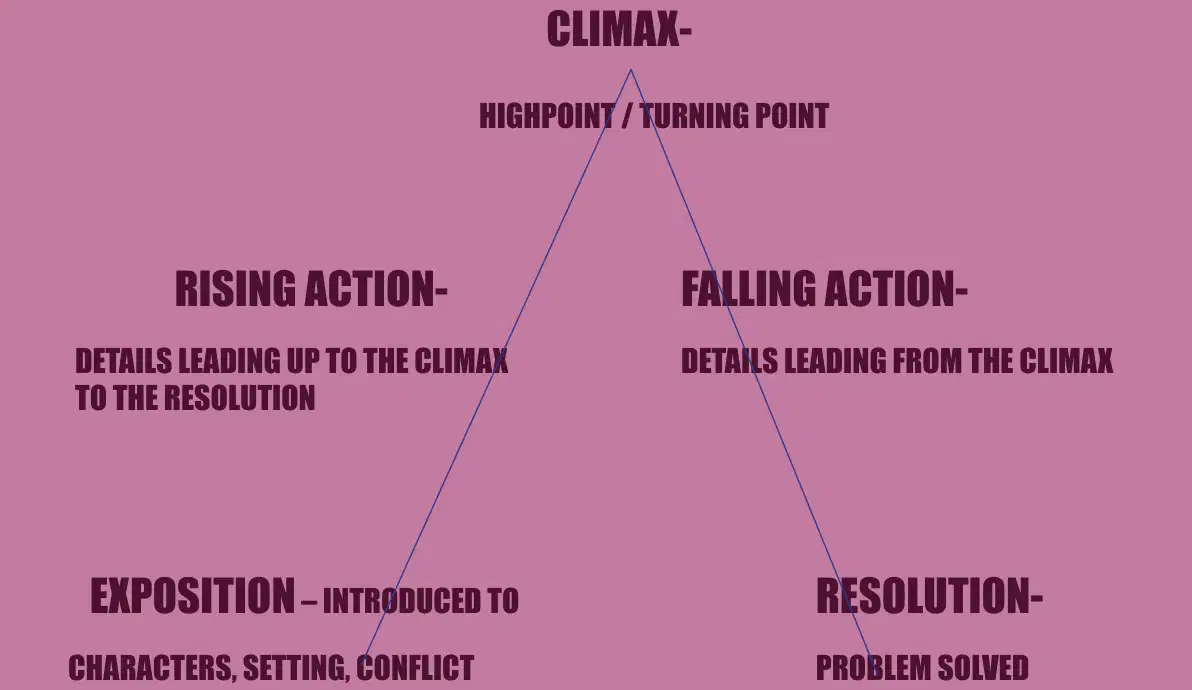
What is the part of a short story plot where you are introduced to characters, setting, and conflict?
Exposition
Climax
Resolution
Rising Action
Which part of the short story plot is described as 'details leading up to the climax'?
Rising Action
Exposition
Falling Action
Resolution
What is the highpoint or turning point of a short story plot called?
Climax
Exposition
Resolution
Conflict
Which part of the short story plot involves 'details leading from the climax to the resolution'?
Falling Action
Exposition
Rising Action
Conflict
What is the part of a short story plot where the problem is solved?
Resolution
Exposition
Climax
Conflict
Fill in the blank: In short story elements, the ________ is the hero and the solver of the conflict.
protagonist
antagonist
narrator
sidekick
Fill in the blank: In short story elements, the ________ is the person or being that generally causes the problem.
antagonist
protagonist
narrator
setting
Fill in the blank: In short story elements, the ______ is the message that the author wants to leave with the reader.
theme
plot
setting
character
Fill in the blank: In short story elements, _______ is the time and place in which a work of literature happens.
Setting
Theme
Plot
Character
In the context of short story elements, Characters are _____________.
the people (or actors) in the story
the places where the story happens
the main events of the story
the moral lesson of the story
Fill in the blank: In short story elements, 'Conflict' refers to _________.
struggles or problems between the opposing forces.
the setting of the story.
the main character's background.
the resolution of the plot.
Fill in the blank: In short story elements, 'Mood' is defined as the ________ that the author creates.
atmosphere
plot
character
theme
Fill in the blank: In short story elements, 'Tone' is defined as ____________.
the attitude that the author creates
the sequence of events in the story
the main character's motivation
the setting of the story
What is the term for the story teller from whose point of view the story is being told?
The narrator
The protagonist
The antagonist
The editor
Which point of view is described as 'The narrator is telling his or her own story (I, me)'?
1st Person
2nd Person
3rd Person
Which point of view is described as 'The narrator is speaking directly to the audience (you)'?
1st Person
2nd Person
3rd Person
Which point of view is described as 'An outside narrator is telling the story (he, she, they)'?
1st Person
2nd Person
3rd Person
What is the term for the description of the personalities of the characters in the story and the way in which an author reveals their personalities?
Characterization
Foreshadowing
Setting
Plot
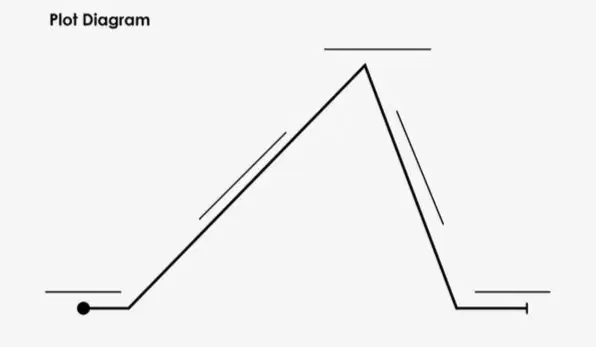
What is the first part of the plot chart?
Exposition
Climax
Falling Action
Resolution
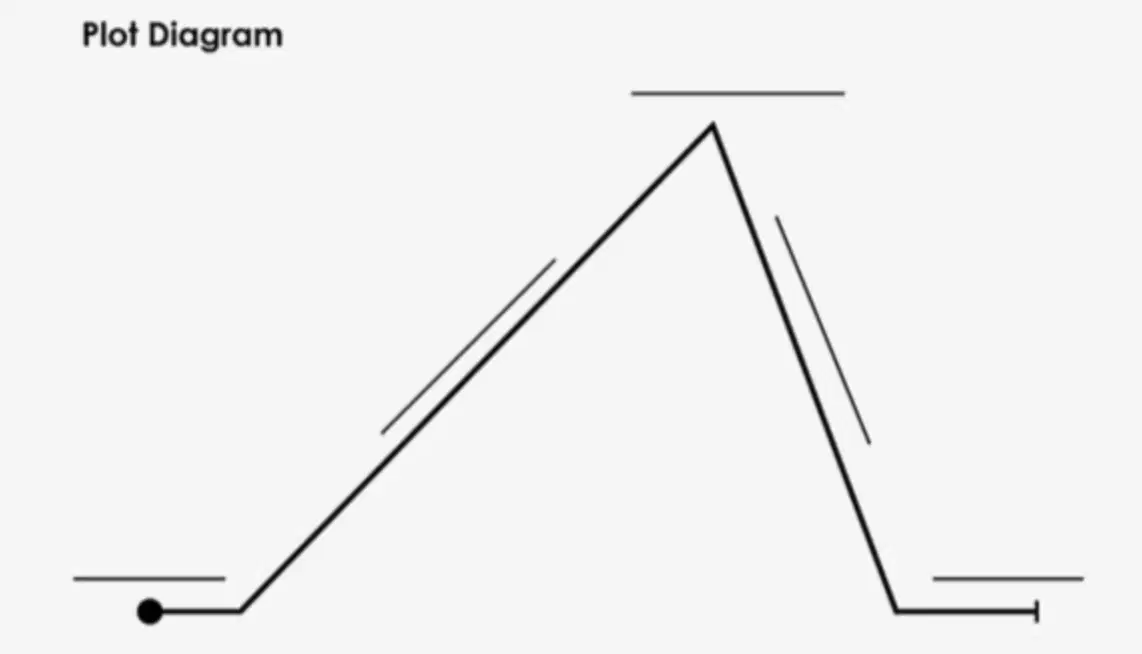
What is the second part of the plot chart?
Rising Action
Exposition
Climax
Resolution
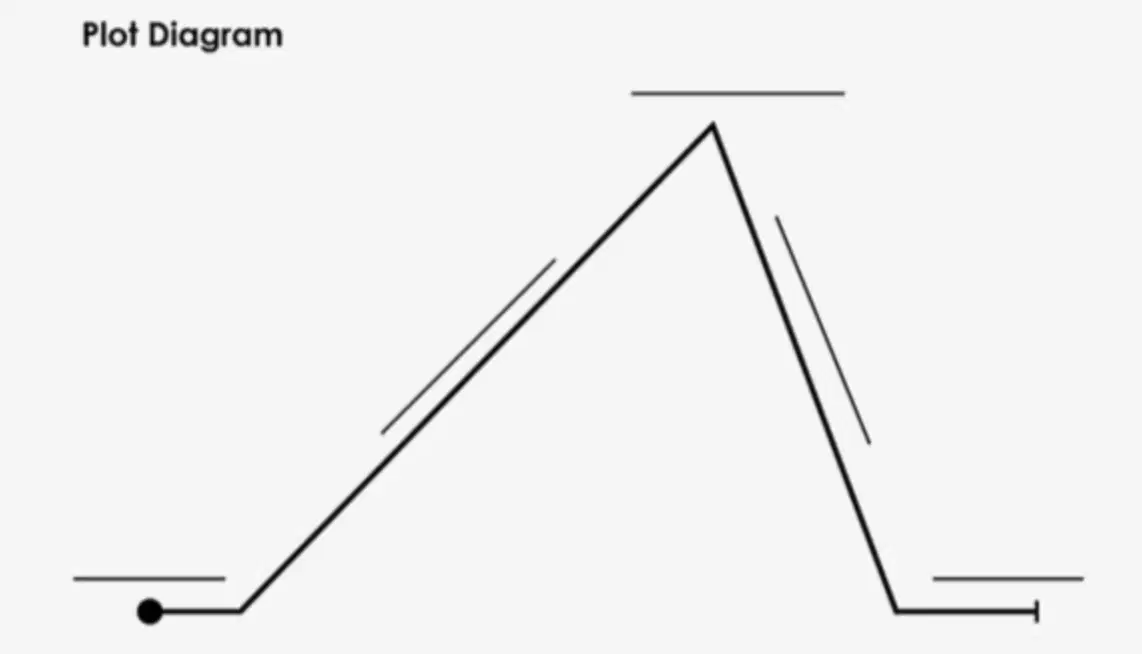
What is the third part of the plot chart?
Climax
Exposition
Falling Action
Resolution
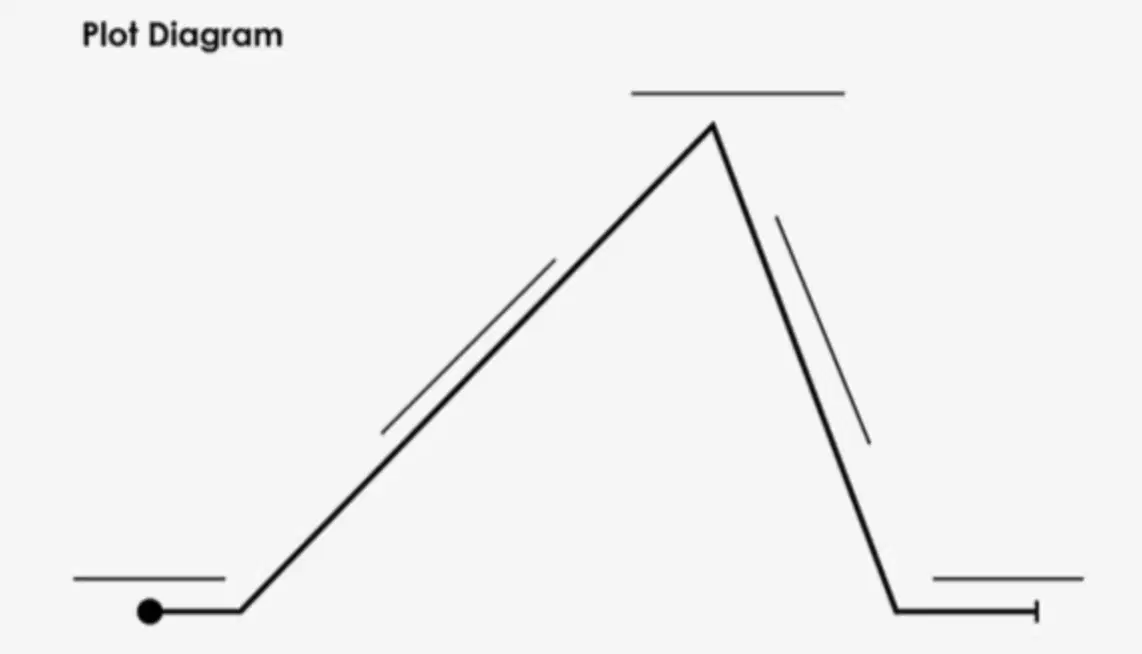
What is the fourth part of the plot chart?
Falling Action
Exposition
Climax
Resolution
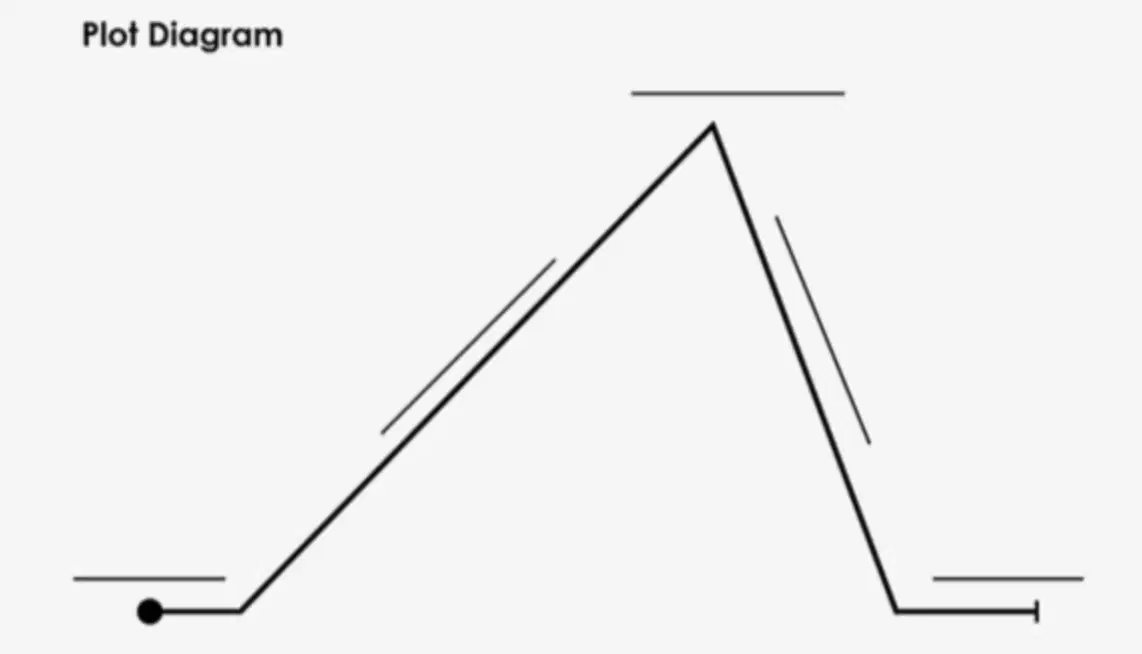
What is the fifth part of the plot chart?
Resolution
Exposition
Rising Action
Climax

