
NEW
Font size
 Worksheets
Maya Angelou's Autobiography Quiz
Total questions: 25
Worksheet time: 50mins
What did Maya pursue in her early life?
Fame and fortune
Education and opportunities
Travel and adventure
Art and music
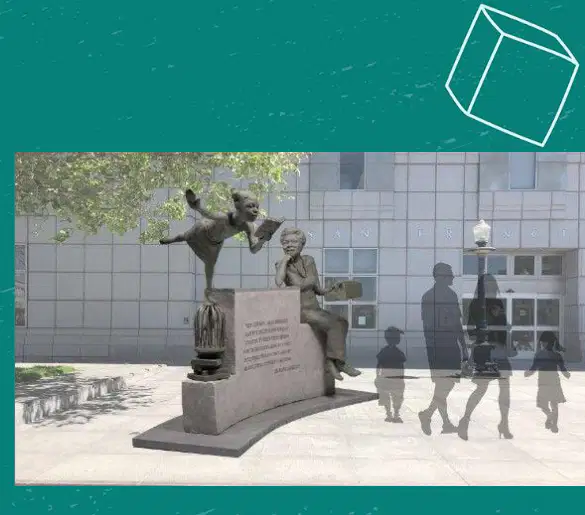
At what age did Maya Angelou move to San Francisco?
12
14
16
18
What did Maya Angelou begin exploring during her early years in San Francisco?
Her career in medicine
Her hobbies and talents
Her interest in sports
Her love for cooking
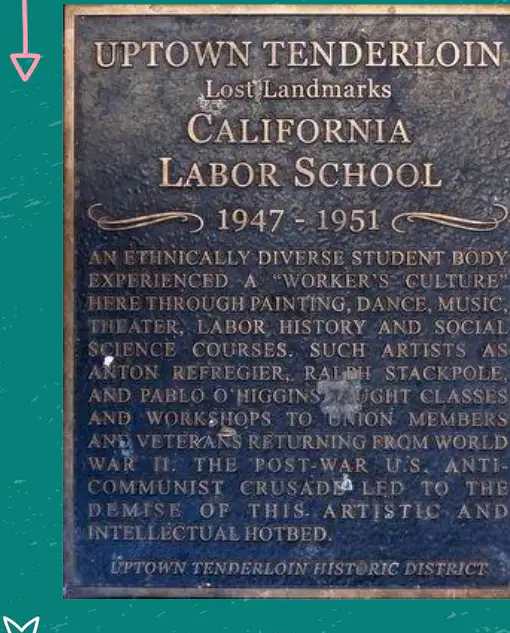
What school did Maya attend on a scholarship?
California Labor School
New York Art Institute
Boston Dance Academy
Chicago Drama Center
What subjects did Maya study?
Science and Math
Dance and Drama
History and Geography
Music and Literature
Fill in the blank: Maya became the first female African American to hold ____________ job in San Fransico.
A teacher
A nurse
A streetcar conductor
A pilot
What qualities did Maya demonstrate in San Fransico?
Laziness and fear
Courage and determination
Anger and frustration
Sadness and regret
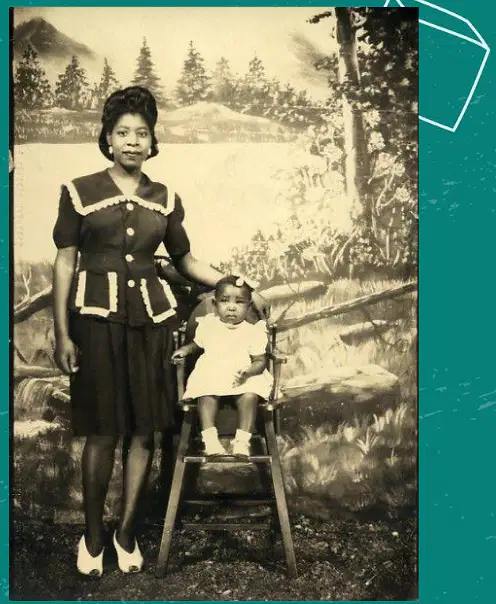
What did the young mother continue to do despite challenges?
Travel
Pursue her dreams
Give up
Change careers
What did Maya overcome in her early life?
Multiple obstacles
Financial success
Political challenges
Technological barriers
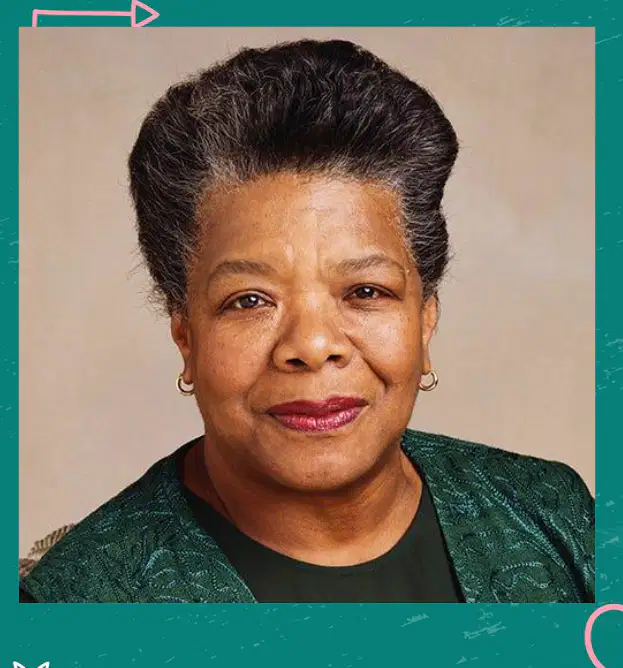
What personal quality did Maya demonstrate?
Incredible personal strength
Unmatched creativity
Unwavering patience
Endless curiosity
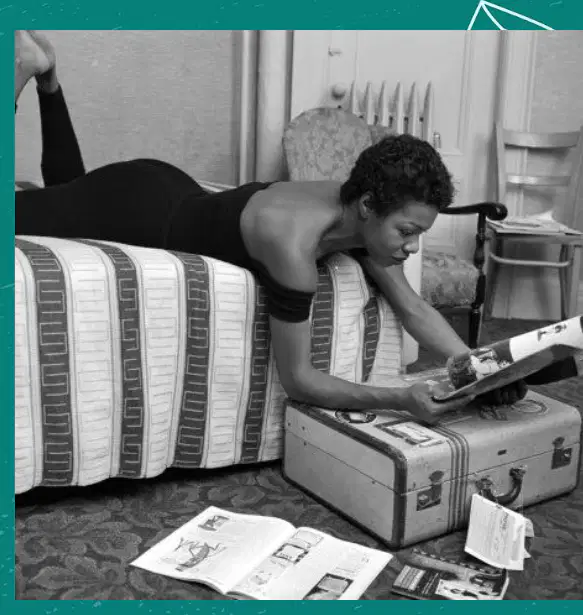
In what year did Maya Angelou move to Harlem, New York?
1959
1965
1970
1950
Why was Maya Angelou's move to Harlem significant?
It was a turning point in her life and career.
She became a famous singer there.
She opened a restaurant.
She started a new family.
What was Harlem known for in the 1950s?
A center of African American culture and creativity.
A major financial district.
A popular tourist destination.
A hub for technological innovation.
In which movement did Angelou become deeply involved?
Environmental movement
Civil rights movement
Women's rights movement
Animal rights movement
Who inspired Angelou with their leadership?
Nelson Mandela
Martin Luther King Jr.
Mahatma Gandhi
Rosa Parks
What was Angelou committed to fighting for?
Economic growth
Political power
Equality
Environmental protection
What was the goal of the civil rights movement?
To promote economic development
To achieve racial equality
To expand military power
To increase technological advancement
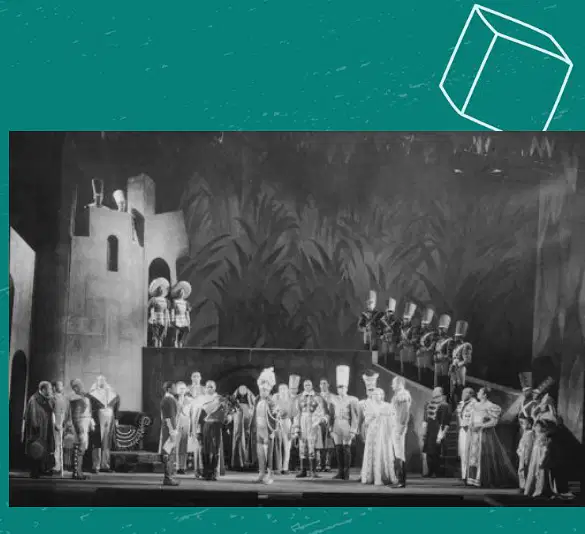
What types of performances were included in "Cabaret for Freedom"?
Magic tricks and puppet shows
Skits, songs, and dances
Sports events and races
Cooking demonstrations
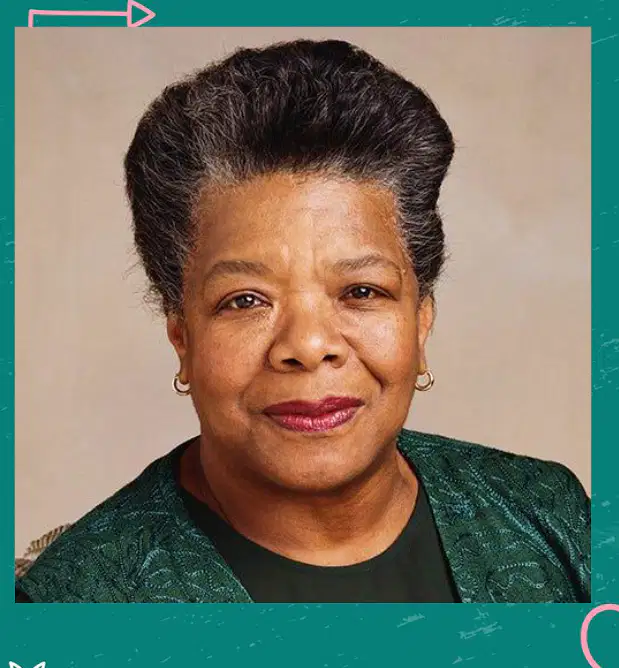
What did Maya Angelou combine with social activism?
Her artistic talents
Her scientific research
Her athletic skills
Her culinary expertise
At which university did the individual become a professor of American studies in 1982?
Wake Forest University
Harvard University
Yale University
Stanford University
Which poem by Angelou is described as powerful?
The Road Not Taken
The Raven
And Still I Rise
Stopping by Woods on a Snowy Evening
Which of Angelou's works is famous?
The Great Gatsby
I Know Why the Caged Bird Sings
To Kill a Mockingbird
Pride and Prejudice

What themes do Angelou's poems often explore?
Love and romance
Adventure and mystery
Resilience and strength
Science and technology
In what year did Angelou receive the Presidential Medal of Freedom?
2011
2000
2005
1995
Which award was Angelou given in 2000?
National Medal of Arts
Presidential Medal of Freedom
Grammy Award
Nobel Prize

