
 Worksheets
Key influences on manufacturing design
Total questions: 10
Worksheet time: 11mins
Imagine you are developing a new piece of equipment for a diverse group of users. How would you use anthropometric data and analysis of user requirements to strategically plan your design?
By collecting and analyzing data on the physical dimensions and needs of the target users to ensure the equipment is accessible and comfortable for everyone.
By designing the equipment based only on your own preferences.
By ignoring user data and focusing on making the equipment as small as possible.
By using random measurements without considering the target users.
A company manufactures a new type of water bottle that leaks when tipped sideways. Using the concept of "fitness for purpose," evaluate whether this product meets the requirements of a successful engineering process and justify your reasoning.
Yes, because it is a new product and innovation is important.
No, because it does not fulfill its intended function of holding water without leaking.
Yes, because it can still be used to store other items.
No, because all products are expected to have some flaws.
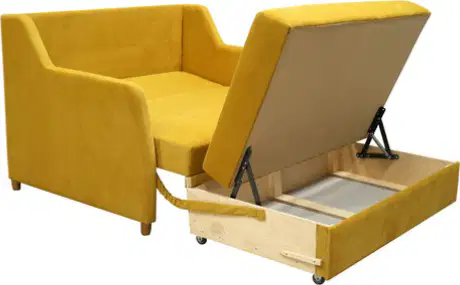
A designer is tasked with creating a new type of sofa bed. Using strategic thinking, explain how the designer should approach identifying and prioritizing the features of the sofa bed to ensure it meets both essential and desirable functional requirements. What reasoning process should the designer follow, and why is it important to distinguish between essential and desirable features?
The designer should create a checklist of all possible features, treat them equally, and implement as many as possible without prioritizing.
The designer should first identify and list essential features that the sofa bed must have to function (such as seating and sleeping), then separately list desirable features (such as storage), and ensure all essential requirements are met before considering desirable ones.
The designer should only focus on desirable features, as these make the product unique, and ignore essential requirements.
The designer should randomly select features to include, as all features are equally important for the product’s success.
A company is designing a new water bottle. They want to ensure it is attractive to young athletes, keeps drinks cold for long periods, and is made from recyclable materials. Which three key factors from the list of influences on design and manufacture are they prioritizing, and why?
Function, aesthetics, environment – because they are focusing on how well the bottle works, how it looks, and its environmental impact.
Materials, target market, performance – because they are focusing on what it’s made of, who will buy it, and how well it works.
Aesthetics, target market, environment – because they are focusing on how it looks, who will buy it, and its environmental impact.
Function, materials, performance – because they are focusing on how well it works, what it’s made of, and how it performs.
A consumer is deciding between two similar products. One is made with traditional materials, while the other uses sustainable materials and costs slightly more. Using strategic reasoning, which factors should the consumer consider to make an environmentally responsible choice?
Only the color and design of the product.
The environmental impact of the materials and the long-term benefits of supporting sustainable practices.
The popularity of the brand.
The product with the lowest price, regardless of materials used.
A company is designing a new system to improve its production process. Using strategic thinking, explain why it is important to focus on user requirements during the design phase and how this approach benefits both the customer and the organization.
Focusing on user requirements ensures the system is tailored to customer needs, increases satisfaction, and helps the organization achieve its objectives by designing a solution that meets specific requirements.
Ignoring user requirements speeds up the design process and reduces costs, but may result in a system that does not meet customer needs.
User requirements are only relevant after the system is implemented and do not affect the design phase.
The design phase should focus solely on technical specifications, not user requirements.
A supplier is tasked with designing specialized equipment for a client. Strategically, why is it important for the supplier to write a detailed specification that captures the scope of the work?
To ensure all aspects of the client’s requirements are addressed in the final design.
To reduce the amount of documentation required.
To allow for more flexibility in changing requirements later.
To minimize the involvement of the client in the process.
A company is choosing between two packaging designs: one uses biodegradable materials but is more expensive, while the other is cheaper but not eco-friendly. What strategic factors should guide their decision to align with sustainable manufacturing practices?
Only the initial cost of the packaging materials.
The environmental impact of the materials, potential brand reputation benefits, and long-term cost savings from sustainable choices.
The color and shape of the packaging.
How quickly the packaging can be produced, regardless of material.
When developing a new piece of sports equipment, why is it important to distinguish between essential and desirable features during the design process, and how should this influence the final product?
Because essential features can be added after the product is launched.
Because essential features ensure the equipment performs its main function, while desirable features can enhance user experience if resources allow.
Because all features should be treated equally, regardless of their importance.
Because only desirable features matter for marketing purposes.
Organise the functions of a classroom chair as either essential or desirable
Durable
Aesthetics
Safety
Cost-effectiveness
Ease of use
Performance
Innovation
Eco-friendliness
Customization
Portability
Comfort
Versatility

