
NEW
Font size
 Worksheets
Catholic Reformation Evaluation Quiz
Total questions: 20
Worksheet time: 10mins
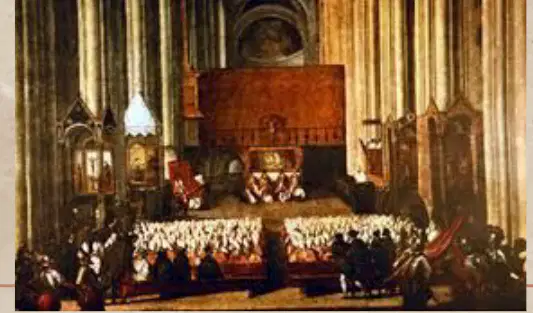
Evaluate the extent to which the Catholic Reformation was successful in achieving its goals between 1545 and 1648.
The Catholic Reformation was entirely successful in its goals.
The Catholic Reformation had limited success in its goals.
The Catholic Reformation was unsuccessful in its goals.
The Catholic Reformation was moderately successful in its goals.
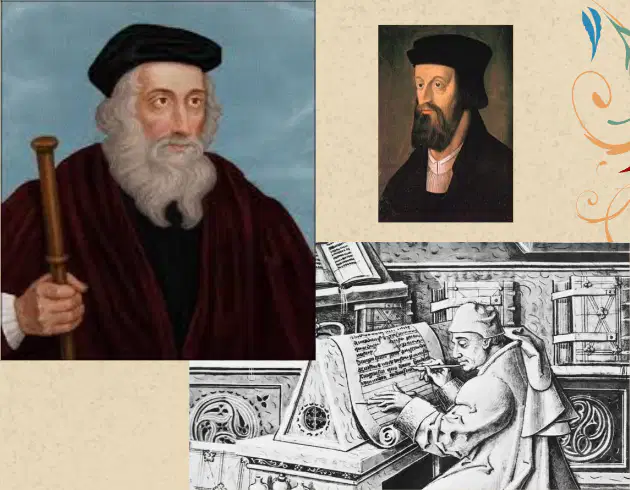
What was one of the impacts of humanism during the period of contextualization?
It strengthened the authority of the church.
It questioned authority.
It led to the decline of literacy.
It discouraged urban growth.
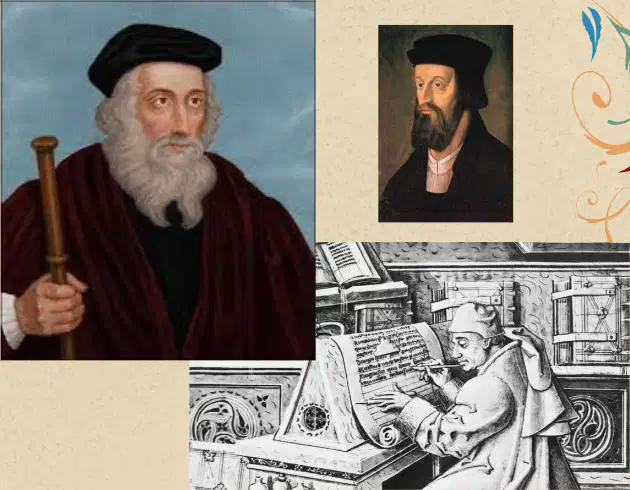
What social changes were occurring during the period of contextualization?
Decline in urban growth and literacy
Urban growth and rising literacy
Decline in trade and commerce
Increase in rural population
What significant event transformed 16th-century European politics and society by challenging Church authority?
The Industrial Revolution
The Protestant Reformation
The French Revolution
The Renaissance
How did the Protestant Reformation impact monarchs in 16th-century Europe?
It weakened their power
It empowered them
It had no effect
It abolished monarchy
How did princes use Protestantism during the period mentioned in the document?
To strengthen the Catholic Church
To assert independence
To increase monastic life
To support the German Peasants' War
What was one effect of the Protestant Reformation on the Catholic Church?
It strengthened the Catholic Church
It led to the German Peasants' War
It weakened the Catholic Church
It increased clergy influence
What was a consequence of the Protestant Reformation on monastic life?
Monastic life increased
Clergy influence increased
Monastic life declined
Literacy decreased
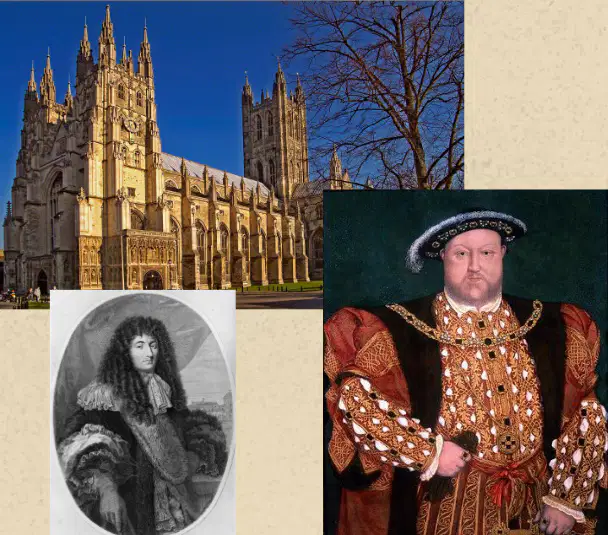
What type of churches were formed as state churches?
Catholic, Orthodox
Anglican, Lutheran
Methodist, Baptist
Presbyterian, Quaker
How were women's roles described in the document?
Expansive
Limited
Dominant
Equal
Who promoted literacy according to the document?
Rural farmers
Urban elites
Military leaders
Religious figures
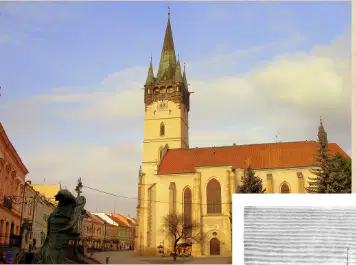
What was one of the main effects of the Catholic Counter-Reformation?
It weakened the power of the Church.
It reinforced Church power.
It led to the decline of missionary work.
It caused the end of religious wars.
How did the Jesuits contribute during the Catholic Counter-Reformation?
By leading peasant revolts.
By spreading education and missionary work.
By suppressing religious wars.
By dividing Europe politically.
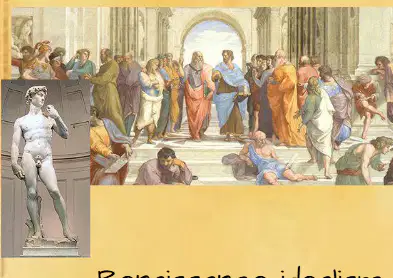
What artistic styles dominated the landscape of High Renaissance Europe?
Baroque and Rococo
Gothic and Romanesque
Renaissance idealism and realism
Impressionism and Expressionism
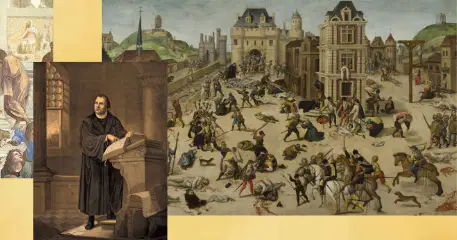
What events led to a shift in artistic focus during the High Renaissance?
The Industrial Revolution
The Protestant Reformation and Wars of Religion
The French Revolution
The Enlightenment
What artistic styles were influenced by the conflicts and spiritual anxieties of the mid-16th century?
Gothic and Romanticism
Renaissance and Impressionism
Mannerism and Baroque
Neoclassicism and Realism
What was the effect of the mid-16th century conflicts on artistic styles?
Shift from Baroque to Gothic
Shift from Renaissance to Mannerism and Baroque
Shift from Romanticism to Realism
Shift from Impressionism to Neoclassicism
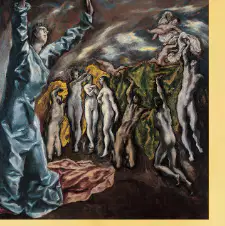
What was the main trigger for the emergence of Mannerism as an art style?
Scientific discoveries
Religious conflicts in Europe
Economic prosperity
Political stability
Which of the following characteristics is associated with Mannerism?
Use of realistic figures and colors
Emphasis on symmetry and balance
Distorted figures and colors
Focus on natural landscapes
What did Mannerism prioritize in its artistic expression?
Reason over feeling
Feeling over reason
Order over chaos
Symmetry over distortion

