
NEW
Font size
 Worksheets
Historical Events Quiz
Total questions: 20
Worksheet time: 10mins
In what year was the movable type invented?
1450
1440
1517
1545
Which event is associated with Martin Luther in 1517?
Humanist Renaissance
Movable Type
95 Theses
Act of Supremacy
What significant religious establishment occurred in 1545?
Humanist Renaissance
Movable Type
95 Theses
Anglican Church was established
During which period did the Humanist Renaissance occur?
1440-1450
1450-1500
1517-1545
1545-1600
During which years was the Catholic Reformation mostly successful in achieving its goals?
1517 to 1648
1600 to 1700
1400 to 1500
1700 to 1800
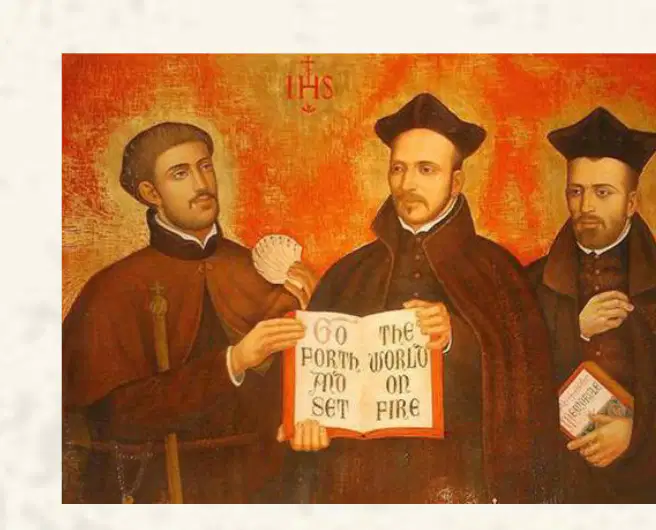
Who were the two key figures associated with the Catholic Church's response to the Reformation?
Martin Luther & John Calvin
Henry VIII & Thomas More
Ignatius Loyola & Pope Paul III
Erasmus & Thomas Aquinas
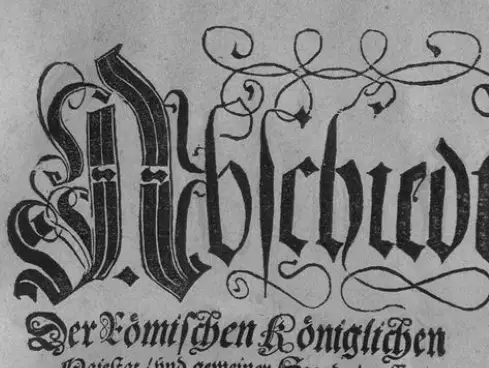
What was established in 1542 that included the Index of Prohibited Books?
Roman Inquisition
Protestant Reformation
Council of Trent
Peace of Augsburg
What does "CCOT" stand for in historical analysis?
Change and Continuity Over Time
Cultural and Contextual Observations in Time
Chronological Changes Over Time
Continuous Change Over Time
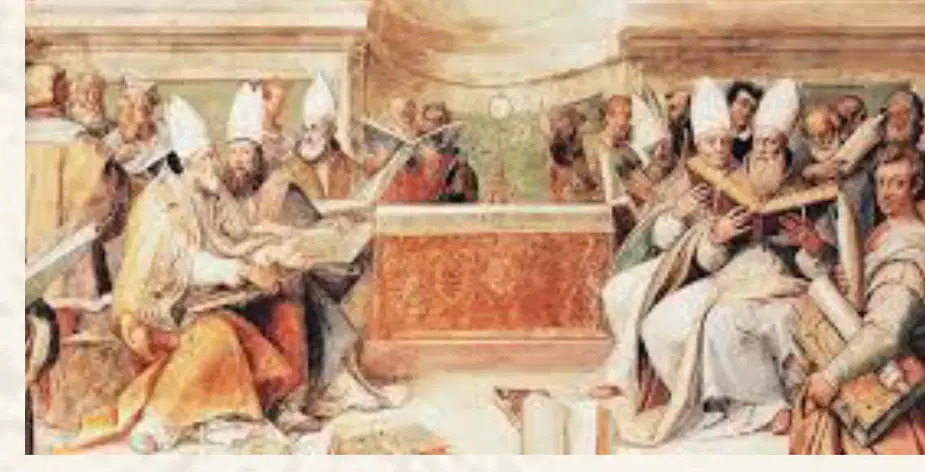
What was a continuity in the Church according to the image?
Corruption through the Church
Expansion of the Church
Decline in Church influence
Increase in Church wealth
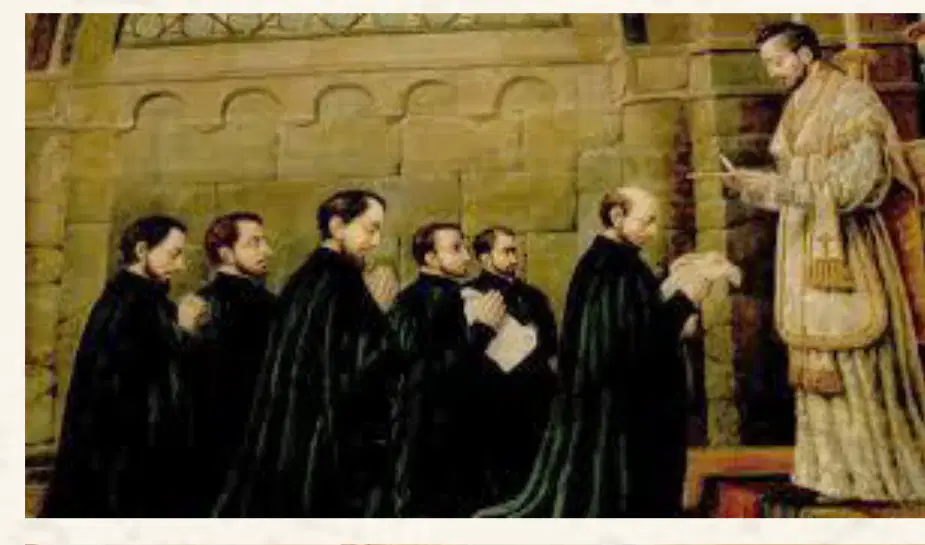
What change is highlighted in the Church according to the image?
Educated and Moral Clergy
Decrease in Church attendance
Rise of secularism
Increase in Church donations
Evaluate the extent to which society and politics in Europe changed from the late 15th century to the late 16th century.
Society and politics remained largely unchanged.
There were significant changes in both society and politics.
Only society changed significantly, politics remained the same.
Only politics changed significantly, society remained the same.
What major transformations occurred in European society and politics during the 16th century?
Decentralization of monarchies and the decline of the Reformation
Centralization of monarchies and the upheavals of the Reformation
Rise of agrarian life and decline of nobility
Complete break from traditional hierarchies
How did traditional hierarchies of nobility and agrarian life change during the 16th century?
They were completely abolished
They continued to persist
They were replaced by industrial life
They became more decentralized
What was one of the effects of the Enclosure Movement?
Decrease in agricultural productivity
Rise of the middle class
Decline in urban population
Increase in communal farming

Which group was primarily affected by displacement during the Enclosure Movement?
Nobility
Middle class
Peasants
Merchants
What was one of the effects of Martin Luther's 95 Theses?
Strengthened the Catholic Church
Improved literacy and education
Decreased interest in religious reform
Increased the power of the monarchy
What was the primary goal of the Catholic Reformation?
To expand Protestantism
To reform the Catholic Church
To abolish the Council of Trent
To weaken spiritual discipline
How did the Catholic Reformation aim to combat Protestant expansion?
Through economic sanctions
Through religious and political means
By forming alliances with Protestant leaders
By ignoring Protestant movements

What was the primary aim of the Catholic Reformation?
To expand the Church's influence in new territories
To respond to the Protestant Reformation's challenges
To establish a new religious doctrine
To separate from the Protestant Church
What did the Catholic Reformation seek to restore amid widespread religious upheaval?
Economic stability
Political alliances
The Church's authority
Cultural traditions

