
 Worksheets
Historical Periods and Church Authority
Total questions: 20
Worksheet time: 10mins
Which historical period challenged medieval structures and Church authority?
The Renaissance
The Middle Ages
The Industrial Revolution
The Enlightenment
What were some of the factors that challenged Church authority during the Renaissance?
Reformations and economic shifts
The Crusades and feudalism
The Black Death and serfdom
The Scientific Revolution and colonization
What were the main changes in the 16th century according to the thesis?
Growing royal power and religious change
Industrial revolution and technological advancements
Decline of royal power and economic stagnation
Expansion of democratic systems and social equality
According to the thesis, what aspect of society mostly stayed the same in the 16th century?
Social systems
Economic systems
Political systems
Technological systems
What role did Mannerism play in the 16th and 17th centuries?
It mirrored the times without influencing them.
It actively shaped the times with its unique style.
It was a tool for political propaganda.
It was primarily used in religious texts.
How did Baroque art serve the Catholic Church and monarchies?
By promoting scientific discoveries.
By stirring emotion and inspiring faith.
By focusing on abstract concepts.
By depicting everyday life.
What did the art movements of Mannerism and Baroque reflect about early modern Europe?
The stability of political systems.
The unchanged social structures.
The shifting political, social, and religious currents.
The decline of religious influence.
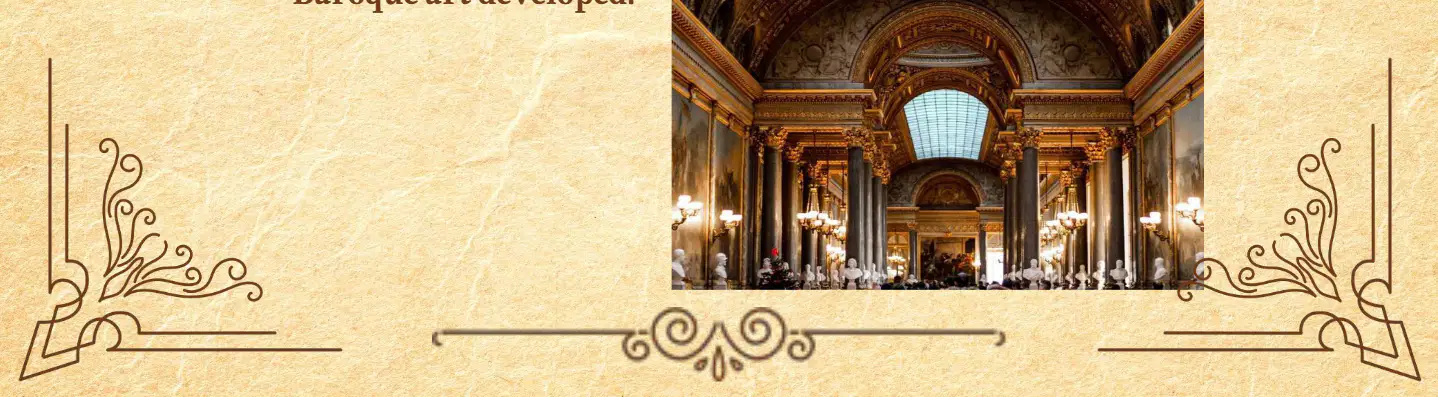
Which historical events shaped the political and religious climate for the development of Mannerism and Baroque art?
The Renaissance and Enlightenment
The Reformation and Counter-Reformation
The Industrial Revolution and Romanticism
The French Revolution and Neoclassicism
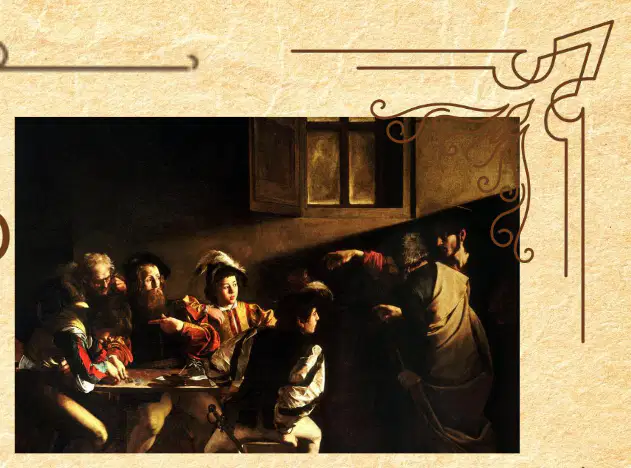
What is the name of the artwork that represents a biblical calling in Baroque art?
The Birth of Venus
Calling of Saint Matthew
The Scream
The Persistence of Memory
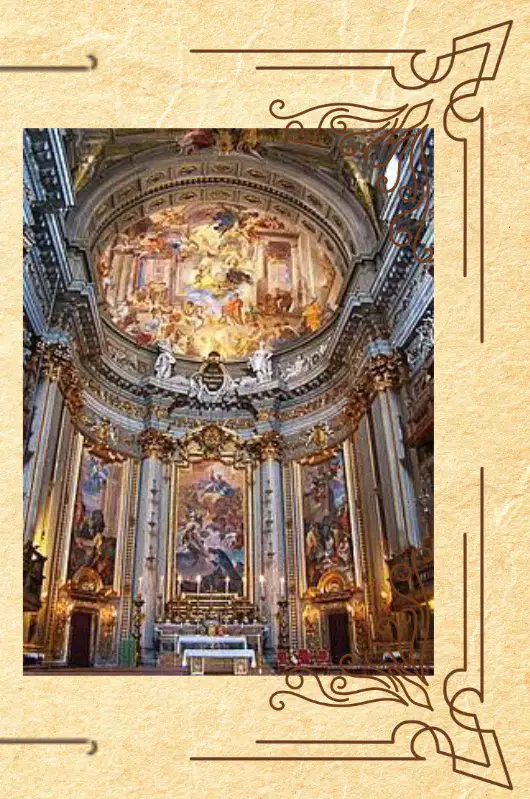
What style of art and architecture did absolute rulers use to demonstrate their power and divine right?
Gothic
Renaissance
Baroque
Modernist
How did Baroque art influence its time?
By promoting uncertainty
By inspiring devotion and authority
By encouraging rebellion
By reflecting chaos
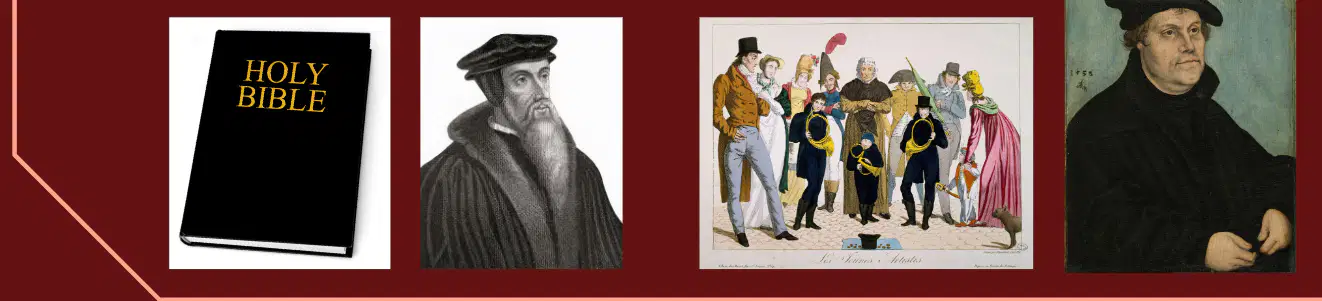
What was one of the social changes mentioned in the document?
The middle class declined and religious reforms were rejected.
The middle class grew and religious reforms spread.
The middle class remained the same and religious reforms were ignored.
The middle class grew but religious reforms were reversed.
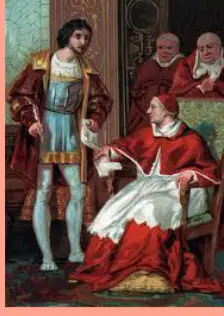
What was one of the main effects of kings gaining power in Europe?
Increased unity among European nations
Social change and shift of power
Decline in religious influence
Economic prosperity for all classes
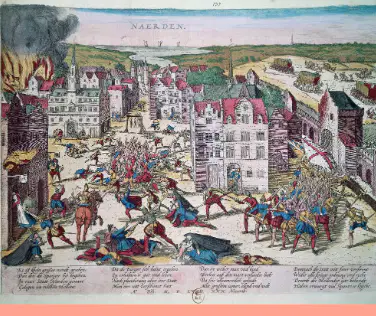
What was a significant consequence of religious conflicts in Europe?
Unification of European countries
Strengthening of monarchies
Division of Europe
Economic decline
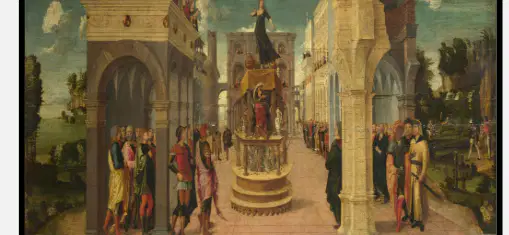
What major event set the stage for the Reformation in Europe before 1517?
The Renaissance
The Enlightenment
The rise of humanism and the printing press
The Industrial Revolution
What was the religious state of Europe before 1517?
Divided among various religions
United under the Catholic Church
Predominantly Protestant
Mostly secular
What was the ultimate effect of the Reformation on Catholic unity?
Strengthened Catholic unity
Had no effect on Catholic unity
Broke Catholic unity
Led to the creation of a new Catholic order
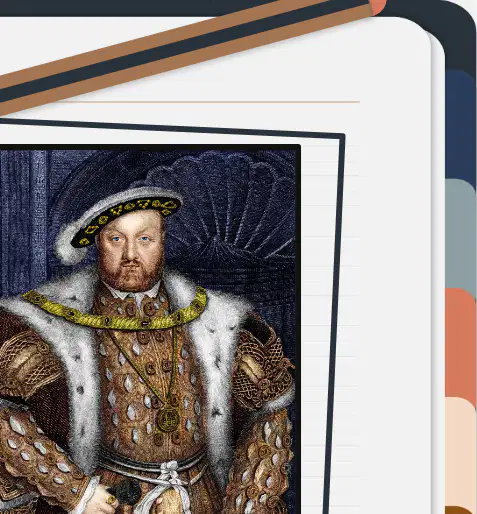
What was the significant shift in political power mentioned in the thesis?
Power shifted towards religious authorities, weakening monarchs and nobles.
Power shifted towards nobles, weakening monarchs and religious authorities.
Power shifted towards monarchs, weakening nobles and religious authorities.
Power shifted towards the common people, weakening monarchs and nobles.
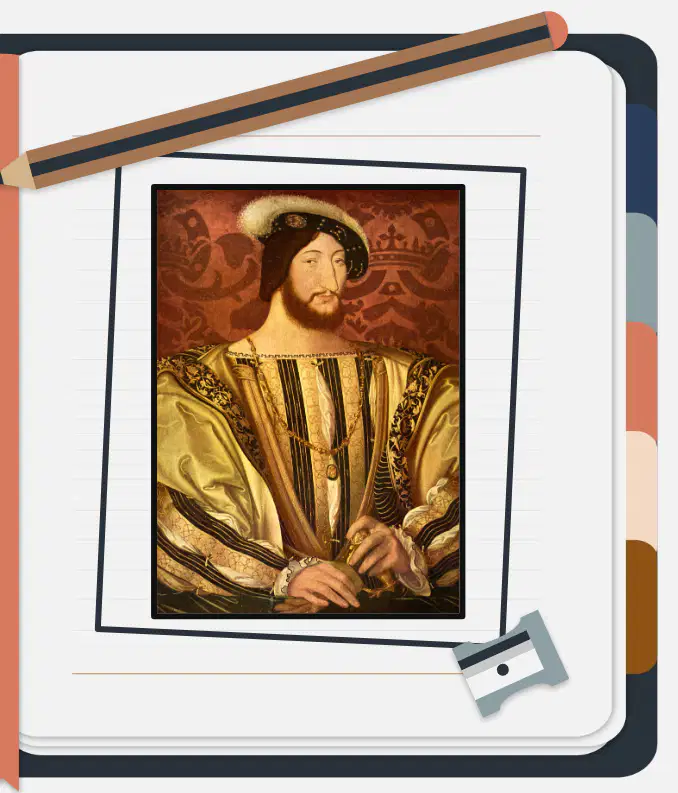
How did monarchs centralize authority according to the text?
By increasing noble influence
By reducing noble and church influence
By expanding church power
By decentralizing government functions

Why did nobles lose influence according to the text?
Due to increased trade and commerce
Due to taxation, bureaucracy, and standing armies
Due to technological advancements
Due to cultural shifts and changes in art

