
 Worksheets
Unit 0 - Exit Slip #1
Total questions: 21
Worksheet time: 21mins
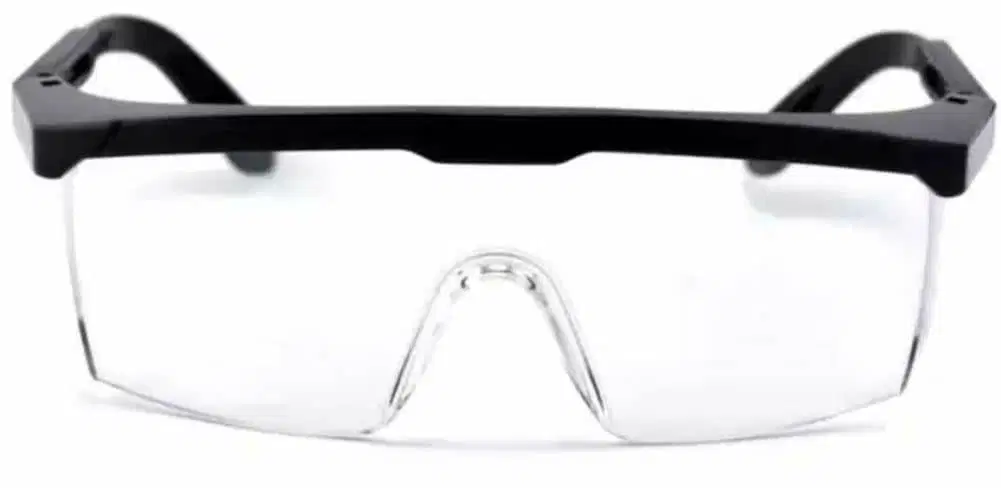
Why is it important to wear goggles in a lab?
to protect the eyes from harmful substances and potential injuries.
Goggles are primarily for fashion in the lab.
Wearing goggles is optional in a lab setting.
Goggles are only needed for chemical spills.
Based on the words biology, geology, and zoology, what does the suffix “-ology” mean?
the history of
the practice of
the creation of
the study of

What branch of physical science involves the forms and properties of matter and chemical reactions?
Geology
Physics
Meteorology
Chemistry

Every night Mr. D looks through his telescope and charts the stars and planets. What branch of science is she studying?
Astronomy
Geology
Meteorology
Chemistry

Study of life
Chemistry
Biology
Physics
Geology
What should you do if you spill a chemical in the lab?
Leave the lab without informing anyone.
Alert your teacher and follow spill response procedures.
Clean it up with water immediately.
Ignore the spill and continue working.
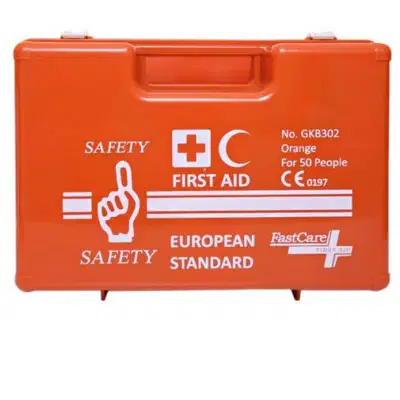
Why is it important to have a first aid kit in the lab?
First aid kits are only needed in outdoor settings.
to ensure immediate medical assistance for injuries and accidents.
They are only useful for minor cuts and scrapes.
It is not necessary if there are no visible hazards.
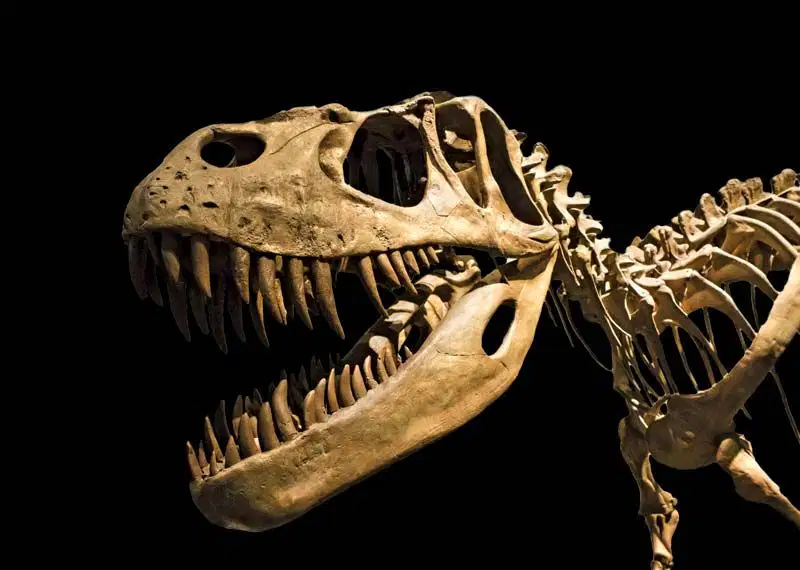
Which branch of Science includes studying fossils?
Mythology
What should you do with broken glass in the lab?
Leave it on the lab bench.
Throw it in the regular trash.
Dispose of broken glass in a designated container.
Sweep it into a dustpan and discard.

Why should long hair be tied back in the lab?
To enhance hair growth.
To keep hair clean and shiny.
To make a fashion statement.
To prevent accidents and contamination.
Based on the words microscope, microorganism, and microwave, what does the prefix “micro-” mean?
New
Small
Large
Old

What is the purpose of lab coats?
To keep the lab equipment organized.
To serve as a fashion statement in the lab.
To provide a comfortable fit for the wearer.
to protect the wearer and maintain a safe and sterile environment.
What should you do if you get a chemical in your eye?
Flush the eye with water for 15 minutes and seek medical help.
Rub your eye vigorously to remove the chemical.
Use a cotton swab to clean the eye.
Apply ice to the eye immediately.
What is the importance of labeling chemicals?
Labeling chemicals is important for safety, hazard identification, and compliance with regulations.
Labeling chemicals is only necessary for large quantities.
Labeling chemicals is primarily for marketing purposes.
Labeling chemicals has no impact on workplace safety.
What type of footwear is recommended in a lab?
Closed-toe shoes with non-slip soles
High-heeled boots
Flip-flops
Open-toe sandals

What is the purpose of this tool in the lab?
To create fire in the lab.
To store flammable materials safely.
To suppress and control small fires in the lab.
To provide light during experiments.
What's the proper attire for a lab? Choose all that apply.
Wearing protective eyewear
Pulling back long hair
Avoiding open-toed shoes
Wearing loose clothing & dangling jewelry

Study of Animals
Botany
Paleontology
Zoology
Chemistry
When my mother wanted to check my fever, she used a ________ometer.
therm
hydro
terr
geo
Her brother wants to study rocks, so he will become a ________logist.
Bio
geo
rock
circle

What is the correct procedure for safely smelling a chemical in a lab?
Inhaling directly from the container.
Holding the container close to your nose.
Wafting to fan the vapors toward your nose with your hand.
Sniffing directly from the container.

